
Reviewed · NARA TOURS
Nara Early Bird Tour (Kyoto Departure Option Available)
This is an appealing morning plan because it tackles Nara’s one problem head on, the afternoon crowd crush. You get a fast, focused half-day that prioritizes the main sights while the light, paths, and photos still feel calm.
Two things I really like. First, the guide quality is a strong part of the value. Names like Genki, Hina, Futaba, and Kotaro pop up again and again for their energy and clear storytelling, and you can feel the difference when someone knows where to stand and when to move. Second, the itinerary is designed for momentum, Kofuku-ji, Todai-ji, Nara Park, and Kasuga Grand Shrine before things spike, with a quiet moment at Fushimi Inari and Kyoto stops like Kinkakuji and Arashiyama woven in so your morning feels “complete,” not random.
One consideration before you book: this is a walk-heavy, time-tight tour. You’ll cover a lot, you must arrive about 10 minutes early at Kyoto Station, and not everything is included (Todai-ji admission is extra). If you prefer slow sightseeing, or you need lots of sitting breaks, you might feel rushed.
Key things that make this Nara early bird tour work
- Early timing beats the Nara photo problem, so you get cleaner views before the biggest waves arrive
- Small group size (up to 12) keeps the pace easy to follow and questions actually get answered
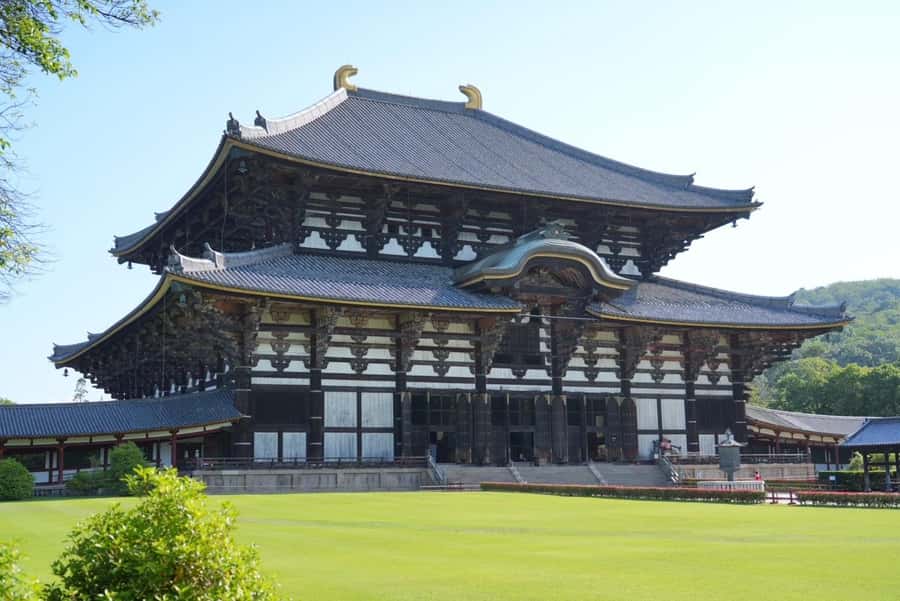
- Big-ticket stops in one morning, including Kofuku-ji, Todai-ji, Nara Park, and Kasuga Grand Shrine
- Deer time without chaos, with space to watch the deer calmly in the park areas
- Short Kyoto highlights, including Fushimi-Inari, Kinkakuji, and the Arashiyama district
- English-speaking guides who bring the sites to life with stories and practical tips
Nara feels calmer when you arrive before the stampede
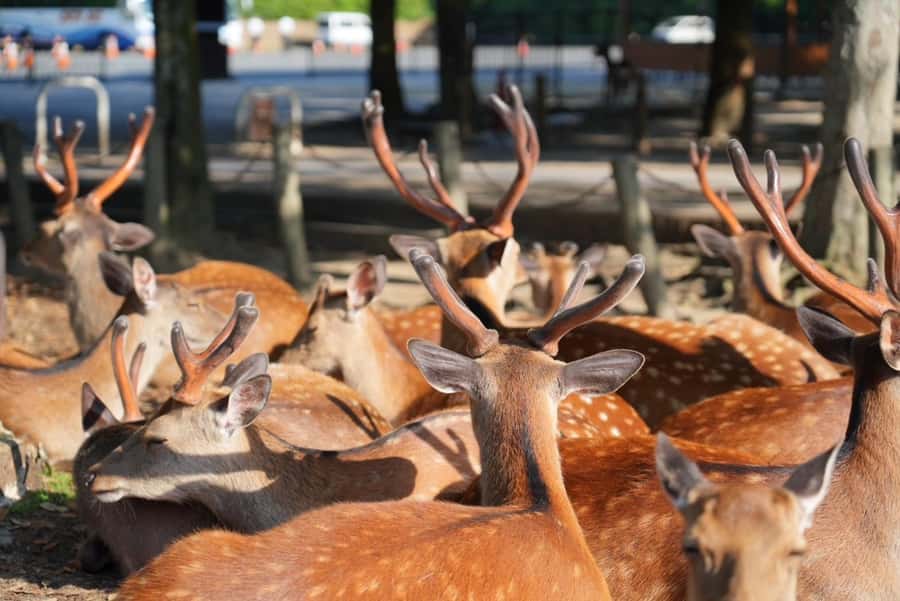
Nara has a way of turning magical in the early hours. The deer still feel like locals in their own neighborhood, and the temple courtyards are not yet jammed with tour groups taking the same shot from the same spot.
That early start is not just about “avoiding crowds” as a perk. It changes your whole experience. When people are packed in, it is harder to linger, harder to hear explanations, and harder to get photos without heads in the frame. When you arrive first, you can actually look up at the architecture, feel the scale of the grounds, and slow down long enough to notice details you would otherwise miss.
Also on the shortlist for Nara:
- World Heritage Kyoto & Nara Uji Authentic Matcha Experience
★ 5.0 · 1,573 reviews - Nara Half Day Trip Walking Tour (Private Option Available)
★ 5.0 · 937 reviews - Nara Early Morning Tour (Kyoto or Osaka Departure Available)
★ 5.0 · 676 reviews
Kyoto Station start: the logistics that protect your schedule
This tour meets at Kyoto Station Central Ticket Gate, on the north side of the station where you can see Kyoto Tower outside. It is right near Hotel Granvia, which makes it easier to confirm you are in the right place.
The tour’s timing depends on everyone being prompt. The meeting rule is strict: be there 10 minutes early, and late guests cannot be accepted. No refund is offered for missed departures. That sounds intense, but it is exactly what allows the group to hit the early windows and keep the day from spiraling into a domino effect of late trains and late arrivals.
If you choose the Kyoto Station departure option, you’ll use public trains to get to Nara, and the ride is about 1 hour. The total tour length is listed as 4 hours for the Kyoto Station option.
A short morning, not a long day: what that means for pacing
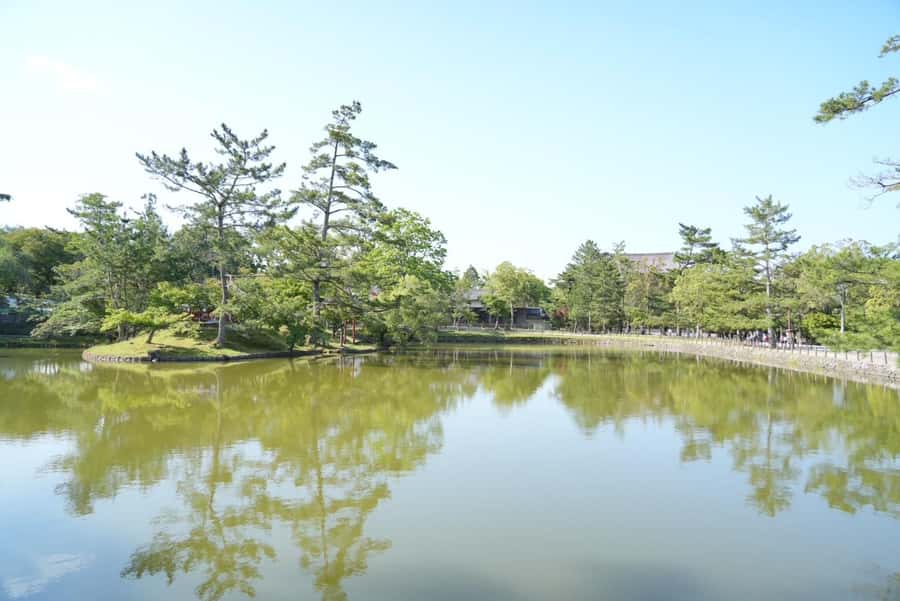
This is a half-day format, and that matters. You are not meant to “wander until you get tired.” You are meant to see the key sites with a guide, ask questions, then walk out with a clear mental map of what to return to later.
The good part of that fast pace is focus. You are not spending hours deciding where to go. You are walking a route that hits the core religious landmarks and the park areas that make Nara famous.
The tradeoff is that there is not much time for detours or extended sits. If you love long temple stays, reading every plaque, or moving slowly with frequent coffee stops, you may prefer a more flexible tour. With this one, bring comfortable shoes and plan to use your free time after the tour for slower exploration.
Fushimi-Inari for a quiet pause, then back into sightseeing mode
One of the highlights is a contemplation and reflection moment at Fushimi-Inari Shrine. This is a smart inclusion in a morning itinerary because it gives you an emotional reset before the day turns into temple hopping and deer viewing.
Fushimi-Inari is known for its dense path of torii gates and the feeling you get when you move through that tunnel-like space. Even a brief stop can change how the next sights land. It sets the tone, spiritually and visually, and it also helps you appreciate why Nara and its Buddhist landmarks feel connected to broader Japanese temple culture.
Practical note: this part is not meant to replace a full Fushimi-Inari visit. It is a “pause,” then the route keeps rolling.
A change of pace from Nara:
- Osaka: Nara and Uji Day Trip with Deer Park and Hot Spring
★ 4.4 · 302 reviews - Kyoto/Osaka: Kinkakuji, Bamboo Forest, and Nara Deer Park
★ 4.4 · 265 reviews - Nara 6hr Private Tour with Government-Licensed Guide
★ 5.0 · 219 reviews - E-Bike Nara Highlights – Todaiji, Knives, Deer, Shrine
★ 4.8 · 186 reviews
Kinkakuji and Arashiyama: Kyoto icons in the same morning
The highlights also point to two Kyoto standouts: Kinkakuji, the famous Buddhist temple, and Arashiyama, the district known for its scenery and atmosphere.
Even when you only see portions of these areas within a short window, the value is in seeing the contrast. Kinkakuji brings that iconic temple silhouette, and Arashiyama adds a sense of place with its riverside nature vibe and traditional neighborhood feel. Together, they make your morning feel like more than just a transit day to Nara.
Because the itinerary is time-compressed, do not expect museum-level wandering. Expect photo-friendly moments, short orientation stops, and a guide who helps you look at what matters most.
Nara’s big Buddhist hits: Kofuku-ji and Todai-ji
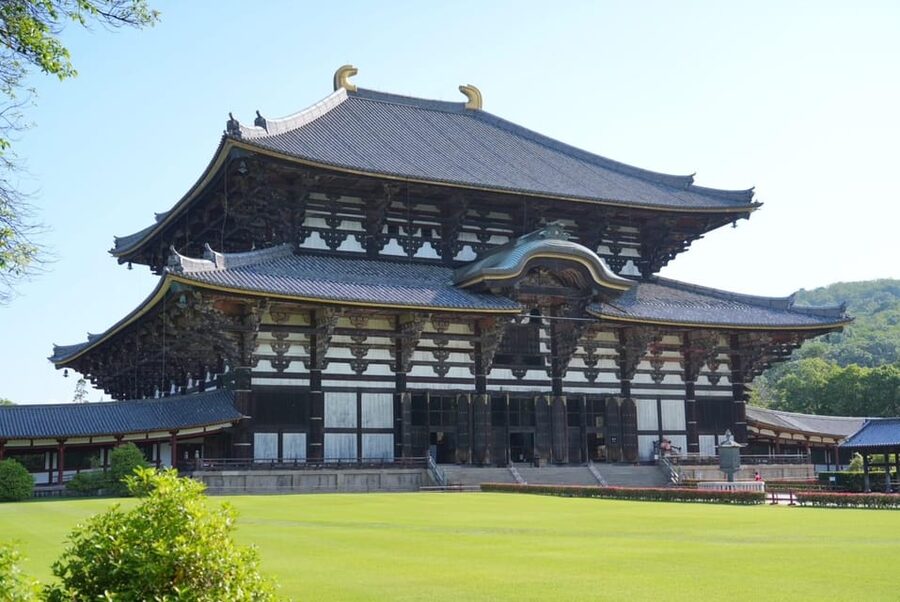
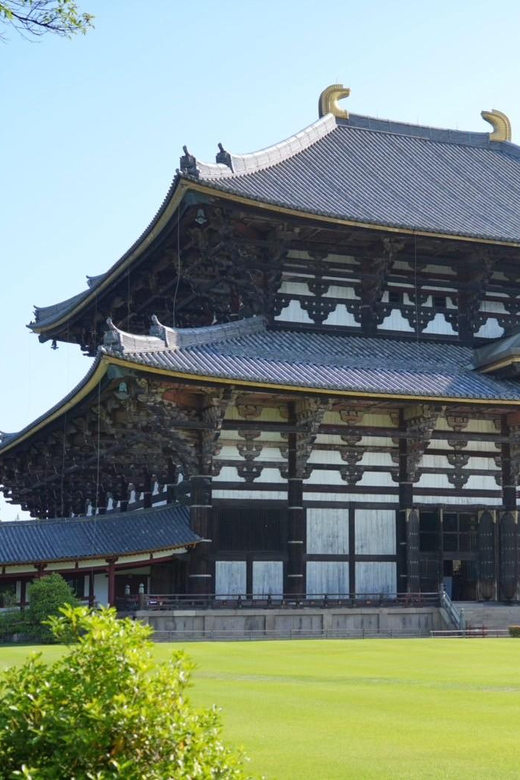
Once you’re in Nara, the tour goes straight for the heart of it. Kofuku-ji Temple and Todaiji Temple are both included as key stops, and they are the reason many people come to Nara in the first place.
Kofuku-ji gives you the “Nara feels real” moment. You get the temple complex atmosphere, the sense that this is not just a park with deer, but a place with deep religious presence and history in the structures themselves.
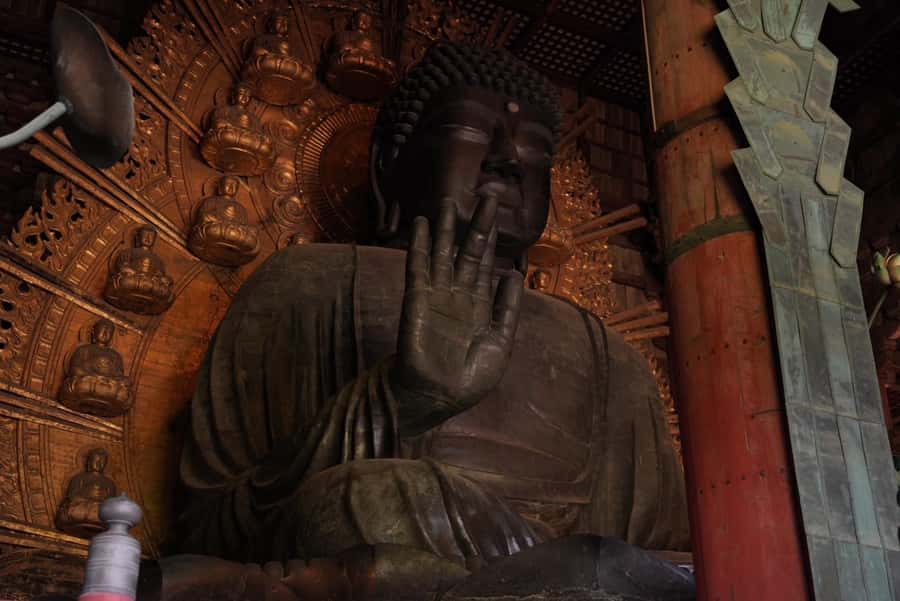
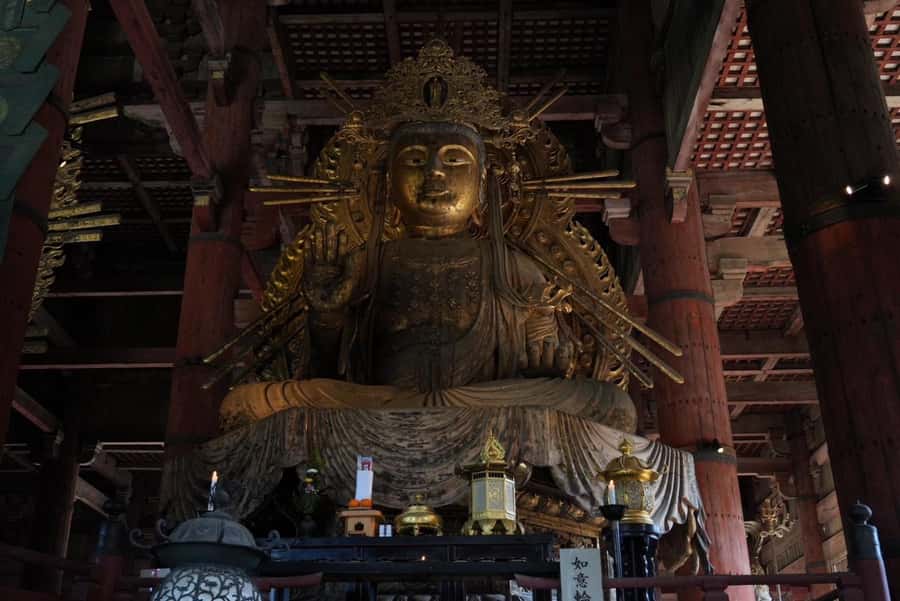
Then comes Todai-ji. This is the major scale stop. You can see why it is a centerpiece temple. The tour listing is also clear about one important budget detail: Todai-ji admission is not included. The fee listed is 800 yen.
I like that the tour is honest about this. You can plan ahead, avoid a last-minute cash scramble, and focus on the inside experience once you arrive.
Nara Park and Kasuga Grand Shrine: deer time with etiquette
The tour includes Nara Park and Kasuga Grand Shrine, and that pairing is what makes the morning feel complete.
Nara Park is where the deer meet you, roam through the areas, and turn the stroll into something you do not have to force. The best part of doing this early is that the deer interactions are easier to observe without the chaos of peak hours. You can watch how calmly they behave when people give them space.
You will also want to use deer crackers responsibly. The tour highlights and reviews point to buying special crackers as part of the experience, and watching the deer gently bow before eating is one of the common memorable moments. That detail matters because it helps you understand deer behavior. If you treat it like a zoo stunt, it gets stressful fast. If you treat it like a quiet shared space, it feels peaceful.
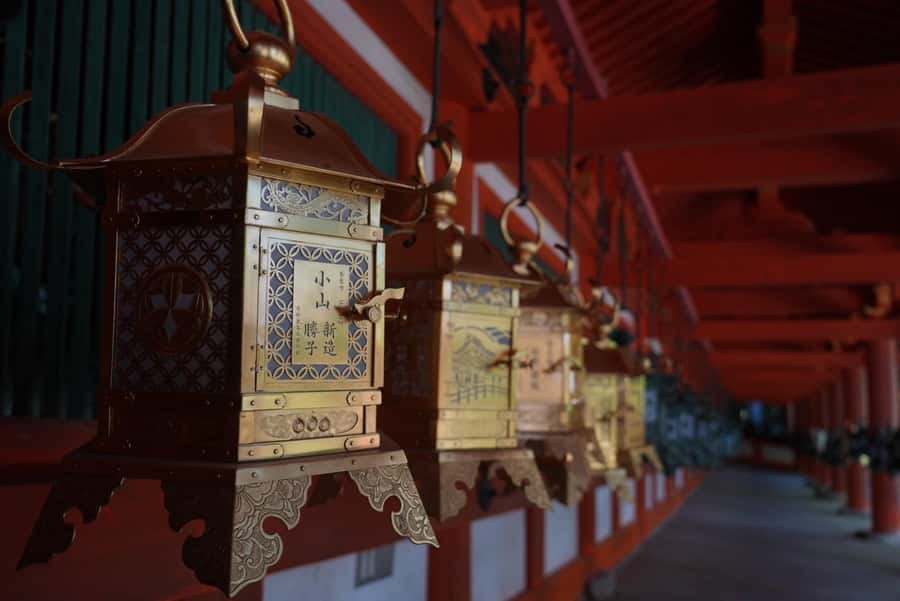
Kasuga Grand Shrine adds the opposite mood. It is less about “cute chaos” and more about stillness and spiritual atmosphere. The shrine area gives you that layered feeling, nature, stone lanterns, and the quiet weight of the worship space.
This is also a good section for photography, especially early. By the time the afternoon crowd swells, tripods and elbows start taking over. In the morning, you can compose shots without constant re-queuing.
What you’re really buying for $88: time saved, not just tickets
The price is $88 per person, and it includes an English-speaking guide plus the transportation fee from Kyoto to Nara (for the Kyoto Station departure option).
To judge value, look at what is not included too:
- Todai-ji admission (800 yen)
- Food and drinks
- Transportation back to Kyoto Station if you are doing a one-day trip
That “not included” list is normal for tours, but it shapes the math. You are paying for:
1) a guide who keeps you moving efficiently through major sites,
2) the early start that reduces your worst crowd pain, and
3) a guided route that prevents you from wasting half a day figuring out logistics and priorities.
A key part of the value is the group size. With up to 12 people, you’re less likely to get lost in a giant herd. Many guides in this lineup also earn praise for choosing the right paths and for sharing practical tips beyond the obvious photo spots. That matters, because in Nara, the difference between a good moment and a frustrating one often comes down to positioning and timing.
The guide factor: why names like Genki and Futaba keep coming up
This tour’s reviews consistently highlight that guides are young, passionate, and energetic, with English that works naturally for explanations and questions.
What stands out in real use is not just facts. It is clarity and pacing. Guides like Genki, Hina, Futaba, Shin, and Kotaro are repeatedly described as making the history and culture easy to follow while keeping the walking rhythm comfortable.
You can also spot a pattern in how the best guides help you “connect dots.” They connect temples to the bigger context of Japanese culture, and they add small, specific tips so you feel like you gained local insight, not just a checklist.
If you get Futaba, for instance, you might even walk out with restaurant ideas for later in Nara, like the kind of katsu recommendation that helps you turn the leftover morning into a real meal plan.
Walking comfort and who should take a pass
This is not designed for everyone. It is listed as not suitable for:
- wheelchair users
- people with recent surgeries
- people over 70 years
Baby strollers are also not allowed. Alcohol and drugs are not allowed.
Beyond the formal limits, there is the practical reality: it is a morning route built for covering multiple sites. You will want comfortable shoes, and you should be ready for sustained walking across temple grounds and park paths.
One more balance point: a tour like this can feel “overrated” if you expected lots of free time, or if you prefer deep time in just one or two locations. If that is your style, you might prefer a slower day trip setup where you choose where to linger.
Photos, crowds, and why early matters more than filters
People often think crowd avoidance is only about nicer feelings. In Nara, it is also about photo quality.
Afternoon Nara makes it hard to get clean shots of:
- shrine courtyards
- temple facades
- deer interactions
- lantern areas and pathways
The early start helps you get images before people flood in. Guides also tend to be more effective here because they can guide you to better angles before the bottlenecks form.
I also like that you are not just “going somewhere early.” You are using that early window to see the core Nara sights before the visual noise ramps up. That makes your photos look like travel, not like you fought through a line.
After the tour: how to keep your day flexible in Nara
One reason this format is popular is that it ends before noon. That gives you options without forcing a rigid plan.
You can:
- stay in Nara and explore additional temples or calmer park pockets
- grab lunch and do a slower second round with a route that matches your interests
- use it as a launch point for a day trip toward Kyoto or Osaka, if your schedule allows
This is also why the itinerary works well even if you are only in the Kansai region briefly. You compress the “must see” part into a morning and keep the rest of the day for flexibility.
Should you book the Nara early bird tour from Kyoto?
Book it if:
- you want top Nara sights in one morning without spending hours planning
- you care about photos and calmer deer time
- you like small group pacing and clear guide explanations
- you want a half-day structure that still leaves you options afterward
Skip it or consider another style if:
- you hate early starts and tight timing
- you want long stays in fewer places
- you need mobility supports that conflict with the tour’s restrictions
- you prefer food breaks and wandering at your own pace over a fixed route
If you fit the first group, this tour is excellent value for the time it saves and the way it uses morning hours. The early start is not a marketing gimmick. It is the whole point.
FAQ
Where does the tour meet for the Kyoto Station departure option?
You meet at Kyoto Station Central Ticket Gate, on the north side of the station where you can see Kyoto Tower outside, right next to Hotel Granvia.
What time should I arrive at the meeting point?
Please arrive 10 minutes early. Late guests cannot be accepted because other groups are on the schedule.
How long is the tour?
For the Kyoto Station departure option, the tour duration is 4 hours. For the Kintetsu Nara Station meet-up, it is 3 hours.
What’s included in the $88 price?
The price includes an English-speaking guide and the transportation fee from Kyoto to Nara.
Is Todai-ji admission included?
No. Todai-ji Temple admission costs 800 yen and is not included.
Are food and drinks included?
No. Food and drinks are not included.
Will I be transported back to Kyoto Station?
If you are doing a one-day trip to Nara, transportation back to Kyoto Station is not included.
How big is the group?
This tour has up to 12 people, keeping it small-group style.
Is the tour suitable for wheelchair users or older travelers?
No. The tour is listed as not suitable for wheelchair users and not suitable for people over 70 years.
What should I bring, and what is not allowed?
Bring comfortable shoes. Baby strollers are not allowed, and alcohol and drugs are not allowed.
Latest write-ups near Nara
- Nara Highlight Walking Tour with Furoshiki Experience with Lunch★ 5.0 · 73 reviews
- Nara – Highlights Bike Tour★ 4.5 · 89 reviews
- All must-sees in 3 hours – Nara Park Classic Tour! From JR Nara!★ 5.0 · 108 reviews
- Nara:Authentic Tea Ceremony(Max 5 ppl) -Master Matcha Making★ 5.0 · 119 reviews
- Nara 6hr Private Tour with Government-Licensed Guide★ 5.0 · 219 reviews
- Nara Early Morning Tour (Kyoto or Osaka Departure Available)★ 5.0 · 676 reviews
- Nara Half Day Trip Walking Tour (Private Option Available)★ 5.0 · 937 reviews
- World Heritage Kyoto & Nara Uji Authentic Matcha Experience★ 5.0 · 1,573 reviews
Nara Tours, compared.
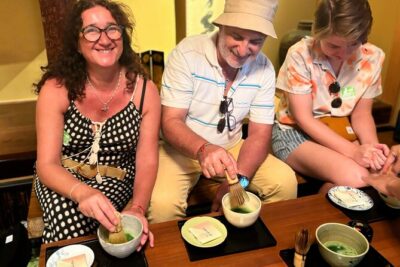
World Heritage Kyoto & Nara Uji Authentic Matcha Experience
Read our review →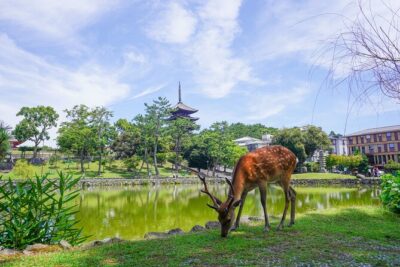
Nara Half Day Trip Walking Tour (Private Option Available)
Read our review →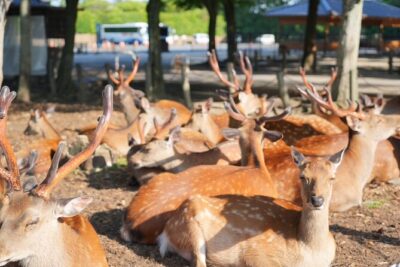
Nara Early Morning Tour (Kyoto or Osaka Departure Available)
Read our review →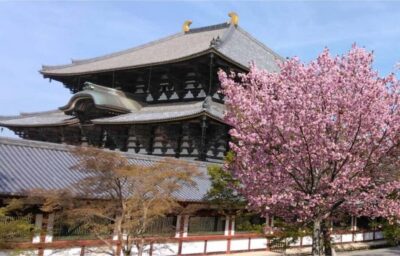
Nara and Uji Day Trip with Deer Park and Hot Spring
Read our review →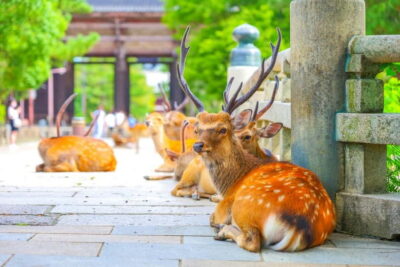
Kyoto/Osaka: Kinkakuji, Bamboo Forest, and Nara Deer Park
Read our review →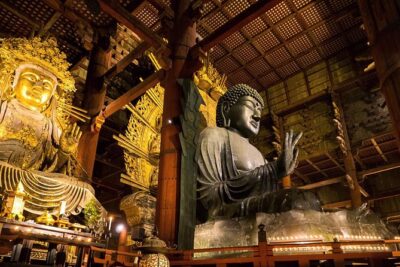
Nara 6hr Private Tour with Government-Licensed Guide
Read our review →
E-Bike Nara Highlights – Todaiji, Knives, Deer, Shrine
Read our review →
Nara:Authentic Tea Ceremony(Max 5 ppl) -Master Matcha Making
Read our review →Browse the lists this tour appears in