
Reviewed · NARA TOURS
Nara Early Morning Tour (Kyoto or Osaka Departure Available)
Nara is one of Japan’s showpiece cities, and this tour is smart because it targets the calm hours first. You start early, so the temples and park still feel more like a morning ritual than a human obstacle course.
I especially like the small-group format, and I really like the way the day mixes big-name sights with quiet details, like the lantern-filled Kasuga Grand Shrine and the deer-friendly Nara Park walk. The guide names vary by day, but the tone is consistent, warm, clear, and packed with story.
One thing to think about before you book: this is a walking tour. Expect about 10,000 steps, you need moderate fitness, and there is an extra entrance fee at Todai-ji Temple.
Key highlights worth getting up for
- Early start means fewer crowds and easier photos at the main sights
- Max 12 people keeps the pace personal, and questions actually get answered
- Kofuku-ji, Kasuga Shrine, Nara Park, Todai-ji in one smooth half-day loop
- Deer Park time where you can watch deer behavior up close (and yes, they can be cheeky)
- English-speaking guide with a knack for connecting temple architecture to daily life and belief
Why the early start in Nara feels like the real deal
Nara gets busy. That part is inevitable. What is not inevitable is how much you suffer through the crowd energy, and this tour goes for the kinder version of Nara by starting before the biggest wave rolls in.
That early timing also changes what the places feel like. Kofuku-ji and Kasuga Grand Shrine can be crowded later, but in the morning you get space to look up at pagoda tiers, notice the way lanterns repeat along shrine paths, and actually pause instead of speed-walking for the next photo.
I also like that the tour is built around a practical flow. You begin around Nara Park and move through temple and shrine stops in a sequence that makes sense on foot. When you finish back at the park, you are still in the right neighborhood for food and onward plans.
Also on the shortlist for Nara:
- World Heritage Kyoto & Nara Uji Authentic Matcha Experience
★ 5.0 · 1,573 reviews - Nara Half Day Trip Walking Tour (Private Option Available)
★ 5.0 · 937 reviews - Osaka: Nara and Uji Day Trip with Deer Park and Hot Spring
★ 4.4 · 302 reviews
Price and time: what you are really paying for
At $61.02 per person for about 4 hours 30 minutes, the price is paying for three main things: an English-speaking guide, transportation to Nara if you select the option, and a set itinerary with admission costs handled where possible.
Here is the value math that matters:
- The itinerary includes several stops with free admission: Kofuku-ji Temple and Kasuga Grand Shrine, plus your Nara Park time.
- The one big paid add-on is Todai-ji Temple, with an entrance fee of ¥800 per person that is not included.
- If you choose pickup, you may get transportation from Kyoto or Osaka to Nara, but that depends on the option you select.
So, if you already know how to get to Nara and you just want the guide and the sights, you can still feel good about the cost. You are not paying for a long bus ride. You are paying for a guided morning that helps you see meaning, not just scenery.
Small group, big difference: how the tour actually plays out
A max group size of 12 is more than a number. It changes the whole experience in a few concrete ways.
First, the guide can keep a steadier pace without losing people. You get time at each stop to take photos and ask follow-up questions. Many past tours note that the pace stays comfortable and does not feel rushed, which matters a lot at temples where lines can form.
Second, the guide can steer you toward the moments that make Nara click. The best groups are not just reading facts off a sign. They explain why a landmark matters, how the shrine and temple traditions connect, and how the park and deer fit into the broader sacred vibe people associate with Kasuga.
In the feedback I saw, guides like Momoka, Haruka, Futaba, Nana, Ayame, and Koichiro were repeatedly praised for being friendly, helpful, and patient with questions, including with families and kids. That kind of rapport is not automatic on group tours, so it is a real selling point here.
Getting there from Kyoto or Osaka, and what to plan for
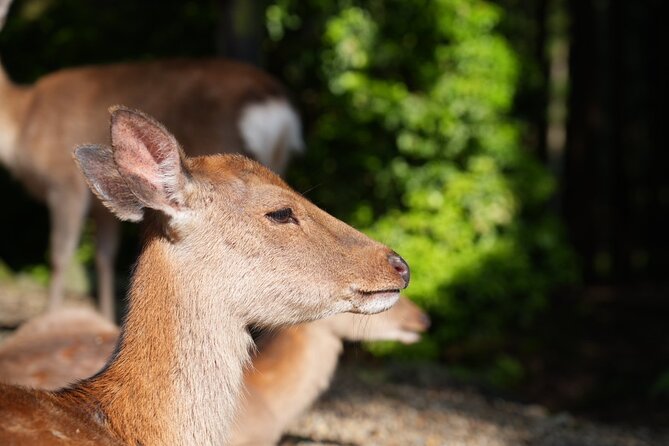
You have two practical choices. You can join without pickup and handle your own train or bus to Nara, or you can select an option that includes pickup from Kyoto Station. There is also an option that covers transportation from Kyoto or Osaka to Nara, but it is tied to the selection you make at booking.
The tour starts and ends at Nara Park, so the big logistics work happens before you arrive and after you finish. Returning to Kyoto or Osaka is on your own. That is normal for this type of half-day experience, but it does mean you should plan your departure time with care so you do not feel rushed.
My practical advice: decide in advance how you are getting back. If you are using trains, check timing before you leave the park area at the end of the tour so you can walk out and flow with the crowd rather than hunting for platform info while tired.
A change of pace from Nara:
- Kyoto/Osaka: Kinkakuji, Bamboo Forest, and Nara Deer Park
★ 4.4 · 265 reviews - Nara 6hr Private Tour with Government-Licensed Guide
★ 5.0 · 219 reviews - E-Bike Nara Highlights – Todaiji, Knives, Deer, Shrine
★ 4.8 · 186 reviews - Nara Early Bird Tour (Kyoto Departure Option Available)
★ 4.9 · 142 reviews
Stop 1: Kofuku-ji Temple and that towering five-storied pagoda
You start with Kofuku-ji Temple, a site tied to the founding era of Nara as Japan’s capital in 710. This matters because you are not just looking at an old building. You are looking at a physical anchor to how the city originally organized power, religion, and identity.
You get about 30 minutes here, and the main wow factor is the five-storied pagoda. It is famous for being the second tallest wooden pagoda in Japan, only seven meters shorter than the tallest one. Even if you do not know the details of Japanese architecture, you can still feel it. It is tall enough to make you look up, and that simple act helps you focus.
Practical note: the admission ticket is free. That is one less decision at the start of the morning.
Drawback consideration: this is a temple complex, not just a single photo spot. If you are short on mobility, wear shoes that support stairs and uneven paths. The upside is that the morning crowd is usually lighter, so you can take your time without feeling trapped.
Stop 2: Kasuga Grand Shrine, lanterns that make you slow down
Next is Kasuga Grand Shrine, with about 1 hour on the clock. This is the stop that tends to make people exhale, even if they came in tired.
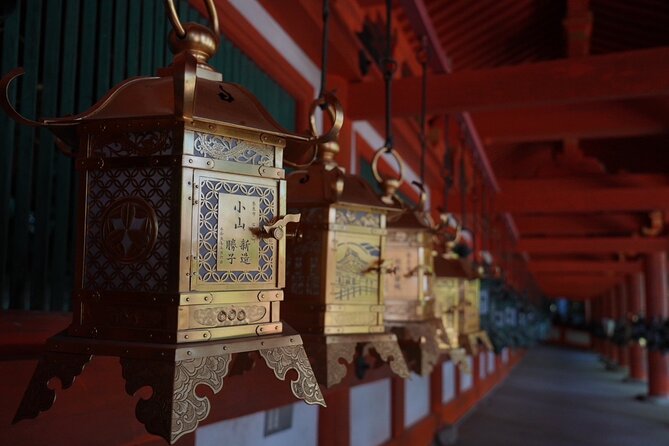
Why? The shrine is famous for its lanterns, donated by worshippers over time. There are approximately 3,000 stone and bronze lanterns, and they create a repeating pattern along shrine paths. The visual rhythm is what sticks with you after you leave, because it feels like the shrine is remembering people.
Admission is free. So your time here is about attention, not costs.
What you will likely notice is how the route encourages slow movement. If you like photos, it helps to bring your camera settings ready because you will be moving through shaded and bright areas. If you like history, ask your guide how lantern donations connect to the idea of ongoing devotion.
Stop 3: Nara Park deer time, from cute to surprisingly bold
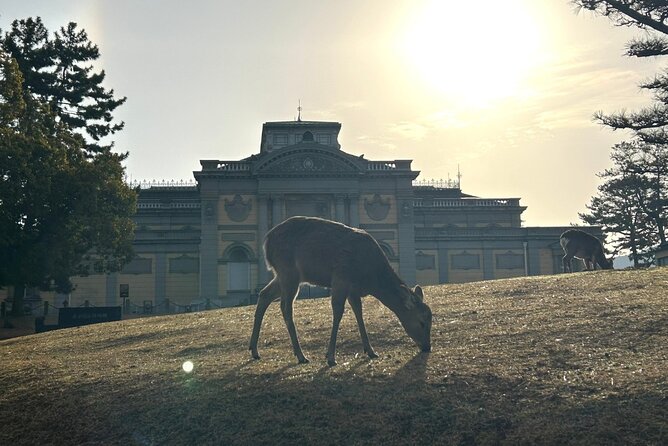
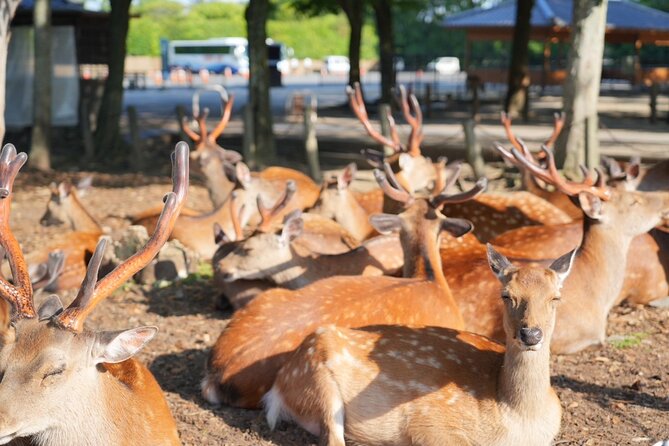
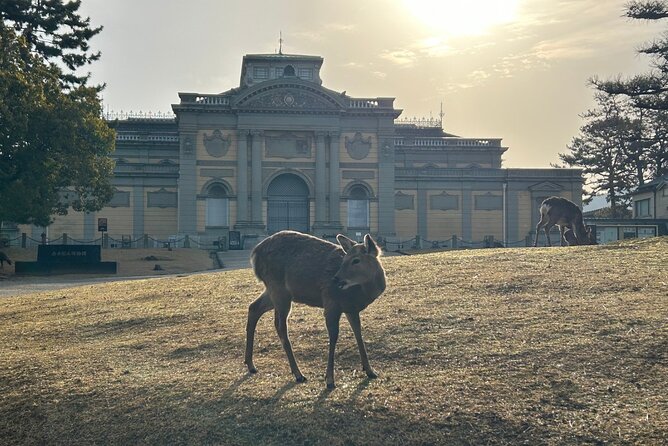
Then you hit Nara Park, usually 30 minutes in the tour. The park is home to thousands of deer, and they are considered sacred in local tradition. You will also hear the connection to Kasuga Shrine, including the story that one of the four gods rode deer to Nara.
This is where Nara stops being a list of temples and turns into something more playful. Deer are everywhere, so you get the full effect quickly: you see them grazing, wandering, and doing their own business like they own the place.
One detail I like from the feedback: watch how the deer can react when food is offered. In some experiences, deer seem to learn routines like bowing for treats, which makes the moment feel interactive instead of just chaotic cuteness.
Practical advice: if you want to feed them, plan it as a short, controlled moment. Keep your food secured and be mindful of where you stand. Also, you will likely want to wear clothes and shoes you do not mind getting a little dirt on. This is a park, not a museum floor.
Stop 4: Todai-ji Temple and the Great Buddha, plus the one ticket you must budget
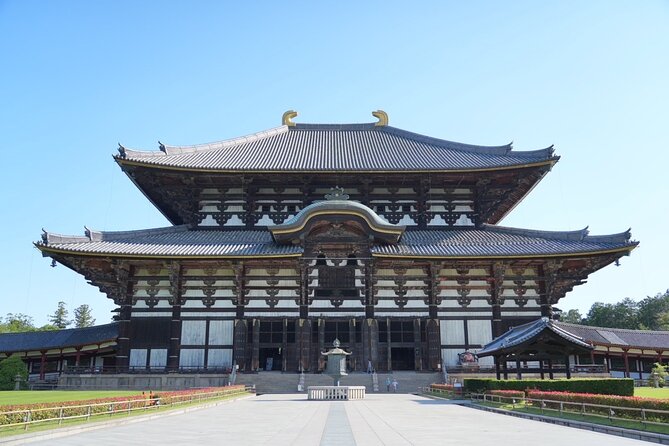
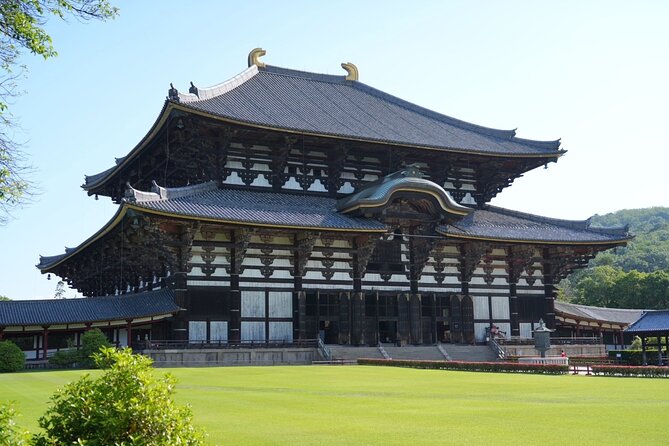
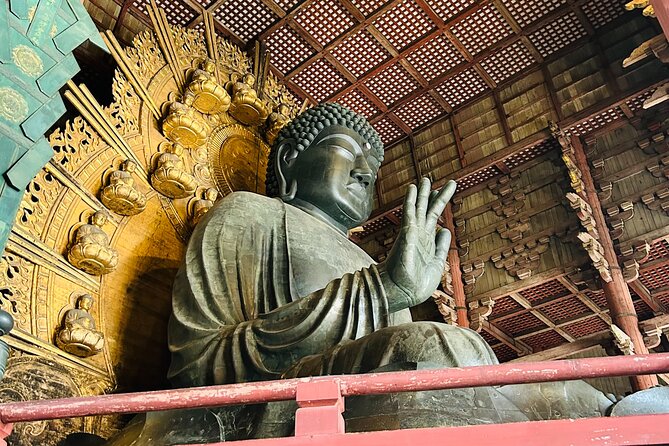
The final temple stop is Todai-ji Temple with about 1 hour. This is the headline attraction for many visitors, and it earns its fame.
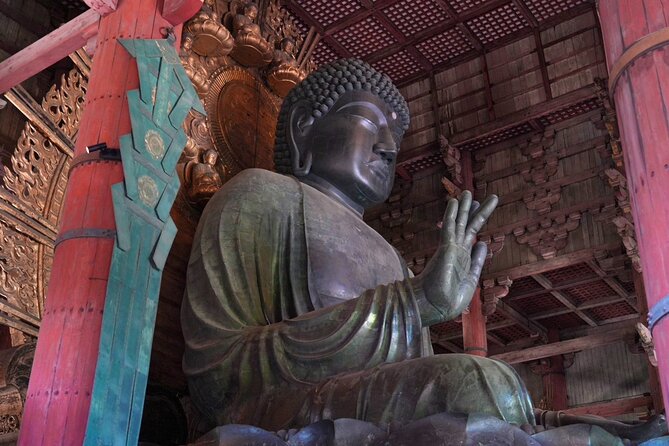
Todai-ji is known for its Great Buddha statue, described as the biggest Buddha statue in Japan. The man hall is also famous for scale. Until recently, it was the world’s largest wooden building, which is the kind of fact that helps you understand why people look small inside.
Here is the one cost you must plan for: Todai-ji admission is not included, and the fee is ¥800 per person.
How to make this stop better: look around before you zoom in. The space is huge, so start with a wide glance, then move closer. And if your guide is any good, this is where the explanation can make the building feel less like an object and more like a living tradition.
Possible drawback: because it is the most famous site on the route, this is also the stop where crowds are most likely to be noticeable even in the morning. The early start helps, but you should still expect you will share space with other visitors.
Walking, comfort, and the realistic body check
This tour includes about 10,000 steps, and that is not fluff. It is a proper morning workout wrapped in culture.
Here is how I would pack for it:
- Wear supportive walking shoes with decent grip.
- Bring a light layer. Mornings can feel cool in early hours, and you will be outside between stops.
- Bring water, even if you do not plan a full snack. Food and drinks are not included.
You should also respect the stated limits. The tour is rated for moderate physical fitness, it is not recommended for guests over 75, and guests under 6 cannot join. If any of those apply to you, it is worth considering whether a slower option would fit better.
Who this tour suits best, and who might want a different plan
This is a strong fit if you want:
- A guided Nara morning with real context, not just selfies
- A schedule that avoids the worst crowd crush
- A small group setting where you can ask questions and actually hear the answers
- A mix of major landmarks and park time, including the deer experience
It is also a good option for families. Several experiences highlighted that guides handled kids well and kept the pace comfortable.
This might be less ideal if you hate walking, you want a super leisurely day with minimal movement, or you are easily overwhelmed by lots of people and animals in close quarters. Even though you start early, Nara Park still has lively energy.
Should you book the Nara Early Morning Tour?
I think you should book it if your priority is quality time at the top sights, with less crowd pressure, and you want a guide who connects the dots between temples, shrines, and the deer park tradition.
You should pause and think if:
- You do not want to pay an extra ¥800 at Todai-ji.
- You prefer a fully self-paced day.
- You know you will struggle with 10,000 steps.
Overall, the best reason to book is simple: this tour is built to deliver Nara at its calmer best, and the small-group size makes the morning feel more like a conversation with the city than a checklist.
FAQ
How long is the Nara Early Morning Tour?
It runs about 4 hours 30 minutes (approx.).
How big is the group?
The group is capped at a maximum of 12 travelers.
Where does the tour start and end?
The tour starts at Nara Park, Nara, Japan, and ends at Nara Park as well.
Is pickup available from Kyoto or Osaka?
Pickup at Kyoto Station is available as an option. There is also a transportation fee from Kyoto/Osaka to Nara only if you select the option.
What is included in the tour price?
Included items are an English-speaking guide. Transportation fees from Kyoto/Osaka to Nara are included only if you choose the pickup/transportation option.
Are temple entrance fees included?
Kofuku-ji Temple and Kasuga Grand Shrine list free admission. Todai-ji Temple has an entrance fee of ¥800 per person, and it is not included.
How much walking should I expect?
You’ll walk about 10,000 steps, and the tour is for people with moderate physical fitness.
Can children or seniors join?
Guests under 6 cannot join. The tour is not recommended for guests over 75.
What is the cancellation policy?
You can cancel for a full refund if you cancel at least 24 hours in advance. Free cancellation is available up to 24 hours before the experience’s start time.
Latest write-ups near Nara
- Nara Highlight Walking Tour with Furoshiki Experience with Lunch★ 5.0 · 73 reviews
- Nara – Highlights Bike Tour★ 4.5 · 89 reviews
- All must-sees in 3 hours – Nara Park Classic Tour! From JR Nara!★ 5.0 · 108 reviews
- Nara:Authentic Tea Ceremony(Max 5 ppl) -Master Matcha Making★ 5.0 · 119 reviews
- Nara Early Bird Tour (Kyoto Departure Option Available)★ 4.9 · 142 reviews
- Nara 6hr Private Tour with Government-Licensed Guide★ 5.0 · 219 reviews
- Nara Half Day Trip Walking Tour (Private Option Available)★ 5.0 · 937 reviews
- World Heritage Kyoto & Nara Uji Authentic Matcha Experience★ 5.0 · 1,573 reviews
Nara Tours, compared.
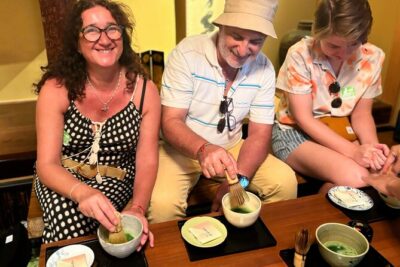
World Heritage Kyoto & Nara Uji Authentic Matcha Experience
Read our review →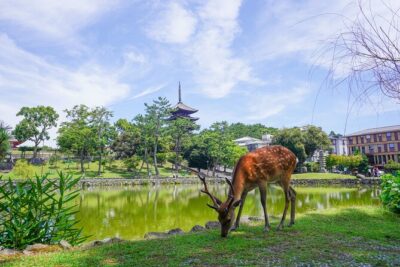
Nara Half Day Trip Walking Tour (Private Option Available)
Read our review →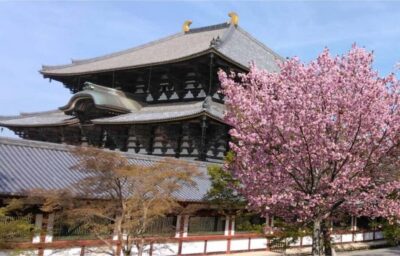
Nara and Uji Day Trip with Deer Park and Hot Spring
Read our review →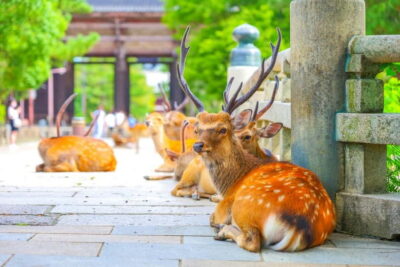
Kyoto/Osaka: Kinkakuji, Bamboo Forest, and Nara Deer Park
Read our review →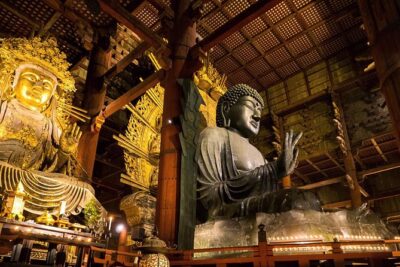
Nara 6hr Private Tour with Government-Licensed Guide
Read our review →
E-Bike Nara Highlights – Todaiji, Knives, Deer, Shrine
Read our review →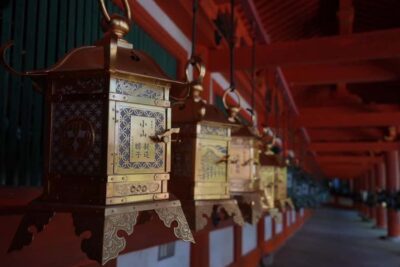
Nara Early Bird Tour (Kyoto Departure Option Available)
Read our review →
Nara:Authentic Tea Ceremony(Max 5 ppl) -Master Matcha Making
Read our review →Browse the lists this tour appears in