
Reviewed · DAY TRIPS IN OSAKA
Amanohashidate & Ine Funaya Sightseeing Full Day Trip from Kyoto
What makes this day trip interesting is that you get two of Japan’s most photogenic coast scenes in one long day, Amanohashidate and Ine Bay. The day is built around views that look great from shore and from the water.
I really like two things about it. First, you’ll walk through Ine’s Funaya boat houses and see how the village hugs the sea, not a shoreline park. Second, the route gives you enough time on your own at each stop for photos, snacks, and a real look around.
One drawback to plan for is that you’re signing up for a long bus ride, plus the best viewpoint rides (chairlift/monorail) and the Ine Bay boat cruise cost extra.
Key things to know before you go
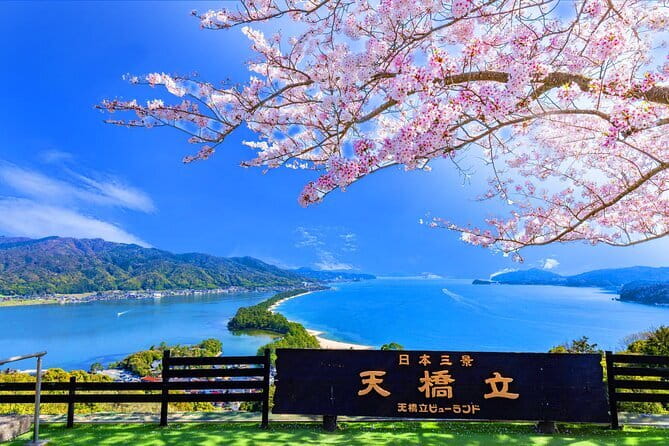
- Japan’s famous pine sandbar view at Amanohashidate with multiple vantage points
- Ine’s Funaya boat houses seen from observation decks, viewpoints, and by sea
- A sightseeing boat on Ine Bay (and yes, seagulls can be part of the fun)
- Lots of self-exploration time at stops, not just a fast guided walk
- Tour group size is capped at 45, so it stays manageable
- Optional upgrades cost extra: chairlift/monorail and the bay cruise
Amanohashidate and Ine Bay in one day, and why it works
This is the kind of itinerary that makes sense if you are based in Kyoto or Osaka and you want something different from the usual temple circuit. You’re leaving the city behind and switching to coastal scenery where the “main attraction” is the shape of the land and how people live along it.
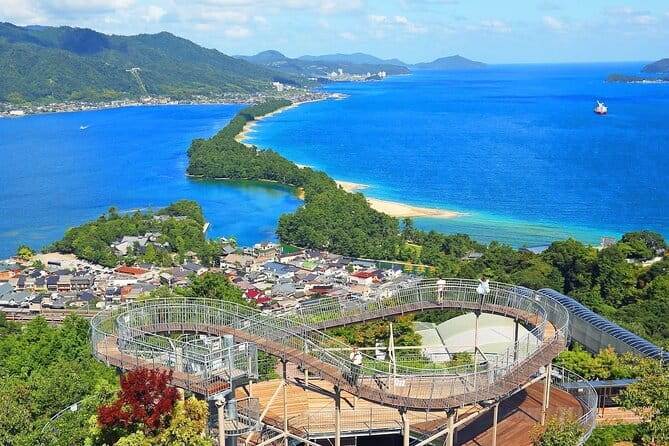
Amanohashidate is often described as a sandbar that looks like a bridge to the heavens. The route here is designed so you don’t only get one picture. You’ll see the sandy shoreline and pines, then you’ll move toward the key temple area and a distinctive rotating bridge moment. It’s a nice way to connect the nature story with the human story.
Ine is a totally different mood. Instead of a big viewpoint platform, you’re looking at a fishing village packed with wooden boat houses (Funaya). In other words, it’s not just a scenic walk. It’s a place where the coast is part of daily life.
More Day Trips in Osaka
- From Kyoto/Osaka: Kyoto Top Highlights 1-Day Guided Bus Tour
★ 4.5 · 714 reviews - Kyoto and Nara Day Trip from Osaka
★ 4.0 · 175 reviews - From Osaka or Kyoto: Kyoto and Nara 1-Day Bus Tour
★ 3.5 · 141 reviews
Price and value: what you pay, what you skip, and what to budget
The tour price is $64.90 per person. For that, you get round-trip transportation from designated meeting points in Osaka or Kyoto, plus an air-conditioned vehicle and a guide.
What makes the value feel good is that many stops have free admission. The included time at Ine focuses on viewpoints and town wandering, and the Amanohashidate temple and several shoreline stops are also free.
What costs extra (and is worth considering):
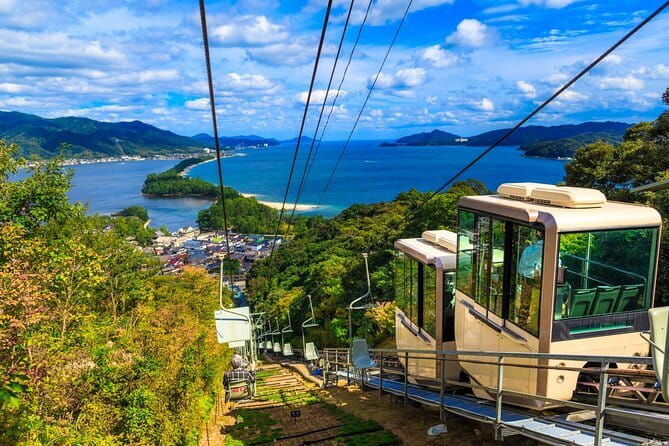
- Amanohashidate chairlift or monorail: JPY 1,000 per person (JPY 500 for children)
- Ine Bay sightseeing boat: JPY 1,200 per person (JPY 600 for children)
- Lunch and personal spending
My practical take: if you want the best “from above” view at Amanohashidate, budget for the chairlift/monorail. If you want the full Funaya experience from the water, budget for the boat cruise too. Those two add-ons turn this from a good day trip into a more complete coastal circuit.
The 9-hour rhythm from Kyoto: long ride, good pacing
The total duration is about 9 hours. Plan for a significant drive time each way, roughly 2 to 2.5 hours depending on where you start. That’s not a bad thing if you treat it like part of the trip, not time lost.
On the bus, you’ll generally want to be ready to go straight from instructions to action. Seats are assigned, so if you care about window seating or getting off quickly, tell the tour leader ahead of time. The guide role here matters because you have several stops where you’ll be on your own for a bit. A good guide keeps you from accidentally turning a day trip into a scramble.
Also note the group size cap at 45 travelers. That usually means less chaos than the huge coach tours, and it helps you move more smoothly at viewpoints.
Stop 1 to 4: Ine Fishing Village, Funaya decks, and the “boat house” feel
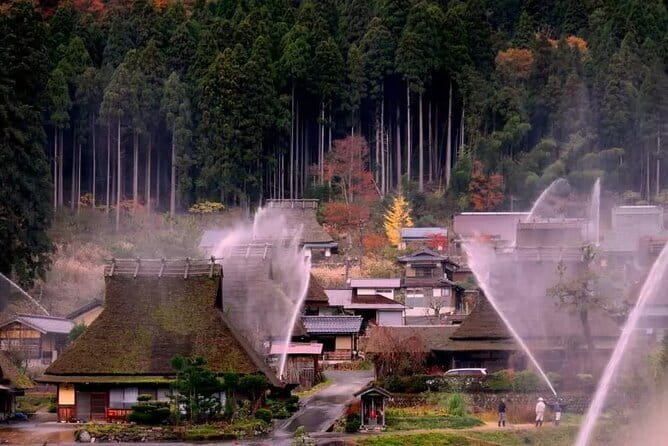
You start in Ine Fishing Village, a coastal area in northern Kyoto Prefecture. The big visual hook is the wooden boathouses called Funaya. These aren’t replicas built for tourists. They’re part of the waterfront identity, and that’s what makes the photos look real instead of staged.
Next is Funayanosato Observation, where you get a wide panoramic view over Ine Bay. This deck stop is useful because it gives you context before you start wandering closer to the buildings. I like this kind of pacing, especially if you are the type who wants to understand what you’re seeing rather than just collecting snapshots.
Then you’ll get a short break at Ine Cafe, one of the popular spots for views. This is a practical stop. You’re not just there to drink something. It’s where you can reset, cool down, and get a view line over the bay while you refuel. If you’re hungry, this is often the easiest moment to handle it, since the rest of the day moves.
Finally you’ll visit Ineura Park, in the center of the Funaya area. This is a closer look stop. You can study the boat house shapes and see how the town is structured around the sea. Even if you’re not a “history of architecture” person, the physical layout reads instantly when you’re standing there.
Practical drawback here: the photo spots are great, but Ine is still a village. You may do some walking on uneven ground or near waterfront areas, so wear shoes you trust.
More Full-Day Tours in Osaka
- Osaka: Minoh, Katsuoji Temple, & Minoh Falls Full-day Tour
★ 4.9 · 172 reviews - Osaka’s Best and Brightest: Private Full-Day Tour by Vehicle
★ 5.0 · 147 reviews - Full Day Tour of Kyoto with Private Transportation
★ 5.0 · 130 reviews - Full Day Hiroshima and Miyajima Tour by Bullet Train from Osaka
★ 4.5 · 117 reviews
Stop 5: The Ine Bay sightseeing boat, and how to handle seagulls
This is one of the most memorable parts of the day because it changes your angle. From shore, you can see the Funaya. From the water, the village looks like it wraps around the bay in layers.
The Ine Bay sightseeing boat is not included, so you’ll pay the JPY 1,200 per person fee on top if you want it. The payoff is that you watch the Funaya from sea level, which is how most of the iconic compositions make sense.
One thing to know before you board: you might be on an outdoor deck, and you can run into the “don’t forget the snack” crowd, meaning seagulls. I’m not saying you should actively feed birds, but the experience can involve seagulls flying in close as food gets handled. Bring a poncho or light rain layer if the weather looks even slightly questionable, and consider sunglasses for glare on the water.
If you get motion sickness easily, sit where you feel most stable and be ready with whatever usually works for you. The itinerary doesn’t mention special accommodations, so treat it like a normal boat ride risk.
Stop 6 to 9: Amanohashidate viewpoints, Chion-ji, and the rotating Kaisen Bridge
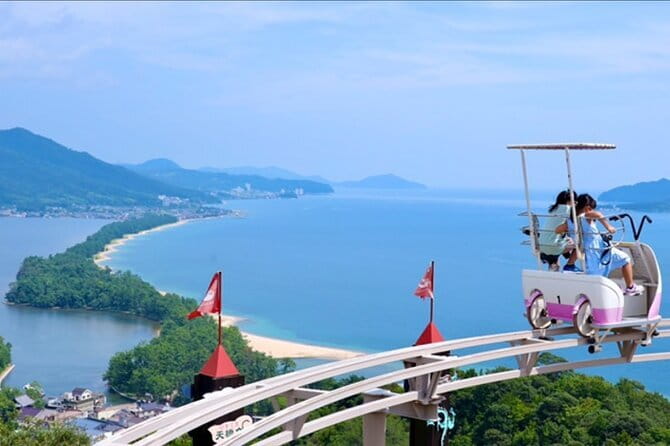
Now the day switches gears. Amanohashidate is famous because of that pine-covered sandbar that looks like a bridge. The itinerary gives you a 50-minute stop at Amanohashidate Viewland, which is exactly the right amount of time to get your bearings, check your angles, and decide whether to use the chairlift/monorail.
The chairlift/monorail is not included, but it’s there for a reason. From higher ground, you understand the sandbar’s shape fast. If you go on a busy day, you may face lines or slowdowns, so if viewpoints matter most to you, plan to be ready to move quickly when your turn comes.
From there, you visit Chion-ji Temple, located near the southern entrance of the sandbar. Even if you are not deep into temple visits, this stop anchors the trip with a cultural point. It also places you right by the sandbar experience, so you’re not just driving past scenery.
Then comes Kaisen Bridge, a standout piece of engineering. This rotating bridge turns 90 degrees when ships pass through. It’s a quick stop, but it’s the kind of detail that makes a day trip feel specific rather than generic. If you catch it during the right moment, even better, but you can still appreciate the design just by seeing it in action or hearing how it works.
Finally, Amanohashidate Beach wraps up the sandbar experience with shoreline time. The mix of white sand, deep blue water (when the sky cooperates), and pines is the payoff for the morning’s viewpoint work. If you want that classic “postcard coast” feeling, this is where you get it.
Timing and crowds: why day of week matters more than you think
This tour is popular because it combines two major coasts. That means weekend crowds can be real, especially around the chairlift lines and the top viewpoints.
If you can control your schedule, I’d aim for a weekday. The natural scenery will still be good, but you’ll likely spend less time waiting and more time actually looking. On Saturdays, for example, you may find that you lose time to lines, and that affects how long you can comfortably explore near the shrine and top areas.
Weather matters too. In cold months, it can feel chilly near water and on outdoor decks, and you might prefer a warmer season for comfort. Spring to fall generally makes the experience easier to enjoy, especially if you like photos and slower wandering.
Lunch strategy: how to eat well without losing your timing
Lunch is not included, but you’re given multiple chances to pause. The Ine portion includes a cafe stop that can work well for a quick meal, and you also get time to explore around the Funaya area.
Here’s how I’d handle lunch for this specific tour pattern:
- Use the guide’s recommendations if your guide shares them. Guides like Lee and Steven have been known to suggest lunch spots and help you avoid wasting time hunting for food.
- Don’t plan a long sit-down. You’re returning to the bus on schedule, and the itinerary includes several fixed transition points.
- If you’re picky about food, do a quick scan of what is available at each stop rather than assuming the best options will be open.
A small caution: some shops can be closed depending on the day you visit. If you arrive expecting lots of open storefronts and everything is quiet, your fallback is usually the cafe stop and any open snack points near the sightseeing areas.
Guide quality: what you should expect (and how to get more from the day)
This tour is guide-driven in the sense that you have many moving parts, even though much of the time is self-guided. You will benefit from paying attention to logistics like where to meet, how long you have at each stop, and what to prioritize first.
In past experiences on this route, guides such as Lee, Steven, and Laura have been praised for being organized, proactive, and clear with instructions. Other guide experiences vary more, especially if English clarity is a concern. My advice is simple: keep your meeting time and meeting point basics in your head, and don’t assume you can wander off and still catch up.
Also watch for the “wait time vs. exploration time” trade-off. If you want lots of pictures on the sandbar, you’ll still need to respect the time windows so you’re not rushing at the end.
What to pack for Amanohashidate and Ine
If you pack smart, you’ll enjoy this day trip more.
- A light rain layer or poncho for boat deck time and coastal wind
- Comfortable walking shoes
- Sunscreen and sunglasses if the sky is clear
- A small snack or water for the intervals between stops (lunch is not included)
- If you are sensitive to motion, bring your usual remedy for boat rides
Because you’re dealing with shorelines, you might feel breezes and glare even when the temperature seems fine back in the city.
Who should book this tour, and who should skip it
Book it if you want:
- A classic coastal day trip from Kyoto or Osaka without rail planning
- Strong photo scenes involving Funaya boat houses and the Amanohashidate sandbar
- A balance of guided context and time to explore on your own
Skip it or look for an alternative if:
- You hate long coach rides. The drive time is a real chunk of your day.
- You expect a nonstop, deeply detailed commentary at every stop. Many segments are self-exploration, and the main value is the route and pacing.
- You’re going on a weekend and you really dislike crowds. Lines at the chairlift and viewpoint areas can compress your exploration time.
Should you book? My honest take
I’d recommend this tour if you want two coastal icons without stitching together a complicated plan. The price feels fair for a day that includes guided transportation, a structured route, and multiple vantage points with free admission.
If you book, I would strongly consider budgeting for both the Amanohashidate chairlift/monorail and the Ine Bay boat. Those are the add-ons that turn “nice scenery” into “I understand this place from every angle.”
If you’re flexible about the day of week and you pack for coastal weather, this is the kind of trip that makes Kyoto or Osaka feel like a launch point, not a cage.
FAQ
What is included in the Amanohashidate and Ine full day trip?
It includes an air-conditioned vehicle, a guide, and round-trip transfer from designated meeting points in Osaka or Kyoto.
What are the extra costs not included in the price?
You pay extra for the Amanohashidate chairlift or monorail (JPY 1,000 per person, JPY 500 per child) and the Ine Bay sightseeing boat (JPY 1,200 per person, JPY 600 per child). Lunch and personal expenses are also not included.
How long is the tour, and how much time do I get at each stop?
The tour is about 9 hours. The schedule includes short visits and self-exploration time at each stop, with several stops around 20 to 50 minutes each.
Do I need to pay for admission at the stops?
Many stops list admission as free, but the chairlift/monorail and the sightseeing boat have separate fees.
Where do I get picked up and dropped off?
Pickup and drop-off are from designated meeting points in either Osaka or Kyoto, depending on your selection.
Is the tour refundable if I cancel?
Yes. You can cancel up to 24 hours in advance for a full refund.
Latest write-ups near Osaka
- Osaka Private Tour with Government-Licensed Guide★ 4.8 · 20 reviews
- Guided Photography Tour in Osaka: Capturing Memories★ 4.5 · 20 reviews
- Osaka: Food Tour at Night with Tastings★ 4.9 · 20 reviews
- Kansai/KIX Airport to or from Osaka/Kyoto Private Transfer★ 5.0 · 20 reviews
- Osaka: City Highlights Bike Tour★ 4.7 · 20 reviews
- From Osaka/Kyoto: Amanohashidate Day Tour【Including tickets】★ 3.7 · 20 reviews
- Osaka Okonomiyaki Cooking Class “Learn here and make it at home”★ 5.0 · 20 reviews
- Volleyball in Osaka & Kyoto with Locals!★ 5.0 · 21 reviews
Day Trips in Osaka, compared.
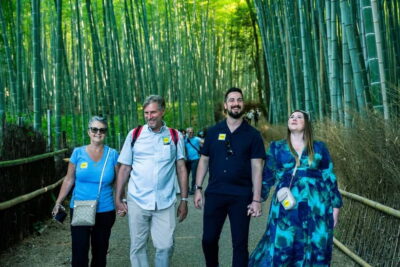
From Kyoto/Osaka: Kyoto Top Highlights 1-Day Guided Bus Tour
Read our review →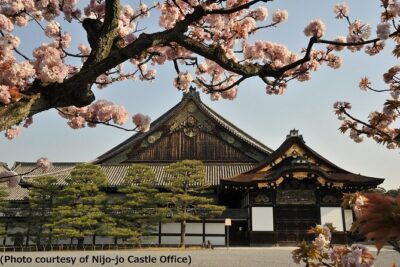
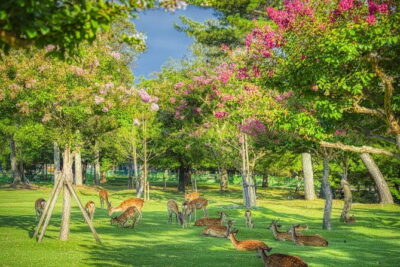
From Osaka or Kyoto: Kyoto and Nara 1-Day Bus Tour
Read our review →Hiroshima & Miyajima 1 Day Bus Tour with Bullet Train Tickets
Read our review →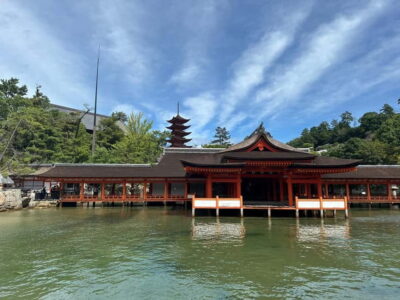
Hiroshima and Miyajima Day Trip by Bullet Train
Read our review →
From Osaka/Kyoto: Kyoto & Nara Day Trip with Optional Lunch
Read our review →
Osaka Private Tour with a Local Guide (Must See Places in 1 Day)
Read our review →
Browse the lists this tour appears in