
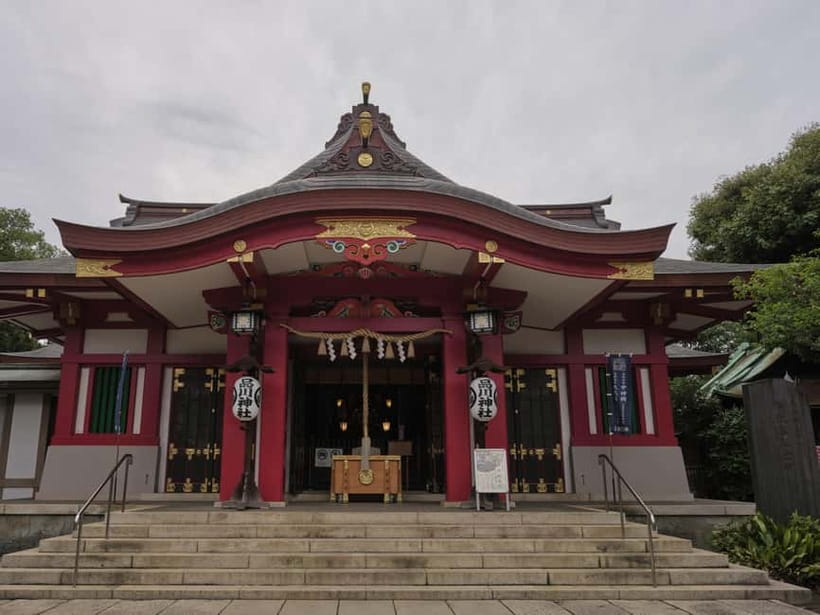
Reviewed · CALLIGRAPHY CLASSES
Tokyo: Calligraphy Experience with yukata or Samue
This is one of those Tokyo activities that feels instantly practical and deeply cultural at the same time, because you leave with something you made, not just photos. I especially like the step-by-step brush instruction and the take-home calligraphy piece that turns into a real souvenir. The one catch is simple: you need clothes that can get dirty, since brushwork can get messy.
You also get to learn why the characters matter, not just how to copy them. I like that the teachers share the spiritual and historical meaning behind the strokes, so your kanji has context. If you are traveling with very young kids or you are in your later 70s, this class is not a fit.
Key highlights you will care about
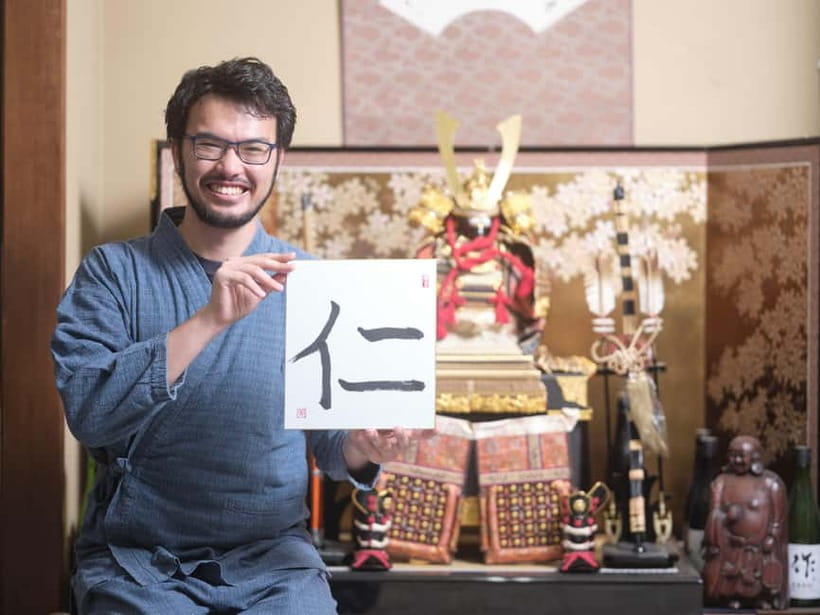
- Hands-on brush time, not just watching a demo
- Kimono or samue dress-up to make the lesson feel like a ritual
- Kanji practice that builds on basics, line by line
- Professional calligraphy instruction in English or French
- A finished artwork you take home, plus Japanese tea
- Small group size (limited to 10) for more personal help
Why This Tokyo Calligraphy Class Feels Like Real Japanese Culture
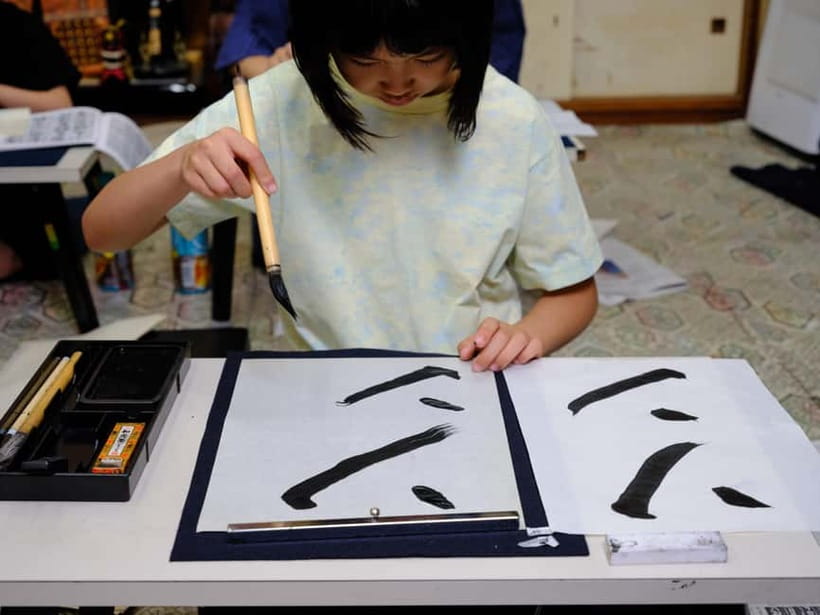
A calligraphy class in Tokyo can go one of two ways: either you get a quick souvenir craft, or you get real technique with meaning behind it. This one aims for the second option. In a short 90 minutes, you learn the mechanics of brush control and you also get taught what the characters represent and why Japanese calligraphy has spiritual weight.
What makes it especially worth your time is that the lesson stays practical. You are not just learning terms. You are shaping ink, controlling pressure, and making your own mark while someone corrects your form. And because you dress for it, you start the experience in the right mindset.
The class format also keeps it friendly for visitors. It is a small group, capped at 10 participants, and it runs with an English-speaking guide and professional calligraphers. If you choose French as your language, that is supported too. This matters, because calligraphy is visual and tactile, and clear instruction helps you progress fast.
More Calligraphy Classes in Tokyo
- Tokyo: Calligraphy on Kanji Fan & Scroll with Drink
★ 5.0 · 210 reviews - Let’s experience calligraphy in YANAKA, Taito-ku, TOKYO !!
★ 5.0 · 127 reviews - Experience all of Japanese culture and Japanese food experience classes “origami, udon, Japanese food, green tea, calligraphy” in 4 hours
★ 5.0 · 105 reviews
Dress Up Moment: Yukata or Samue Changes How You Feel in the Room
One reason people love this class is that it does not start with a clipboard and rules. You get dressed for the occasion, typically in a kimono or yukata style garment, or a samue outfit option. That little switch in clothing can do more than look fun. It slows you down. It reminds your body to sit and move a certain way, which helps you focus on brush strokes.
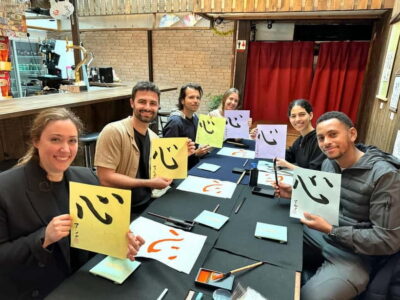
In particular, groups often mention how the dress-up part made the experience feel special, not touristy. I think that reaction makes sense. When you are wearing traditional clothing, the teacher’s guidance feels less like a workshop and more like a practiced art form.
Practical tip: plan to sit and move carefully. You will likely be handling a brush, ink, and paper, so comfortable shoes and easy layers are helpful. You might also want to keep jewelry to a minimum. Even if the class provides what you need, your own choices affect how easy it is to stay relaxed.
The 90-Minute Flow, Step by Step, Without Feeling Rushed
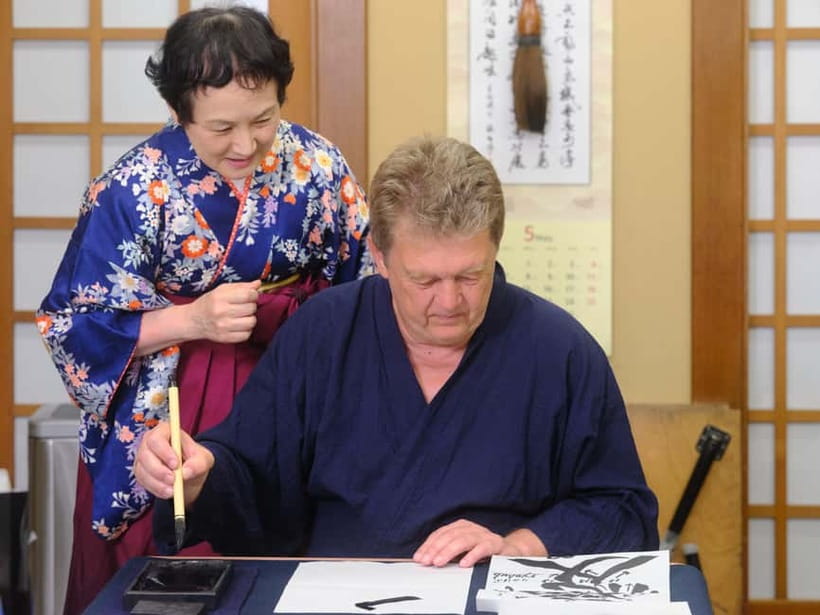
This experience is built around a clear timeline: you meet in Tokyo, then you go through basics, practice, and a final artwork. Ninety minutes sounds short until you watch how they structure it. The trick is they teach what you need, in the order you need it.
Here is the flow you can expect.
Start with guidance and setup
You meet your guide and the calligraphy instructor team in Tokyo. The meeting point is described as next to a nursery school, next door to Kaideji Temple (海德寺). When you arrive, you will get oriented, and you will be set up for writing.
The early part matters because brushwork depends on posture and tool handling. If your hand position or the angle of the brush is off, your strokes will look uneven even if you understand the idea.
More Kimono Experiences in Tokyo
- Let’s make kimono !(Kimono is a gift for you
★ 5.0 · 252 reviews - Tokyo: Matcha and Kimono Experience
★ 4.7 · 219 reviews - Tokyo: Asakusa Kimono Dressing and Matcha Experience
★ 4.9 · 173 reviews - Asakusa: Kimono Tea Ceremony with Matcha and Sweet
★ 4.9 · 153 reviews
Learn the basics, one stroke at a time
You will learn the foundations of Japanese classical calligraphy. That usually means learning how to start a stroke cleanly, how to finish it with intention, and how to keep your line consistent. You also practice the physical actions behind it: how to hold the brush, how pressure changes line thickness, and how ink behaves on the surface.
This is where the class earns its reputation. In feedback, the teaching approach is praised as patient and step-by-step. For example, some instructors are mentioned by name, including Hana, Tomo, and Koushi, along with assistants who explain details and help after you practice.
Do guided practice before your final piece
After the basics, you are not thrown into a final without support. You get practice time so you can try again with corrections. Then you produce your final calligraphy artwork on your take-home surface.
This is one of the smartest parts of the class design. People who have never used a brush often assume calligraphy is purely artistic and unpredictable. But it is also repeatable. Once you understand the stroke rules, it becomes easier to create something that looks good fast.
What You Actually Learn: Kanji, Meaning, and the Why Behind the Strokes
A lot of calligraphy experiences teach technique and leave you with no cultural context. This one tries to do both. You learn about the spirituality and history associated with the characters, so the writing feels purposeful.
You will likely learn to write a kanji character as part of your artwork. The key is that it is not random. Your instructor explains the meaning behind what you are writing, and that changes how you approach the brush.
For many first-timers, the biggest surprise is that calligraphy is not only about neatness. It is about controlled expression. A good brush stroke has energy, direction, and timing. That is why the teacher emphasizes fundamentals like line quality and brush control.
One more thing I appreciate: the class does not treat calligraphy as a museum activity. It treats it like a living skill. That mindset helps you relax. You start to think, I can do this. And then you do.
Professional Tools and the Take-Home Artwork That Feels Worth Displaying
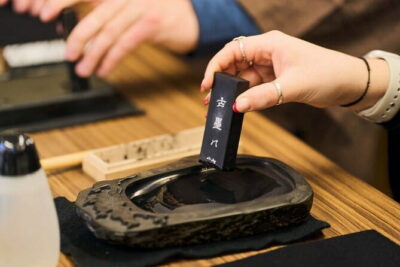
The class includes all necessary calligraphy tools. That removes a common barrier, because if you have never done brush calligraphy, buying supplies can be confusing and expensive.
Instead of worrying about what ink to buy or which brush is correct, you focus on writing. You produce a finished work that you take home. Even better, some groups report that instructors can also write personal text, such as a name, as part of the final outcome.
This is a big value point. A souvenir photo is fine. But an artwork you made with your own hand is different. You can hang it, gift it, or keep it as a reminder of a skill you tried in the real place where the art lives.
The class also includes Japanese tea. It is a small detail, but it fits the rhythm. You write, you pause, you drink tea, you reset your hands and eyes. It turns the session into a mini cultural break, not just a sprint.
Small Group Size and English or French Support
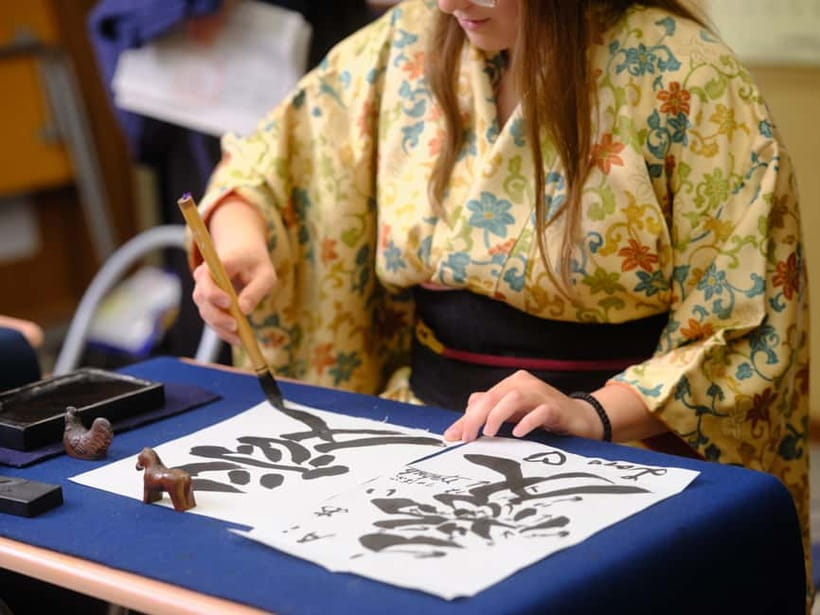
This experience is limited to 10 participants. That matters more than it sounds. In a class where you hold a brush, not everyone benefits from being far away. Small group size makes it easier for instructors to correct your posture and stroke.
Language support is also clear. The instructor team works in English, and French is available too. That is helpful because calligraphy instruction is full of cues that are hard to translate perfectly without a strong shared language. Having language support means you spend time practicing instead of guessing what the teacher wants.
You will also have an English-speaking guide during the class. That adds safety for visitors who are unsure about etiquette or basic expectations. And because guides are attentive, they can help you feel comfortable quickly.
Price and Value: What $64 Buys Beyond the Lesson
At $64 per person for 90 minutes, the price is not just paying for someone to watch you write. You are paying for professional instruction, all tools, and an artwork you keep. You also get Japanese tea and an English-speaking guide.
Here is how I think about it in plain terms:
You are getting a ready-made “how to” package. The teacher supplies the structure. The tools are included. Your final piece becomes a concrete outcome. That is what makes the value feel solid, especially in Tokyo where many short activities are priced like entertainment with few lasting results.
Also, you avoid the hassle of sourcing materials. If you had to buy a starter calligraphy set, plus a suitable writing surface, you would likely spend more and still not have the guidance to make something you like.
If your travel budget is tight, I would pick this class if your goal includes a hands-on cultural souvenir. If your goal is only shopping or only sightseeing, then it might feel like less of a fit.
Who This Works Best For (and Who Should Skip It)
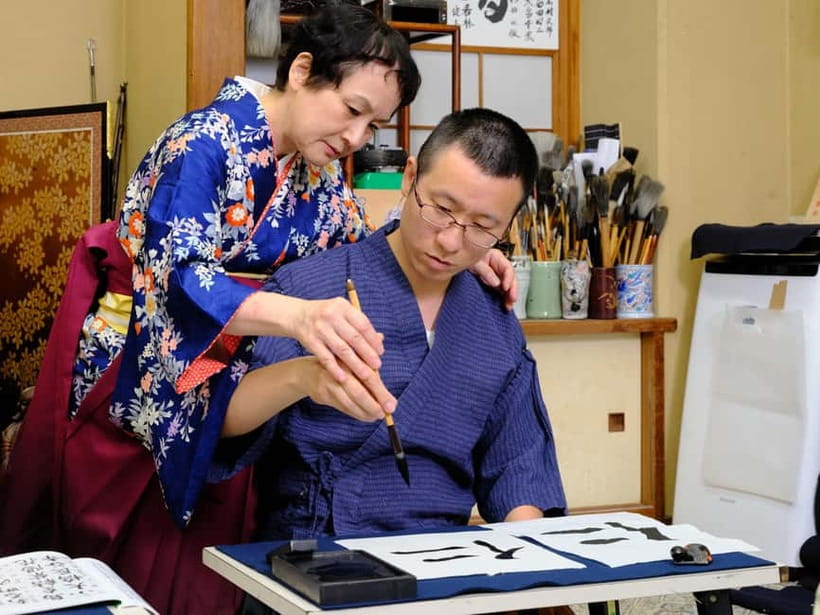
This class is best for adults and families with kids who can sit and focus for a short time. Some feedback specifically notes that it can work well for families, including situations like birthdays.
It is not suitable for:
- Children under 4 years
- People over 70 years
So if you are traveling with small kids, check age fit carefully. The room needs you to concentrate, and the brushwork needs steady handling.
This is also a good match if you want an experience that mixes traditional practice and modern visitor comfort. You get the cultural pieces, but the class is structured for visitors, including language options and a small group.
Small Practical Notes So You Feel Comfortable
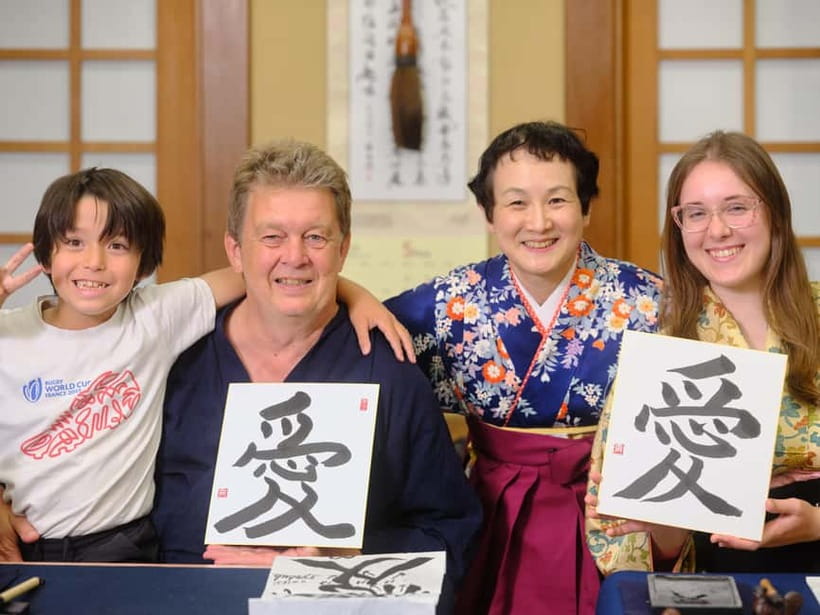
A few small preparations will make your class easier.
- Wear clothes that can get dirty. Ink and brushwork are part of the process. Even with careful handling, small splashes can happen.
- Plan to sit comfortably. Your posture affects stroke quality.
- Keep expectations realistic. A single 90-minute session will not make you a lifelong calligrapher. But it will teach you how strokes work, and it will give you a finished result you can be proud of.
If you want to get more out of the session, you can watch for the teacher’s corrections and apply them right away. Calligraphy rewards quick feedback, so it helps to stay focused on what your instructor is fixing in the moment.
Should You Book This Calligraphy Class?
If you want a Tokyo activity with real output, this is a strong yes. The combination of hands-on practice, professional instruction in English or French, and a finished souvenir that you take home makes it more worthwhile than many “try it once” workshops.
I would especially recommend it if you enjoy cultural crafts, handwriting arts, or you want a more thoughtful memory of Japan than a typical checklist photo. The fact that the class includes tea and a dress-up moment helps it feel like an actual experience, not a rushed stop.
Skip it only if you are not comfortable with getting slightly messy, or if age limits apply. If you are okay with that, you will likely leave feeling calmer and more capable, with a piece of calligraphy you can hold in your hands long after the trip.
FAQ
How long is the calligraphy experience?
The class lasts 90 minutes.
How much does it cost?
The price is $64 per person.
Where is the meeting point?
You meet next to a nursery school, and next door to Kaideji Temple (海德寺).
What should I bring?
Wear clothes that can get dirty.
What is included in the price?
Instruction by professional calligraphers, all necessary calligraphy tools, Japanese tea, your finished calligraphy work to take home, and an English-speaking guide.
Is this suitable for children or seniors?
It is not suitable for children under 4 years or people over 70 years.
What languages are offered?
The instructor support is available in English and French.
Can I get a refund if my plans change?
Yes. You can cancel up to 24 hours in advance for a full refund.
Latest write-ups near Tokyo
- Tokyo Nights: Shibuya Photo Adventure★ 5.0 · 20 reviews
- Wagyu & Sake 8 Course Tasting Dinner in Shinjuku★ 4.9 · 20 reviews
- Making Japanese desserts Nerikiri & drinking matcha in Tokyo★ 5.0 · 20 reviews
- Japanese Whisky Hunting《HIGH-QUALITY-ONLY》Rare Tasting Class★ 5.0 · 20 reviews
- Mt. Fuji 5th Station, Owakudani Ropeway, Pirate Ship plus Outlet shopping!★ 4.5 · 20 reviews
- Kintsugi Experience with Arita Ware in Tokyo (English Guide)★ 4.8 · 20 reviews
- This is Asakusa! A Tour Includes the All Must-Sees!★ 5.0 · 20 reviews
- Tokyo: Karate Experience with Former All-Japan Champion★ 5.0 · 20 reviews
Calligraphy Classes, compared.
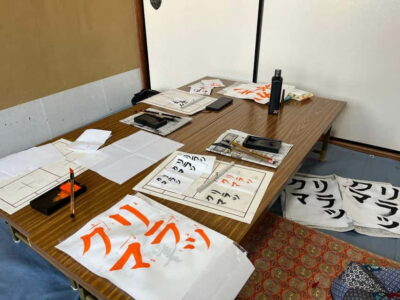
Calligraphy class at Buddhist temple in city center
Read our review →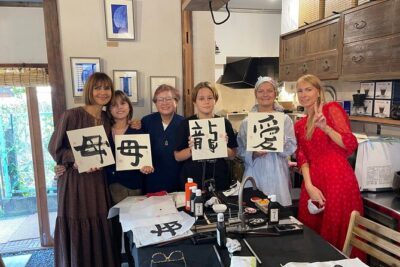
Let’s experience calligraphy in YANAKA, Taito-ku, TOKYO !!
Read our review →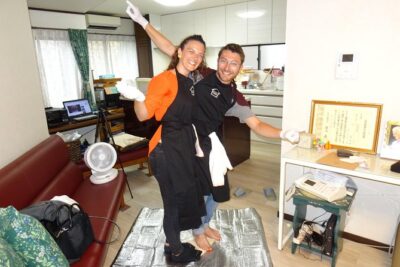
Calligraphy Workshop & Original T-Shirt Creation
Read our review →
An Amazing set of Cultural experience: Kimono, Tea Ceremony and Calligraphy
Read our review →Browse the lists this tour appears in