
Reviewed · KIMONO EXPERIENCES
Asakusa: Kimono Tea Ceremony with Matcha and Sweet
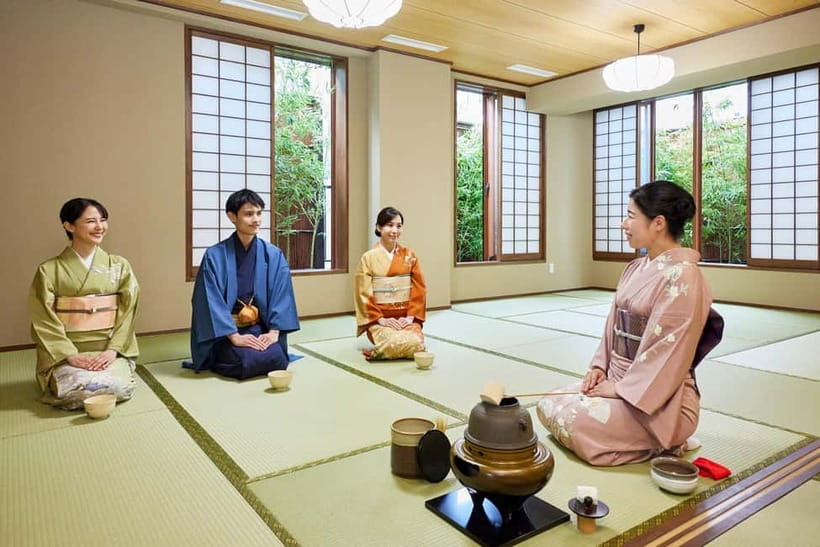
A kimono and tea ceremony in Asakusa is interesting because it turns Japanese etiquette into something you actually do, not just watch. You start with a hands-on dressing moment, then you move into a quiet tea room where every gesture has a meaning. If you enjoy cultural rituals that feel calm and detailed, this hits the sweet spot.
I love the way the experience mixes photo-friendly kimono prep with a real tea lesson taught in English. I also like the small, guided feel, with a group size around 12 to 14, so the host can help you follow along. One consideration is that it is a quiet session on tatami mats, and shoes are not allowed, so you’ll want to plan for a more formal, slow-paced atmosphere.
Key Highlights You Will Feel Right Away
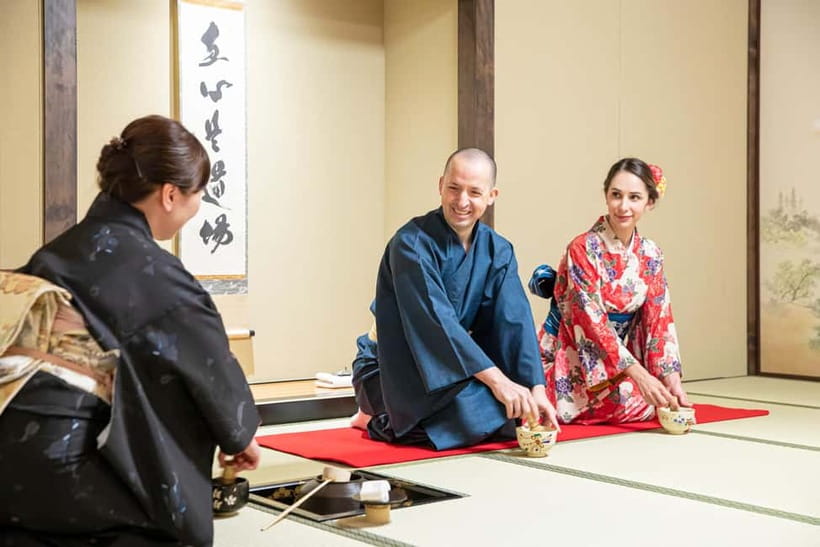
- Seasonal kimono selection with full help choosing and putting on your outfit, plus obi and accessories
- Wa, Kei, Sei, Jaku explained during the ceremony, so you understand what the steps mean, not just the steps
- Hands-on matcha whisking, including watching the tools and utensil handling up close first
- Seasonal wagashi paired with your matcha, often noted as vegan-friendly by some guests
- Bilingual staff and full English guidance, plus hosts like Mia, Wakana, Yoko, and Kyoko getting called out for clear, respectful instruction
- Tatami seating with chair options, since bamboo chairs are available if you request them in advance
Asakusa Kimono Tea Ceremony: The Part That Feels Like Japan, Not a Show
This is one of those Tokyo experiences where the value is in the rhythm. You are not just getting dressed, then sitting through a performance. You are guided through a calm flow: choose a seasonal kimono, learn the etiquette behind the tea motions, then make your own bowl of matcha.
The tea room part is quiet by design. That matters, because the tea ceremony is meant to be slow and controlled. If you like cultural details you can feel in your hands, you’ll appreciate the careful pace and the focus on respectful movements.
More Kimono Experiences in Tokyo
- Let’s make kimono !(Kimono is a gift for you
★ 5.0 · 252 reviews - Tokyo: Matcha and Kimono Experience
★ 4.7 · 219 reviews - Tokyo: Asakusa Kimono Dressing and Matcha Experience
★ 4.9 · 173 reviews
Your 90 Minutes, Step by Step (And Why Each Part Matters)
Plan for the full experience to run about 90 minutes. The schedule is tight enough to keep energy high, but not so rushed that you feel like you are waiting around.
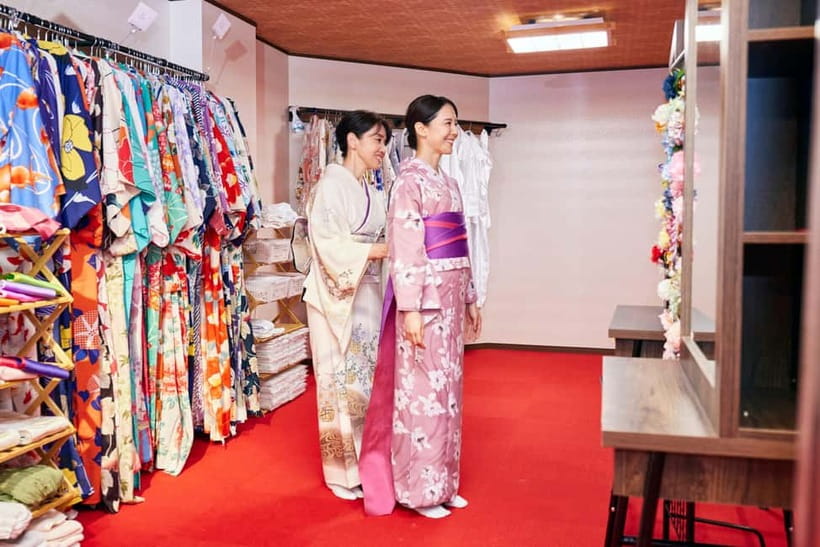
1) Choose Your Seasonal Kimono, Then Get Dressed Properly
You begin by selecting a kimono. Staff assist you from the start so the fit looks right and you feel comfortable. The emphasis is not only on pretty fabric, it is on getting your outfit put together in a way that feels correct.
Women also get hair styling, but only if you have long hair. If you fall into that category, this is where the whole look becomes complete, since the styling matches the outfit rather than just adding a quick finishing touch. Several guests have praised how fast and effortless the hair process feels.
A practical note: shoes are not allowed. You’ll be in a kimono-ready environment where foot comfort matters, so go easy on what you wear under or around your session.
2) Move Into the Tea Room and Learn Wa, Kei, Sei, Jaku
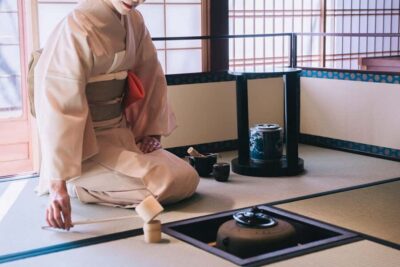
Next you enter the tea room for the ceremony lesson. This is where you learn the meaning behind key principles:
- Wa (harmony)
- Kei (respect)
- Sei (purity)
- Jaku (tranquility)
That list sounds simple, but having it explained helps you understand why the host’s movements feel deliberate. It is not random choreography. It is structure, so you can participate without guessing.
This is also where bilingual support helps. Full English guidance is provided, and in some cases staff adapt explanations if you speak Japanese too, so you’re not stuck translating in your head.
More Tea Ceremonies in Tokyo
- Matcha Making Class in Tokyo with Authentic Japanese Sweets Set
★ 5.0 · 744 reviews - Tokyo: Traditional Tea Ceremony with a Tea Master
★ 5.0 · 528 reviews - Tokyo: Matcha Making Experience with Mochi Sweets in Asakusa
★ 4.9 · 388 reviews - Tea Ceremony Workshop in Tokyo by the Experienced Instrucor
★ 5.0 · 189 reviews
3) Watch the Tools, Then Make Your Own Matcha
Before you touch the tea tools, the host demonstrates each step in preparing matcha. The handling is part of the lesson, because many of the utensils are treated like cherished artifacts. You learn to pay attention to small actions, like how tools are managed and how the process stays calm and orderly.
Then it is your turn. You whisk your own bowl of lively green tea, taking part in a ritual passed down for centuries. When the instructor guides you through the steps, it feels doable even if you have never made matcha before.
4) Matcha with Seasonal Wagashi, the Pairing You Actually Taste
After you make your matcha, you enjoy it paired with seasonal wagashi. Wagashi are traditional Japanese sweets, and the seasonal angle matters because you are tasting something designed around the time of year rather than a generic offering.
A useful detail from guest experiences: some wagashi have been noted as vegan-friendly. Still, if dietary needs are a concern, ask the staff during your session planning so they can confirm what you will receive.
5) Photos and Optional Time in Your Kimono
Once the ceremony portion is done, you get time for photos. A small garden and indoor set-up areas are used for picture-friendly moments, and staff often help take couple photos, especially if you are traveling with someone.
And yes, you can typically go out afterward in your kimono if you wish. That is a big reason this experience is more than a one-room activity. You can turn the outfit into part of your Tokyo day, not just a brief costume moment.
If you do go out, consider the weather. Some guests mention choosing not to walk around due to cold conditions, which is totally reasonable since you are dressed differently than normal sightseeing clothes.
Wa, Kei, Sei, Jaku in Plain Language, What You’re Really Learning
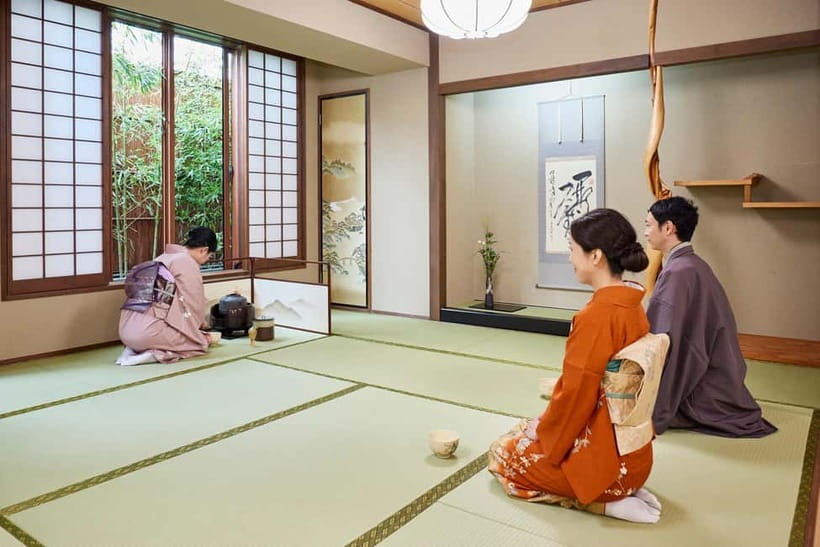
The ceremony’s biggest strength is that it gives you a framework. When the instructor explains Wa, Kei, Sei, Jaku, your job becomes easier, because you understand what the host is aiming for.
Here is how it usually lands for you:
- Harmony, so the whole room and timing feel balanced
- Respect, so your actions stay careful and considerate
- Purity, so the process feels clean, orderly, and focused
- Tranquility, so you slow down rather than rush
You are not expected to be perfect. You are guided into doing it correctly the first time. That is why the “watch first, then try” pacing works so well.
Group Size, Quiet Room Energy, and Seating Choices
This is a small-group experience with about 12 to 14 participants. That group size is large enough to feel social, but small enough that the host can still guide you through the tea steps.
Seating is on tatami mats, which changes how you move and how you settle in. If you want a more standard seating feel, bamboo chairs can be requested in advance. That option is a smart move if you know tatami can bother your knees or back.
Also keep in mind: the entire experience is calm. If you prefer loud, fast, street-energy activities, this will feel more reflective than hectic.
Photos in Kimono: How It Works and How to Get Great Results
One of the most praised parts is how photogenic the whole setup is. You get staged areas for photos, and staff help with picture timing, especially for couples.
You also have time to take pictures after you dress and after the ceremony. Several guests specifically call out how staff take photos for them and how they can walk around later in the kimono for more shots.
Two practical tips:
- Plan for slow walking after the ceremony. A kimono outfit is gorgeous, but it is not like moving in jeans.
- Bring an open mind about posing. The host and staff understand how to frame kimono photos, so you do not need to overthink it.
Matcha and Wagashi: What You Should Expect to Taste
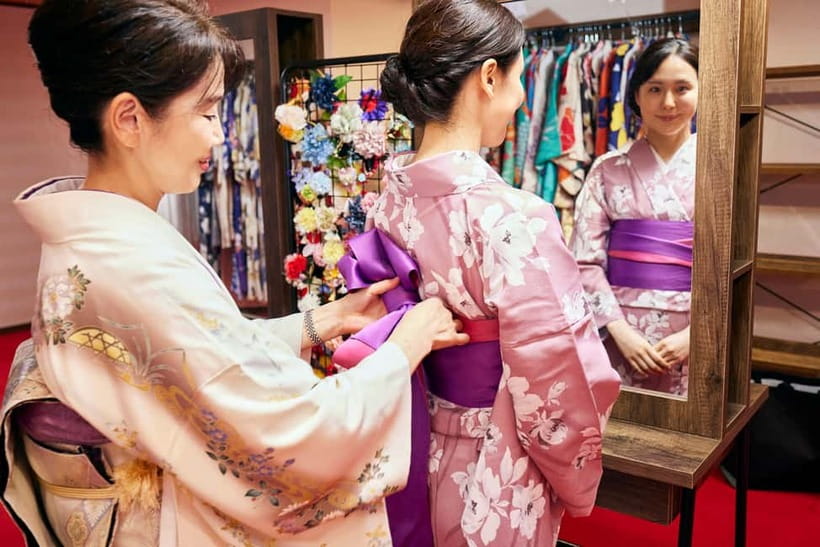
This experience is built around matcha and sweets, and it is not just a snack. You make your matcha during the session, then you taste it as part of the full ritual.
Wagashi are paired based on the season. That means the sweets you get can vary, which keeps it from feeling repetitive. Some guests also mention the sweets being vegan-friendly, so there is a chance your menu may work even if you eat plant-based, but confirm dietary details with the staff.
Price and Value: Is $66 Worth 90 Minutes of Kimono, Tea, and Guidance?
At $66 per person for about 90 minutes, the value comes from what is included, not just the tea.
You are getting:
- Traditional tea ceremony experience
- Kimono rental and professional dressing
- Hair styling for women with long hair only
- Matcha preparation practice and tasting
- Seasonal wagashi
- Full English guidance throughout
You are not paying separately for the big costume piece or the lesson. That matters because kimono rental alone in Tokyo can add up quickly once you factor in dressing support. Here, the kimono and the ceremony are bundled so you get the outfit and the culture lesson together.
The two main things not included are transportation to the venue and meals beyond the wagashi. So budget for your meals before or after. If you were hoping for a meal-heavy tour, this is not that. It is a cultural ritual centered on tea and sweets.
Who This Is Perfect For, and Who Might Find It Tough
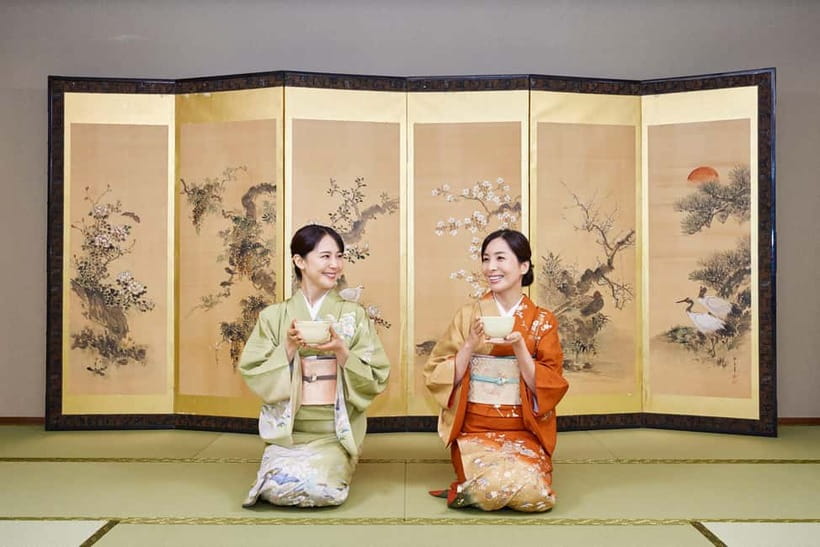
This is ideal if you want a structured cultural experience without research prep. You show up, get dressed, learn the tea principles, and then participate. English guidance helps make it feel smooth even if your Japanese is limited.
It also fits you if you care about:
- Being able to ask questions during the ceremony
- Getting a polished kimono look with matching hair styling
- Taking photos in a respectful setting (and having staff help)
It may not be your best match if:
- You cannot sit comfortably on tatami mats and did not request a chair
- You need a kid-friendly activity, since children under 7 are not permitted
- You strongly prefer walking around most of the time, since the ceremony itself is quiet and focused
Small Rules That Matter More Than You Think
A few “simple” rules shape the whole experience.
First, no shoes. Plan to be ready to move carefully in the environment. Your feet will be in the session’s rhythm, not in street mode.
Second, the tea ceremony is calm. Phone use may need to be respectful in quiet spaces, and your main job is to follow the host. Think of it like a guided ritual, not a party.
Third, seating is tatami unless you request bamboo chairs. If you know your body, request the chair. That one choice can turn a potentially uncomfortable session into a pleasant one.
Should You Book This Asakusa Kimono Tea Ceremony?
Book it if you want the best kind of Tokyo souvenir. Not a shop-bought item, but a moment you can picture clearly later, especially because you get a real kimono styling experience plus matcha you make yourself.
I’d especially recommend it if you:
- Want English guidance with a structured cultural lesson
- Care about details, like learning Wa, Kei, Sei, Jaku
- Like being in a small group where you can participate rather than watch from a distance
- Want photo time in kimono, and maybe time afterward, since you can go out in it if you wish
Skip it or reconsider if you need heavy mobility, lots of walking during the main session, or a loud, energetic vibe. Also, if tatami seating would be a problem, request bamboo chairs early.
If you want a calm, hands-on slice of Japanese tradition in Asakusa, this one is an easy yes.
FAQ
Where is this kimono tea ceremony experience located?
It takes place in Tokyo, in the Asakusa area (Honshu, Japan).
How long does the experience last?
The experience lasts about 90 minutes.
Is there English guidance?
Yes. The instruction and guidance are in English, with bilingual staff supporting the session.
What is included in the price?
You get a traditional tea ceremony, kimono rental and professional dressing, hair styling for women with long hair only, matcha preparation, seasonal wagashi, and full English guidance.
Can I wear shoes during the ceremony?
No. Shoes are not allowed.
Are bamboo chairs available if I cannot sit on tatami?
Yes. Bamboo chairs are available upon advance request.
Is hair styling included?
Hair styling is included for women, but only for guests with long hair.
Are children allowed?
Children under 7 years old are not permitted.
Is free cancellation available?
Yes. You can cancel up to 24 hours in advance for a full refund.
Latest write-ups near Tokyo
- Tokyo Customized Private Tour: See Top Attractions in 1 Day★ 4.8 · 67 reviews
- From Tokyo: Top 5 Scenic Spots of Mount Fuji Full-Day Tour★ 4.5 · 67 reviews
- Traditional Japanese Music ZAKURO SHOW in Tokyo★ 5.0 · 67 reviews
- Tokyo: Shinjuku Izakaya and Golden Gai Bar Hopping Tour (2h)★ 4.9 · 67 reviews
- Tsukiji: Unlimited Sake Tasting Experience★ 4.9 · 67 reviews
- Tokyo: Not a show- a professional sumo practice with experts★ 4.9 · 67 reviews
- Samurai Ninja Museum Asakusa: Kid-Friendly Ninja Training★ 4.7 · 67 reviews
- Private Harajuku Omotesando Architecture Walking Tour★ 5.0 · 67 reviews
Kimono Experiences, compared.
Sumo Show & Experience w/ Optional Kimono & Hot Pot
Read our review →
KYOTO Tea Ceremony with kimono near by Imamiya Jinjya Shrine
Read our review →
Kimono and Tea Ceremony Experience at Cultural Asset
Read our review →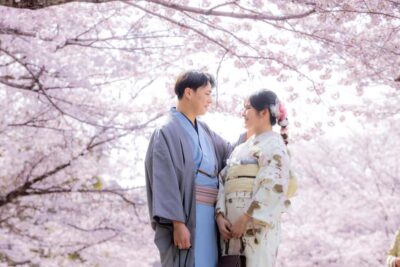

Browse the lists this tour appears in