
Reviewed · KIMONO EXPERIENCES
Let’s make kimono !(Kimono is a gift for you
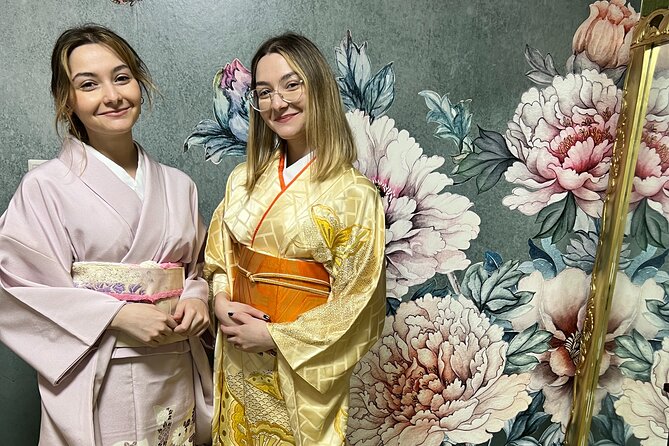
Tokyo’s kimono scene can feel like a dress-up stop, but this experience is more hands-on than most. What makes it interesting is that you choose a vintage kimono in a real home studio, get it fitted to you, and leave with a wearable result plus photos. My favorite parts are the free obi setup (with extra accessories offered) and the way you learn the basic wearing techniques instead of just getting dressed. One drawback to keep in mind: the kimonos are vintage, so you may see minor stains in some areas, and upgrades can add cost if you want a more ornate outfit.
You also get to match your schedule with morning or afternoon sessions, and the group stays small, up to 5. The vibe is calm and practical, and it has even earned a Gold Award from Omotenashi Selection, picked by foreigners living in Japan.
Key things I’d plan around before you go
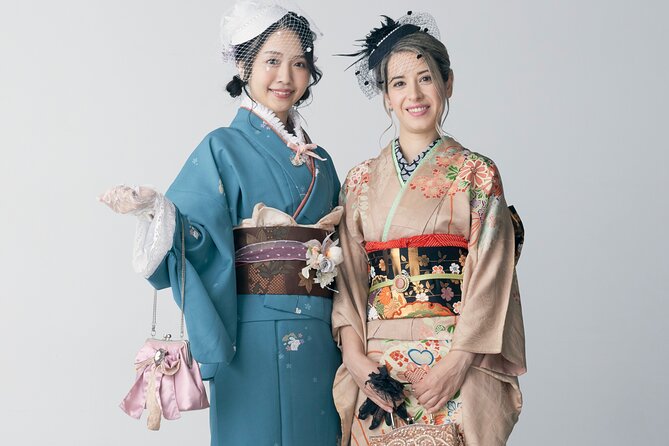
- Free obi rental plus optional purchases for the obi and related accessories
- Vintage kimono choosing, with some upgraded fabrics costing extra
- Hands-on fitting so the outfit matches your size, not just an average
- Photo time included, plus guidance during the dressing process
- Kids can join, but children’s sessions have a different flow than women’s
- Upcycled feel: you may end up with an easier-to-wear kimono-inspired garment after alterations
Why this kimono class feels different from a quick rental
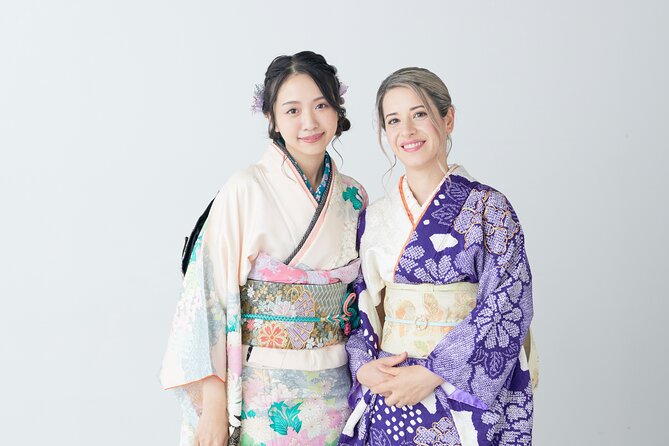
Most kimono experiences in Tokyo are built like this: pick a set, get dressed, take photos, move on. This one still ends with photos, but it starts like a craft project. You are not just selecting a look, you are choosing fabric patterns from preowned kimonos, customizing to your body, and learning how it works once you wear it.
The studio setting matters. It is described as comfortable and clear on communication, with easy construction techniques you can manage in the time you have. That practical pace is a big reason it scores so high, with a 4.9 rating and a strong recommendation rate.
There is also a cultural bonus: a few instructors clearly enjoy answering questions. One name that shows up in feedback is Oto Ha, who comes across as friendly and helpful. Still, if you are hoping for a long, structured history lecture, you might want to ask directly during the session, because the focus is more on making and wearing than on storytelling.
More Kimono Experiences in Tokyo
- Tokyo: Matcha and Kimono Experience
★ 4.7 · 219 reviews - Tokyo: Asakusa Kimono Dressing and Matcha Experience
★ 4.9 · 173 reviews - Asakusa: Kimono Tea Ceremony with Matcha and Sweet
★ 4.9 · 153 reviews
Picking your vintage kimono: patterns, sizing, and what upgrades really mean
You start by choosing the kimono you want to work with. The selection is described as varied, with lots of colors and textures, including printed vintage pieces. That selection time is not wasted. It sets the tone, because your finished look depends heavily on the pattern and how it drapes after fitting.
Then comes the customization. Instead of assuming the kimono will fit you as-is, you customize it to your size. That is a huge value point in Tokyo, where standard rentals often struggle with non-average body types. In feedback, people specifically called out that they were larger and still managed to get a fit they were happy with.
Upgrades are the other thing to understand early. The base option is usually included, but more ornate kimono come with additional charges. For women’s kimonos, upgrades are listed as about JYP 2,000 to 6,000. For men’s, a haori plus kimono set is an additional JYP 2,000. Translation into real spending is simple: if you fall in love with a fancier fabric, expect to pay extra for that exact choice.
A realistic heads-up on the fabric
Because these are vintage kimonos, there might be stains in some areas. That can be totally normal for preowned textiles, but it is smart to look at the kimono you select. If you are picky, choose the print and fabric based on how it looks where it will actually show on your body after fitting.
Obi, obiage, obijime, and the accessories you can rent or buy
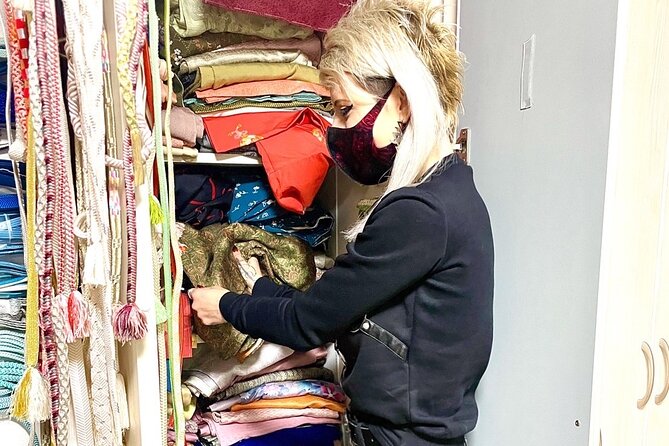
This workshop is very deliberate about the wrap details. A free obi rental is included, and you also get support with how the obi and small accessories work together to hold the look in place.
Included extras you can use during the session include:
- Obiage
- Obijime
- Obi pillow
These are listed as free rentals, available for purchase. That is important because it means you can participate without committing to buying everything. If you later decide you want the full set to keep or to wear again, you can choose to purchase.
What’s not included is also clearly stated: Japanese sandals and tabi. Plan to wear comfortable shoes to arrive. You might still want to arrange footwear for when you take photos or walk to nearby spots, since tabi and sandals are part of the traditional look.
A change of pace from Tokyo:
- Mt Fuji and Hakone 1-Day Bus Tour Return by Bullet Train
★ 5.0 · 26,383 reviews - 1-Day Tokyo Bus Tour
★ 5.0 · 14,250 reviews - Tokyo: TOKYO SKYTREE® Admission ticket
★ 4.5 · 11,192 reviews - Tokyo: teamLab Planets TOKYO Digital Art Museum Entry Ticket
★ 4.6 · 9,779 reviews
The fitting and wearing lesson: cutting, ironing, and simple wins
Here is where you should pay attention, because the name kimono workshop can create expectations. The process is described as taking a preowned kimono and tailoring it to be easier to wear. Some people noticed that it is not always a full, classic kimono build in the strictest sense, and you might end up with a kimono-inspired garment that is simpler and more comfortable for everyday wearing.
In practical terms, you learn techniques that make the outfit workable within the 90-minute flow. Feedback points to skills like:
- hemming the waist
- cutting and folding fabric
- taping seams during fitting
- using an iron as part of the process
You do not need to be a sewing expert. The staff provides help if you get stuck, and the techniques are set up to be accomplishable in the time given. That makes this a good option if you have never altered clothing before.
One more practical point: some people mentioned the process can involve working at floor level for fitting tasks. If you have knee or back issues, think about bringing a small cushion if you typically need one, and let your instructor know what will be comfortable for you.
Photo time that actually looks like you mean it
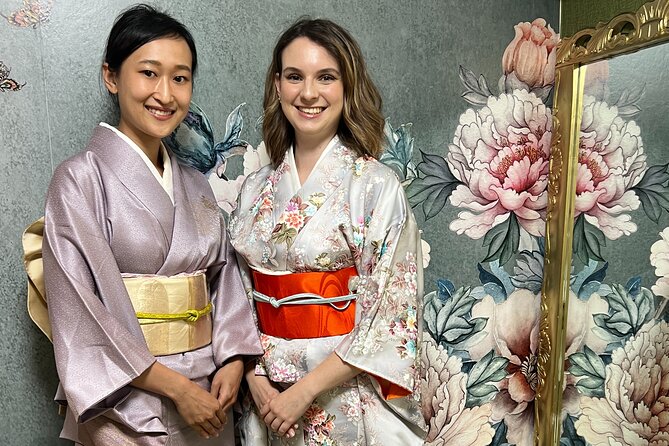
Photos are part of the experience, and the timing is built into the class so you are not rushed. You will get dressed in your finished look, then you have a photo moment.
A helpful tip from real experience: your phone battery might not survive an entire activity with photos. One person shared that their phone died mid-session, and they still received photos afterward. That suggests they handle photo capture and sharing, but it is still smart to bring a charged phone or a power bank if you rely on your own camera.
Also, if you care about how the outfit sits, the photo moment is when that matters. The fit adjustments you did earlier are what show up in pictures, so trust the steps you follow during fitting. This is not a quick rental where you ignore comfort and hope for the best.
Women’s, men’s, and children’s sessions: small differences that affect your day
The workshop splits by group type, and you should choose the session that matches your people.
Women’s kimono session
You select a women’s kimono, then customize it to your size. You learn how to wear it, and you get photo time in the final outfit.
Upgrades are more common here if you want a more ornate piece. The additional cost range is listed as JYP 2,000 to 6,000.
Men’s kimono session
Men’s attire is different in two key ways:
- You print your name in Kanji and choose the color of the font.
- If you want a haori, you add a haori plus kimono set at an additional JYP 2,000.
The process also includes ironing the kimono, plus photo time after you finish.
Children’s kimono session
Kids can join, but children’s customers are told their itinerary can differ from women’s. The details you care about:
- Girls’ kimonos may not require adjustment, so they can sometimes be worn without cutting the material.
- Boys’ kimono options include printing a name in Japanese on the collar of the kimono.
If you are traveling with kids, this is one of the biggest decision points. Choose the child’s option so the staff prepares the session in a kid-friendly way rather than trying to force the adult fitting steps.
Where the class happens in Tokyo, and what to do when you arrive
The meeting point is in Koto City, at 6-chōme-8-6 Kiba, Tokyo 135-0042. The experience ends back at the same meeting point.
This matters because you are not doing a factory-style lesson in a busy tourist zone. Several people described it as arriving at a home in an older district that can feel like you might have gone to the wrong place at first. That is usually part of the charm, but it also means you should trust the address, and if you are unsure, ask for help early. Being calm helps everyone.
It is near public transportation, and it is small group size, up to 5 travelers, so you are not shuffled around with large crowds. A residential setting can also make the pace feel more personal. You get time to ask questions, sit down when needed, and focus on the outfit rather than the next activity.
Value and budget check: is $43.11 a good deal?
At $43.11 per person, this workshop is priced like an entry-level craft experience, not like a full private tailoring service. The value comes from what you actually receive and what you learn.
Included:
- kimono
- free obi rental
- obiage, obijime, obi pillow as free rentals (available for purchase)
Not included:
- Japanese sandals and tabi
- any optional upgrades for more ornate kimonos
- purchases if you decide to take the accessories home
So the math is not just the starting price. It is starting price plus any upgrades you choose based on the kimono and obi options available. In feedback, some people reported paying extra for a more elaborate kimono, and it still felt worth it because the result fit well and looked great.
My practical take: if you want a basic kimono style, you should feel good about the base fee. If you know you want a specific luxurious print, build a buffer into your budget so you do not feel surprised mid-session. The way upgrades work here is pretty transparent, and you still get the core experience at the base level.
Also, the small group size is part of the value. With up to 5 people, you get more hands-on attention during fitting and dressing than you would in a big group setup.
Who should book this kimono workshop, and who might pass
This class is best if you want:
- an experience that goes beyond photo ops
- a fitted kimono-inspired look you can actually wear
- the chance to work with vintage fabric and choose patterns
- a calm session with small group attention
- a fun activity you can do with a teen or an 11-year-old, with staff guidance
It may not be ideal if:
- you want a long, scripted lecture on kimono history
- you hate the idea that some vintage pieces could show minor stains
- you expect a strictly traditional, identical-to-what-you-see-in-museums kimono build with no alterations
One more group-fit note: people described success even with non-average sizing. That is a strong reason to consider booking, because not every rental shop can tailor in a short session.
Should you book Let’s Make Kimono in Tokyo?
Yes, I think you should book if you want a hands-on, small-group Tokyo experience that ends with you wearing something that looks intentional, not generic. The combination of free obi rental, custom fitting, and photo time is a solid package for the price.
My go/no-go advice:
- Book if you are excited to pick a vintage pattern and learn how to wear what you make.
- Book if you want a creative, friendly session in a residential Kiba location.
- Reconsider if you need more history teaching than fitting and dressing, or if you are very sensitive about vintage fabric condition. You can still choose carefully, but the nature of preowned kimono is part of the deal.
FAQ
What is included in the kimono experience?
The experience includes a kimono, a free obi rental, and free rentals for obiage, obijime, and an obi pillow.
Is the obi included, and can I buy one?
Yes, a free obi rental is included. Obi items are also available for purchase if you want to take them home.
How long does the class take?
The duration is about 1 hour 30 minutes.
Do I need to wear tabi or Japanese sandals?
Japanese sandals and tabi are not included.
Can kids join, and do they follow the same itinerary?
Kids can join with children’s kimono experiences. Children’s kimonos can have a different itinerary from women’s, and boys and girls have different handling details.
Are there upgrades, and do they cost extra?
Yes. You can choose a basic kimono or upgrade for a more ornate option. Upgrades have additional charges, with women’s and men’s session upgrade costs listed in yen.
How many people are in the group?
The maximum group size is 5 travelers.
Where do I meet for the workshop?
The meeting point is 6-chōme-8-6 Kiba, Koto City, Tokyo 135-0042, Japan, and the experience ends back at the meeting point.
What happens if weather is bad?
This experience requires good weather. If it is canceled due to poor weather, you will be offered a different date or a full refund. The policy also states the experience is non-refundable if you cancel.
Latest write-ups near Tokyo
- Tokyo Customized Private Tour: See Top Attractions in 1 Day★ 4.8 · 67 reviews
- From Tokyo: Top 5 Scenic Spots of Mount Fuji Full-Day Tour★ 4.5 · 67 reviews
- Traditional Japanese Music ZAKURO SHOW in Tokyo★ 5.0 · 67 reviews
- Tokyo: Shinjuku Izakaya and Golden Gai Bar Hopping Tour (2h)★ 4.9 · 67 reviews
- Tsukiji: Unlimited Sake Tasting Experience★ 4.9 · 67 reviews
- Private Harajuku Omotesando Architecture Walking Tour★ 5.0 · 67 reviews
- Samurai Ninja Museum Asakusa: Kid-Friendly Ninja Training★ 4.7 · 67 reviews
- Tokyo: Not a show- a professional sumo practice with experts★ 4.9 · 67 reviews
Kimono Experiences, compared.
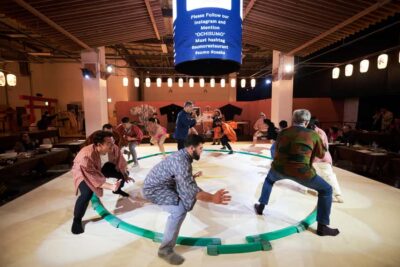
Sumo Show & Experience w/ Optional Kimono & Hot Pot
Read our review →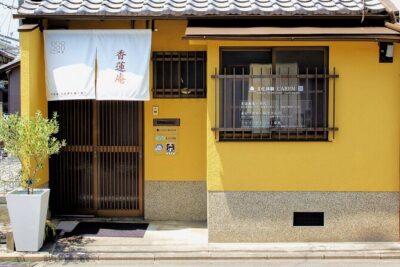
KYOTO Tea Ceremony with kimono near by Imamiya Jinjya Shrine
Read our review →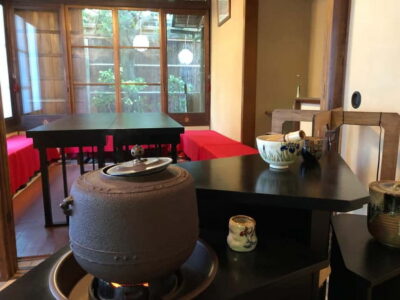
Kimono and Tea Ceremony Experience at Cultural Asset
Read our review →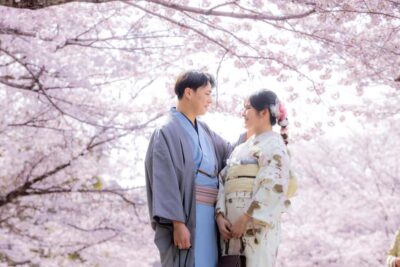
Browse the lists this tour appears in