

Reviewed · FUSHIMI INARI TOURS
From Osaka: Nara, Kiyomizu-dera & Fushimi Inari Trip
This day trip is interesting because it links three big-ticket icons in one long loop: Nara Park, Kyoto’s Kiyomizu-dera, and the red torii gates of Fushimi Inari, all starting from Osaka. You get temple drama, deer encounters, and shrine paths in a single day.
I especially like that the tour uses a bilingual English/Spanish guide, so the details around religion, architecture, and customs actually land. I also like that Kiyomizu-dera access is included, which makes the day feel more straightforward.
One consideration: this is a long day with significant bus time, and the order or pacing can shift due to traffic or weather. That can make your time feel uneven, so go with flexible expectations.
Key highlights at a glance
- Bilingual guide support in English or Spanish, including clear on-site explanations
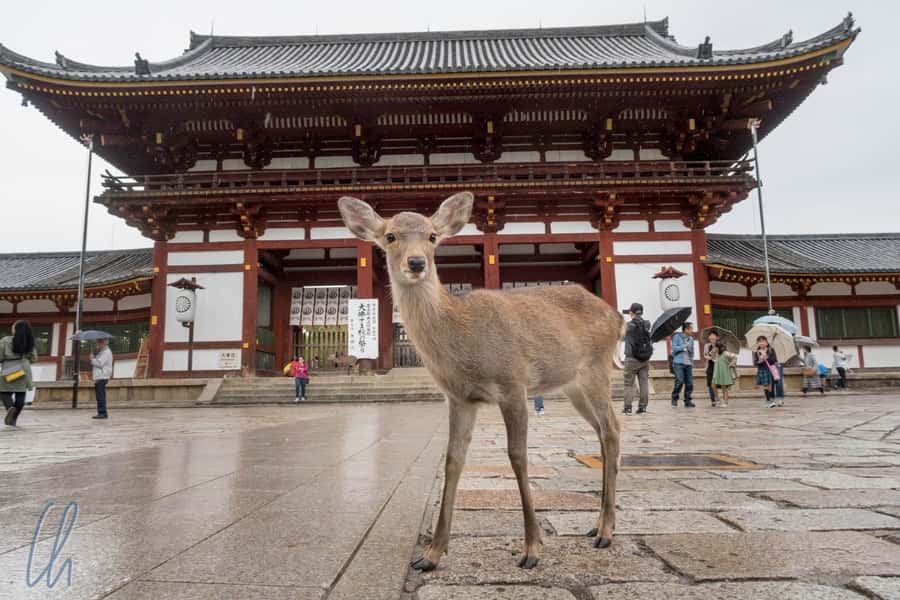
- Nara Park deer time, with lots of room to walk and watch the deer up close
- Kiyomizu-dera UNESCO site + Otowa Waterfall, with Kyoto views from the temple stage
- Sannenzaka old-street stroll, where you’ll feel the preserved Higashiyama vibe
- Fushimi Inari torii path, red gates climbing a mountain shrine route
- $49 price point, with transportation included from the meeting point and Kiyomizu-dera access
A One-Day Loop: Nara, Kiyomizu-dera, and Fushimi Inari From Osaka
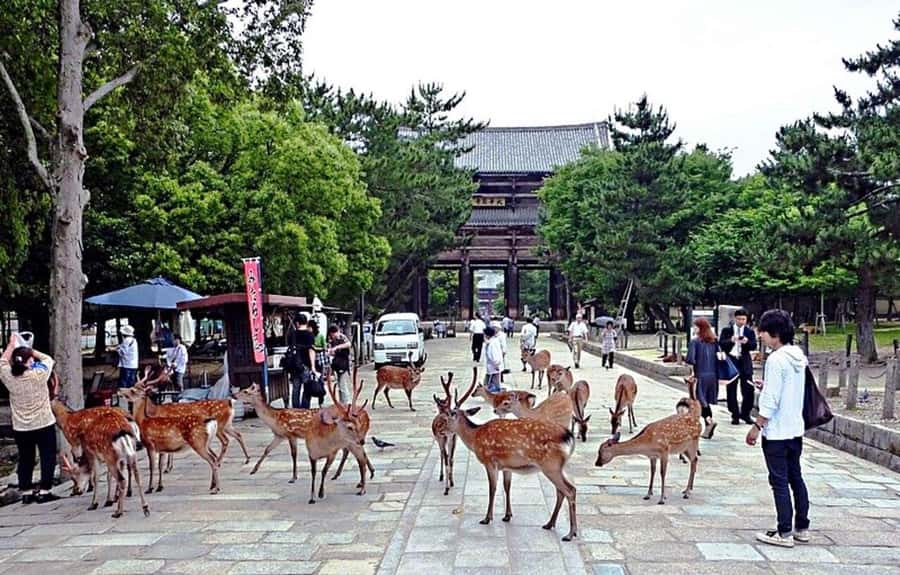
This is the kind of day trip that works best when you want variety, not a slow, deep study of one place. In one outing, you bounce from Nara’s deer park to Kyoto’s biggest temple viewpoints, then finish with Fushimi Inari’s torii corridor that keeps stretching uphill.
The tour’s value is in the mix. Nara Park gives you a calmer, open-air contrast. Kiyomizu-dera hits you with wood, elevation, and that instantly recognizable temple stage. Then Fushimi Inari shifts the mood again, from sightseeing to a steady walking rhythm under rows of red gates.
You’ll also appreciate the fact that the guide’s job is not just to herd the group. Guides like Angeles and Alejandro are known for explaining what you’re seeing, whether it’s the religious meaning, architectural choices, or how things were built. That kind of context turns photos into understanding.
More Fushimi Inari visits:
- Sagano Romantic Train & Arashiyama, Kiyomizudera, Fushimi Inari Taisha Day Tour
★ 4.5 · 171 reviews - Full Day Kyoto Tour : Bamboo Forest, Golden Temple, Fushimi Inari
★ 5.0 · 84 reviews - Kyoto Highlights: Arashiyama & Fushimi Inari by Private Car
★ 5.0 · 35 reviews
Meeting at Osaka Mode Gakuen and the Bus-Time Reality
Your day starts at the meeting point on the corner of the Osaka Mode Gakuen building. Look for the guide holding a sign for Amigo Tours. Plan to arrive at least 10 minutes early for check-in.
Here’s the practical truth: you’re doing three destinations in one day, so you should expect long distances and meaningful time on the bus. That’s not a flaw, it’s just the trade. If you’re the type who gets antsy sitting still, bring something to do in the seat, and treat the ride as part of the schedule.
Also note two pacing factors:
- The order and timing can change due to traffic, weather, or local events.
- When time gets tight, you might experience uneven allocation between stops.
This matters for your expectations. If you really want extra time at one site, arrive ready to move efficiently, and don’t count on perfect timing.
Nara Park Deer Walk: How to Enjoy the Deer Without Getting In the Way
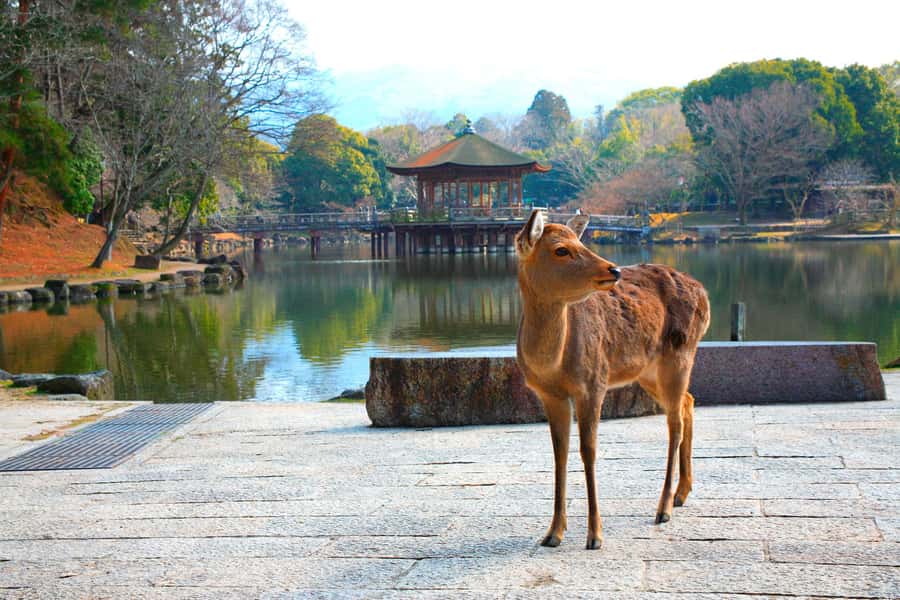
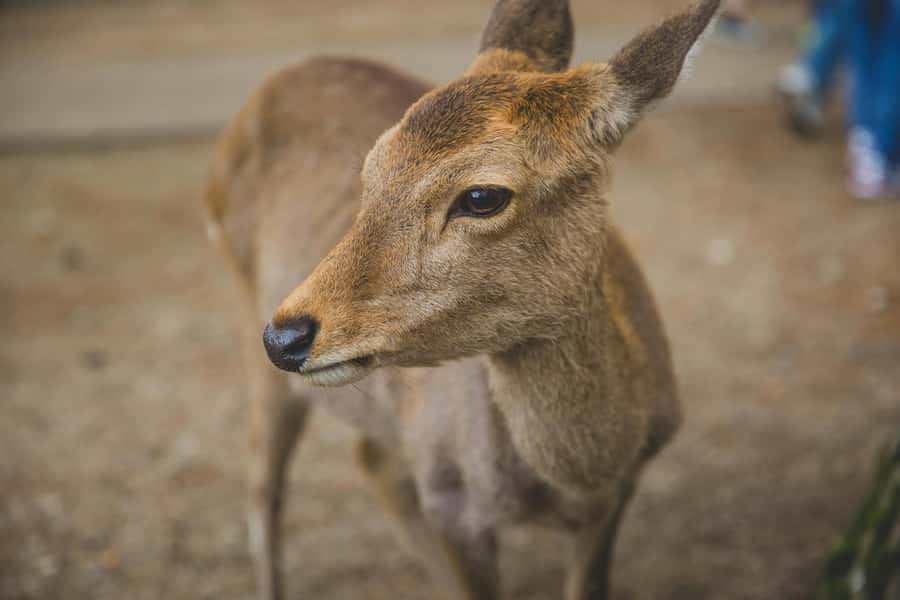
Nara Park is your first big experience after the bus ride, and it’s popular for a reason. You’ll spend time in Nara Park, home to hundreds of free-roaming deer that approach people calmly.
I like this stop because it’s not just a photo moment. You can actually observe deer behavior: how they wander, how they regroup, and how they move around people. It’s also one of those places where the atmosphere is easy on the brain. You get open space, tree shade, and a slower feel than Kyoto’s tight street scenes.
Practical tip: treat the deer like you would a respected wildlife interaction. Keep a safe distance and watch what your feet are doing. In busy areas, deer can move into your path quickly, especially if you’re standing still for photos. Comfortable shoes help a lot here.
What you’re really getting from Nara Park is contrast. After the bus, it feels like you’ve stepped into a wide park world. After temples, it feels like the day can breathe again.
Kiyomizu-dera Temple and Otowa Waterfall: UNESCO Views and Wish-Water Details
Next comes Kyoto’s Kiyomizu-dera, a UNESCO-listed heavyweight. This is where the day turns into classic Kyoto scenery: wooden structures, dramatic temple presence, and a famous stage that offers wide views.
You’ll also visit Otowa Waterfall, known for its sacred waters. The idea is that people come to draw from the waterfall as part of a wish or spiritual practice. Even if you’re not super into rituals, you’ll feel the seriousness of the place just by watching how visitors move and behave.
Why this stop is worth your attention:
- The temple stage changes the experience. You’re not just looking at buildings from below, you’re inside the viewpoint zone.
- Otowa Waterfall adds a sensory element. It’s not abstract, it’s a physical destination people line up for.
A useful mindset: at Kiyomizu-dera, speed is less important than positioning. If you want good views, take a few minutes early in your time there to find vantage points and then keep walking from that perspective. The temple is busy, and your best photos often come from small changes in angle.
One caution based on how these trips can run: time at this stop may sometimes be longer or shorter depending on traffic. If you get more time here, great. If you get less, prioritize the stage views and Otowa Waterfall first, then use the rest for wandering.
A change of pace from Osaka:
- Osaka Go Karting Tour with Funny Costume
★ 5.0 · 2,658 reviews - Osaka Castle: Museum and Tower Entry Ticket
★ 4.5 · 2,380 reviews - Osaka: Shinsekai Food Tour with 13-15 Dishes at 5 Eateries
★ 4.8 · 2,204 reviews - Osaka Food Tour: 13 Dishes at 5 Local Eateries
★ 5.0 · 2,149 reviews
Sannenzaka Streets: Finding the Old Kyoto Feel in Small Steps
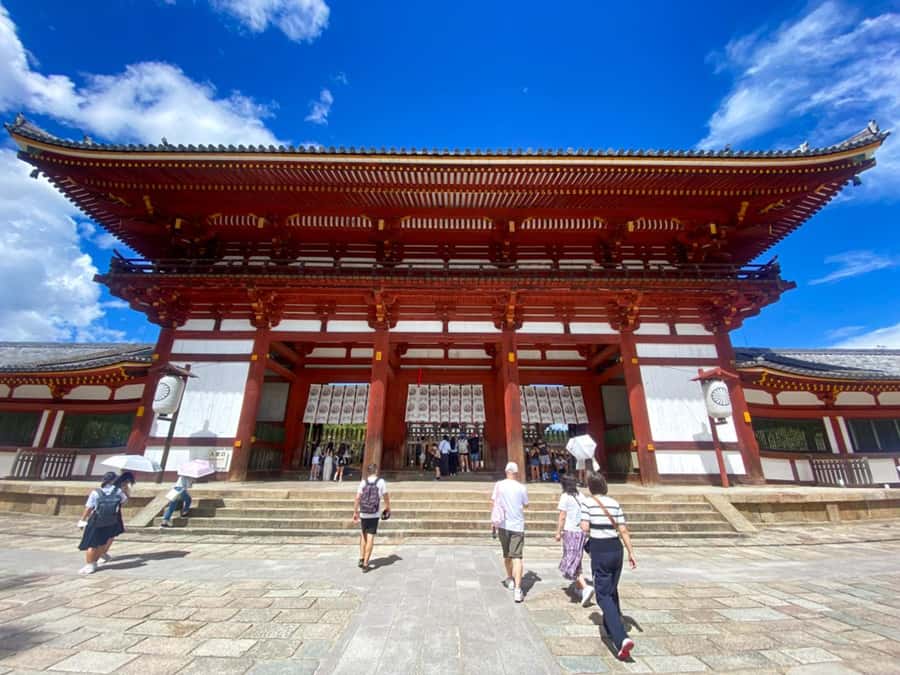
Between the major sights, you’ll also walk Sannenzaka, an area known for its preserved old-street character. This is where Kyoto shifts from landmark viewing into street-level atmosphere.
Think narrow, traditional wooden houses, charming shops, and a feel that’s very different from modern city blocks. The streets can be crowded, but that’s also part of the experience. You’re walking through the living postcard version of Higashiyama.
What I like about Sannenzaka in this kind of day trip is that it helps you digest what you’ve seen. You go from the big statement of a temple, to a human-scale neighborhood. It’s easier to enjoy, easier to photograph, and it gives you a chance to take small breaks without feeling like you’re wasting time.
If you’re shopping, do it with discipline. You’ll be tempted. Set a plan for what you want, because you don’t want to lose your spot in the group or scramble later to reach the next stop.
Fushimi Inari Taisha Torii Gates: A Walk That Builds Momentum
You’ll finish with Fushimi Inari Taisha, famous for its long routes of bright red torii gates that climb Mount Inari. This is one of those sights where the magic builds as you keep moving forward.
I like Fushimi Inari because it’s not just a single view. The experience is the progression. Each turn gives a slightly different framing, and the gates create a repeating pattern that feels meditative once you settle into walking pace.
Practical advice:
- Wear shoes with real grip. The ground can be uneven as you move uphill through crowds.
- Start early in your allocated time if possible, so you can enjoy quieter sections.
Also, don’t treat it like a quick checklist. Even in a day trip schedule, try to pause for a moment under the gates. The shrine has a spiritual energy people come for, and the atmosphere feels different when you stop rushing.
Price and Value for $49: What You Get, What You Pay Extra For
At $49 per person, this day trip is reasonably priced for a three-destination run. The big value points are:
- Transportation from the Osaka meeting point
- Bilingual guide support (English and Spanish)
- Access to Kiyomizu-dera
What you’ll pay for yourself:
- Food and drinks
No hotel pickup or drop-off, so you’re responsible for getting to the meeting point and back.
Is it good value? For many first-timers, yes. You’re buying convenience and guidance, not just transportation. The guide helps you understand what you’re seeing at Kiyomizu-dera and around the shrine culture, which can easily be the difference between seeing buildings and feeling why they matter.
Still, be honest about your travel style. If you already know the areas well, or if you prefer to wander freely without time pressure, you might get more freedom on your own. But if you want an efficient day plan with built-in context, $49 can feel like a solid deal.
Who This Day Trip Fits Best (And Who Might Want Another Plan)
This tour is a good fit if you:
- Want Kyoto highlights without planning every connection
- Like having a guide explain religion, architecture, and the meaning behind sights
- Are comfortable with a long day and bus time
- Prefer a structured route with enough time to see the main beats
It’s less ideal if you:
- Need wheelchair accessibility (this tour is not suitable for wheelchair users)
- Dislike group schedules and may feel stressed by shifting order due to traffic or weather
- Want tons of free time in one location, since the day is built around multiple stops
If you’re traveling with a flexible mindset and good walking stamina, you’ll likely enjoy the rhythm. If your best day is slow and unplanned, you might feel the squeeze.
Quick Checklist: What to Bring for Nara, Kyoto, and Fushimi Inari
Don’t overpack. Bring the basics that help you enjoy all three areas:
- Comfortable shoes (you’ll walk and likely stand at multiple sites)
- Camera for temple views and torii-gate frames
- Sunscreen (outdoor time adds up fast)
- Water (especially important during warm weather and uphill walking)
A small extra that helps: a light layer. Even when the forecast seems fine, temple areas and shaded streets can feel cooler than the open sun.
FAQ
FAQ
Where do I meet the guide in Osaka?
Meet at the corner of the Osaka Mode Gakuen building. The guide will be waiting with a sign of Amigo Tours.
Is pickup from my hotel included?
No. Hotel pickup and drop-off are not included.
What languages is the tour guide?
The tour offers English and Spanish.
Is admission to Kiyomizu-dera included?
Yes. Access to Kiyomizu-dera is included.
Do I need to bring my own food?
Yes. Food and drinks are not included.
How much time should I expect on the bus?
You should expect long distances and a good amount of time on the bus.
What should I bring with me?
Bring comfortable shoes, a camera, sunscreen, and water.
Is the tour wheelchair accessible?
No. It is not suitable for wheelchair users.
What is the cancellation window?
You can cancel up to 24 hours in advance for a full refund.
Should You Book This Osaka Day Trip?
If you want an efficient, high-impact day that covers Nara deer, Kiyomizu-dera, and Fushimi Inari with real on-site explanation, this is a smart choice. The guide quality, bilingual support, and included Kiyomizu-dera access make it feel practical for $49.
Book it when you’re okay with bus time and understand that traffic or weather can shift pacing. If you’re the type who hates schedule changes, plan your expectations around flexibility and prioritize the big sights first when time feels tight.
Latest write-ups near Osaka
- PRIVATE 6hr, Food tour from Osaka Castle, Kuromon, Dotonbori.★ 5.0 · 68 reviews
- 90 min Shared Handmade Udon Experience★ 5.0 · 70 reviews
- Ramen and Gyoza Cooking Class in Osaka Dotonbori★ 5.0 · 73 reviews
- Osaka: Sushi Making in Spacious Studio (SAME-DAY OK!)★ 5.0 · 75 reviews
- 1.5〜2 Hours Traditional Kintsugi Work Shop in Namba Osaka★ 5.0 · 75 reviews
- Osaka E-Bike Tour With A Local Guide★ 4.7 · 75 reviews
- Retro Osaka Street Food Tour: Shinsekai★ 4.5 · 77 reviews
- Osaka: Osaka Castle Guided Tour with Local Guide★ 4.7 · 78 reviews
Fushimi Inari Tours, compared.
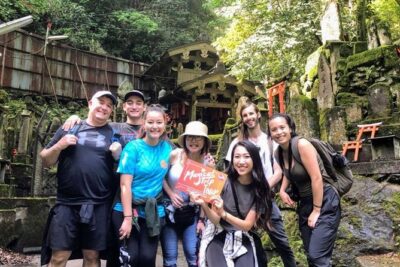
Fushimi Inari, Kinkakuji, Bamboo Grove 1 Day Bus Tour
Read our review →Fushimi Inari Hidden Hiking Tour (Private Option Available)
Read our review →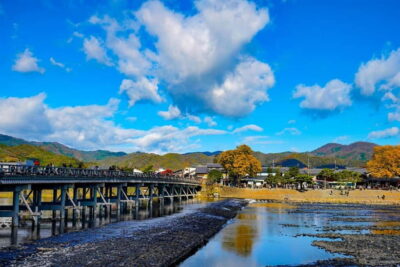
Kyoto/Osaka: Nara, Fushimi Inari Taisha, Arashiyama Bus Tour
Read our review →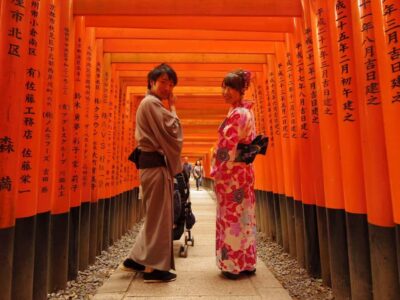
Osaka/Kyoto: Arashiyama, Nara & Fushimi Inari Shrine w/Lunch
Read our review →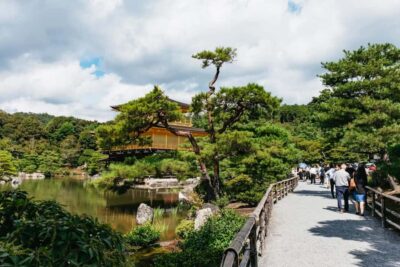
Nijo Castle, Kiyomizu & Fushimi Inari Guided Tour
Read our review →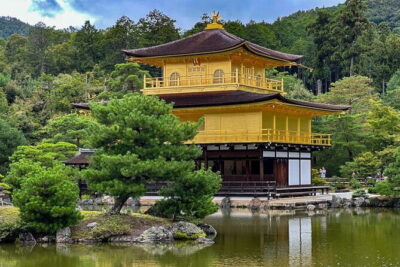
Nijo, Kinkaku-ji, Arashiyama, Kiyomizu & Fushimi Inari
Read our review →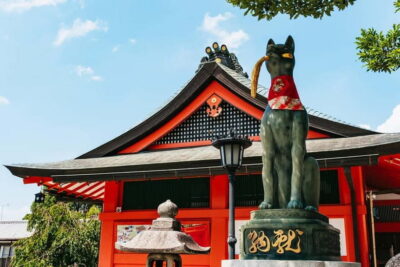
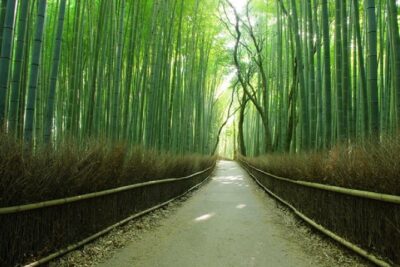
Sagano Romantic Train & Arashiyama, Kiyomizudera, Fushimi Inari Taisha Day Tour
Read our review →Browse the lists this tour appears in