
A Mt. Fuji day trip is always tempting, but doing it with a private car and an English speaking guide makes it feel smoother and more flexible than most group tours. You get door-to-door convenience from Tokyo, which means you spend the morning actually planning photos, not transferring trains. The one thing to keep in mind is that the schedule is packed enough that a few of the popular spots can feel crowded, especially if you are not an early-starter.
What I love most is the variety of angles you can aim for in one day. From Chureito Pagoda’s iconic view to lakeside viewpoints and the high-elevation feel at Mt. Fuji 5th Station, you are not stuck seeing the mountain from only one perspective.
Key highlights worth planning around
- Private hotel pickup and an air-conditioned ride so you can rest on the way out of Tokyo
- Chureito Pagoda at Arakura Sengen Shrine for one of the most recognizable Fuji views
- Oshino Hakkai spring ponds for calm, clear water near the mountain area
- Mt. Fuji 5th Station access with seasonal rules (bus in hiking season)
- Lake Kawaguchiko and Oishi Park for Fuji views plus easy walking
- Optional paid experiences like the ropeway, Ice Cave, and Itchiku Kubota Art Museum
Your Tokyo to Fuji launch: why private transport matters
This is a full day, roughly 9 to 10 hours, and the best part is how they handle the hard part for you: getting out of Tokyo. Pickup is offered from Tokyo hotels, and you travel in an air-conditioned vehicle with parking fees, petrol and gas, and highway tolls included. Translation: you are not standing around with luggage trying to “figure out trains” before you even see Fuji.
You also get a private setting for your group, up to 3 people per group. That matters because Mt. Fuji days are timing-sensitive. When you are only booking your own vehicle, you can usually adjust the order to protect your best viewpoints or to keep the walking level comfortable.
One more practical note I like: you get a mobile ticket. That saves you from printing, losing paper, or hunting for tickets while you are already on the go.
More Mt Fuji days:
- Mt Fuji and Hakone 1-Day Bus Tour Return by Bullet Train
★ 5.0 · 26,383 reviews - Mt Fuji & Hakone Cruise, Drum Show Bullet Train 1 Day from Tokyo
★ 4.0 · 7,413 reviews - Tokyo Mt Fuji 5th St & Hakone Cruise Bus Tour w/Bullet Train
★ 4.4 · 5,024 reviews
Chureito Pagoda and Arakura Sengen Shrine: the classic Fuji frame first
Chureito Pagoda sits inside Arakura Sengen Shrine in Fujiyoshida City, and it is famous for a reason. It is five stories, built into a hillside shrine area, and the viewpoint angle is designed for you to see Mt. Fuji as a clean backdrop.
This stop is about 1 hour, and admission is free. That means your time is mostly about pacing and photos, not waiting in ticket lines. If weather cooperates, this is the kind of spot where you can take multiple photo attempts without burning paid time on another attraction.
The “real-world” advice here is simple: wear good shoes for stairs. Even though this is not an all-day hike, you still climb and descend in a dense shrine setting. If your group wants photos, give yourself a little breathing room to re-aim from slightly different angles.
Kitaguchi Hongu Fuji Sengen Jinja: calm shrine energy before the crowds
Next up is Kitaguchi Hongu Fuji Sengen Jinja, also in Fujiyoshida City. It is a Shinto shrine at the northern foot area of Mt. Fuji and serves as the main entrance to the Yoshida Trail, one of the best-known routes toward the summit.
This stop is shorter, around 40 minutes, and admission is free. I like pairing this with the pagoda because you get contrast. First you see Fuji in a postcard style view, then you switch to a more grounded, spiritual stop that helps the day feel more than just sightseeing.
In practice, this is where an English speaking guide earns their keep. A good guide can explain what this shrine is, what it means, and why the Yoshida Trail is culturally important, without turning it into a lecture. Past guides like Sikii, Siggy, and Shah have been praised for being patient and for helping people with pictures, especially when the group wants quick guidance on where to stand.
Oshino Hakkai: clear spring ponds and a slower pace
Oshino Hakkai is a small village area near Mt. Fuji known for its spring water. It is fed by snowmelt and underground water systems related to Mt. Fuji, and you can see it in the ponds and flowing channels.
Plan about 1 hour here, and admission is free. I think this stop works especially well when the rest of the day feels busy. You can step out for photos, then take a few minutes to just watch the water and reset.
Crowds can happen, but the atmosphere is usually calmer than the highest-profile photo stops. If your group has mobility limits, you still get value here because the walk can be kept short, and your guide can help you prioritize which ponds are worth your time.
A change of pace from Tokyo:
- 1-Day Tokyo Bus Tour
★ 5.0 · 14,250 reviews - Tokyo: TOKYO SKYTREE® Admission ticket
★ 4.5 · 11,192 reviews - Tokyo: teamLab Planets TOKYO Digital Art Museum Entry Ticket
★ 4.6 · 9,779 reviews - Tokyo: Sumo Show Experience with Chicken Hot Pot and a Photo
★ 4.8 · 6,678 reviews
Mt. Fuji 5th Station: the high point that feels real
Mt. Fuji 5th Station is the most popular starting point for climbers headed toward the summit. It sits around 2,300 meters elevation, and even for non-hikers, it is the closest thing to feeling the altitude without committing to a summit attempt.
The stop time is about 1 hour, but admission is not included. There is also an important seasonal rule: during hiking season, private cars are not allowed to drive to the 5th Station. In that case, you take a shuttle bus instead.
Here is what to budget for based on what’s listed:
- Mt. Fuji entrance fee: 2,800 yen per group
- Mt. Fuji 5th Station shuttle bus ticket during hiking season: 2,500 yen per person
I also like this stop because it is flexible. If you have clear skies, you can look out over the region with a real “Fuji is huge” effect. If clouds roll in, you still get the mountain’s presence close up, and the guide can pivot to help you find the best window to see it.
One more tip I picked up from how guides handle the day: arriving earlier helps. There is real traffic stress getting in and out of Tokyo, and leaving early is often the difference between a smooth morning and a rushed one.
Lake Kawaguchiko and Oishi Park: Fuji at water level
After the shrine and 5th Station experiences, the day shifts into lakeside mode. Lake Kawaguchiko is a big part of why Mt. Fuji is so photogenic. You get serene views, plus lots of places to eat along the shoreline.
Lake Kawaguchiko is part of the plan for about 1 hour, and admission is free. There is also a “have a bite near Lake Kawaguchiko” option, but lunch is not included, so you will pay for your meal separately.
Oishi Park is next, around 30 minutes. Admission is free, and it is known for Fuji views along with colorful flower gardens. There is even a soft-serve ice cream option in the mix, so this is a good stop for a light break without turning the day into a food quest.
If you want the Fuji view to land in your photos, pay attention to wind and cloud cover. It sounds obvious, but a small shift in timing can change everything. In foggy conditions, I have seen guides push for the highest feasible viewpoints first, then use lake stops as the backup plan.
Optional add-ons: ropeway rides, Ice Cave, and Itchiku Kubota Museum
This tour includes time for optional paid attractions near the lakes. The listing style is basically a menu. You can choose your favorite 5 to 6 places from the area depending on time, and not every paid stop will be a must-do.
Here are the add-ons named in the plan, with what matters for your decision:
Mt. Fuji Panoramic Ropeway
This gives you a bird’s-eye perspective on Mt. Fuji plus views of the lakes and surrounding area. It is about 1 hour, and admission is not included.
If you have limited energy for walking, the ropeway can be a great trade. You still get height, and you do not need to climb long stair sections to get a new angle.
Itchiku Kubota Art Museum
This museum is dedicated to textile artist Itchiku Kubota and his revival of the Tsujigahana silk dyeing craft. It is about 40 minutes, and admission is not included.
I like this stop because it adds a cultural layer, not just another view spot. If your group likes art and craft, this can break up the “mostly outside” rhythm of a Fuji day.
Narusawa Ice Cave
The Ice Cave is formed by ancient lava flows from Mt. Fuji. It stays cool and has natural ice formations year-round, which makes it a nice weather-proof option if conditions are damp or you need a cool break.
Plan about 40 minutes, and admission is not included.
Lake Yamanaka: the calmer Fuji Five Lakes finish
Lake Yamanaka, also called Yamanakako in many schedules, is the largest of the Fuji Five Lakes. The plan includes about 1 hour here, and admission is free.
I like ending at Lake Yamanaka because it can feel more relaxed than the most crowded lakefront areas. You get time for panoramic views and a slower pace before heading back toward Tokyo.
If you are trying to keep the day enjoyable instead of exhausting, this is a solid “wrap up” stop. You can take photos, stretch, and let your guide time the return ride so you are not stuck in peak traffic for as long as possible.
Price and value: what you pay for, and what you still need to budget
The price is $440 per group, up to 3 people. That is not cheap on paper, but here is the value logic that makes it make sense.
Your $440 covers private transportation in an air-conditioned vehicle, parking fees, petrol and gas, and highway tolls. It also includes an English speaking guide and round-trip transfers from Tokyo hotels. For many people, that is the main tradeoff versus DIY travel, where you spend time solving transit, timing buses, and coordinating multiple tickets.
Now the part you should plan for: admissions and add-ons.
Not included items include:
- Mt. Fuji entrance fee: 2,800 yen per group
- Saiko Iyashi no Sato Nenba: 500 yen per person (listed as not included)
- Mount Fuji 5th Station shuttle bus in hiking season: 2,500 yen per person
- Itchiku Kubota Art Museum: 1,500 yen per person
- Ice Cave: 400 yen per person
- Ropeway admission (listed as not included)
- Lunch (not included)
- Plus you might pay for extra time if the schedule runs long
So the best value comes when you choose the paid add-ons that match your group. If your priority is views, you might skip the museum. If your group likes atmosphere and a break from the sun, the Ice Cave can be worth it. The key is that you are not forced into everything.
One more practical detail: leaving early helps, especially on weekends. Traffic out of Tokyo can be brutal, and a good route depends on timing.
Crowds, timing, and how weather can change everything
Mt. Fuji is weather sensitive. If it is clear, you can get that crisp view everyone came for. If it is cloudy, the mountain can hide, and the day becomes about finding the best available angles.
The tour requires good weather, and if it is canceled due to poor weather, you should be offered another date or a full refund. That matters because you are paying for a specific experience, not just a ride.
Even with changing clouds, the day can still work well if your guide is flexible. People have shared that guides helped them keep a good pace and suggested ways to complete the day even when some views were limited. If you have a guide like Amir, Asif, Azhar, Zubi, or Shah, the service tends to be described as patient and practical, including photo help.
Crowds can still be the biggest day-to-day reality. Some of the classic stops can get busy, and you should expect that. The smart move is to lean on your guide’s timing and to keep your group moving with purpose rather than “wandering until you find it.”
Who should book this Mt. Fuji private car tour, and who might want a different plan
This is a great fit if you want:
- A private day with hotel pickup and no transit stress
- Multiple Fuji viewpoints in one long day without wasting hours between places
- A guide who can help with timing and photo placement
- A flexible mix of free stops and optional paid add-ons
It may be less ideal if:
- Your group expects a very relaxed pace with no crowding, because several key photo areas can be busy
- You want a highly customized, perfectly structured “10 stops, every time” experience, because the plan works as a menu and the order can shift based on conditions
If you have mobility needs, you can still make it work. People have been happy with guides who adjusted where to walk and where to reduce effort, which can be a huge help on a day with stairs and viewpoints.
Should you book it?
If you are going to Mt. Fuji for the first time and you want the day to run without logistics headaches, I would book this kind of private setup. The value is strongest when you treat it like a day of priorities, choose a few paid add-ons that match your style, and accept that timing and weather control what you see.
One smart move before you go: decide your must-sees, especially whether you want ropeway, Ice Cave, or the art museum. If you do that, this tour becomes a clean, efficient way to experience Fuji from several angles, with the comfort of a driver handling the hard parts.
FAQ
How many people can join the Mt. Fuji day tour, and what does it cost?
The tour is priced at $440 per group, up to 3 people.
Is hotel pickup and private transportation included?
Yes. You get round-trip transfers from Tokyo hotels and private transportation in an air-conditioned vehicle. Parking fees, petrol and gas, and highway tolls are included.
How long is the tour?
The tour lasts about 9 to 10 hours.
Are any entrance fees included?
Some stops have free admission, but several are not included. Mt. Fuji entrance fee is 2,800 yen per group, and there are additional optional paid admissions such as the Itchiku Kubota Art Museum (1,500 yen per person) and Narusawa Ice Cave (400 yen per person). Lunch is also not included.
What changes for Mt. Fuji 5th Station during hiking season?
During hiking season, private cars are not allowed to go to Mt. Fuji 5th Station, so you must take the shuttle bus. The shuttle bus ticket is listed as 2,500 yen per person.
What happens if the tour is canceled due to bad weather?
The tour requires good weather. If it is canceled due to poor weather, you will be offered a different date or a full refund.
Latest write-ups near Tokyo
- From Tokyo: Top 5 Scenic Spots of Mount Fuji Full-Day Tour★ 4.5 · 67 reviews
- Tokyo Customized Private Tour: See Top Attractions in 1 Day★ 4.8 · 67 reviews
- Traditional Japanese Music ZAKURO SHOW in Tokyo★ 5.0 · 67 reviews
- Tokyo: Shinjuku Izakaya and Golden Gai Bar Hopping Tour (2h)★ 4.9 · 67 reviews
- Tsukiji: Unlimited Sake Tasting Experience★ 4.9 · 67 reviews
- Tokyo: Not a show- a professional sumo practice with experts★ 4.9 · 67 reviews
- Samurai Ninja Museum Asakusa: Kid-Friendly Ninja Training★ 4.7 · 67 reviews
- Private Harajuku Omotesando Architecture Walking Tour★ 5.0 · 67 reviews
Mt Fuji Tours, compared.
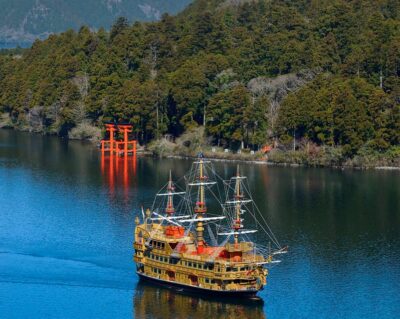
Mt Fuji and Hakone 1-Day Bus Tour Return by Bullet Train
Read our review →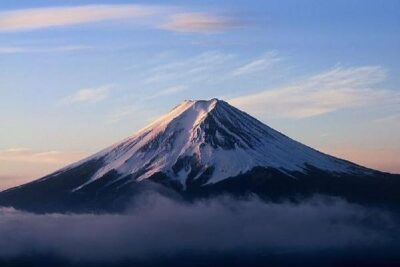
Mt Fuji & Hakone Cruise, Drum Show Bullet Train 1 Day from Tokyo
Read our review →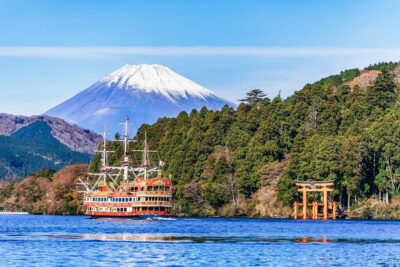
Tokyo Mt Fuji 5th St & Hakone Cruise Bus Tour w/Bullet Train
Read our review →
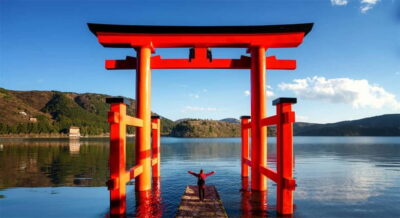
Mt. Fuji Tour, Hakone Ropeway, Owakudani, Lake Ashi
Read our review →
Mt.Fuji,Kawaguchiko Oishi Park,Arakurayama Sengen Park
Read our review →
Mt. Fuji 5th Station & Hakone Cruise 1-Day Bus Tour
Read our review →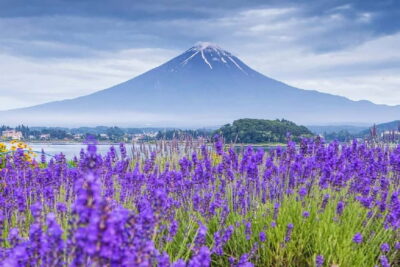
Mt Fuji Top 5 Spots Day Tour: Arakurayama Park,Oshino Hakkai
Read our review →Browse the lists this tour appears in