Reviewed · TOKYO TOURS
Tokio A: Tour de la ciudad en Español – Spanish
Tokyo becomes much less confusing when you have a Spanish guide threading together the neighborhoods. This 8-hour route is built for contrast, from old-school Asakusa to neon Shinjuku and the electric Kabukicho area.
I especially like how the tour packs in the big Tokyo hits without feeling like a checklist. You also get practical advice to keep enjoying your trip after the last stop.
One thing to consider is that you will pay extra for public transportation (and you need to travel light, no large bags). Also, it is not suitable for hearing-impaired people.
Key things to love
- Spanish-only live guide with a close, friendly style
- Skip-the-line entry using a separate entrance at key sites
- Asakusa to Kabukicho flow, built around real neighborhoods and contrasts
- Lunch time included as a break (you pay your own food)
- Viewpoint plan B if Shinjuku is closed, it may switch to Ebisu
- Guides named Nikita, Camila, and Emi are highlighted for being communicative and helpful
Meeting the guide in Asakusa, and why the start matters
The day starts in Asakusa, at the entrance to the Asakusa Tourist and Cultural Information Center. Look for your guide with an ID hanging that says NIPONEANDO. This matters because Tokyo wayfinding can be a time sink, and you want those first minutes to feel calm, not chaotic.
You have a couple of pickup options depending on what you choose. The meeting point is fixed, and hotel pickup is optional when you add the supplement or pick the private tour. Either way, pickups happen via public transport, so you are not stuck trying to coordinate with a complicated private transfer.
Also, this is one of those tours where the tone is part of the value. It is described as close and friendly, and the guide typically doesn’t just talk at you. They guide you through what to look for, then give you recommendations so you can keep moving confidently after the tour ends.
Also on the shortlist for Tokyo:
- Mt Fuji and Hakone 1-Day Bus Tour Return by Bullet Train
★ 5.0 · 26,383 reviews - 1-Day Tokyo Bus Tour
★ 5.0 · 14,250 reviews - Tokyo: TOKYO SKYTREE® Admission ticket
★ 4.5 · 11,192 reviews
Sensō-ji Temple: the classic start, with a shortcut when it counts
Your first major stop is Sensō-ji Temple in Asakusa, with a guided visit of about 2 hours. This is the kind of place that looks simple on a map, then turns into a living crowd scene once you arrive. Having a guide helps you read what you are seeing, not just walk through it.
Expect a strong sense of tradition right away, with the temple complex being one of the most famous in Japan. The tour uses skip-the-line access through a separate entrance, which is a big deal here. Temple lines can swell fast, and saving time early gives you more breathing room for the rest of the day.
A practical tip for this phase: take a moment to decide what kind of photos you want. Close-up details, wide angles with the temple in context, or people-watching. The guide experience is best when you slow down a bit and let the area “snap into focus” rather than trying to do everything at once.
Ueno Park: how to enjoy Tokyo’s green space without losing the schedule
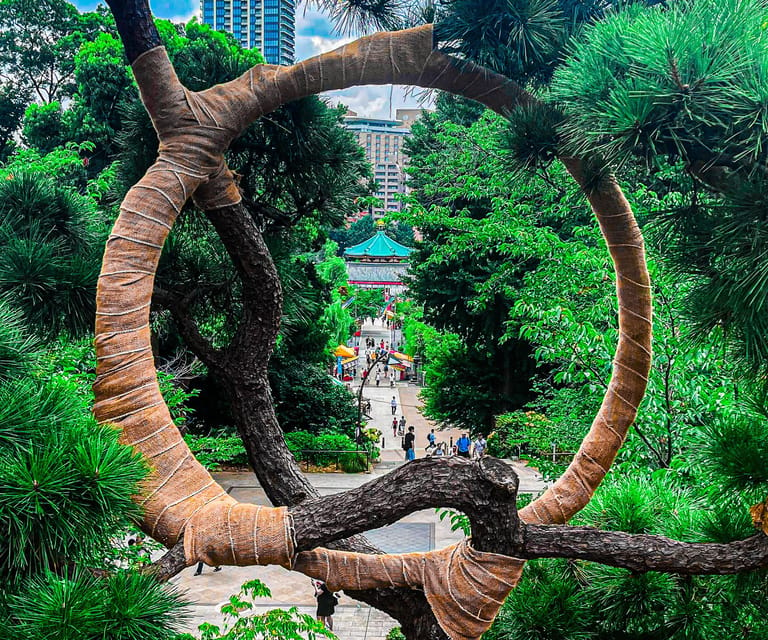
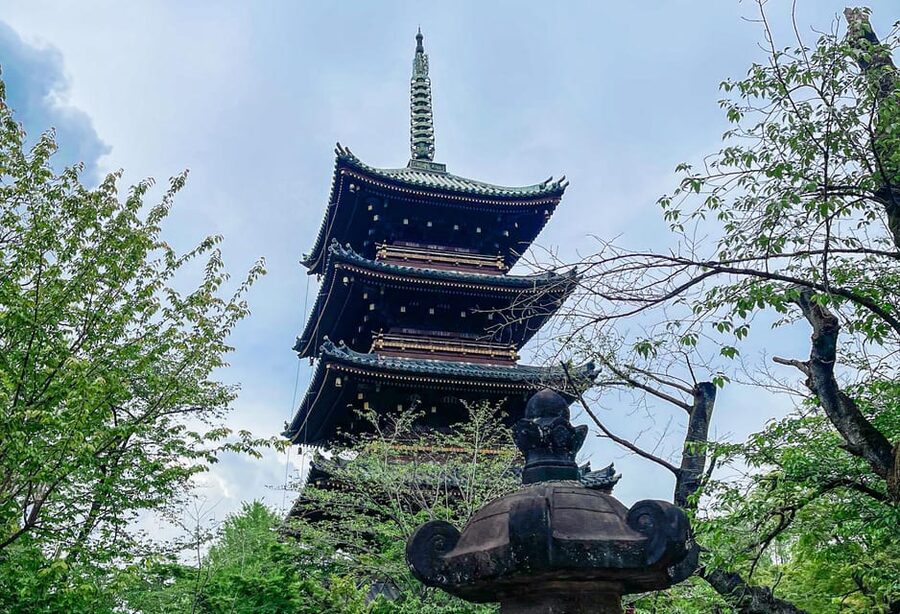
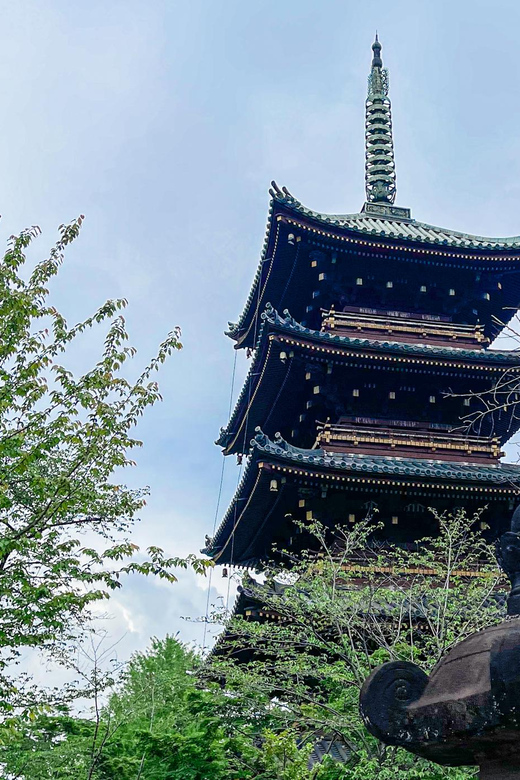
Next comes Ueno Park, with about 1.5 hours of guided time. Ueno is a favorite because it gives you a break from the high-energy streets. It is also a strong transition zone, where you can feel the city shifting gears before you hit markets and nightlife.
The value here is not just the park itself. It is the pacing. After Sensō-ji, you need a calmer segment where you can catch your breath, observe street life at a slower speed, and reset. A guided walk helps you see the park as more than a background, and you get context on what is worth your attention while still moving efficiently.
You then get lunch time, about 80 minutes. Lunch is a break, not an all-you-can-eat deal. Food and drinks are not included, so you should plan to pay out of pocket for what you choose. That said, the guide’s recommendations can be very useful when you want something quick, tasty, and not just whatever is closest.
Ameyoko Market: eating and shopping with a local filter
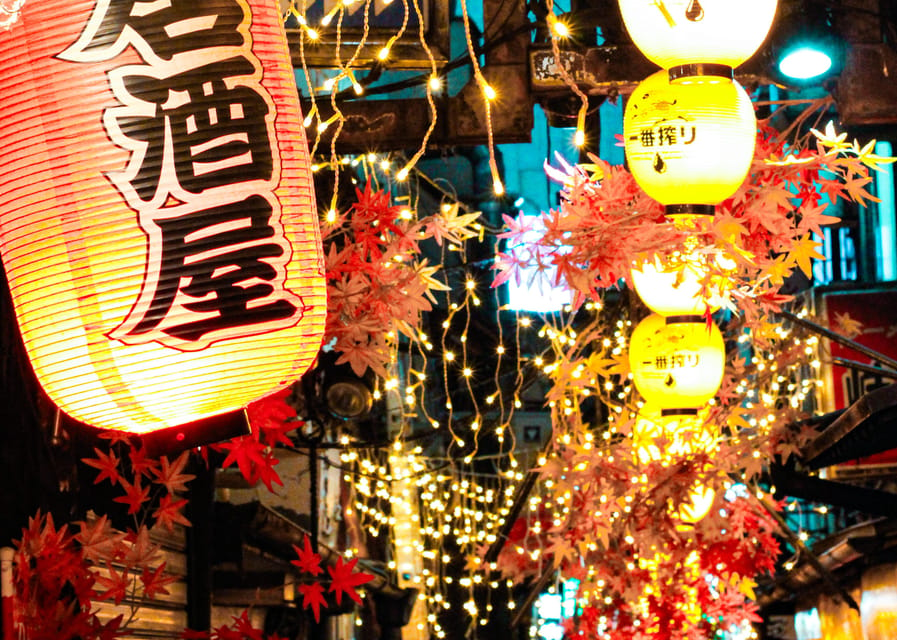
After lunch, the tour heads to an atypical market area: Ameyoko. You get time to explore this busy zone, and it is a classic Tokyo experience because markets are where you see daily culture, not just staged tourism.
This stop works well on a guided tour because markets reward curiosity, but they can also be overwhelming. A guide can point you toward what to notice, how to navigate the flow, and how to keep your shopping and snacking from turning into a lost hour.
One more point I like about the way this tour is framed: it mentions being respectful of the environment. In practice, that usually means keeping things orderly, not blocking foot traffic, and treating the street and market spaces like living community areas. That is the kind of behavior that makes a day in Tokyo feel better for everyone.
A change of pace from Tokyo:
- Tokyo: teamLab Planets TOKYO Digital Art Museum Entry Ticket
★ 4.6 · 9,779 reviews - Mt Fuji & Hakone Cruise, Drum Show Bullet Train 1 Day from Tokyo
★ 4.0 · 7,413 reviews - Tokyo: Sumo Show Experience with Chicken Hot Pot and a Photo
★ 4.8 · 6,678 reviews - Tokyo: Shinjuku Food Tour (13 Dishes at 4 Local Eateries)
★ 5.0 · 6,603 reviews
The subway and train segments: why small transit time is actually good
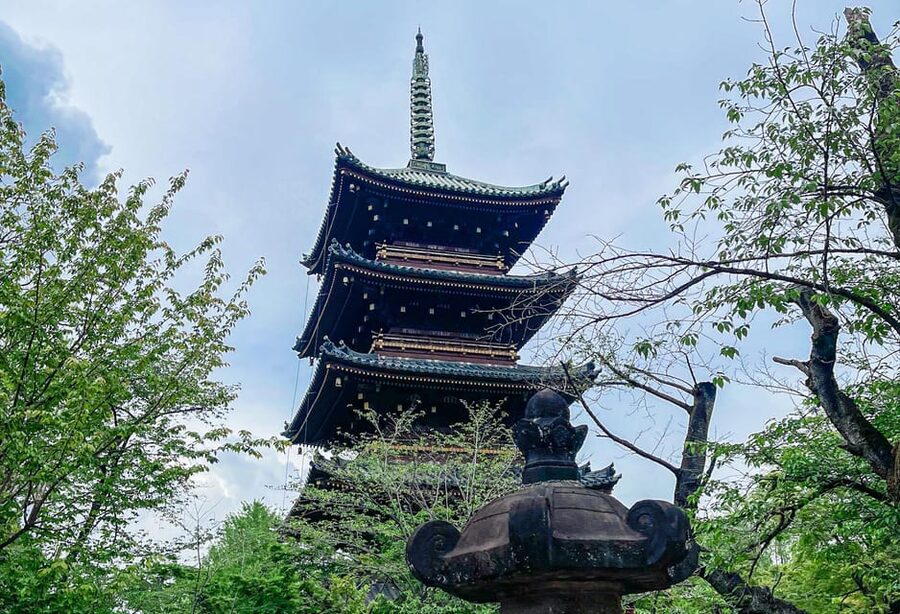
Between stops you will take subway and train segments. The route includes a short subway ride (about 10 minutes) and then a train ride (about 25 minutes) later. It might sound minor, but those transfers are part of what keeps the day efficient.
Tokyo neighborhoods can be far apart depending on where you start, and traveling solo can mean extra time, wrong turns, and stress. Here, the structure of the day means you know you are moving toward the next highlight, not just working your way through transit logistics.
Since transportation is not included and is listed as 400¥, you should treat transit budget as part of the cost of doing the tour. Also remember the tour has a rule: no luggage or large bags. If you travel light, you will glide through these subway rides more easily.
Shinjuku viewpoint: modern Tokyo, guided and planned
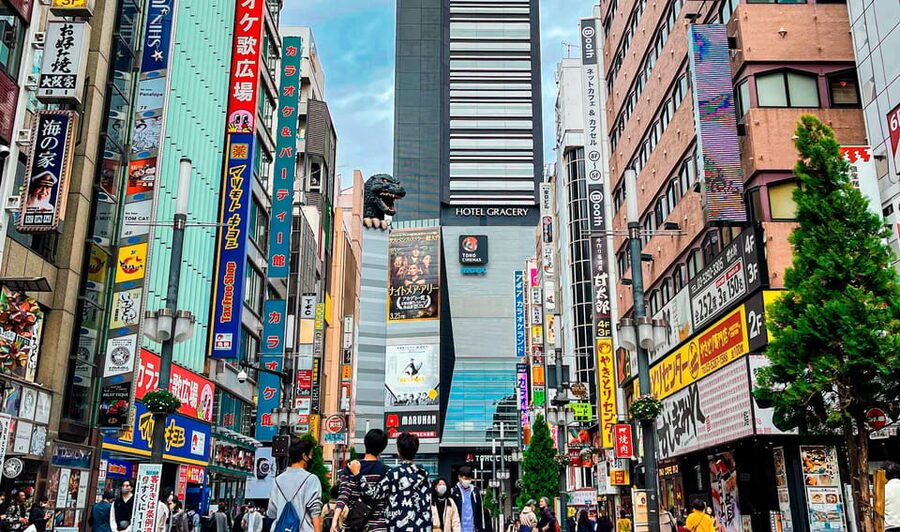
Then you move to Shinjuku for about 1.5 hours of guided time. Shinjuku is one of Tokyo’s most “on” districts, where the city’s modern energy feels obvious the moment you step in.
A standout moment is the viewpoint. The plan is to go to one of the best viewpoints in Tokyo, but there is a practical wrinkle: if the Shinjuku mirador is closed for reasons beyond the tour provider’s control, the viewpoint may switch to the Ebisu mirador instead. This plan B matters, because viewpoint closures can happen. Better to have a swap than to lose that highlight entirely.
What you get from the guide during this segment is clarity. A viewpoint without context can turn into a quick look and a photo, then back into the crowd. With guidance, you can understand what you are seeing, how to orient yourself, and what angles are worth your time.
Kabukicho and Golden Gai: neon nightlife, but with a sane ending
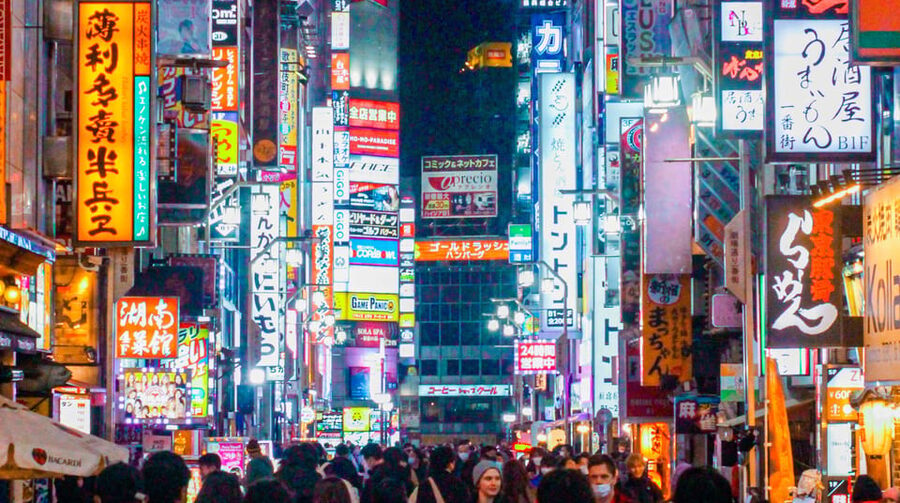
The final neighborhood is Kabukicho, known for nightlife and the Golden Gai area. You spend about 50 minutes with a guided walk here, then the tour finishes at Kabukicho Theater.
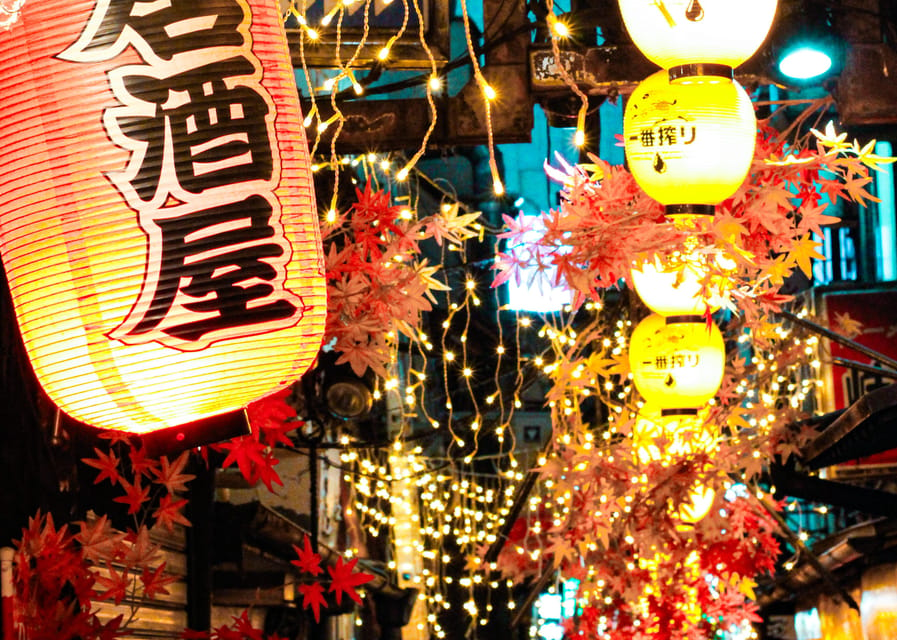
This is the part of Tokyo that feels like a movie set, but real. The tour description highlights karaoke bars, bars, restaurants, and even gaming stores, all with bright neon facades. Golden Gai is especially known for its nightlife atmosphere, and having a guide helps you experience it without feeling like you are wandering at random after a full day.
One thing I like here is the contrast. You start in a temple area tied to tradition, then shift to parks and markets, and finally end in one of Tokyo’s most intense entertainment zones. That contrast is exactly why this tour route feels satisfying.
Also, if you like getting tips beyond sightseeing, this last stop is a good place to ask follow-up questions. The tour is built to end with advice and recommendations so you can keep enjoying Tokyo after the official guide time wraps.
Value at $96 for an 8-hour Spanish Tokyo day
Let’s talk value in a straight line. The tour price is $96 per person for 8 hours. That is not “cheap,” but it can be a strong deal when you compare what is included versus what you would otherwise pay for yourself.
Here is what you are really buying:
- A live Spanish guide for most of the day (not a recorded audio tour).
- Guided time at multiple high-demand areas, including Sensō-ji.
- Skip-the-line entry through a separate entrance.
- Direction and timing across several neighborhoods, plus recommendations for what to do next.
- Optional hotel pickup if you add the supplement or choose a private tour.
What costs extra is also clear: transportation (400¥) and your drink and food. Lunch is part of the schedule as a break, but you pay for what you eat.
So the key question is whether you value Spanish guidance and organized pacing enough to justify the price. If language is a barrier for you, or you want to reduce decision fatigue, this is one of those tours that can genuinely save time and improve the experience.
If you prefer total freedom, you might find it cheaper to go solo. But in Tokyo, “cheaper” often turns into “more planning time,” especially when you want viewpoints and complex neighborhood hopping.
Who this tour fits best, and who should skip it
This tour is clearly aimed at people who want Spanish guidance and a structured day. It also offers wheelchair access, and there is a private group option if you want a more tailored experience.
It may not be a fit if:
- You have trouble with hearing-related communication needs, because it is noted as not suitable for hearing-impaired people.
- You plan to bring large bags or luggage, because luggage or large bags are not allowed.
- You are traveling with an unaccompanied minor, because unaccompanied minors are not allowed.
If you are traveling with family, friends, or a partner and you want an easy day that still feels authentic, you will probably like the format. And if you love a day that mixes temple calm with market energy and nightlife intensity, this route is a nice match.
Notes on private tours and timing changes that can affect your day
If you choose the private tour, you have more control. But there is one timing note you should understand: if you add the earlier start option at 09:00, the tour ends one hour earlier (17:00).
Also, the viewpoint could switch from Shinjuku to Ebisu based on closures. This is the kind of detail that helps you avoid disappointment. If you really want that Shinjuku skyline feeling, build a little flexibility into your expectations.
What to pack and how to make the day feel lighter
Because luggage or large bags are not allowed, pack like you are going out for a long day, not like you are moving apartments. A small backpack is usually the right kind of “just-in-case” setup.
For comfort:
- Wear shoes you can walk in for hours.
- Keep some cash or a card for food, drinks, and the 400¥ transport portion.
- Bring a light layer if the weather shifts.
One smart move is to keep your most important items accessible, not buried. You will be moving from temple areas to parks to markets to neon nightlife, and you do not want to stop every time you need your phone or water.
Guides like Nikita, Camila, and Emi, and why that matters
One of the strongest signals from the tour experience is the guide quality. The day is described as close and friendly, and the names that stand out include Nikita, Camila, and Emi.
What matters for you is the style of help they give:
- They are communicative and attentive.
- They provide a friendly presence that makes the day feel easy.
- They share tips, which helps you keep exploring after the tour ends.
In Tokyo, a good guide can turn “I saw that” into “I understood that.” Even when you already know the names of places, it is the small explanations, the direction, and the recommendations that make the day feel worth paying for.
Should you book Tokio A Tour de la ciudad en Español?
Book it if you want an efficient Spanish-guided Tokyo day with real neighborhood variety and less stress. Sensō-ji with skip-the-line access, Ueno Park pacing, Ameyoko market time, a Shinjuku viewpoint moment, then a guided ending in Kabukicho and Golden Gai is a strong combo for first-timers and returning visitors who want structure.
You might skip it if you hate schedules, plan to bring large luggage, or prefer hearing-based experiences you can control on your own. Also, if you are extremely cost-sensitive, the extra public transport and your own food and drinks can make the final spend higher than the headline price.
My practical bottom line: if Spanish is your comfort language and you want a guided day that helps you keep your momentum, this is a solid bet.
FAQ
Is this tour offered in Spanish
Yes. The live tour guide speaks Spanish.
How long is the tour
The tour duration is 8 hours.
Where do I meet the guide
You meet in front of the entrance to the Asakusa Tourist and Cultural Information Center. The guide has an identification hanging that says NIPONEANDO.
Is hotel pickup available
Pickup is optional. The guide can pick you up at the hotel if you add the supplement or choose the private tour option. Pickups are done using public transport.
What is included in the price
Included are the Spanish Tokyo tour, the 8-hour guided experience, and hotel pickup if you selected the option with the supplement or private tour.
What is not included
Transportation is not included (400¥). Drinks and food are also not included.
Is skip-the-line access included
Yes. You get skip-the-line access through a separate entrance.
What if the Shinjuku viewpoint is closed
The viewpoint may be changed to the Ebisu mirador.
Are there restrictions on luggage or minors
Luggage or large bags are not allowed. Unaccompanied minors are also not allowed.
Latest write-ups near Tokyo
- Tokyo Nights: Shibuya Photo Adventure★ 5.0 · 20 reviews
- Wagyu & Sake 8 Course Tasting Dinner in Shinjuku★ 4.9 · 20 reviews
- Making Japanese desserts Nerikiri & drinking matcha in Tokyo★ 5.0 · 20 reviews
- Japanese Whisky Hunting《HIGH-QUALITY-ONLY》Rare Tasting Class★ 5.0 · 20 reviews
- Mt. Fuji 5th Station, Owakudani Ropeway, Pirate Ship plus Outlet shopping!★ 4.5 · 20 reviews
- Kintsugi Experience with Arita Ware in Tokyo (English Guide)★ 4.8 · 20 reviews
- This is Asakusa! A Tour Includes the All Must-Sees!★ 5.0 · 20 reviews
- Tokyo: Karate Experience with Former All-Japan Champion★ 5.0 · 20 reviews
Tokyo Tours, compared.
Mt Fuji and Hakone 1-Day Bus Tour Return by Bullet Train
Read our review →
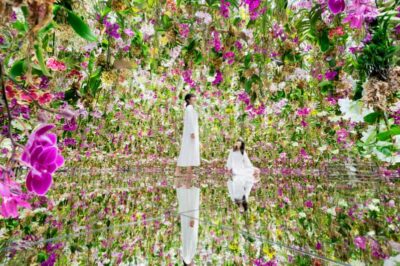
teamLab Planets TOKYO Digital Art Museum Entry Ticket
Read our review →
Mt Fuji & Hakone Cruise, Drum Show Bullet Train 1 Day from Tokyo
Read our review →
Sumo Show Experience with Chicken Hot Pot and a Photo
Read our review →
Shinjuku Food Tour (13 Dishes at 4 Local Eateries)
Read our review →