
Reviewed · MT FUJI TOURS
Private Car Tour to Mt. Fuji Lake Kawaguchiko or Hakone
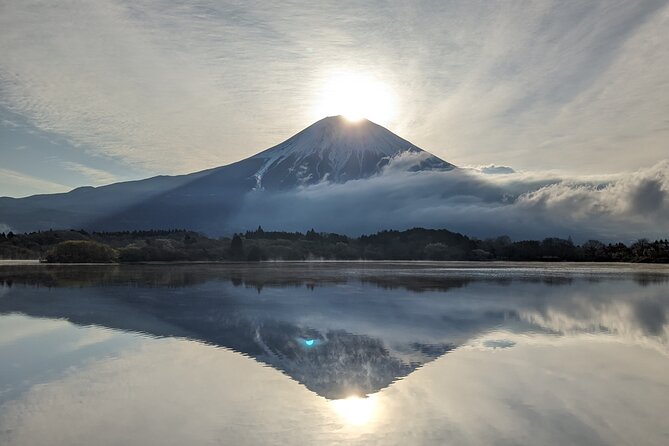
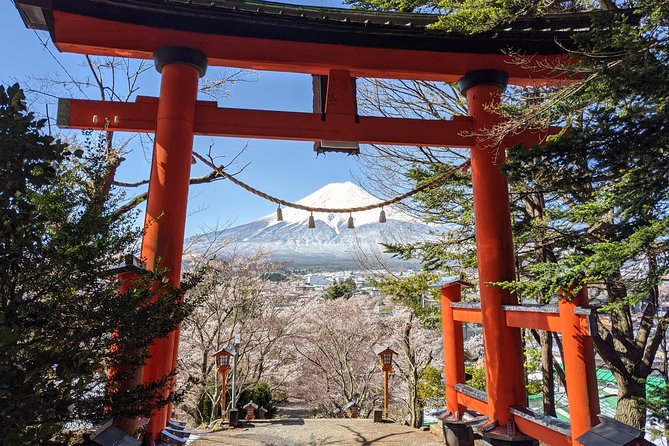
A private car day around Mt. Fuji is interesting because you can plan for the views, then pivot quickly if the weather shifts, without fighting trains and crowds. I love the door-to-door pickup and the fact that the tour is run by local Japanese staff, like guides Ken and Reiko and drivers such as Toshi. I also like the photo-first planning, with easy access to classic spots like Arakura Sengen Shrine and Lake Kawaguchiko.
The main drawback is simple: it is a long day, around 10 to 11 hours, and Mt. Fuji visibility is never guaranteed. If clouds roll in, you will still visit the area, but some skyline moments may be limited.
Key things that make this tour worth your time
- Private hotel pickup and drop-off in an air-conditioned minivan, plus one bottled water per person
- English-French-Spanish-Chinese-Korean guide options, with nationally certified guides listed
- Fully customizable route, with guidance on picking about 4 to 6 sites from the big menu
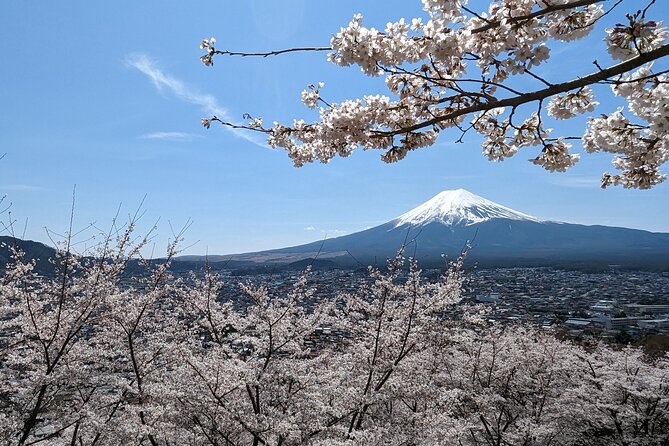
- Big view stops that are built for photos, including Arakura Sengen and Chureito Pagoda, plus multiple lake vantage points
- Optional, high-payoff additions like Mt. Fuji 5th Station (toll fee on the spot) and Hakone Ropeway
- A weather-aware plan, where the schedule can adjust for traffic or visibility and you still get meaningful stops
Why a private Mt. Fuji car day beats DIY
If you have limited time in Tokyo, trying to DIY Mt. Fuji and the lakes can turn into a full-time job. This experience solves that problem with private transportation, hotel pickup, and a guide who handles the flow.
The value is not just comfort. It is time. You are not spending your day figuring out timing between train connections, bus routes, and ticket counters. Instead, you get a tight route that hits major view zones and also leaves room for your style, whether that is shrines, lakes, family activities, or cave-style adventures.
You should also know the tour runs like a menu. The day is long, but you are not expected to cram every attraction. You and the guide pick around 4 to 6 sites, then refine the order based on what you care about and what the day allows.
More Mt Fuji days:
- Mt Fuji and Hakone 1-Day Bus Tour Return by Bullet Train
★ 5.0 · 26,383 reviews - Mt Fuji & Hakone Cruise, Drum Show Bullet Train 1 Day from Tokyo
★ 4.0 · 7,413 reviews - Tokyo Mt Fuji 5th St & Hakone Cruise Bus Tour w/Bullet Train
★ 4.4 · 5,024 reviews
Price and logistics: what you are really paying for
The headline price is $1,286.89 per group (up to 8). That sounds steep until you do the math. For a family of four, it is roughly the cost of a couple of good day tours plus the comfort of staying private. For a group closer to eight, it can feel much more reasonable per person, because the guide and vehicle cost are shared.
Here is what is included:
- Hotel pickup and drop-off
- Round-trip private transportation by air-conditioned minivan
- A private guide (English, French, Spanish, Chinese, Korean available)
- One bottled water per person
Here is what is not included:
- Entrance fees at museums, hot springs, and other sites
- Lunch and drinks
- Gratuity (listed as 5 to 20 percent)
- Mt. Fuji 5th Station
One more practical note: the price stays the same with or without the vehicle, as stated. That implies you should confirm what “vehicle included” means for your exact booking setup, especially if you are comparing add-ons.
Getting started in Tokyo: how the day feels
Pickup is offered, and you get a mobile ticket. Translation: you can keep things simple. The guide and driver handle the handoff, and you are not trying to coordinate meeting points across multiple transit systems.
The trip length is listed as 10 to 11 hours. That means you will want to think of the day as a full day excursion, not a quick look. It also means the guide’s pacing matters, especially because some stops are short view breaks while others are longer, like the optional 5th Station.
From the experience notes and guide feedback patterns, the best results happen when you message what you want ahead of time. The tour notes say you can ask the guide for advice after booking, so use that. If your group wants more photos and less shopping, say so early.
Arakura Sengen Shrine and the Chureito Pagoda: the Fuji postcard, done right
This area is a big reason people book Mt. Fuji days in the first place. Arakura Sengen Shrine and the surrounding park are famous for a clean view of Mt. Fuji with a five-storied pagoda in frame.
What you will do here:
- Spend time at Arakura Sengen Shrine, where the goddess of Fire is enshrined and the iconic Mt. Fuji view is the point
- Short photo time at the Chureito Pagoda
- Additional time in Arakurayama Sengen Park, which is basically the viewpoint loop that helps you get the shot you want
The good news is that the core stops are free admission and built for quick visits. You can walk, frame your photos, and still keep energy for the rest of the day.
The consideration: this is a top-tier photo area, so even with a private guide, you may wait for the best angle or for the crowd flow. Also, Fuji visibility is weather-dependent, so your guide’s timing matters.
A change of pace from Tokyo:
- 1-Day Tokyo Bus Tour
★ 5.0 · 14,250 reviews - Tokyo: TOKYO SKYTREE® Admission ticket
★ 4.5 · 11,192 reviews - Tokyo: teamLab Planets TOKYO Digital Art Museum Entry Ticket
★ 4.6 · 9,779 reviews - Tokyo: Sumo Show Experience with Chicken Hot Pot and a Photo
★ 4.8 · 6,678 reviews
Mt. Fuji World Heritage Center: the meaning behind the photos
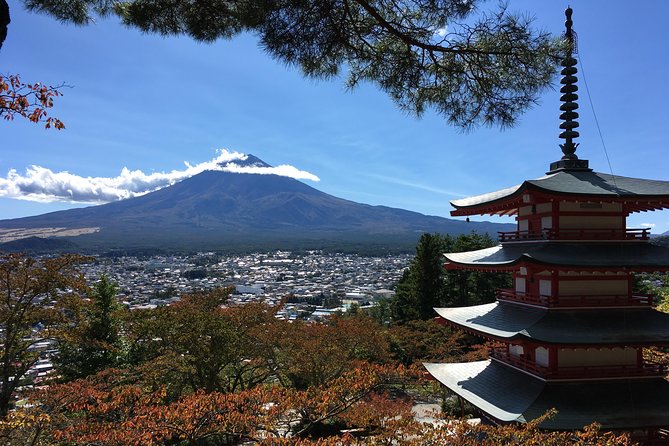
Right after the pagoda views, you go to the Mt. Fuji World Heritage Center. This is not a long museum. It is a short stop where you watch a video and learn visually about the region’s rituals.
Why this is worth your time: it helps you see the place as more than a mountain photo. When you understand how locals connect Mt. Fuji with belief and tradition, the shrines and lake stops feel more intentional.
It is also free admission and relatively quick, which keeps the day balanced instead of turning into a checklist.
Kitaguchi Hongu Fuji Sengen Jinja: the “start of the ascent” shrine
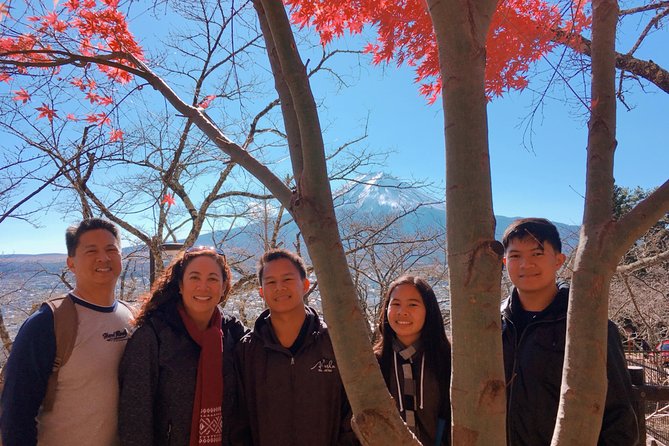
Next up is Kitaguchi Hongu Fuji Sengen Jinja, described as the main shrine in the northern part of Mt. Fuji and the region’s protector. It is also linked to the idea of the first step of the ascension.
This stop tends to work well even for people who are not big on religious sites. The reason is that the focus is practical and geographical. This is where the tour ties you to the mountain’s cultural map.
The admission is free, and the stop time is moderate. If you like your sightseeing with a short story attached, this is a strong middle-of-the-day anchor.
Lake Kawaguchiko: the photo stops that match the season
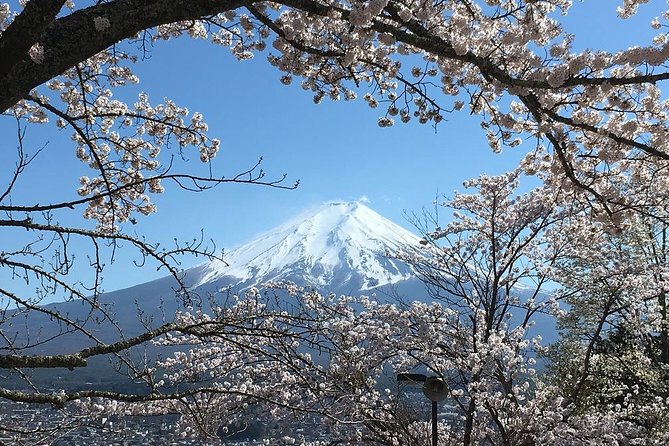
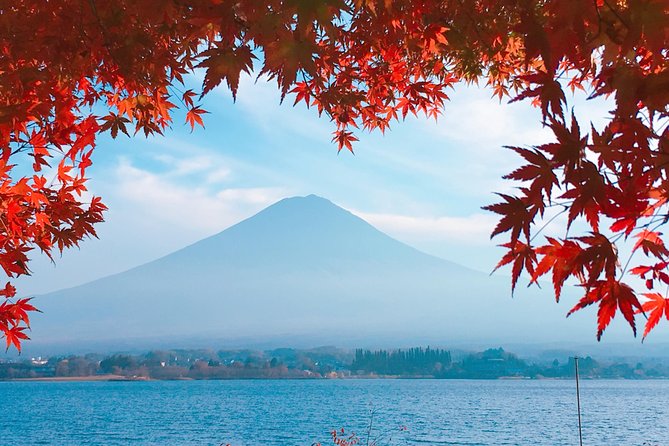
Once you reach the lake area, the tour leans into one of the best strategies for Mt. Fuji trips: multiple lake vantage points rather than a single destination. Lake Kawaguchiko is described as the most visited out of the five lakes, and you can make photo stops from various locations per season.
This is where the guide’s customization matters. Some days you may want calm lake walks and quick framing stops. Other days, you may want a specific photo setup and then move on.
The consideration here is that water and sky make a big difference. If clouds are low, the mountain can disappear into the mist. Still, even in that situation, the lakes and seasonal color zones can keep the day enjoyable.
Oishi Hana Terrace and Oishi Park: sweet breaks and seasonal flowers
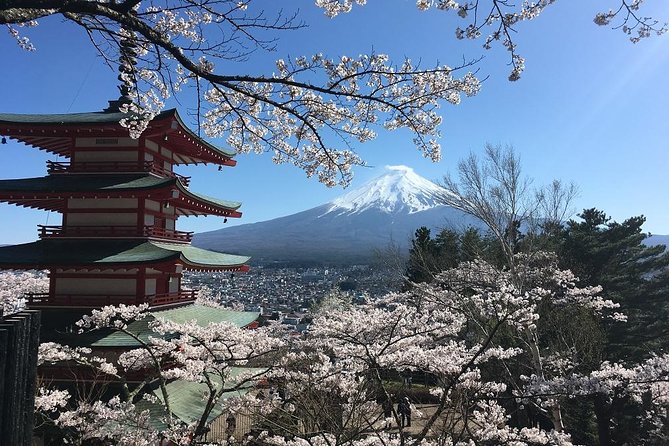
Two stops in the Oishi area are a nice rhythm shift from shrines and lakes.
Fuji Oishi Hana Terrace is framed around local crafts and souvenirs, plus regional treats like ice cream and sorbets made with local fruits. It is a good place to reset, especially if you want something “Japan-local” without it turning into a long shopping session.
Then Oishi Park brings the flower focus. The tour notes say you can see over 90 different flowers across the four seasons, and it is well known for lavender.
Both stops list free admission. That makes them a low-cost way to add color and comfort to a day that otherwise includes paid attractions later, like ropeways or cave entries.
Saiko Iyashi no Sato Nenba: old houses, craft time, and optional rentals
If you want a traditional village scene with Mt. Fuji in the background, Saiko Iyashi no Sato Nenba is one of the stops that feels most like a “you are here” moment.
You get old Japanese houses with straw roofs and craft time with local artists. The tour notes also mention optional rental kimonos and samurai armor, available with reservation.
The admission is not included here, and the stop is longer than some view breaks. That is okay if your group wants a cultural snapshot, but you should treat it as a time block.
Oshino Hakkai and the ponds: a classic that also eats well
Oshino Hakkai is one of those places that is easy to understand in one sentence: eight ponds formed from snowmelt water from Mt. Fuji. It is listed as part of the Fujisan Cultural Site.
You also get the practical bonus of street food and shopping. So this is both scenery and a break, which matters on a day that is long.
Admission is free according to the notes, and the stop time is moderate. This makes it a strong candidate for first-time visitors who want the “real deal” Fuji side of Japan.
Oshino Shinobi no Sato and the family factor
If your group includes kids, or if you just enjoy silly cultural theming, Oshino Shinobi no Sato can be a fun mid-day stop. The tour notes mention a ninja show and the option to rent ninja costumes.
Admission is not included. Still, it can be one of the easiest ways to make the day feel playful instead of purely scenic.
Ide Sake Brewery: a tasting stop that fits adults
For adults, the Ide Sake Brewery stop is a solid change of pace. It is described as the only sake brewery in the Lake Kawaguchiko city area using Mt. Fuji snowmelt water.
Tasting is listed as daily from 3 pm with reservation, and the note says the cost is 1500 yen. Guided tour time is also listed.
This is not the kind of stop you choose just to “see a building.” It is a stop you choose if you want a taste of local production tied to the mountain water theme.
Aokigahara Jukai cave stops: cold air, adventure time
Aokigahara Jukai is where the day gets more adventurous. The tour notes frame it as the mysterious forest, with a hiking possibility and cave experiences.
There are three listed cave options:
- Narusawa Ice Cave (15 to 30 minutes, admission not included)
- Fugaku Wind Cave (15 to 30 minutes, admission not included)
- Saiko Bat Cave (20 to 45 minutes, admission not included)
These are not just “look at a cave” stops. They are labeled as adventure time. That said, you should plan your energy for it. If your group has mobility limits, you should discuss which cave choice fits best.
Also remember: if the weather is bad, the schedule may change. The tour notes say the itinerary can be adjusted due to weather or traffic, and it will not be cancelled or refunded if some spots are not fully visible.
Mt. Fuji Panoramic Ropeway: the shortcut to elevation
If you want a high vantage without an all-day hike, the Mt. Fuji Panoramic Ropeway is a key option. The notes say it takes just 3 minutes from the shore area, and the top is listed at 1,075 meters above sea level.
You get views of Mt. Fuji, Lake Kawaguchi, and Fuji Yoshida city. The time depends on queue, so your guide will likely factor in how the line is running that day.
Admission is not included. Queue time is a real consideration, but the payoff is that you get perspective quickly.
Itchiku Kubota Art Museum: when the day turns artistic
The Itchiku Kubota Art Museum focuses on rare kimonos designed and created by the artist Itchiku Kubota, inside unique architecture.
Admission is not included, and it is a longer stop range. If your group likes design, textiles, and art beyond photos, this is a great mid-late day choice.
The museum shop is also called out as a place to find souvenirs locals love to buy, which can help if you want quality crafts without a long detour.
When you want more thrills: amph bus, rope views, ropeway
For people who like movement, the tour includes options like Yamanakako no Kaba Amphibious Bus, also known as KABA (hippo). The notes describe it as a 30-minute ride and cruise at lake Yamanakako.
That is a fun stop if you are traveling with kids or if your group likes “only in Japan” experiences.
There are also other optional entertainment-style stops listed, like the Ninja village and themed museums. Your guide will help you pick what matches your group’s energy level.
Shiraito Falls and the long walk tradeoff
Shiraito Falls is described as one of the most beautiful waterfalls in Japan and part of the Fujisan Cultural Site. The big detail is the scale, listed as 150 meters wide cascade.
But the notes also warn it takes about 2 hours round trip from Lake Kawaguchiko. That means it can eat into time for other priorities.
If you love waterfalls and you want a nature stop, it is worth it. If you are already planning caves, ropeways, and multiple lakes, it may be better to skip or swap.
Mt. Fuji 5th Station: worth considering, but know the rules
The optional higher-elevation stop is Mt. Fuji 5th Station. The notes explain it is the closest point you can go up with a car, listed at about 2300 meters, and it usually takes about 2 hours.
Two key realities:
- You pay a 2100 yen toll fee on the spot
- Access is closed from July to mid-September and also in the winter climbing season
Also, admission for 5th Station is not included. If your main goal is to get high, confirm timing before you build your day around it.
If you choose Hakone instead: volcano, ropeway, and Lake Ashi
This tour can be a Hakone day, with the Hakone-style stops listed. Think of it as a more volcanic and hot-spring-adjacent day, with a lake cruise and art stops.
Some core highlights:
- Hakone Ropeway for views of Mt. Fuji in the Hakone area, listed at 1350 meters
- Owaku-dani Valley for volcanic activity and the famous black eggs, with a view on clear days
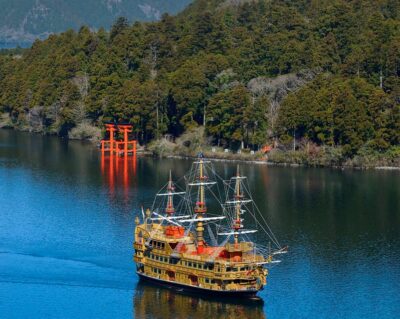
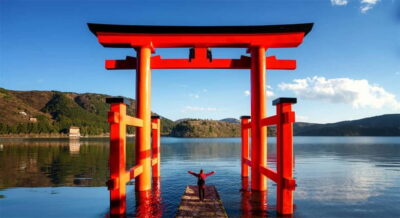
- Hakone Shrine / Kuzuryu Shrine (built about 1260 years ago), including an Instagrammable tori gate
- Hakone Open-Air Museum with outdoor sculptures by Japanese and Western artists, and photos allowed
Then you get Lake Ashi cruising, described as a big lake formed after a gigantic eruption inside a kaldera. The notes mention a pirate ship option for sightseeing and also a normal cruise ship if you prefer to avoid the crowd. The cruise fits well when you want a slower moment in the middle of the day.
The consideration with Hakone: ropeways and cruises are weather-sensitive. If visibility is poor, you may still enjoy the sites, but the Mt. Fuji view angle might be limited.
Hot springs rules you should know (because Hakone can include them)
The data notes hot-spring etiquette rules: bathing suits and towels, or any clothing, are not permitted inside the hot springs. Men’s and women’s tubs are separate. Tattoos or body paint are prohibited at the facility. Service animals are allowed on the tour itself, but hot spring entry rules do not override general venue rules.
If you want hot springs, bring your plan. Ask your guide what fits your group before you arrive.
Weather and traffic: the part nobody controls, so plan for it
The tour requires good weather. If it is canceled due to poor weather, you get a different date or a full refund, as stated in the notes. If the tour is running but Fuji is hidden, the tour notes say it will not be cancelled or refunded even if some spots are not fully visible.
This is why choosing multiple types of stops matters. You are not relying on one mountain photo. Even on cloudier days, you can still do lakes, shrine grounds, caves, museums, and seasonal gardens.
Traffic is another reality in Japan, especially around big routes. The day still runs by private van, and the driver’s job is to keep things safe and try to get you moving efficiently.
Should you book this tour?
I think this is a strong pick if:
- You want private pickup and a guide to handle the day
- You care about Mt. Fuji views but also want backups like caves, lakes, and cultural stops
- You are traveling as a group where the up-to-8 group price can make sense
- You like getting a mix of photo stops and structured breaks, not a chaotic DIY scramble
I would think twice if:
- Your group needs a guaranteed Mt. Fuji skyline shot. Even with perfect planning, weather can limit visibility.
- You hate long days. This runs 10 to 11 hours.
- You want only free, no-ticket sightseeing. Many of the “wow” add-ons are marked as admission not included, and lunch is on you.
If you decide to book, do one thing that pays off immediately: message your guide preferences early. Tell them if your priorities are shrines, lakes, family activities, caves, or Hakone-style views, and whether you want or do not want Mt. Fuji 5th Station. That is where the value shows.
FAQ
How much does the private tour cost?
The price is $1,286.89 per group, up to 8 people.
How long is the tour?
It runs about 10 to 11 hours.
Do you pick up guests from their hotel in Tokyo?
Yes. Hotel pickup and drop-off are included.
Is Mt. Fuji 5th Station included in the tour price?
No. Mt. Fuji 5th Station is not included, and if you add it, you pay a 2100 yen toll fee on the spot.
Are entrance fees included for museums and attractions?
No. Entrance fees are not included, including hot spring, museum, and similar admission charges.
What happens if Mt. Fuji is not fully visible due to weather?
The tour will not be cancelled or refunded even if some spots are not fully visible due to weather conditions. The schedule can also change due to weather or traffic.
Can I cancel for a full refund?
Yes, you can cancel up to 24 hours in advance for a full refund. If you cancel less than 24 hours before the start time, the amount paid is not refunded.
Latest write-ups near Tokyo
- From Tokyo: Top 5 Scenic Spots of Mount Fuji Full-Day Tour★ 4.5 · 67 reviews
- Tokyo Customized Private Tour: See Top Attractions in 1 Day★ 4.8 · 67 reviews
- Traditional Japanese Music ZAKURO SHOW in Tokyo★ 5.0 · 67 reviews
- Tokyo: Shinjuku Izakaya and Golden Gai Bar Hopping Tour (2h)★ 4.9 · 67 reviews
- Tsukiji: Unlimited Sake Tasting Experience★ 4.9 · 67 reviews
- Tokyo: Not a show- a professional sumo practice with experts★ 4.9 · 67 reviews
- Samurai Ninja Museum Asakusa: Kid-Friendly Ninja Training★ 4.7 · 67 reviews
- Private Harajuku Omotesando Architecture Walking Tour★ 5.0 · 67 reviews
Mt Fuji Tours, compared.
Mt Fuji and Hakone 1-Day Bus Tour Return by Bullet Train
Read our review →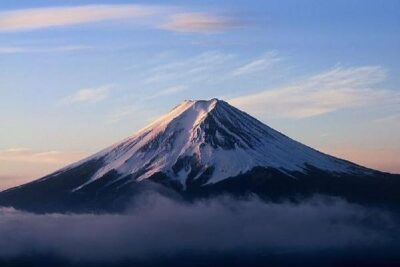
Mt Fuji & Hakone Cruise, Drum Show Bullet Train 1 Day from Tokyo
Read our review →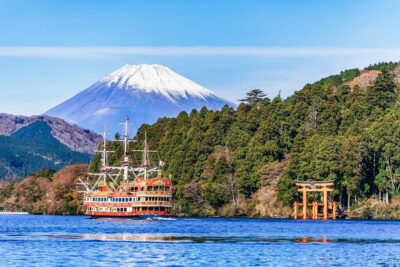
Tokyo Mt Fuji 5th St & Hakone Cruise Bus Tour w/Bullet Train
Read our review →
Mt. Fuji Tour, Hakone Ropeway, Owakudani, Lake Ashi
Read our review →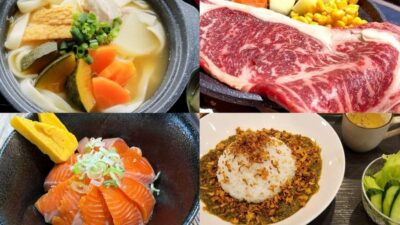
Mt.Fuji,Kawaguchiko Oishi Park,Arakurayama Sengen Park
Read our review →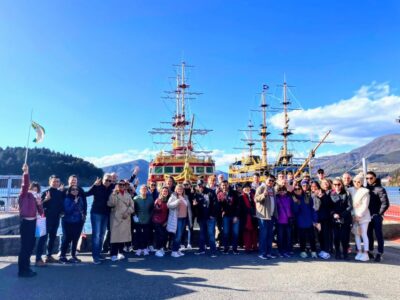
Mt. Fuji 5th Station & Hakone Cruise 1-Day Bus Tour
Read our review →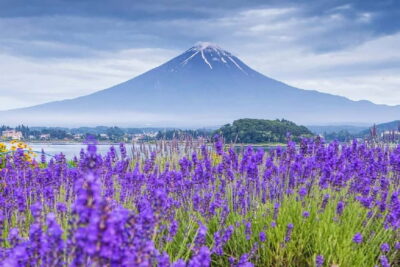
Mt Fuji Top 5 Spots Day Tour: Arakurayama Park,Oshino Hakkai
Read our review →Browse the lists this tour appears in