Reviewed · TOKYO TOURS
Tokyo: Karate Experience with Former All-Japan Champion
Tokyo’s not short on things to do, but a hands-on karate class with a former All-Japan champion is a rarer kind of souvenir. This one is built around a clear flow: bowing, deep breathing, stretching, stances, then technique drills and defense practice.
I like that the class stays small (up to 8 people), and Ryo teaches with step-by-step explanations that feel approachable even if you are new. My other favorite part is that you get the gear, so you can show up and start training right away. One thing to consider: if your mobility is limited, the kicks may feel challenging at first, and you may need to go at the option level Ryo offers.
Why a Former All-Japan Champion Makes This Tokyo Class Worth Your Time
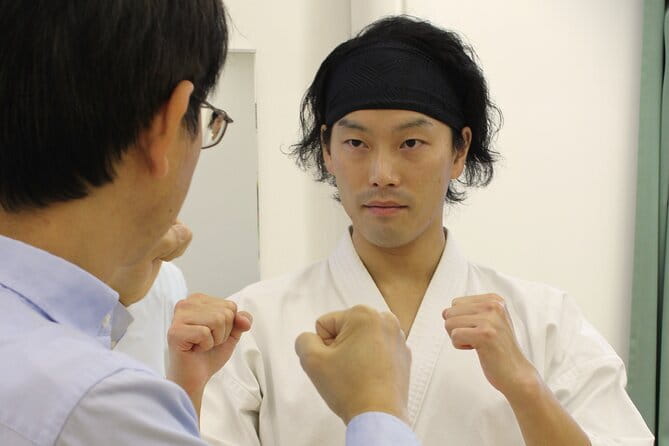
Sensei Ryo, a former All-Japan champion with 20 years of experience, runs this session in Tokyo with a simple goal: make karate make sense in your body, not just in your head. You are not there to watch. You are there to work.
The vibe is traditional, but the teaching style is practical. You begin with the etiquette side, because karate starts and ends with respect. Then you move into training fundamentals, like posture, stance, and the clean mechanics behind punches, blocks, and kicks.
And yes, it is also fitness. You will leave feeling used in a good way, the kind of tired you usually only get from a long walk plus stairs, not from an indoor class.
Key Training Moments You Should Look Forward To
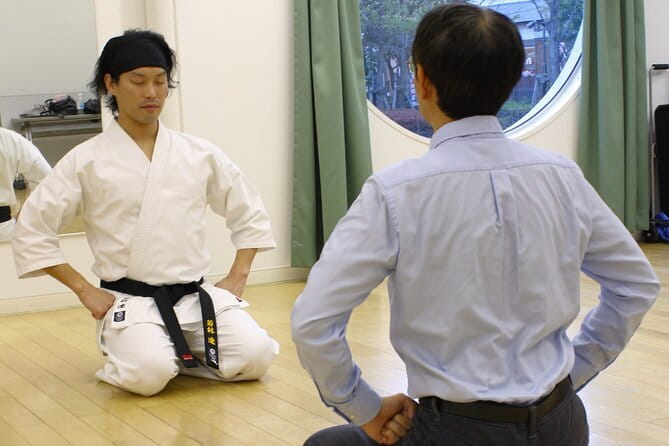
- Standing Zen Training focus: you practice a key standing position as the foundation for balance and control
- Bowing and deep-breath focus: you start with the proper karate mindset, not just movement
- Step-by-step punches, blocks, and kicks so you can learn without getting lost
- Non-contact kumite-style training that teaches defense timing without physical sparring
- Small-group coaching from Sensei Ryo with level adjustments as you go
Also on the shortlist for Tokyo:
- Mt Fuji and Hakone 1-Day Bus Tour Return by Bullet Train
★ 5.0 · 26,383 reviews - 1-Day Tokyo Bus Tour
★ 5.0 · 14,250 reviews - Tokyo: TOKYO SKYTREE® Admission ticket
★ 4.5 · 11,192 reviews
The 90-Minute Flow: Bowing, Breath, Stretch, Then Technique
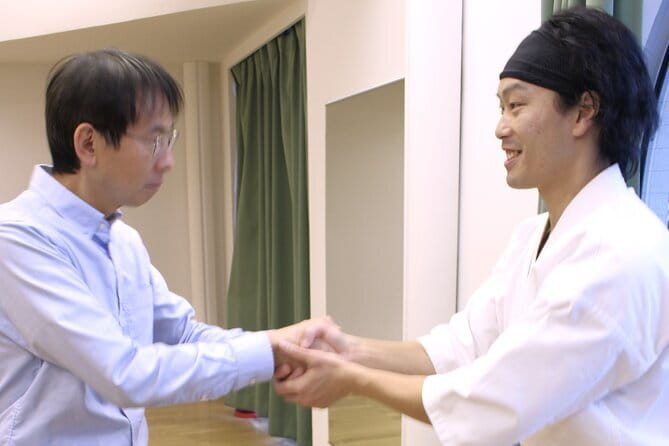
This class runs about 1 hour 30 minutes, and it moves fast enough to keep your muscles warm, but not so fast that you miss the instruction. The structure matters here, because karate is a skill. Skills need repetition, and repetition needs time with guidance.
You start by learning how to bow. It is not a throwaway ritual. You practice it because karate etiquette is part of the training. Then you move into deep breathing from your belly. That breathing drill is meant to help focus and calm your mind, which is useful when you are about to stand in a strong stance and hold your body steady.
Next comes stretching for the big areas: legs, hip joints, shoulder blades, and chest. Expect a real warm-up stretch sequence, not just a quick shake-out.
After that, you get the core technique block:
- proper stance
- basic punches
- blocks
- kicks
Each technique is broken into a few moves so you can learn it step-by-step. That matters if you are a beginner. It also matters if you have trained before, because you can correct something small that changes everything later.
Standing Zen Training: The Stance That Teaches Control
The highlight of the session is Standing Zen Training, and it shows you what karate is really chasing. It is not only about throwing power. It is about controlling your center, staying steady, and making your movement efficient.
You will work on the standing position as a foundation. You are likely to feel how it demands balance and posture right away. If you have ever struggled with feeling shaky when you punch or kick, this kind of stance training is exactly where that starts to improve.
I also like that this part comes early. You do not begin with chaos. You begin with a stable body, then you build attacks and defenses from that stability. That is a smart way to learn.
And because the class is capped at 8 people, you are not just yelling moves into the air. Ryo can watch what you are doing and guide you as needed.
Punches, Blocks, Kicks: Clean Basics With Real Coaching
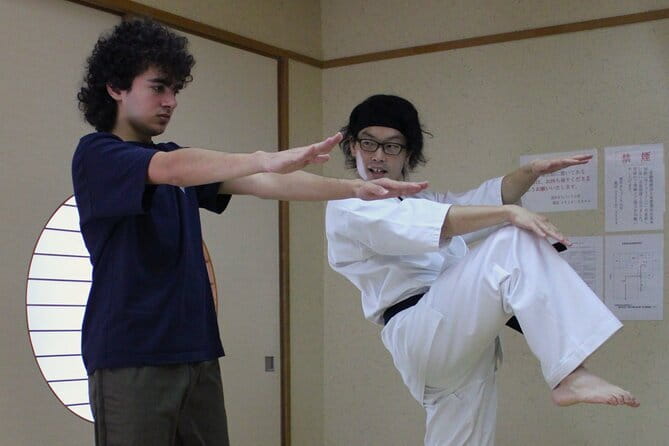
Here is where the class becomes practical. You practice punches, blocks, and kicks with a focus on stance and precision.
The big advantage is the pacing. Techniques are divided into smaller chunks, so you learn the shape first, then the sequence, then the full motion. That makes it easier to build muscle memory without turning the class into a blur.
If you have done martial arts before, you might still find value. One person in the feedback described how the instructor corrected techniques they had been struggling with. That tells me Ryo is not just teaching for beginners. He is also able to refine form.
If you are new, this is a relief. You are not expected to already know how to hold your feet, what angles matter, or how to keep your balance while moving. Instead, you get step-by-step instruction and demonstrations.
Kicks are included, but here is the honest part: you should come prepared for them to feel harder than punches and blocks at the start. One participant specifically noted mobility limits made kicks harder. That is not a dealbreaker. It is a heads-up. Go with the options Ryo provides, focus on form over height, and treat the class like a first draft.
A change of pace from Tokyo:
- Tokyo: teamLab Planets TOKYO Digital Art Museum Entry Ticket
★ 4.6 · 9,779 reviews - Mt Fuji & Hakone Cruise, Drum Show Bullet Train 1 Day from Tokyo
★ 4.0 · 7,413 reviews - Tokyo: Sumo Show Experience with Chicken Hot Pot and a Photo
★ 4.8 · 6,678 reviews - Tokyo: Shinjuku Food Tour (13 Dishes at 4 Local Eateries)
★ 5.0 · 6,603 reviews
Kumite Without Contact: Defense Skills Without the Risk
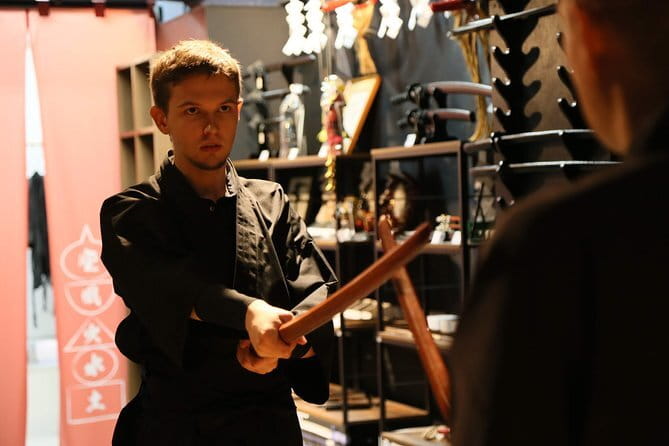
You end with the essence of kumite training, but with an important safety twist: there is no physical contact. The class teaches you defense from attacks like punches, front kicks, and low kicks while keeping the practice non-contact.
What you actually work on is defense timing and positioning, like:
- how to respond to an attack with precision
- how to defend efficiently
- how to move with control instead of wild reactions
Even though it is non-contact, it is not passive. You are still learning to read an incoming motion and execute your response. That is the part that often makes beginners say, wait, I get it now. Not fully, but enough to feel progress.
Because there is no physical contact, you can participate without the worry of getting injured in sparring. For a short 90-minute class, that is a big quality-of-life choice.
Culture Meets Fitness, in a Way That Feels Natural
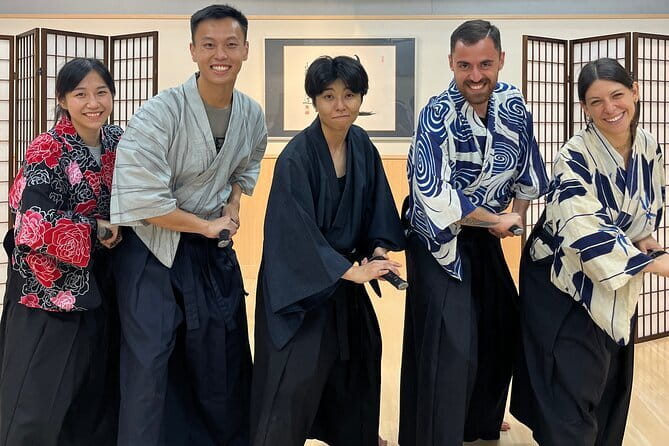
This is not only a workout. It is also cultural training. You start with bowing. You practice deep breathing. You learn techniques tied to a Japanese martial arts tradition.
What I like is that the instructor explains the why behind the how. Ryo teaches the essence of karate through clear demonstration and communication. The feedback also highlights that Ryo’s English is strong and the instructions are precise, which makes a difference when you are trying to understand stance cues and technique names.
There can also be a small cultural exchange feel. People mentioned time to talk about cultural differences after the course. I cannot promise it will be your experience every time, but the class tone seems open to that kind of conversation, which can turn a simple class into a memorable human moment.
Getting There at Azumabashi Hall, and Why Central Location Matters
You meet at Azumabashi Hall, 1-chōme-23-27 Azumabashi, Sumida City, Tokyo 130-0001. The activity ends back at the meeting point.
The location is described as central and near public transportation, which is exactly what you want in Tokyo. Karate is active. You do not want to add a long commute before and after you train.
Practical move: arrive a little early so you have time to find the place and settle. Tokyo streets can be straightforward once you are oriented, but the first 10 minutes always feel faster when you are not rushing.
Price and Value: $66.99 for Real Instruction and Included Gear
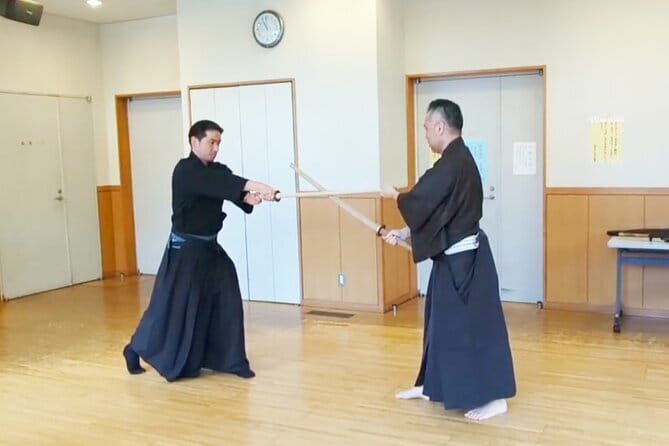
At $66.99 per person for about 90 minutes, this is priced as a specialty experience rather than a generic workout class. The value comes from a few concrete things:
- you train with Sensei Ryo, a former All-Japan champion with 20 years experience
- the group size is capped at 8, which supports more coaching attention
- you learn multiple core elements (stances, strikes, blocks, kicks, defense practice)
- you are provided karate uniform and pads, so you are not paying for gear on top
Also, the class is designed to work for beginners and those with experience. That matters because it reduces the risk that you will book and feel out of place.
One scheduling note: the average booking time is about 29 days in advance. That suggests it fills up in advance, especially for popular session times. If your dates are fixed, booking earlier is usually the smartest way to lock it in.
Who Should Book This Karate Experience (and Who Might Want to Adjust Expectations)
This class fits best if you want:
- an active Tokyo experience that is more than sightseeing
- beginner-friendly coaching with clear steps
- a safe way to practice defense through non-contact kumite-style drills
- a short session that fits neatly into a day plan
It is also a strong choice if you already have some karate or boxing background. One person described having prior martial arts experience and liking the stance, defending, and attacks focus. Another described how it improved their posture and stomach power and helped sparring skills. Even if you are not trying to become a fighter, these are useful body skills.
If you have mobility limitations, do not skip it automatically. Just adjust expectations. Kicks may be the hardest part. Ryo can adjust the class level to suit participants, including correcting techniques or changing how you practice. Plan to focus on stance and control first, and treat kicks as skill-building work rather than performance.
Finally, the class requires a moderate physical fitness level. That usually means you should be comfortable doing stretching and active drills for 90 minutes, not that you need to be an athlete.
Should You Book This Tokyo Karate Session?
If you want a genuine, hands-on Tokyo experience that teaches more than just tourist trivia, this is a solid pick. You get real instruction from Sensei Ryo, a small group setting, and a structured training plan that covers fundamentals, stance work, and non-contact defense.
I would book it if you like learning physical skills and you want a class that respects both beginners and experienced practitioners. I would think twice only if kicks and mobility are a major concern for you, since that can be the toughest area at the start.
If you do book it, go with an attitude of practice, not perfection. Bow, breathe, work your stance, and let the techniques build. It is one of the more practical ways to turn a day in Tokyo into something you can feel in your body.
FAQ
How long is the Tokyo karate class?
The class lasts about 1 hour 30 minutes.
Where do I meet for the experience?
You meet at Azumabashi Hall, 1-chōme-23-27 Azumabashi, Sumida City, Tokyo 130-0001, Japan, and the class ends back at the meeting point.
Who teaches the class?
The host and instructor is Ryo, connected with Karate Comic Ryo. He teaches the techniques and adjusts the class based on participants’ levels.
Is a karate uniform and pads provided?
Yes. A karate uniform and pads are included for ease.
Is there physical contact during the kumite training?
No. The final part includes kumite training without physical contact, so everyone can practice without physical risk.
What do you learn in the class?
You learn bowing, deep breathing, stretching, proper stance, basic punches, blocks, and kicks, and defense practice for attacks like punches, front kicks, and low kicks. You also work on mastering the Standing Zen Training position.
How many people are in a group?
The maximum group size is 8 travelers.
Are there morning and afternoon classes?
Yes. You can choose from morning and afternoon classes to match your schedule.
What fitness level do I need?
The experience is listed for travelers with a moderate physical fitness level.
What is the cancellation policy?
You can cancel for a full refund if you cancel at least 24 hours before the experience’s start time. Free cancellation is available up to 24 hours in advance.
Latest write-ups near Tokyo
- Tokyo Nights: Shibuya Photo Adventure★ 5.0 · 20 reviews
- Wagyu & Sake 8 Course Tasting Dinner in Shinjuku★ 4.9 · 20 reviews
- Making Japanese desserts Nerikiri & drinking matcha in Tokyo★ 5.0 · 20 reviews
- Japanese Whisky Hunting《HIGH-QUALITY-ONLY》Rare Tasting Class★ 5.0 · 20 reviews
- Mt. Fuji 5th Station, Owakudani Ropeway, Pirate Ship plus Outlet shopping!★ 4.5 · 20 reviews
- Kintsugi Experience with Arita Ware in Tokyo (English Guide)★ 4.8 · 20 reviews
- This is Asakusa! A Tour Includes the All Must-Sees!★ 5.0 · 20 reviews
- Ebisu Local Food Tour: Shibuya’s Most Popular Neighborhood★ 5.0 · 20 reviews
Tokyo Tours, compared.
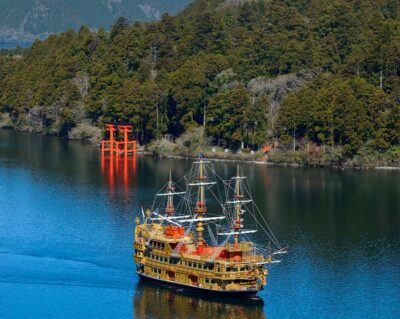
Mt Fuji and Hakone 1-Day Bus Tour Return by Bullet Train
Read our review →
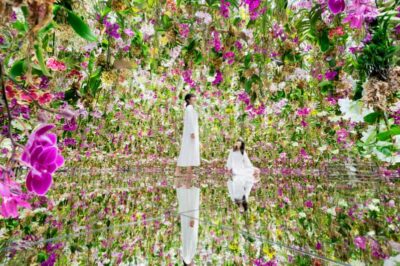
teamLab Planets TOKYO Digital Art Museum Entry Ticket
Read our review →
Mt Fuji & Hakone Cruise, Drum Show Bullet Train 1 Day from Tokyo
Read our review →
Sumo Show Experience with Chicken Hot Pot and a Photo
Read our review →
Shinjuku Food Tour (13 Dishes at 4 Local Eateries)
Read our review →