
Reviewed · TEMPLE & SHRINE TOURS
Nikko: Kegon Falls, Lake Chuzenji & Toshogu Temple
Nikko is interesting because it feels like two trips in one day: spiritual power at Toshogu Shrine and big nature drama at Kegon Falls. I like the way the day is paced for seeing the must-dos without getting lost in logistics, and the fact you get a bilingual guide who can explain what you are looking at. One heads-up, it is a long coach day, so if you hate being on the bus, you will feel it.
What I like most is how the route gives you both iconic photo moments and real time inside the sites, especially at Toshogu with its gold details and the famous wise monkeys. I also like that you get guided context in English and Spanish, with guides such as Melody and Jorge praised for clear explanations and smooth switching between languages. The trade-off is that it is not suitable for wheelchair users, and January to February can swap out the waterfall scenery.
Key moments that make this Nikko tour worth it
- UNESCO Toshogu Shrine in a cedar-forest setting: timed guided viewing of the main shrine buildings and gates.
- Shinkyo Bridge panoramic view from the bus: a fast, striking first hit of Nikko’s red torii-meets-bridge vibe.
- Kegon Falls with a deck view: nearly 100-meter waterfall drama, plus lunch and breathing room.
- Lake Chūzenji shoreline time: 40 minutes to walk the water’s edge and reset your eyes.
- January and February substitution: Kegon Falls and Lake Chuzenji can change to Rinnoji Temple and Futarasan Shrine views.
- Bilingual guiding, with real on-the-day guidance: named guides like Melody, Eric, Beru, Akane, Francisco, and Jorge are repeatedly highlighted for clarity and patience.
Why a Tokyo to Nikko Day Trip Feels Efficient
A Nikko trip usually means either staying overnight or accepting a lot of driving. This one is built as a straight shot, with a comfortable, air-conditioned coach and a full route that hits the big highlights before you start feeling like you are just commuting.
You are looking at roughly 11 hours total, including time from Ginza and back. That sounds intense, and it is, but it is also the practical way to see Nikko without giving up a whole day of Tokyo life.
If you want a deep dive into one site, this is not that. If you want a well-structured day where the main sites make sense in sequence, this works.
More Temple & Shrine Tours in Tokyo
- Tokyo: Meiji Shrine, Asakusa, Skytree Bus Tour and Cruise
★ 4.7 · 1,986 reviews - Tokyo: Asakusa Walking Tour with Sensoji Temple Visit
★ 4.8 · 1,583 reviews - Tokyo: Nikko Toshogu Shrine and Kegon Waterfall Tour
★ 4.5 · 1,266 reviews
Getting Oriented in Ginza Before the Coach Starts Rolling
The day begins from Ginza (meeting point varies by option, with Ginza Inz 2 listed). You board a coach and settle in fast, because the first big chunk is pure transit, around 2.5 hours.
This is actually useful time. You can review photos on your phone, plan what you want to prioritize at Toshogu, and get your bearings so the first “wow” moments hit harder.
Also, the route matters. Nikko is spread out, and a guided day keeps you from wasting time figuring out connections between bridges, shrines, and the lakeside.
Shinkyo Bridge First: Nikko’s Red Threshold From the Road
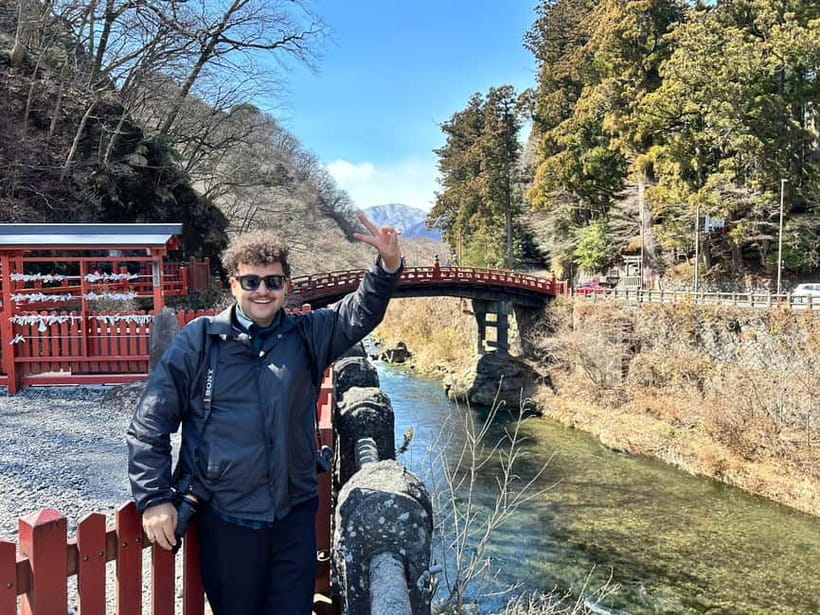
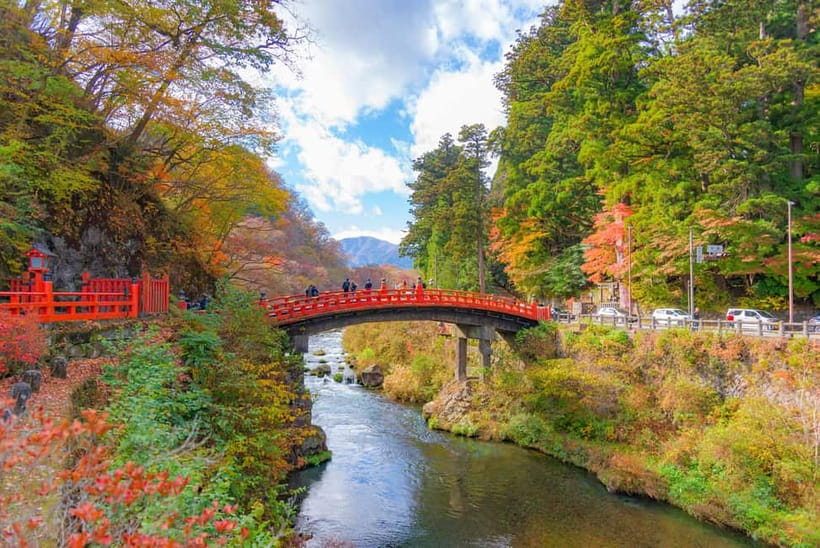
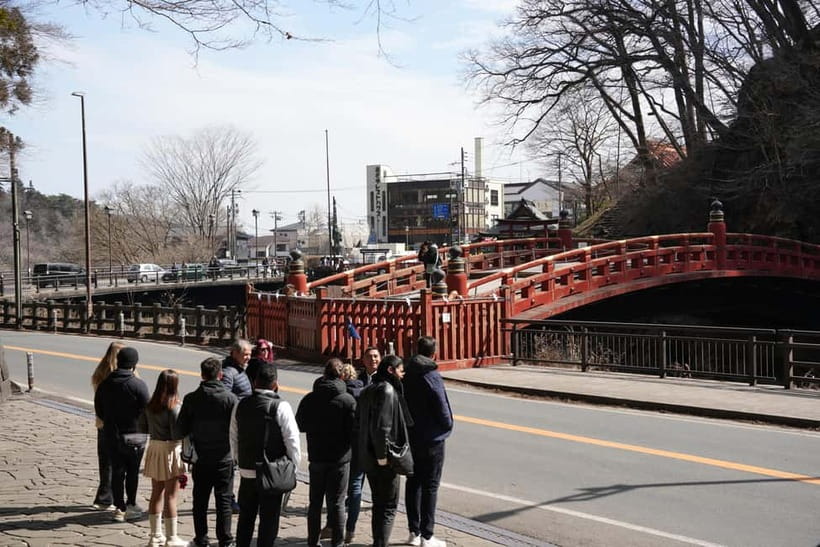
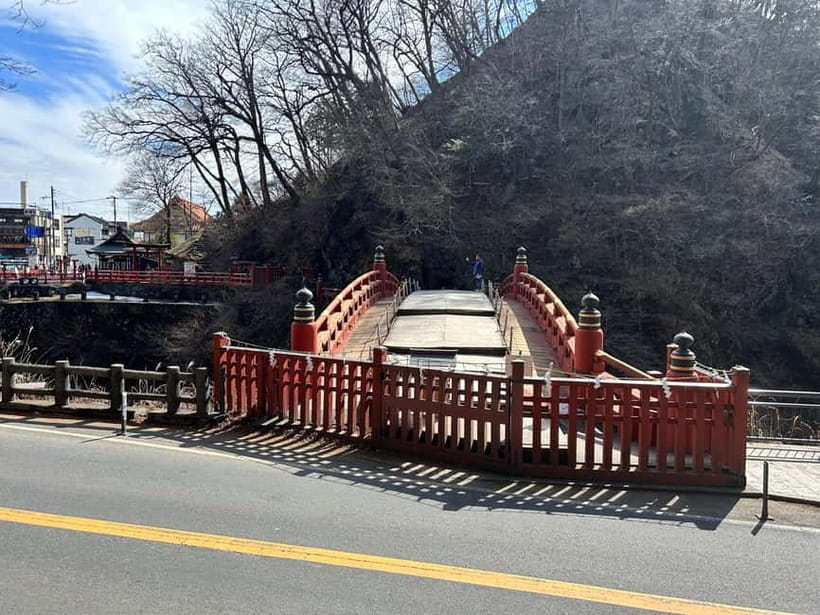
Before you get into temple time, the tour gives you a panoramic look at Shinkyo Bridge from the bus. The bridge is deep red, gracefully curved, and it crosses the Daiya River, which helps explain why locals treat it like a symbolic threshold.
This stop is not about lingering with a picnic. It is about arriving in the right mood. Even from the bus, it sets expectations for what you will see again and again in Nikko: careful design placed against mountain nature.
Practical tip: if you care about photos, have your camera ready before the bus slows. The view is brief compared to Toshogu, so you want to act quickly.
Toshogu Shrine (UNESCO): The Main Event and How to Get the Most From It
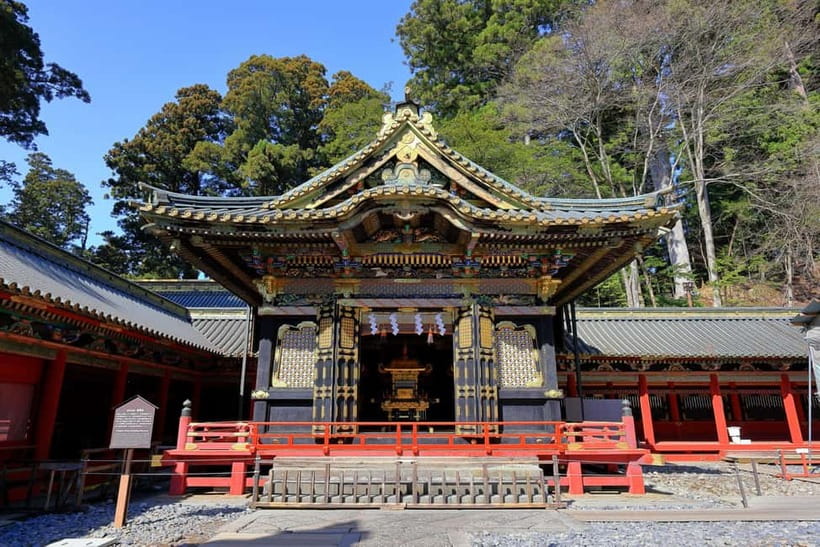
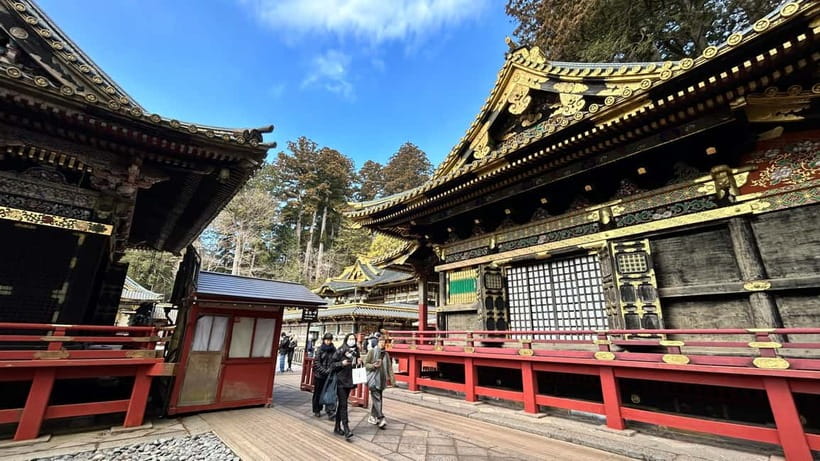
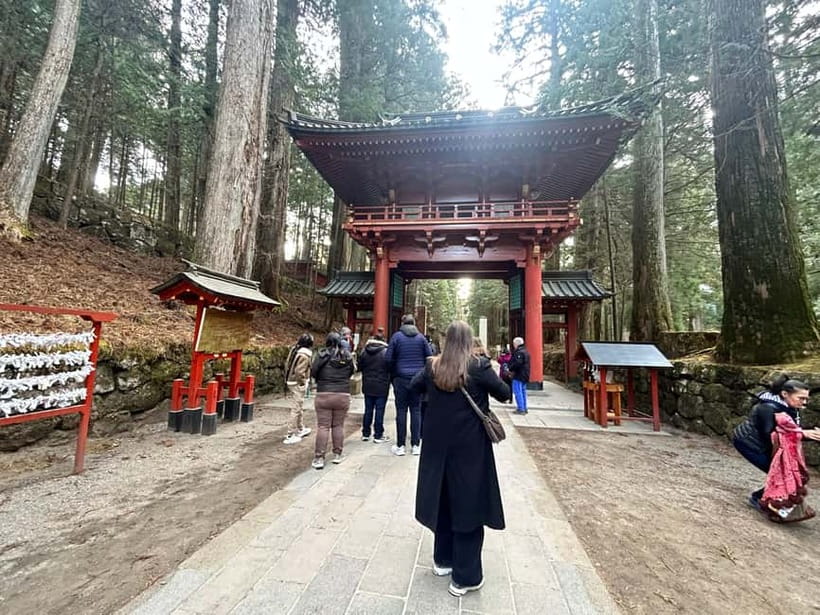
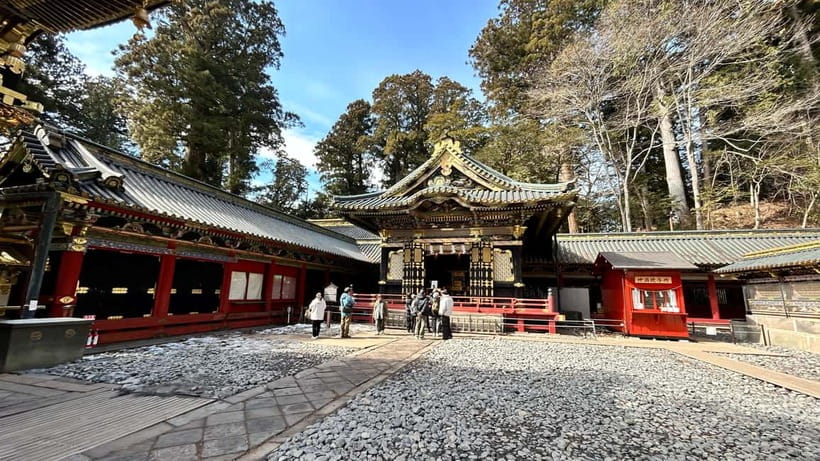
Toshogu is the big one. You spend about 2.25 hours there with a guided visit, and the shrine sits in a cedar forest that makes everything feel more focused.
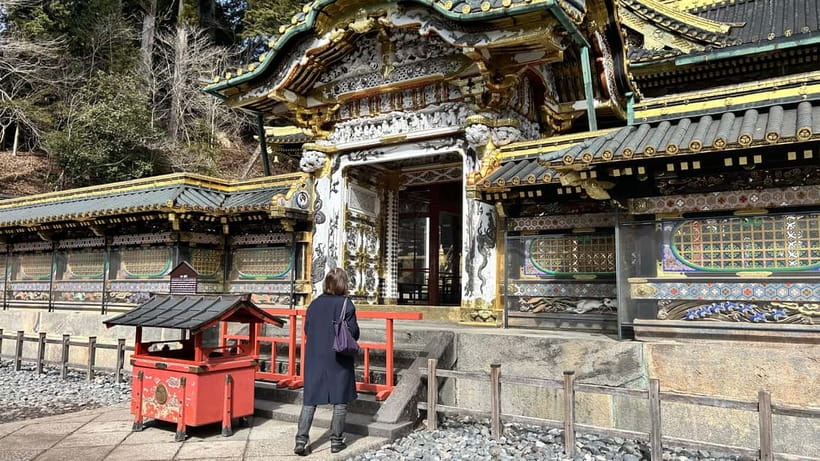
What you are looking for is not random decoration. Toshogu is known for ornate carvings, bright gold accents, and the trio of wise monkeys, which reflect a proverb about seeing, hearing, and speaking wisely. Your guide should connect these details to how the site thinks about power, faith, and behavior.
A change of pace from Tokyo:
- Mt Fuji and Hakone 1-Day Bus Tour Return by Bullet Train
★ 5.0 · 26,383 reviews - 1-Day Tokyo Bus Tour
★ 5.0 · 14,250 reviews - Tokyo: TOKYO SKYTREE® Admission ticket
★ 4.5 · 11,192 reviews - Tokyo: teamLab Planets TOKYO Digital Art Museum Entry Ticket
★ 4.6 · 9,779 reviews
Two different ways the ticket option can change your day
This tour offers ticket-inclusive access to Toshogu, which means you get access to the decorated gates and sacred buildings. If you do not pick that option, you should expect free time around the area instead of full guided entry.
So, I would choose based on your goal:
- If you want the full shrine storytelling, pick the Toshogu ticket option.
- If you are comfortable exploring and reading on your own, the non-ticket option may still work, but it narrows what the guide can cover.
What makes the guided time feel worth it
Guides such as Melody and Jorge are repeatedly praised for clear explanations and for making instructions easy to follow, including during free time on the grounds. That is the difference between seeing carvings and understanding why they are there.
If you like photo planning, this is also where your guide can help you move efficiently. You do not want to miss the best angles because you wandered off chasing side paths.
Also, plan your pace. Even within the shrine area, there can be stair climbs and longer walks than you expect. Build in a little stamina so you do not feel rushed.
The Kegon Falls Stop: Waterfall Views, Lunch, and Photo Deck Time
After Toshogu, the day transitions toward the mountains. You make a short coach connection and then reach Kegon Falls, one of Japan’s most dramatic waterfall sights.
This is the part where the day earns its name. The falls drop nearly 100 meters, with rocky cliffs framing the scene, and the view from an observation deck helps you see the waterfall’s full scale.
Weather note you must plan for
During January and February, the tour may replace the Kegon Falls and Lake Chuzenji visits with a panoramic view of Rinnoji Temple and Futarasan Shrine due to weather conditions. If your trip is in those months, treat the itinerary as a flexible version of Nikko, not a guarantee of the waterfall.
Lunch timing and what to bring
At Kegon Falls, you get lunch plus free time, about 85 minutes. Lunch is included only with the premium option, so double-check which option you booked before you arrive hungry.
One practical thing I strongly recommend for this day: bring some cash if you want flexibility. On at least one tour day, guides were described as helping with lunch ticket machine purchases and there was even a mention of a planned cash withdrawal stop on the way.
That matters because in rural and semi-rural spots, payment systems can be less predictable than in central Tokyo. You want food to be an easy win, not a last-minute stress.
Lake Chūzenji: A Short Reset for Your Eyes and Your Camera
Then comes Lake Chūzenji, at the base of Mount Nantai. The lake is formed by volcanic activity, and it has that calm, high-altitude feel where your eyes rest after the waterfall roar.
You get about 40 minutes of free time here. That may sound short, but it is enough to stroll along the shore and grab photos without burning the day.
If you are the type who likes to read a little scenery with your feet, this is your moment. Walk slowly, look for reflections when the light is right, and be ready to turn your camera from wide shots to textures: shoreline lines, misty edges, and surrounding forest tones.
Practical note: in cooler months, the air can feel crisp fast. Wear comfortable shoes and keep a layer ready, even if Tokyo felt warm earlier.
The Bus Ride Reality: 11 Hours, Tight Timing, and Big Windows
This tour is built around coach travel. The schedule includes about 2.5 hours outbound and about 3.17 hours returning, plus shorter driving segments between sights. That is why it is rated well for comfort, and why guides spend time keeping everyone aligned.
In the real world, traffic and weather can change order and timing. The good news is the tour is structured with guided checkpoints, so you are less likely to get separated or miss meeting times.
Also, the bus has big windows, which helps for sightseeing even when you are not at a stop. For many people, that turns the long transit from wasted time into extra scenery.
If you get carsick, plan for it. If you do not, still consider a neck pillow or something similar. You will be sitting awhile.
Price and Value: Is $89 a Good Deal for Nikko?
At $89 per person, you are paying for more than entry tickets. You are paying for transportation from Tokyo, a bilingual English/Spanish guide, and a day route that strings together the key Nikko sights without you needing train transfers or taxi math.
Here is how I see the value:
- You save time: no juggling local trains, transfers, and timing.
- You buy clarity: a good guide explains what you are seeing, especially at Toshogu where symbols can otherwise fly over your head.
- You avoid decision fatigue: the day’s sequence is set, and free time is scheduled where it makes sense.
The only real value question is your chosen option. Entrance to Toshogu and lunch depend on which version you pick. If you care about fully experiencing Toshogu, choose the ticket-inclusive option. If you care most about waterfall and lake views, confirm whether your month might trigger the January to February substitution.
If you are doing Nikko for a first visit, this price tends to feel reasonable because the day compresses a lot into a single, guided package.
What to Expect From Your Guide and Driver on the Day
One of the most consistent praise points is the human factor. People highlight guides like Melody, Jorge, Beru, Eric, Akane, and Francisco for being patient, organized, and good at explaining cultural context in two languages.
You can also expect help with the small things that can ruin a day trip: knowing where to stand, when to meet back at the bus, and how to make the most of limited free time without getting lost.
Drivers are also credited with smooth mountain-road handling, which matters on this route. You want a driver who is calm and timing-aware, because you are moving between elevation changes and narrow roads.
If your guide teaches small bits of Japanese behavior or language, treat it as bonus value. It helps you navigate shrines and public manners with less awkwardness.
What to Bring (So the Day Trips Like It Should)
Pack for comfort first. This is not a museum crawl, it is a mix of sitting on a coach and walking on shrine paths and viewing decks.
Bring:
- Comfortable shoes
- Hat
- Camera
- Sunscreen
- Water
If you tend to get cold quickly, add a light layer. Even if Tokyo is mild, the mountains can feel cooler, especially around lake areas and observation decks.
Who Should Book This Nikko Tour
Book it if you:
- Want a first-timer Nikko day with the big highlights in a sensible order
- Like having a guide explain symbols and shrine details at Toshogu
- Prefer a structured day over self-planning transport and timing
Skip it if you:
- Need wheelchair accessibility (the tour is not suitable for wheelchair users)
- Dislike long coach days and fixed schedules
- Are only there for one specific site and want to spend half a day just at that one place
It also fits well for couples and solo travelers. Solo travelers get the advantage of not having to plan everything, while couples can enjoy the same itinerary without negotiating who wants what.
Should You Book This Nikko Day Trip?
I would book this Nikko day trip if you want the essential Nikko experience without the stress of transit planning. The biggest reasons are simple: Toshogu Shrine with guided context and the payoff of Kegon Falls as a real nature set piece.
Choose the Toshogu ticket-inclusive option if it is your first time there and you want the full “see it, then understand it” effect. If you are traveling in January or February, double-check that you are comfortable with the Kegon and Lake Chuzenji swap to Rinnoji Temple and Futarasan Shrine views.
If you show up with comfortable shoes, a camera ready, and a realistic mindset about a long bus day, this tour is a strong way to turn Tokyo time into a memorable Nikko day.
Latest write-ups near Tokyo
- Tokyo Customized Private Tour: See Top Attractions in 1 Day★ 4.8 · 67 reviews
- From Tokyo: Top 5 Scenic Spots of Mount Fuji Full-Day Tour★ 4.5 · 67 reviews
- Tokyo: Shinjuku Izakaya and Golden Gai Bar Hopping Tour (2h)★ 4.9 · 67 reviews
- Traditional Japanese Music ZAKURO SHOW in Tokyo★ 5.0 · 67 reviews
- Tsukiji: Unlimited Sake Tasting Experience★ 4.9 · 67 reviews
- Tokyo: Not a show- a professional sumo practice with experts★ 4.9 · 67 reviews
- Samurai Ninja Museum Asakusa: Kid-Friendly Ninja Training★ 4.7 · 67 reviews
- Private Harajuku Omotesando Architecture Walking Tour★ 5.0 · 67 reviews
Temple & Shrine Tours, compared.
Fushimi Inari, Kinkakuji, Bamboo Grove 1 Day Bus Tour
Read our review →
Meiji Shrine, Asakusa, Skytree Bus Tour and Cruise
Read our review →
Osaka/Kyoto:Kinkakuji,Arashiyama,FushimiInariShrine,NaraPark
Read our review →
Asakusa Walking Tour with Sensoji Temple Visit
Read our review →
Kamakura & Enoshima Day Trip including Temple Tickets
Read our review →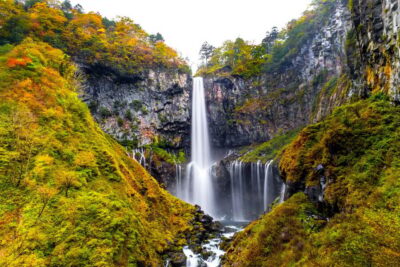
Nikko Toshogu Shrine and Kegon Waterfall Tour
Read our review →
Tokyo Panoramic 1 Day: Meiji Shrine, Asakusa, Odaiba and SKYTREE®
Read our review →Browse the lists this tour appears in