
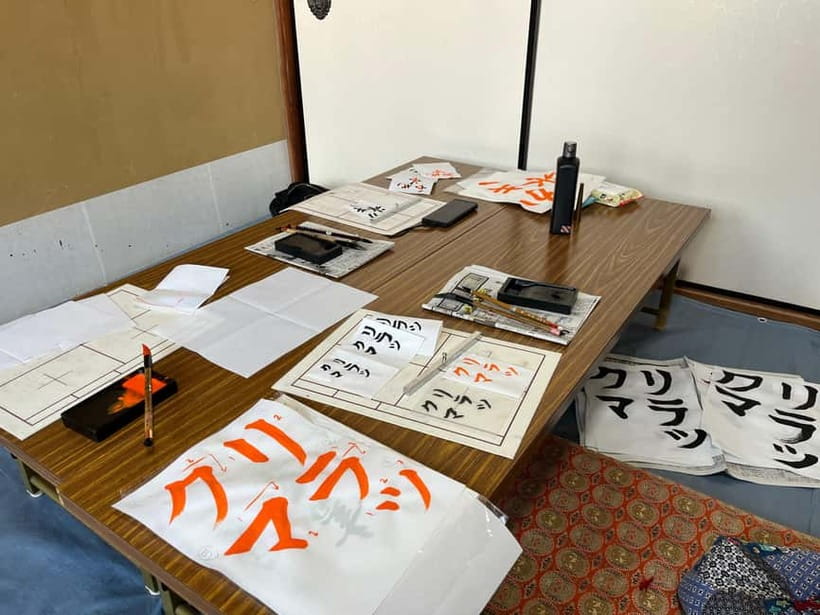
Reviewed · CALLIGRAPHY CLASSES
Kyoto: Calligraphy class at Buddhist temple in city center
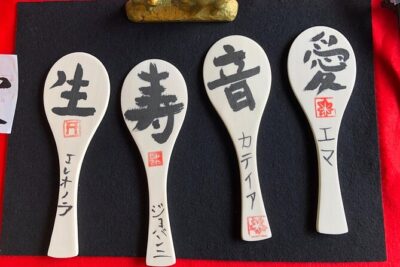
Kyoto calligraphy at a Buddhist temple is one of those activities that feels simple on paper, then unexpectedly powerful up close. You pick a word or kanji, learn the tools, and write it yourself in a traditional shodo setting, with Jose and Saskia helping keep everything smooth. And yes, you’ll leave with your own omiyage to display.
I especially like that it is hands-on from the first minute. You practice basic lines, then build toward your final piece on a shikishi square card, and you also get a small key-chain made from your chosen character. A realistic consideration, though, is the seating: most of the workshop happens on the tatami floor, with zabuton pillows and only limited desk space, so plan for a bit of leg strain.
Key Highlights Worth Planning Around
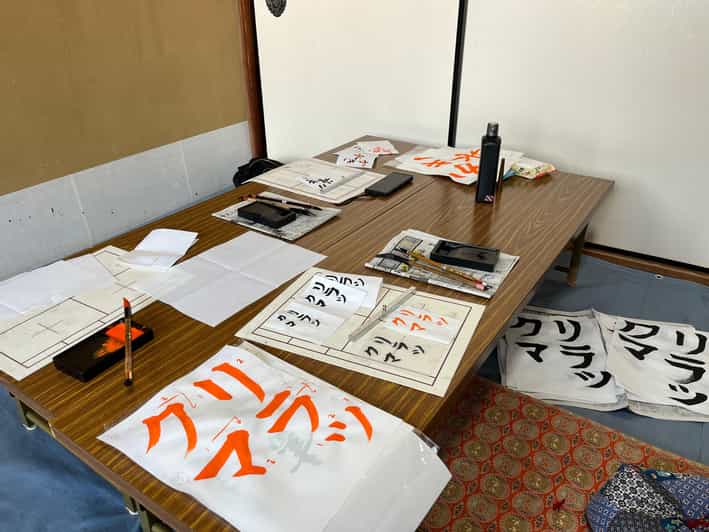
- City-center temple setting (Seigan-ji area): you meet right at the temple entrance area, not at some distant workshop studio.
- Small group size up to 6: you get more room for questions and personal corrections while you practice.
- A full mini-lesson, not just one character: basic strokes first, then your chosen kanji in the same session.
- Tatami room format: floor seating with zabuton pillows, plus limited desks, shapes how relaxed (or stiff) the class feels.
- Take-home keepsakes: your completed shikishi artwork plus a key-chain featuring your chosen character.
- Multiple languages supported: English, Spanish, Japanese, and Dutch, depending on the session.
Finding Seigan-ji and Getting Oriented Fast
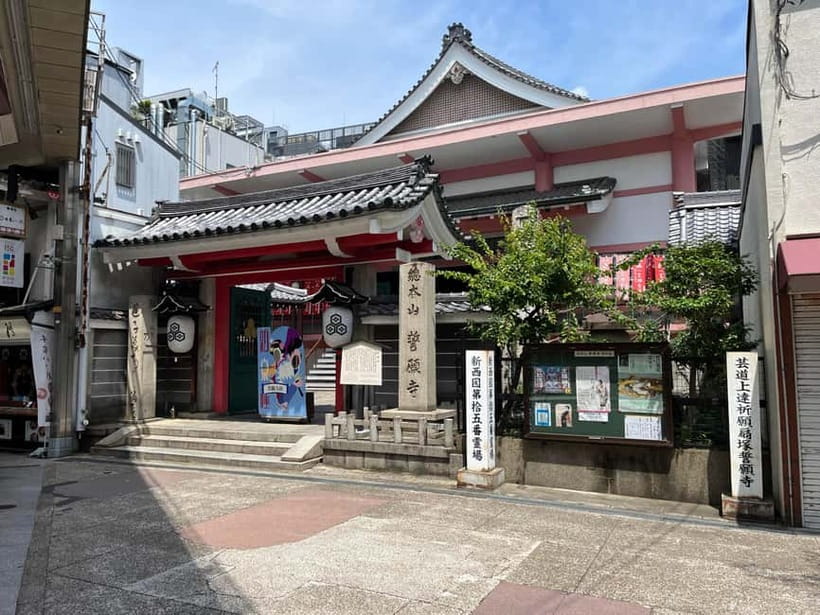
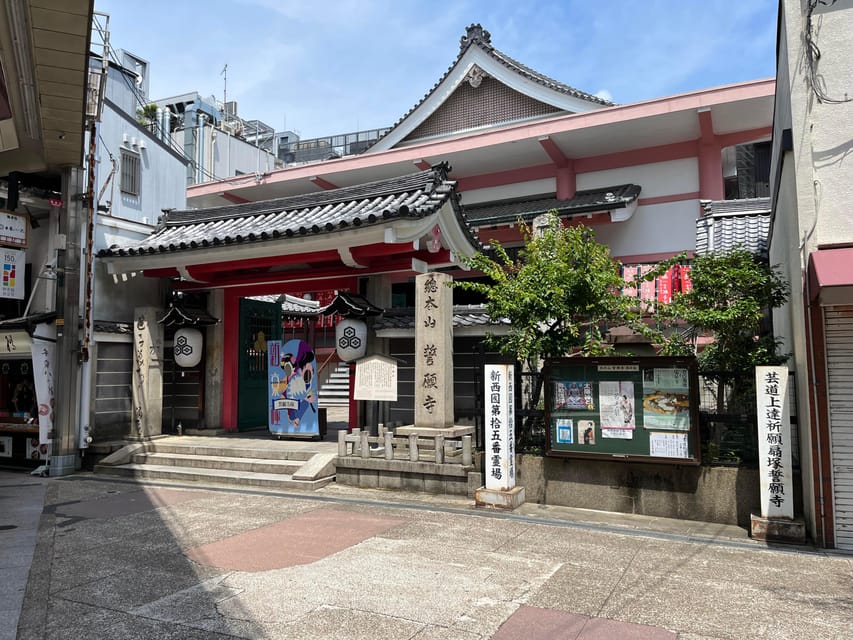
This class starts at the temple grounds in the city center, at Seigan-ji in the Shinkyogoku shopping street area. Your meeting point is in front of the temple, look for the person holding a red lantern on a stick under the roofed street.
Two practical rules make the experience go smoother. First, do not go up the stairs to enter the temple on your own. Second, do not ask monks or temple staff to confirm if you are in the right place. Just wait at the front, and someone from the team will bring your group in when it is time.
If you are the type who likes to arrive early and take photos, do it from ground level and keep it low-key. The workshop runs in a temple space, and you will be moving quietly once the class begins.
More Calligraphy Classes in Kyoto
- Kyoto: Japanese Calligraphy Class
★ 4.8 · 89 reviews - Kyoto: Japanese Calligraphy Workshop
★ 4.7 · 84 reviews - Japanese Calligraphy – Shodo – Lesson (near Kyoto Station)
★ 5.0 · 36 reviews
Tatami Seating, Washitsu Calm, and What the Room Means for You
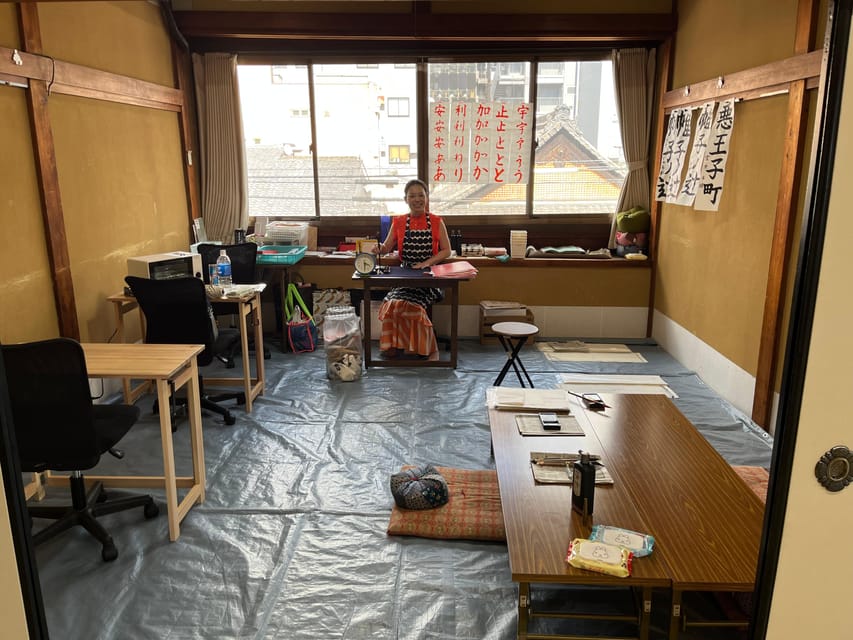
The workshop happens in a washitsu room with tatami flooring. Most seating is on the floor with a zabuton (a floor cushion), and there are some desks available, but they are limited.
This matters more than you might think. If you have knee issues, tight hips, or you expect to sit cross-legged for a full 70 minutes, plan ahead. A small amount of discomfort is normal here, since you will be focused on writing posture and brush control.
On the atmosphere side, it is not a total silent retreat. It stays fairly quiet because everyone concentrates on making neat strokes. Expect a calm, respectful vibe, plus some helpful talk between the teacher and the translators.
Also note the foot rules: bare feet are not allowed. So keep your footwear plan simple and follow what the host suggests when you arrive.
The Workshop Flow: From Tools to Your Final Shikishi Piece
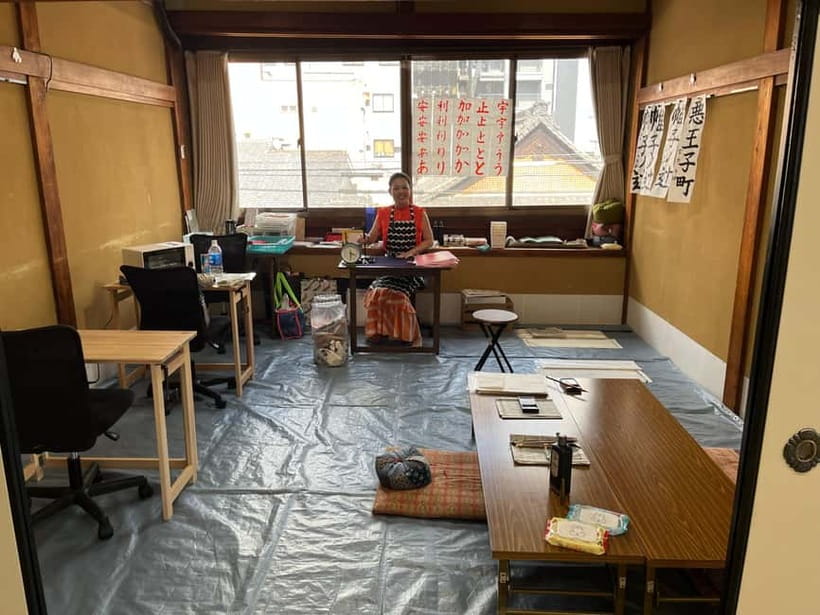
The structure of the class is one of the reasons it feels complete, not rushed. You get guided step-by-step, and you do not just copy a finished sample.
Here is what the flow looks like in practice, in the order you will do it:
1) Meet the teacher and translators
You will be introduced to the teacher and the translator(s). The teacher does the calligraphy instruction, while the translators help you understand technique and the plan for the session. Jose has shown up as a guide in multiple sessions, and Saskia has also been involved, which helps because the human side matters when you are doing something new.
More Temple & Shrine Tours in Kyoto
- Kyoto: Fushimi Inari, Kinkakuji, Bamboo Grove 1 Day Bus Tour
★ 4.8 · 4,316 reviews - Kyoto: Tea Ceremony Ju-An at Jotokuji Temple
★ 4.9 · 3,207 reviews - Osaka/Kyoto:Kinkakuji,Arashiyama,FushimiInariShrine,NaraPark
★ 4.1 · 1,596 reviews - Arashiyama Bamboo, Temple, Monkeys, or Secret Sake Brewery
★ 4.8 · 886 reviews
2) Choose your word or kanji
Before you start writing, you choose what you want to create. You can pick from examples, but it is better if you come with a few ideas in mind. If you already have your chosen kanji ready, you spend less time debating, and more time practicing strokes.
3) Learn the tools and how to handle ink and brush
You get a tool walkthrough that covers the basics you need to write confidently. The included materials include washi, brush, ink, bunchi, and shitakami, so you do not have to shop or bring anything.
Even if you consider yourself un-artistic, this step helps. Calligraphy is not just writing. It is pressure, timing, and direction.
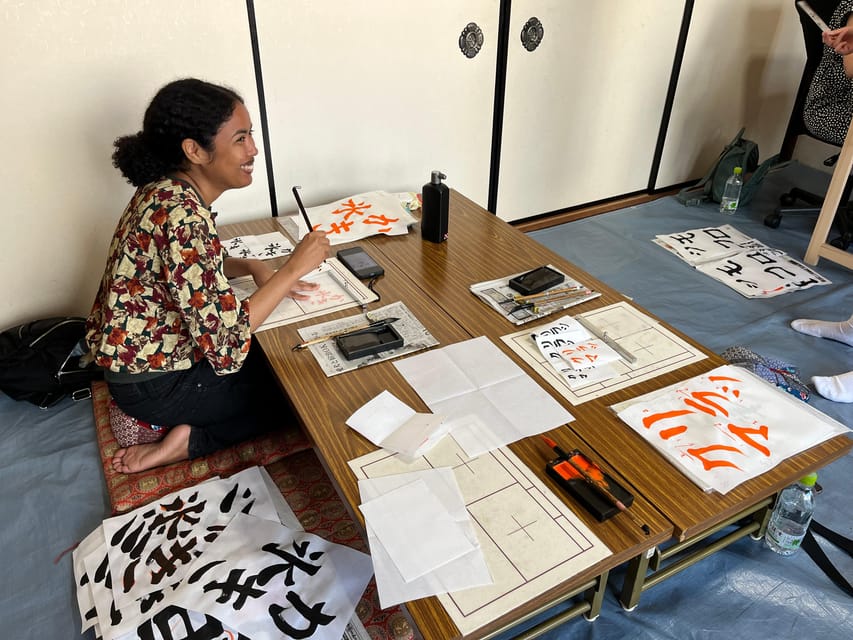
4) Practice basic lines first
You start with basic strokes and control drills. This is where the class pays off. Your final character looks better when your early lines are steady, and the teacher will keep you practicing at the right pace.
A quick reality check: if you push too long, your arm gets tired and the last strokes can suffer. The goal is clean, controlled writing, not maximum endurance.
5) Practice your selected character or kanji
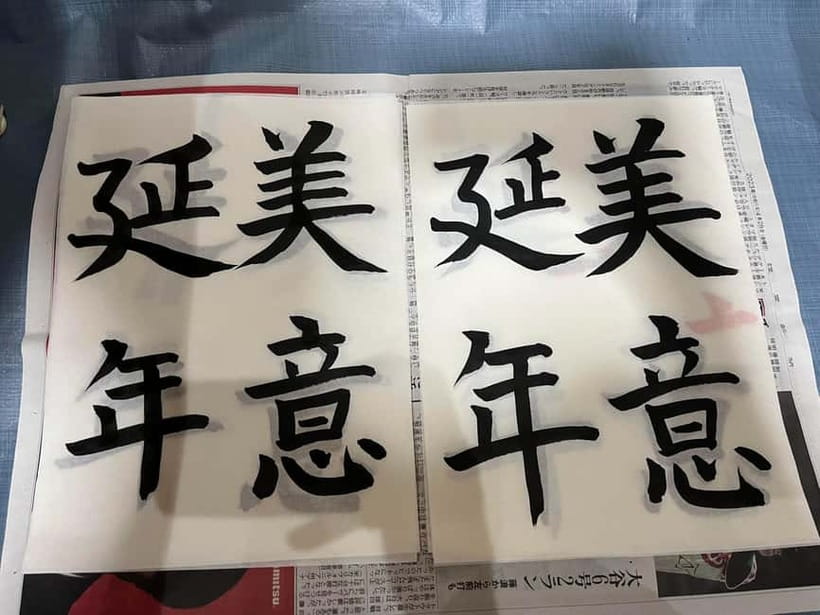
Once you understand the basic movement, you practice your chosen character or kanji. You will focus on structure and stroke order, plus how each line should look in the final balance of the piece.
6) Create your completed artwork on shikishi
Your finished work goes onto a shikishi, the special square cardboard used for display. This is the moment when it clicks, because you are no longer practicing strokes in the abstract.
7) Take it home
After you complete your artwork, you take it home. The workshop also includes a self-made souvenir, and you receive a key-chain made from your chosen character.
If you like tangible travel memories, this is one of the best categories. It is not a mass souvenir, and it is not something you will forget in a drawer.
What Makes the Calligraphy Lesson Valuable in Real Terms
You might think calligraphy is only about beauty. Yes, it is visually striking. But what you are really learning is how Japanese culture treats small details as meaningful.
In Japan, calligraphy is incorporated into education, so the “why” behind stroke choice and structure is part of everyday learning, not just an art hobby. In this class, you get a first-hand window into that way of thinking.
You also learn to slow down. The writing itself forces you to pay attention to each movement. That is why people often find it calming, even when the brush feels tricky at first.
And you get a cultural bridge that is different from just watching something. Instead of observing, you write. Instead of leaving with a photo, you leave with an object that looks different every time.
Language Support and How the Small Group Works
This is a small group workshop, limited to 6 participants. That size is big enough that it feels social, but small enough that you can get corrections instead of general tips.
Instruction can be in English, Spanish, Japanese, or Dutch, depending on your session. Translators handle the communication so you can focus on technique rather than decoding every sentence.
If you are nervous about language, you can relax. The teacher’s guidance is paired with translation, and the process is structured so you can follow even if you start out knowing very little.
There is also time for questions, and the pacing is built around practical practice, not performance. It feels more like learning with support than watching an event.
Price and Value: What $55 Actually Buys You
At $55 per person for about 70 minutes, this is not a bargain in the sense of being cheap. But it is good value in a very specific way: you pay for materials, instruction, and the finished take-home piece.
You receive the tools and supplies needed for the workshop, and you also leave with a shikishi artwork plus a character key-chain. That means you are buying a complete activity with a real output, not just a short taste.
Also, the location matters. Doing this inside a temple setting in the city center gives you a stronger sense of place than a standard art studio class. You still get practical instruction, but the atmosphere turns it into something you will remember.
Practical Tips Before You Go (So Your Final Piece Looks Better)
These are the details that improve your experience fast.
First, think ahead about your word or kanji. If you have a few options in mind, the choosing step will be quick. If you arrive with nothing, you can still choose from examples, but you might spend more time deciding and less time practicing.
Second, expect the session to be physical in a light way. Your forearm will work. If you know you tire easily, pace yourself during practice, stop before you get shaky, and trust the teacher’s guidance on what to aim for.
Third, plan for floor seating. The workshop is in a tatami washitsu with zabuton cushions. Wear clothing that lets you sit comfortably and move your legs if you need to adjust posture.
Fourth, note the rules: smoking and vaping are not allowed. Alcohol and drugs are not allowed. And bare feet are not allowed. It is a temple environment, so keep everything respectful and simple.
Finally, you will not be served food or drinks. You can buy drinks from vending machines outside the temple, so plan a quick water stop if you need one.
Who Should Book This Kyoto Calligraphy Class?
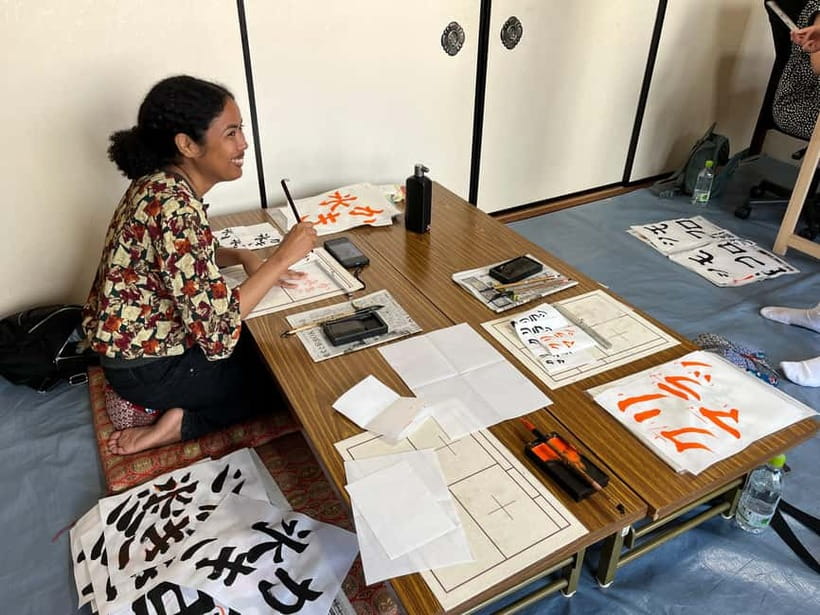
I think this class is perfect if you want a hands-on cultural activity that is actually productive. You come away with a finished artwork that looks like something you made, not a souvenir that looks like something you bought.
It also fits couples and solo travelers who like calm experiences with a clear structure. With a small group size, it is a comfortable setting even if you are not chatty.
It is also a good match if you want a break from walking all day. Sitting with tools, practicing strokes, and focusing on one character is a nice reset.
That said, consider your body and comfort level. The tatami floor seating is not ideal if you expect to avoid any leg strain. Also, the activity is not suitable for visually impaired people, and it has age limits (not for children under 2, under 3, under 4, and under 5, plus babies under 1 year). If that applies to you, skip it for something better suited.
Should You Book It?
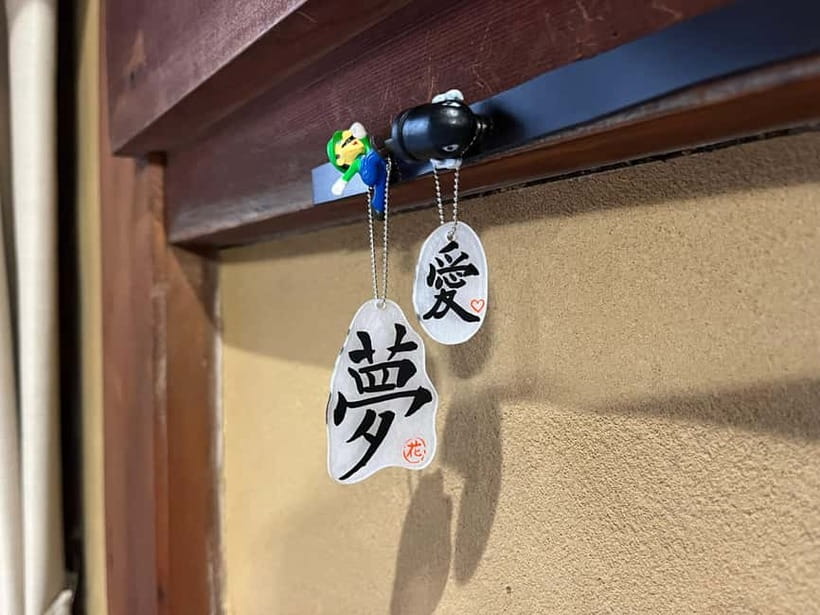
Yes, if you want a Kyoto memory you can display and a skill you can talk about later. The strongest parts are the temple setting, the step-by-step structure, and the fact that you take home your own shikishi piece plus a character key-chain.
Book it especially if you enjoy quiet focus and you do not mind doing something slightly challenging. Calligraphy looks easy until you try controlling the brush, and that learning moment is exactly the point.
If you hate sitting on the floor for about an hour, or if you need a fully desk-based experience, think twice. Otherwise, this is one of the most satisfying use-of-time activities I can recommend in central Kyoto for anyone who wants something authentic, practical, and genuinely personal.
FAQ
How long is the Kyoto calligraphy class?
The class lasts about 70 minutes.
Where is the meeting point for the workshop?
Meet in front of Seigan-ji Temple in the Shinkyogoku shopping street. Look for the person holding a red lantern on a stick under the roofed street.
What do I make during the class?
You choose a word or kanji, practice strokes, and complete your artwork on a shikishi. You also receive a souvenir key-chain made with your chosen character.
What’s included in the price?
Included materials cover the tools and supplies for the workshop, including wash i, brush, ink, bunchi, and shitakami, plus explanations, practice guidance, and help choosing kanji examples.
Do I need to bring my own word or kanji?
You can pick from examples, but it is better if you come prepared with a few ideas so you can decide faster.
Is food or drinks provided?
No food or drinks are served. You can buy drinks in vending machines outside the temple.
What languages are available?
The instructor and support are offered in English, Spanish, Japanese, and Dutch.
Is the workshop wheelchair accessible?
Yes, the activity is listed as wheelchair accessible.
Is this class suitable for young children?
No. It is not suitable for children under 2, under 3, under 4, and under 5, and it also notes babies under 1 year.
Latest write-ups near Kyoto
- Kyoto Tea Ceremony and Samurai Photo Session★ 5.0 · 70 reviews
- Kyoto: Replica food making experience★ 4.8 · 70 reviews
- Kyoto: Kinkakuji, Golden Pavilion Guided Tour★ 4.7 · 71 reviews
- Private departure transfer from Kyoto city to Kansai International airport★ 5.0 · 72 reviews
- Uji: Green Tea Tour with Byodoin and Koshoji Temple Visits★ 4.8 · 72 reviews
- Kyoto: Geisha Dinner & Gion Cultural Walk★ 5.0 · 73 reviews
- Kimono and Yukata Experience in Kyoto★ 4.5 · 73 reviews
- Kyoto: Toei Kyoto Studio Park Admission Ticket★ 4.1 · 73 reviews
Calligraphy Classes, compared.
Let’s experience calligraphy in YANAKA, Taito-ku, TOKYO !!
Read our review →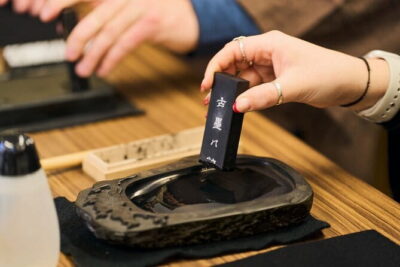
Calligraphy Workshop & Original T-Shirt Creation
Read our review →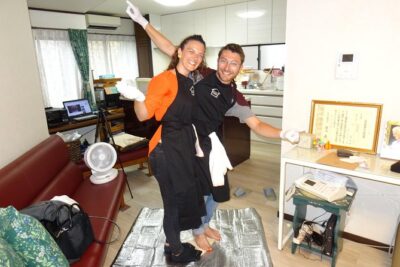
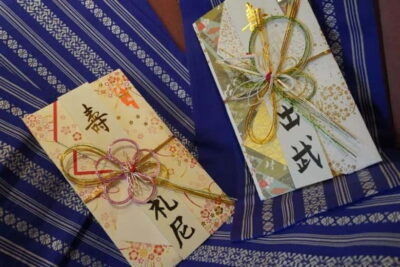
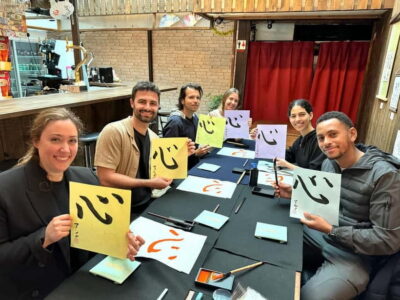
An Amazing set of Cultural experience: Kimono, Tea Ceremony and Calligraphy
Read our review →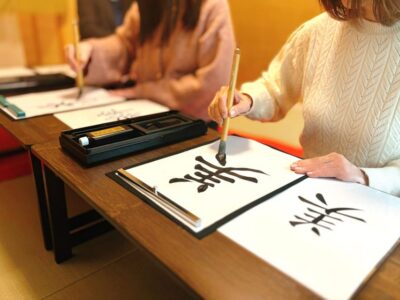
Browse the lists this tour appears in