Reviewed · TOKYO TOURS
Hop-On Hop-Off Tokyo Bus by Skyhop Bus
Tokyo’s big sights can feel like a puzzle when you land with limited time, tired feet, and no patience for transfers. This Hop-On Hop-Off Tokyo Bus by Skyhop Bus is built for an easy win: sit up high on a double-decker open-top ride, then hop off where you want, hop back on when you’re done.
Two things I like in the ticket’s setup are the multiple route options (so you can build a day around your interests) and the included WiFi on board to keep your maps and planning handy. You also get a poncho or raincoat during rainy season, which matters in a city where weather can change fast.
One drawback to consider is that the service experience can be uneven, especially around audio and on-the-ground help. A few riders reported problems like garbled or missing audio, late buses, or staff that were not helpful, so it pays to have a calm, flexible attitude.
Key things to know before you ride
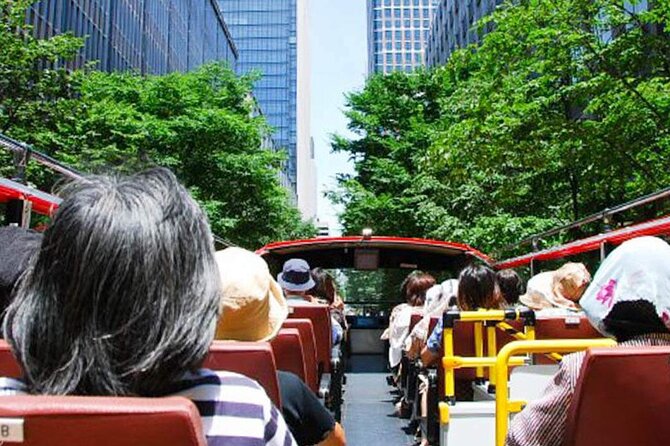
- Open-top views from a double-decker make skyline moments easier without constantly hunting for the best photo angle
- Hop on and hop off across routes so you can swap priorities, like history one minute and shopping the next
- WiFi on board helps you check train alternatives if a stop feels inconvenient
- Audio commentary can be inconsistent, so consider bringing your own earbuds just in case the onboard system acts up
- Some stops require walking, with drop-offs that can be less direct than you expect
Why the open-top SkyHop bus is a smart first-day play in Tokyo
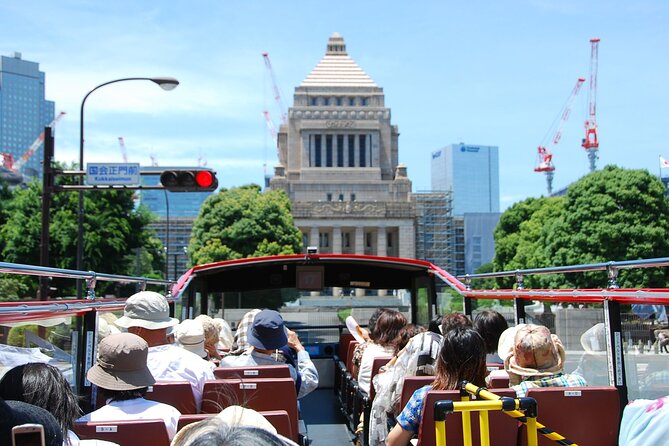
If this is your first trip to Tokyo, you need two things fast: a sense of scale and a simple way to cover far-apart areas. This bus does that. You get the big city overview from an open-top, double-decker seat, then you control how long you stay at each area instead of buying a tight, timed tour.
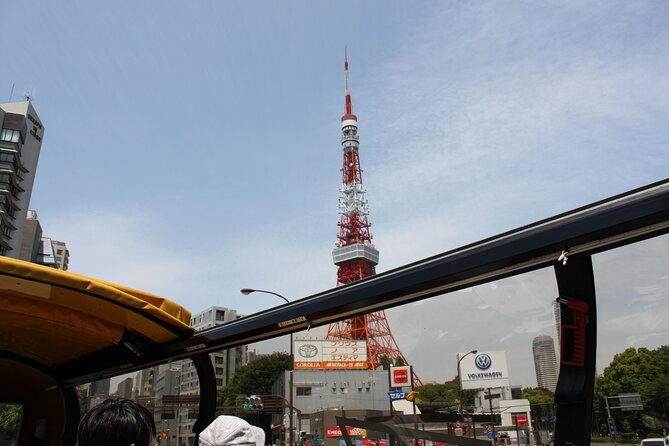
I especially like how the stops are spread across Tokyo’s most recognizable zones. You’re not just passing famous landmarks. You’re getting placed near them, like Tokyo Tower and Shibuya, then near the shopping and food streets people actually walk through every day.
The other practical win is that the bus is built for pacing yourself. If you want temples in the morning, department stores in the afternoon, and a skyline moment near sunset, you can mix and match without rebuilding your day from scratch.
Also on the shortlist for Tokyo:
- Mt Fuji and Hakone 1-Day Bus Tour Return by Bullet Train
★ 5.0 · 26,383 reviews - 1-Day Tokyo Bus Tour
★ 5.0 · 14,250 reviews - Tokyo: TOKYO SKYTREE® Admission ticket
★ 4.5 · 11,192 reviews
How the sightseeing loops fit together (and what to prioritize)
This service runs routes that touch different parts of central Tokyo. Instead of thinking of it as one line, I’d think of it as three themed loops you can stitch together based on what you want most.
The Tokyo Tower and Ginza angle
This loop focuses on iconic viewpoints and the classic central-city experience. Expect stops tied to Tokyo Tower, nearby temple area access, and the Ginza business and shopping zone.
The Asakusa, Ueno, Akihabara, and Skytree area
This one is best if you want Tokyo’s contrasts in a single day: old streets around Asakusa, museum and park energy in Ueno, electric-town shopping in Akihabara, and then the modern Skytree area.
A change of pace from Tokyo:
- Tokyo: teamLab Planets TOKYO Digital Art Museum Entry Ticket
★ 4.6 · 9,779 reviews - Mt Fuji & Hakone Cruise, Drum Show Bullet Train 1 Day from Tokyo
★ 4.0 · 7,413 reviews - Tokyo: Sumo Show Experience with Chicken Hot Pot and a Photo
★ 4.8 · 6,678 reviews - Tokyo: Shinjuku Food Tour (13 Dishes at 4 Local Eateries)
★ 5.0 · 6,603 reviews
The Shinjuku and Shibuya angle
If your goal is modern Tokyo landmarks and major rail hubs, this loop gives you quick access to Shinjuku Gyoen National Garden area, JR Shinjuku, and the Shibuya side, including a city hall branch stop near the Shibuya area.
A good strategy: pick one loop as your anchor, then use the other loop(s) only if your legs and time still work. That keeps you from spending your day hopping on and off instead of doing what you came for.
Stop-by-stop highlights: Tokyo Tower, Zojo-ji, Fuji TV, and Ginza
This route brings you to some of the most photo-friendly parts of Tokyo, plus a few places that help you understand the city’s layers.
Tokyo Tower
This is the obvious anchor stop. When you get close, Tokyo Tower stops being just an image on the internet and turns into a real landmark you can frame from different angles. Even if you do not plan to go all the way up, it’s a great starting point for understanding the geography of central Tokyo.
A practical tip: if you’re aiming for cooler light for photos, time your tower stop around late afternoon. You’ll get the skyline look without the harshest brightness.
Tokyo Prince Hotel, Zojo-ji Temple area
Zojo-ji is one of those places where Tokyo slows down a bit. This stop places you near the temple area so you can add a bit of traditional Tokyo flavor after the modern tower setting.
The trade-off is that you might walk more than you expect depending on your exact exit and the flow of foot traffic. Build in a little buffer.
Fuji Television Network, Inc.
This stop works if you like seeing Tokyo’s media and pop-culture footprint in real life. Even if you are not going inside anywhere, the area gives you a sense of where modern Japan brands put down roots.
If your priorities are temples and shopping only, you might use this as a transit stop, not a long hangout.
Tokyo Teleport Station
This one is interesting because it signals the bus is not just focused on the most traditional tourist circuit. The stop name alone hints at a more futuristic Tokyo feel, and it can be a useful pivot if you’re trying to map the city’s “old to new” progression.
Expect less of a classic landmark vibe here and more of an access point vibe.
Ginza Capital Hotel Akane
Ginza is a name you will recognize instantly. The stop helps you connect to the shopping and upscale dining district style Ginza is known for.
Why it’s worth the stop: even if you do not shop, Ginza gives you a different Tokyo rhythm than Asakusa or Akihabara. You can take a coffee break, do some window shopping, and reset before your next area.
Stop-by-stop highlights: Skytree Station, Asakusa streets, Ueno parks, and Akihabara shopping
This loop is where Tokyo really flexes. You get traditional sightseeing, big-city museums and markets nearby, and then you shift gears to Akihabara’s tech and character culture energy.
Kodemmacho Station
This is a transit-type stop that can be handy when you want to reposition quickly. Kodemmacho also places you on the edge of the broader old-meets-new Tokyo grid, so it’s useful for weaving your day without losing time.
If you do not plan to do much here, use it like a waypoint and move on fast.
Ryogoku Edo-Tokyo Museum area
If you like Tokyo history themes, this stop sets you up for a museum visit or a longer look around the Ryogoku area. It’s a good bridge between the city’s modern form and its older identity.
The only drawback to plan for: museums and indoor stops can eat time if you start browsing, so decide in advance how long you want to spend.
Tokyo Skytree Station
Skytree is one of those landmarks that changes your sense of scale. From street level, you can understand how massive it feels in the skyline.
This stop is useful even if you only want photos. Skytree works as a modern endpoint for a day that started with temples and old neighborhoods.
Asakusa-Hanakawado, and Asakusa-Kotobukicho
These two stops are the classic Asakusa setup. You’re in the area where you can explore old-street Tokyo, snack your way through side streets, and see temple-area energy without rushing a guided schedule.
One consideration: Asakusa is an area where you may end up walking more than you think once you start turning down streets. If you’re short on time, pick one main target street and commit.
Ueno Station
Ueno is where Tokyo gives you both museums and a park-like atmosphere nearby. The stop is practical because Ueno Station is a major hub, so it’s easy to connect onward if you later decide you want a train instead of staying on the bus loop.
Ueno-Matsuzakaya (Ueno-Matsuzakaya Department Store)
This is a very “real Tokyo” stop: one of the big department store anchors. Even if you are not a big shopper, it can be a smart way to rest, use restrooms, or grab a quick meal under one roof.
It also gives you a break from walking while keeping you close to the Ueno sightseeing zone.
Akihabara (Suehirocho)
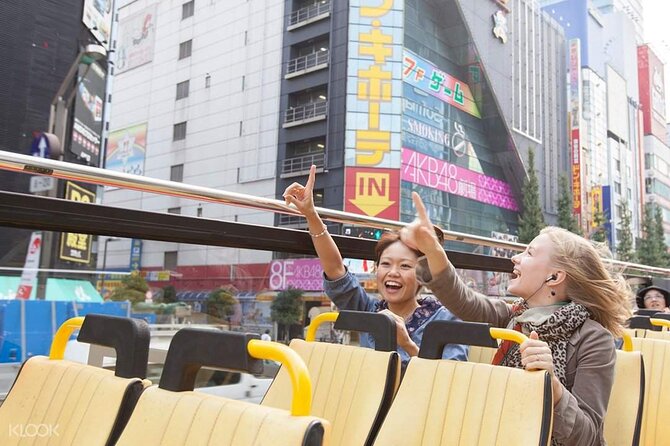
Akihabara is a must for many people, and this stop positions you for that shopping and browsing experience. It’s the kind of district where you can do a quick look or lose an hour without noticing.
Practical note: Akihabara can be intense with crowds and bright storefronts. If you’re easily overstimulated, treat it like a time-boxed stop rather than an all-day commitment.
Shin-Nihombashi Station
This stop is useful as a “connect and reset” point. It can help you shift back toward other central areas without feeling like you are going out of your way.
If you came for classic landmarks only, you might see this as optional. If you came to see Tokyo’s working-city layout, it makes more sense.
Stop-by-stop highlights: Shinjuku Gyoen, JR Shinjuku, Shibuya area access, and Tokyo Tower repeat
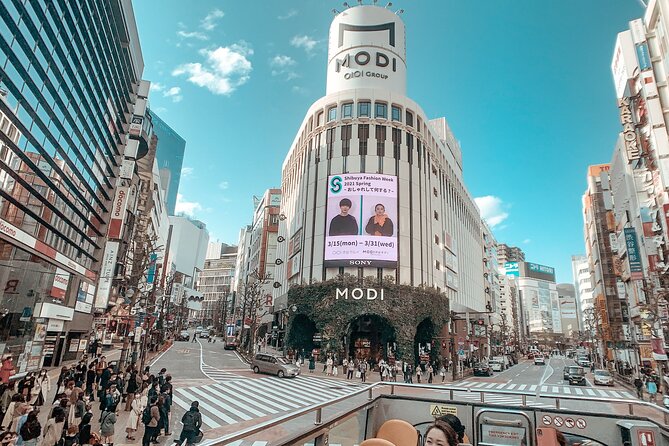
The final loop is about major districts and big city viewpoints. It’s a strong option if you want modern Tokyo landmarks plus an easy way to move across rail hubs.
Shinjuku Gyoen National Garden
This is the calming contrast. Even with only a short visit, the garden area can feel like a breather from the dense city streets.
The consideration: gardens and walking areas can eat up time because you’ll keep stopping to look. If you want this stop, decide how much time you can realistically spare.
JR Shinjuku Station Southeast Exit Plaza
Shinjuku Station is Tokyo’s “everything hub,” and this stop is about access. Use it when you want to connect to shopping streets, transit connections, or just reposition quickly.
Also, Shinjuku can be loud and busy. If you want a calmer day, do this area briefly and then move on.
Shinjuku Station West
This adds flexibility. If your next activity is closer to the west side streets, the bus makes it easier to align your direction without guessing as much.
Shibuya City Hall Hatsudai Branch
This stop helps you reach the Shibuya zone from a place you might use as a reference point. Shibuya is all about motion and people, so the best value here is using the bus to get you close, then walking the rest on your own.
Tokyo Tower (again)
Yes, Tokyo Tower appears on this loop too. That’s actually helpful. It means you can revisit if you skipped it earlier or if you want a second look after being in other districts first.
A simple planning move: do one Tokyo Tower appearance early for orientation, then do the second one later for photos when traffic and light conditions feel better.
Price and logistics: is the $48.99 ticket worth it?
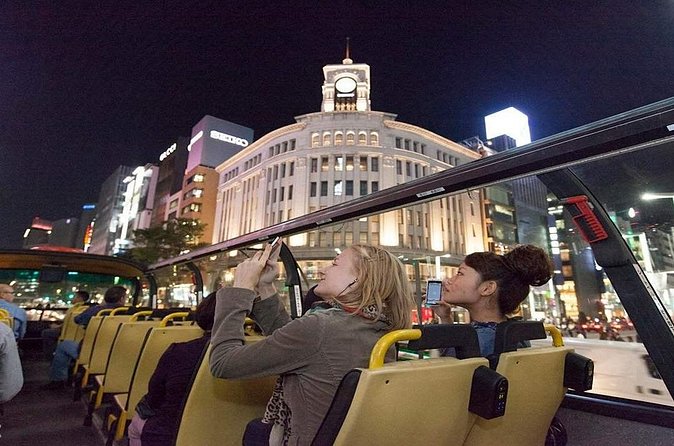
The listed price is $48.99 per person, and the tour time is about 1 hour 57 minutes per route circuit. The key value question is not whether a single ride lasts long, it’s how many times you can use the ticket to cover multiple areas.
Here’s what you get that matters for value:
- You have hop-on, hop-off freedom, so you can spend time where your interests are highest
- Your ticket can be used on all routes within the valid time
- It’s unlimited for 1 or 2 days, depending on what you choose
- WiFi on board is included, which helps you make smart turns in the moment
If you’re doing only one short day, the ride is still useful as a first-day orientation tool. But if you can stretch it into a second day, the math usually improves because you’re not paying for a single loop view, you’re paying for repeated flexibility.
The audio question you should take seriously
Some riders reported issues like garbled narration or missing audio on certain buses. If commentary is part of why you booked, treat it like a plus, not a guarantee.
A practical move: keep your own notes. When you get off at a stop, I suggest you look up the landmark with your phone before you walk away from the bus. That way, even if the bus audio is weak, you still get meaning from what you see.
Earbuds and the onboard system
One review mentioned getting earbuds because audio seemed like it was missing. That hints that the bus experience may use a personal listening setup. Bring earbuds you already use, just in case you want audio without hassle.
Walking expectations
A common practical theme is that drop-offs can be less direct than you would like. Don’t treat each stop as a front-door deliverer. Plan for some walking once you hop off, especially in dense districts.
Who this bus is best for (and who should skip it)
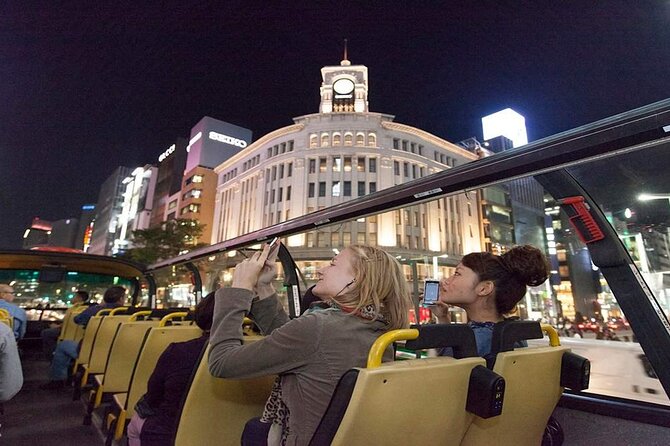
This works best if you:
- want an easy way to hit major Tokyo zones without planning every train step
- prefer freedom over strict schedules
- like skyline and landmark views from an open-top bus
- want a first-day orientation that you can build on with trains later
I would be more cautious if you:
- need constant, high-quality narration to enjoy a tour
- are very schedule-sensitive because some reports mention late buses and big gaps between services
- dislike crowd-heavy areas and expect every stop to be calm and simple
A simple way to decide: if you can handle flexibility, this is often a good value. If you want a perfectly controlled experience, a different type of guided tour might suit you better.
Should you book SkyHop Hop-On Hop-Off Tokyo Bus?
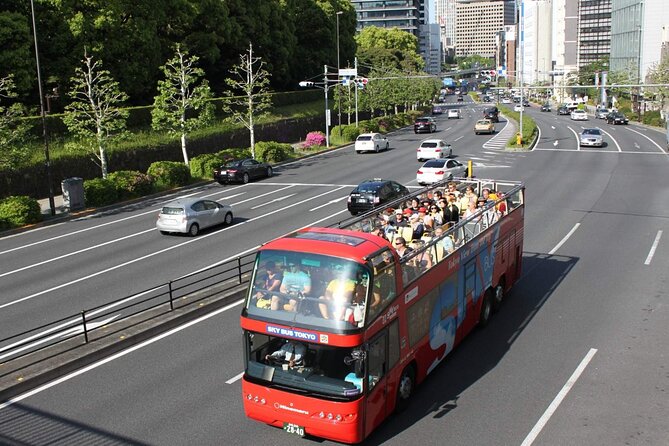
I think it’s worth booking if you want a low-stress way to see Tokyo’s major landmarks in a self-directed format. The route mix, the open-top views, the included WiFi, and the ability to use the ticket across routes within the valid time give you real control over your day.
I’d book it with one adjustment in mindset: treat audio as a bonus, not the backbone of the experience. If you’re prepared for walking and you keep a backup plan for finding your way, the bus becomes a practical tool, not a gamble.
If your travel style is all about comfort and predictability, shop alternatives too. But if you want maximum sightseeing options per day with minimal planning pain, this hop-on hop-off setup is a solid choice.
FAQ
How long is the Hop-On Hop-Off Tokyo Bus by Skyhop Bus?
The tour duration is listed as approximately 1 hour 57 minutes.
Does the ticket work on all routes?
Yes. The ticket can be used on all routes within the valid time.
Can I use the ticket for two days?
Yes. You can use the ticket for two consecutive days from the first day of use to the last bus of the next day.
Is WiFi included on the bus?
Yes. WiFi on board is included.
Is a raincoat included?
Yes, a poncho or raincoat is included during rainy season.
Where do I exchange my voucher for an actual ticket?
You can exchange your ticket at the Marunouchi ticket counter (Skybus Ticket Center on the 1st floor of Marunouchi Mitsubishi Building) or at any Sky Hop Bus stop. Show your voucher to staff and follow their guidance.
Can I get a ticket at the bus stop instead of the counter?
Yes. You can redeem your voucher for a ticket from the bus driver or staff at any bus stop along the route.
What if the service is canceled due to weather?
The experience requires good weather. If it’s canceled due to poor weather, you’ll be offered a different date or a full refund.
Is the booking refundable if I cancel?
No. The experience is non-refundable and cannot be changed for any reason.
Latest write-ups near Tokyo
- Tokyo Nights: Shibuya Photo Adventure★ 5.0 · 20 reviews
- Wagyu & Sake 8 Course Tasting Dinner in Shinjuku★ 4.9 · 20 reviews
- Making Japanese desserts Nerikiri & drinking matcha in Tokyo★ 5.0 · 20 reviews
- Mt. Fuji 5th Station, Owakudani Ropeway, Pirate Ship plus Outlet shopping!★ 4.5 · 20 reviews
- Japanese Whisky Hunting《HIGH-QUALITY-ONLY》Rare Tasting Class★ 5.0 · 20 reviews
- Kintsugi Experience with Arita Ware in Tokyo (English Guide)★ 4.8 · 20 reviews
- This is Asakusa! A Tour Includes the All Must-Sees!★ 5.0 · 20 reviews
- Tokyo: Karate Experience with Former All-Japan Champion★ 5.0 · 20 reviews
Tokyo Tours, compared.
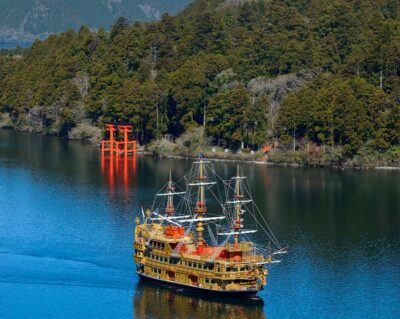
Mt Fuji and Hakone 1-Day Bus Tour Return by Bullet Train
Read our review →
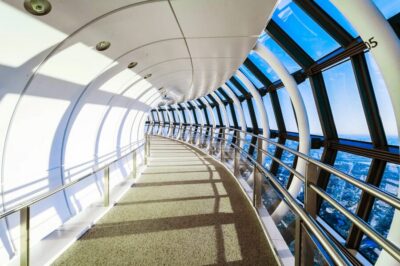

teamLab Planets TOKYO Digital Art Museum Entry Ticket
Read our review →
Mt Fuji & Hakone Cruise, Drum Show Bullet Train 1 Day from Tokyo
Read our review →
Sumo Show Experience with Chicken Hot Pot and a Photo
Read our review →
Shinjuku Food Tour (13 Dishes at 4 Local Eateries)
Read our review →