
Reviewed · NARA TOURS
All must-sees in 3 hours – Nara Park Classic Tour! From JR Nara!
Nara Park is one of those places where history and real life bump into each other, literally with deer wandering through the shrine grounds. This 3-hour classic tour keeps you moving at a good pace while your guide points out what to notice, from Shinto and Buddhism to the best picture angles. I like that it starts easy at JR Nara Station, and I also like that it includes the one ticket most visitors actually need: Todai-ji Great Buddha Hall.
The main drawback is simple: this is a group walk with punctual start rules. If you arrive late, you cannot join, and the route includes steps and gravel paths, so good shoes matter.
Key things I’d plan around
- Max 15 people, not private: small group feel, but you still move with the group pace.
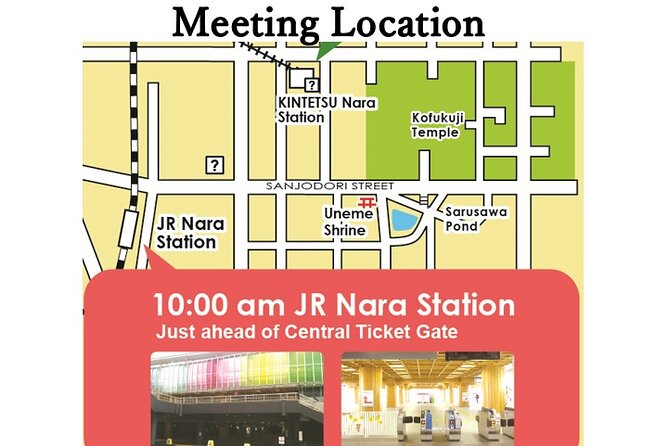
- JR Nara only meeting point: the tour starts at JR Nara, even if you arrive via Kintetsu Nara.
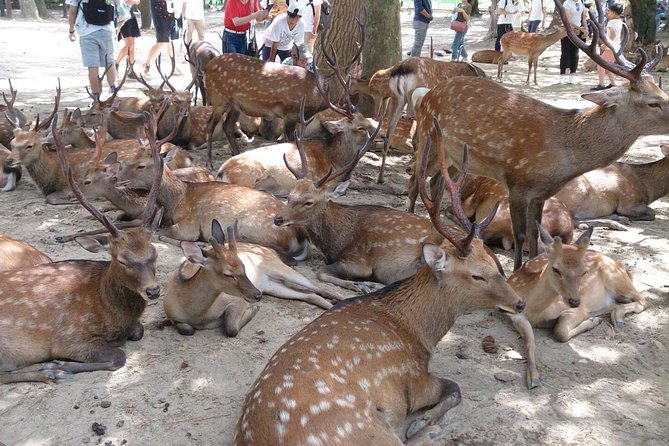
- Kasuga Grand Shrine deer stop: you’ll get the why behind the deer, not just deer selfies.
- Todai-ji Great Buddha Hall ticket included: a focused visit that ends with a standout photo moment.
- Nara Park time plus smart navigation: your guide helps you spend the 3 hours where they count.
- Ends at Kofuku-ji, then you go explore: you’ll leave with direction for trains and lunch.
Entering Nara Park on a tight, 3-hour game plan
This tour is built for people with limited time but big Nara expectations. In about three hours, you get the classic anchors: Kasuga Grand Shrine, Todai-ji, and the Nara Park area, then you end at Kofuku-ji with that famous five-storied pagoda view. The big win is that you are not trying to puzzle out which gates to enter, what to read on signs, and when the crowds spike.
Most of the “value” here comes from translation plus context. You’ll hear history and cultural meaning as you walk, and the guide keeps you from staring down at your phone every ten seconds. Names I’ve seen associated with this tour include Mayumi, Nobuko, Seiko, Reiko, Setsuko, and Motoko, and the recurring theme is the same: the guide links what you see to how people in Japan understand religion, ritual, and daily life around sacred spaces.
One more practical point: the tour usually finishes around 1 pm, so you’re not trapped in a full-day plan. You can keep exploring on your own afterward, which is ideal if you want to add a museum, a shopping street, or a second temple visit without feeling rushed.
Also on the shortlist for Nara:
- World Heritage Kyoto & Nara Uji Authentic Matcha Experience
★ 5.0 · 1,573 reviews - Nara Half Day Trip Walking Tour (Private Option Available)
★ 5.0 · 937 reviews - Nara Early Morning Tour (Kyoto or Osaka Departure Available)
★ 5.0 · 676 reviews
Meeting at JR Nara Station with a white NaraWalk flag
The meeting point is JR Nara Station, right in front of the ticket gates area. The guide is easy to spot, carrying a white NaraWalk flag. It’s straightforward, but it leaves very little room for “I’ll get there late.”
That matters because the tour is punctual. As a group tour, the guide does not wait for late arrivals. If you show up late, you cannot join. So I’d treat the meeting time like you would a Shinkansen departure: arrive early, then relax.
Also, check which station route you’re using. If you’re coming into Kintetsu Nara Station, you still need to come over to JR Nara Station. This tour cannot meet you at Kintetsu, since the group starts from JR Nara and uses a bus to reach the Nara Park area.
The tour also uses a mobile ticket, which is convenient. You still want to make sure your phone battery is healthy and your ticket confirmation is accessible before you stand in a busy station.
Kasuga Grand Shrine: deer, rituals, and the Shinto vs Buddhism lesson
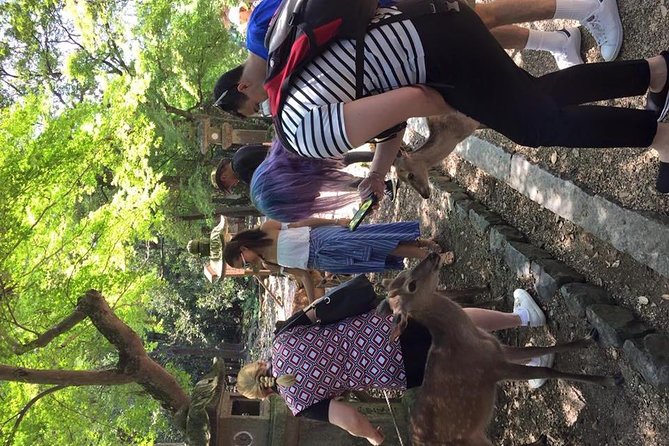
Kasuga Grand Shrine is the “wow” start for many people, because you can often spot deer right away around the precinct. The guide typically talks about why deer are allowed to roam freely in this area and what that says about how reverence works here.
You’ll also get a quick education on the religious framework behind what you’re seeing. One of the most helpful parts of this stop is that the guide explains the difference between Shinto and Buddhism in plain language while you’re standing in the right place to connect the idea to real scenery. It makes the rest of the tour click, since you stop treating temples and shrines like disconnected stops on a list.
Timing here is about 30 minutes. That’s long enough to stroll the precinct, take photos, and notice details without turning it into a slow crawl. The practical reality is that Kasuga gets busy, and your guide’s job is to keep you moving while still pointing out things worth seeing.
Also, keep your expectations realistic about the deer. They are part of the atmosphere, not props. One tip that comes up in the experience feedback is to watch out for the male deer, since they can get frisky if they feel threatened. If you want deer feeding photos, be ready to be cautious even when everyone else looks relaxed.
Todai-ji Great Buddha Hall: the ticketed highlight and a classic health ritual
Todai-ji is the anchor stop, and the tour includes admission to the Great Buddha Hall, the one paid feature on the itinerary. Expect about 40 minutes here. This is where your guide’s storytelling really helps. Instead of just pointing at the statue, the guide shares stories behind the Big Buddha and the temple, giving you context for why this hall matters.
You also get a proper picture spot. The hall and statue create that “I can’t believe this is real” reaction, but it helps to know where to stand for angles and how to manage the crowd flow.
A fun, specific tradition worth knowing while you’re here: one guide-led suggestion that shows up in experience feedback is squeezing through the pillar hole near the hall, described as 37 cm by 30 cm by 110 cm, as a health and protection ritual. It’s not mandatory, but it’s the kind of small local practice that turns a photo stop into a personal memory.
Practical note: this stop is indoor, but you will still do plenty of walking overall. If you’re traveling in hot weather, plan to hydrate during transitions. Some guides are careful about keeping people comfortable, and you may hear reminders about moving at a steady pace.
A change of pace from Nara:
- Osaka: Nara and Uji Day Trip with Deer Park and Hot Spring
★ 4.4 · 302 reviews - Kyoto/Osaka: Kinkakuji, Bamboo Forest, and Nara Deer Park
★ 4.4 · 265 reviews - Nara 6hr Private Tour with Government-Licensed Guide
★ 5.0 · 219 reviews - E-Bike Nara Highlights – Todaiji, Knives, Deer, Shrine
★ 4.8 · 186 reviews
Nara Park walking time: more than deer photos
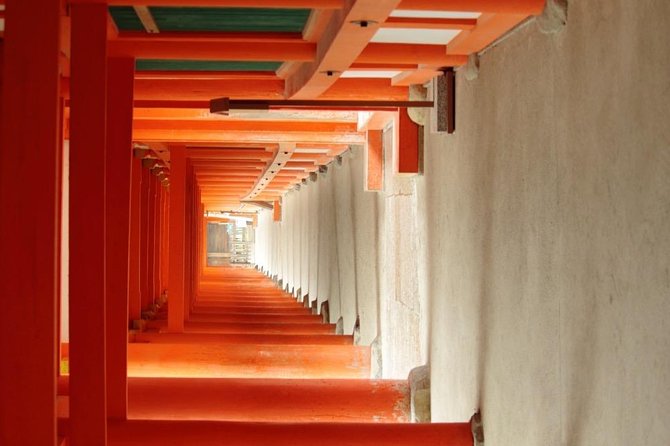
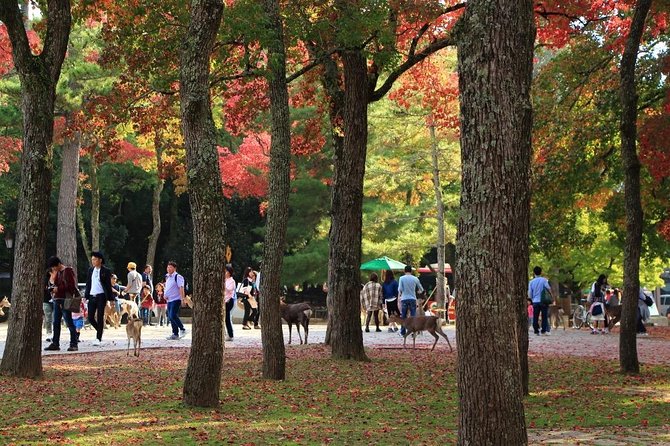
After Todai-ji, the tour moves into the broader Nara Park area for about 30 minutes. This is the “between landmarks” stretch where the guide helps you connect the dots: Todaiji, Kasuga Taisha, and Kofukuji are all part of the wider Nara Park zone, so you see how the sacred sites sit together in one landscape.
This is also the time when deer show up repeatedly, not only at one controlled location. They can appear near paths and even move into shopping areas around the park perimeter. That’s part of the charm, and it’s also why your guide’s deer advice is useful. Feeding and close-up photos are popular, but keep your space and stay alert, especially around larger males with antlers.
Your guide may add extra small spots within the Nara Park area depending on the season and the group’s speed. That is a smart feature because it means you are not locked into a rigid script if the timing works out well.
What you’ll appreciate here is that the tour does not treat Nara Park like a checklist. The guide is helping you look up and around, noticing religious details, architecture, and the way people actually behave in these spaces. It’s a small shift, but it makes Nara feel less like a theme park and more like a living place.
Kofuku-ji pagoda and an ending that sets up your afternoon
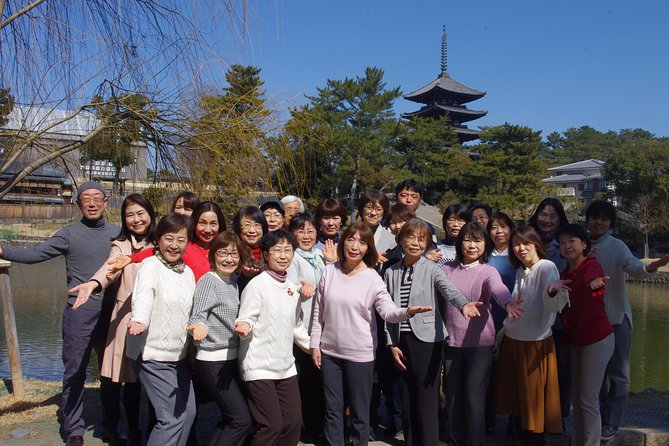
The tour usually ends at Kofuku-ji Temple after about 20 minutes. The main draw is the five-storied pagoda, which looks great in photos from multiple angles. The guide also shares history and significance, so you’re not just standing there trying to guess what you’re looking at.
This is a good ending point for a second reason too: you get practical help to keep the rest of your day smooth. Your guide will point you toward train stations and share ideas for what to do next, including lunch plans.
If you want a simple self-guided plan after the tour, this ending helps. You’ve already covered the “must-see” anchors, so you can choose what you want next based on your interests and energy level.
Also, because the group is small, the guide has a better chance to help individuals. I’ve seen feedback that some guides handle practical needs well, including photo assistance for solo travelers and care when weather changes. Reiko is one example that came up, where an umbrella was provided at the start when rain hit.
Price and value: is $42.94 a good deal for 3 hours?
At $42.94 per person, this tour is not the cheapest way to see Nara Park, but it is also not inflated for what you get. You are paying for three main things:
First, you get a guide to explain what you’re seeing. That’s the part that usually takes the longest to figure out on your own.
Second, you get admission to the Great Buddha Hall included. That is the one ticket stop on the tour.
Third, you get one bus ride from JR Nara to the Nara Park area. Even if you can navigate on your own, paying for that transport saves time and stress early in the day.
Add in the small group size (up to 15), a focused route, and a finish that lets you explore afterward, and the price starts to look fair.
Who benefits most? If you want to see the classics in limited time, and you want explanations about deer and religion while you’re actually in the right spot, this is a strong match. If you love wandering with no structure and you already know your way around Nara temples, you might feel the tour is more guided than you need.
What to know before you go: shoes, strollers, and timing
This is a walking tour. Wear good shoes because you’ll move between sites, including steps and a gravel path. If you’re pushing a baby stroller, expect it to be harder for parts of the route. That detail matters because gravel and steps change the experience from easy strolling to “slow and careful.”
The tour is also designed around a punctual start. You should plan to arrive early at JR Nara Station and be ready to meet at the ticket gates area before the guide leaves the area.
The route is near public transportation, and it uses a bus ride early to get into the Nara Park zone. Still, you should think of it as a morning activity that starts at JR Nara and ends elsewhere, then you handle your afternoon independently.
Group size stays under 15 travelers, which usually helps keep questions manageable and keeps the pace human. But remember, it is not a private tour. You are sharing the experience with other people and moving as one group.
And finally, weather matters. This experience requires good weather. If it’s canceled due to poor weather, you’ll be offered a different date or a full refund.
Should you book this Nara Park Classic Tour?
Book it if you want the best use of limited time in Nara and you like learning while you walk. You’ll get the core sacred sites, the deer “why” behind the spectacle, and a practical plan that ends around early afternoon. This is especially useful if you’re first-time in the area and you don’t want to spend your time figuring out routes and ticket timing.
Skip or reconsider if you dislike group movement, you arrive late often, or you want a slow, solo-style wander with no structure. Also consider whether the walking and gravel will feel comfortable for your group.
If you’re the type who wants to understand what you’re seeing, not just photograph it, this tour is a very efficient way to make Nara Park feel like a place, not a stop.
FAQ
What’s included in the tour price?
You get admission to Todai-ji Temple’s Great Buddha Hall, plus one bus ride from JR Nara Station to the Nara Park area.
What’s the meeting point and how do I find the guide?
The tour starts at JR Nara Station, in front of the ticket gates. You’ll find the guide carrying a white NaraWalk flag.
Can I join if I arrive late?
No. The tour starts punctually, and the group does not wait for late arrivals. If you arrive late, you cannot join the tour.
What if I’m coming from Kintetsu Nara Station instead of JR Nara Station?
You’ll need to go to JR Nara Station. The tour cannot meet or pick you up at Kintetsu Nara Station.
Is the tour wheelchair or stroller friendly?
The route includes steps and a gravel path. A baby stroller may be harder to push due to those surfaces.
What if the weather is bad?
This experience requires good weather. If it’s canceled due to poor weather, you’ll be offered a different date or a full refund.
Latest write-ups near Nara
- Nara Highlight Walking Tour with Furoshiki Experience with Lunch★ 5.0 · 73 reviews
- Nara – Highlights Bike Tour★ 4.5 · 89 reviews
- Nara:Authentic Tea Ceremony(Max 5 ppl) -Master Matcha Making★ 5.0 · 119 reviews
- Nara Early Bird Tour (Kyoto Departure Option Available)★ 4.9 · 142 reviews
- Nara 6hr Private Tour with Government-Licensed Guide★ 5.0 · 219 reviews
- Nara Early Morning Tour (Kyoto or Osaka Departure Available)★ 5.0 · 676 reviews
- Nara Half Day Trip Walking Tour (Private Option Available)★ 5.0 · 937 reviews
- World Heritage Kyoto & Nara Uji Authentic Matcha Experience★ 5.0 · 1,573 reviews
Nara Tours, compared.
World Heritage Kyoto & Nara Uji Authentic Matcha Experience
Read our review →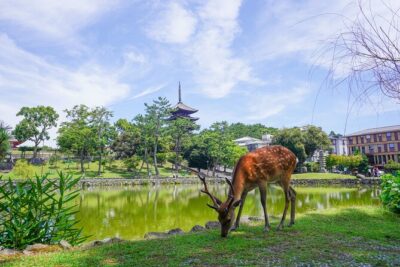
Nara Half Day Trip Walking Tour (Private Option Available)
Read our review →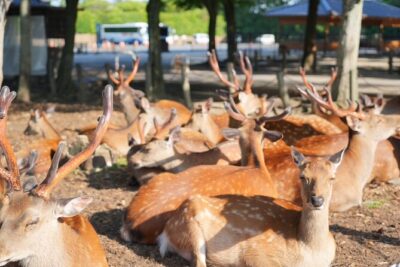
Nara Early Morning Tour (Kyoto or Osaka Departure Available)
Read our review →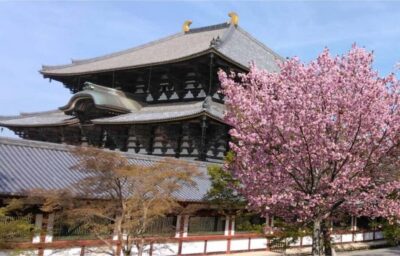
Nara and Uji Day Trip with Deer Park and Hot Spring
Read our review →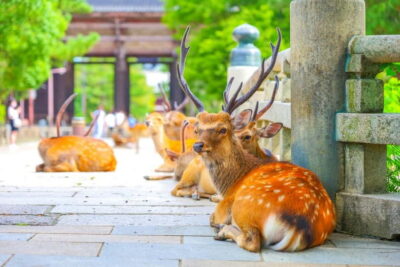
Kyoto/Osaka: Kinkakuji, Bamboo Forest, and Nara Deer Park
Read our review →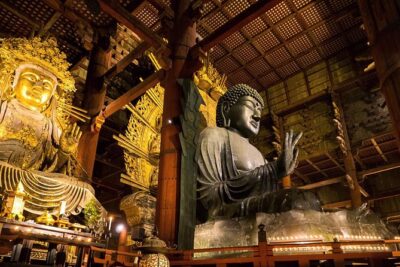
Nara 6hr Private Tour with Government-Licensed Guide
Read our review →
E-Bike Nara Highlights – Todaiji, Knives, Deer, Shrine
Read our review →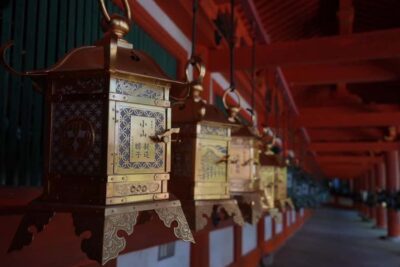
Nara Early Bird Tour (Kyoto Departure Option Available)
Read our review →Browse the lists this tour appears in