
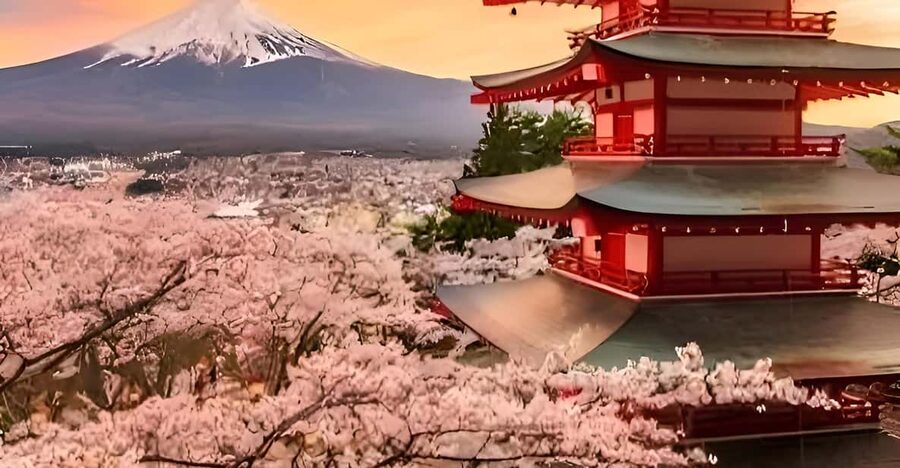
Reviewed · MT FUJI TOURS
Tokyo: Mount Fuji and Hakone private sightseeing tour
A trip that links Mt. Fuji viewpoints with Hakone classics in one day is what makes this private tour so interesting. You do not have to stitch together trains, buses, and transfers while trying to catch good weather. I like that it is truly private for your group, plus the English-speaking guide actually explains what you are seeing (not just pointing at it). One possible drawback: the day can run long on roads and cables, so if you hate any waiting, Hakone areas like Owakudani can slow your pacing.
Two tour choices help you shape the day. If you want Fuji drama, you focus on the Fuji Five Lakes and the shrine stops, then add the 5th Station when conditions allow. If you want Hakone, you go for the ropeway and views over Lake Ashi, then keep going toward Owakudani and the Hakone Open Air Museum. Pick the one that matches your mood, and you will get a smoother day.
The big trick with Fuji is always the sky. In one clear case, Fuji was hidden behind clouds, and the guide still made the day feel full by leaning into the sites and viewpoints you can enjoy even when the mountain is shy.
Key highlights you will actually feel during the day
- Private pickup and drop from Tokyo, Fujiyoshida, Yokohama, or Hakone, so you start relaxed and end where you want
- Two route options (Fuji Five Lakes focus or Hakone hot-spring region focus) that let you choose your priorities
- English-speaking guide who gives useful explanations and adjusts to your group, including guides like Ali, Khan, and Zohib
- Major photo stops at Arakurayama Sengen Park, Oshino Hakkai, Oishi Park, and the Lake Ashi area
- Iconic Hakone rides such as a cruise on Lake Ashi and a cable car segment, with tickets handled separately
Why this private Fuji and Hakone day feels different
This tour works because it is built around the places you usually want to see, but it handles the hardest part: getting you there and keeping the day flowing. A standard public route can mean multiple transfers, strict schedules, and a lot of standing around. Here, you stay in a private vehicle with an English-speaking driver/guide, so the plan can flex when weather changes or your group wants extra time at a viewpoint.
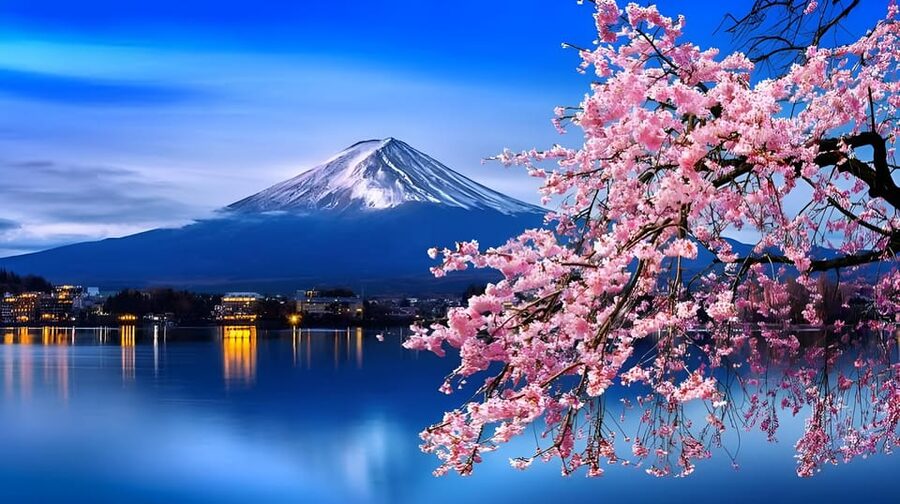
I also like the way the day is structured. You get a “start strong” opening around Fujisan-related shrines and the Arakurayama Sengen Park viewpoint, then you move into the classic Fuji reflection stops at Kawaguchi and Oishi Park, and finally you shift into Hakone’s dramatic sulfur and lake views. That arc matters, because it gives you variety without chaos.
More Mt Fuji days:
- Mt Fuji and Hakone 1-Day Bus Tour Return by Bullet Train
★ 5.0 · 26,383 reviews - Mt Fuji & Hakone Cruise, Drum Show Bullet Train 1 Day from Tokyo
★ 4.0 · 7,413 reviews - Tokyo Mt Fuji 5th St & Hakone Cruise Bus Tour w/Bullet Train
★ 4.4 · 5,024 reviews
How to choose between the Fuji route and the Hakone route
You get two itineraries to choose from, and that choice is not a small detail. It decides whether the day feels like a Fuji day with a Hakone add-on, or a Hakone day with Fuji viewpoints.
Itinerary A: Fuji Five Lakes focus
This route is for you if you want Fuji first and you like the slower, scenic rhythm of classic lake-side stops. Expect Arakurayama Sengen Park, the Kitaguchi Hongu Fuji Sengen Shrine, then a climb up to the Mt. Fuji 5th Station (with an entry ticket cost you will pay separately). After that, the day shifts into the Fuji Five Lakes area, with Lake Kawaguchi and the views from Oishi Park. You finish at Oshino Hakkai, a traditional village centered on spring-fed ponds that reflect the mountain on clear days.
Itinerary B: Hakone hot-spring region focus
This route is for you if you care more about Hakone’s signature mixing of nature, views, and art. It starts again around Arakurayama Sengen Park, then hits Oishi Park, and moves into Hakone with a ropeway segment for big panoramas. From there, you take a scenic Lake Ashi sightseeing cruise and then wrap up at the Hakone Open Air Museum, where sculptures and installations sit directly in the outdoor surroundings.
If you are the kind of traveler who likes to feel the place change as the day goes on, both routes accomplish that. You just get a different “center of gravity.”
A change of pace from Tokyo:
- 1-Day Tokyo Bus Tour
★ 5.0 · 14,250 reviews - Tokyo: TOKYO SKYTREE® Admission ticket
★ 4.5 · 11,192 reviews - Tokyo: teamLab Planets TOKYO Digital Art Museum Entry Ticket
★ 4.6 · 9,779 reviews - Tokyo: Sumo Show Experience with Chicken Hot Pot and a Photo
★ 4.8 · 6,678 reviews
Pickup and timing for a full 10-hour day
The tour is 10 hours, and that matters because Fuji and Hakone are not close together in the way you might expect. Your pickup options include Tokyo, Fujiyoshida, Yokohama, and Hakone, and drop-off options include Tokyo, Yokohama, Hakone, and Fujiyoshida. You wait about five minutes in the hotel lobby or your meeting spot, and your guide contacts you before pickup.
Practical point: the route is more efficient when you pick a pickup location closer to where you want to start your biggest “must-see.” If you choose a far-off pickup just to add one stop, you can end up spending time in transit that feels expensive. I would treat the pickup choice as part of the value equation, not just a convenience.
Also, plan your day so you are not rushing a late dinner afterward. You will be moving, photo stopping, and sometimes walking without long breaks.
Arakurayama Sengen Park: your Fuji viewpoint opener
Arakurayama Sengen Park is where the day often feels like it snaps into focus. It gives you panoramic views of Mt. Fuji when weather cooperates, and even when it does not, the view area is still a strong starting point because it frames the mountain as the theme of your whole day.
You usually get sightseeing time plus walking here, around 40 minutes in the full-day flow. That is enough time to find a good spot, take photos, and still keep energy for what comes next.
If Fuji is hidden, ask your guide for “what to do next” based on the clouds. A good English-speaking guide will help you shift your priorities to the viewpoint and shrine moments you can enjoy anyway.
Kitaguchi Hongu Fuji Sengen Shrine: spiritual stop that still feels practical
Right after the initial views, you head to Kitaguchi-hongu Fuji Sengen Shrine. This is a shorter stop, about 30 minutes, but it is not just a quick photo. You get a guided component plus time to walk.
Here is what I like about this stop: it adds meaning to the views. The shrine grounds connect the mountain to pilgrimage and tradition, and that context changes how you read the mountain when you later see it at the lakes and the 5th Station. Even if you are not religious, you get a better sense of why Fuji matters to people here.
Mt. Fuji 5th Station: worth it, with a small extra cost
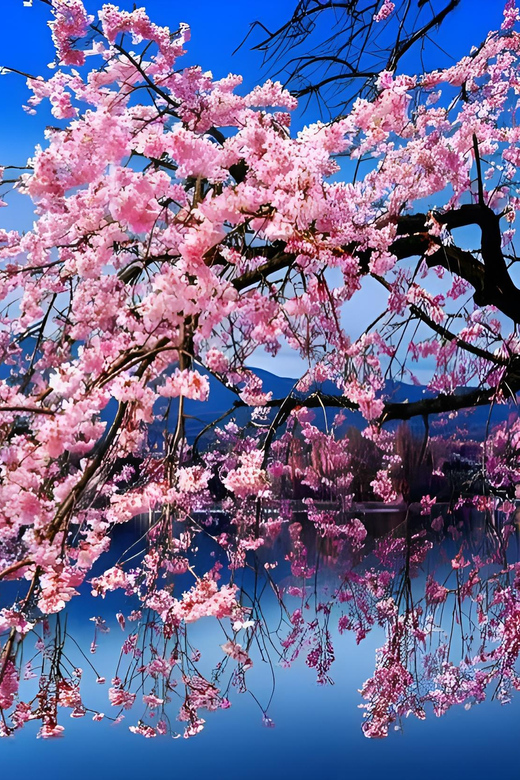
If your chosen route includes it, the Mt. Fuji 5th Station is the emotional highlight for many people. It is halfway up the mountain, so you feel like you went “past the viewpoint level” into the mountain world.
Two things to know so you do not get surprised:
- The entry ticket is not included, and it costs 2100 yen per group.
- Weather can make this either magical or very foggy, so keep your expectations flexible.
Even when the summit view is not clear, the station still delivers a sense of elevation and mountain atmosphere. This is one of those moments where going as part of a private tour pays off, because your guide can adjust timing and keep you from feeling stuck.
Lake Kawaguchi and Oishi Park: getting Fuji reflections and flower-season color
Lake Kawaguchi is one of the big Fuji Five Lakes stops. Your time here includes sightseeing plus a boat cruise. You will still pay cruise tickets separately, since those are not listed as included, but the cruise is part of what you are doing.
Then comes Oishi Park, known for its flower displays when the seasons align. Your schedule often includes a break time plus a photo stop, guided tour, free time, and additional sightseeing and walking. There is also shopping time built in.
What I like about this pairing is that it balances “big view” with “close-up beauty.” Lake Kawaguchi is about the mountain and the water line, while Oishi Park gives you foreground color and composition for photos.
If you are trying to travel smart, this is also where you can make a small personal call. If your group loves photos, slow down here. If your group wants less walking, you can skim the paths and still get the main view.
Oshino Hakkai: the calm village stop with ponds, snacks, and free time
Oshino Hakkai is one of the most rewarding stops because it slows the day down. You get about one hour here with photo stop, guided tour, free time, and walking. There is shopping and food tasting too, plus a safety briefing, which is nice when paths and pond edges require attention.
This is a traditional village built around crystal-clear spring water ponds fed by melting snow from Mt. Fuji. On clear days, the ponds can reflect the mountain in a way that feels like a postcard. But even without a perfect reflection, the setting is peaceful, and the ponds provide a cool contrast to the more “touristy big view” moments.
Practical advice: use your free time to step away from the busiest angles. Your guide can point out where the waterline view tends to be better, and that small adjustment can make a big difference in your photos.
Moving into Hakone: Lake Ashi gives you the scale
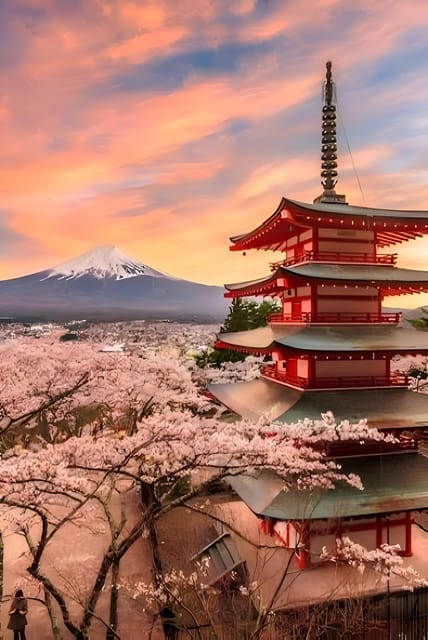
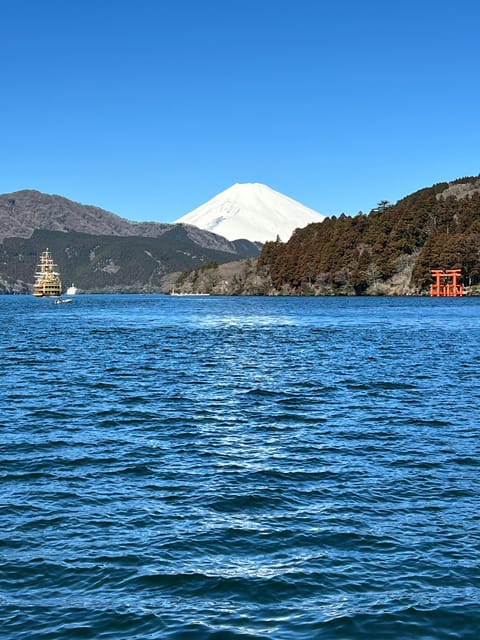
When the day shifts toward Hakone, Lake Ashi is often the place you understand the region’s scale. Your plan includes a visit, sightseeing, and a sightseeing cruise. Like the other rides, the cruise ticket is not included, but the experience is part of the route.
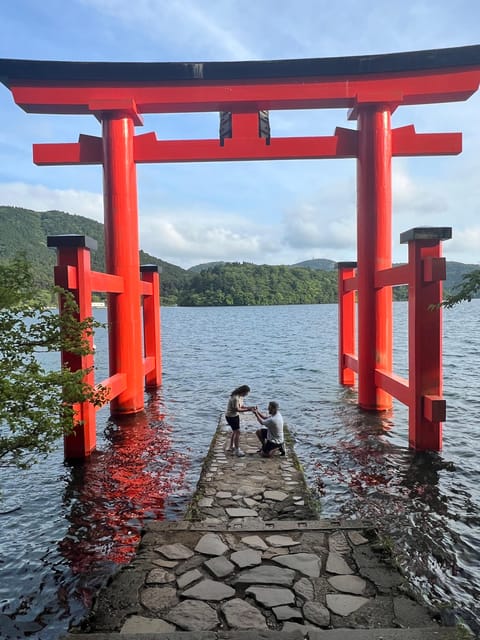
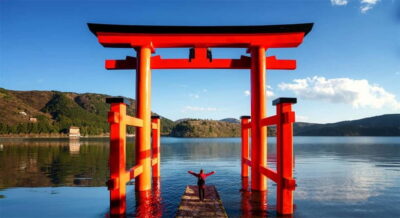
On the water, you get those classic views over Lake Ashi, and the Hakone Shrine torii gate is a recognizable feature you might see from the cruise. The time here is about one hour, which gives you enough time to relax and still keep pace for cable car and Owakudani.
I like putting Lake Ashi in the middle or later part of the day. It works as a mental reset. You stop walking, sit down, and let the scenery pass. That keeps the whole trip from feeling like a photo sprint.
Hakone ropeway and cable car: where views happen fast
Hakone’s aerial routes, like a ropeway segment and a cable car ride (about 30 minutes in the full-day schedule), are where you gain elevation quickly. You see broad panoramas over valleys and toward the lake.
These rides are practical too. They reduce how much you need to climb on foot in one day. If your group includes anyone who gets tired quickly, this kind of transport can keep the trip enjoyable instead of punishing.
One note to keep your expectations realistic: Hakone can be busy, and transit time around cable access can vary. The best way to handle that is to trust your guide’s timing and be ready to use waiting time for photos or quick snack stops rather than getting frustrated.
Owakudani Valley: sulfur sights and why timing matters
Owakudani Valley is where the day gets dramatic. Your stop typically includes a break time, a photo stop, visit, free time, and shopping, plus about 30 minutes on the ground.
This is the sulfur zone. The air and the views bring an obvious sense of volcanic activity, and it is often one of the most memorable parts of Hakone. You are not just looking at a pretty area, you are seeing a place shaped by heat and minerals.
Here is the timing consideration I would plan for: road access near the cable car can get congested. If you end up sitting in traffic before you reach the cable car area, the day can feel tighter than expected. I recommend asking your guide what access plan usually avoids the longest waits, and if you notice a line building, adjust your expectations and keep moving when the opportunity appears.
Hakone Open Air Museum: art in the open, not just another stop
If your chosen route includes it, the Hakone Open Air Museum is a strong finish. This is an art space designed around the landscape, with sculptures and installations you walk between at a natural pace.
Even if you are not a hardcore art fan, I think it works because the setting makes the art feel like part of the environment rather than something you rush through. The ride and lake stops gave you views of Hakone’s nature, and then the museum gives you a different kind of perspective.
You should expect walking. Wear comfortable shoes and treat it like a gentle stroll, not a quick checkout line.
English guide value: what makes it feel truly private
The best praise across guide experiences is consistent: the English explanations are clear, and the guide adapts. I have heard names like Ali, Khan, and Zohib tied to helpful guidance and flexible planning, and that matches what you should look for in a day like this. You want someone who can explain why a shrine matters, what you are seeing from a cable ride, and how to adjust when Fuji hides behind clouds.
A private vehicle plus an English-speaking guide also means you can ask small questions that make the day better. Where should we stand for the most consistent Fuji angle? How long should we spend here to still make the last ride? Those answers are the difference between a checklist day and a day that feels like it was made for your group.
Price and value: when $338 makes sense for up to 5
The price is $338 per group for up to 5 people, for a 10-hour private sightseeing day. That means:
- For 5 people, it can work out to about $67 per person.
- For 2 people, it is about $169 per person.
So, yes, it is not the cheapest way to visit Fuji and Hakone. But it can be good value because you are buying three things that usually cost time and money: door-to-door pickup, private transport, and an English-speaking guide. You also reduce the stress of coordinating multiple public rides.
Where the value gets weaker is when your group is small and you add long transit simply to “cover more stops.” The pickup location you choose matters here. If you start closer to where you spend most time that day, you protect your schedule and your budget.
Also, remember what is not included: lunch, the Mt. Fuji 5th Station entry ticket (2100 yen per group), plus boat cruise and cable car entry tickets. Those are extra costs you should budget for. Still, they are part of the experience you asked for, so it is not like you are paying an empty day fee.
Transport quality and comfort, with a small reality check
Transport gets very strong praise, and a lot of that comes down to comfort. A spacious van matters on a day with frequent stops and photo breaks, and a well-organized guide reduces the feeling of wasted time.
Still, one realistic consideration: not every vehicle experience will match your standards for cleanliness, and some guide styles can feel more reserved than others. If you are sensitive to that, I suggest setting your expectations early, and if you see an issue, mention it calmly at pickup so it can be corrected when possible.
Who should book this private Fuji and Hakone tour
Book it if you want:
- A private day with hotel pickup and drop in Tokyo, Yokohama, Fujiyoshida, or Hakone
- The chance to see both Fuji area icons and major Hakone highlights without coordinating transit
- Clear English guidance and flexibility, especially when weather is not ideal
I would also recommend it if your group includes mixed ages or anyone who wants less walking between distant sites.
If you hate any waiting time at busy spots or you are on a super tight schedule, you might find Hakone congestion frustrating. In that case, plan for the possibility of slower cable access and keep your mood flexible.
Quick practical tips to make your day smoother
- Wear shoes you can walk in for shrine grounds and museum paths.
- Bring a light layer, Fuji and Hakone can feel cooler near viewpoints, even in warmer months.
- If Fuji is cloudy, lean into the stops that still feel meaningful, shrines and villages often deliver even without perfect mountain views.
- Ask your guide to help you prioritize photos at the first major viewpoint so you do not lose time later.
- Budget for extra tickets, Fuji 5th Station (2100 yen per group), and the cruise and cable car tickets.
Should you book this private Mount Fuji and Hakone tour?
If your goal is a high-impact day that combines Fuji icons and Hakone classics with door-to-door convenience and English guidance, I think this is a solid choice. The price can feel fair when you fill the group size, and the private format keeps your day from turning into a logistics workout.
I would book it especially if you want the guide to shape the day around your group, because that is where private tours usually win. If you are traveling as one or two people and you are trying to squeeze in every single ride while expecting zero waiting, you should book with realistic expectations about Hakone traffic and add-on ticket costs.
Latest write-ups near Tokyo
- Tokyo Nights: Shibuya Photo Adventure★ 5.0 · 20 reviews
- Wagyu & Sake 8 Course Tasting Dinner in Shinjuku★ 4.9 · 20 reviews
- Making Japanese desserts Nerikiri & drinking matcha in Tokyo★ 5.0 · 20 reviews
- Mt. Fuji 5th Station, Owakudani Ropeway, Pirate Ship plus Outlet shopping!★ 4.5 · 20 reviews
- Japanese Whisky Hunting《HIGH-QUALITY-ONLY》Rare Tasting Class★ 5.0 · 20 reviews
- Kintsugi Experience with Arita Ware in Tokyo (English Guide)★ 4.8 · 20 reviews
- This is Asakusa! A Tour Includes the All Must-Sees!★ 5.0 · 20 reviews
- Tokyo: Karate Experience with Former All-Japan Champion★ 5.0 · 20 reviews
Mt Fuji Tours, compared.
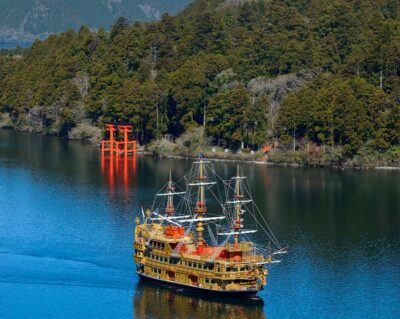
Mt Fuji and Hakone 1-Day Bus Tour Return by Bullet Train
Read our review →
Mt Fuji & Hakone Cruise, Drum Show Bullet Train 1 Day from Tokyo
Read our review →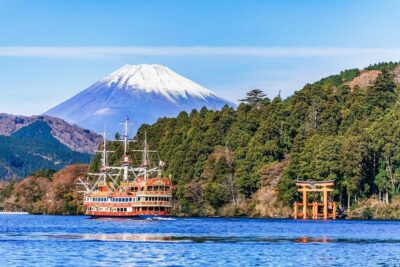
Tokyo Mt Fuji 5th St & Hakone Cruise Bus Tour w/Bullet Train
Read our review →
Mt. Fuji Tour, Hakone Ropeway, Owakudani, Lake Ashi
Read our review →
Mt.Fuji,Kawaguchiko Oishi Park,Arakurayama Sengen Park
Read our review →
Mt. Fuji 5th Station & Hakone Cruise 1-Day Bus Tour
Read our review →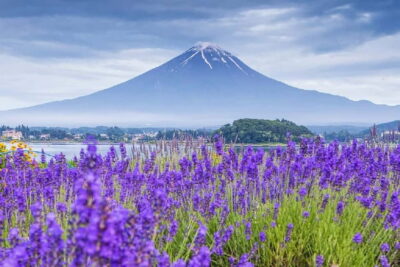
Mt Fuji Top 5 Spots Day Tour: Arakurayama Park,Oshino Hakkai
Read our review →Browse the lists this tour appears in