
Reviewed · TEMPLE & SHRINE TOURS
Tokyo: Asakusa and Tokyo’s Oldest Temple Senso-ji Tour
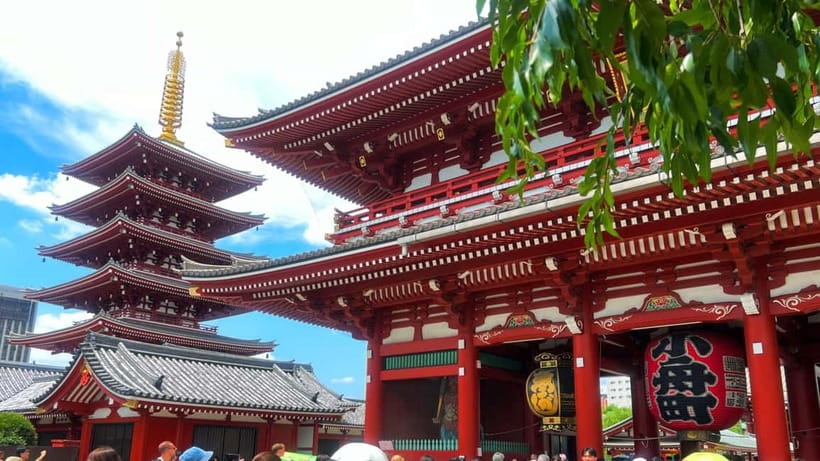
Asakusa has a way of slowing time. This 2-hour walk around Senso-ji and the surrounding old streets gives you the basics fast, while a local-style guide explains why the landmarks matter.
I love that you get more than photos. The route includes Kaminarimon, Nakamise Street, Senso-ji, and Asakusa Shrine, with stories and on-the-ground tips that help you understand what you are seeing. I also like that the group stays small, so guides such as Shino or Embla can keep everyone together and answer questions as you go.
One drawback to plan around: this area is popular, so even with a guide, you will still deal with crowds and narrow sidewalks. If you hate close-quarter walking, bring patience.
Key takeaways
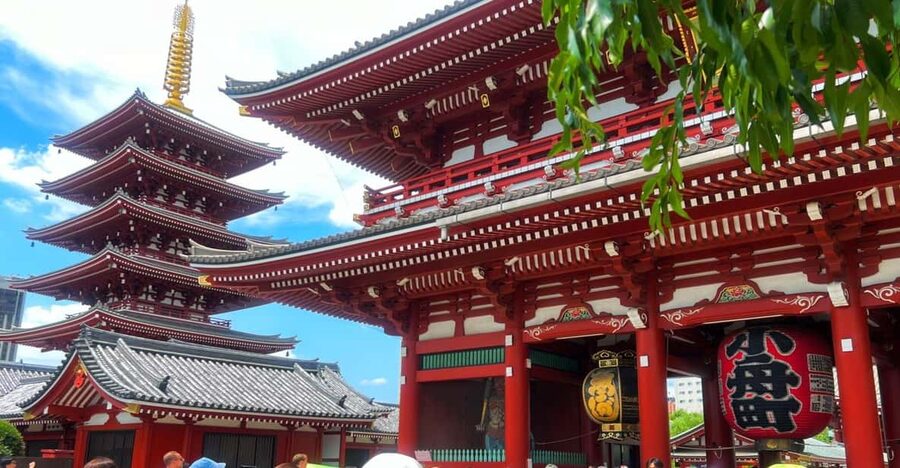
- Senso-ji from the 7th century, explained in plain language
- Kaminarimon photo time plus context for the gate and its symbols
- Nakamise Street browsing with snack and souvenir pointers
- Small group size (up to 10), which helps in dense crowds
- English-speaking live guides who share local routines for temple etiquette
- Two hours means you’ll get a strong introduction, not the whole neighborhood
Asakusa in two hours: why this walk feels personal
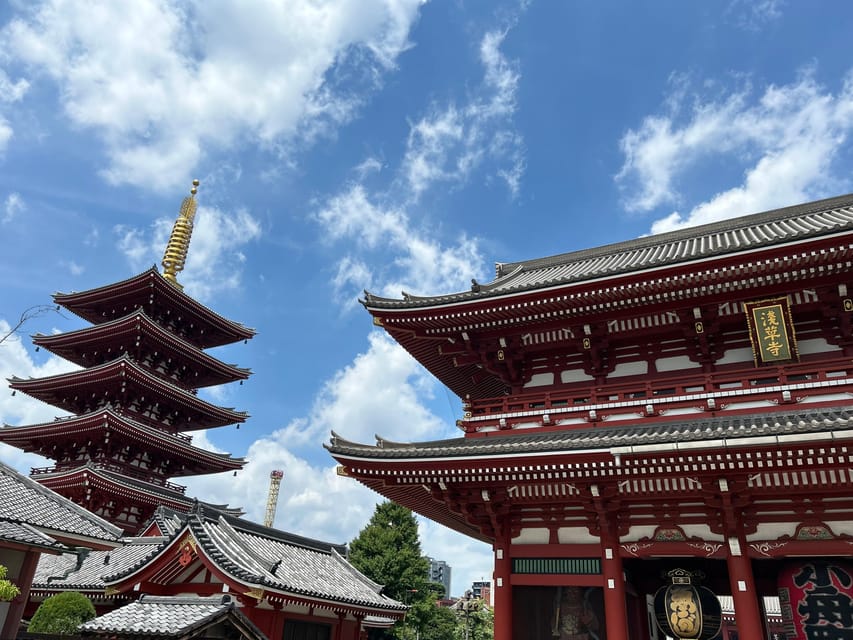
This tour is basically a smart on-foot orientation to one of Tokyo’s most historic neighborhoods. You start at Asakusa Station area and end back near where you began, but in between you cover the places that anchor the whole district. It is the kind of morning plan that works even on a short Japan trip.
What makes it feel personal is the guide style. In past tours, I have seen how local guides like Shino and Embla shape the experience with small, practical details, like how to move through temple space and what to pay attention to as the crowds press in. That is what turns a checklist of sights into a neighborhood you can actually picture later.
More Temple & Shrine Tours in Tokyo
- Tokyo: Meiji Shrine, Asakusa, Skytree Bus Tour and Cruise
★ 4.7 · 1,986 reviews - Tokyo: Asakusa Walking Tour with Sensoji Temple Visit
★ 4.8 · 1,583 reviews - Nikko: Kegon Falls, Lake Chuzenji & Toshogu Temple
★ 4.6 · 1,577 reviews
Start at Starbucks Asakusa Station, then follow the lanterns
Meeting is easy in theory: you gather in front of Starbucks Coffee closest to Asakusa Station. You are also asked to have WhatsApp downloaded so the guide can keep the meetup smooth.
Why I like this start: you are already in the flow of transit. That matters in Tokyo, where “easy” can turn into “where is the group” in five minutes. Once you are together, the guide keeps momentum. You do not waste your sightseeing time hunting for the next stop.
You also get a good mental reset early. Asakusa can feel chaotic at first glance. Having someone set the order helps you stop feeling lost, even if the streets are busy.
Kaminarimon Gate: the iconic red landmark and what to notice
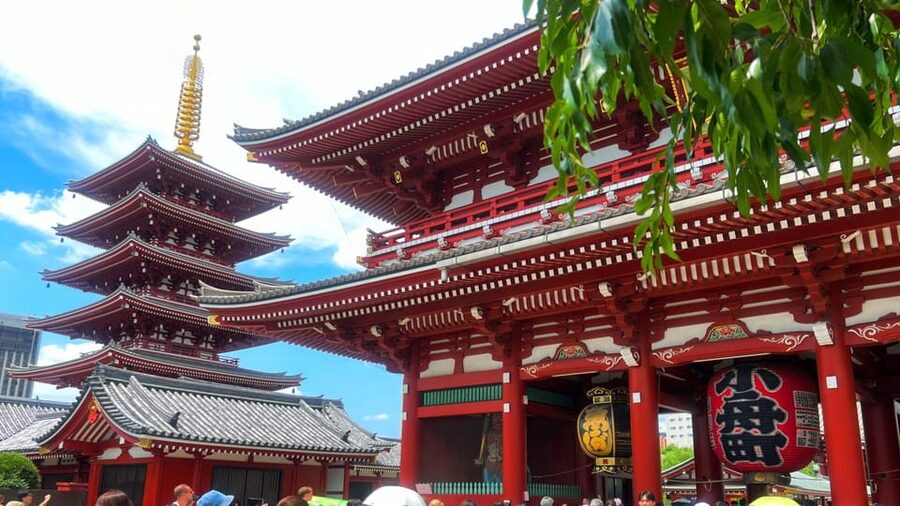
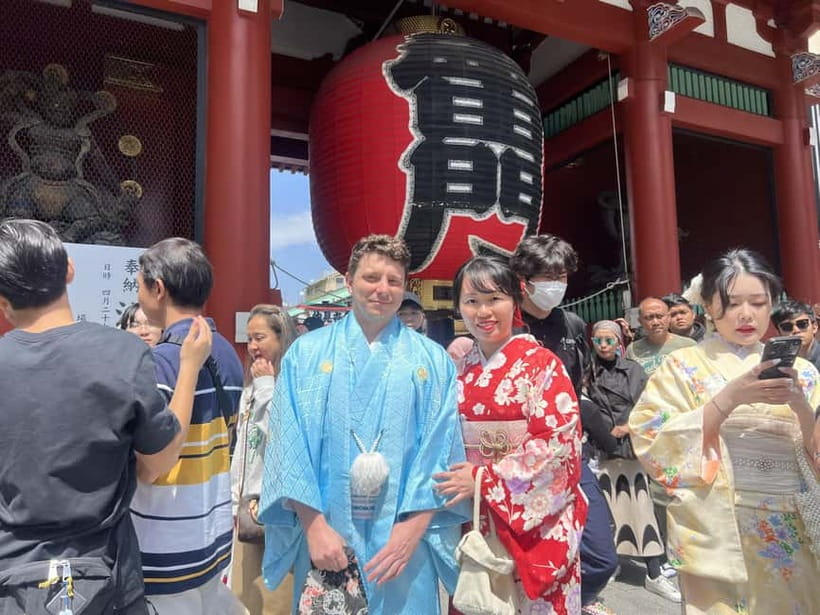
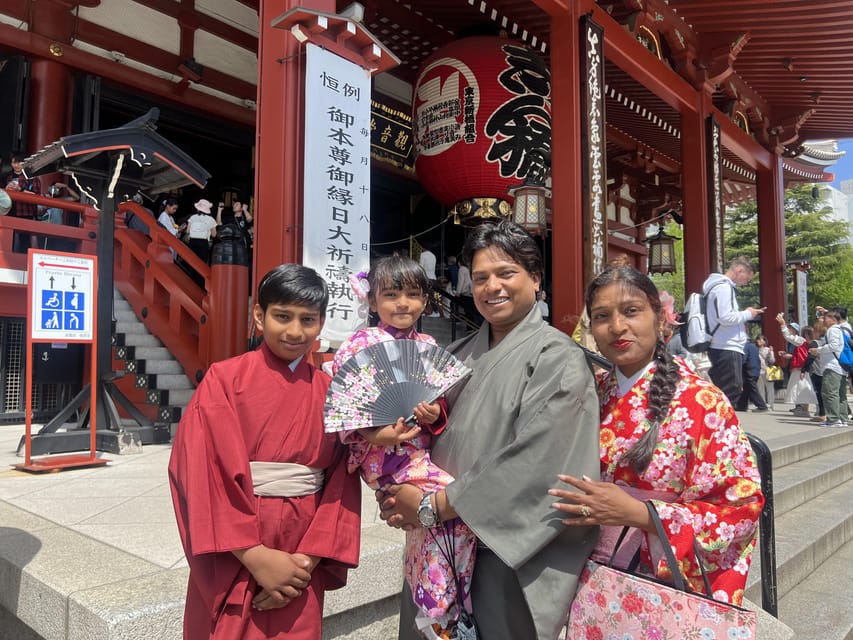
Your first big stop is Kaminarimon, the famous gate that anchors the approach to Senso-ji. You get about 30 minutes that includes a photo stop, time to walk around, and guided commentary.
Here is what to watch for, and why a guide helps. Gates in Japan are not just decorative. They frame your movement from everyday street life into a sacred space. A good explanation makes the gate feel like part of the story, not just a backdrop.
Practical note: Kaminarimon is where crowds stack up. If you want photos, go with your group timing, not your impulse to run ahead. In a small group, the guide can steer you to spots where you can actually see what you are photographing.
Nakamise Street: shopping, snacks, and how to handle the crowd
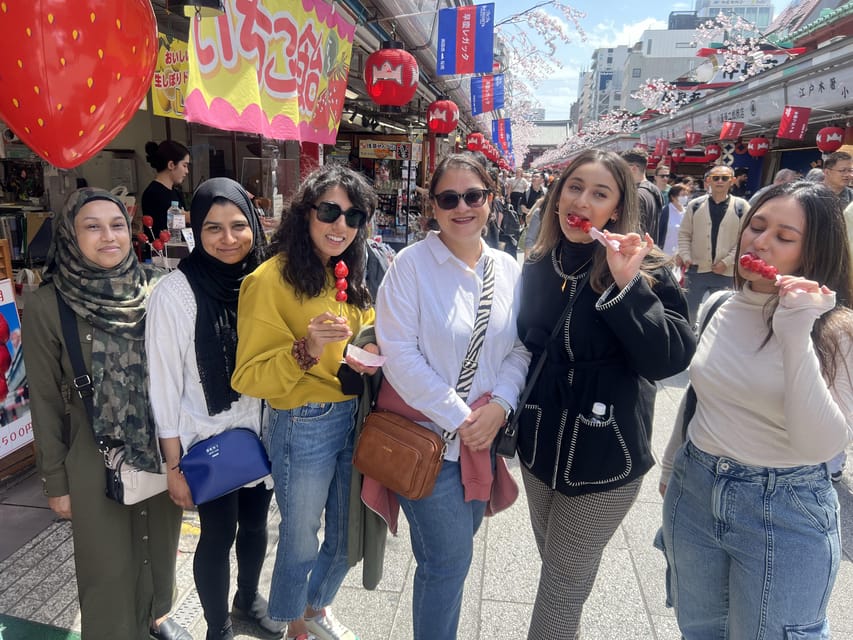
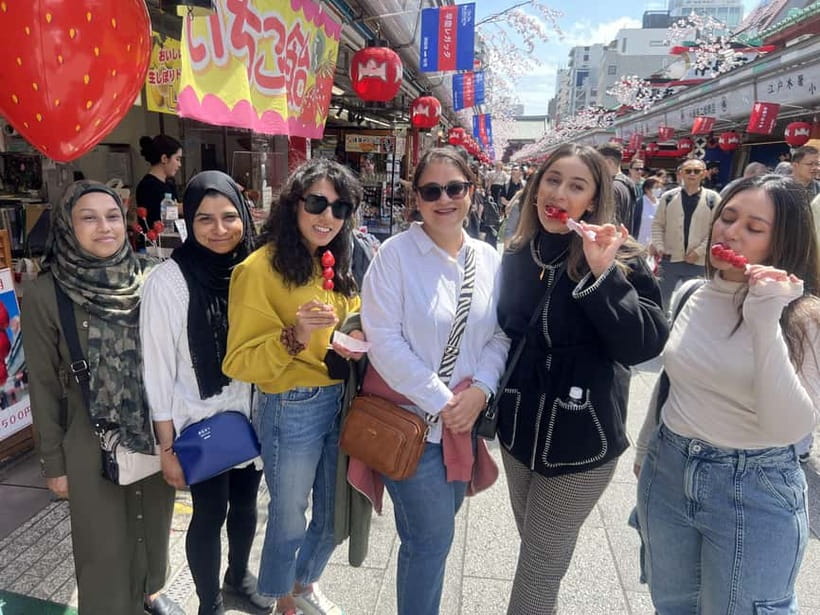
Next is Nakamise Shopping Street, the long stretch of shops that fans out toward the temple grounds. You get about 20 minutes here, with guided time to explore.
This is a smart inclusion because Nakamise is where Asakusa shows its everyday charm. You will see traditional storefronts, souvenir-style goods, and snack stands that smell as good as they look. And yes, it is touristy, but it is also historic in feel, which is why it is worth walking rather than just rushing through.
How to get more out of the time: do not treat it like one endless mall lane. Pick a direction, glance at a few shops, then decide what you want to do. If you are into food, plan for one or two items rather than trying to sample everything. If souvenirs are your thing, look for gifts that reflect local style, not just anything that is easy to carry.
Also, because it is crowded, the guided route matters. The group stays together, and you do not end up stuck behind slow walkers or pushed around by fast ones.
A change of pace from Tokyo:
- Mt Fuji and Hakone 1-Day Bus Tour Return by Bullet Train
★ 5.0 · 26,383 reviews - 1-Day Tokyo Bus Tour
★ 5.0 · 14,250 reviews - Tokyo: TOKYO SKYTREE® Admission ticket
★ 4.5 · 11,192 reviews - Tokyo: teamLab Planets TOKYO Digital Art Museum Entry Ticket
★ 4.6 · 9,779 reviews
Sensō-ji Temple walk: 7th-century roots and respectful routines
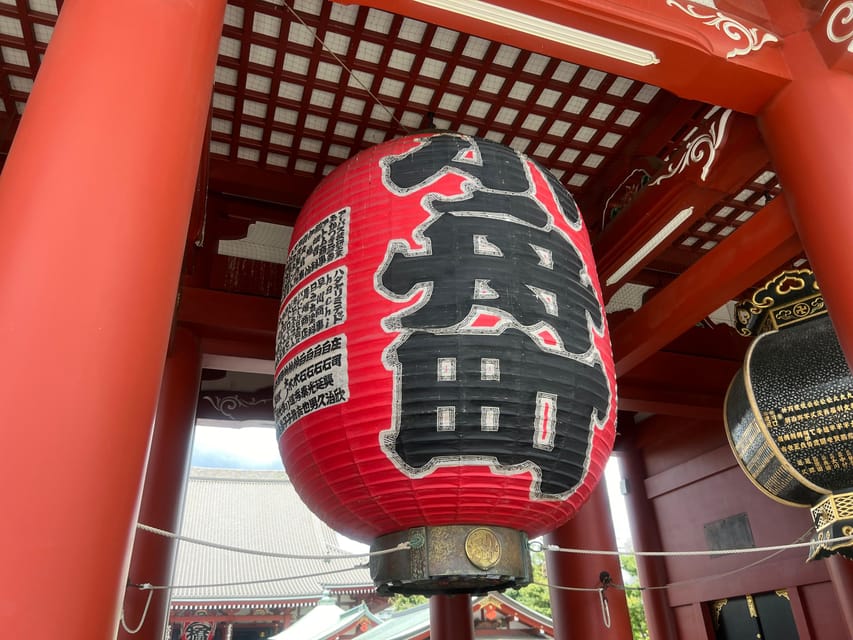
Senso-ji is the centerpiece. You spend around 30 minutes with a mix of photo time, guided explanation, and walking inside the temple area.
A big part of the value here is learning how to behave in a temple setting without turning it into a stress test. Guides often explain simple etiquette, like how to approach ritual spaces and how to notice what matters. That sort of instruction is useful because it helps you feel respectful, and it helps you enjoy the moment instead of worrying you are doing it wrong.
You are also not just standing still. The guided walk helps you connect the pieces: the temple layout, the atmosphere, the symbolism, and why people come here for centuries. Even if you have seen temple photos before, Senso-ji in person hits differently. It is vivid, loud with foot traffic, and grounded in spiritual rhythm.
One more perk: if you want to try a fortune draw, some guides naturally steer people toward it during the temple or shrine time, and you may have a chance depending on what is going on in the space that day. Go in with curiosity, not pressure.
Asakusa Shrine stop: photos, prayers, and the neighborhood beat
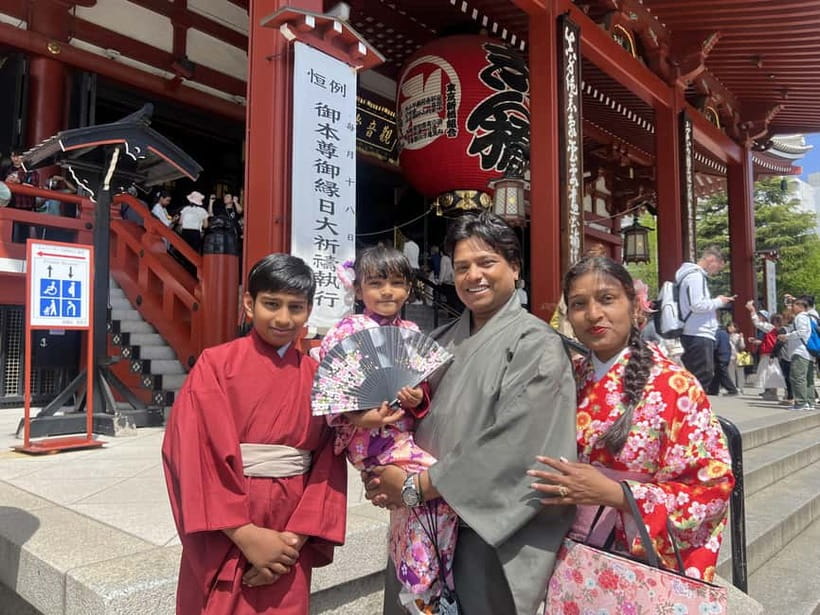
The tour finishes with Asakusa Shrine, again with about 30 minutes that includes photo time and guided explanation.
This stop adds variety. After the big temple energy of Senso-ji and the commercial lane of Nakamise, the shrine gives you a slightly different flavor of sacred space. You get another chance to take photos and also to learn. In the past, guides like Nicolas and Nicolas’s style partners have been the type to answer questions patiently and keep the pace comfortable for everyone.
If you care about Japanese tradition beyond surface-level sightseeing, this shrine time is where it clicks. A good guide can explain how people approach the shrine and why the rituals matter. It also helps you understand that Tokyo’s old center is not one temple in isolation. It is a web of places people return to for real reasons.
Price and group size: getting value for $14
At $14 per person for a 2-hour walking tour with a live English guide and included admission-related access, this is priced like a smart sampler, not an expensive day-long “guided everything” program.
The value comes from three places:
- Admission is included, so you are not paying extra at each gate.
- You are paying for navigation and meaning, not just movement.
- Small group size (up to 10) makes a real difference. In crowded Asakusa, it is the difference between feeling swept along and actually understanding where you are and why you are there.
Guides also tend to keep the group organized. I have seen how well this works with small groups in practice, like when a guide sends a clear message ahead of time or adjusts the pacing so slower walkers do not get left behind. That kind of organization is not flashy, but it makes the whole morning feel smooth.
If you are traveling with family, this format also tends to work well. Parents often like it because the route is contained and the guide can guide attention, not just explain facts.
Timing tips, what to bring, and where you can go next
Because the tour is only 2 hours, treat it like an appetizer. It sets you up to explore the rest of Asakusa on your own after the guide leaves you with a map in your head.
What to bring:
- Comfortable shoes. The walk is short, but the sidewalks and crowding add up.
- A small snack plan or water. You will pass street food, and you might want to buy something.
- Your phone ready for photos, but also ready to follow instructions. In temple areas, it helps to keep your attention on where the group is moving.
Timing-wise, I like doing this earlier in the day. You get your first look at Senso-ji and Nakamise before the area feels overwhelming. Then, later, you can return for a second look with better instincts.
Where to go next depends on what you liked most. If you loved the shopping street vibe, continue exploring nearby lanes after the tour ends. If you loved the temple and shrine explanations, you will likely enjoy slowing down in the sacred spaces for a longer, quieter second visit.
Should you book this Senso-ji and Asakusa tour?
Book it if you want a fast, guided first taste of Tokyo’s traditional heart. The format is especially good for first-time visitors who feel overwhelmed by crowds and want someone to translate the meaning of what they are looking at. The small-group setup and English live guides make it easier to ask questions and stay on track.
Skip it, or consider pairing it with more flexible time elsewhere, if you dislike crowds or you want a deep, slow immersion in one single site. Two hours will not turn you into an Asakusa historian. But it will give you the foundation so the neighborhood makes sense when you continue exploring.
If your goal is to understand Senso-ji, walk the Edo-era feeling streets around it, and get practical temple-and-street guidance for a reasonable price, this tour is a strong choice.
FAQ
How long is the Tokyo Asakusa and Senso-ji walking tour?
The tour lasts 2 hours.
What is the meeting point for the tour?
You meet in front of the Starbucks Coffee closest to Asakusa Station.
Is the tour offered in English?
Yes, the live tour guide speaks English.
How much does the tour cost?
The price is $14 per person.
How many people are in the group?
It is a small group limited to 10 participants.
What stops are included on the route?
You visit Kaminarimon, Nakamise Shopping Street, Sensō-ji Temple, and Asakusa Shrine.
What is included in the price?
The tour includes a guide and a walking tour, plus admission to Asakusa, admission to Sensō-ji Temple, and admission to Nakamise Shopping Street.
Do I need WhatsApp before the tour?
Yes, you are advised to download WhatsApp before meeting up so the group can meet smoothly.
What is the cancellation policy?
You can cancel up to 24 hours in advance for a full refund.
Latest write-ups near Tokyo
- Tokyo Customized Private Tour: See Top Attractions in 1 Day★ 4.8 · 67 reviews
- From Tokyo: Top 5 Scenic Spots of Mount Fuji Full-Day Tour★ 4.5 · 67 reviews
- Tokyo: Shinjuku Izakaya and Golden Gai Bar Hopping Tour (2h)★ 4.9 · 67 reviews
- Traditional Japanese Music ZAKURO SHOW in Tokyo★ 5.0 · 67 reviews
- Tsukiji: Unlimited Sake Tasting Experience★ 4.9 · 67 reviews
- Tokyo: Not a show- a professional sumo practice with experts★ 4.9 · 67 reviews
- Samurai Ninja Museum Asakusa: Kid-Friendly Ninja Training★ 4.7 · 67 reviews
- Private Harajuku Omotesando Architecture Walking Tour★ 5.0 · 67 reviews
Temple & Shrine Tours, compared.
Fushimi Inari, Kinkakuji, Bamboo Grove 1 Day Bus Tour
Read our review →

Meiji Shrine, Asakusa, Skytree Bus Tour and Cruise
Read our review →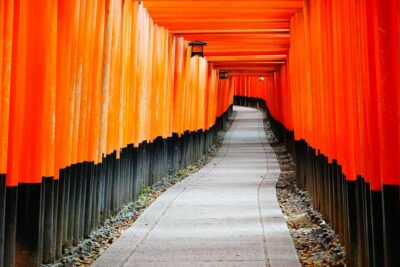
Osaka/Kyoto:Kinkakuji,Arashiyama,FushimiInariShrine,NaraPark
Read our review →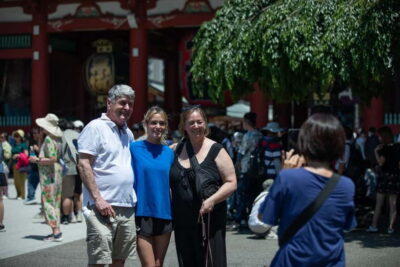
Asakusa Walking Tour with Sensoji Temple Visit
Read our review →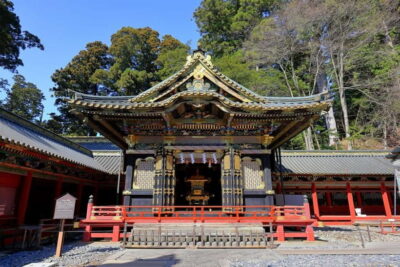
Nikko: Kegon Falls, Lake Chuzenji & Toshogu Temple
Read our review →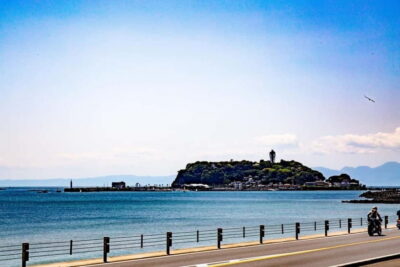
Kamakura & Enoshima Day Trip including Temple Tickets
Read our review →
Nikko Toshogu Shrine and Kegon Waterfall Tour
Read our review →Browse the lists this tour appears in