
Reviewed · WALKING TOURS
Nikko Full-Day Private Walking Tour with Government-Licensed Guide (Tokyo DEP.)
Nikko is interesting because it mixes big-time Tokugawa shrine drama with quiet mountain nature, all in one day if you plan smart. This private tour shines when you want flexibility rather than a fixed checklist, since you pick 3 to 4 stops from a menu and your licensed guide builds the route around your interests. I also like the human factor here: guides such as Seizo Kamiuto and Yoshii Kenichi come across as organized and attentive, and you are not left figuring things out alone. One drawback to weigh is that it is still a long day and entrance fees, lunch, and transport are not included.
What makes this day trip feel practical is that it is designed to help you not get lost, even when Nikko’s sights are scattered across shrine grounds, waterfalls, lakes, and trails. I like that you can swap between culture and scenery, from Toshogu and Rinnoji to Kegon Falls and Kanmangafuchi Abyss, and you still get an on-foot walking format that keeps the day moving. The other consideration is time limits: even though the day is about 9 hours, you only cover 3 to 4 selected sites, so you will want to choose what matters most to you.
Key points to know before you go
- Private, licensed guiding: You get a government-licensed local English-speaking guide, for just your group.
- 3 to 4 site choice: Pick from temples, waterfalls, lakes, gardens, and a couple of viewpoint areas.
- Hotel pickup and drop-off: Pickup is offered, and your guide can drop you back at your hotel or anywhere else you request.
- Built for limited time: The guide handles navigation between far-apart Nikko spots so you can focus on the views.
- Mix of paid and free entries: Some stops list admission as not included, while others are free or admission-free.
- Plan for maintenance windows: If you choose the Akechidaira area, note the ropeway closure dates listed for 2026 to 2027.
A private Nikko day, built around your stop choices
If you have ever stared at a map of Nikko and thought, I like all of it, then this style of tour is a relief. Instead of forcing you through a single route, you choose from a set of Nikko landmarks and your guide creates a day plan around those selections. That matters because Nikko is not one tight neighborhood. It is a cluster of sacred sites and nature spots that can eat up time if you are hopping around on your own.
I also like how the experience is framed around the walking reality of Nikko. You meet on foot in Tokyo near Asakusa Station, and the format stays active. You are not just sitting in a car and ticking off icons, you are moving through the shrine and temple areas and getting to experience each site for the time you pick. And because it is private, you can set your own pace, ask questions at the right moment, and skip what does not spark joy.
One more smart piece is the guide quality you can see in the feedback. Guides named in the tour reviews include Seizo Kamiuto, Yoshii Kenichi, Kazu (noted as fluent in English and French), Nobu, and Mari Noda. The common thread is that they were punctual, organized, and willing to adjust the flow based on what you want to see. That is exactly what you want for Nikko, where timing can make or break your day.
More Full-Day Tours in Tokyo
- From Tokyo: Mount Fuji Full-Day Sightseeing Trip
★ 4.5 · 4,970 reviews - Mount Fuji Full-Day Private Tour from Tokyo (Customizable)
★ 4.9 · 1,470 reviews - Tokyo Private Full-Day Tour by Car or Van
★ 5.0 · 684 reviews
Price and logistics: what you are really paying for
This tour costs $224.02 per person for an approximately 9-hour full day. On paper, that might look like a splurge compared to DIY. In practice, you are paying for three things you would otherwise spend time and stress on.
First, you pay for a licensed guide who handles navigation between Nikko’s different areas. Second, you pay for the time-saving logic of choosing only 3 to 4 sites. If you try to do all the big names by yourself, you will likely sacrifice either depth or timing. Third, you pay for service details like pickup being offered and drop-off being flexible, meaning you can end back at your hotel or wherever you want in Tokyo.
What is not included is also important for your budget plan. Transportation fees are not included, and private transportation is not included. Entrance fees and lunch are not included. You are also told not to assume everything is covered by a guide entry fee, since guide entry fees are only covered for sights you select from the What to Expect list.
One item people sometimes miss: there is a NIKKO PASS all area ticket listed at 4,520 JPY per person, but it is not included in the tour price. That means you should check whether your chosen stops line up with what the pass covers. If you pick more paid-admission attractions, a pass might help. If you pick more free sites, you may prefer paying per place.
Building your Nikko day around Toshogu and Tokugawa power
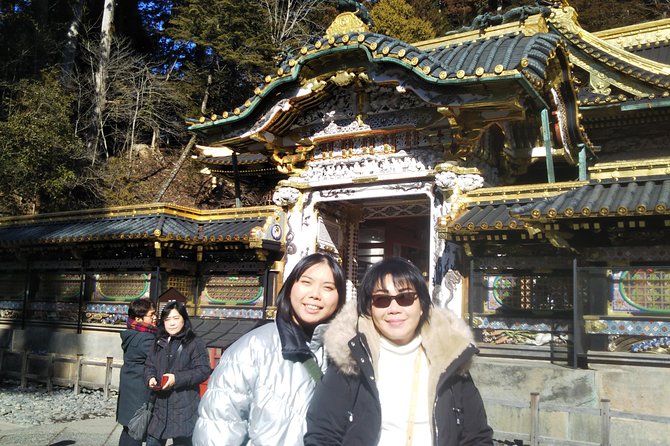
Toshogu is the Nikko stop most people talk about first, and it is easy to see why. In the tour plan, you can visit Nikko Tosho-gu, the final resting place of Tokugawa Ieyasu, the founder of the Tokugawa Shogunate. This is not subtle history. It is designed to make a point about power, faith, and the legitimacy of rule.
You spend about 30 minutes there on this tour, and admission is listed as not included. That means you should expect to pay entry if Toshogu is one of your selected stops. The payoff is that you will be able to connect the dots between the main shrine area and the other companion temples and shrines in central Nikko. It also sets the tone for everything else you will see later in the day.
If you are temple fatigue-prone, this is where choosing only one Tokugawa anchor site helps. You do not need to overload. If you love architecture and symbolic details, pairing Tosho-gu with one Buddhist stop, like Rinnoji, can make the day feel balanced. A good guide makes this easier by pointing out what to look for during your limited time, so you do not end up staring at random carvings without context.
Nature time: Kegon Falls and the Lake Chuzenji area
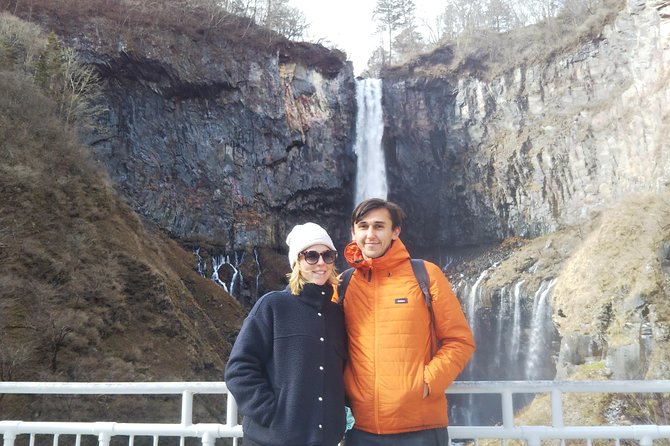
Nikko is famous for waterfalls, and Kegon Falls is the big name. You can choose it for about 30 minutes, and admission is listed as not included. Kegon is described as the most famous of Nikko’s 48 waterfalls, with water dropping 97 meters straight down from Lake Chuzenji. There is also a special lift mentioned for visitors, which is useful to know if you are planning around mobility or just want to understand how the viewing area works.
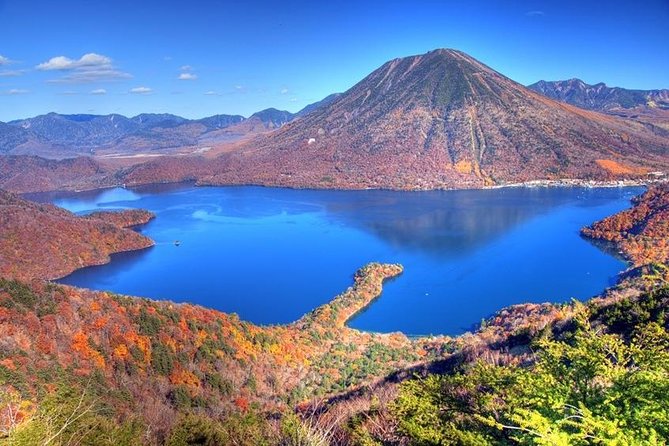
Then there is Lake Chuzenji, where you get a different mood. It is described as the largest lake in Tochigi, framed by 25 kilometers of nature, and historically it was a summer resort for foreigners in the late 19th and early 20th centuries. Admission here is listed as free, which is great value if you want a scenic pause without another paid ticket.
The key practical tip is to choose your water sequence deliberately. If you pick Kegon Falls plus Lake Chuzenji, your day will feel like it has a clear arc: dramatic drop, then slower breathing time on the lake edge. If your energy is limited, you could also swap one of these for another free nature stop like Kanmangafuchi Abyss.
More Walking Tours in Tokyo
- Tokyo Tsukiji Fish Market Food and Culture Walking Tour
★ 5.0 · 3,184 reviews - Tokyo: Imperial Palace and Shogun Historical Walking Tour
★ 5.0 · 2,251 reviews - Tokyo: Shinjuku Local Bar and Izakaya Guided Walking Tour
★ 4.9 · 1,794 reviews - Tokyo: Tsukiji Fish Market Food and Walking tour
★ 5.0 · 1,724 reviews
Sacred bridge and temple gates: Shinkyo Bridge and Futarasan
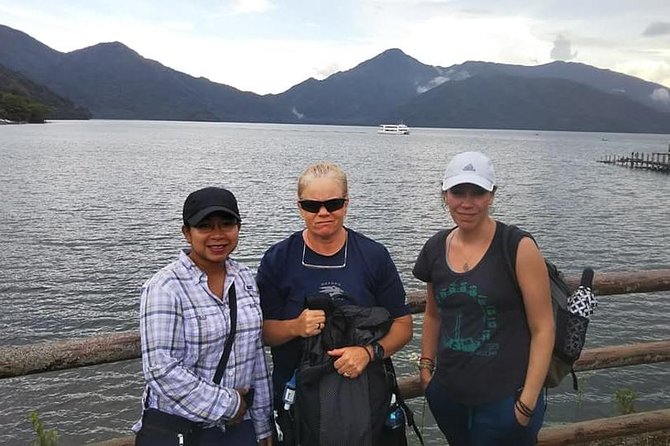
Not every Nikko highlight is a ticketed attraction. The tour lists Shinkyo Bridge as free, and it is described as belonging to Futarasan Shrine. Shinkyo is ranked among Japan’s three finest bridges, which is a big claim, but it makes sense as soon as you stand near it and see how the shrine area is structured around water and approach.
Next to it, you can add Nikko Futarasan Shrine, also free and framed as older than its more famous neighbor. It is founded in 782, tied to Shodo Shonin, the monk linked to introducing Buddhism to Nikko in the 8th century. If you are the type who likes a story thread, this pairing helps you understand how Nikko’s religious sites relate to each other in layered time.
Spending about 30 minutes on each gives you room to see the key areas without rushing through. It is also a smart way to break up a day that otherwise could skew too heavy toward waterfalls or too heavy toward Tokugawa mausoleum sites. A guide helps because they can point out where your time is best spent, especially when crowds or weather make parts of the area feel chaotic.
Rinnoji and Iemitsu’s mausoleum: when Buddhism meets Tokugawa style
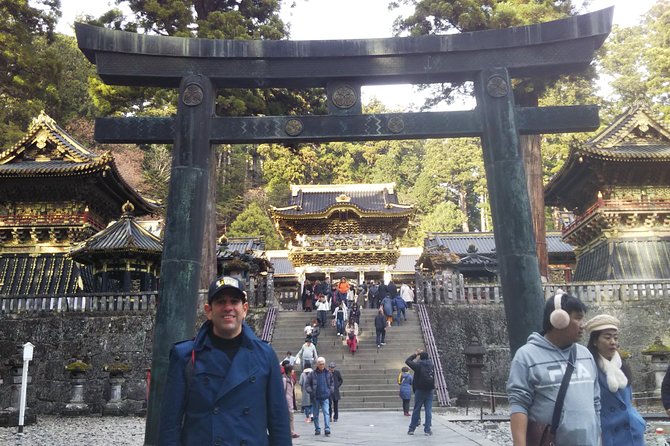
If Tosho-gu is Tokugawa Ieyasu’s world, Rinno-ji Temple and Taiyū-in (Mausoleum of Iemitsu) add other layers. Rinnoji is described as Nikko’s most important temple and is tied to Shodo Shonin and the 8th century. Your visit is about 30 minutes, with admission listed as not included.
Then there is Rin’nōji Taiyū-in, the mausoleum of the third Tokugawa shogun, Iemitsu, and it is noted that its layout resembles Toshogu Shrine while being its own complex. Again, admission is listed as not included and your time is about 30 minutes.
This is where the private format really pays off. You can ask your guide to explain how the Buddhist and Shinto elements coexist in Nikko, and how the Tokugawa rulers used sacred spaces to project legitimacy. Even in a short window, you can learn what to look for, instead of treating the day like a photo sprint.
One practical consideration: if you visit in winter or shoulder seasons, conditions can be rough. One review mentioned road and walkway conditions affected by snow footprints. So if you are going off-season, bring footwear with grip and keep a slower pace around approaches and steps.
Trails and open-air stops: Senjogahara, Kanmangafuchi, and the botanical garden
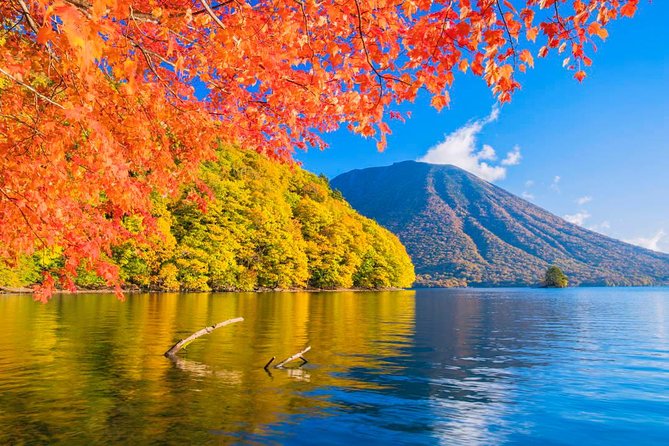
Some of the best value moments in Nikko are the stops that are either free or feel like a break from ticket lines.
Senjogahara Field is listed as free. The name translates to battlefield, and the tour description adds a myth that the gods of Mount Nantai and Mount Akagi fought over neighboring lakes. You spend about 30 minutes. This is not a temple, and not a waterfall. It is more of a nature-and-story stop, which can be a nice mental reset between heavier sites.
Then choose Kanmangafuchi Abyss, also about 30 minutes and listed as free. It is formed by an eruption of nearby Mount Nantai, and you can enjoy it from a pleasant riverside walking trail. The gorge is described as only a few hundred meters long, which makes it manageable even in a time-limited day. This stop is also great when you want something scenic but not overly structured.
If you want a quieter, academic-feeling option, pick Nikko Botanical Garden (about 30 minutes). It is owned and maintained by the University of Tokyo, and described as a branch of their main research garden at Koishikawa. Admission is listed as not included. This is the one I would suggest if your group includes someone who likes plants, research, and a calmer pace.
Imperial Villa and Kanaya Hotel stories: Tamozawa and the early Meiji era vibe
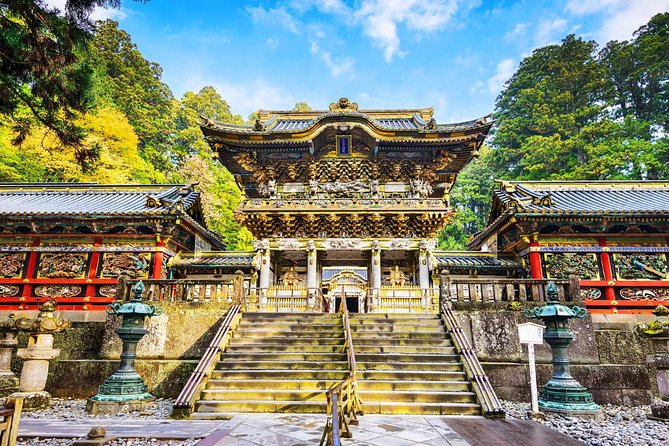
Two stops in the list connect Nikko’s past to Japanese modernization and elite leisure.
Nikko Tamozawa Imperial Villa Memorial Park is described as blending traditional Edo and early modern Meiji architecture across 106 rooms. It was erected in Nikko in 1899, using parts of a residence. Admission is listed as not included, and you get about 30 minutes.
Then there is Kanaya Hotel History House. It is described as a historical building that served as the predecessor of the famous Kanaya Hotel. Admission is listed as not included, with about 30 minutes.
These stops are valuable because they shift Nikko from solely sacred and feudal into something more human and lived-in. You get to see how the area became a retreat and a destination, not just a pilgrimage site. If you are doing a first visit and your group likes variety, one of these museum-style stops can make the day feel more complete.
Kirifuri Waterfall and Akechidaira viewpoint swaps for your perfect mix
If you want waterfalls without choosing Kegon, the list gives you Kirifuri Waterfall. It is described as an impressive 75 meter high, two-tiered waterfall located below Kirifuri Highlands, a few kilometers northeast of Nikko’s temples and shrines. Admission is listed as not included. This is another good nature anchor, and it pairs well with Shinkyo Bridge and one temple stop if you want a day that swings between sacred and scenic.
For a viewpoint option, you can choose Akechidaira Observation Area. The description notes that ropeway is closed for maintenance from January 16, 2026 until August 31, 2027. The spot is near the top of Irohazaka Slope, with sweeping views over a winding road and a dramatic mountain backdrop described in the listing. Admission is listed as not included.
Here is the practical planning advice: if you are visiting during that ropeway maintenance window, consider whether you want to rely on that access method. If your main goal is the view, you might decide to keep Akechidaira as a last choice or swap it for another free nature stop like Kanmangafuchi Abyss.
Who this private Nikko walking tour is best for
This tour fits best if you:
- Want a private day with a licensed English guide and zero map stress.
- Prefer a tailored mix of culture and nature, choosing 3 to 4 sites.
- Are visiting with parents, a partner, or friends and want the day to feel efficient, not chaotic.
- Want a guide who can explain what you are seeing, and keep you moving within a 9-hour window.
It might not fit as well if you:
- Want to see everything in Nikko. You will have to prioritize.
- Are hoping for a fully inclusive day. Transportation fees, lunch, and many admissions are not included.
- Are traveling with extremely tight mobility constraints. It is a walking tour format, and even if some stops are manageable, the day is active.
Should you book this private Nikko walking tour?
If you want Nikko, but you want it without the headache of routing, this is a strong yes. The best value is when you pick stops that match your energy and interests, then let the guide handle the between-sight transitions. I would especially recommend it for first-timers who want to see major highlights like Nikko Tosho-gu and then balance with one or two nature stops like Kegon Falls or Lake Chuzenji.
Book it when you value organization. The reviews tied to guides such as Seizo Kamiuto, Yoshii Kenichi, Kazu, and Nobu all point to the same payoff: you get a smooth day, good explanations, and less time wasted figuring things out. Just budget honestly for entrances and lunch, and choose your 3 to 4 sites like you mean it.
FAQ
How long is the Nikko private walking tour?
It runs for about 9 hours.
Is this tour private or shared?
It is private, so only your group participates.
Do I choose which sights to visit?
Yes. You customize the tour by choosing 3 to 4 sites from the list provided in what to expect.
Is hotel pickup included?
Pickup is offered, and your guide can drop you off at your hotel or another place you request in Tokyo. The meeting point is listed near Asakusa Station.
Are entrance fees included?
Entrance fees are not included, except that some listed stops are described as free. Lunch is also not included.
Is transportation included in the price?
Transportation fees are not included, and private transportation is not included. The tour also lists a NIKKO PASS all area ticket that is not included.
Is there a mobile ticket?
Yes, the tour includes a mobile ticket.
Can I bring a service animal?
Service animals are allowed.
Is the tour a walking tour?
Yes. It is a walking tour, and you meet on foot within the designated area in Tokyo.
Is the ropeway at Akechidaira running?
The ropeway is listed as closed for maintenance from January 16, 2026 until August 31, 2027.
Latest write-ups near Tokyo
- Tokyo Nights: Shibuya Photo Adventure★ 5.0 · 20 reviews
- Wagyu & Sake 8 Course Tasting Dinner in Shinjuku★ 4.9 · 20 reviews
- Making Japanese desserts Nerikiri & drinking matcha in Tokyo★ 5.0 · 20 reviews
- Mt. Fuji 5th Station, Owakudani Ropeway, Pirate Ship plus Outlet shopping!★ 4.5 · 20 reviews
- Japanese Whisky Hunting《HIGH-QUALITY-ONLY》Rare Tasting Class★ 5.0 · 20 reviews
- Kintsugi Experience with Arita Ware in Tokyo (English Guide)★ 4.8 · 20 reviews
- This is Asakusa! A Tour Includes the All Must-Sees!★ 5.0 · 20 reviews
- Tokyo: Karate Experience with Former All-Japan Champion★ 5.0 · 20 reviews
Walking Tours, compared.
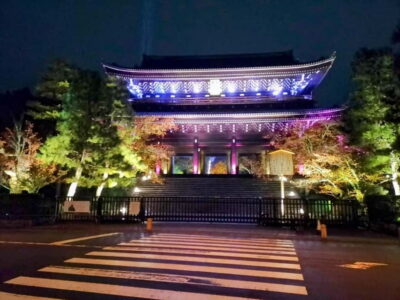
Kyoto Geisha Walking Tour: Gion District & Hidden Gems
Read our review →
Tokyo Tsukiji Fish Market Food and Culture Walking Tour
Read our review →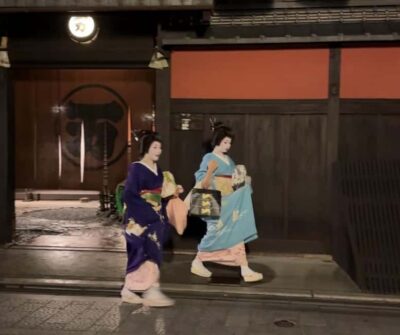
Gion Magical Night Walking Tour with Geisha Trivia
Read our review →
Imperial Palace and Shogun Historical Walking Tour
Read our review →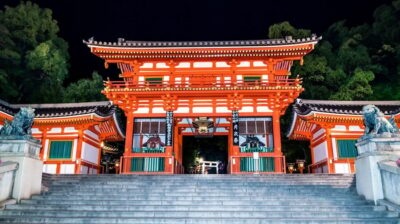
Gion Geisha District Walking Tour – Stories of Geisha
Read our review →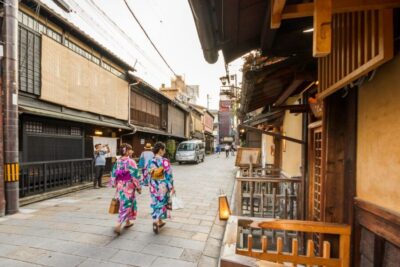
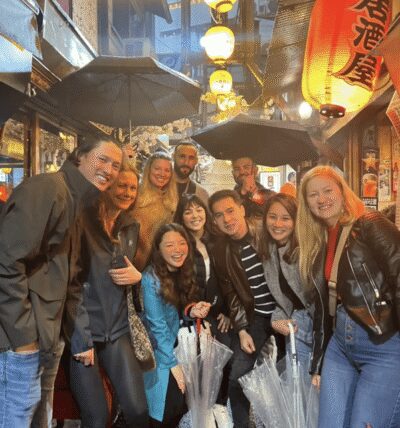
Shinjuku Local Bar and Izakaya Guided Walking Tour
Read our review →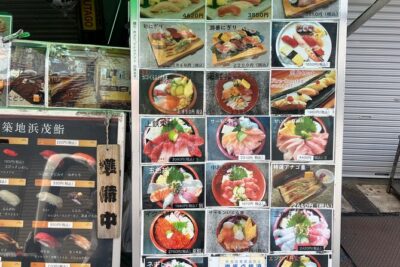
Browse the lists this tour appears in