
Reviewed · CALLIGRAPHY CLASSES
Kyoto Ninenzaka : Japanese Calligraphy Class in Townhouse
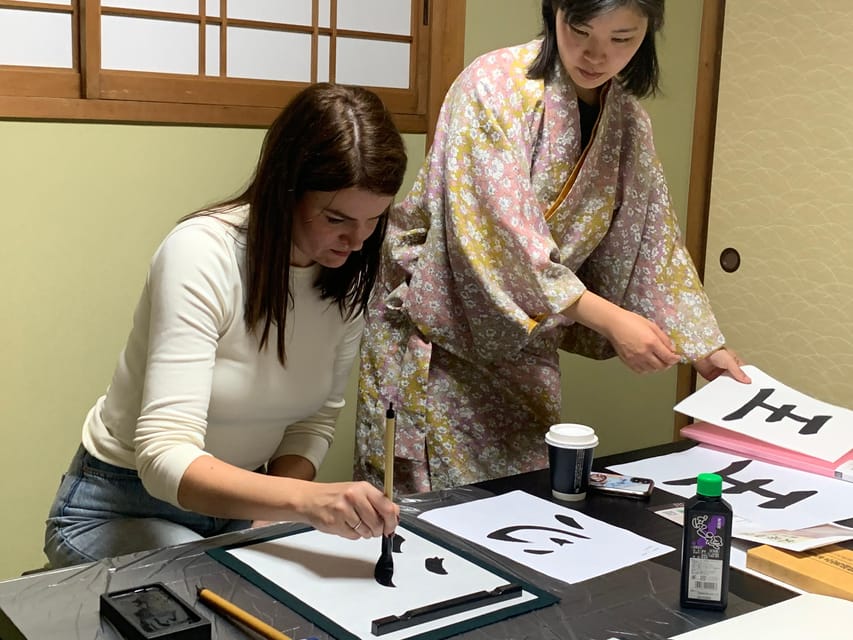
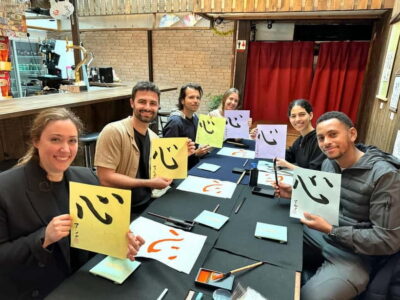
This Kyoto Ninenzaka Japanese calligraphy class turns a sightseeing day into a calm skill session right in the historic lanes. I like that you practice real shodo with focused coaching, and I like that you leave with your own handmade kanji as a souvenir.
One catch: you need to wear socks and clothes that can get dirty with ink. And since the class is 50 minutes, it is a great introduction, but not a long course to perfect your technique.
Key highlights to expect
- Real shodo instruction on brush handling, pressure, and stroke basics
- Near Kiyomizu and Ninenzaka so you can pair it with temples and lanes in the same day
- Small-group feel that keeps questions welcome and guidance close
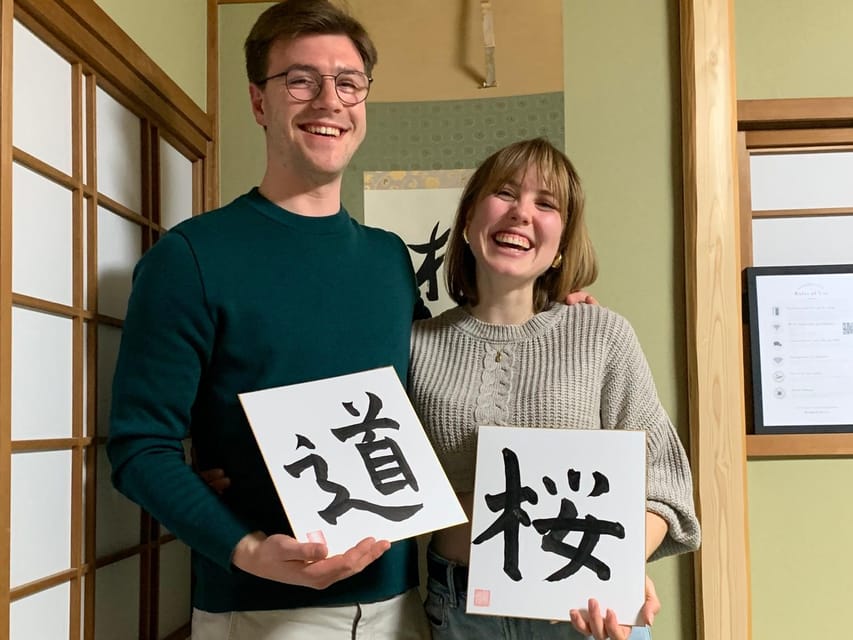
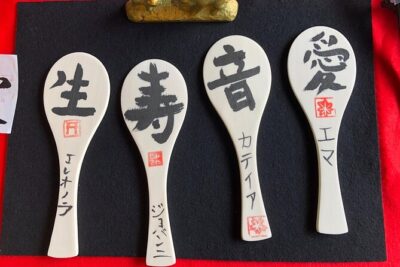
- A take-home kanji piece you can display or give to someone as a real keepsake
- Seasonal-themed practice that connects the strokes to Japanese expression and mood
Kyoto Ninenzaka Shodo Class: Why This Setting Makes Calligraphy Feel Easier
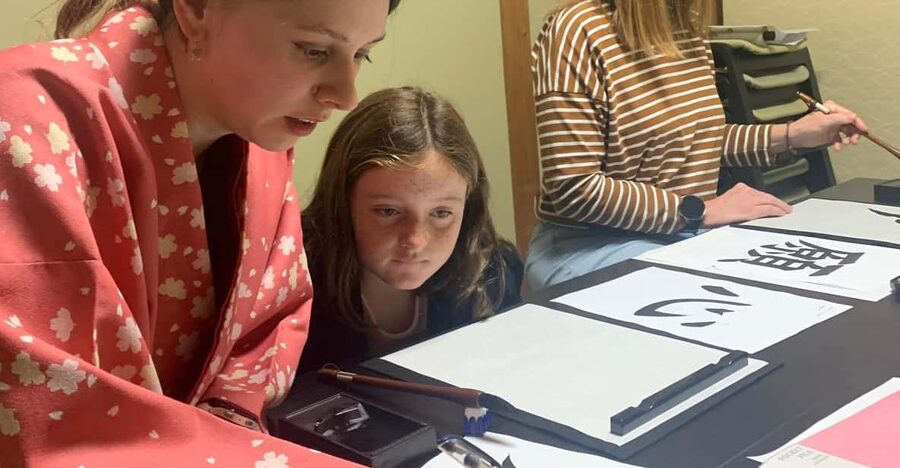
Kyoto is perfect for calligraphy because the activity rewards calm focus. In the Ninenzaka area, the pace naturally slows, and that matters when you are learning strokes that look simple but demand control.
You also get a strong cultural payoff for a short time. You are not just copying letters, you are learning how Japanese calligraphy works as a tradition, including the ideas behind balance and brush pressure.
The other reason this works is practical. A 50 minute lesson fits neatly between temple stops and evening wandering, and you still end up with something physical to remember the day.
More Calligraphy Classes in Kyoto
- Kyoto: Calligraphy class at Buddhist temple in city center
★ 5.0 · 167 reviews - Kyoto: Japanese Calligraphy Class
★ 4.8 · 89 reviews - Kyoto: Japanese Calligraphy Workshop
★ 4.7 · 84 reviews
Finding the Townhouse by Kiyomizu Temple and Ninenzaka Streets
Your meeting point is at the end of an alley on Ninenzaka, next to the Starbucks. It is close enough to Kiyomizu Temple that you can plan it like a mini break between walking routes.
Why this matters: Ninenzaka is full of small turns and photogenic lanes. Having a pinpoint style meeting spot keeps you from losing time while you are trying to arrive with socks on and clothes ready for ink.
If you are doing this right after another activity, give yourself a little buffer. Kyoto foot traffic and lane hopping can add up, and you do not want to rush the start of a lesson where preparation is part of the experience.
Price and Time Value: Getting a Lot from $49 in 50 Minutes
At $49 per person, this is a hands-on cultural class without the cost of a half day tour. You are paying for instruction, step-by-step coaching, and an original calligraphy booklet.
The time is also realistic. Fifty minutes is enough to learn tool basics, practice core strokes, and write simple kanji with attention to placement. If you want total mastery, you would need a longer program, but if you want a true introduction that you can carry home, this fits the bill.
Also, you are getting value in two directions. You get feedback during the class, and you get a finished piece that functions like a travel souvenir, not a disposable memory.
What You Learn in the Lesson: Tools, Brush Control, and First Kanji
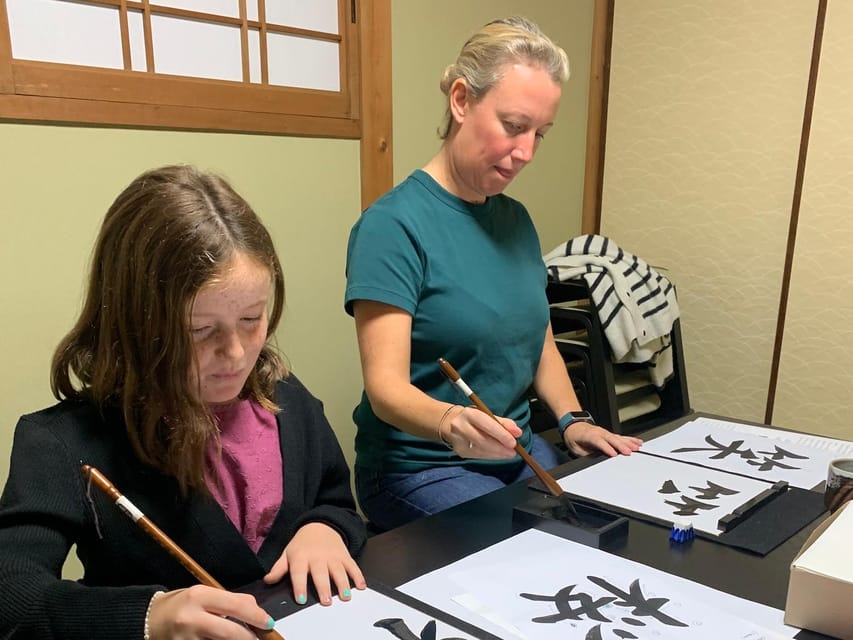
The class follows a clear flow that builds from concept to action.
You start with an introduction to calligraphy and its history, including how shodo connects to Japanese traditions. Then you move to tools, including brushes, ink sticks, an inkstone, and paper, so you understand what each part does and why it matters.
From there, the focus tightens on brush control. You get guidance on how to hold the brush correctly and how to adjust brush pressure. That single skill is what turns the strokes from shaky to confident.
After technique comes writing. You practice basic brushwork like lines, strokes, and dots or sweeps. Then you write simple kanji characters with attention to vertical and horizontal balance and placement.
What I like about this approach for beginners is that it does not assume you already know anything. No Japanese or art experience is required, and the structure keeps you from feeling lost.
And there is a cultural layer too. You deepen your understanding of Japanese culture through seasonal themes and expressions in your calligraphy, so the letters are not just forms, they carry meaning.
A change of pace from Kyoto:
- PERFECT KYOTO 1-Day Bus Tour
★ 5.0 · 13,518 reviews - Kyoto: Fushimi Inari, Kinkakuji, Bamboo Grove 1 Day Bus Tour
★ 4.8 · 4,316 reviews - Kyoto: Tea Ceremony in a Traditional Tea House in Kiyomizu
★ 4.9 · 3,519 reviews - Kyoto Geisha Walking Tour: Gion District & Hidden Gems
★ 4.7 · 3,273 reviews
The Meditative Setup Moment: Preparing Paper Like a Ritual
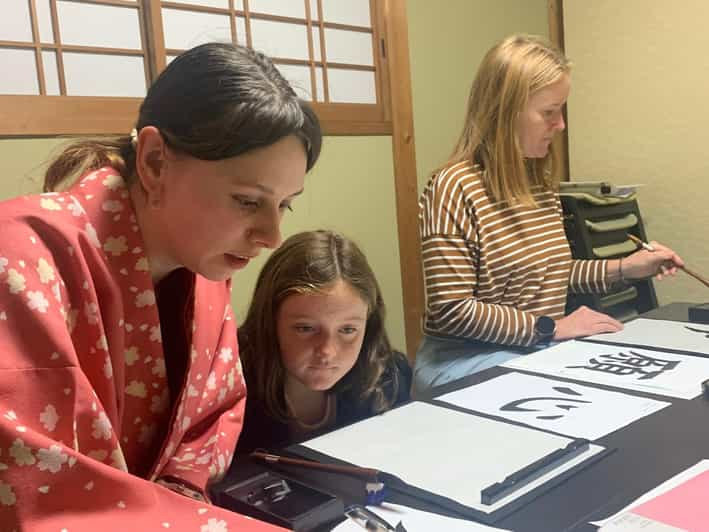
A big part of shodo is preparation, and this class treats it as more than a formality. You learn how to use writing paper and a paperweight, and you experience the meditative process of getting ready.
That matters because calligraphy is not only about the final stroke. If your paper is set up wrong or you are rushed, your brush tends to react differently, and you lose accuracy.
This is also one of those hidden “travel wins.” When you are on your feet all day, a short ritual that slows you down is a relief. The peaceful atmosphere in Kyoto helps the lesson feel more inspiring than stressful.
Brush Techniques That Actually Transfer to Your Page
You will practice core techniques that show up again and again in Japanese calligraphy.
Expect instruction on drawing lines and strokes with controlled starts and endings. You also learn how to handle dots or sweeps, which are small shapes that can throw off spacing and rhythm if you do not get the feel of the brush.
The lesson keeps returning to balance. When you start writing basic kanji, you are guided to focus on vertical and horizontal balance and how to place elements correctly.
If you are new, do not judge your first attempt too quickly. The goal is to learn what to look for, how to correct your pressure, and how to adjust your line quality. That is where the value of a coached class really shows.
The Take-Home Kanji Souvenir You Can Display Immediately
You keep your calligraphy as a memory. That turns the experience into something you can do with after the trip, not just something stored on your phone.
You also get an original booklet about calligraphy. Even if you forget the finer details later, the booklet gives you a way to review what you were taught and try again with better awareness.
This is one of the best types of travel keepsakes because it is personal. Your strokes reflect your control, your rhythm, and your attention on the day. That is a different kind of souvenir than most tourist photos.
Who This Kyoto Class Suits Best (And Who Might Skip It)
This is ideal for you if you want an authentic Kyoto activity that feels hands-on but beginner-friendly. The class is built for people with no Japanese or art background, and the coaching is careful and structured.
It also suits you if you like short, focused cultural sessions. Fifty minutes is enough to get real practice and leave with a finished kanji, without turning the day into a long commitment.
You might reconsider if you dislike working with mess. Ink and paper require care, and the dress code is practical: wear clothes that can get dirty and bring socks.
The class is not suitable for children under 10 years old, so if you are traveling with younger kids, plan for a different activity.
Practical Rules You Need to Know Before You Go
To protect the calm and keep the studio safe, there are clear house rules. Pets are not allowed, baby strollers are not allowed, and smoking is not allowed. Alcohol and drugs are also not allowed, and you should keep noise to a minimum.
You should plan for space too. Luggage or large bags are not allowed, and selfie sticks are not allowed.
Also note the socks requirement. Please bring socks with you. If you show up without socks, socks can be provided for a fee.
This is one of those small details that can make or break the experience. If you want your lesson to start smoothly, treat it like part of the tour prep, not an afterthought.
Booking Sweet Spot: When English Is Used and What to Expect
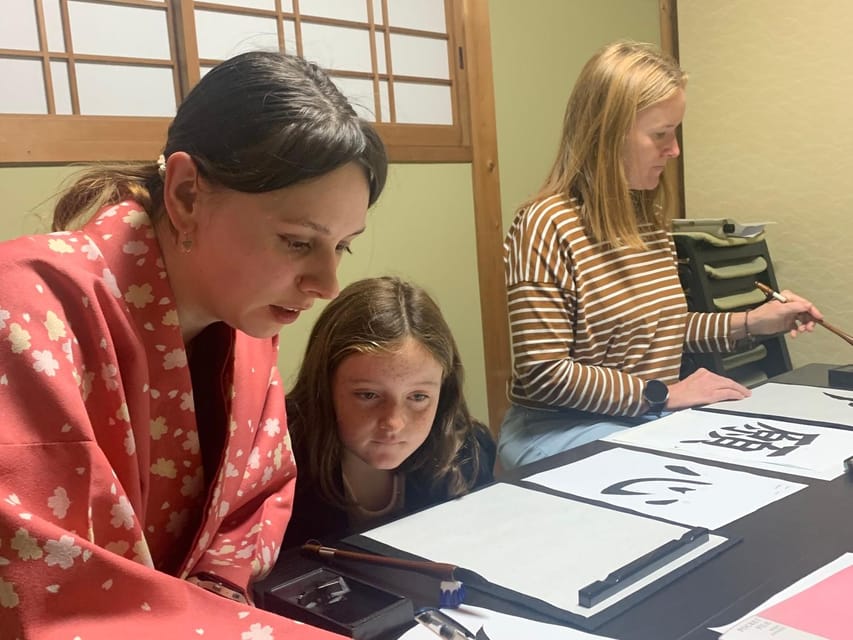
The class is in English, with an English-speaking host or greeter.
If you make a reservation on the day before or the same day, the experience may be conducted in English even if other language requests were involved. So if you care about language continuity, booking earlier gives you more certainty.
Timing matters in Kyoto. If you are also doing Kiyomizu Temple and Ninenzaka lanes the same day, consider when you want the lesson. Doing it after a long stretch of walking can feel like the perfect reset.
Should You Book This Kyoto Ninenzaka Calligraphy Class?
If you want a real cultural skill with a take-home result, I think it is an easy yes. The price is fair for a guided 50 minute lesson that covers tools, brush handling, core stroke practice, and simple kanji with cultural themes.
Book it if you like learning by doing, and if you want something quieter and more meaningful than another photo stop. It is also a strong choice if you have zero background in Japanese or art, because the instruction is designed to start you from the beginning.
Skip it only if mess and socks are deal breakers, or if you are looking for a multi-session deep training plan. For a first taste of shodo in the right Kyoto lanes, this class hits a nice balance of time, guidance, and souvenir value.
FAQ
How long is the Kyoto Ninenzaka Japanese calligraphy class?
The class lasts about 50 minutes.
Where is the meeting point near Kiyomizu and Ninenzaka?
Meet at the end of the alley on Ninenzaka, next to Starbucks, near Kiyomizu Temple.
Do I need Japanese or art experience to join?
No. The class is beginner friendly and does not require Japanese or art experience.
What will I practice during the class?
You will learn calligraphy fundamentals, brush handling, basic techniques like lines and dots or sweeps, and you will write simple kanji characters focusing on balance and placement.
What do I need to bring besides myself?
Bring socks and clothes that can get dirty.
What if I forget my socks?
If you do not have socks on the day, socks can be provided for a fee.
Is a kimono included?
No. A kimono option is available for an additional pay, and it is not included in the base price.
Is the class taught in English?
Yes. The experience language is English, with an English host or greeter.
Can I cancel for a refund, and can I book without paying right away?
Yes. You can cancel up to 24 hours in advance for a full refund, and you can reserve now and pay later.
Latest write-ups near Kyoto
- Kyoto Private Tour Full Day with Local Guide&Nara Option(PerGroup★ 5.0 · 20 reviews
- Sacred Pathways: Discover the Philosopher’s Path of Kyoto★ 4.9 · 20 reviews
- Kyoto UNESCO World Heritage Site Private Tour with a Premium Van★ 5.0 · 20 reviews
- Hammer Pattering Experience of Ring★ 5.0 · 20 reviews
- KYOTO: Private Tea Ceremony in Hidden Townhouse (Kid-Friendly)★ 5.0 · 20 reviews
- Sushi or Traditional Japanese Cuisine in a Kyoto Home with Emika★ 5.0 · 20 reviews
- The Kyoto VIP Experience!★ 5.0 · 20 reviews
- Kyoto Customized Private Tour: See Top Attractions in 1 Day★ 4.7 · 20 reviews
Calligraphy Classes, compared.
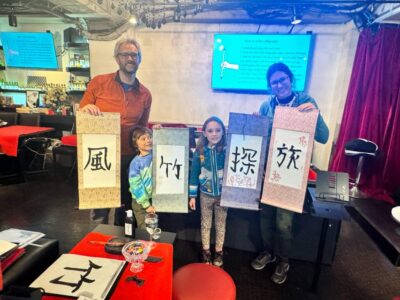
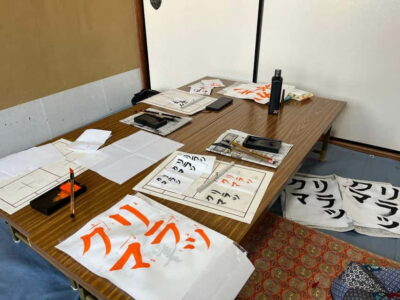
Calligraphy class at Buddhist temple in city center
Read our review →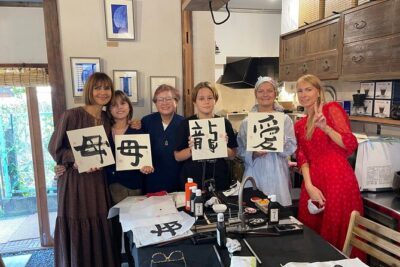
Let’s experience calligraphy in YANAKA, Taito-ku, TOKYO !!
Read our review →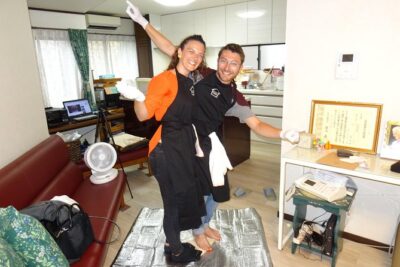
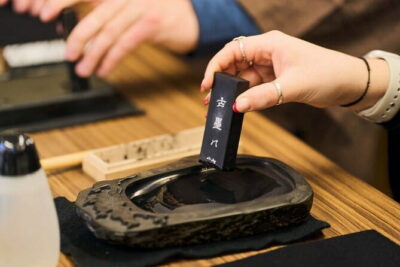
Calligraphy Workshop & Original T-Shirt Creation
Read our review →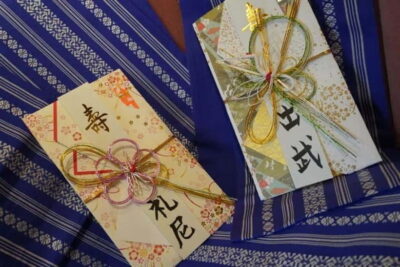
An Amazing set of Cultural experience: Kimono, Tea Ceremony and Calligraphy
Read our review →Browse the lists this tour appears in