
Reviewed · MT FUJI TOURS
3 Day Japan Highlights Tour: Tokyo, Mt.Fuji, Nara, Kyoto, Osaka
Japan in 3 days can feel like a sprint, but this route is interesting because it links multiple historic capitals with scenic stops built around Mt. Fuji views and classic temples. You start from Narita and ride in a comfortable air-conditioned vehicle between regions, so you spend less time wrestling transit.
What I like most is the balance of big-name sights with atmosphere, not just checklists. I also like that you get structured guided time with a small group size (max 23), plus flexibility built into the day for your interests with an English-speaking guide, including guides like Matt who focus on making the route feel understandable.
One possible drawback: you are moving every day, with many stops and several paid sights, so it helps to be comfortable walking and to budget extra for lunch, dinner, and entrance fees that are not included.
Key things I’d zero in on before you book
- Small group size up to 23, which usually means less chaos at temples and viewpoints
- Mt. Fuji framing all day long, with clear-day dependent stops around Hakone and the Fuji area
- Iconic stops that pair well together, Kamakura coast to Hakone crater lake to Kyoto and Osaka nightlife
- Several paid attractions, including Hakone ropeway and pirate ship, plus Todai-ji and Kiyomizu-dera
- Breakfast included for 2 mornings, while lunch and dinner are on you
- A good “pace with purpose” itinerary, filled but not random, with crowd-avoidance tactics at some sites
How this 3-day Highlights tour really fits together
This is a classic Japan highlights sweep, but it is organized in a smart geographic way. You are not zigzagging endlessly. Day 1 strings together the Kamakura coast and Hakone hot-spring countryside into a single scenic arc. Day 2 focuses on the Fuji foothills area, from ponds and shrines to lava tubes and waterfalls, with an evening in Nagoya to break up the temple-heavy feel. Day 3 finishes with Nara and Kyoto, then ends in Osaka’s Dotonburi entertainment district.
The big idea is comfort plus structure. You get an English-speaking guide, WiFi on board, an air-conditioned vehicle, and the routine costs that add up when you plan alone (parking fees and road tolls). That matters if you want your days to feel smooth right after you land.
More Mt Fuji days:
- Mt Fuji and Hakone 1-Day Bus Tour Return by Bullet Train
★ 5.0 · 26,383 reviews - Mt Fuji & Hakone Cruise, Drum Show Bullet Train 1 Day from Tokyo
★ 4.0 · 7,413 reviews - Tokyo Mt Fuji 5th St & Hakone Cruise Bus Tour w/Bullet Train
★ 4.4 · 5,024 reviews
Value check: what you pay for, and what you still need to cover
At $1,310.55 per person for about 3 days, you are paying for the framework: guide, transportation, and a 3-star hotel setup, plus two breakfasts. In other words, you are buying less decision stress and fewer logistics headaches, not just “a list of attractions.”
What is not included is equally important. Lunch and dinner are not included, and several key sights have separate entrance fees. From the itinerary, here are some of the paid items you should plan for:
- Hakone Ropeway: 2,000 yen
- Hakone Pirate Ship (Tōgendai to crater lake): 1,700 yen
- Saiko Iyashi no Sato Nemba: 500 yen
- Fugaku Wind Cave: 300 yen
- Todai-ji: 800 yen
- Kiyomizu-dera: 500 yen
- Optional tea ceremony at Entoku-in: 1,300 yen
If you add the clearly listed paid items above, you land around 5,800 yen before the optional tea. On top of that, you will want money for lunch, dinner, and any snacks.
Also note the weather reality: several of the most meaningful views are explicitly on clear days, like Mt. Fuji sightings from Hakone and the Fuji area. This tour gives you multiple chances, which is good planning.
Day 1: Kamakura to Hakone, built around sea views and Mt. Fuji chances
Day 1 is the “coast plus crater lake” day. You get temple and ocean scenery early, then transition inland to Hakone’s volcanic drama.
Great Buddha of Kamakura at Kotoku-in
This is a quick stop, about 30 minutes, at the iconic bronze statue that dates to 1252. Even if you have seen photos, seeing it in person has weight. It is one of those sights that instantly tells you why Kamakura became such a big cultural center.
Drawback to know: admission is not included, so you will want yen ready for the main gate experience.
A change of pace from Tokyo:
- 1-Day Tokyo Bus Tour
★ 5.0 · 14,250 reviews - Tokyo: TOKYO SKYTREE® Admission ticket
★ 4.5 · 11,192 reviews - Tokyo: teamLab Planets TOKYO Digital Art Museum Entry Ticket
★ 4.6 · 9,779 reviews - Tokyo: Sumo Show Experience with Chicken Hot Pot and a Photo
★ 4.8 · 6,678 reviews
Hasedera Temple gardens and the wooden goddess
Hasedera is known for its large wooden statue of the goddess of mercy, and the gardens are a major part of why you stop. You also get ocean views, plus the option to go underground in the temple complex.
This is a good mental break from pure “walk-walk-walk,” because the grounds encourage a slower pace.
Enoshima Island for shrines, sea caves, and public baths
Enoshima is scenic and practical: shrine complex, sea caves, and the chance to eat seafood at nearby restaurants. The island is also near surfing areas, so even if you do not watch long, the vibe is coastal.
Admission is free for this stop, which helps keep the day’s costs under control. It is about an hour of time.
Hakone Ropeway with foot bath and mountain views
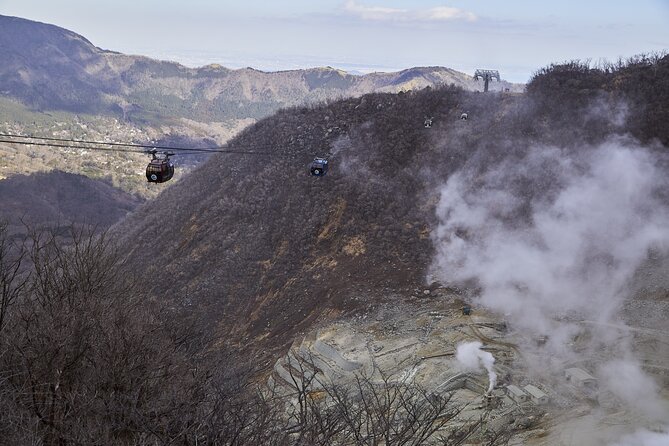
Now you shift to Hakone. The ropeway includes a foot bath and gondola down the mountain, which makes the transition feel like an activity, not just travel.
You should budget the ropeway admission fee of 2,000 yen. It is also one of those experiences where the scenery payoff depends on visibility.
Owaku-dani Hell Valley and the black egg idea
Owaku-dani is the sulfur steam zone, where you see crater steam vents. The classic “kuro-tamago” black eggs are mentioned here, boiled in the sulfur springs. This is tourism, yes, but it is also a memorable way to experience the volcanic side of Hakone.
The stop is short, about 15 minutes, so it works best if you treat it as a quick taste rather than a full meal.
Hakone Pirate Ship over Lake Ashi crater-lake water
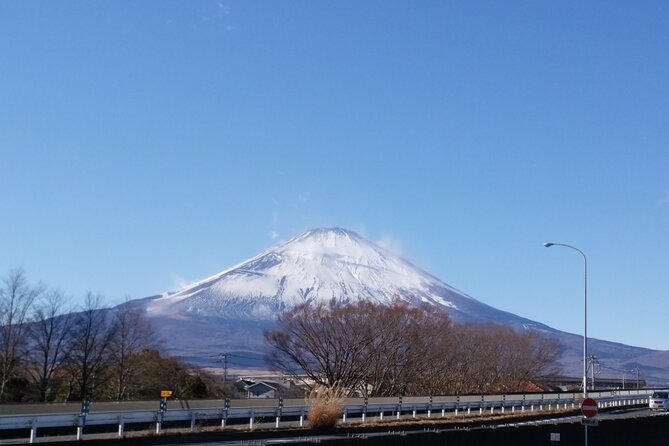
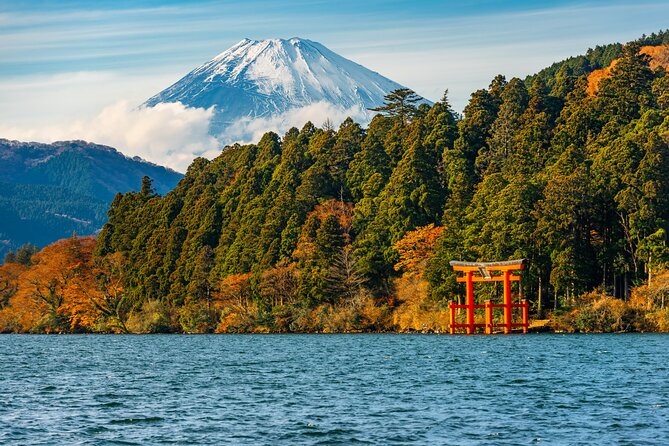
This is one of the most “Japan in a postcard” moments on the route. You take a pirate ship cruise from Tōgendai port, over an extinct volcano’s crater lake. The best part: Mt. Fuji is possible on clear days.
Admission is 1,700 yen, not included. If you get clear weather, this is the kind of stop you will remember for years.
Hakone Jinja, cedar forest shrine vibe
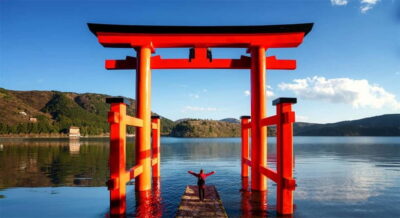
Hakone Jinja is set in a forest of massive cedar trees, with a shrine complex plus a torii gate option on Lake Ashi. It is a small shift in tone from volcanic heat and boats into quiet woodland atmosphere.
Free admission helps, and the time is about 30 minutes.
Lake Ashinoko Sky Line viewpoint, with views built into the driving plan
The Sky Line stop is included. It is a short visit, about 20 minutes, and it is planned specifically for views of Lake Ashi and Mt. Fuji if the skies cooperate. You might also spot Japanese wildlife like deer and raccoon dogs.
This is a good example of why a guided route can be better than driving alone: you get squeezed into the best window of viewpoint time without guessing.
Day 2: Fuji foothills, ponds, lava tubes, waterfalls, and an evening in Nagoya
Day 2 is where you go from “Japan coast and volcano” into “Fuji countryside detail.” The itinerary is packed, but each stop has a distinct purpose.
Fuji tasting stop and tea plantation views
You get a quick taste of local specialties and views of tea plantations. It is about 20 minutes, so it is not a big meal stop, but it gives you the sense of place around Shizuoka and the Fuji region.
Free stop means low cost and quick orientation.
Oshino Hakkai ponds, crystal clear and very photogenic
Oshino Hakkai is a folk village with eight crystal clear ponds and small shops selling local specialties. This is one of those stops where the value is in the setting. You get the ponds, the walking paths, and time to browse.
You have about an hour.
Kitaguchi Hongu Fuji Sengen Jinja, an ancient starting point
This shrine is ancient, dating back to 100 A.D., and it sits in a cedar forest near the foot of Mt. Fuji. The tour frames it as a traditional starting point for climbs, which makes it feel more than just pretty architecture.
Free admission and about 30 minutes.
Oishi Park for Mt. Fuji framing from Lake Kawaguchi
If you want classic Mt. Fuji composition, Oishi Park is where you go. It is only about 20 minutes, but it is specifically for clear-morning views from Lake Kawaguchi.
Free stop, and it reinforces the theme that the route gives multiple chances for Fuji.
Saiko Iyashi no Sato Nemba, traditional village with costumes
This is a traditional village with thatched roof houses, and you have the chance to dress in kimono or samurai armor while exploring. The itinerary calls out views of Mt. Fuji and the countryside.
Admission is listed as 500 yen and not included. Time is about an hour, so it is enough to enjoy the “living-history” feel without turning into a half-day detour.
Fugaku Wind Cave: lava tubes and an ice-cold effect
Fugaku Wind Cave is a lava tube system described as a natural refrigerator with ice much of the year. That is a neat concept because it turns “a cave visit” into something that feels functional, not random.
Admission is 300 yen, and the time is about 30 minutes.
Aokigahara forest short walk, at the foot of Mt. Fuji
You get a brief walk through Aokigahara forest, described as infamous and located at the foot of Mt. Fuji. The time is short, about 10 minutes, which is good if you want the visual and the sense of the place without a long commitment.
Admission is free.
Shiraito Falls: short walk, two waterfalls
This stop is a short walk to two waterfalls. You also get time for local snacks. It is about 40 minutes, which is perfect for a leg stretch and a break from temples and shrines.
Free admission.
Nagoya Sakae district evening for street-level city life
The tour ends the day with Nagoya’s Sakae district for about an hour in the evening. This is not a temple day anymore. It is about walking around a neighborhood full of shops and restaurants and getting a feel for city energy between major regions.
Free stop, and it is a nice palate cleanser before Kyoto and Osaka.
Day 3: Nara deer park and Todai-ji, then Kyoto crowd-smart sightseeing, ending in Dotonburi
Day 3 shifts from nature and big statues into Kyoto walking routes and finally Osaka lights and food alleys.
Nara Park guided deer time
You get a guided walk through Nara Park with lots of deer, about 2 hours. This is one of those experiences that feels simple but is surprisingly hard to replicate alone, because the “how to act around deer” part matters and a guide helps you avoid awkward chaos.
Free admission.
Todai-ji: giant bronze Buddha inside an enormous hall
Todai-ji dates to 738 and houses the world’s largest bronze statue of the Buddha inside a massive wooden temple. This is a cornerstone World Heritage stop, and it is the kind of sight where scale does the storytelling.
Admission is 800 yen, not included, and time is about 1 hour.
Kiyomizu-dera and the shops nearby, with routes to reduce crowd time
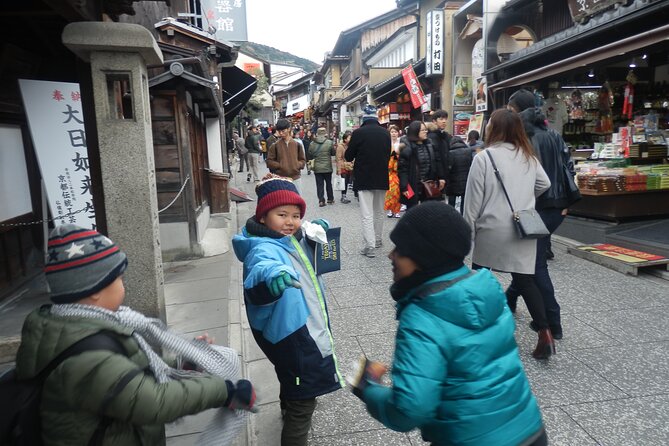
Kiyomizu-dera is World Heritage and the tour notes using routes intended to help you avoid most crowds. You also spend time in the traditional shops nearby.
Admission is 500 yen, not included, and the visit is about 1 hour. This is a strong stop for first-timers because it mixes architecture, viewpoints, and streetscape.
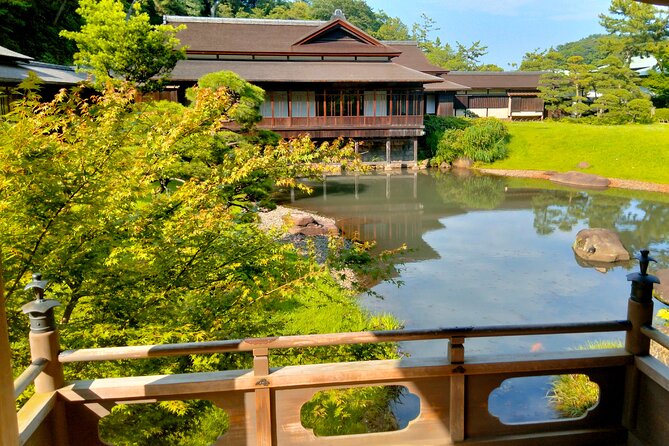
Entoku-in tea ceremony option at Nene’s family home
Entoku-in is the family home and traditional garden of Toyotomi Hideyoshi’s wife Nene, built in 1605. You also get the option of a short tea ceremony here, with an extra fee of 1,300 yen.
This is a great “slow down” moment on a packed day. It also matches the tour’s cultural emphasis, because tea is not just a photo moment. Time is about 40 minutes.
Arashiyama bamboo forest, plus a backup less-crowded plan
Arashiyama bamboo forest is famous for a reason, and you get about 1 hour of strolling time. The itinerary also mentions that if you are short on time, you can use a less-crowded bamboo grove at Kotoku-in temple.
Admission is not listed here, so this part is treated as free time within the overall plan.
Fushimi Inari-taisha and the torii tunnel climb
Fushimi Inari-taisha is home to over 10,000 orange torii gates forming a tunnel up the mountain. You get about 40 minutes, which is enough to experience the gate tunnel feel without going too far.
Free admission.
Dotonburi evening in Osaka’s entertainment alleys
You finish with about an hour in Dotonburi, Osaka’s entertainment district. This is your nightlife payoff, and it is a good place to end because you can eat, wander, and decompress in a way that feels distinctly Osaka rather than only temple-focused.
Free stop.
Practical travel tips to make this tour feel easy
- Plan for Fuji uncertainty. The tour repeats Mt. Fuji viewpoints across Day 1 and Day 2, but the key ones are still clear-day dependent. Bring patience, not just hope.
- Budget for paid admissions. Several sites are free, but major ones like Hakone ropeway, pirate ship, Todai-ji, and Kiyomizu-dera have set fees that are not included.
- Pack comfortable walking shoes. You have multiple temple and shrine walks plus waterfall and cave stops. Even short visits add up.
- Use the crowd-smart notes. The route specifically mentions avoiding crowds at Kiyomizu-dera. Follow the guide’s pacing and meeting points so you do not lose time.
- Eat lunch and dinner strategically. Since lunch and dinner are not included, you can treat meals as flexible breaks. If you want a local specialty, ask your guide what makes sense for your interests that day.
Is this tour a good match for your style of travel?
I think this tour fits best if you want a guided sampler that still feels like you’re in the real places, not just inside a bus. It is also a strong choice for first-time Japan visitors who want Mt. Fuji, Kyoto, Nara, and Osaka without building an itinerary from scratch.
You might want another format if you:
- hate a packed schedule and prefer slower days with fewer transitions
- want to control every meal and every attraction entry time
- are chasing just one or two “must do” sites and want deep time at them
The good news is that this route is clearly built to connect big highlights in a way that makes sense geographically and keeps transportation time less stressful.
Should you book this 3-day Japan Highlights tour?
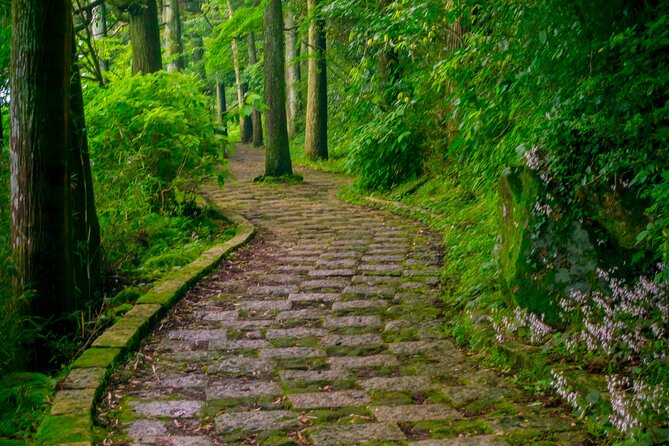
Book it if you want a small-group, guided experience that hits Tokyo area access (Narita start), then delivers Kamakura, Hakone, Mt. Fuji region, Nara, Kyoto, and Osaka in three days with comfort and hotel stays built in. It is good value for what is included, especially the guide, air-conditioned transport, and the major cultural sequence.
Hold off if your top priority is unlimited free time or if you want to spend long afternoons on your own in one city. This is a route with momentum. If you’re comfortable with that, you’ll likely find the structure to be the point, and the Fuji and temple moments are the payoffs.
If you want, tell me your travel month and how important Mt. Fuji views are to you, and I can suggest what to focus on day by day so the schedule works with weather reality.
FAQ
Where does the tour start?
It starts at Narita Airport Terminal 2 and 3 Station (Narita, Japan).
Does the tour include pickup?
Yes, pickup is offered.
About how long is the tour?
It is 3 days (approx.).
Is WiFi and an air-conditioned vehicle included?
Yes. WiFi on board and an air-conditioned vehicle are included.
Is breakfast included?
Yes, breakfast is included for 2 mornings. Lunch and dinner are not included.
How large is the group?
The tour has a maximum of 23 travelers.
Is there a mobile ticket?
Yes, the tour includes mobile ticket access.
Are there entrance fees during the tour?
Yes. Some stops list separate admissions that are not included, such as Hakone Ropeway (2,000 yen), Hakone Pirate Ship (1,700 yen), Todai-ji (800 yen), and Kiyomizu-dera (500 yen), plus others.
Is the Mt. Fuji view guaranteed?
No. Several stops note views of Mt. Fuji on clear days, so visibility can vary.
What is the cancellation window for a full refund?
You can cancel up to 6 days in advance for a full refund, with refunds based on local time cutoffs.
Latest write-ups near Tokyo
- Tokyo Nights: Shibuya Photo Adventure★ 5.0 · 20 reviews
- Wagyu & Sake 8 Course Tasting Dinner in Shinjuku★ 4.9 · 20 reviews
- Making Japanese desserts Nerikiri & drinking matcha in Tokyo★ 5.0 · 20 reviews
- Mt. Fuji 5th Station, Owakudani Ropeway, Pirate Ship plus Outlet shopping!★ 4.5 · 20 reviews
- Japanese Whisky Hunting《HIGH-QUALITY-ONLY》Rare Tasting Class★ 5.0 · 20 reviews
- Kintsugi Experience with Arita Ware in Tokyo (English Guide)★ 4.8 · 20 reviews
- This is Asakusa! A Tour Includes the All Must-Sees!★ 5.0 · 20 reviews
- Tokyo: Karate Experience with Former All-Japan Champion★ 5.0 · 20 reviews
Mt Fuji Tours, compared.
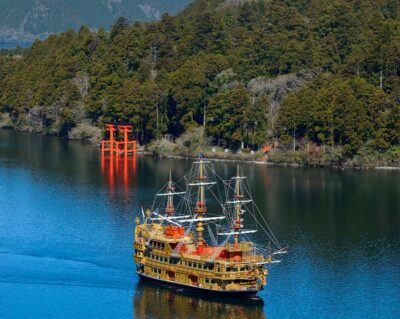
Mt Fuji and Hakone 1-Day Bus Tour Return by Bullet Train
Read our review →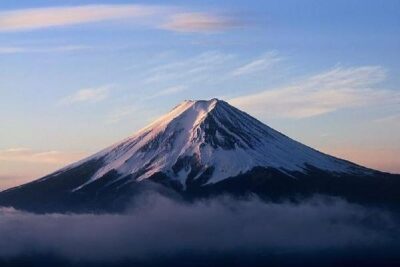
Mt Fuji & Hakone Cruise, Drum Show Bullet Train 1 Day from Tokyo
Read our review →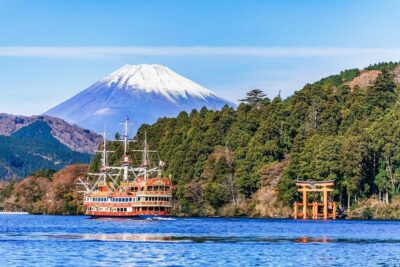
Tokyo Mt Fuji 5th St & Hakone Cruise Bus Tour w/Bullet Train
Read our review →
Mt. Fuji Tour, Hakone Ropeway, Owakudani, Lake Ashi
Read our review →
Mt.Fuji,Kawaguchiko Oishi Park,Arakurayama Sengen Park
Read our review →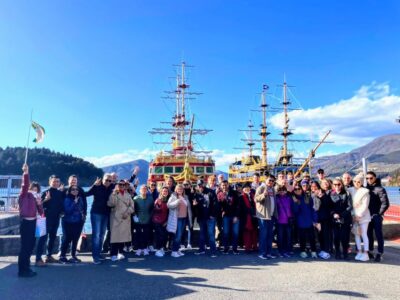
Mt. Fuji 5th Station & Hakone Cruise 1-Day Bus Tour
Read our review →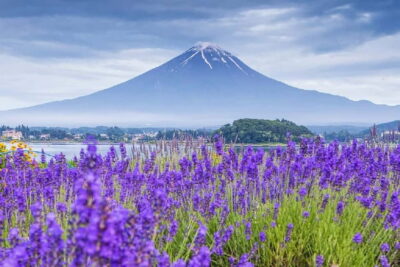
Mt Fuji Top 5 Spots Day Tour: Arakurayama Park,Oshino Hakkai
Read our review →Browse the lists this tour appears in