
Reviewed · DAY TRIPS IN TOKYO
Tokyo Customized Private Tour: See Top Attractions in 1 Day
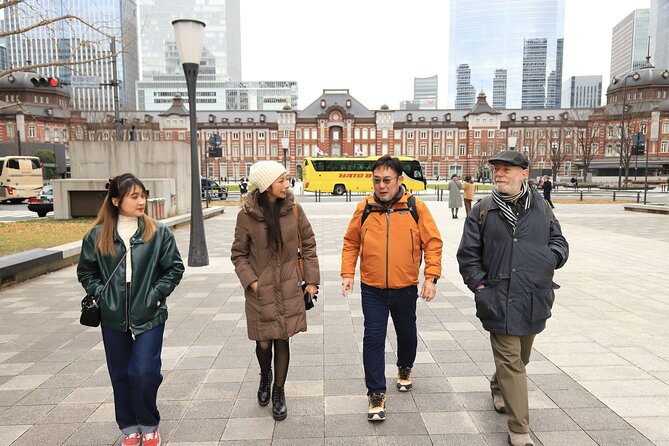
A Tokyo day with a private guide is interesting because you get to choose what matters most, then ride the metro and walk between major neighborhoods without second-guessing the routes. Private attention helps, and guides like Tak and Hiro are the kind who make a fast day feel personal and easy. You can build your day around traditional icons like Senso-ji and Meiji Jingu, or swap in modern stops like Harajuku and Shibuya.
I love two things about this style of tour. First, the way it helps you learn Tokyo’s transit, so the metro stops stop feeling intimidating. Second, the customization works in real life, whether you want a history-minded day (hello Hiro) or you want pop culture and shopping with a guide who can react when your plans change (hi Yuki). It also tends to be very kid-friendly, with guides like Naoko and Michi tailoring the day for families.
One possible drawback: you will walk and move at city speed. The tour is rain or shine, with a moderate amount of walking, so comfortable shoes matter. And because it is customizable, you get the best results when you clearly share your priorities at the start, otherwise your day can feel a bit less structured.
Key Things to Know Before You Go
- Private guide, real personalization: you can pick 2-5 stops depending on your tour length.
- Metro support built into the day: the itinerary is designed to teach you how to move efficiently.
- A balanced mix of old and new: temples, shrines, markets, and major districts.
- Optional paid entries: some gardens and museums may cost extra, depending on your choices.
- Strong guide track record: many reviews name guides who are warm, patient, and good at English.
- Hotel pickup is included: and a private vehicle option exists if you want less walking.
A 1-Day Tokyo Plan That Actually Fits Your Schedule
This tour is built for one thing: maximizing your first pass through Tokyo without turning it into a chaotic scavenger hunt. You travel on foot and by metro, with the guide helping you sequence stops, keep things moving, and explain what you are looking at along the way.
The duration matters. In practice, you can expect fewer stops on the shorter option and more on the longer one. The tour notes say: for a 4-hour day, you typically hit 2-3 spots; for about 6 hours, you’re looking at 3-4 spots; and for an 8-hour day, you can fit 4-5 spots. That trade-off is useful. If it is your first day, the shorter option can be a great orientation day. If you already know your basics, an 8-hour plan gives more room for extra districts like Ginza or Skytree.
The big advantage is customization. You can choose classic highlights like Asakusa and Harajuku, or swap in a quieter pocket like Yanaka Ginza shopping street. You can also add or skip optional paid attractions such as Shinjuku Gyoen National Garden, Tokyo National Museum, Tokyo Skytree, Ueno Park options, Odaiba areas, and Hama Rikyu Gardens.
More Day Trips in Tokyo
- Mt Fuji and Hakone 1-Day Bus Tour Return by Bullet Train
★ 5.0 · 26,383 reviews - 1-Day Tokyo Bus Tour
★ 5.0 · 14,250 reviews - Mt Fuji & Hakone Cruise, Drum Show Bullet Train 1 Day from Tokyo
★ 4.0 · 7,413 reviews
Your Guide Can Make or Break a Fast Day
This is where this tour gets extra credit. Reviews repeatedly praise guides for being friendly, patient, and good at English. You also see a pattern: guides do more than point. They help you navigate.
For example, if you are lucky enough to have Tak, the tour is described as smooth, organized, and very informative. Hiro is highlighted for a history-focused approach, including the Imperial Palace area and Asakusa. Yuki is mentioned for handling changes to requests during a longer day, including Ginza and Tokyo Skytree.
Other guide names show up with practical strengths:
- Miky is praised for being organized and thoughtful, especially for an Imperial Palace gardens plus market plus Asakusa style route.
- Ike is noted for handling rainy weather while still hitting major sites like Shibuya Crossing, Meiji Jingu, Takeshita Street, and Shinjuku, plus recommending ramen.
- Yoko is praised for helping first-time visitors learn the complex train system.
- Naoko is described as especially attentive for families, even engaging children with origami.
- Fumi is praised for blending major sights with local areas, and for teaching shrine and temple etiquette.
You’ll also find “small care” details mentioned: one family talks about the guide working around a food allergy by finding a lunch spot that could accommodate it. Another notes the guide filmed their Shibuya crossing moment and offered coins for a Senso-ji offering. These are not mandatory add-ons, but they show how guides tend to think about making the day feel meaningful, not just efficient.
How the Itinerary Flows: Temples, Teen Tokyo, Markets, and Major Districts
The route is designed to cover different Tokyo moods in one sweep.
A common backbone is:
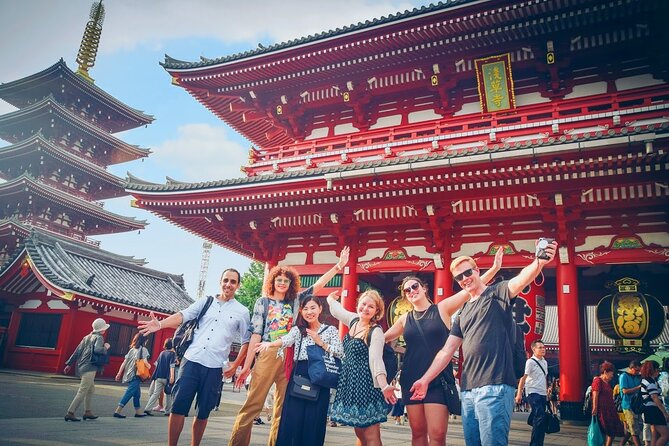
- Asakusa and Senso-ji (traditional Tokyo, lots of atmosphere, street-level culture)
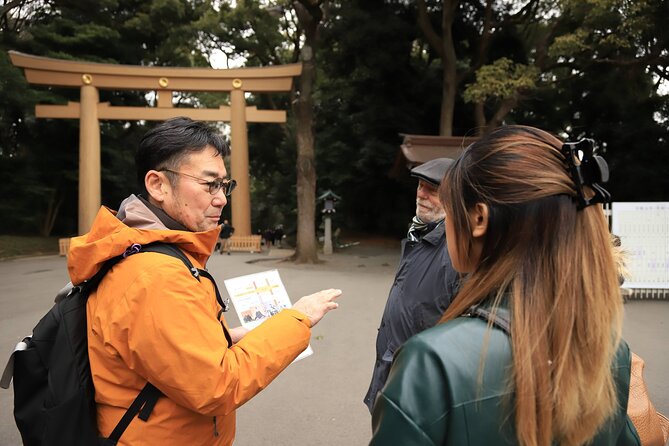
- Meiji Jingu and Harajuku (forest shrine calm plus modern youth culture)
- A food stop such as Tsukiji Fish Market
- A “big city” slice like Shibuya Crossing and Shinjuku
Then you can expand into:
- Imperial Palace east garden and other central areas
- Shopping and strolling zones like Ginza and Yanaka Ginza
- Options for museums and parks like Tokyo National Museum and Ueno Park
- City skyline or waterfront experiences like Tokyo Skytree, Odaiba, and Hama Rikyu Gardens
Because the tour is customizable, you are not locked into one fixed loop. Your guide should help you choose what fits your energy level and interests.
Asakusa and Senso-ji: The Temple Start That Sets the Tone
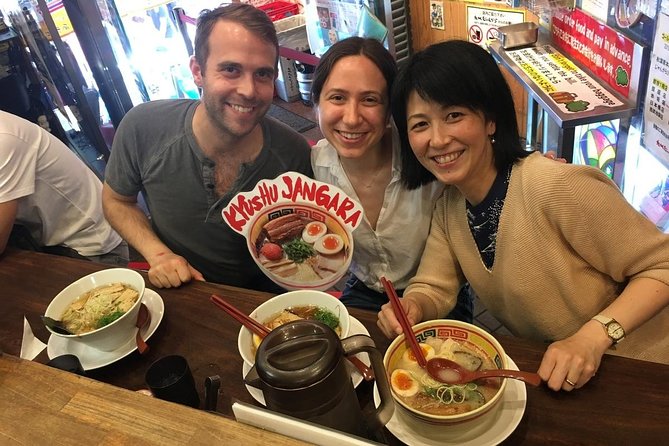
Senso-ji Temple and the surrounding Asakusa area are a classic reason to book a guide on day one. The main time block is built into the plan, and it is paired with time for walking the traditional neighborhood.
What I like here is that it is not just a “see the gate, move on” stop. You get time that lets you slow down for details. The tour schedule lists Senso-ji and then Asakusa as separate stops, plus an Asakusa Culture Tourist Information Center option. That structure is good because it gives you both the spiritual centerpiece and a way to orient yourself in the neighborhood.
If you want cultural context, this is where many guides shine. Several reviews mention learning about proper prayer and respect at temples and shrines. One guide even brings offering coins for Senso-ji. Those are small gestures, but they change how you experience the place.
Practical tip: if Tsukiji is on your plan too, consider eating lighter before the markets. One review specifically recommends not eating beforehand so you can enjoy tastings at the outer market area. That is good logic when you have multiple food moments in one day.
A change of pace from Tokyo:
- Tokyo: TOKYO SKYTREE® Admission ticket
★ 4.5 · 11,192 reviews - Tokyo: teamLab Planets TOKYO Digital Art Museum Entry Ticket
★ 4.6 · 9,779 reviews - Tokyo: Sumo Show Experience with Chicken Hot Pot and a Photo
★ 4.8 · 6,678 reviews - Tokyo: Shinjuku Food Tour (13 Dishes at 4 Local Eateries)
★ 5.0 · 6,603 reviews
Meiji Jingu Shrine and Harajuku: Calm Forest to Street Style
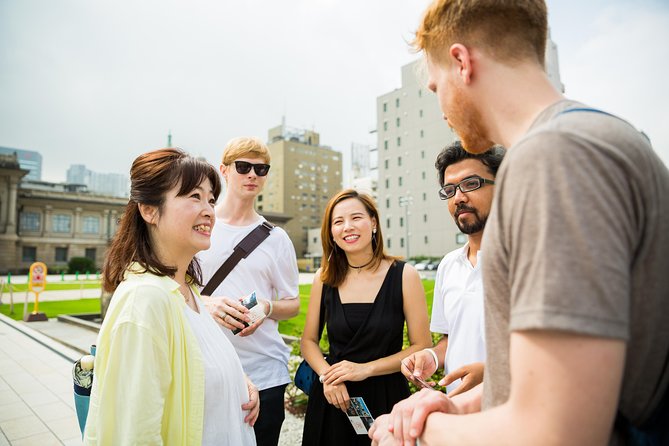
After lunch time in the Asakusa area, the plan often shifts to Harajuku. The itinerary pairs Meiji Jingu Shrine with the lively energy of Takeshita Street.
Meiji Jingu is famous for its feeling of stillness, even though you are in the middle of Tokyo. The plan lists Meiji Jingu and gives you time to experience the shrine grounds and the atmosphere around it. This stop works well as a reset, especially after the crowds around major temple streets.
Then comes Takeshita Street, where you get the youth and pop culture side of Tokyo. It is a contrast stop on purpose. If your day has a lot of serious walking and etiquette learning, Harajuku is where you can switch gears to people-watching and casual browsing.
If shopping and browsing are your goal, take advantage of the guide’s ability to read your pace. For instance, one longer-day review mentions working in shopping priorities around Ginza, and another notes the guide was flexible with request changes.
Tsukiji Fish Market: Food, Knives, and a Very Local Vibe
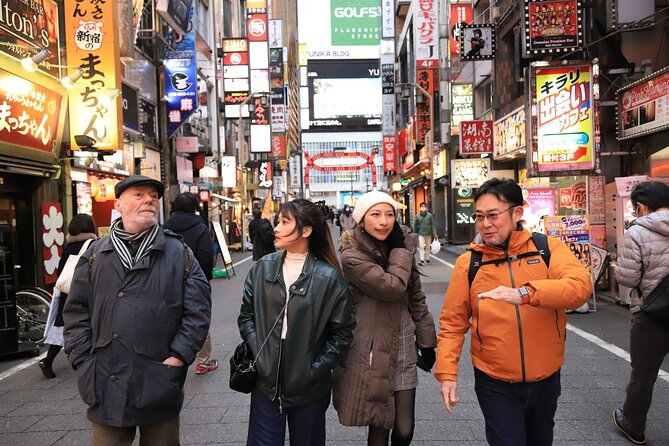
Tsukiji is one of the most memorable stops on this kind of tour because it is not just a sight. It is sensory. The itinerary gives time for the market, and admission is free for the experience itself.
One review highlights Tsukiji as a must, and it also mentions knives along with food. That matches the typical Tsukiji feel: you might see shops and vendors that specialize in kitchen tools while you move through market streets. Even if you are not shopping, the guide can help you spot where to look so you do not miss the interesting parts.
This is also a good spot for your guide to help you order and choose. One review describes a guide taking guests to a great ramen stop later, showing that the guide often thinks ahead to your next meal moment.
If you have dietary needs, it helps to tell your guide clearly at the start. One family mentions the guide was aware of a food allergy and worked to find a lunch spot that could handle it. That is exactly what you want from a private guide.
Imperial Palace East Garden, Shibuya Crossing, and Shinjuku Gyoen
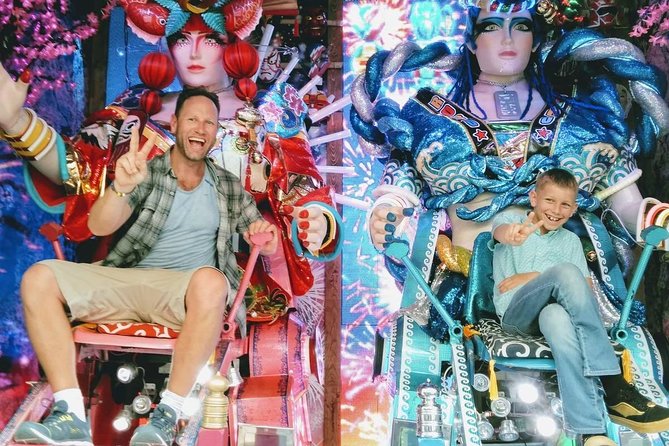
Tokyo’s big-name neighborhoods show up here in practical chunks.
- Imperial Palace: The schedule mentions the east garden area. Even if you are not a “palaces are my thing” person, this stop gives you a calmer central contrast.
- Shibuya Crossing: The plan includes time for the busiest intersection. This is one of the best places to watch Tokyo behavior in real time.
- Shinjuku Gyoen National Garden: This is optional, and the tour notes say there may be an entrance fee depending on what you choose.
What makes this section work on a private tour is that your guide can time your arrival based on your preferences. If you want the highlight photo moment at Shibuya but still keep the day relaxed, you can usually do that. If you want nature time, you can swap in the garden slot.
Also, one review praises a guide for still hitting Shibuya Crossing, Meiji Jingu, Takeshita Street, and Shinjuku even in rainy weather. That tells me the route is planned with real movement in mind, not just ideal-day fantasy.
Ginza, Tokyo National Museum, Ueno Park, and Skytree Choices
This is where you decide how touristy you want your day to get.
- Ginza is a shopping district, and the itinerary includes it as a customizable stop.
- Tokyo National Museum is also optional with possible admission fees.
- Ueno Park shows up with an optional admission note in the plan. It is included when you want a park break and a chance to stretch.
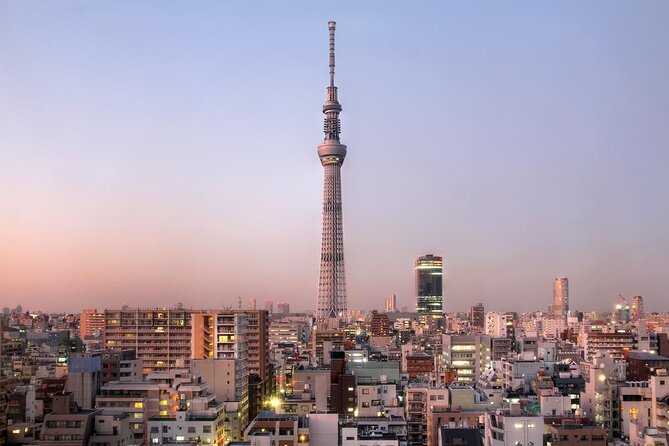
- Tokyo Skytree is optional, and it can be a fun way to get a skyline view if that is your style.
A key point about optional paid entries: the guide and you might both have fees. The tour clearly marks that entrance fees and admission fees may apply depending on the attraction. So if you are price-sensitive, tell your guide you only want a small number of paid stops, or none at all.
On the positive side, one review mentions an 8-hour day built around Ginza and then ending with dinner at Tokyo Skytree. That kind of “anchor stop” can make the day feel like a complete arc instead of a list of random places.
Yanaka Ginza, Odaiba, and Hama Rikyu Gardens for a Softer Side of Tokyo
Not every Tokyo day needs to be all skyscrapers and neon.
Yanaka Ginza shopping street is included as an optional local street. It tends to appeal when you want something less frantic than the biggest intersections. It is also a great match if you want a more “walk and browse” hour instead of museum time.
On the waterfront side:
- Odaiba is listed as a customizable district.
- Hama Rikyu Gardens is also optional and includes a note about possible admission fees.
These stops are valuable because they break up the day. If you have temples in the morning, pop culture and markets midday, and city intersections later, Odaiba or Hama Rikyu can give you a different pace and scenery.
Price and Value: What You Pay for, What You Still Need to Budget
The price listed is $145.91 per person. For Tokyo, private-guided days can cost more, so this sits in a “reasonable for a private guide plus pickup” category, assuming you use the tour for what it does best.
Here is what is included:
- Professional local guide
- Hotel pick-up
- Private vehicle (optional)
Here is what is not included:
- Entrance fees and admission fees (for you and your guide, where applicable)
- Meals for you and guide
- Transport fares for you and guide
- Private transportation optional additional fee applies
So what are you actually getting for your money? You are buying time, stress reduction, and a guide who can solve problems in motion.
This is especially valuable if:
- It is your first visit and you want help using metro routes.
- Your group has different interests, and you do not want to argue about itineraries.
- You want a private day where a guide can adjust your timing.
One review explicitly says the tour helped them learn public transport during their first trip, which is the kind of value that lasts after the tour ends. Another highlights how the guide helped with navigation and helped kids feel included.
Comfort, Crowds, and a Walking Plan That Makes Sense
The tour is rain or shine. That means you should dress like Tokyo is going to surprise you, because it might.
The listing says moderate physical fitness and a moderate amount of walking. Translation: this is not an easy “sit on a bus all day” experience. You’ll be on your feet, walking between stations and around sites.
My practical advice:
- Wear comfortable walking shoes. You’ll want them for temple areas and market streets.
- Keep your priorities simple. If you try to fit in everything, it can start feeling rushed.
- If you care about optional attractions, decide early so your guide can route intelligently.
Also note: the tour includes metro travel. The guide support is the real reason to book, not just the fact that the stops are popular.
Should You Book This Private Tokyo Tour?
Book it if you want a fast first day that blends Tokyo’s big signatures: temples, shrines, markets, and major neighborhoods, with a guide who can teach you the metro basics as you go. It is a smart choice for couples, small groups, and families, especially if you want to avoid planning friction.
Consider a different approach if you want a slow, deep museum-focused day, or if walking is a real limitation for your group. Also consider how customizable plans can go either way: they are great when you communicate your interests clearly, and they can feel less satisfying if you do not.
If you do book, pick a duration that matches your energy. A 4-hour day is an efficient orientation. An 8-hour day gives you space for shopping, skyline time, or a garden break. And if your goal is learning transit, tell the guide that up front. Guides like Tak, Hiro, Yoko, and Ike are exactly the type who can turn Tokyo train anxiety into confidence.
FAQ
How long is the Tokyo Customized Private Tour?
The tour runs about 4 to 8 hours, depending on which time option you choose. You can explore fewer stops on the shorter option and more on the longer option.
What does the tour include in the price?
The price includes a professional local guide and hotel pick-up. A private vehicle option is available. Entrance fees, admission fees, meals, and transport fares are not included.
Are there additional costs for things like gardens, museums, or Skytree?
Some stops list optional admission or entrance fees, including Shinjuku Gyoen National Garden, Tokyo National Museum, Tokyo Skytree, Ueno Park (optional), and Hama Rikyu Gardens. The tour notes indicate entrance fees or admission fees may apply.
Does the tour offer pickup?
Yes. Hotel pick-up is included. A private vehicle option also exists, but it has limitations in the Urayasu area near Tokyo Disney Resort, where pickup and drop-off are not available.
What transport will we use during the tour?
You will travel by foot and by metro. The tour includes your guide, and public transportation fares for you and the guide are not included in the price.
Can the itinerary be customized?
Yes. The tour is private and can be customized to your interests. The plan lists many possible stops, and your guide can help you choose which ones fit your day.
Will the tour run in bad weather?
Yes, the tour takes place rain or shine.
What is the cancellation policy?
You can cancel for a full refund up to 24 hours in advance. If you cancel less than 24 hours before the start time, the amount you paid will not be refunded.
Latest write-ups near Tokyo
- Tokyo Customized Private Tour: See Top Attractions in 1 Day★ 4.8 · 67 reviews
- From Tokyo: Top 5 Scenic Spots of Mount Fuji Full-Day Tour★ 4.5 · 67 reviews
- Traditional Japanese Music ZAKURO SHOW in Tokyo★ 5.0 · 67 reviews
- Tokyo: Shinjuku Izakaya and Golden Gai Bar Hopping Tour (2h)★ 4.9 · 67 reviews
- Tsukiji: Unlimited Sake Tasting Experience★ 4.9 · 67 reviews
- Private Harajuku Omotesando Architecture Walking Tour★ 5.0 · 67 reviews
- Samurai Ninja Museum Asakusa: Kid-Friendly Ninja Training★ 4.7 · 67 reviews
- Tokyo: Not a show- a professional sumo practice with experts★ 4.9 · 67 reviews
Day Trips in Tokyo, compared.
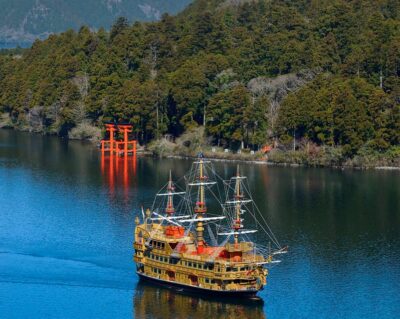
Mt Fuji and Hakone 1-Day Bus Tour Return by Bullet Train
Read our review →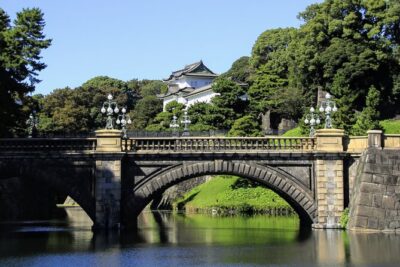

Mt Fuji & Hakone Cruise, Drum Show Bullet Train 1 Day from Tokyo
Read our review →
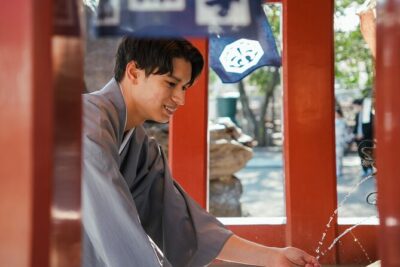
Tokyo Customized Private Tour (Must See Places in 1 Day)
Read our review →
Mt Fuji & Hakone Cruise, Drum Show Bus 1 Day from Tokyo
Read our review →
Tokyo Panoramic 1 Day: Meiji Shrine, Asakusa, Odaiba and SKYTREE®
Read our review →Browse the lists this tour appears in