
Reviewed · MT FUJI TOURS
Tokyo: Mt. Fuji and Hakone Tour with Cable Car and Cruise
Tokyo to Mt. Fuji and Hakone in one day is interesting because it mixes big views with real variety: high-altitude Fuji, volcanic Hakone, and lake scenery, all run on a timed schedule. I especially like the chance to reach Mt. Fuji’s 5th Station with a live English guide, and I also love finishing with the Lake Ashi cruise when the weather cooperates.
The main consideration is that the day can feel rushed, especially at the 5th Station and in Hakone when traffic or fog plays hardball. If you expect lots of slow wandering, you may feel time-starved.
Key highlights worth planning around
- Mt. Fuji 5th Station access around 2300 m elevation, with quick photo timing because clouds move fast
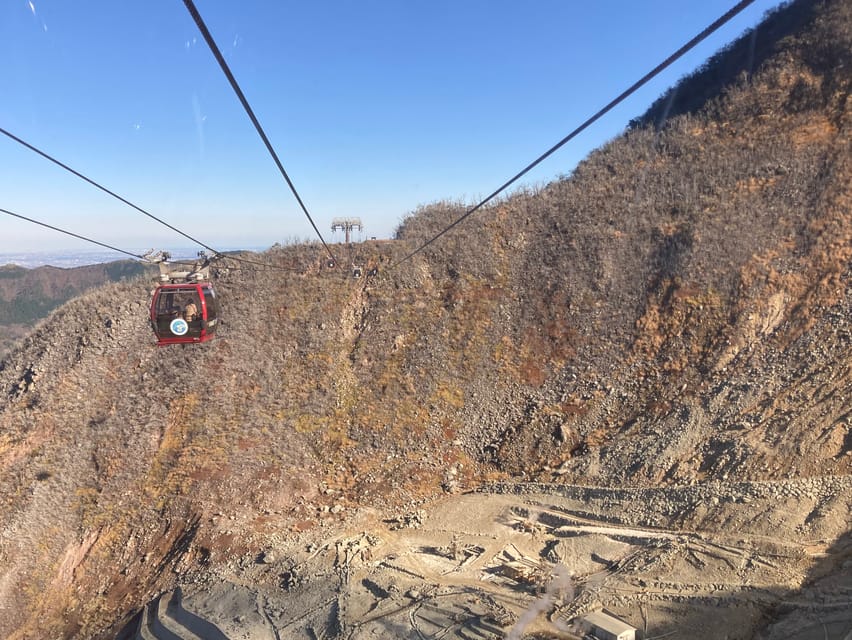
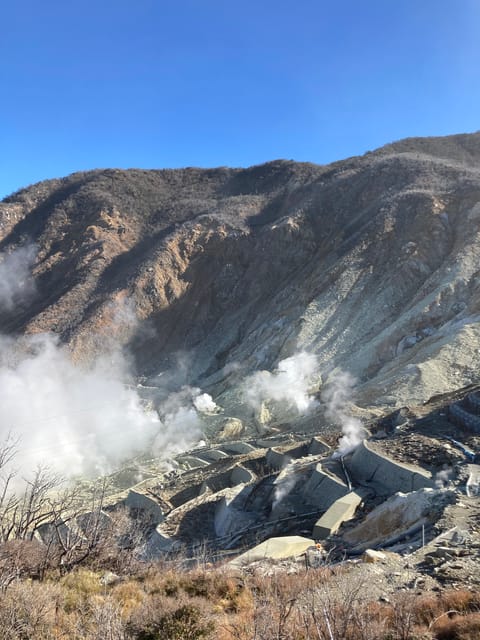
- Owakudani via Hakone Ropeway with visible fumaroles and solfataras, plus the famous black egg stop (extra cost)
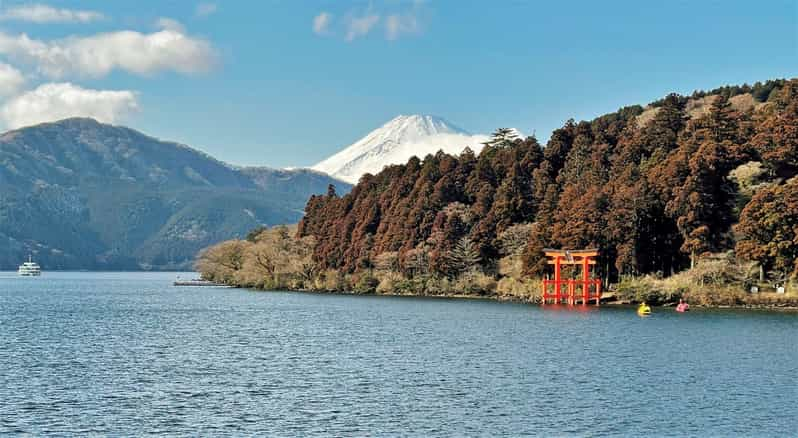
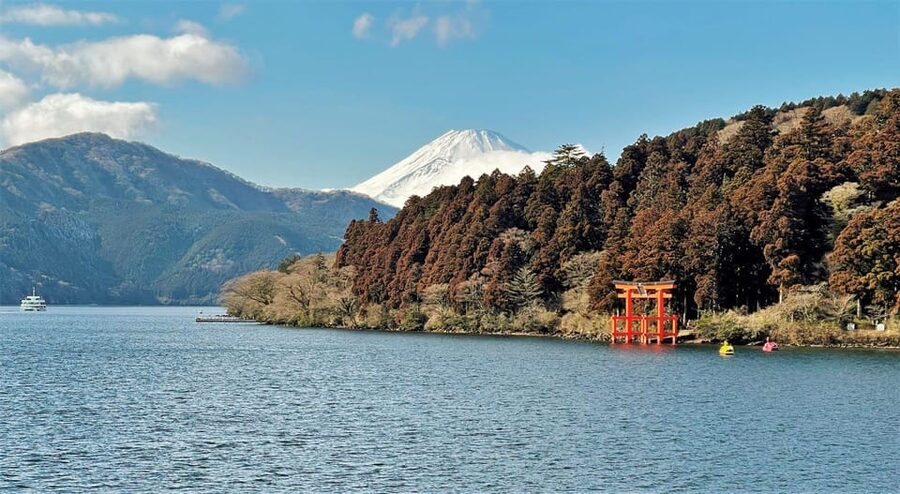
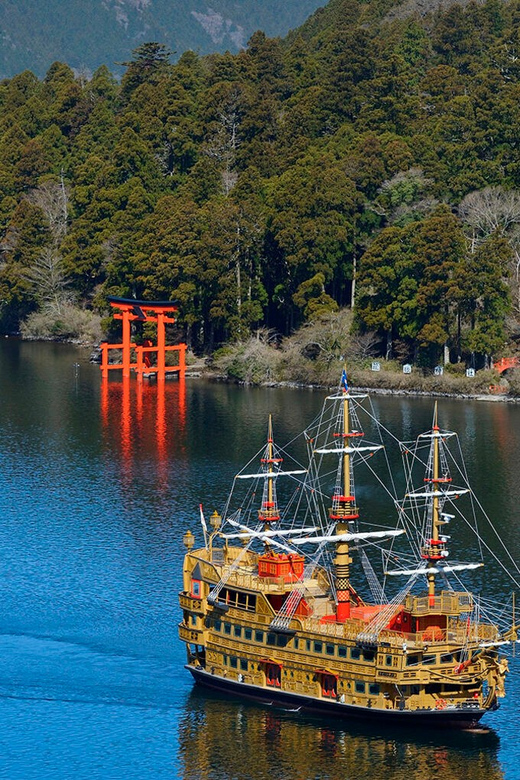
- Lake Ashi cruise for the classic Mt. Fuji-from-the-deck moment when visibility is clear
- Lunch option with hot pot and half buffet for a proper sit-down break
- Weather flexibility that can swap in other Fuji-Hakone area experiences if conditions shut things down
Why this Fuji-Hakone day works better than DIY chaos
This tour is built for people who want the iconic stuff without spending your whole day figuring out transit and connections. You roll out of Tokyo by air-conditioned bus, guided the whole time in English, and then you hit the three headline zones that most first-timers aim for anyway: Fuji’s 5th Station, Hakone’s volcanic Owakudani, and Lake Ashi.
What makes it feel “worth it” is the way the tour connects altitude, geology, and scenery. You’re not just sightseeing in a straight line. You’re changing elevations, passing through different environments, and then ending with calm water views. Even when visibility isn’t perfect, you still get a full day of contrast.
More Mt Fuji days:
- Mt Fuji and Hakone 1-Day Bus Tour Return by Bullet Train
★ 5.0 · 26,383 reviews - Mt Fuji & Hakone Cruise, Drum Show Bullet Train 1 Day from Tokyo
★ 4.0 · 7,413 reviews - Tokyo Mt Fuji 5th St & Hakone Cruise Bus Tour w/Bullet Train
★ 4.4 · 5,024 reviews
Leaving Tokyo: the Shinjuku start and the drive that sets expectations
The day starts with a pickup area in Shinjuku, described as Shinjuku Love Object. Then you’re looking at about 2.5 hours of driving to get into the Mt. Fuji area. The route uses major roads including the Chūō Expressway and Subaru Road, which is useful because you get a “Japan beyond Tokyo” feel while you’re headed out.
On a day like this, drive time matters for two reasons. First, it’s part of the value, since you’re not paying for individual trains and transfers. Second, it shapes your expectations about how much time you’ll have at each stop. When the schedule is tight, the guide’s job becomes managing the group, and time can compress at the most popular photo windows.
Practical tip from the way the day is run: if you’re sensitive to being on the move, pack for frequent stops. Even when there are scheduled breaks, you’ll spend plenty of time seated.
Reaching Mt. Fuji 5th Station via Subaru Line and what “close” really means
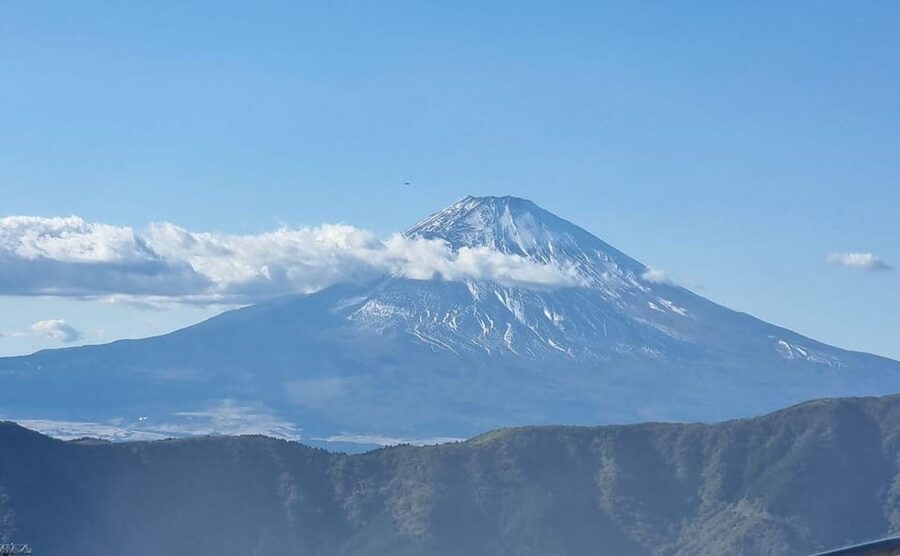
Once you’re in the Fuji corridor, the tour heads via Subaru Line and reaches Mt. Fuji 5th Station at about 2300 m elevation. From there, you’re closer than ever to the summit compared to the usual ground-level viewpoints.
Two things I like about this approach:
- You get a more immersive feel because you’re at altitude, not just looking up from a city view.
- The guide keeps the group moving while still explaining what you’re seeing and when to look.
Now for the reality check. Clouds can roll in fast, and Mt. Fuji might be faint or hidden. The tour plan also notes an important swap: if they can’t reach the 5th Station due to bad weather or an accident on the road, they’ll visit the highest point possible instead. That’s good to know, because it means you should treat the 5th Station as the goal, not a guarantee of perfect views.
At 5th Station: Komitake Shrine, souvenirs, water rules, and photo timing
The 5th Station stop is where the tour can feel magical or rushed, depending on conditions. This is also where timing is everything.
Here’s what you’re likely to see and do in this zone:
- Potential views of the peak if clouds thin out quickly
- Time to visit Komitake Shrine
- Souvenir browsing, since there are shops right near the area
One practical warning that I consider essential: water is precious at the 5th Station, so conserve it when using restrooms. That doesn’t mean you can’t take care of yourself. It just means you should plan calmly rather than panic-drinking.
Also, don’t assume you’ll get a long second chance for photos. The group is moving on a schedule, and cloud breaks can be short. If you’re there when the summit is visible, take your pictures early and then decide whether you want to shop.
A tip I really like from the overall experience style: if the group time feels limited, stay outside when visibility is happening. Shops and indoor souvenir time can eat minutes fast. Keep your eyes up first, then shop.
A change of pace from Tokyo:
- 1-Day Tokyo Bus Tour
★ 5.0 · 14,250 reviews - Tokyo: TOKYO SKYTREE® Admission ticket
★ 4.5 · 11,192 reviews - Tokyo: teamLab Planets TOKYO Digital Art Museum Entry Ticket
★ 4.6 · 9,779 reviews - Tokyo: Sumo Show Experience with Chicken Hot Pot and a Photo
★ 4.8 · 6,678 reviews
Lunch break: hot pot and half buffet, and why the option matters
If you choose the lunch option, you get a 45 to 60 minute lunch window. The meal described is a local-style hot pot setup with a half buffet, which is a nice way to eat without losing the entire day.
This lunch stop is valuable because it gives you a real reset between the high-altitude, photo-heavy morning and the volcanic Hakone portion that follows. It also helps you avoid the “we’re hungry but everything’s closed” problem that can happen on Fuji days.
Two practical notes:
- If you have food restrictions, let the operator know so they can try to accommodate.
- If you don’t choose lunch, the day can feel more dependent on finding food on your own during short windows, and the tour includes drinks but does not include them.
Hakone Ropeway to Owakudani: volcanic views and the black egg souvenir moment
Next you head into Hakone Ropeway time, with the highlight being the Owakudani volcanic area. This is the part where the scenery goes from mountain air to active geology.
At Owakudani, you can expect visible volcanic activity like fumaroles and solfataras in multiple directions. That’s a big reason this stop is memorable. You’re not reading about volcanoes, you’re standing next to the real thing.
A key consideration: the tour explicitly asks you to check if you have respiratory problems, because you’ll be around volcanic emissions. If you’re sensitive to air quality, you should take this seriously and be ready to step back if needed.
Souvenir-wise, Owakudani is known for the famous black eggs boiled in sulphuric water heated by the volcano and lava below. The tour notes that the egg fee is not included, so treat it as an optional splurge rather than part of the ticket.
The Ropeway ride itself is also worth it as a “in-between” moment. It gives you a different angle on the valley and adds variety to the day, not just a station-to-station checklist.
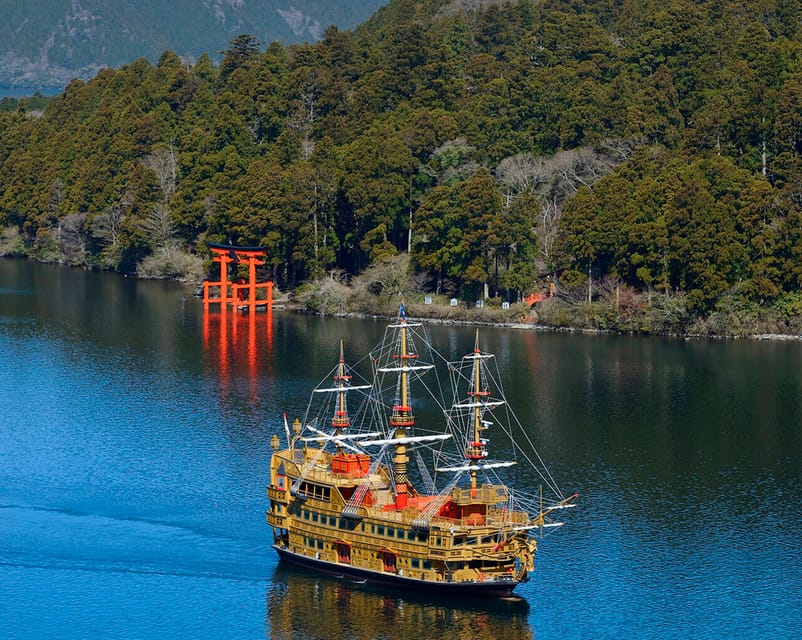
Lake Ashi cruise: when you get Fuji, you’ll feel it
After the volcanic stop, the day slows down with a cruise on Lake Ashi. This is one of those simple experiences that can feel surprisingly emotional in the best way.
When it’s clear, you get sweeping views and the classic look of Mt. Fuji from the deck. The tour guide keeps things moving, but the cruise creates natural space to look, breathe, and not worry about every minute.
Even if Fuji is hidden by weather, the lake and surrounding scenery still do the job. You’re trading “summit drama” for “Hakone calm,” and that balance is part of why the whole day works.
Getting back to Tokyo: bus timing, drop-off choices, and JR Pass logic
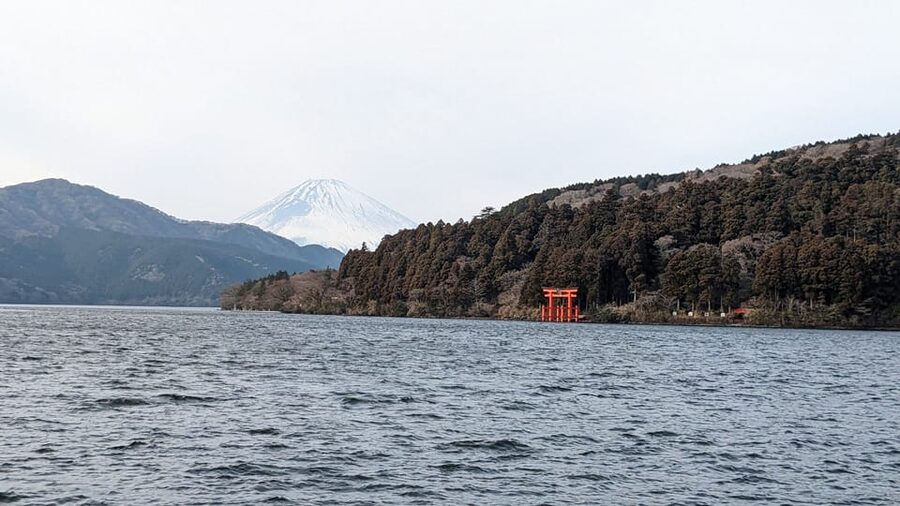
You’ll return by bus, with a typical duration of about 120 minutes back to Tokyo Station. There’s also flexibility if you want to avoid backtracking. The tour mentions you can choose plans where you get dropped off at Hakone-Yumoto or Odawara Station.
This matters for two traveler types:
- If you’re staying in the Hakone area, a drop near Hakone-Yumoto can save you a late scramble.
- If you have a JR Pass or you’re connecting onward, a drop at Odawara may be useful.
One more practical point: your meeting and timing are strict. If you arrive late to the meeting point, you may not be allowed to join midway, so build in buffer time in Shinjuku.
Price and value: what $92 really buys you in a long day
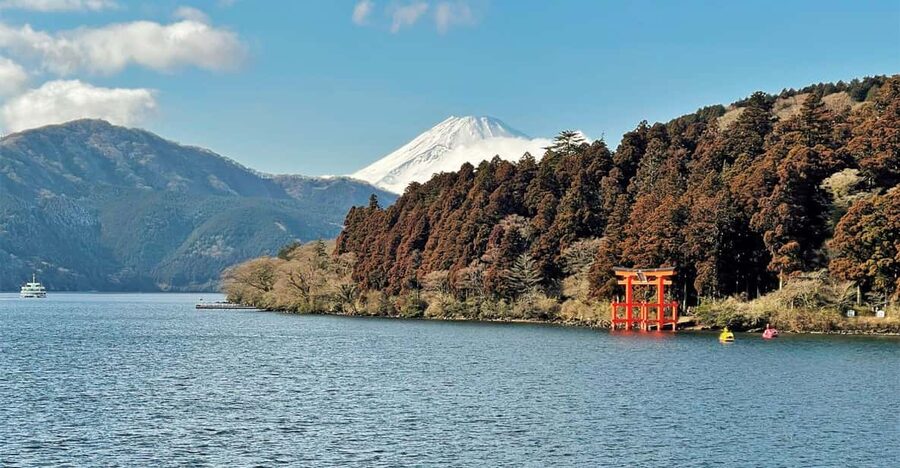
At about $92 per person, this tour feels priced for convenience and guided access rather than ultra-custom freedom. You’re buying several “big ticket” time savers:
- Air-conditioned bus transport across the Tokyo-to-Fuji-to-Hakone distances
- An English live tour guide
- Hakone Ropeway ticket
- Lake Ashi cruise ticket
- Lunch only if you select that option
Where the value really shows is in risk management. Weather and road conditions can change the day. The tour is set up to keep moving and, when one activity can’t happen, to swap in other options in the broader Fuji-Hakone region.
If you’re comfortable building your own day trip, DIY can sometimes be cheaper. But DIY rarely bundles ropeway and cruise tickets with a guide who can manage timing and alternatives. For many first-timers, this is the practical trade.
The weather and schedule reality: how to protect your day
Mt. Fuji days are weather days. The tour warns that fog, heavy rain, and high humidity can reduce visibility, and Mt. Fuji may not be visible. It also says there’s no refund for issues tied to weather or schedule changes made by tour staff.
That means your best strategy is mental, not financial:
- Assume Fuji visibility is a bonus, not a guarantee
- Use the 5th Station time efficiently for photos if visibility appears
- Expect that traffic can affect pacing, which can make stops feel shorter
One more scheduling note from the general pattern of how the day is run: when the group is on the move, you may not have long free time at each stop. Plan to go with the flow, not to micromanage the itinerary yourself.
When Ropeway or Fuji plans change: the alternative options you can get
This tour includes flexibility if an activity is not operating. If one activity can’t happen, the day adds an alternative from a specific list. That list includes options like:
- Lake Kawaguchi cruise
- Mt. Fuji Panoramic Ropeway
- Mishima Skywalk
- Odawara Castle
- Hakone-en Aquarium
- Narukawa Art Museum
- Hakone Checkpoint
- Hakone Shrine
This matters because it keeps your day from turning into dead time. Instead of losing half the itinerary, you’re usually shifting within the same general region.
Wheelchair notes: accessibility is good, but bus equipment matters
The tour states that all sightseeing spots are wheelchair-accessible. The limitation is the bus: standard tour buses are not equipped with wheelchair lifts or ramps.
It also says:
- Folding wheelchairs can generally be stored in the bus luggage compartment
- Electric wheelchairs may not be accommodated due to size and weight limits
- You should inform the operator at booking if you intend to use a wheelchair
If you need accessibility support, this is a detail worth double-checking early so you don’t arrive on a day with incompatible equipment.
Who this tour fits best (and who might want a slower plan)
This experience is a good match if you want:
- A single-day introduction to Fuji and Hakone
- Guided logistics with ticket handling for the ropeway and cruise
- A mix of environments, not just one viewpoint
- English support and explanations as you go
It may be less ideal if you strongly prefer:
- Long, unstructured time at each stop
- Waiting for perfect weather without moving on
- A fully flexible itinerary where you can stay at one spot for hours
If you hate being rushed, you can still do this tour. Just adjust your expectations: treat the stops as snapshots, with the cruise being the most relaxed-feeling segment.
Should you book this Tokyo, Mt. Fuji, and Hakone tour?
I think it’s a solid booking when your goal is “see the icons” with guided help and included transport, especially if you’re not excited about coordinating bus and ticket logistics on your own. The biggest pros are the 5th Station access, the Owakudani Ropeway experience, and the Lake Ashi cruise when visibility hits.
Don’t book if your top priority is unlimited time on-site or if you’re extremely sensitive to weather vagaries. Also, be prepared for a day that can feel tight, mainly because getting around depends on road and cloud conditions.
If you want a simple rule: book it if you can handle a schedule and you want guided access. Skip it if you want a slow, flexible nature day where Fuji visibility is required for success.
FAQ
How long is the tour?
The tour is listed as 11 hours for one day. Starting times can vary, so you’ll need to check availability for the exact departure.
What is included in the $92 price?
The tour includes transportation by air-conditioned bus, a live English tour guide, a Hakone Ropeway (gondola) ticket, and a Lake Ashi cruise ticket. Lunch is included only if you select the lunch option.
Is lunch included?
Lunch is included only if you choose the lunch option. The lunch window is about 45 to 60 minutes, and it’s described as a hot pot with a half buffet.
What happens if the tour cannot reach Mt. Fuji 5th Station?
If they can’t reach the 5th Station due to bad weather or an accident on the road, the tour will visit the highest point possible instead.
What if Hakone Ropeway is not operating due to weather?
If an activity is not operating, the tour will include one of the alternative destinations such as Lake Kawaguchi cruise, Mt. Fuji Panoramic Ropeway, Mishima Skywalk, Odawara Castle, Hakone-en Aquarium, Narukawa Art Museum, Hakone Checkpoint, or Hakone Shrine.
How long does it take to get back to Tokyo?
The return by bus to Tokyo Station is typically about 120 minutes. Depending on your plan, you may be dropped off at Hakone-Yumoto or Odawara Station instead.
Are there respiratory warnings at Owakudani?
Yes. The volcanic area includes fumes, and the tour notes that fumaroles and solfataras will be visible. It advises you to check for yourself if you have respiratory problems.
Can children join the tour?
Children up to 3 years old can join free of charge, but they will not be provided with a bus seat or lunch. If you want a separate bus seat or lunch for your child, you need to book under the child rate.
Is the tour wheelchair accessible?
All sightseeing spots are stated to be wheelchair-accessible. However, standard tour buses do not have wheelchair lifts or ramps. Folding wheelchairs can generally be stored in the luggage compartment, while electric wheelchairs may be difficult to accommodate due to size and weight.
Latest write-ups near Tokyo
- Tokyo Nights: Shibuya Photo Adventure★ 5.0 · 20 reviews
- Wagyu & Sake 8 Course Tasting Dinner in Shinjuku★ 4.9 · 20 reviews
- Making Japanese desserts Nerikiri & drinking matcha in Tokyo★ 5.0 · 20 reviews
- Japanese Whisky Hunting《HIGH-QUALITY-ONLY》Rare Tasting Class★ 5.0 · 20 reviews
- Mt. Fuji 5th Station, Owakudani Ropeway, Pirate Ship plus Outlet shopping!★ 4.5 · 20 reviews
- Kintsugi Experience with Arita Ware in Tokyo (English Guide)★ 4.8 · 20 reviews
- This is Asakusa! A Tour Includes the All Must-Sees!★ 5.0 · 20 reviews
- Ebisu Local Food Tour: Shibuya’s Most Popular Neighborhood★ 5.0 · 20 reviews
Mt Fuji Tours, compared.
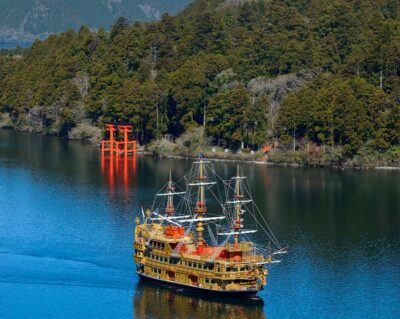
Mt Fuji and Hakone 1-Day Bus Tour Return by Bullet Train
Read our review →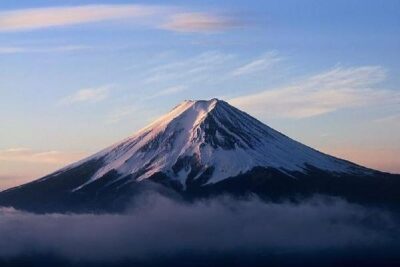
Mt Fuji & Hakone Cruise, Drum Show Bullet Train 1 Day from Tokyo
Read our review →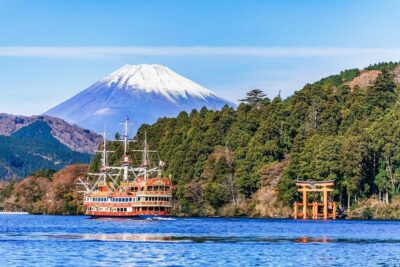
Tokyo Mt Fuji 5th St & Hakone Cruise Bus Tour w/Bullet Train
Read our review →
Mt. Fuji Tour, Hakone Ropeway, Owakudani, Lake Ashi
Read our review →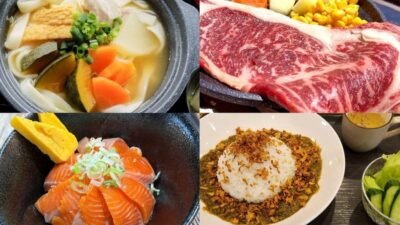
Mt.Fuji,Kawaguchiko Oishi Park,Arakurayama Sengen Park
Read our review →
Mt. Fuji 5th Station & Hakone Cruise 1-Day Bus Tour
Read our review →
Mt Fuji Top 5 Spots Day Tour: Arakurayama Park,Oshino Hakkai
Read our review →Browse the lists this tour appears in