
Reviewed · WALKING TOURS
Fukuoka: Private Walking Tour with Local Guide
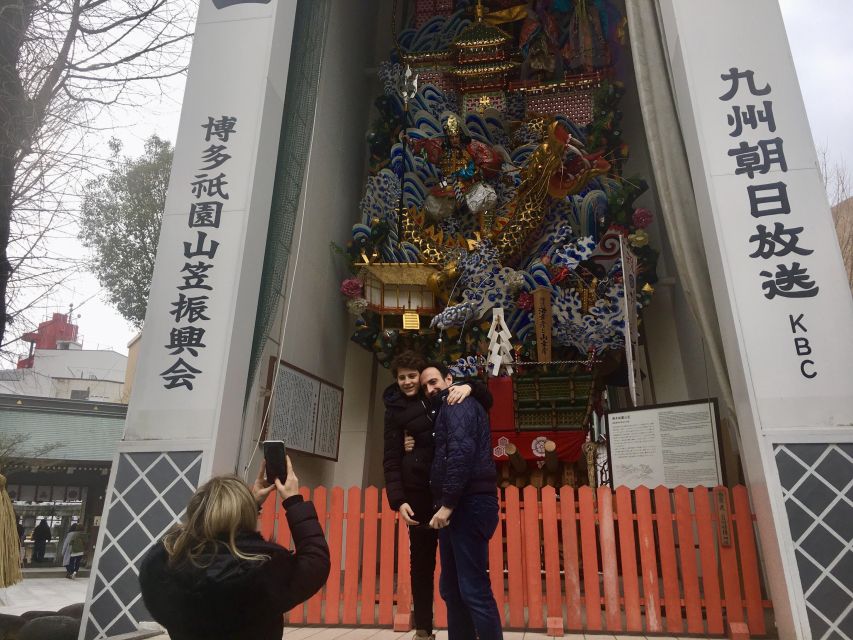
A private walking tour in Fukuoka is interesting because the city is easy to misread from a map, yet simple to understand once someone local sets the rhythm. You can start where you want, build in the sights you care about, and hear stories tied to the streets you are actually walking. Guides such as Erica, Chizuko, and Donnie get strong marks for making the day feel personal while still running on time.
What I like most is the licensed local guide part, not just a generic escort. The other thing I really like is the customizable route, which lets you trade a temple stop for views, or ramen for a different lunch mood, without losing the overall flow of Fukuoka and Hakata highlights.
One thing to keep in mind is pacing. A good day can still feel short if you want lots of shrines and extra stops, and you will be walking enough that you should bring solid balance and comfortable shoes.
Quick hits before you go
- Licensed local guide in English or Japanese, and you get a true private setup
- Fully customizable timing and route, so you are not stuck with a rigid script
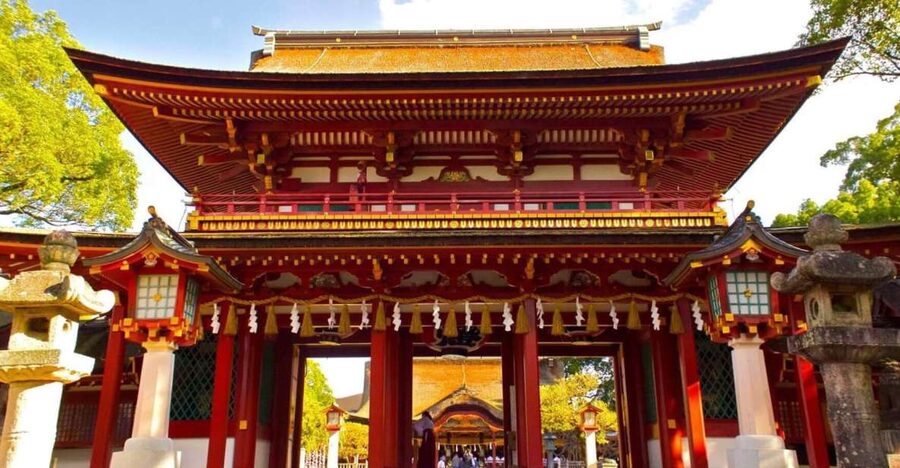
- A classic highlights loop often includes Ohori Park, Fukuoka Castle Ruins, Fukuoka Tower, Ramen Stadium, and Dazaifu Tenman-gū
- Public transportation is part of the plan, and your guide can switch to a taxi if you want
- Expect walking in rain or shine, plus some uneven paths near shrine grounds
Why this private Fukuoka walk works better than going solo
Fukuoka can feel straightforward at first, then suddenly you realize there are layers. Temples, old castle grounds, shrine paths tucked into greenery, and food halls packed with regional styles. The trick is knowing what to prioritize and how to connect the dots without wasting time.
This tour is built for that. It is private, so your guide can slow down when you want details, or speed up when you just want the best photo points. You also get flexibility on where you start, how long you spend at each stop, and what you skip. In practice, that means the day can match your interests, not a template.
The guides in the mix have a common thread in the feedback: they make transit easier and the history feel usable, not like memorizing facts. Even when the route is packed, the best moments come from small context, like what you are looking at and why it matters where it sits.
More Walking Tours in Fukuoka:
- Kyoto Geisha Walking Tour: Gion District & Hidden Gems
★ 4.7 · 3,273 reviews - Tokyo Tsukiji Fish Market Food and Culture Walking Tour
★ 5.0 · 3,184 reviews - Kyoto: Gion Magical Night Walking Tour with Geisha Trivia
★ 4.9 · 2,393 reviews
Price and what your $151 buys you (and what it does not)
At about $151 per person for a 6-hour private tour, the value comes from the combination of private time plus local routing help. You are paying for someone to plan a smart sequence, manage the walking distance, and translate the meaning of what you see. If you are visiting with a friend or partner, a private format can start to feel like good sense compared with trying to assemble your own half-day with multiple train transfers and guesswork.
That said, it is not all-inclusive. Food and drinks are not included, and entrance fees are not included, so you should budget for meals and any paid entries that your route includes. Public transit during the tour is not listed as included either, and the same applies to transportation to and from the meeting point.
In other words, think of the price as buying your guide, your route, and your time together. You bring your appetite and your ticket wallet.
How the 6-hour highlights day usually moves
A common flow starts in central Fukuoka and then stretches into Hakata and Dazaifu. The pacing usually feels action-packed, but it is designed to keep you seeing big icons plus at least one immersive food or shrine moment.
Ohori Park and the Fukuoka Castle Ruins area
You can begin with Ohori Park and the Fukuoka Castle Ruins. This is a strong opener because it sets a calm-but-grand tone right away. Ohori Park gives you room to reset your legs, and the Japanese-style garden at the south end is the kind of place where a guide can point out what to notice beyond scenery.
Castle ruins are not always dramatic in the way people expect, but when you have context, even simple remnants feel anchored. You also get a nice mix of nature and historical structure, which matters in Fukuoka because the city often blends both.
Practical note: park paths are usually walkable, but you will still be on your feet for a while. Wear shoes you trust.
A change of pace from Fukuoka:
- Mt. Aso & Takachiho Gorge Tour with Optional Boat Ride
★ 4.7 · 222 reviews - Fukuoka: Takachiho Gorge & Scenic Railway One Day Tour
★ 4.8 · 178 reviews - Private Fukuoka Tour with a Local, Highlights & Hidden Gems 100% Personalised
★ 5.0 · 143 reviews - Fukuoka Your Way: 100% Customisable Private Tour with Local Guide
★ 5.0 · 83 reviews
Fukuoka Tower views and a Hakata perspective
Next often comes Fukuoka Tower, where you can get wide views over the ocean and toward Hakata. This is a classic “orientation” stop. Standing up high or looking out over water helps you understand why the city feels connected to its harbor life.
A good guide also frames the viewpoint. It is not only about the photo. It is about seeing how Hakata and Fukuoka grew together around trade, movement, and daily rhythm.
Ramen Stadium for lunch, eight stalls worth of decisions
Lunch often lands at Ramen Stadium, where you browse multiple famous ramen stalls under one roof. The idea is simple: you get variety without complicated logistics, and you can pick what matches your cravings that day.
Because food is not included, you are in control of what you order. I like this model for a private tour because it keeps lunch from turning into a stressed hunt for the “one best place.” You can also use lunch as a reset, especially if you plan to hit Dazaifu afterward.
Dazaifu Tenman-gū: shrine time, forest paths, and wagashi stops
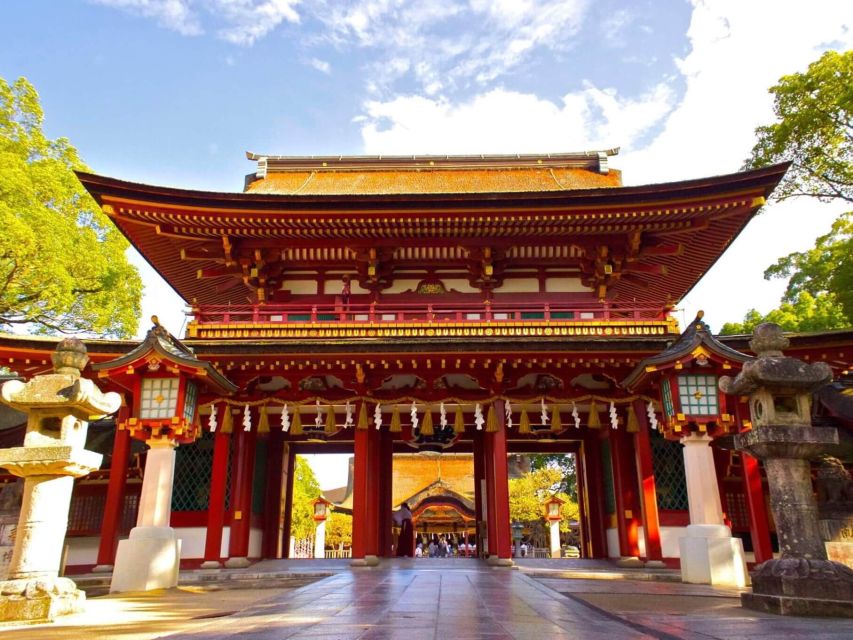
After lunch, the typical plan includes a short ride using public transportation, then a trip to Dazaifu Tenman-gū. This stop is a different mood from the city icons. You move from skyline views into grounds surrounded by lush forest, and the walkways help slow your pace.
The shrine visit is usually framed around the historical landmarks you pass along the route. Even if you focus only on the main moments, it helps to have a guide point out what you are seeing as you walk deeper into the grounds.
Dazaifu Station area shops and sweet samples
Along the path from the area near Dazaifu Station, shops line the route, and you may get a chance to sample classic wagashi. One example called out is Umegaemochi. That is a perfect kind of snack stop for a walking tour because it feels local without derailing the schedule.
If you have dietary needs, you should check in with your guide before the sweet stop. The tour data confirms food and drinks are not included, so it is smart to treat sampling as optional and budget-friendly.
Customizing: when you might add temples or swap the order
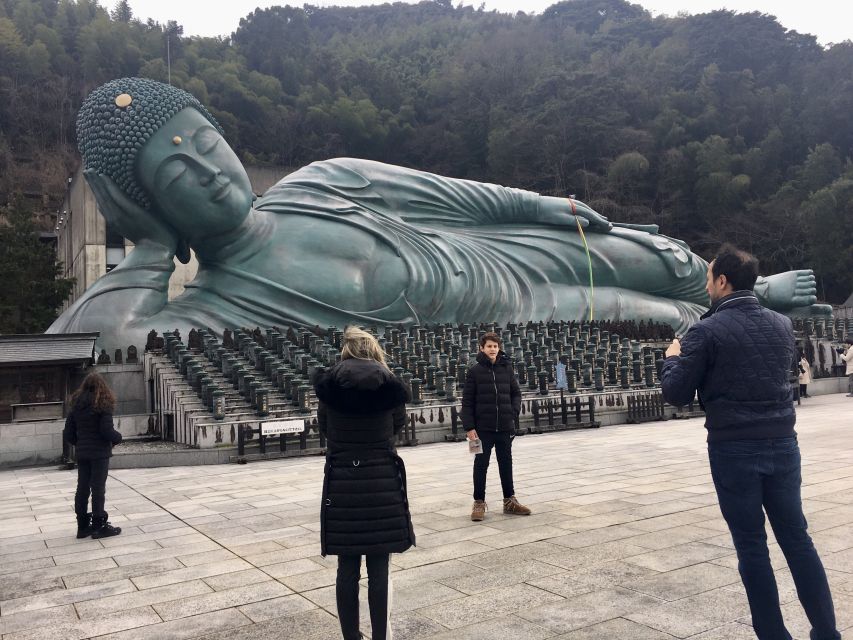
The tour is fully customizable, and that is where it can really pay off. For example, one guide named Chizuko handled an efficient plan that included Nanzoin temple along with Dazaifu, plus a stop at a museum area in Daizaifu. Another day might emphasize different shrine moments, or add a quick orientation around Tenjin near the end.
This flexibility is great if you already know what you want. It is also the reason some days feel different from the “example itinerary.” If you are hoping to fit in multiple temples, or you want very long shrine time, tell your guide early so the schedule can reflect your priorities.
Here is the practical consideration: if you choose a fast start and pack in a lot, you might end up seeing fewer sites than you originally expected. One itinerary choice can trade off against another, especially inside a fixed 6-hour window.
Public transport, taxis, and keeping the day smooth
A big part of this experience is moving between areas without turning the day into a logistics project. The tour plans to use public transportation, and it also notes you can take a taxi if you wish. That means you are not stuck with one approach.
In real terms, your guide’s value shows up here. Getting on the right train or bus, walking the correct connections, and timing the transfers can be the difference between feeling relaxed and feeling rushed. Several guides are praised for handling transit in a way that helps you actually see more.
If you want maximum comfort, you can ask about taxi segments for the longest hops or for times when you want to protect your energy for shrine walking. The data confirms other transport can be arranged at additional cost, so expect that choice to affect the final bill.
Who this tour suits best (and who should think twice)
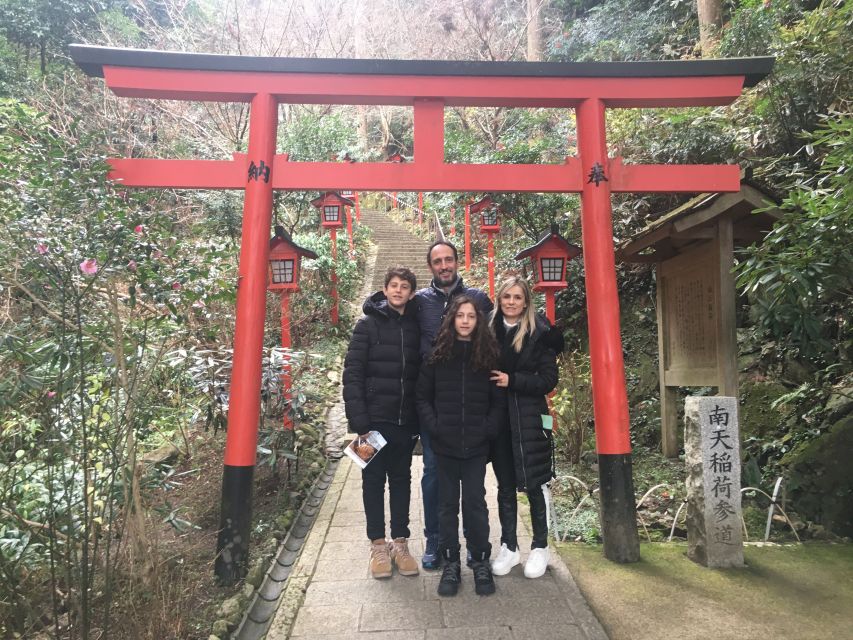
This is a good fit if you like:
- Private, one-on-one attention so you can ask questions as you walk
- A “best of” day that covers both city highlights and Dazaifu area culture
- Food stops that are easy to decide on, like ramen in a hall setting
- Getting local context without planning every transfer yourself
It is also a decent fit if you are comfortable with public transit and a lot of walking.
You should think twice if:
- You want a super relaxed stroll with lots of sit-down time. The 6-hour version can run action-packed.
- You have mobility limits beyond what your route might accommodate. The tour is listed as wheelchair accessible, but you should still ask your guide how they will handle walking surfaces at shrine grounds and park paths.
And bring stamina. One review specifically highlighted the need for good stamina and balance to see both major sites in one day.
What to ask your guide before you set off
Because the route is customizable, you can get more value by pre-planning your “musts.” Here are practical questions that match what this tour supports:
- Which order do you recommend for the sites I care about most?
- Can you swap the lunch plan if I prefer something other than ramen?
- Do you expect any paid entrance fees on my chosen route?
- If rain hits, what is your backup plan to keep the day efficient?
- Would you use a taxi for any segments, or is transit best for everything?
Also remember the guides have different communication styles. One review described an imbalance in speaking versus listening, so if Q&A is a major part of your joy, tell your guide you want time to ask questions, not just receive explanations.
Should you book this Fukuoka private walking tour?
Book it if you want a smart half-day plan that ties together Fukuoka, Hakata, and Dazaifu with a guide who can adjust on the fly. The combination of private pacing, licensed local guidance, and classic stops like Ohori Park, Fukuoka Tower, Ramen Stadium, and Dazaifu Tenman-gū makes it a strong value for first-time visitors who do not want to wrestle with transit and timing alone.
Skip or reconsider if you only want one or two sites and you prefer a slow, low-walking day. The 6-hour format can compress things, and you will get more out of it if you are ready to move, pick choices, and enjoy the day as a sequence.
If you do book, I would choose this tour with clear priorities: one big view stop, one food anchor, and one shrine or temple moment. That way, customization works for you instead of feeling like a trade-off.
FAQ
How long is the Fukuoka private walking tour?
The tour is offered as a private experience in either 4 or 6 hours. The 6-hour example itinerary covers major sights across Fukuoka, Hakata, and Dazaifu.
Is this a private tour or a group tour?
It is private, meaning it is just your group with a licensed local guide.
What languages are the live guides available in?
The live tour guide is available in English and Japanese.
Do I get picked up from my accommodation?
Yes, there is pickup from your accommodation on foot if you are within a reasonable distance. The guide will wait at your requested location about 10 minutes before the pickup time.
Are entrance fees included?
No. Entrance fees are not included, so you should expect to pay any fees tied to the sites you choose.
Is lunch or ramen included?
Food and drinks are not included. That means you pay for what you order at spots such as Ramen Stadium or any café lunch your guide includes.
Does the tour run in bad weather?
Yes. The tour is scheduled to run rain or shine.
Can the itinerary be customized?
Yes. You can choose what you want to experience and what time you want to start, and your local partner will arrange the route to fit your preferences.
Is the tour wheelchair accessible?
The experience is listed as wheelchair accessible. If you have specific mobility needs, it is worth discussing your route expectations with your guide ahead of time.
Is cancellation free if plans change?
Yes. The experience offers free cancellation up to 24 hours in advance for a full refund.
Latest write-ups near Fukuoka
- November Sumo Tournament tour in Fukuoka (Tickets Included)★ 4.5 · 76 reviews
- Fukuoka: Takachiho Gorge & Scenic Railway One Day Tour★ 4.8 · 178 reviews
- Mt. Aso & Takachiho Gorge Tour with Optional Boat Ride★ 4.7 · 222 reviews
- Day Tour to Miyazaki Takachiho Gorge & Shrine depart from Fukuoka★ 4.5 · 61 reviews
- Private Fukuoka Tour with a Local, Highlights & Hidden Gems 100% Personalised★ 5.0 · 143 reviews
- From Fukuoka Kyushu Itoshima Hidden Gems Day Tour★ 4.5 · 18 reviews
- Kyushu: Aso Vocano, Grassland,Onsen and Aso shrine 1-Day Tour★ 4.5 · 23 reviews
- Fukuoka: Yufuin & Beppu Day Tour (Dazaifu / Brewery Options)★ 4.6 · 31 reviews
Walking Tours, compared.
Kyoto Geisha Walking Tour: Gion District & Hidden Gems
Read our review →
Tokyo Tsukiji Fish Market Food and Culture Walking Tour
Read our review →
Gion Magical Night Walking Tour with Geisha Trivia
Read our review →
Imperial Palace and Shogun Historical Walking Tour
Read our review →
Gion Geisha District Walking Tour – Stories of Geisha
Read our review →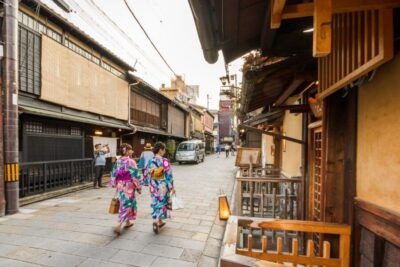
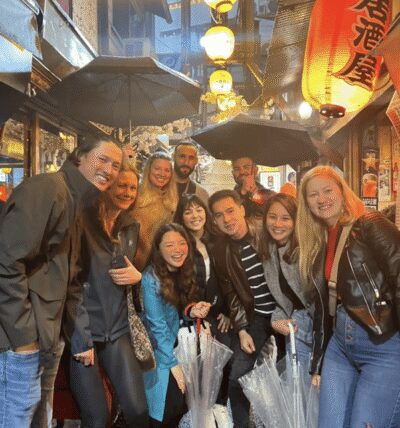
Shinjuku Local Bar and Izakaya Guided Walking Tour
Read our review →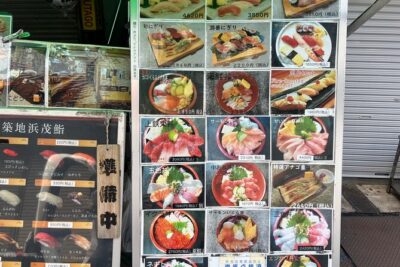
Browse the lists this tour appears in