
Reviewed · FUSHIMI INARI TOURS
Inside of Fushimi Inari – exploring and lunch with locals
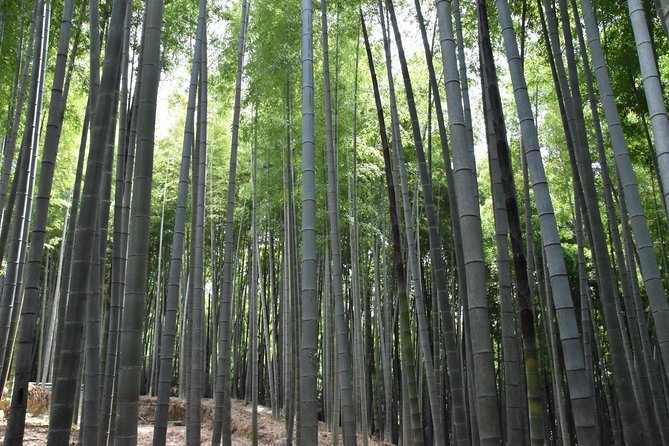
Kyoto’s Fushimi Inari is famous for red torii gates. This tour makes that famous place feel less like a crowded photo stop and more like a hike with meaning. You get an insider route through bamboo and cedar forest, then reach the summit area at a calm pace.
I love how much you get in a short half-day: a soba lunch plus a simple break with Japanese tea and a boiled egg. I also like that the experience is built for a small group, so your guide can slow down, speed up, and keep the walk human.
One thing to consider: the walk includes stairs and a forest climb, so you should have moderate physical fitness. If you’re not steady on steep steps, you may find the route more challenging than you expect.
Key highlights you’ll feel right away
- Small-group pacing so you spend more time walking and less time waiting
- Soba noodle lunch with a real meal break, not just a snack stop
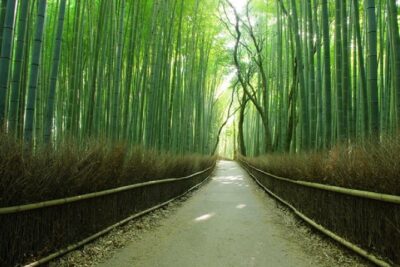
- Hidden route hiking through bamboo and cedar, with quieter shrines along the way
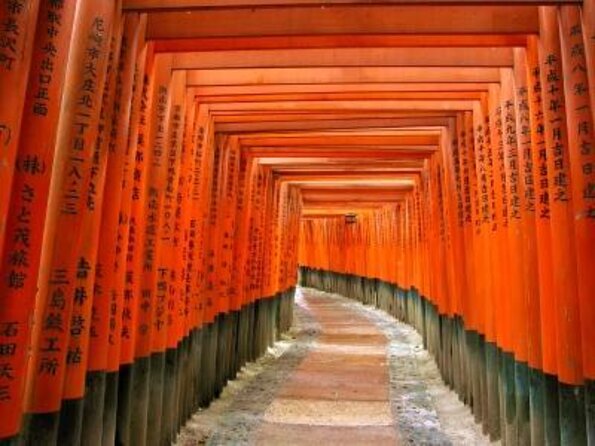
- Waterfall and gate factory stops that add texture beyond the main torii corridor
- Summit visit at 233m for views and a chance to pray away from the busiest areas
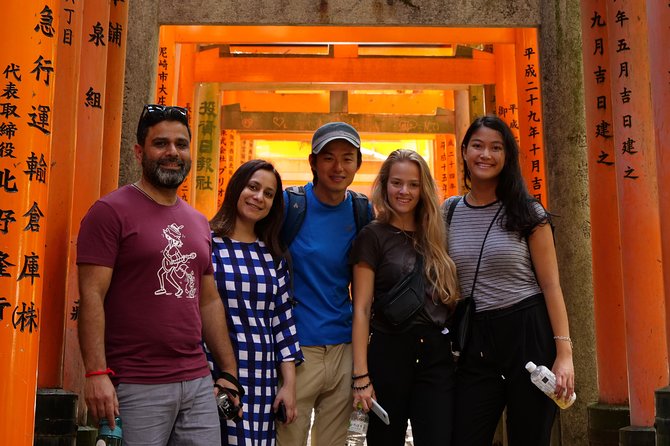
- Look for the guide’s red cap, which has been mentioned as a clear spotting tip
Fushimi Inari in a new light, without the crowd noise
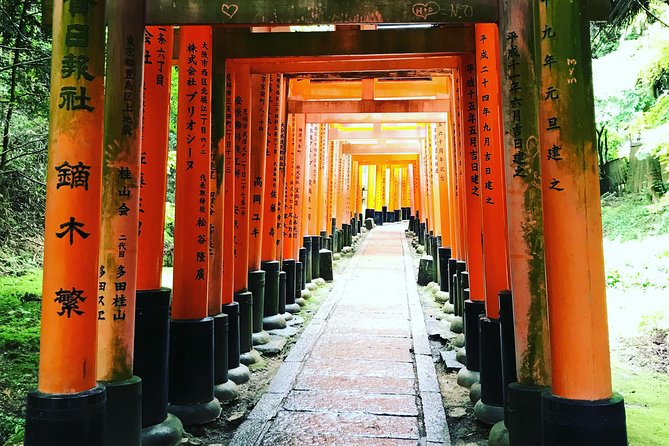
Fushimi Inari-taisha is one of Kyoto’s most iconic spiritual landmarks. You already know the visuals, thousands of red torii gates. The question is how to experience them without feeling like you’re trapped in a moving line.
This tour’s answer is simple: you do more than the main gate tunnel. You start at the shrine area, then move onto an alternative route through bamboo and cedar forest paths. The walking rhythm matters here. Instead of rushing from gate to gate, you get time to understand what you’re seeing and to notice the smaller, local details that most people miss.
And yes, you still see the famous torii gates and the main shrine area. You just do it with a plan, and you end up with a sense of being let in on how the mountain works, not just how it looks from the trailhead.
More Lunch Experiences in Kyoto
- Bike Tour Exploring North Kyoto plus Lunch
★ 5.0 · 1,087 reviews - Osaka/Kyoto: Arashiyama, Nara & Fushimi Inari Shrine w/Lunch
★ 4.4 · 754 reviews - Kyoto Zen Meditation & Garden Tour at a Zen Temple with Lunch
★ 5.0 · 441 reviews
The small-group format, and why it changes everything
The tour is designed around a limited group. Your info says it’s positioned as a group limited to only 12 participants, and it also lists a maximum of 6 travelers. Either way, the point is the same: you are not hiking with a busload of people.
In practice, this kind of group size helps your guide manage pace. In the feedback for this experience, guides like Go, Satsuki, and Ko are specifically praised for adjusting to the group. That matters on an in-and-out hike where some sections are easy steps, then suddenly get steep.
So if you like tours where you can ask questions and actually hear the answers, this is the right model. If you prefer being totally autonomous, you might feel guided a bit more than you want. But for a first time at Fushimi Inari, guidance is a big advantage because the shrine complex is larger than it looks.
From the start point to the main shrine and red gates
You meet at Great ToriiJapan in Fushimi Ward, at 深草薮之内町68番地. The activity ends back at the meeting point, so you do not need to solve transit mid-hike. It also says the meeting is near public transportation, which is handy if you want to combine this with other Kyoto stops later.
From the start, the tour focuses you fast. You get sightseeing of the main shrine and the thousands of red gates, with explanation of history and cultural background. That talk isn’t just trivia. It helps you read the mountain like a shrine system, not like a theme-park staircase.
A common frustration at Fushimi Inari is that it can feel like everyone is doing the exact same walk, at the same speed, while trying to get their perfect angle. Here, the guide helps you understand where you are and why certain places matter. That makes even the iconic sections feel less repetitive.
Practical tip: arrive a few minutes early. There has been an instance where communication at the meeting point caused a problem, and the provider’s response mentioned the guide waited early and searched for about 30 minutes. Early arrival is your simplest fix.
The forest walk: bamboo, cedar, a waterfall, and a gate factory
After the main shrine intro, the tone shifts to hiking. You’ll take an easy walking route through peaceful bamboo and cedar trees, visiting authentic worship spots along the way. This is where the tour earns its name, because you get an alternative way to enjoy the whole holy mountain of Fushimi rather than sticking to the busiest path.
Along the route, you visit smaller features that change the whole feeling of the walk:
- Worship stones, which help you understand how people interact with the site beyond the big gates
- A waterfall stop, a welcome break from continuous stone steps and red visual overload
- A gate factory visit, which adds a practical, behind-the-scenes angle on the torii themselves
This mix is what makes the day feel more local. The main gate tunnel is impressive, but it can also become a single-note experience: red, red, red. Adding waterfall scenery and a gate-factory stop gives you a fuller sense of how the shrine is maintained and how the torii tradition lives on.
Expect the terrain to include a fair number of steps. One piece of feedback praised this as a quiet walk away from the masses, but also pointed out that it is more stair-heavy than people expect. That’s honest advice. Good footwear makes a bigger difference than you’d think.
More Fushimi Inari visits:
- Kyoto: Fushimi Inari, Kinkakuji, Bamboo Grove 1 Day Bus Tour
★ 4.8 · 4,316 reviews - Fushimi Inari Hidden Hiking Tour (Private Option Available)
★ 5.0 · 1,750 reviews - Kyoto/Osaka: Nara, Fushimi Inari Taisha, Arashiyama Bus Tour
★ 4.7 · 1,275 reviews - Kyoto: Nijo Castle, Kiyomizu & Fushimi Inari Guided Tour
★ 4.7 · 700 reviews
Lunch: soba noodles plus a real rest break
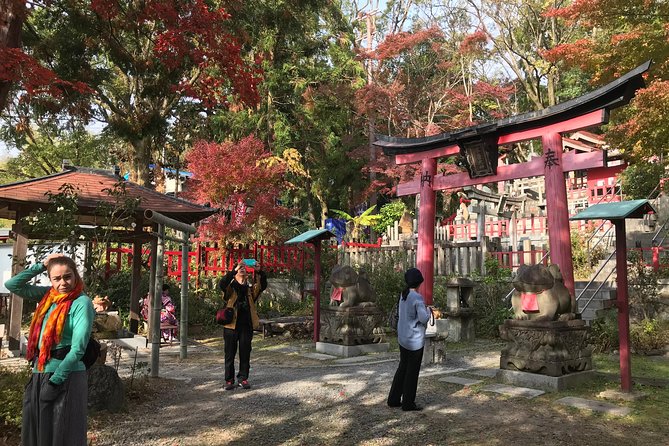
Food is included, and it’s not treated like a token add-on. You get a soba noodle lunch, plus a Japanese tea and boiled egg break.
This matters because the hike is only half a day, around 4 hours (approx.). You want a meal that won’t sit heavy in your stomach when you’re still walking. Soba tends to be a good fit for active travel days because it’s filling without feeling like a food coma.
The tea-and-egg break is also a smart pacing tool. It gives you a moment to reset before the steep section later. When a tour builds in an actual pause, you enjoy the scenery more because you’re not spending the hike thinking about hunger or fatigue.
Diet notes you can plan around:
- Vegetarian options are available
- Halal-friendly food is available
- Gluten free food is available
So if you have dietary needs, you should be able to make this work. The only unknown is exactly how the menu is handled at your particular time slot, so it’s worth checking how requests are handled during booking.
The summit climb to 233m, and why it’s worth the legs
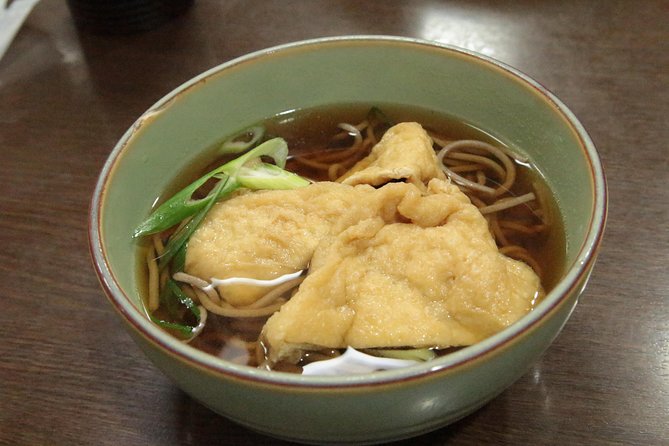
A highlight is the climb to the summit shrine. The tour describes a 20-minute climb, with the summit at 233m. Even with a short climb, going uphill inside a shrine mountain environment changes how you experience the place.
At the summit, you get a tour of the summit shrine area. If you want to pray at the shrines, the tour includes time for that. That prayer opportunity is part of why this feels more spiritual than sightseeing. You’re not just passing by. You’re given a moment to slow down and participate in the ritual behavior that locals and visitors do here.
Views are implied by the summit visit, but the key win is the change in atmosphere. The higher you go, the less the experience feels like a line, and the more it feels like you’re moving through sacred space. One guide-led experience was described as quiet and non-touristy, and that matches what you’d hope for from a summit route.
Keep in mind: if you’re sensitive to steep stairs, this is the section to take seriously. You do not need to be an athlete, but you do need to be comfortable with uneven stone steps and uphill effort.
How to get the most out of your shoes, your pace, and your questions
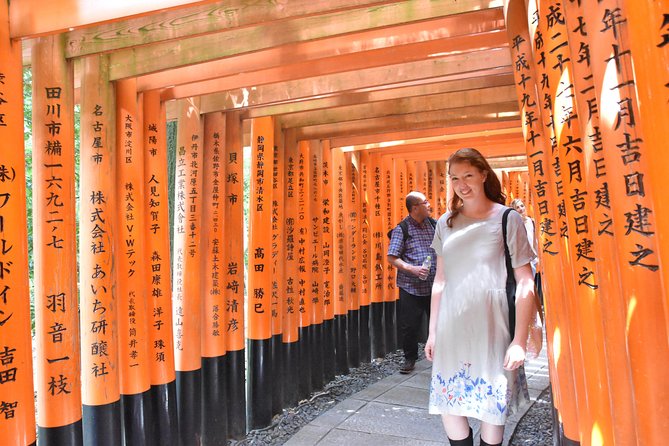
This tour is best if you like a blend of walking, learning, and small surprises. You’ll cover both the iconic shrine visuals and the quieter side-route stops. That combination is exactly what helps Fushimi Inari feel like more than a checklist.
To make it smooth for yourself:
- Wear shoes with grip. Steps and slopes are part of the deal.
- Bring a mindset for short effort. The hike is “half-day,” but it is not flat.
- Ask your guide questions. The tour includes explanations about history and cultural background, so use that time.
Also, watch for your guide at the start. There is a specific detail mentioned as a spotting clue: a red remarkable cap. Even if it’s not your favorite color palette, it’s useful. Find the guide early and you reduce the risk of confusion.
Timing and value: how $72.26 fits what you actually get
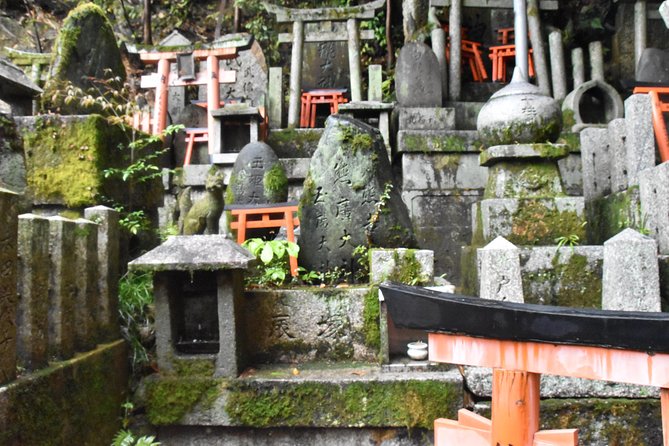
The price is $72.26 per person. That can sound steep until you map it to what’s included.
In this case, you get:
- A guided visit focused on Fushimi Inari’s main shrine and the red torii gates
- An alternative route through bamboo and cedar plus stops like the waterfall and gate factory
- The summit climb portion
- Admission ticket included
- Soba lunch plus tea and boiled egg
- A small-group format designed to keep pace manageable
When tours are priced like this in Kyoto, you’re usually paying for more than the walking. You’re paying for guide time, route planning, and included meals. Here, the lunch and snacks are not just a bonus, they help you complete the hike without having to hunt for food or choose a random cafe in between crowded areas.
One more practical note: it’s commonly booked about 80 days in advance on average. If Fushimi Inari is part of your must-do list, I’d treat this as a plan early, not a last-minute add-on.
Who this tour suits best (and who should skip it)
This experience is a strong match if you want:
- A small-group hike with more breathing room than the main trails
- A guided explanation of what you’re seeing at Fushimi Inari
- Included lunch and snacks so your day stays efficient
- A route that includes quiet forest sections plus summit time
It’s less ideal if:
- You struggle with steep stairs and uneven stone surfaces
- You hate guided structure and prefer to wander without explanations
- You cannot commit to being at the meeting point on time, since meeting-point issues can cause stress fast
If you’re traveling as a first-time visitor to Kyoto and you want one experience that ties together the big iconic site and the quieter mountain side, this fits well.
Should you book Inside of Fushimi Inari?
Yes, if you want the classic torii sights plus a route that feels more local, and you appreciate learning while you walk. The best argument is the combination: hidden-path hiking, meaningful shrine context, and a real meal with soba lunch and a tea break.
I’d especially consider booking if:
- You’re willing to handle stairs with moderate effort
- You want a smaller group so the day feels personal
- You care about eating well during a short day
If stairs are your weak spot, you might look for an option with a gentler route. But if you’re okay with uphill steps, this tour is the kind of plan that turns a famous landmark into a more human Kyoto moment.
FAQ
How long is the Fushimi Inari hiking tour?
The tour is about 4 hours (approx.), with the hike and lunch portion listed as about 3 hours 30 minutes.
How many people are in the group?
The tour is described as a small-group experience with a limited size. The information provided mentions a maximum of 12 participants, and also lists a maximum of 6 travelers.
What meals are included?
Lunch includes soba noodles. You also get a break with Japanese tea and a boiled egg.
Can you accommodate vegetarian, Halal, or gluten free diets?
Yes. Vegetarian, Halal-friendly, and gluten free food are available based on the information provided.
Where do you meet, and where do you end?
You meet at Great ToriiJapan, 612-0881 Kyoto, Fushimi Ward, 深草薮之内町68番地. The tour ends back at the meeting point.
Is admission included?
Yes. Admission ticket is included.
What fitness level do you need?
The tour is listed for travelers with a moderate physical fitness level.
What happens if weather is poor?
This experience requires good weather. If it’s canceled due to poor weather, you’ll be offered a different date or a full refund.
What is the cancellation policy?
Free cancellation is available up to 24 hours in advance for a full refund. If you cancel less than 24 hours before the start time, the amount paid is not refunded.
Latest write-ups near Kyoto
- Kyoto: Nishiki Market Tour with a Local Foodie & Tastings★ 4.5 · 67 reviews
- Kyoto Kimono Rental mimosa |Kimono/Yukata Rental Couple Plan★ 4.8 · 67 reviews
- Kyoto: Traditional Kimono Fabric Handicrafts Workshop★ 5.0 · 67 reviews
- Kyoto Tea Ceremony and Samurai Photo Session★ 5.0 · 70 reviews
- Kyoto: Replica food making experience★ 4.8 · 70 reviews
- Kyoto: Kinkakuji, Golden Pavilion Guided Tour★ 4.7 · 71 reviews
- Private departure transfer from Kyoto city to Kansai International airport★ 5.0 · 72 reviews
- Uji: Green Tea Tour with Byodoin and Koshoji Temple Visits★ 4.8 · 72 reviews
Fushimi Inari Tours, compared.
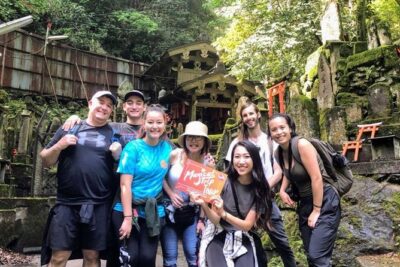
Fushimi Inari, Kinkakuji, Bamboo Grove 1 Day Bus Tour
Read our review →Fushimi Inari Hidden Hiking Tour (Private Option Available)
Read our review →
Kyoto/Osaka: Nara, Fushimi Inari Taisha, Arashiyama Bus Tour
Read our review →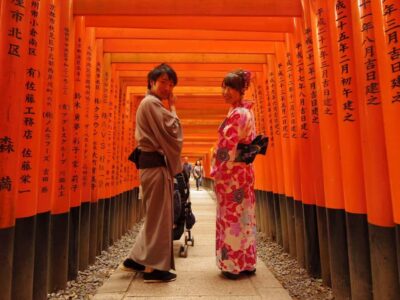
Osaka/Kyoto: Arashiyama, Nara & Fushimi Inari Shrine w/Lunch
Read our review →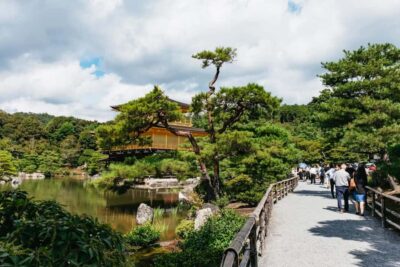
Nijo Castle, Kiyomizu & Fushimi Inari Guided Tour
Read our review →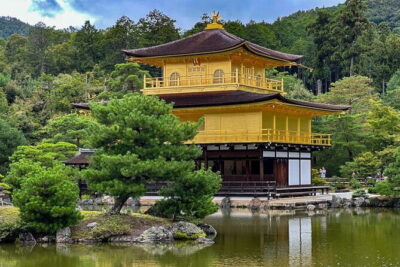
Nijo, Kinkaku-ji, Arashiyama, Kiyomizu & Fushimi Inari
Read our review →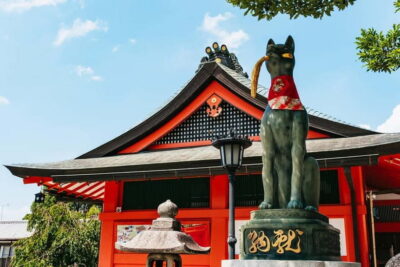
Sagano Romantic Train & Arashiyama, Kiyomizudera, Fushimi Inari Taisha Day Tour
Read our review →Browse the lists this tour appears in