
Reviewed · SUMO EXPERIENCES
Tokyo Sumo Morning Practice: Viewing & Exclusive Interaction
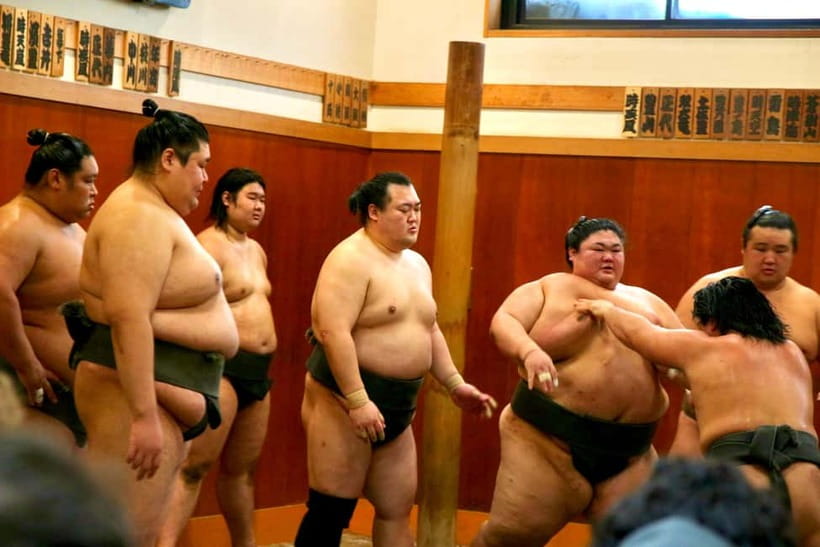
Sumo in Tokyo is usually a match-day thing. This experience is different because you see wrestlers during morning practice, up close, in the setting where the work actually happens. It is a hands-on look at discipline and ritual, not a staged show.
Two things I like a lot: the viewing distance is extremely close, so you can feel the effort when practice gets intense. And the guides, like Sarah and Peach, give you just enough background on what you are seeing so it clicks fast instead of feeling like random chaos.
One possible drawback: the hands-on parts can be limited by stable traditions. In at least one experience, women were not allowed into the ring for the pushing moment, even though other interactions and photo time were still included.
Key Points You Should Know Before You Go
- Up-close morning practice: watch training and practice matches from just meters away
- Guide-led context: short, practical explanations help you understand rituals before you sit through the action
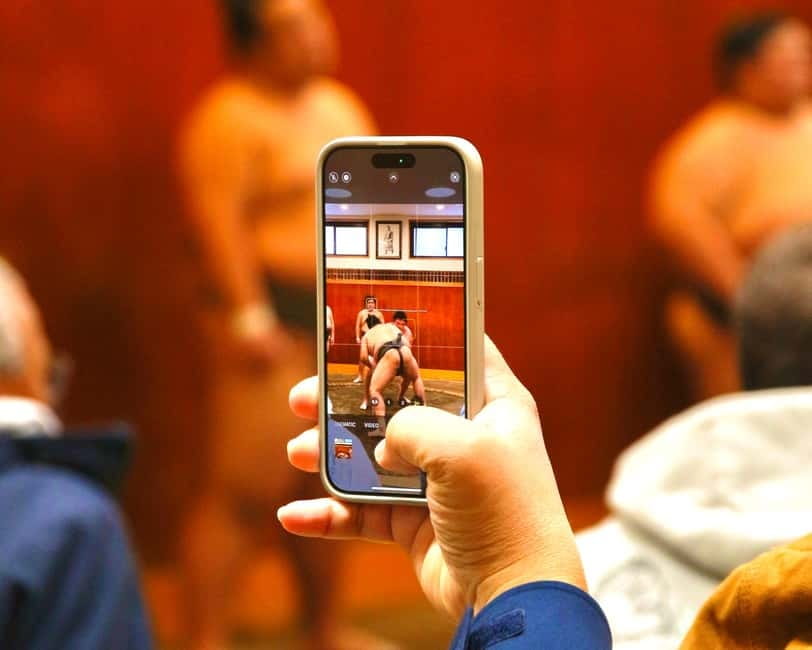
- Interactive Q&A and photos: you get time to talk and take personal photos with wrestlers
- Official banzuke souvenir: you leave with a ranking sheet in a special folder
- Optional Japanese brunch: easy add-on if you want to keep the morning going
- Small group feel: the group cap is 45, and the stable experience can feel very intimate in practice
A Few Hours With Sumo Wrestlers, Not the Usual Match-Scene
This is one of the best ways to experience sumo without waiting for a tournament schedule. Sumo tournaments only hit Tokyo a few times a year, so if you travel off-season, you can end up missing the big public events. A morning stable practice is a strong alternative, because it shows the routine behind the spectacle.
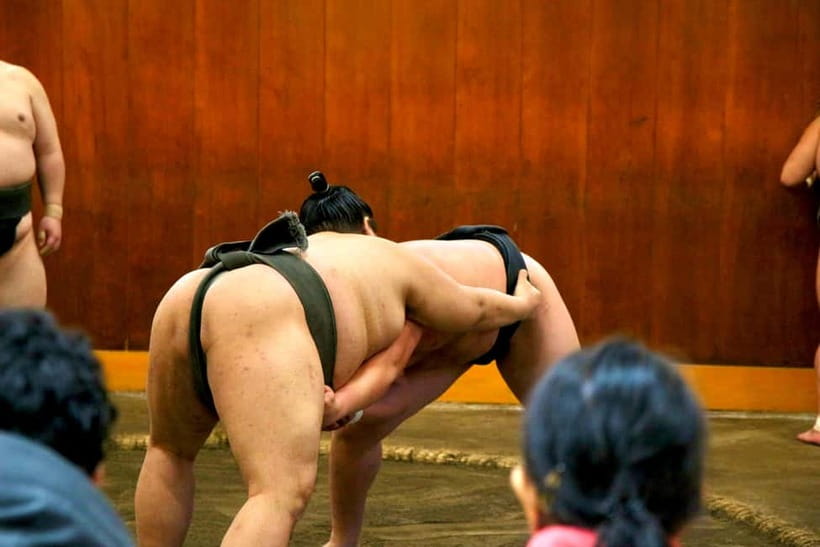
The atmosphere also changes how you watch. At a match, you mostly focus on the bout. Here, you watch warmups, footwork, training drills, and those short practice bouts that tell you a lot about each wrestler’s style and mindset. When you sit close enough to see sweat and hear impact, you get a new respect for how much work it takes to be match-ready.
More Sumo Experiences in Tokyo:
- Tokyo: Sumo Show Experience with Chicken Hot Pot and a Photo
★ 4.8 · 6,678 reviews - Tokyo: Sumo Show and Dining Experience
★ 4.8 · 2,742 reviews - the SUMO show
★ 5.0 · 1,960 reviews
Narihira Park Orientation: Rituals, Etiquette, and Where to Meet
You start at Narihira Park in Sumida. The meet-up point is at 2-chōme-3-番 Narihira, Sumida City, Tokyo 130-0002, Japan, and the tour begins near the multipurpose restroom. That matters more than it sounds, because the stable visit depends on you showing up on time.
The first stop is an orientation, about 20 minutes. Your English-speaking guide gives you an insider briefing and runs through the hidden history and rituals you are about to see. I like this part because it sets expectations. Sumo practice is formal. The stable has rules about behavior, and you do not want to be the person who ruins the mood.
This is also where you get your bearings for what comes next. In multiple experiences, guides sent pre-reading or confirmation details the day before. That kind of prep helps you avoid the common problem of arriving, then realizing you needed to know the timing and the exact meet-up location.
Practical tip: Go to the bathroom before you leave the meeting point. Once you are at the stable and practice starts, the pace is not quick and easy.
Morning Practice Viewing: Earth-Shaking Power From Very Close Up
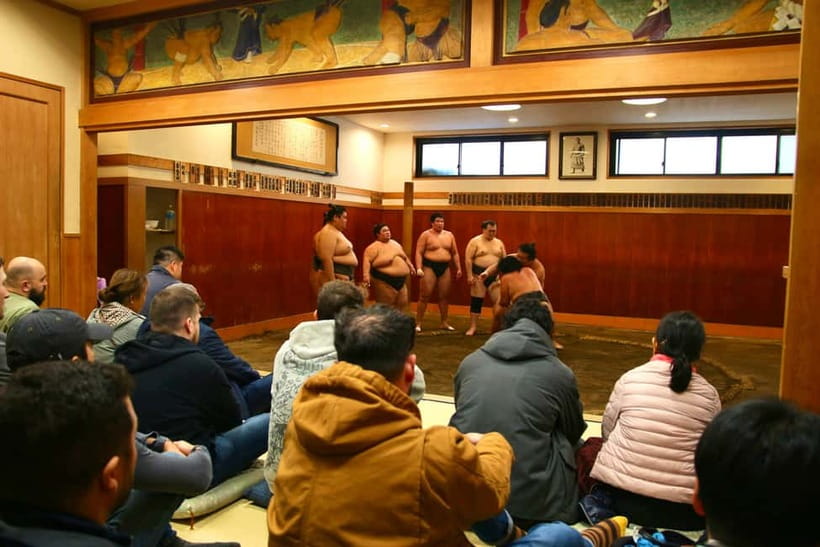
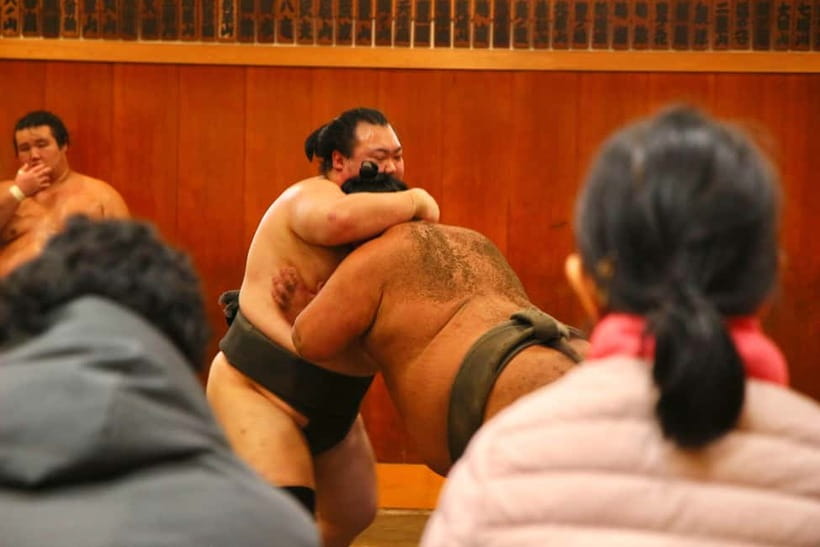
After orientation, you head to the stable for the main event. The practice viewing runs about 1 hour 30 minutes, and it is the heart of the tour. This is not a big arena with commentary and distractions. You are sitting close enough to notice details like posture, grip, timing, and how wrestlers move with purpose even during warmups.
What you will feel most is power and rhythm. Practice can include brief bouts that look like compact versions of match action. Even when it is not a full tournament bout, it is intense training with real contact and real effort. The result is that you learn how sumo is built, not just how it finishes.
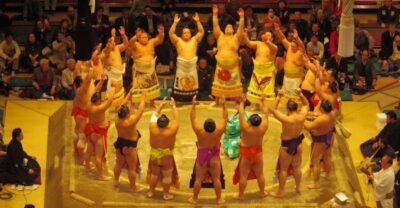
There is also a strong ritual component. You are watching tradition as well as athletic conditioning. It is the kind of experience where, after the guide’s intro, you start recognizing what you are looking at. That is a major difference between reading about sumo and actually seeing it in motion.
Heads-up for your comfort: You may need to sit quietly for a long stretch while you watch. One experience specifically notes that children may find this challenging because you need to stay seated and follow stable behavior expectations.
Exclusive Q&A and Photo Time With the Wrestlers
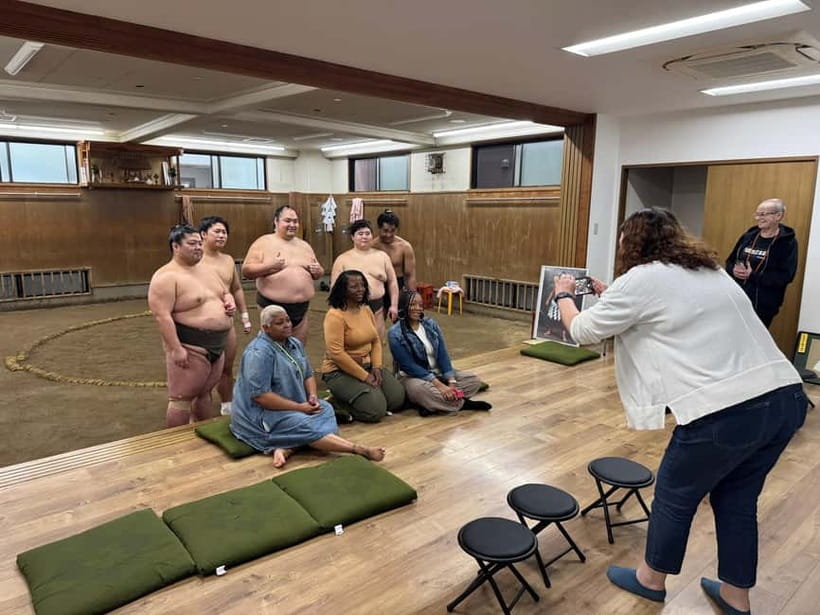
This is where the tour becomes personal. You get about 30 minutes for interaction with the wrestlers, including exclusive Q&A and a photo session. Your guide helps translate, so the conversation does not turn into guesswork.
This time does two things at once. First, it makes the athletes feel human, not just impressive bodies on a mat. Second, it lets you ask the questions you actually care about: training habits, routines, personality, and what sumo life looks like day to day.
Photo time is a big part of the appeal. In many experiences, people walk away with pictures that feel truly special because you are not standing far away like you would at a match. You are face to face, and you can see reactions and expressions, not just silhouettes.
One important consideration: not every “hands-on” moment is the same for everyone. In at least one experience, men were given the chance to go in the ring to push against wrestlers, while women were not allowed into the ring for that pushing moment due to stable tradition. You can still expect Q&A and photos, but if stepping onto the ring is your main goal, keep traditions in mind.
A change of pace from Tokyo:
- Mt Fuji and Hakone 1-Day Bus Tour Return by Bullet Train
★ 5.0 · 26,383 reviews - 1-Day Tokyo Bus Tour
★ 5.0 · 14,250 reviews - Tokyo: TOKYO SKYTREE® Admission ticket
★ 4.5 · 11,192 reviews - Tokyo: teamLab Planets TOKYO Digital Art Museum Entry Ticket
★ 4.6 · 9,779 reviews
Closing Session With the Official Banzuke Ranking Sheet
The tour wraps with a closing session back at the park. This part is about 30 minutes. Your guide presents you with an official banzuke, the sumo ranking sheet, and you get it in a specially designed souvenir folder.
That souvenir is more than a nice keepsake. The banzuke is one of the most real-world objects in sumo culture, tied directly to the ranking system and the seasonal structure of tournaments and promotions. Having the physical sheet helps you connect the information you learn to something tangible when you go home.
You also get additional time for questions at the close. I like this structure because it gives you two chances to interact: one while the wrestlers are available for the main Q&A and photos, and another at the end when the guide can help round out what you missed.
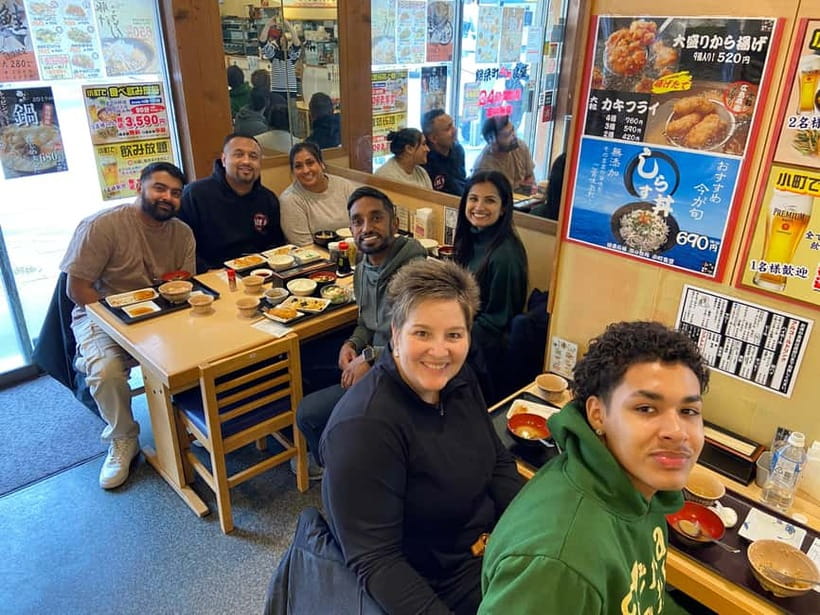
Optional Japanese Brunch, Plus How to Fit It Into Your Day
After the practice, there is an optional Japanese brunch. It is not baked into the core experience, which is good because you can plan your Tokyo day without feeling forced.
If you do add it on, the guides help with dishes and explain what you are eating. One experience describes it as more like lunch than brunch in the European sense, with a meal cost that can fall around 1,000 to 2,000 yen depending on what you order. That range will not be exact for every visit, but it gives you a realistic idea of the spending.
Timing-wise, the big win is that you still have time for Tokyo sightseeing afterward. The full tour is around 2 hours 30 minutes to 3 hours, and it ends back at the meeting point. That makes it a practical morning plan if you want one “must-do” cultural experience without burning your whole day.
If you are tempted to add brunch: build in a little extra buffer. In one case, a person missed brunch because of a scheduling mix-up, so double-check your morning calendar like you would for a train connection.
Price and Value for a 2.5 to 3 Hour Stable Visit
The price is $95.77 per person. At first glance, that can sound steep. But the value comes from what is included and what it replaces.
You are paying for:
- the English-speaking guide and orientation
- the sumo morning practice viewing fee
- an official souvenir set, including the banzuke and folder
- structured time for Q&A and photos with wrestlers
You are also paying for rarity. This kind of close stable access is not something you just stumble into on your own in Tokyo. It also helps when your travel dates do not line up with tournament days.
Still, there is a fair consideration. One experience reported the whole thing felt shorter than advertised, closer to about an hour of what they expected to be a longer visit. You cannot control how the stable schedule runs that day, so I recommend treating it as a guided morning with an approximate duration, not a guaranteed stopwatch experience.
If you are comparing this to a standard sightseeing tour, it can feel expensive. If you are comparing it to the cost of missing out on sumo completely during non-tournament season, it starts to make a lot more sense.
Who This Tour Is Best For, and Who Might Want a Different Plan
This is a strong fit if you:
- want something authentic that is not the match-day version of sumo
- care about seeing training and rituals, not only wrestling action
- like structured cultural context from a real guide
- want photos and a chance to speak directly with wrestlers
It is also great for families who are ready for quiet time. One experience highlights kids getting a meaningful connection, and a few people specifically called it a family-friendly highlight. That said, if your child struggles to sit for long periods, you might want to think carefully.
It can be a less perfect fit if:
- you are expecting a stadium-style spectacle with lots of movement and constant activity
- your main goal is a specific hands-on experience like ring time, and you might be affected by stable traditions
- you want prolonged access to the highest-level stable leadership, not just the translation and Q&A format
Should You Book Tokyo Sumo Morning Practice?
Yes, I think it is worth booking if sumo matters to you and you are visiting when tournaments are unlikely. The combination of up-close practice viewing, structured explanations, and the chance for Q&A plus photos is a powerful package. You also get a real souvenir in the banzuke, which makes the experience feel grounded and not just like a one-time photo stop.
My main booking advice is simple: go in with the right expectations. This is about training, ritual, and respectful observation. If you want that, you will likely love it.
FAQ
How long is the sumo morning practice tour?
It runs about 2 hours 30 minutes to 3 hours.
Where do I meet the tour guide?
You meet at Narihira Park in Sumida, near the multipurpose restroom. The listed address is 2-chōme-3-番 Narihira, Sumida City, Tokyo 130-0002, Japan. The tour ends back at the meeting point.
What is included in the price?
The tour includes an English-speaking guide, the sumo morning practice viewing fee, and an official sumo souvenir set (banzuke and an original folder).
Is the ticket mobile or printed?
The tour uses a mobile ticket.
What is the optional brunch?
There is an optional Japanese brunch after the experience. You can choose whether to join it.
Is there time for photos or questions with the wrestlers?
Yes. The itinerary includes an interaction segment with exclusive Q&A and a photo session with the wrestlers.
What is the cancellation policy?
You can cancel for a full refund if you cancel at least 24 hours in advance. Free cancellation is listed, and refunds depend on the 24-hour cutoff based on the local time of the experience.
Latest write-ups near Tokyo
- Harajuku Private Tour: Kawaii Fashion & Animal Cafe Included★ 5.0 · 69 reviews
- Mt Fuji Customizable Private Tour English Speaking Driver Pick-up★ 5.0 · 69 reviews
- Tokyo Night Cooking Class: 5 Home-Cooked Japanese Dishes★ 5.0 · 70 reviews
- Tokyo: Sumida Aquarium Entry Ticket★ 4.6 · 70 reviews
- Private Customizable Walking Tour of Tokyo★ 5.0 · 70 reviews
- Official Japan Go-Kart Through Tokyo Bay / Ginza (IDP Required)★ 4.5 · 71 reviews
- Wagyu Beef and Sake Pairing Foodie Tour in Tokyo★ 5.0 · 71 reviews
- Experience Big soba knife Soba Making Class in Tokyo Kappabashi★ 5.0 · 71 reviews
Sumo Experiences, compared.
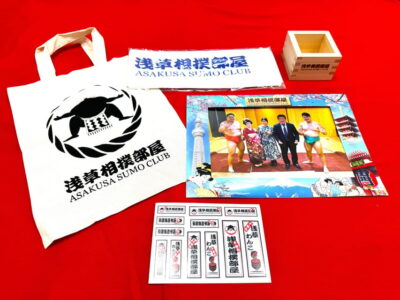
Sumo Show Experience with Chicken Hot Pot and a Photo
Read our review →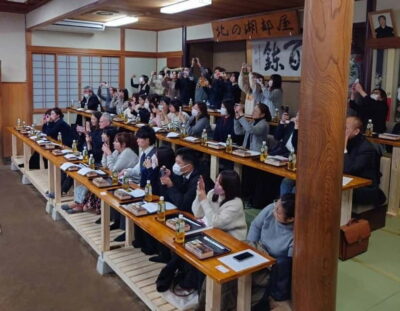
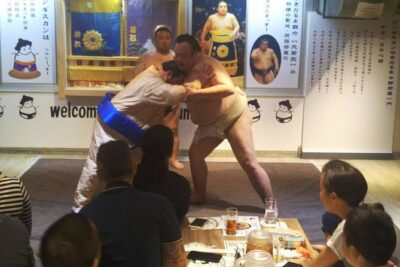
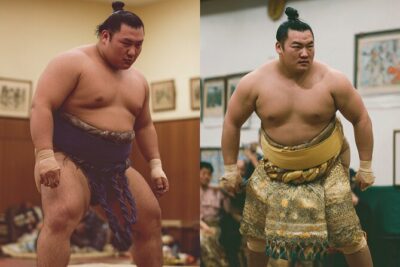
Tokyo Shinjuku Sumo Show & Experience with Photo
Read our review →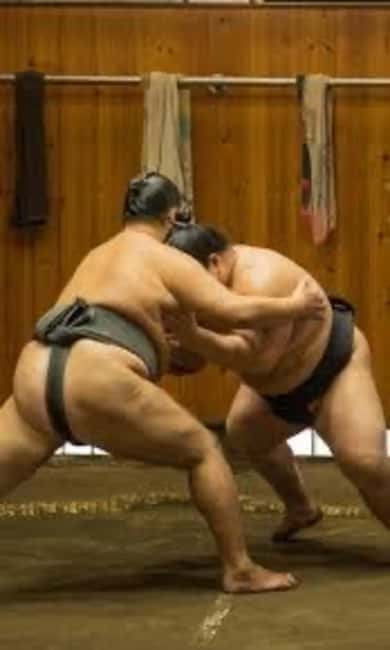
Sumo Show & Experience w/ Optional Kimono & Hot Pot
Read our review →
Authentic Sumo Experience in Tokyo: Enter the Sanctuary
Read our review →Browse the lists this tour appears in