
This is an eye-popping, long-day mix of custom route options and big-name scenery, starting with Mount Fuji and ending in Hakone. You get to shape what the day feels like, whether that means more photos, more ponds, or more temple time.
I love the flexibility built into the plan, so you can prioritize the Mt. Fuji 5th Station if visibility is good, or spend extra time around Lake Kawaguchi if you want slower, quieter views. I also like the practical setup, private air-conditioned transport, and a driver-guide who helps keep the day moving and the photos working.
One drawback to think about: it is a 10 to 11 hour outing, and in winter or cloudy conditions you may see Fuji only in breaks. The best mindset is to stay flexible and let the guide adjust the timing to what the sky is doing.
Key things I think are worth your attention
- A private door-to-door ride for your group means no train transfers, less standing around, and more control over timing.
- Mt. Fuji 5th Station plus photo stops like Chureito Pagoda gives you multiple chances for iconic views.
- Hakone Shrine and Lake Ashi add the classic torii on the water and open views beyond the Fuji area.
- Pacing that includes multiple scenic photo breaks rather than one big rush at the end of the day.
- Real convenience extras like in-vehicle Wi-Fi, bottled water, and help capturing photos and videos.
- Guide support you can feel in the moment, with people specifically praising punctuality and on-the-fly adjustments.
A private Fuji and Hakone day that you can actually steer
From Tokyo, this kind of day trip is appealing because it solves two big problems travelers face. First, Mount Fuji area timing can be unpredictable. Second, Hakone can eat your day if you rely on multiple trains and transfers.
With this private setup, you start with hotel pickup and move in a comfortable, air-conditioned vehicle. The schedule is described as customizable, and in practice that matters because you can shift priorities to match your group: more viewpoints, more water time, or more culture stops. If visibility is limited, you still have enough stops built in that you are not banking everything on one single moment.
Also, the company uses a driver-guide who handles the story and the flow. Names like Abu and Javad came up in the experiences tied to this route, and the common theme was clear guidance, good timing, and history explanations that are actually useful once you are standing there.
More Mt Fuji days:
- Mt Fuji and Hakone 1-Day Bus Tour Return by Bullet Train
★ 5.0 · 26,383 reviews - Mt Fuji & Hakone Cruise, Drum Show Bullet Train 1 Day from Tokyo
★ 4.0 · 7,413 reviews - Tokyo Mt Fuji 5th St & Hakone Cruise Bus Tour w/Bullet Train
★ 4.4 · 5,024 reviews
Getting to and from Tokyo: why the pickup changes the whole day
This is built around convenience. Pickup comes from accommodations within Tokyo’s main wards, and drop-off returns you to your chosen area in Tokyo. The tour also notes pickup availability extending toward Odawara, Kanagawa, depending on where you stay, but it does not include airport or port pickups.
Two practical details make this easier:
- The vehicle is private and air-conditioned, so your group stays together.
- The driver will wait up to 60 minutes past the scheduled time, and if pickup is delayed they extend the allotted time.
That waiting policy matters more than it sounds. In Tokyo, one wrong turn in a hotel lobby can cost you a lot of time. With a long day like this, fewer small failures helps you actually enjoy the scenery instead of chasing it.
The core Fuji plan: viewpoints, shrine stops, and lakeside calm
Your day is basically split into two worlds: the Mount Fuji area first, then Hakone. The best part is that you do not treat Fuji as a single stop. You get multiple ways to look at it, which is smart because weather decides a lot in this region.
Mt. Fuji 5th Station: where the air feels different
Your Fuji start includes a visit to the 5th Station, the highest point you can reach by car. This is one of those stops where photos are easy, but the real value is the change in vibe. The air tends to feel sharper, the viewpoints are more dramatic, and you get a sense of scale that is hard from lower elevations.
You also have time around the Komitake Shrine and nearby trails. Even if you do not do much hiking, those short walks help you get out of the vehicle and orient yourself to the mountain. The plan also includes a guided component and a walk element, so expect some steps and uneven ground.
If Fuji is peeking through the clouds, this stop is where you want to be ready. It is not only about seeing it, it is about standing at the mountain’s edge and understanding why people make pilgrimages here.
A change of pace from Tokyo:
- 1-Day Tokyo Bus Tour
★ 5.0 · 14,250 reviews - Tokyo: TOKYO SKYTREE® Admission ticket
★ 4.5 · 11,192 reviews - Tokyo: teamLab Planets TOKYO Digital Art Museum Entry Ticket
★ 4.6 · 9,779 reviews - Tokyo: Sumo Show Experience with Chicken Hot Pot and a Photo
★ 4.8 · 6,678 reviews
Chureito Pagoda: the photo stop that does the work for you
Next up is Chureito Pagoda. This is one of the most famous Fuji photo angles for a reason: the composition frames the mountain in a very recognizable way. The tour includes guided time plus a walk and safety briefing, so you will have structure, not just a random park photo moment.
The time around this stop is ideal if you want one “big iconic photo” without spending hours hunting angles on your own. You should still move carefully and manage your footing, because crowds and slopes can make it less relaxed than you might expect.
Arakurayama Sengen Park: another classic view angle
The plan also includes Arakurayama Sengen Park with a photo stop and guided tour time. It is another angle that helps you keep chasing visibility. If Fuji is shy at one stop, it can show up at the next, and you are positioned to catch it.
This is one reason I like the structure of the day. You are not stuck waiting until the end for one chance.
Oshino Hakkai: ponds with a story and easy strolling
Then you head to Oshino Hakkai, a village known for crystal-clear ponds and traditional architecture. This is one of those stops where the schedule becomes more human. You can slow down, stroll, and look at the ponds without rushing.
There is also a strong food element here. You have time to explore the village atmosphere and sample local delicacies at nearby food stalls. Since meals are not included in the package, you can treat this as your chance to try small things rather than committing to a full sit-down lunch.
Narusawa Ice Cave and Oishi Park: the “Fuji details” detour
The route includes a stop at Narusawa Ice Cave, with photo stop, visit, guided tour, and a walk. This is not just a view, it is a different kind of Fuji-area attraction, and it helps break up the day so it does not feel like a string of viewpoints only.
You then also have Oishi Park, another scenic pause with guided sightseeing and walking time. This is designed for people who like water-and-mountain framing, and it gives you another window to capture Fuji depending on the weather that day.
Lake Kawaguchi and Hakone: from quiet water to big views
If Fuji area stops are about reaching the right places for views and culture, Lake time is about letting those views breathe.
Lake Kawaguchi: boat cruise or just relax by the water
At Lake Kawaguchi, the plan includes time for either a boat cruise or relaxing by the water’s edge. This is a smart choice because boat time can be a bit more weather-sensitive, while a shore stroll keeps you flexible.
I like this stop for the same reason I love pauses in a walking tour. Even if you already took plenty of photos, the water gives your eyes a break. It also sets you up for the Hakone portion without turning the day into a non-stop sprint.
Lunch: a scheduled break, but you pay your own meal
There is a scheduled local restaurant lunch time around 40 minutes. Meals are not included, so you should plan to cover lunch cost separately. The value here is time discipline: you get a stop that keeps you from getting hangry while moving between major attractions.
If you are traveling with kids, this lunch window also helps prevent the classic meltdown cycle that happens on long day trips.
Kitaguchi-hongu Fuji Sengen Shrine: where the mood changes
This is the quiet, grounded part of the day. The plan includes Kitaguchi-hongu Fuji Sengen Shrine, with photo stop, guided visit, and walking time.
This shrine is described as a historic and tranquil site at the foot of Mount Fuji, and it is linked to the idea of pilgrims beginning their ascent. Even if you are not a shrine person, I think this stop is worth it because it adds context. Fuji is not only a photo backdrop. It is a destination shaped by belief and tradition, and a shrine stop helps explain the human side.
Moving into Hakone: torii on the water, ropeway views, and Owakudani
Hakone is where the day turns from Fuji-area pacing to a broader, more dramatic circuit.
Hakone Shrine and Lake Ashi: floating torii and open views
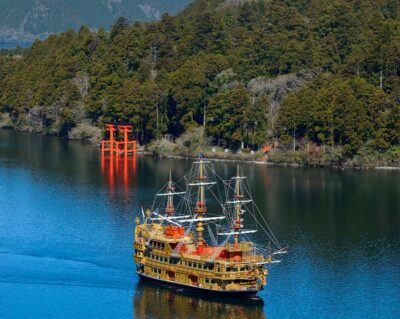
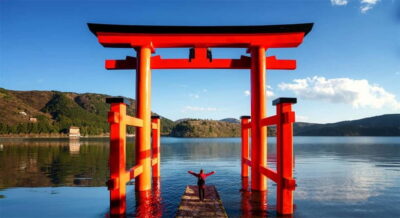
The plan includes Hakone Shrine, specifically noted for its iconic torii gate floating on the water. This is followed by time at Lake Ashi, with free time plus guided sightseeing and walking time.
There is also an option for a boat cruise on Lake Ashi for majestic views of Mount Fuji, depending on timing and how you choose to pace the day. Lake Ashi is where you can feel Hakone’s tourist-famous scenery without needing a full overnight stay.
Odawara Castle: a quick culture stop with walking time
You also have a stop at Odawara Castle, with a photo stop, visit, guided tour, and about 40 minutes total. This gives you a change of scenery beyond lakes and viewpoints and can be useful if your group wants at least one “city and castle” break.
Owakudani Valley and Hakone Ropeway: the big view and the big effort
Next is Owakudani Valley, with photo stop, visit, guided tour, and about an hour including safety briefing. Then you ride the Hakone Ropeway with guided sightseeing and a cable car ride.
These are major view-makers. Owakudani is about volcanic scenery and drama, and the ropeway adds movement and height for broader sight lines. The tradeoff is effort: expect walking, potential wind, and colder temperatures at elevation.
If your group has limited mobility, you should consider whether these steps and rides fit your comfort level. The tour does note wheelchair accessibility, but the schedule includes walking and safety briefings, so it is worth communicating needs early.
Gotemba Premium Outlets: shopping with Fuji in the background
You wrap up the day with Gotemba Premium Outlets. It includes a photo stop, visit, shopping, and about an hour of walk time. It is not just for shopping either, because the outlet area is known for giving views of Mount Fuji, which makes it a practical final stop when you still have energy for one last scenery moment.
Since the day is already packed, this stop is best for groups who like to leave the day with something tangible. If shopping is not your thing, you can still treat it as a convenient place to browse, snack, and recharge before the drive back to Tokyo.
Price and value: why $354 per group can work for families and photo-focused days
The price is $354 per group up to 5. For a private day that combines both Mount Fuji and Hakone, the value mostly comes from what you avoid: transit hassle, multiple tickets, and the time cost of coordinating trains and connections.
Here is what you get that reduces hidden costs:
- Pickup and drop-off at your hotel in a private, air-conditioned vehicle
- An English-speaking driver-guide (and the tour also lists Hindi, Japanese, Punjabi, and Urdu)
- In-vehicle Wi-Fi hotspot
- Complimentary tea, coffee, and bottled water
- Help capturing photos and videos
- Fuel, parking fees, and toll charges covered
Not included are meals and entrance fees. That means you should plan a separate budget for attractions and your lunch. But even with that, paying for a private route can make sense if you are traveling as a small family or a tight group, because the alternative is often a DIY day trip with stress and time loss.
Also, the tour is praised for “more places than requested” and smooth comfort, which is exactly what you want from a long, multi-stop day. A private guide also makes it easier to adjust timing if Fuji visibility changes.
What to bring and how to survive the long day
This type of day trip is simple, but it has a few non-negotiables.
Bring:
- Comfortable shoes (you will walk at multiple stops)
- Warm clothing (especially for high or colder viewpoints and ropeway areas)
- A camera (the photo planning is part of the day)
- Sunscreen (yes, even in cooler months)
You should also have realistic expectations for Fuji. Even when you follow the route, mountain visibility depends on weather. The good news is the itinerary is built to include multiple look angles, so you are rarely stuck with only one option.
One more practical note: alcohol and drugs are not allowed, and the tour rules also prohibit fireworks and making fire.
Should you book this Fuji and Hakone private day trip?
I would book this if you want a private day with a strong mix of iconic Fuji viewpoints and Hakone scenery, and you like having your time managed rather than stitched together with trains. It is especially a good fit for families, small groups of friends, or anyone who values photo chances and wants the day to feel efficient without feeling like a factory tour.
Skip it or adjust expectations if you hate long days. You are looking at roughly 10 to 11 hours total with travel time, and on a cloudy Fuji day you may not get the mountain in full form everywhere. The best approach is to stay flexible, dress for the cold, and treat the schedule as a set of chances rather than a guarantee.
If that sounds like your style, this is a strong way to get both Fuji and Hakone in one go from Tokyo.
FAQ
How long is the Mount Fuji and Hakone day trip?
The tour runs about 10 to 11 hours, including travel time.
Is this tour private or shared?
It is a private experience exclusively for your group.
Where does pickup happen?
Pickup is available from accommodations within Tokyo’s 23 wards listed, and the tour also notes pickup availability toward Odawara, Kanagawa. Pickup is not available from airports or ports.
What is included in the price?
Included items are hotel pickup and drop-off in a private air-conditioned vehicle, an English-speaking driver-guide, fuel and parking fees, toll charges, complimentary tea, coffee, and bottled water, in-vehicle Wi-Fi, and help capturing photos and videos.
Are meals and entrance fees included?
Meals and entrance fees are not included. You do have a scheduled lunch time at a local restaurant.
What if the weather is bad and Fuji is not visible?
If bad weather or an accident disrupts the tour, it can be rescheduled for another day at your preference.
Latest write-ups near Tokyo
- Tokyo Nights: Shibuya Photo Adventure★ 5.0 · 20 reviews
- Wagyu & Sake 8 Course Tasting Dinner in Shinjuku★ 4.9 · 20 reviews
- Making Japanese desserts Nerikiri & drinking matcha in Tokyo★ 5.0 · 20 reviews
- Mt. Fuji 5th Station, Owakudani Ropeway, Pirate Ship plus Outlet shopping!★ 4.5 · 20 reviews
- Japanese Whisky Hunting《HIGH-QUALITY-ONLY》Rare Tasting Class★ 5.0 · 20 reviews
- Kintsugi Experience with Arita Ware in Tokyo (English Guide)★ 4.8 · 20 reviews
- This is Asakusa! A Tour Includes the All Must-Sees!★ 5.0 · 20 reviews
- Tokyo: Karate Experience with Former All-Japan Champion★ 5.0 · 20 reviews
Mt Fuji Tours, compared.
Mt Fuji and Hakone 1-Day Bus Tour Return by Bullet Train
Read our review →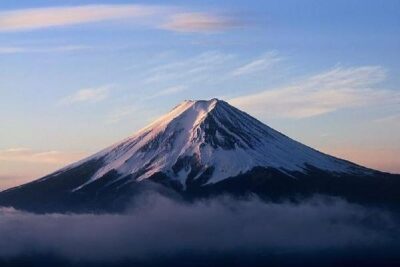
Mt Fuji & Hakone Cruise, Drum Show Bullet Train 1 Day from Tokyo
Read our review →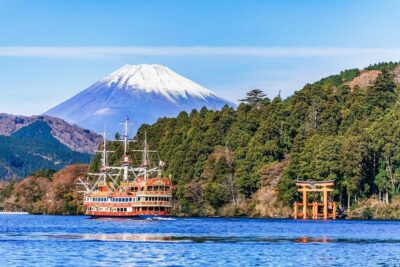
Tokyo Mt Fuji 5th St & Hakone Cruise Bus Tour w/Bullet Train
Read our review →
Mt. Fuji Tour, Hakone Ropeway, Owakudani, Lake Ashi
Read our review →
Mt.Fuji,Kawaguchiko Oishi Park,Arakurayama Sengen Park
Read our review →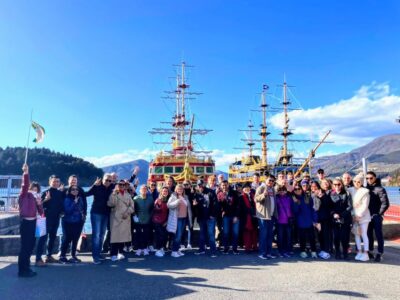
Mt. Fuji 5th Station & Hakone Cruise 1-Day Bus Tour
Read our review →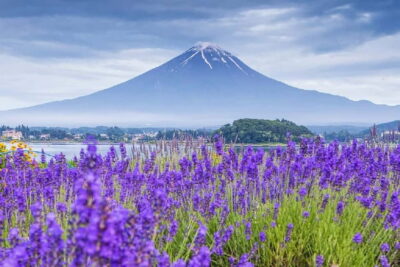
Mt Fuji Top 5 Spots Day Tour: Arakurayama Park,Oshino Hakkai
Read our review →Browse the lists this tour appears in