
Reviewed · HISTORICAL TOURS
Hike Japan Heritage Hakone Hachiri (Half Day)
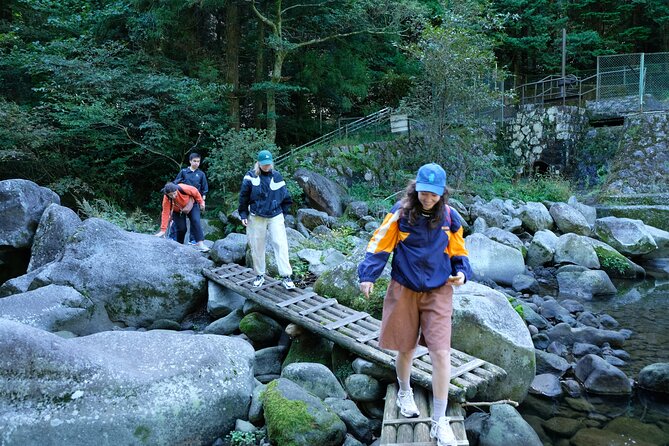
Hakone has a way of mixing drama with calm, and this half-day hike does the same. You follow parts of the old Tokaido highway along cobbled paths and forest trails, including some sections that feel like your own little quiet world.
Two things I love about it are the chance to walk a well-preserved stretch of the road and learn what it meant, and the way the day keeps moving without turning into an all-day grind. I also really like the break at the 400-year teahouse for amasake, plus the history talk that helps Hakone click in your mind.
The one thing to weigh is that this is built for people with moderate fitness, and it’s also weather-dependent, so you should be ready to adapt if the day is cloudy or rainy.
Key things I’d plan around
- Small group size (max 6) makes it easier to ask questions and keep a good pace.
- Old Tokaido + forest trail mix means you get variety without a huge time commitment.
- A 400-year teahouse amasake stop turns the hike into a cultural pause, not just exercise.
- Hakone checkpoint context helps you understand why this area became important in Japanese travel.
- End at Lake Ashi near Motohakone so you can connect to your next stop around 1pm.
- Certified national mountain guide means safer pacing and clearer history in plain English.
Following the Old Tokaido on Foot, Then Ending at Lake Ashi
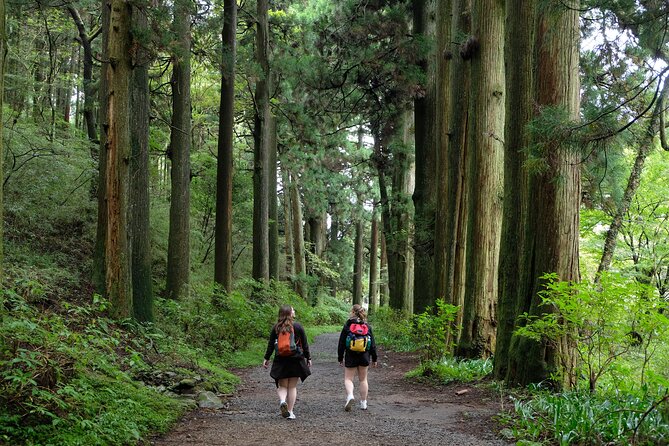
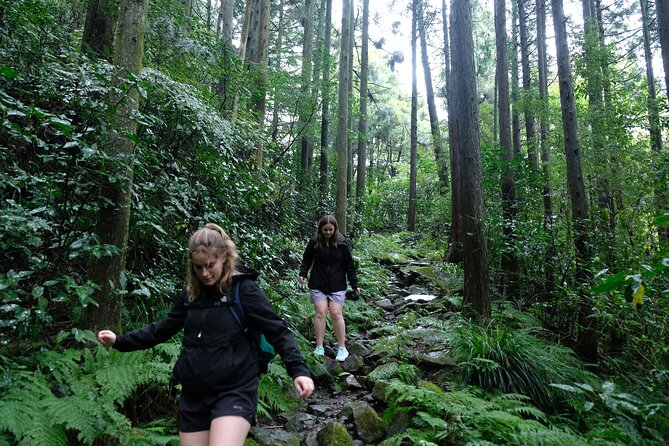
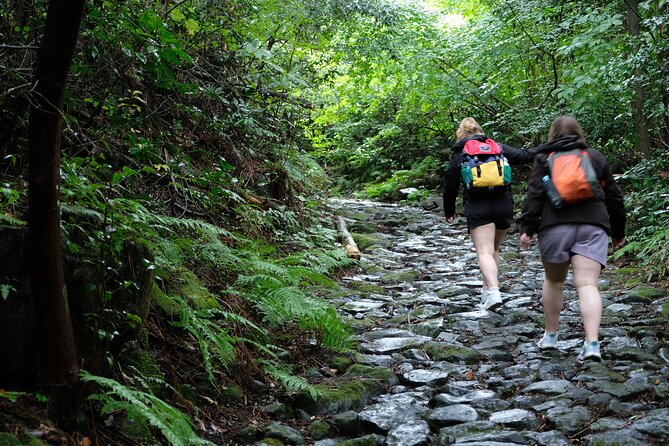
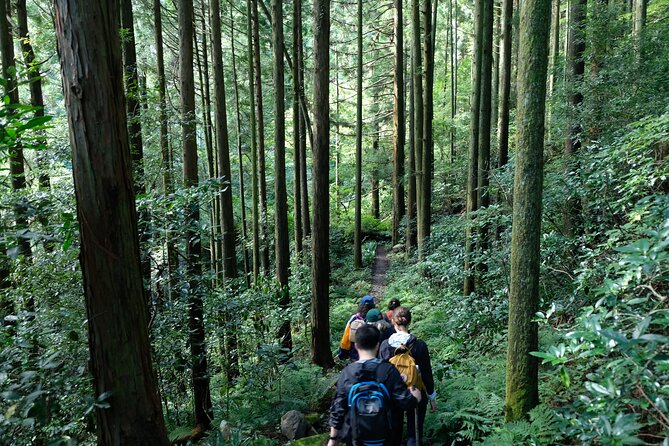
This is the kind of Hakone experience I like: you get the outdoors, you get a story, and you still have time left over to keep sightseeing after lunch. The route is a half-day (about 4 hours), but it’s not a rushed stroll. You’ll hike roughly 2 to 3 hours along the old Tokaido highway, with a mix of cobbled sections and forest paths.
What makes it special is the balance. Some parts feel off-the-beaten-track, and you may have stretches of forest to yourselves. You’re not just walking through scenery. You’re walking through a route that helped people travel between major cities, and the guide helps you connect the dots.
If the day is clear, Lake Ashi can reward you with views of Mt Fuji across the water. If not, you still end in a beautiful place with an easy connection to buses or ferries.
More Hiking & Trekking in Hakone:
- Hike Japan Heritage Hakone Hachiri with certified mountain guide
★ 5.0 · 46 reviews - Fushimi Inari Hidden Hiking Tour (Private Option Available)
★ 5.0 · 1,750 reviews - Kyoto: 3-Hour Fushimi Inari Shrine Hidden Hiking Tour
★ 4.9 · 270 reviews
Getting There, Starting at Hakone-Yumoto, and What to Expect Day-of
You start at Hakone-Yumoto Station at 9:00 am. This is helpful because you’re not fighting later-day crowds, and you get your hike done before the afternoon plans get complicated.
The tour is limited to up to 6 travelers, and you’ll hike with a certified national mountain guide. That matters more than people think. On a trail with cobbles, forest sections, and at least one bus shortcut, it’s nice to have someone who keeps the pace realistic and the footing in mind.
Two practical notes that can affect your budget and timing:
- You’ll likely use shared taxi service to reach the trailhead. It’s not included, and it’s 2000 yen total, shared among the group.
- You’ll also pay a small bus fee to reach the teahouse. It’s less than 400 yen.
Also, you finish at Motohakone around Lake Ashi. From there, you can catch a bus back toward Odawara/Hakone-Yumoto or continue by ferry. The good part: you typically have options around 1pm, so this doesn’t trap you in Hakone for the rest of the day.
Bring a bottle of water and wear shoes with solid grip. The route includes cobbled paths, so flimsy soles will feel it.
Hatajuku: A Woodcraft Village Stop That Feels Like a Living Timeline
One of the best ways to understand Hakone is to see how people lived and built here. You reach Hatajuku after about an hour of hiking. This stop is tied to traditional wood crafting in the area, so it’s not just a scenic break. It’s a chance to slow down and look at the craft that shaped local life.
What I like about this kind of village stop is that it gives your hike a sense of place. You’re walking a historic travel route, and then you step into a community where the materials and skills come from the same region you’re moving through.
After Hatajuku, you take a bus to skip the steepest part of the route. That’s a smart design choice for a half-day. It keeps the experience accessible while still letting you enjoy the best-preserved sections of the older road.
You may also find small refreshments at the stop before you continue. One guide-led food moment I’ve heard people enjoy here includes barley tea and a traditional rice dessert, depending on what’s available at the village stop. Even if that particular snack isn’t offered every time, this is still the kind of pause that feels human, not touristy.
Amasake at a 400-Year Teahouse, Plus the Edo-era Story Thread
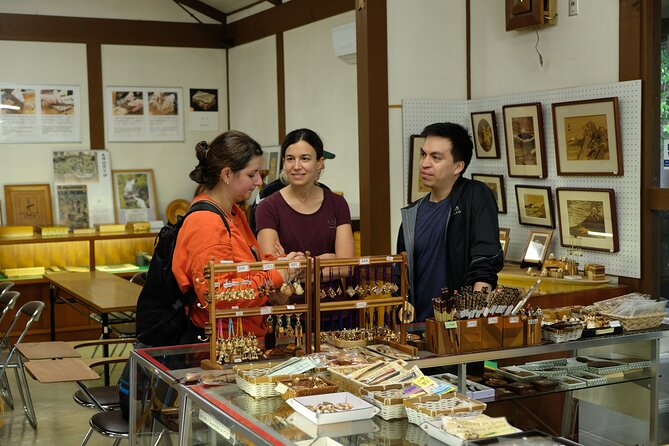
Next comes the Hakone Amazake Tea House, where you enjoy amasake. The key detail here is the setting: the tea house has history going back about 400 years. That’s a long time for a building to keep its identity while the world around it changed.
This stop is short, about 30 minutes, but it works because it resets your energy. A hike this length can start to feel long if you’re only moving. The drink-and-rest break gives you a natural checkpoint so you can enjoy the remaining walk.
The guide’s role becomes extra important around here. You’re not just sipping something warm. You’re hearing how this road fit into Japan’s travel system, including the older connection between Tokyo and Kyoto through the Edo-era road network.
In the reviews I read, guides like Akihiro stood out for explaining these connections in clear English. One person noted that Akihiro studied in Seattle, which helped with communication. That means you can ask real questions, not just nod along.
If you want the experience to feel more than physical, this tea house stop is where it clicks.
More Historical Tours in Hakone:
- World Heritage Shirakawa-go and Experience Tours from Kanazawa
★ 5.0 · 4,049 reviews - Tokyo: Imperial Palace and Shogun Historical Walking Tour
★ 5.0 · 2,251 reviews - World Heritage Kyoto & Nara Uji Authentic Matcha Experience
★ 5.0 · 1,573 reviews
The Hakone Checkpoint: Where the History Becomes Personal
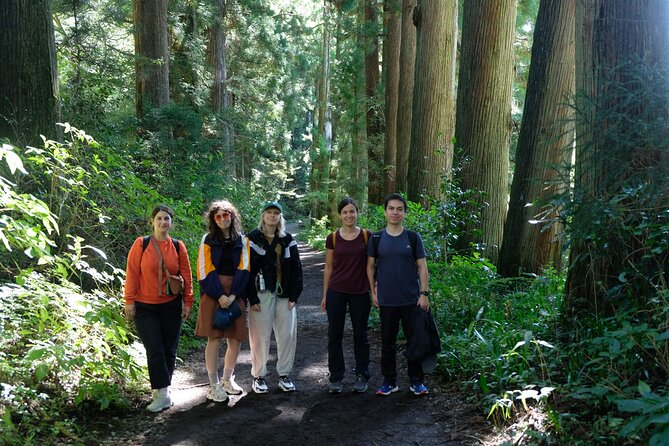
After the tea house, you continue hiking until you reach the Hakone Checkpoint, which is your final destination. This segment is about 30 minutes, so it doesn’t drag, but it’s timed well. You arrive after you’ve already built up energy, and you still have the mental space to absorb context.
This is where the guide helps you understand why Hakone mattered in Japan’s travel history. The checkpoint isn’t presented like a random photo spot. It’s framed as a place in a larger system, meaning you start seeing the route as more than a scenic walk.
I love these checkpoint moments because they explain how travel worked before cars and trains. Once someone gives you that framework, even a simple viewing point feels more meaningful. You stop taking the scenery for granted and start noticing how the terrain shaped the route.
Lake Ashi: Forest Bathing Finish, Mt Fuji If You’re Lucky
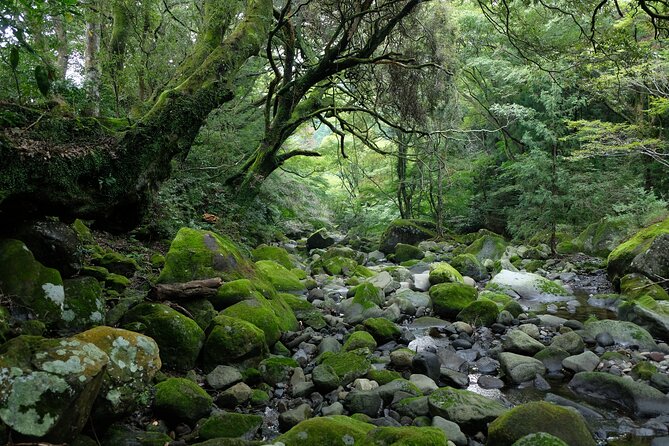
The last leg is the Lake Ashinoko area (Lake Ashi). This is the “forest bathing” style portion of the day, where the vibe shifts from historic route to calming water-and-view terrain.
You spend about 1 hour here, and this is also the moment when Mt Fuji might appear across the lake. The catch is weather. The plan is simple: you look for the view, and the world gives it to you only if it wants to.
Even if Fuji isn’t visible, Lake Ashi still delivers atmosphere, and you get a clean finish to the half-day. You also gain flexibility. From Motohakone, you can jump on transport toward Odawara/Hakone-Yumoto or use ferry options (often called pirate ships by some operators) to connect onward.
This is a practical ending point. It turns your hike into a move within your itinerary, not a dead-end detour.
Price and Value: $114.95 for a Guide, a Route, and Real Time Outdoors
At $114.95 per person, this is not a bargain-basement hike. But for Hakone, the value makes sense when you look at what’s actually included.
Here’s what you get that you might not get on a generic walking tour:
- A certified national mountain guide, not just a casual host
- A route with a deliberate mix of cobbled old road plus forest trails
- A cultural stop with a real-time connection to the area, including amasake at a 400-year teahouse
- A plan that ends in a place with easy onward transport around 1pm
Then there’s the part people often forget: this tour is capped at 6 travelers. For an experience that depends on pace and safe footing, smaller groups usually mean a better day.
You’ll also likely book in advance. The average booking window is listed as about 59 days. That tells me this is a popular route, especially for visitors who want a heritage hike without losing a day.
When you factor in the small extra costs (shared taxi and the short bus to the teahouse), it’s still a realistic half-day spend for what you’re getting: a guided hike with context plus an easy finish point.
Who This Tour Fits Best (and Who Should Think Twice)
This fits best if you want Hakone beyond the usual postcards. You like walking with purpose. You enjoy hearing what a place meant historically and why that route exists.
It also works well for people who are active but not looking for a full-day mountaintop challenge. The route is built around skipping the steepest section by bus, and it’s guided, so you’re not stuck managing route-finding alone.
Think twice if:
- You need fully flexible weather plans. The tour requires good weather, and poor conditions can trigger cancellation.
- You prefer a completely unguided self-walk. This is intentionally structured around stops and interpretation.
If you’re bringing a teen or doing it as a shared parent-child activity, this also seems like a good fit. I saw feedback from someone who hiked it with a 16-year-old son, calling it a fantastic experience and praising the guide’s English and knowledge of the area.
Practical Tips to Make Your Half Day Go Smoothly
A few things will help you get the most from the day:
- Wear shoes you trust on cobbled paths and uneven forest ground.
- Keep expectations realistic about views. Mt Fuji is possible, not guaranteed.
- Plan your day so you’re ready to travel after lunch. You typically finish around 1pm near Motohakone and Lake Ashi.
- Don’t overpack your bag. This is a moving itinerary with short stops, not a long museum day.
- If you’re sensitive to weather, bring a light layer. Forest shade and shifting conditions can change how the walk feels.
And the biggest pro tip: lean into the guide Q and A time. The best part of a heritage hike is how it turns geography into meaning, and that only happens when you’re willing to ask questions.
Should You Book Hike Japan Heritage Hakone Hachiri (Half Day)?
I’d book it if you want a half-day Hakone plan that feels authentic and purposeful. You’re getting a guided walk along a preserved piece of historic road, a meaningful cultural stop with amasake, and a finish at Lake Ashi with an easy path to your next destination.
Skip it if you’re chasing purely big-ticket views or you hate moderate hiking and weather uncertainty. This is a hike with context, not a guaranteed Mt Fuji photoshoot.
If your ideal Hakone day is part forest, part history, part local food moment, then this is a strong choice. The guide quality, small group size, and the structure of stops make it one of those experiences where you come away feeling like you actually understood something, not just walked through it.
FAQ
How long is the Hakone Hachiri hike?
It runs for about 4 hours total, with roughly 2 to 3 hours of hiking.
Where do I meet for the tour?
Meet at Hakone-Yumoto Station at 9:00 am.
Where does the tour end?
The tour ends at Motohakone near Lake Ashi, where you can take a bus back or continue by ferry (around 1pm).
What should my fitness level be?
The tour is marked for travelers with moderate physical fitness.
Is Mt Fuji part of the plan?
You can potentially see Mt Fuji across Lake Ashi if weather permits.
What’s included in the price?
The tour includes a certified national mountain guide.
What extra costs might I pay?
You may pay a shared taxi to the trailhead (about 2000 yen total shared among the group) and a bus fee to the teahouse (less than 400 yen).
How large are the groups?
The maximum group size is 6 travelers.
Is the tour ticket handled digitally?
Yes, it uses a mobile ticket.
What happens if the weather is bad?
The experience requires good weather. If it is canceled due to poor weather, you’ll be offered a different date or a full refund. If you cancel yourself, it is non-refundable and cannot be changed.
Latest write-ups near Hakone
- Custom Private Tour in Hakone with a Certified Local Guide★ 5.0 · 91 reviews
- Hakone 6 hour Private Tour with Government-Licensed Guide★ 5.0 · 218 reviews
- Hakone: Day Tour to View Mt Fuji & Wooden Culture Experience★ 5.0 · 23 reviews
- Hakone Adventure: Explore Nature’s Beauty and Tranquility★ 4.2 · 14 reviews
- Odawara Castle and Town Guided Discovery Tour★ 5.0 · 15 reviews
- Hike Japan Heritage Hakone Hachiri with certified mountain guide★ 5.0 · 46 reviews
Historical Tours, compared.
World Heritage Shirakawa-go and Experience Tours from Kanazawa
Read our review →
Imperial Palace and Shogun Historical Walking Tour
Read our review →
World Heritage Kyoto & Nara Uji Authentic Matcha Experience
Read our review →
Kyoto Gion: 2-Hour Geisha Culture & History Walking Tour
Read our review →
World Heritage Shirakawa-go Morning Guided Tour
Read our review →
Hiroshima Peace (Heiwa) Walking Tour at World Heritage Sites
Read our review →
Shinjuku Historical Walking Tour & Secret Backstreets
Read our review →Browse the lists this tour appears in