
Reviewed · MIYAJIMA TOURS
Hiroshima and Miyajima Private Guided Tour
A private day that links Hiroshima’s most painful history with the calm, photogenic beauty of Miyajima is a rare mix. You start in Peace Memorial Park, where your guide helps the sites make sense instead of feeling like a list. Then you shift gears to Miyajima, where the floating torii gate and island atmosphere give your day a second, gentler chapter.
Two things I really like: first, the guide-guided flow through the memorials and museum so you do not miss the details that matter. Second, the logistics are built around public transport, tram plus ferry, so you spend less time figuring things out and more time looking around with confidence.
One possible drawback to consider is that this is a walking-heavy day with steps, and timing can feel tight in hot weather. Also, where you meet your guide matters, since far pickup points can cut into actual sightseeing time.
Key highlights worth knowing
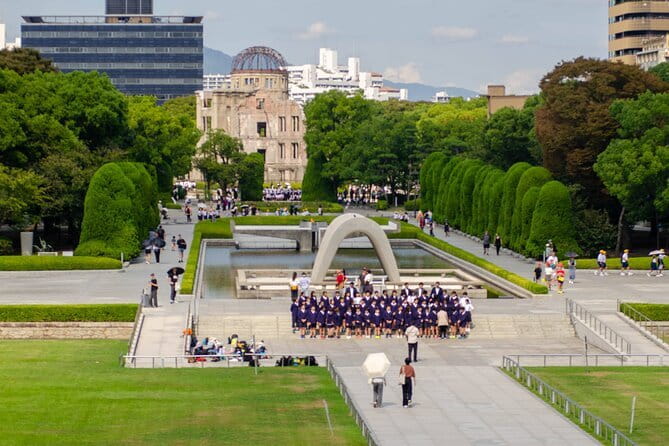
- Peace Memorial Park, in a meaningful order: you visit the Dome area, the museum, and multiple cenotaphs and symbols that explain the human cost.
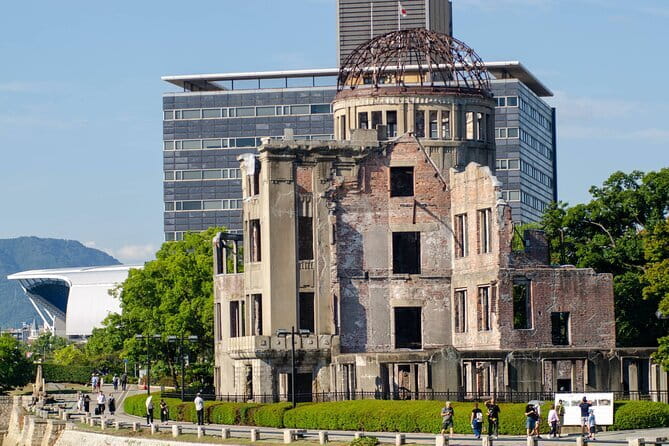
- Genbaku Dome stop with included admission: a short but powerful checkpoint that frames the whole story.
- Miyajima by tram and ferry: you get the island experience without navigating transfers on your own.
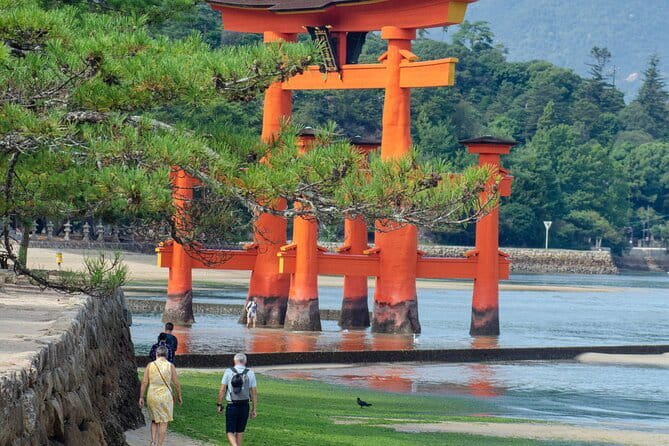
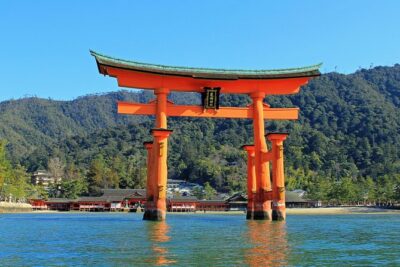
- Itsukushima Shrine as the main event: you see the famous gate that appears to float at high tide.
- Optional add-ons cost extra: Hiroshima Castle and Shukkeien Garden are not included in the base ticket price.
- Guides can really steer the day: people repeatedly praise guides like Kazuko, John, and Gajender for staying on track and handling crowds well.
Hiroshima and Miyajima: why this private combo works
This tour is interesting because it does not treat Hiroshima as a single stop. It treats it like a story that unfolds, then it gives you contrast with Miyajima, where the main sight is both spiritual and instantly memorable.
I like that your guide is an English-speaking human, not just a video voice. You get context at the exact moments you are looking at things, which is the difference between seeing monuments and understanding them.
More Miyajima crossings:
- Peaceful Hiroshima & Miyajima UNESCO 1 Day Bus Tour
★ 5.0 · 5,309 reviews - Hiroshima: Hiroshima and Miyajima UNESCO Sites 1-Day Tour
★ 4.9 · 2,330 reviews - Hiroshima / Miyajima Full-day Private Tour with Government Licensed Guide
★ 5.0 · 1,298 reviews
Price and value for a $150 private day
At $150 per person, this sits in the mid-range for private guiding in Japan, especially for a day that uses both tram and ferry. The value is not only the guide, it is the included admissions you would otherwise have to sort out: Peace Memorial Museum and Itsukushima Shrine.
What is not included is also clear, and that matters for value. Hiroshima Castle and Shukkeien Garden have separate admission fees, and lunch is on you. If you plan to add both extras, budget extra cash so the day still feels smooth, not rushed.
One more value point: you get a plan that is built for moving. The tour includes public transportation (tram and ferry), so you are not stuck waiting for a taxi or fighting transit maps while carrying time pressure.
How the public-transport plan shapes your day
This tour is designed around public transit, with tram and ferry included. That can be a plus, because public transport in Hiroshima is predictable, and ferry crossings help break up the long hours.
But transit-driven tours have one rule: your meet-up point controls your schedule. Some groups reported issues when their pickup location was far, or when plans shifted due to the realities of where cruise ports and stations are located. My practical advice is simple: confirm the exact meet point before you lock in anything else that day, especially if you are arriving by cruise or staying well outside central areas.
The duration is listed as about 4 to 8 hours. In real life, that range often comes down to how quickly you move, how much time you want for photos, and whether you choose paid add-ons like the castle or garden.
Peace Memorial Park: what you actually do there
Your day in Hiroshima begins at Peace Memorial Park, and the structure matters. Instead of hopping around randomly, you start at the sites that anchor the story and then work toward the memorials and symbols that focus on victims, children, and remembrance.
Stop 1: Hiroshima Peace Memorial Park
You get about an hour here. This is where your guide’s explanations do the most work. The park is not just space to walk through, it is a message made of pathways, monuments, and placement. Take it slow enough to let the meaning land.
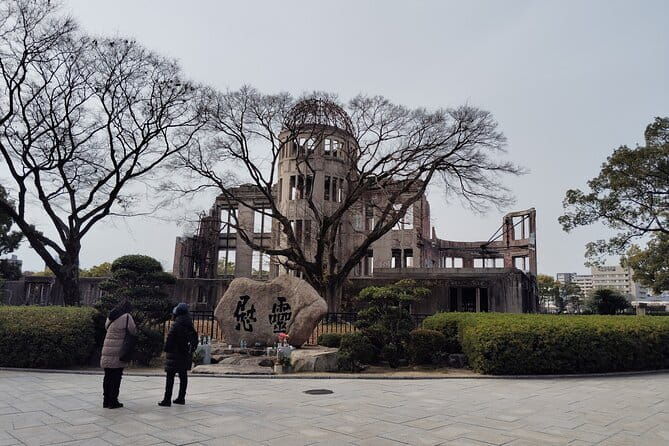
Stop 2: Atomic Bomb Dome (Genbaku Dome)
You only spend around 15 minutes here, and that is normal. This is the kind of place where you do not need long wandering, you need attention. The dome stands as a preserved reminder of the devastation on August 6, 1945, and your guide helps you see it as a specific landmark, not just a photo backdrop.
Stop 3: Hiroshima Peace Memorial Museum
You get about an hour, and the museum admission is included. The museum is often the moment when people stop thinking in general terms and start connecting dates, objects, and aftermath to real human lives. If you usually skim museums, decide ahead of time to slow down for this one.
A change of pace from Hiroshima:
- Hiroshima Historical Walking Tour – Why A-Bomb was Dropped
★ 4.8 · 893 reviews - Hiroshima Peace (Heiwa) Walking Tour at World Heritage Sites
★ 5.0 · 872 reviews - Hiroshima in a Nutshell: Morning Bike Adventure
★ 5.0 · 524 reviews - Hiroshima City 4hr Private Walking Tour with Licensed Guide
★ 5.0 · 437 reviews
Genbaku Dome details, plus the memorials that hit hardest
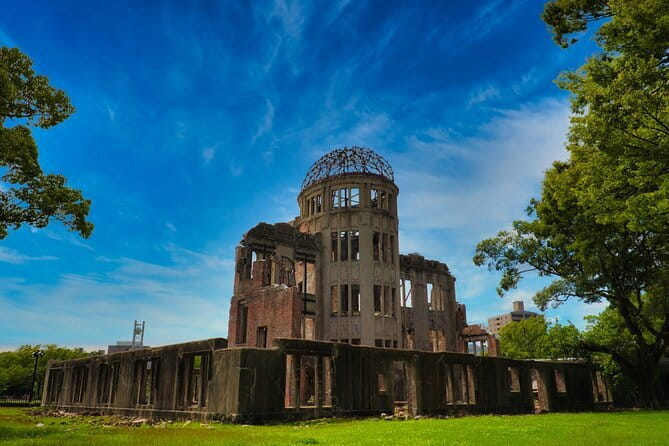
After the museum, the tour continues into the memorials inside the park. These are the places where your emotions can change from historical to personal, and the guide’s job becomes helping you navigate that safely.
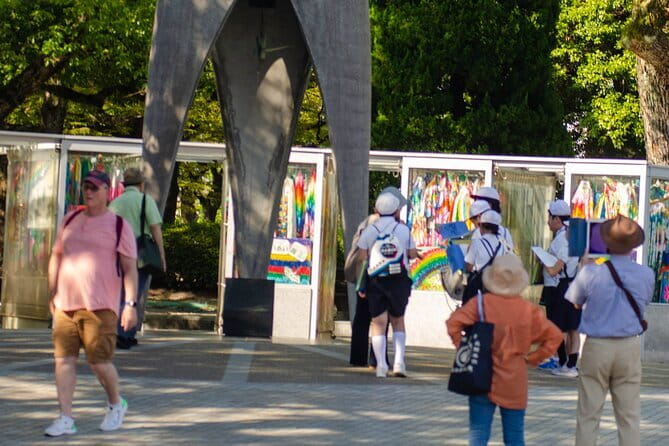
Stop 4: Children’s Peace Monument
You spend about 15 minutes. This is tied to the story of Sadako Sasaki, a young girl who became known through her paper cranes as the world learned the name of her struggle.
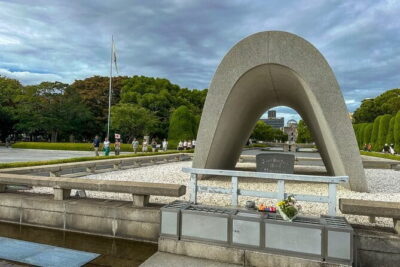
Stop 5: Cenotaph for A-Bomb Victims
Time here is listed at around 45 minutes, and admission is free. This is a good spot to ask your guide questions. If you are the type who wants a clear explanation of why a monument looks the way it does, this is where that curiosity pays off.
Peace Flame and Peace Bell
The tour also includes time at the Peace Flame and Peace Bell symbols. The Peace Flame is described as burning continuously, and the Peace Bell invites visitors to ring it. The bell is inscribed with a wish that all souls of the atomic bomb are granted peace, and that turns a quick stop into a moment you likely remember.
Hiroshima after the memorials: Hondori, Castle, and Shukkeien
Once the memorial portion is done, the tour shifts into city time. The point is not to erase what you just learned, it is to give you a full-day sense of Hiroshima as it is today.
Hiroshima Hondori
This pedestrian street is included as a stop. You get a chance to see everyday street life, and it is a practical break when your legs start to complain. It is also a handy moment to adjust your plans if you want to buy snacks or just pause.
Hiroshima Castle
Hiroshima Castle, also called Carp Castle, is about an hour stop time. Admission is not included, and you should expect to pay the separate 500 yen ticket if you want to go inside. Even if you do not plan on a deep castle visit, you will at least get the exterior and context from your guide.
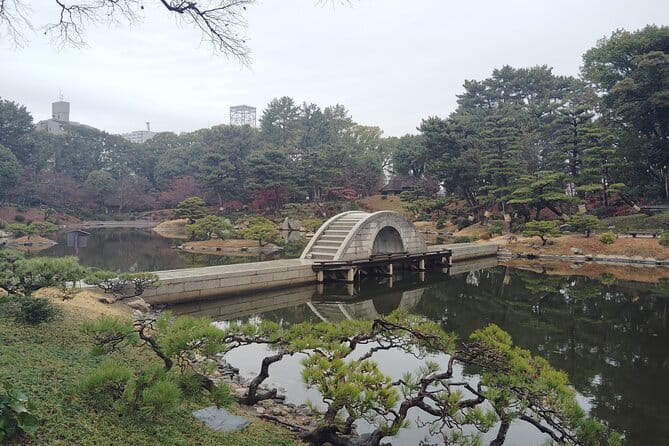
Shukkeien Garden
Shukkeien is the other major optional add-on, about an hour. It dates back to 1620 and was created by the Asano family. Admission is not included, and the ticket price listed is 300 yen. If you want a calmer, slower pace after the intensity of the Peace Park, this is where it happens.
Important reality check: this section can turn into a time-management puzzle. Some people loved packing in these highlights, while others found the day fast. If you prefer a slower rhythm, tell your guide early and do not feel you have to do everything.
The Miyajima transfer: tram, ferry, and timing
Miyajima is where the day turns scenic. The tour includes public transportation (tram and ferry), and Miyajima itself is about an hour stop time in the island portion.
There is also one travel nuance to understand. The tour description lists that there are boats connecting Miyajima directly with Hiroshima Peace Park, but those extra boat rides are not included, and the listed prices are 2200 yen one-way or 4000 yen round trip. In practice, some guides may suggest faster routes if you need to fit stops, but the extra transport cost would be separate since it is marked as not included.
My suggestion: if you have mobility limitations, strong time constraints, or you simply want more comfort, talk with your guide about the best way to move through the schedule. Do not wait until the last minute, since transport decisions can affect your sightseeing time.
Itsukushima Shrine and the floating torii gate
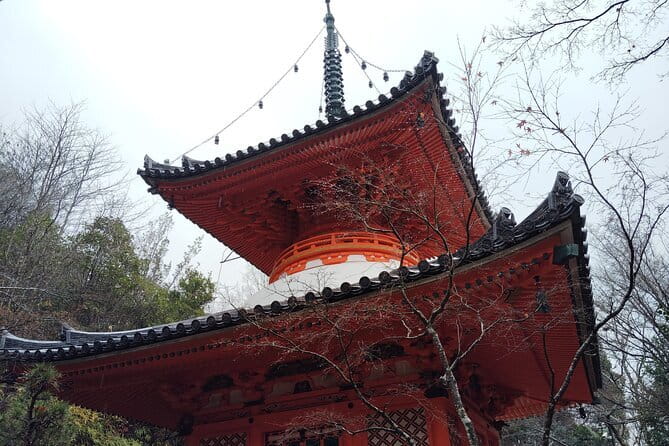
At Miyajima, the big event is Itsukushima Shrine, and the shrine admission is included. The highlight is the famous floating torii gate, described as appearing to rise from the sea at high tide.
This is the kind of sight where you should plan to look longer than you think you need. Even if you are not a photography person, the visual contrast is striking. Your guide also provides context for what you are seeing, which makes the gate feel more than just an iconic picture.
You typically have around an hour for Miyajima and another hour specifically for Itsukushima Shrine. That is enough time to take in the main approach, enjoy the view, and not feel like you are in a constant rush.
Crowds are part of the deal on Miyajima. If your guide is sharp at crowd navigation, it can feel calm even when the island is busy. People have praised guides like Kazuko for steering guests smoothly and helping them get off the busiest flows without losing the key views.
What guides like Kazuko, John, and Gajender tend to do well
A private tour lives or dies by the guide. This one seems to attract guides with strong local grounding and a talent for adjusting on the fly.
Kazuko
Multiple groups highlighted Kazuko’s warmth and the way she explains Hiroshima and Miyajima with personal connection. People also praised her patience and help navigating busy areas. If you want a day that feels both informative and emotionally steady, asking for Kazuko can be a smart move.
John
John is repeatedly described as caring, very informed about Hiroshima, and good at building a clear storyline. Some groups appreciated his ability to manage transport transitions smoothly, including helping coordinate how to move between tram and ferry.
Gajender
Gajender is praised for being friendly, energetic, and highly effective at handling the day end-to-end so you do not have to fight transit or ticket lines. People also valued his ability to find places they would not naturally discover on a standard walk-through.
If anyone in your group has special needs or you have a health concern, be upfront before the day starts. Several reviews describe guides responding quickly in stressful moments, including getting people the support they needed and staying with them through the process.
Walking steps, heat, and photo pacing
This tour is a walking-based day. Reviews mention that it can involve lots of steps, and it may be uncomfortable in extreme heat. So if your group includes anyone with mobility limits, plan carefully, and consider whether a walking day will still feel doable.
Heat also affects how long you will actually want to stay at each stop. The Peace Park and museum can be emotionally draining, and Miyajima is physically demanding too. Build in water breaks, and do not be shy about slowing down.
Photo pacing matters. The torii gate and the memorial dome are the obvious photo magnets, but the best photos come when you let the crowds pass. A good guide helps you time these moments without making you feel like you are being dragged.
Food, breaks, and lunch planning
Lunch is not included, so you need a plan. You might find your guide suggests food options, and it can be worth taking their recommendation since Hiroshima has a distinct food culture.
But do not rely on a full sit-down meal. This is a day with multiple stops and transit. If you want okonomiyaki or another Hiroshima specialty, it is smart to ask your guide where it fits best, then keep moving.
Extra tickets: Castle and Shukkeien are easy add-ons
If you want a classic city viewpoint and a traditional garden pause, you can add Hiroshima Castle and Shukkeien Garden. The listed extra admission prices are:
- Hiroshima Castle: 500 yen
- Shukkeien Garden: 300 yen
These are not included in the base package tickets, so you will pay onsite or as directed by your guide. My advice is to decide early which of the two you care about most. If you are already feeling museum-heavy from Peace Park, Shukkeien can feel like a welcome reset.
So, should you book this Hiroshima and Miyajima tour?
Book it if you want a private day that meaningfully connects the Hiroshima sites with Miyajima’s iconic shrine. The included museum and shrine tickets, plus tram and ferry, make it a practical way to avoid logistics stress while still getting a guided story at the right stops.
Skip it or choose a different style if your group needs minimal walking, since this can involve steps and a lot of moving in a hot day. Also, confirm your meet-up point carefully, because a far pickup can eat into the time you spend at the places you actually came for.
If you do book, I recommend doing two things right away: bring comfortable shoes, and message your operator about any timing concerns based on where you will be meeting (hotel, station, or port). That small step can make the difference between a smooth day and one that feels rushed.
FAQ
How long is the Hiroshima and Miyajima private guided tour?
The duration is listed as approximately 4 to 8 hours.
How much does the tour cost?
The price is $150.00 per person.
Is the tour private?
Yes. It is a private tour, so only your group participates.
Is an English-speaking guide provided?
Yes, an English speaking guide is included.
Which tickets are included in the price?
Tickets for the Hiroshima Peace Memorial Museum and Itsukushima Shrine are included.
Do I need to pay extra for Hiroshima Castle and Shukkeien Garden?
Yes. Hiroshima Castle (500 yen) and Shukkeien Garden (300 yen) are not included in the tour price.
How do we travel between Hiroshima and Miyajima?
Public transportation is included, including the tram and ferry.
Is lunch included?
No. Lunch is not included.
What if I need to cancel?
You can cancel for a full refund if you cancel at least 24 hours before the experience’s start time. If you cancel less than 24 hours before, the amount paid is not refunded.
Is there a direct boat option between Miyajima and the Peace Park?
There is a boat connection mentioned, but it is not included. The listed prices are 2200 yen one way or 4000 yen round trip.
Latest write-ups near Hiroshima
- An Amazing set of Cultural experience: Kimono, Tea Ceremony and Calligraphy★ 5.0 · 69 reviews
- Hiroshima: Private Walking Tour with a Local★ 4.6 · 70 reviews
- Hiroshima: Miyajima Island Half-Day Tour with Guide★ 4.9 · 71 reviews
- Kimono and Tea Ceremony in Miyajima★ 5.0 · 73 reviews
- HIROSHIMA ORIZURU TOWER Admission Ticket★ 4.6 · 75 reviews
- Hiroshima & Miyajima: UNESCO A-Bomb Dome & Itsukushima★ 5.0 · 76 reviews
- Hiroshima to Miyajima: Private Custom Tour with Ferry Ride★ 4.9 · 77 reviews
- Hiroshima Miyajima and Bomb Dome Private Tour★ 5.0 · 78 reviews
Miyajima Tours, compared.
Peaceful Hiroshima & Miyajima UNESCO 1 Day Bus Tour
Read our review →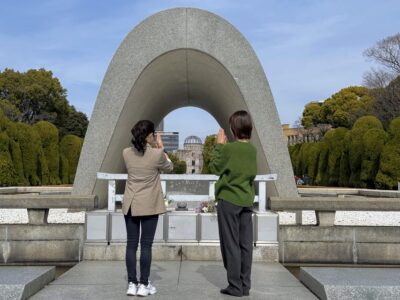
Hiroshima and Miyajima UNESCO Sites 1-Day Tour
Read our review →
Hiroshima / Miyajima Full-day Private Tour with Government Licensed Guide
Read our review →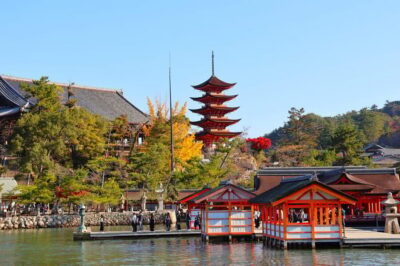
Osaka/Kyoto: Hiroshima Miyajima Bus Tour & Shinkansen Ticket
Read our review →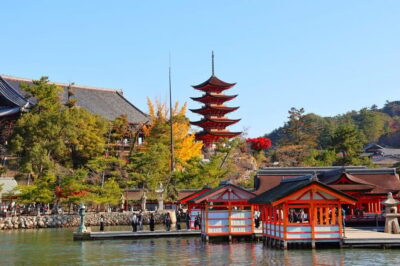
Hiroshima and Miyajima Day Trip with Itsukushima Shrine & Ferry
Read our review →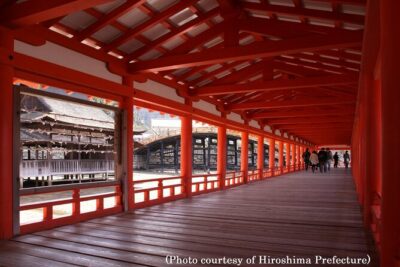
Full Day Hiroshima and Miyajima Bus Tour from Hiroshima
Read our review →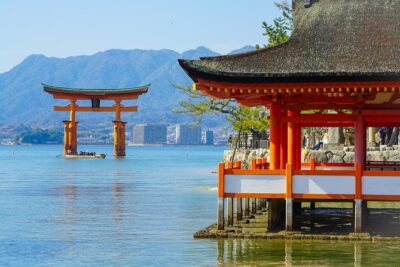
Miyajima Half-day Trip Historical Walking Tour
Read our review →Browse the lists this tour appears in