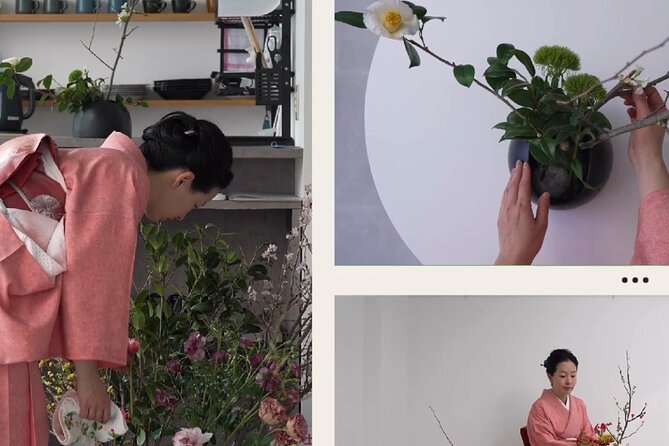
Reviewed · TOKYO TOURS
IKEBANA experience
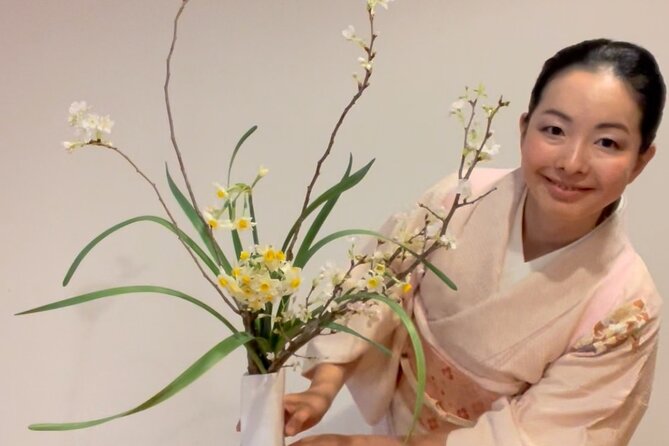
Ikebana in Tokyo is interesting because it turns a few flowers and a vase into something with shape, mood, and meaning. I like that this lesson is taught carefully and gently in English, and I especially like the hands-on flow, including a chance to make your own arrangement right away. You also get the real payoff after class with matcha and Japanese sweets in a traditional setting.
One consideration: this experience needs good weather, so if conditions are poor, you may be asked to switch dates or get a refund.
Key highlights
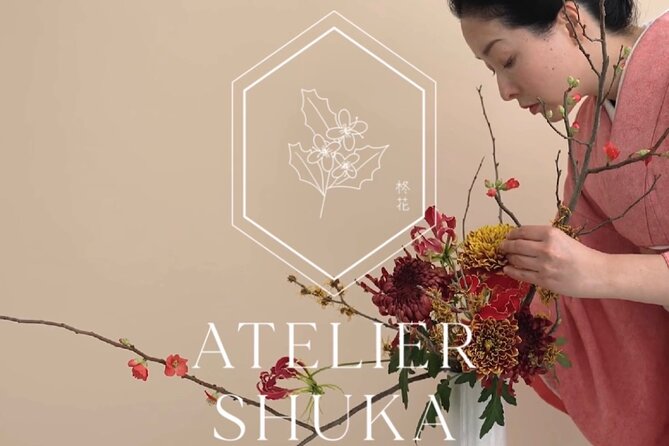
- Private lesson in a Japanese home studio with a calm, lived-in feel
- English instruction focused on beginners and first-time makers
- You build an arrangement after a clear demo using a textbook
- Feedback and photo after you create your own piece
- Matcha and wagashi offered if you have time after the lesson
- Optional tea ceremony basics if you want to go a step further
Why an Ikebana Class in Meguro Feels Like a Tokyo Home Visit
Most Ikebana classes you see online feel like a craft session. This one feels closer to a guest visit, because it takes place in Hiromi’s own home and includes time to look at Japanese-style rooms inside a Japanese house. That matters. It helps you understand why Ikebana is not only about flowers, it is also about space, restraint, and everyday Japanese aesthetics.
I also like the pacing. The teaching is described as carefully and gently in English, so you are not thrown into a stressful “do it perfectly” situation. Instead, you get a guided path, with the freedom to make it yours.
And yes, the traditional room and tatami-style setting for the tea and sweets help the whole experience land in your memory. You are not rushing out right after your arrangement dries.
Also on the shortlist for Tokyo:
- Mt Fuji and Hakone 1-Day Bus Tour Return by Bullet Train
★ 5.0 · 26,383 reviews - 1-Day Tokyo Bus Tour
★ 5.0 · 14,250 reviews - Tokyo: TOKYO SKYTREE® Admission ticket
★ 4.5 · 11,192 reviews
Price, Time, and What You Really Get for $115.31
At $115.31 per person for about 1 hour 30 minutes, you are paying for three things: personalized instruction, a structured intro that works even if you have never held floral scissors, and a comfortable, traditional setting where you finish with matcha and sweets.
For many people, the value comes from leaving with something tangible. You do not just watch. You create a living arrangement, and then you get feedback and a photo so you can remember what you made. That is a different souvenir than a postcard.
You should also know what you are not buying. You are not paying for an all-day cultural tour with multiple stops and lots of walking. This is a focused lesson. If you want a quick, meaningful cultural activity that fits into a Tokyo itinerary, this works well.
Finding Hiromi’s Studio from Toritsu-Daigaku Station
The lesson starts at Toritsu-daigaku Station. The specific meeting address is 1-chōme-5-1 Nakane, Meguro City, Tokyo 152-0031, Japan. The activity ends back at the meeting point, so you are not left figuring out a second transfer after you are done.
This location is useful because it is near public transportation. That means you can fit it into a day without getting tangled in complicated last-mile logistics. One more practical note: weather matters here. Plan to dress for how Tokyo feels in that season, and consider bringing a small bag for your items so you can move comfortably in and out of the home setting.
The First 30 Minutes: Japanese Rooms, History, and a Clear English Demo
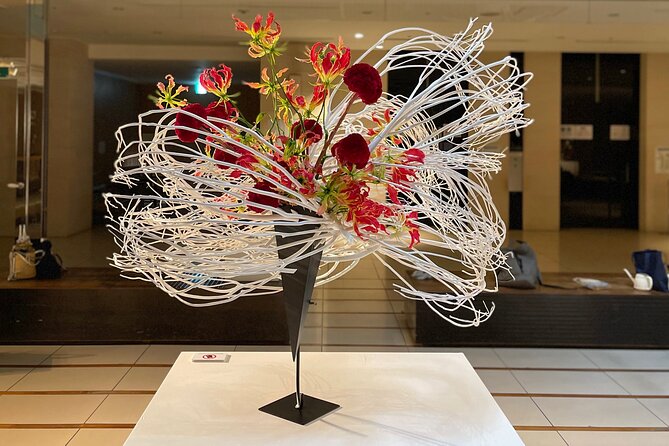
Your first stretch is about orientation and fundamentals. Hiromi prepares a sample arrangement while looking at a textbook. Then the instructor guides you through what the arrangement is doing, not just how to make it.
You also get history and context. You hear how Ikebana developed and what teachers are trying to express with line, spacing, and balance. This is one of the most praised parts of the experience because it turns the craft into something with meaning. You start to see the “why,” which makes it easier to create with confidence.
English is handled in a way that works for first-timers. You get explanations that connect the technique to the final look, and there is room to ask questions. If you want to understand Tokyo and Japan from a cultural angle, this class offers a calm way to do it.
A change of pace from Tokyo:
- Tokyo: teamLab Planets TOKYO Digital Art Museum Entry Ticket
★ 4.6 · 9,779 reviews - Mt Fuji & Hakone Cruise, Drum Show Bullet Train 1 Day from Tokyo
★ 4.0 · 7,413 reviews - Tokyo: Sumo Show Experience with Chicken Hot Pot and a Photo
★ 4.8 · 6,678 reviews - Tokyo: Shinjuku Food Tour (13 Dishes at 4 Local Eateries)
★ 5.0 · 6,603 reviews
Making Your Own Arrangement, Step by Step
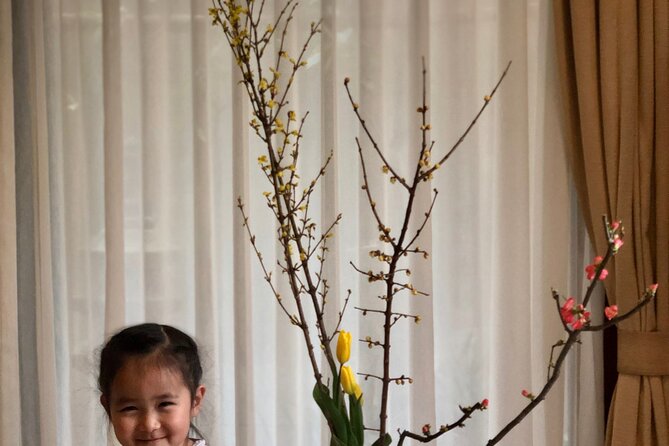
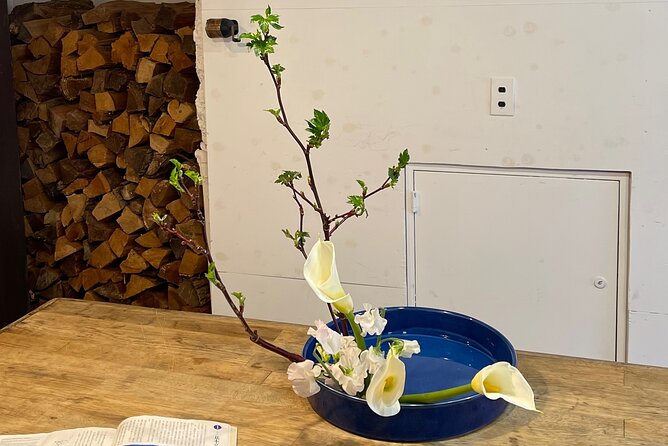
After the demo, you make your own arrangement. The structure is simple: you follow the lesson basics, then you are allowed to build with your own choices, even if you want to learn from the beginning or use the textbook approach to create whatever you like.
Here is why this part feels so rewarding. Ikebana often does not require a huge pile of flowers. One review noted that Ikebana focuses on the beauty of flower line and water, so you typically do not use many flowers. That makes the process less intimidating. You can focus on shape, rhythm, and how the stems work together.
During your creation, Hiromi comments and revises your arrangement. That means you are not left guessing. You get targeted guidance that helps you correct course while you can still fix it. Then the class takes a photo of your finished piece.
If you like making things but hate being “watched silently,” you may appreciate this style. It is patient and supportive, and the instruction gives you space to express your own creativity.
Photo Moment, Finishing Details, and Optional Tea Ceremony Basics
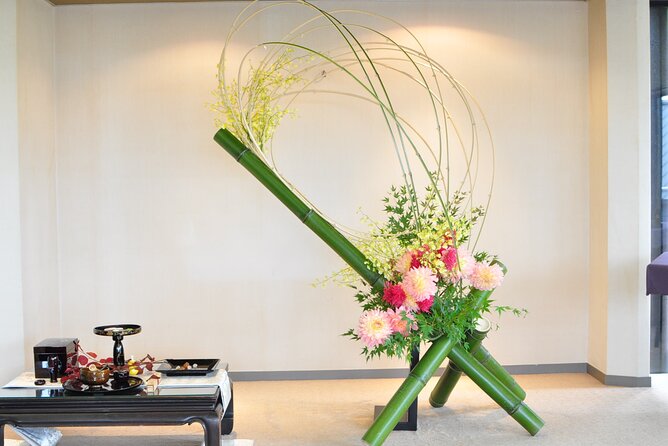
You get a photo after Hiromi reviews your arrangement. That is more than a nice extra. It helps you document the final result before you pack everything away, and it gives you a reference point for practicing later.
After the flower time, there is an option that turns the lesson into a longer cultural pause. If you are interested in tea ceremony, Hiromi can teach you basic how-to. The class is not described as a full formal tea ceremony training, but it is enough to give you a practical starting point.
Even if you are not focused on tea ceremony, the class offers a chance to slow down after making your arrangement. You can ask questions about Tokyo and Japan as well, which is a big deal if you want something more than just a workshop script.
Matcha and Wagashi in a Traditional Room
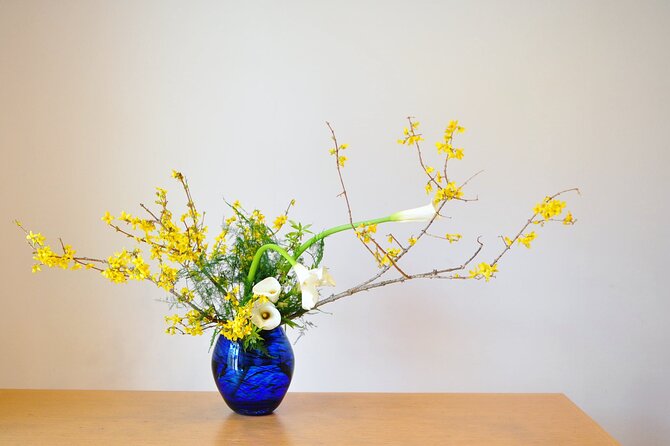
The finish is matcha plus Japanese sweets. This is included if you have time after the lesson, and multiple accounts highlight it as a highlight, especially when served in a traditional tatami room.
Why does this matter? Because it ties the day together. You are not only learning flower placement, you are also stepping into the rhythm of Japanese hospitality, where the drink and sweets are part of the teaching moment. It also gives you a natural time to talk. Ask about what you should practice next, or what to look for when you see Ikebana in Japan.
If you have ever wanted to understand how Japanese culture uses quiet detail rather than volume, this is a good match. You leave calmer than when you arrived.
Taking the Skill Home, Including Supplies
If you want to keep practicing, you may be able to purchase supplies so you can continue at home. One review specifically mentioned that the experience made it possible to buy supplies.
Even if you do not buy supplies on the day, you can still use the photo and what you learned to recreate a simpler version at home. The lesson focus on lines and water means you can often get a pleasing result without expensive materials. You will at least know what to pay attention to, which is half the battle.
If you are the type who collects craft souvenirs, think of this as a skill souvenir. It is harder to pack, but it lasts longer.
Who This Ikebana Experience Suits (and Who Might Skip It)
This works especially well if you are:
- A beginner who wants a guided first arrangement, not a lecture
- Looking for a private, small-group experience in a home setting
- Traveling with family members who want to try something hands-on, including kids (several accounts mention multi-generational enjoyment)
- Curious about the cultural side, including history and basic tea ceremony ideas
- Someone who values patient English instruction
It may be less ideal if you want a high-energy, sightseeing-heavy day with lots of walking and multiple photo stops. This is a focused workshop, not a big city tour.
Also plan for the fact that it requires good weather. Even if you are comfortable going outside, you may want to keep flexibility in your schedule so you are not trapped by weather-related date changes.
Final Take: Should You Book This Ikebana Class?
Yes, I think you should book it if you want a calm, meaningful Tokyo experience with real hands-on results. The combination of English teaching, a structured demo, time to create your own Ikebana, and a traditional matcha and sweets finish is a strong package for the price.
Before you book, make sure you are comfortable with a 1 hour 30 minutes format. If you like quick cultural activities that still feel personal, this is your kind of class. If you are hoping for lots of city landmarks, you will get more out of pairing it with a normal Tokyo neighborhood stroll before or after.
If you want one cultural activity that feels authentically Japanese without being confusing, this Ikebana lesson checks the boxes.
FAQ
What is the duration of the Ikebana class?
The class runs about 1 hour 30 minutes.
Is the class taught in English?
Yes. You will be taught carefully and gently in English.
Where do we meet, and where does the class end?
Meet at Toritsu-daigaku Station (address listed as 1-chōme-5-1 Nakane, Meguro City, Tokyo 152-0031). The experience ends back at the meeting point.
What happens during the lesson?
Hiromi shows a sample arrangement using a textbook, then you create your own arrangement. The instructor comments or revises your work, and a photo is taken afterward.
Is matcha and Japanese sweets included?
Matcha and Japanese sweets are offered if you have time after the lesson.
What if weather is bad or the minimum number of travelers is not met?
The experience requires good weather. If it is canceled due to poor weather, you will be offered a different date or a full refund. It also requires a minimum number of travelers, and if that minimum is not met you will be offered a different experience or a full refund.
Latest write-ups near Tokyo
- Tokyo Nights: Shibuya Photo Adventure★ 5.0 · 20 reviews
- Wagyu & Sake 8 Course Tasting Dinner in Shinjuku★ 4.9 · 20 reviews
- Making Japanese desserts Nerikiri & drinking matcha in Tokyo★ 5.0 · 20 reviews
- Mt. Fuji 5th Station, Owakudani Ropeway, Pirate Ship plus Outlet shopping!★ 4.5 · 20 reviews
- Japanese Whisky Hunting《HIGH-QUALITY-ONLY》Rare Tasting Class★ 5.0 · 20 reviews
- Kintsugi Experience with Arita Ware in Tokyo (English Guide)★ 4.8 · 20 reviews
- This is Asakusa! A Tour Includes the All Must-Sees!★ 5.0 · 20 reviews
- Tokyo: Karate Experience with Former All-Japan Champion★ 5.0 · 20 reviews
Tokyo Tours, compared.
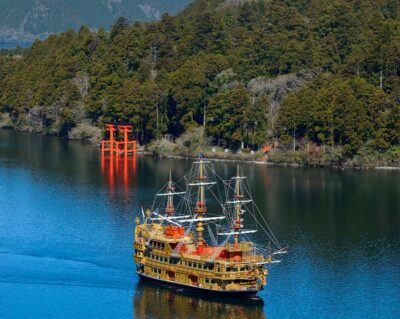
Mt Fuji and Hakone 1-Day Bus Tour Return by Bullet Train
Read our review →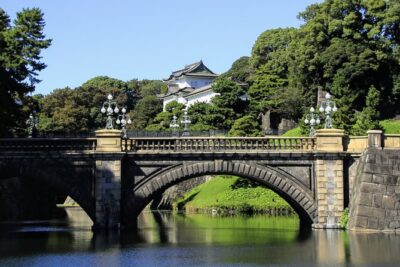

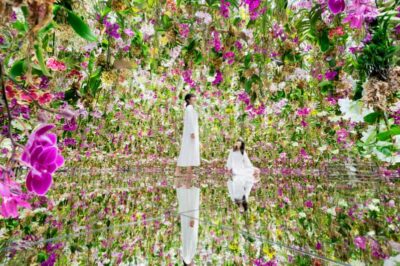
teamLab Planets TOKYO Digital Art Museum Entry Ticket
Read our review →
Mt Fuji & Hakone Cruise, Drum Show Bullet Train 1 Day from Tokyo
Read our review →
Sumo Show Experience with Chicken Hot Pot and a Photo
Read our review →
Shinjuku Food Tour (13 Dishes at 4 Local Eateries)
Read our review →