
Reviewed · FUSHIMI INARI TOURS
Inside of Fushimi Inari – exploring and lunch with locals
Fushimi Inari is interesting on its own, but this version is more fun because you go inside the shrine grounds and up toward the summit at a local pace, not just the busiest corridor. I like that guides such as Ko and Go (and others like Kenji and Taishi) share the meaning behind what you see, from why the torii gates matter to how people do Inari worship.
My second big favorite is the food rhythm, the included soba lunch and the tea and boiled egg break in a mountain hut that actually gives your legs a breather. The one real consideration is that it is an active walk with stairs and some uphill sections, so wear grippy shoes and expect a hike, not a stroll.
Key things I’d circle before you go
- You get taught as you walk: the torii-gate story, Inari shrine traditions, and what certain spots are for
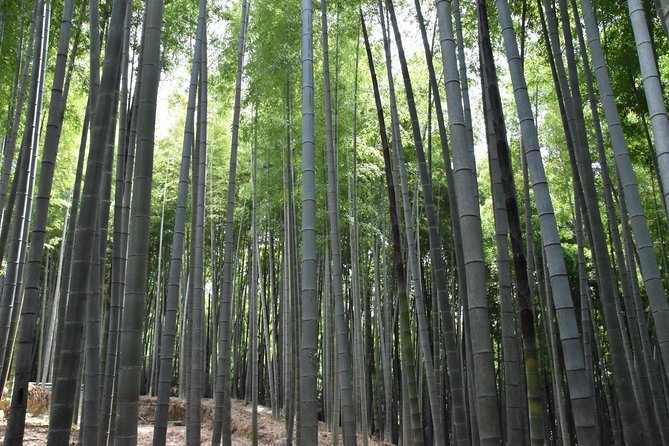
- Less-crowded routes: bamboo and cedar paths plus photo stops that avoid the heaviest foot traffic
- A real climb to a summit shrine: head upward toward the 233 m summit area for Kyoto views
- A tea break that feels local: hot tea and a boiled egg in a scenic mountain hut (vegan options)
- Lunch at a traditional soba restaurant: Japanese noodles plus Inari sushi, with vegan options if you tell them in advance
- Small group size: limited to 10, so you can keep moving and still ask questions
Where the Tour Starts at the Great Torii Gate
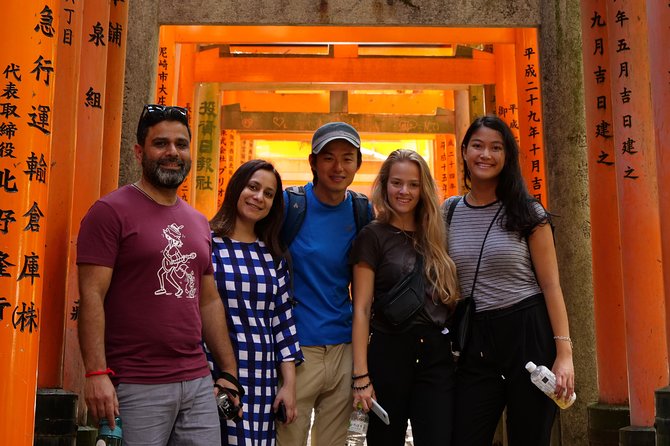
I like tours that start in the right place, and this one does. You meet at the Great Torii Gate area, at the stone pillar at the first gate, across from JR Inari Station exit. You finish at the same spot, which makes your day feel tidy at the end.
If you’re arriving by train, the practical note is this: you can walk about 10 minutes from Fushimi-Inari Station on the Keihan line. Once you’re there, the guide takes over quickly so you are not trying to interpret signage while everyone else is already moving.
This meeting setup matters because Fushimi Inari can feel chaotic. A guided start helps you get your bearings fast, and it also means you are less likely to spend time circling around the shrine entrance trying to find the correct path.
More Lunch Experiences in Kyoto
- Bike Tour Exploring North Kyoto plus Lunch
★ 5.0 · 1,087 reviews - Osaka/Kyoto: Arashiyama, Nara & Fushimi Inari Shrine w/Lunch
★ 4.4 · 754 reviews - Kyoto Zen Meditation & Garden Tour at a Zen Temple with Lunch
★ 5.0 · 441 reviews
Entering Fushimi Inari Taisha Like You Understand the Place
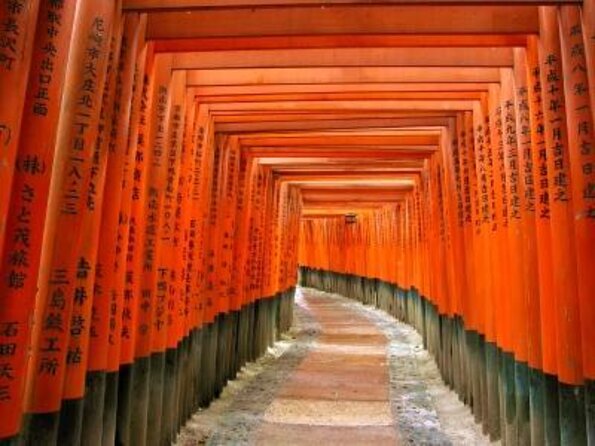
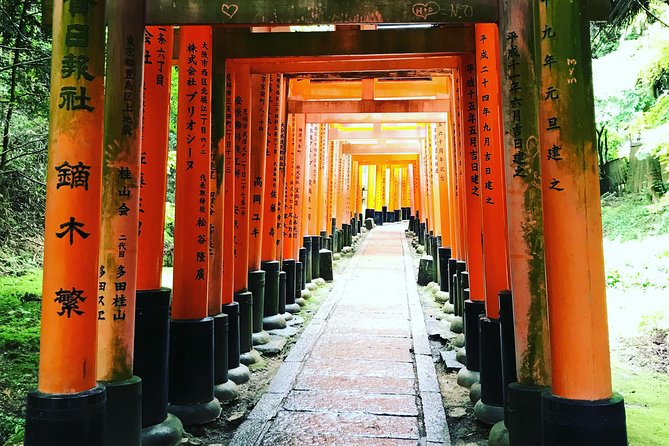
The headline of the day is the shrine itself: the main area and the famous thousands of red gates. But what makes this experience different is the way the route is handled. Instead of you just being swept along by crowds, the guide slows things down at meaningful moments and explains the cultural context behind what you’re seeing.
You learn the basic idea of Inari worship, why the gates line up the way they do, and what the shrine represents to visitors who come with offerings. That context changes how you experience the walk. The gates stop being just a red backdrop for photos, and they become a living part of a ritual landscape.
You also get a tour rhythm that feels respectful. You are not rushing through worship spaces just to reach the next photo angle. You’re guided through key areas of the main shrine, with time to stop and look, and with a guide who can answer the questions that pop up while you’re standing there.
And yes, the torii are photogenic. The red-and-gold feel of the shrine colors looks great in any light, but the real win is that you learn where to look, not just where to point your camera.
The Peaceful Forest Paths, Bamboo and Cedar, and a Few Sacred Detours
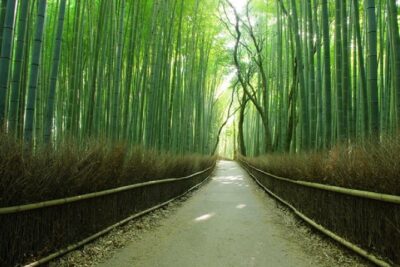
After the main shrine intro, the tour moves into calmer terrain. You’ll walk through a peaceful area lined with bamboo and cedar trees, and the atmosphere changes right away. The sounds soften. The red gates give way to a green, quiet tunnel feel.
Along the way you visit authentic holy spots that add texture beyond the postcard view. You’ll stop for specific worship stones and a waterfall point, and you’ll also see a factory along the way. That factory stop matters more than it sounds, because it connects the shrine to the craft side of the torii tradition. Seeing how the objects relate to the community gives you a more complete picture of what Inari is in everyday life.
One thing I appreciate here is that the route feels like a progression. You start with the main shrine, then you move into the forest path, then later you continue upward. That makes the hike feel purposeful, not random.
Going Up the Forest Route Toward the Summit Shrine (233 m)
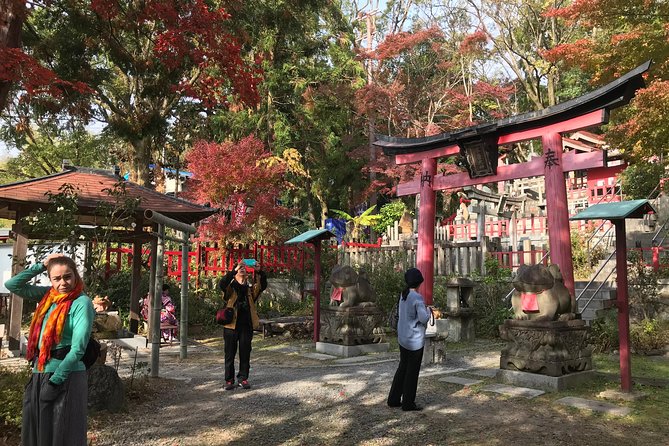
The best part for me is when the tour starts climbing. You head up a forest route toward the summit shrine area, a climb of about 20 minutes. You’re working uphill in the tree shade, which is honestly a nice change from the open crowd zones.
The summit area is around 233 m high, and the guide shows you around the shrine once you get there. Even if you’ve seen photos of Fushimi Inari summit points, being there in person helps you understand scale. The red gates and paths look different once you’ve gained height.
The climb is not described as a marathon, but it is still a hike. You do stairs and you do uphill sections, and your pace matters. The good news is that small group size makes it easier to keep a steady rhythm without feeling like you’re being dragged along.
If your legs are a little tired already, the tree cover helps. Still, bring that hands-free backpack so you can move comfortably and keep your hands free for stairs, photos, or just steadying yourself.
More Fushimi Inari visits:
- Kyoto: Fushimi Inari, Kinkakuji, Bamboo Grove 1 Day Bus Tour
★ 4.8 · 4,316 reviews - Fushimi Inari Hidden Hiking Tour (Private Option Available)
★ 5.0 · 1,750 reviews - Kyoto/Osaka: Nara, Fushimi Inari Taisha, Arashiyama Bus Tour
★ 4.7 · 1,275 reviews - Kyoto: Nijo Castle, Kiyomizu & Fushimi Inari Guided Tour
★ 4.7 · 700 reviews
Photo Time Without the Worst Crowd Pressure
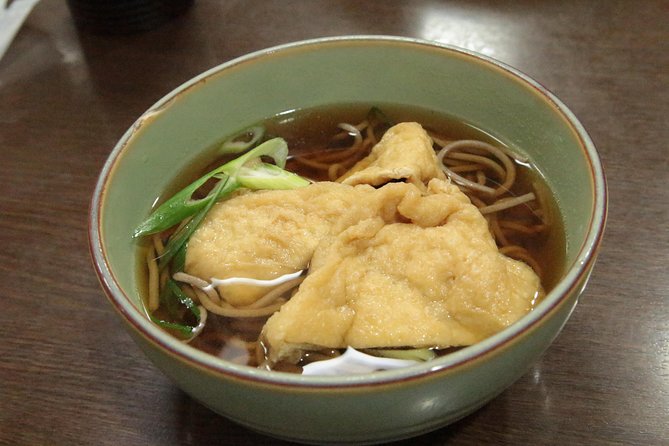
A dedicated photo-shooting segment is built into the walk, and that’s one of the practical reasons I think this tour is worth it. You’re not just taking pictures while stuck behind other people at the exact same spots every day.
On the way down, the guide shows you lots of photogenic areas that are typically less crowded. That means better angles, fewer interruptions, and more time to frame your shots without squeezing.
If you care about photography, this is where you’ll feel the value. The guide’s job is not just to talk. It is to time your stops and direct you to views where you can actually enjoy the scenery, not just survive the crowd flow.
Tea and a Boiled Egg Snack Break in the Mountain Hut
No matter how much you love travel, a hike is still a hike. This tour builds in a rest moment that feels like something you’d actually stumble into with locals.
You get tea and a boiled egg with salt in a scenic mountain hut for a break. The tea is hot, and the timing is smart, because it lands while you are still mid-hike. For a lot of people, it is the moment when the energy comes back and you stop feeling like you’re racing your own legs.
Vegan options are available here. The key practical point is that you need to tell the organizers in advance if you want vegan meals, because food accommodations are not something you want to scramble for on the day.
Also, the hut break is more than food. It’s a small reset. You get a chance to look around, slow your breathing, and soak in the quiet setting before you go back to walking.
The Kyoto City Viewpoint: A Moment of Perspective
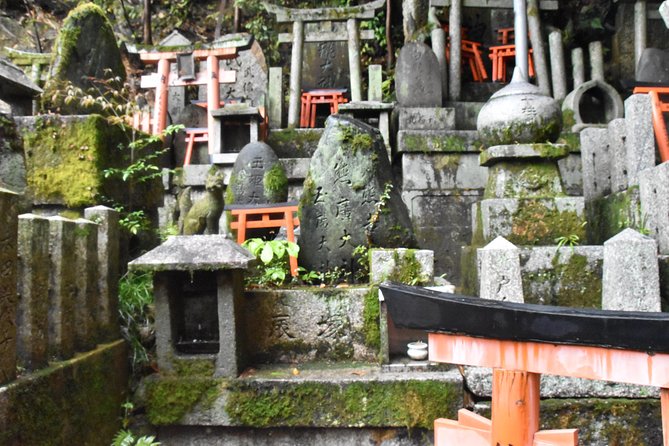
After the snack break, you head to a viewpoint for a panorama over Kyoto city. The tour description calls it breathtaking, and the practical way to think about it is this: you get vertical perspective.
Fushimi Inari can feel like one thing when you are down in the gates. Up here, you understand how the area fits into the larger city. You see the geography and you get a sense of distance, which turns the shrine into a bigger story rather than a single sightseeing stop.
I like that this viewpoint comes after effort. It feels earned. It also gives you a chance to rest your legs without completely stopping the tour.
Lunch at a Traditional Soba Place, Plus Inari Sushi
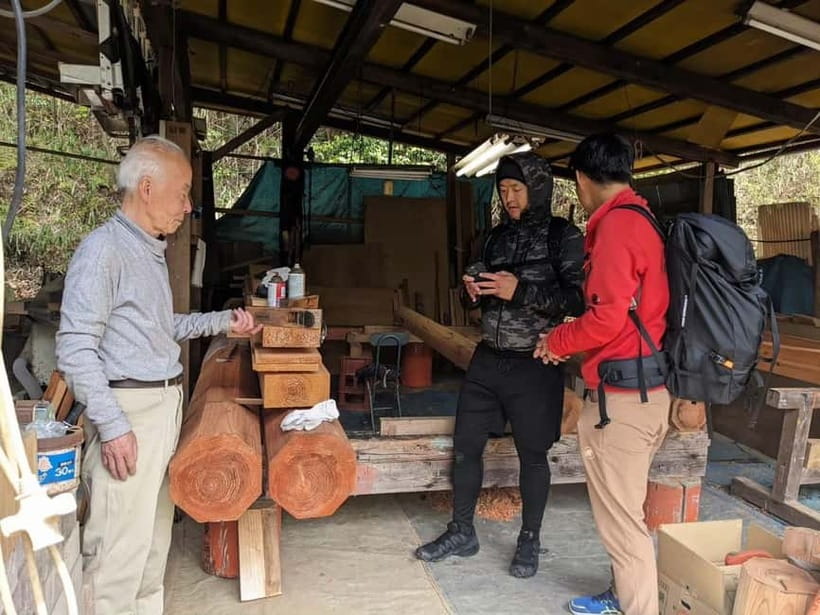
The tour wraps the experience with lunch, and it’s one of the clearest “value” pieces of the day.
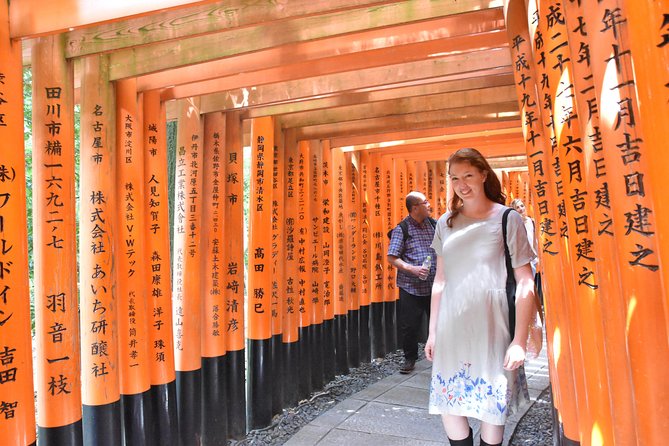
You eat at a traditional restaurant known for soba. The included meal is Japanese noodle soba and fried sweet sushi, called Inari sushi. Vegan options exist, but you must tell the team in advance. If you’re vegan or have dietary needs, plan to message details early, so you don’t end up with a basic substitute that misses the point.
One more practical note: drinks at the lunch restaurant are not included. So if you want tea, soda, or beer with the meal, budget a little extra.
For me, lunch is what makes the tour feel like more than sightseeing. It turns the day into a full local outing, not just a walking checklist. Also, eating soba here makes sense, since the area is full of small food stops and shrine-adjacent snacks. You’re not eating away from the experience, you’re eating as part of it.
What You’ll Walk, What It Feels Like, and What to Bring
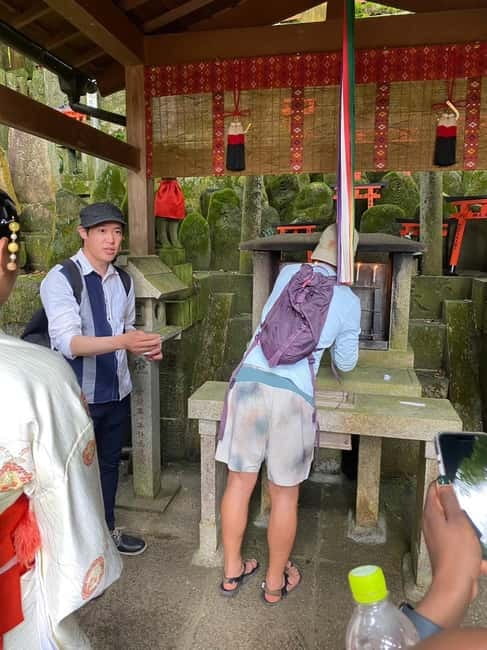
This is a 4-hour experience that includes hiking, stairs, and uphill walking. The paths are well organized, but you still deal with elevation and steps. If you are the type who likes to keep a steady walking pace, you’ll probably love it.
What I’d bring or wear:
- Comfortable shoes with grip, because you’ll be on stairs and uneven ground at times
- A hands-free backpack, since you want your arms free for balance and photos
- Light layers, because shade changes as you move between shrine areas and forest sections
The pace is said to be up to your walking speed, and multiple guides have let people go at their own rhythm. That matters if you travel with slower friends or if you like frequent picture stops.
Group size is limited to 10 participants. That small cap helps you avoid the big-tour feeling where you never know what’s going on. It also helps your guide keep track of everyone when stairs show up.
Price and Value: Is $67 Fair for 4 Hours With Food?
At about $67 per person for roughly 4 hours, this isn’t a “cheap add-on.” It’s a priced experience, and you should judge it based on what’s included.
Here’s what you do get in the package:
- Sightseeing of the main shrine area and the thousands of torii with explanation
- Forest-route walking, including holy spots and a factory stop
- A climb up toward the summit shrine area (about 20 minutes upward)
- Photo guidance and quieter scenic spots
- Tea and a boiled egg snack in a mountain hut
- Lunch at a traditional soba restaurant, with soba and Inari sushi
- Guide support for offering-related steps
What you do not get:
- Drinks at the lunch restaurant
So the value comes from three areas: expert guidance, time savings from not wandering around, and the included meal. If you tried to recreate this day on your own, you would still likely pay for lunch, and you’d still need to figure out the quieter paths and the logic of the route. Hiring a guide for the shrine context and the practical walking route is what you’re really paying for.
If food matters to you, this price lands better. If you only want the gates and summit area and you’re happy to snack separately, you might feel like you could do it for less. But if you want a smoother day with less crowd friction and an actual sit-down meal, $67 makes a lot of sense.
Who This Tour Suits Best
This tour fits best if you:
- Want Fushimi Inari with meaning, not just photos
- Like a moderate hike with breaks and scenic pauses
- Care about eating well, including a soba lunch and a real snack stop
- Prefer small-group pacing so you can ask questions
It may be less ideal if you:
- Want flat ground with no stairs
- Get uncomfortable with uphill sections
- Have dietary needs and you forget to notify the team ahead of time (vegan options exist, but you must tell them in advance)
Should You Book This Fushimi Inari Tour With Lunch?
I’d book it if you want a guided day that mixes shrine culture, quieter walking routes, and a sit-down soba lunch. The best part is that the guide work changes your experience, especially when you’re being directed to less crowded photo spots and you’re learning what each stop means.
I would skip or rethink it only if stairs and uphill walking are dealbreakers for you. If they aren’t, this is a strong way to see Fushimi Inari as more than a red-gate photo session.
FAQ
How long is the tour?
The tour lasts 4 hours.
Where do I meet the guide?
You meet at the Great Torii Gate area, at the stone pillar at the first gate, across from the JR Inari Station exit. The tour finishes at the same point.
What’s included for lunch?
Lunch is Japanese soba noodles plus fried sweet sushi, Inari sushi.
Are vegan meal options available?
Yes. Vegan options are available, but you need to tell the team in advance. Tea and the boiled egg snack also have vegan options.
What food and drinks are included during the tour?
Tea and a boiled egg with salt are included at a mountain hut for a snack break. Drinks at the lunch restaurant are not included.
Is this tour mostly walking or is it a sit-down experience?
It’s a walking and hiking experience. The paths are organized, but you will go up and down stairs and do some uphill walking, including a forest route to the summit area.
Latest write-ups near Kyoto
- Kyoto: Nishiki Market Tour with a Local Foodie & Tastings★ 4.5 · 67 reviews
- Kyoto Kimono Rental mimosa |Kimono/Yukata Rental Couple Plan★ 4.8 · 67 reviews
- Kyoto: Traditional Kimono Fabric Handicrafts Workshop★ 5.0 · 67 reviews
- Kyoto Tea Ceremony and Samurai Photo Session★ 5.0 · 70 reviews
- Kyoto: Replica food making experience★ 4.8 · 70 reviews
- Kyoto: Kinkakuji, Golden Pavilion Guided Tour★ 4.7 · 71 reviews
- Private departure transfer from Kyoto city to Kansai International airport★ 5.0 · 72 reviews
- Uji: Green Tea Tour with Byodoin and Koshoji Temple Visits★ 4.8 · 72 reviews
Fushimi Inari Tours, compared.
Fushimi Inari, Kinkakuji, Bamboo Grove 1 Day Bus Tour
Read our review →Fushimi Inari Hidden Hiking Tour (Private Option Available)
Read our review →
Kyoto/Osaka: Nara, Fushimi Inari Taisha, Arashiyama Bus Tour
Read our review →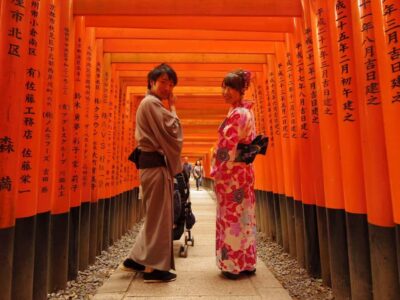
Osaka/Kyoto: Arashiyama, Nara & Fushimi Inari Shrine w/Lunch
Read our review →
Nijo Castle, Kiyomizu & Fushimi Inari Guided Tour
Read our review →
Nijo, Kinkaku-ji, Arashiyama, Kiyomizu & Fushimi Inari
Read our review →
Sagano Romantic Train & Arashiyama, Kiyomizudera, Fushimi Inari Taisha Day Tour
Read our review →Browse the lists this tour appears in