Reviewed · TOKYO TOURS
Japan Classic 10 Day – One Life Adventures
Japan Classic 10 Day by One Life Adventures is interesting because it squeezes a lot of Japan into a short, active route, without turning it into a checklist tour. You get big-name sights like Senso-ji and Fushimi Inari, but the day-to-day flow also includes food moments like a sushi-making class and an Osaka food tour. I like the way the itinerary mixes city energy with quieter temple time, and I also like that the group guide (many guests highlight Ashleigh) keeps things organized while adding energy. The main drawback is pace: it is fast-paced and you will be walking a lot.
The upside is that you travel with a small group, up to 22 people, and you are not stuck figuring everything out day by day. You’ll also get simple Japanese customs and phrases early on, which helps you feel less lost as soon as the tour hits the first crowds. If you hate early mornings, long transit days, or you prefer unhurried travel, this one may feel like a sprint.
Key highlights you should care about
- Small-group energy (max 22): easier to move as a unit and still feel like a backpacker trip.
- Built-in food experiences: sushi-making and later, Osaka food focus.
- Early starts to beat crowds: especially around Fushimi Inari in Kyoto.
- A real change of scenery in Hakone: mountain guesthouse vibes plus Lake Ashi views.
- Hands-on culture, not just photos: kendo at Kyoto Budo Center and a bamboo-and-monkeys day in Arashiyama.
- Osaka finale with fun: Dotonbori area time and karaoke to close things out.
Tokyo at full speed: from Senso-ji temple to Shibuya Crossing
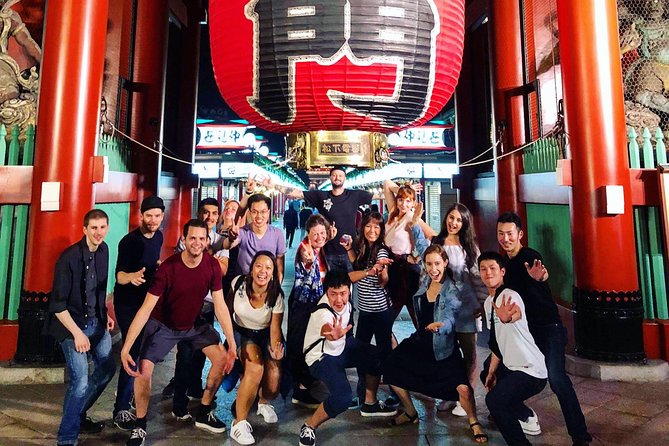
Your trip kicks off in Tokyo with a classic introduction: Senso-ji Temple. This is one of the city’s most important temples, and the timing works because you can see how daily life wraps around major landmarks. After meeting your group and getting a meal of Japanese cuisine, you’ll head out to explore Senso-ji, then start learning how the tour moves from “big wow” to “real experience” quickly.
Day 2 is where Tokyo stops feeling like a map and starts feeling like a place. You begin with an orientation class focused on simple Japanese customs and phrases, which matters because it helps you handle small situations like ordering, greetings, and basic interactions without freezing. Then you bounce through neighborhoods that show Japan’s contrasts: Harajuku’s teen pop culture vibe, Meiji Jingu Shrine with time in Yoyogi Park, and Akihabara’s neon-and-tech chaos.
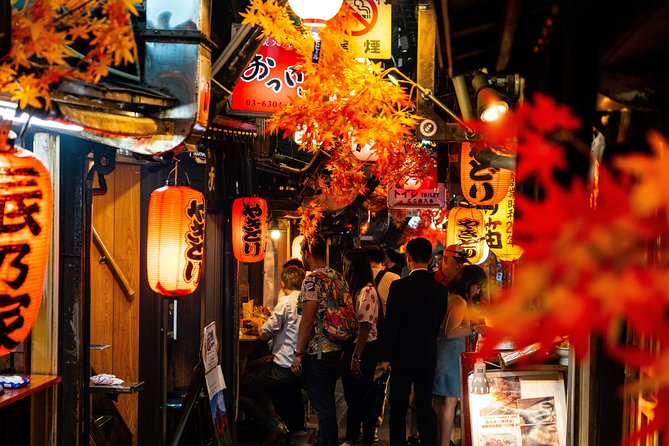
By Day 3, the sights lean cinematic. Tsukiji Fish Market gets you into the seafood food culture Tokyo is famous for, then you shift into a sushi-making class that turns interest into participation. Later you’ll head to the Tokyo Metropolitan Government Building observation decks for skyline views, then finish with Shinjuku energy like Omoide Yokocho yakitori and beer time, plus Shibuya Crossing to close the loop on Tokyo’s street spectacle.
Why it’s valuable for you: Tokyo is huge, and trying to plan it yourself can turn into constant train math. This route does the heavy lifting, then gives you the kind of variety that makes a short trip feel complete rather than exhausting for the wrong reasons.
Consideration: because you’re covering several districts, your best tool is momentum. If you want long, slow wandering with no schedule pressure, you might feel rushed.
Also on the shortlist for Tokyo:
- Mt Fuji and Hakone 1-Day Bus Tour Return by Bullet Train
★ 5.0 · 26,383 reviews - 1-Day Tokyo Bus Tour
★ 5.0 · 14,250 reviews - Tokyo: TOKYO SKYTREE® Admission ticket
★ 4.5 · 11,192 reviews
Harajuku, Meiji Jingu, and Akihabara: learning the contrasts fast
The best part of the early Tokyo sequence is that it teaches contrast in a way that sticks. Harajuku shows modern Japan’s playful edge, Meiji Jingu slows you down with shrine atmosphere in a park setting, and Akihabara flips the switch into high-energy retail and lights. Instead of bouncing between “top attractions” with no theme, your guide creates a rhythm: culture, then youth culture, then street tech.
Also, that orientation lesson is more useful than it sounds. When you know a few simple phrases and basic customs, you spend less time worrying and more time paying attention to what’s around you. Even if you do not speak much, that confidence changes how you move through crowds.
What to watch for: you will likely spend time near major transit hubs and busy areas. That means comfortable shoes matter, and it helps to travel light so you can stay mobile.
Sushi-making in Tsukiji and yakitori nights in Omoide Yokocho
Tsukiji Fish Market is a memorable stop because it grounds Tokyo’s food reputation in something you can see up close. After touring the facility, you do not just watch sushi culture from the outside. You go hands-on with a sushi making class and learn rolling techniques, plus the day also includes teriyaki fried up as part of the experience.
Then you pivot from fish-market focus to street-level eating. Omoide Yokocho, nicknamed Piss Alley, is a narrow alley for yakitori and beer, the kind of place where you feel the city’s social side. It is not just about eating, it is about how groups gather, how menus work, and how Tokyo evenings have their own rhythm.
On top of that, Shinjuku and Shibuya are timed to hit big visual moments. The observation deck gives you the skyline before you go back to street noise, and Shibuya Crossing finishes the day with pure energy.
Why it’s valuable for you: this is where the tour feels most like backpacking with structure. You eat what the destination is known for, but you also learn enough to do it again later on your own.
Consideration: the evenings are fun but not slow. If you plan to do a lot of solo sightseeing late, you may want to adjust expectations after long days.
Hakone by Romance Car: ropeway rides and Lake Ashi views
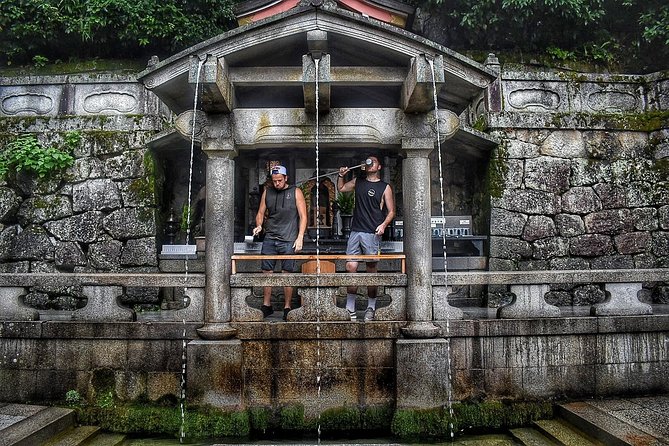
Day 4 is your first big scenery break. You leave Tokyo with the Romance Car, then arrive in Hakone, a mountain area that feels like a different world from neon city streets. After checking into your guesthouse in the mountains, you explore the surrounding areas before settling in for a more traditional dinner at the guesthouse.
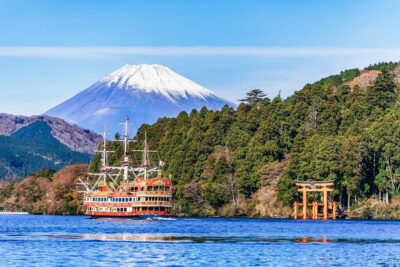
The core sights are Hakone Ropeway and Lake Ashinoko. The ropeway ride gives you big altitude views, and then you sail across Lake Ashi on a pirate ship style boat. On clear days, you can get amazing views of Mt. Fuji from the lake, which is the kind of payoff people remember.
You’ll also have time in Hakone-machi, which is useful because it gives the day more than just “transport to the next photo.” It lets you slow down just enough to reset from the Tokyo pace.
Why it’s valuable for you: Hakone is a classic add-on for a reason. It adds nature, views, and guesthouse culture so your Japan trip does not feel like an endless string of trains and temples.
Consideration: mountain weather can change quickly. If visibility is poor, you might not get the Mt. Fuji moment you hoped for, but you still get the ropeway and lake experience.
A change of pace from Tokyo:
- Tokyo: teamLab Planets TOKYO Digital Art Museum Entry Ticket
★ 4.6 · 9,779 reviews - Mt Fuji & Hakone Cruise, Drum Show Bullet Train 1 Day from Tokyo
★ 4.0 · 7,413 reviews - Tokyo: Sumo Show Experience with Chicken Hot Pot and a Photo
★ 4.8 · 6,678 reviews - Tokyo: Shinjuku Food Tour (13 Dishes at 4 Local Eateries)
★ 5.0 · 6,603 reviews
Takayama and Hida tasting: markets, sake brewery, and mountain-train days
Day 5 brings rail travel and food culture into the same frame. You take a bullet train to Nagoya, then continue by scenic train past mountains to an UNESCO World Heritage stop (the specific site is not spelled out in the itinerary details you provided). This is a day where travel itself is part of the experience, because you are not just getting from point A to B.
Once you land in the Takayama area, you start leaning into local flavor. The afternoon includes a Harada Sake Brewery visit with sake tasting, and there is also an option to treat yourself to Hida beef. That matters because it turns “food as a goal” into “food as an activity.”
By Day 6, you also get one of the most travel-friendly experiences: an early morning market. In Takayama, your guide walks you around the old town and down to the Miyagawa River morning market. It is the kind of morning that makes you understand the place, not just photograph it.
Why it’s valuable for you: this is where the tour stops being Tokyo plus Kyoto. Takayama adds a more lived-in pace, and the market plus brewery format makes the food feel grounded.
Consideration: these days can feel like long transit plus a lot of walking. If you are prone to feeling jet-lag tired, this portion can hit hardest.
Kyoto classics with early crowd control: Fushimi Inari and Kiyomizu-dera
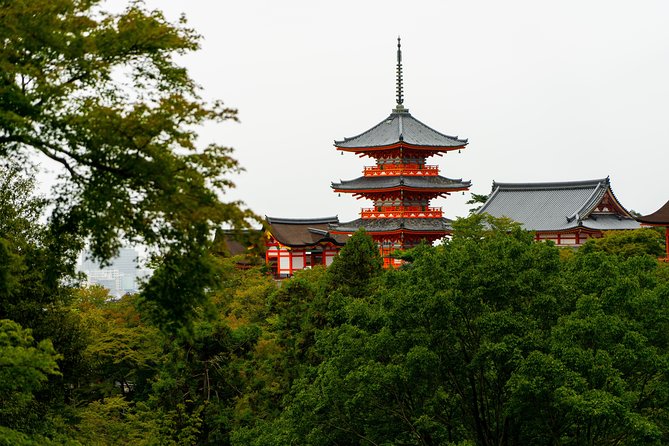
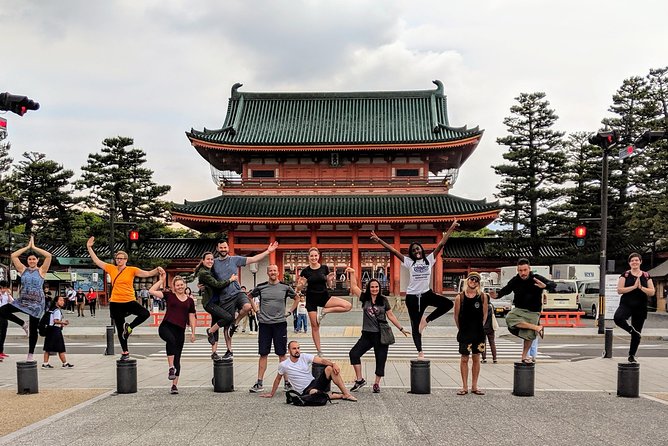
Kyoto is the spiritual center of this tour’s route, and it shows up in how carefully it’s timed. Day 7 starts early at Fushimi Inari-taisha Shrine, using subway time to get there sooner and avoid heavy tourist throngs. You work your way through the mountain corridors of red torii gates, which is one of the most iconic visual sequences in Japan.
Then you head to Kiyomizu-dera Temple. The itinerary highlights the bamboo and wooden temple complex that sits high on the mountainside. This is a contrast moment: Inari gives you repetitive gates and a climb, while Kiyomizu-dera feels more like a dramatic stage set with views and temple architecture.
This is also a good place to remember the tour’s style. It is active, so you will not just stand and admire. You move through the sites with a schedule, and you get the benefit of a guide keeping things flowing.
Why it’s valuable for you: crowd timing is one of the best “quality upgrades” a tour can offer. Getting to Fushimi Inari early changes the experience, because you can actually feel the space and the walking rhythm.
Consideration: early mornings plus walking can be tough. If you struggle with stairs or climbs, wear shoes with grip and take breaks when your body asks.
Golden Pavilion, Zen garden calm, and real kendo at Kyoto Budo Center
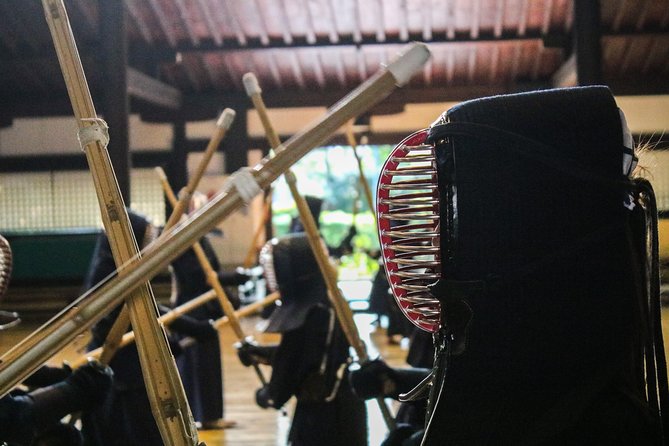
Day 8 balances major iconic Kyoto with quieter temple time. You start at Kinkakuji Temple, the Golden Pavilion, where the surrounding lakes can produce a strong reflection view. After that, you go to Daitoku-ji, which shifts the mood to quiet group buildings and a zen garden experience.
Then you do something different: a kendo class at Kyoto Budo Center. Your instructor is described as a Bushido specialist, a descendant of a Japanese Samurai Warrior, and you learn the way of this respectful martial art in a dojo setting. The point here is not becoming an expert swordsman. It’s about stepping into a cultural practice that feels physical and disciplined, which is a refreshing break from temple walking.
Why it’s valuable for you: you get both the famous sights and the activity that makes your brain remember the trip. A class is also a mental reset after busy sightseeing days.
Consideration: wear comfortable clothing for moving around. Even if the activity is structured, you should expect physical participation.
Arashiyama bamboo, Monkey Park Iwatayama, and a private row-boat ride
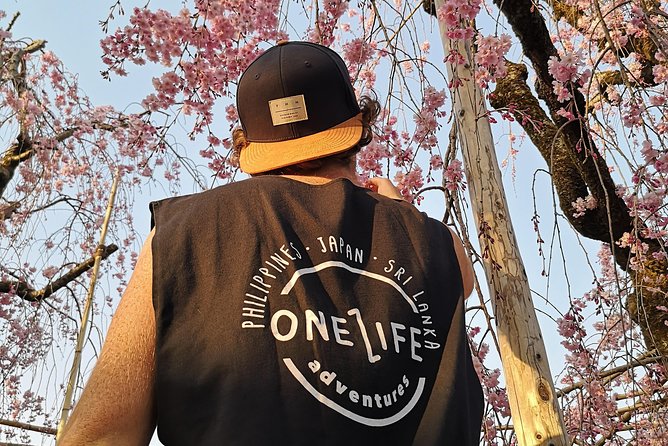
Day 9 is one of the most experience-heavy days of the entire trip. You go to Arashiyama early to beat crowds, then start with time in the bamboo forest area. From there, you climb steps up to Monkey Park Iwatayama to see Japanese macaques.
That climb is worth it if you like animals and views, but it is also where your fitness level matters most. After that, you head back down and then board a private row boat to explore the valleys in a more traditional way. It’s a slower, gentler moment compared to the morning steps, and it gives you a change of pace.
Then you transition to Osaka. You check in, go out into Dotonbori, and do a food-focused evening in a neon and people-filled area. The tour then wraps with karaoke back in Osaka for a fun finish.
Why it’s valuable for you: the mix is smart, bamboo and monkeys in the morning, calm boat time in the middle, then city food and music at night.
Consideration: this is a day with both stairs and walking. Plan for energy management, and do not treat this as a day for empty your schedule and then add more.
Osaka food energy and your final full day in the city
Dotonbori is the headline in Osaka, and it’s easy to see why. The itinerary frames it as the kitchen of Japan, with lights, colors, food, and people. You also get a food tour there, which helps you navigate Osaka’s flavor specialties rather than wandering randomly and missing what you came for.
Karaoke in the evening is a playful cultural closer. Even if you are not a singer, it’s a group-friendly tradition that helps the tour feel like a shared story ending, not just a sightseeing sequence.
On Day 10, you say goodbye to your group and new friends, then you have time in Osaka. The tour ends at your accommodation, and the operator provides detailed instructions for airport access. You can also arrange bullet trains back to Tokyo at an additional cost.
Why it’s valuable for you: ending in Osaka gives you a fun farewell vibe. You get one last night of city energy before leaving Japan.
Consideration: plan travel buffers. A last-day schedule can feel different depending on where your next flight or train plans take you.
Price and logistics: what $6,629 really buys you
At $6,629 for 10 days, the real question is value, not just cost. This price is paired with a lot of included structure: multiple meals (lunch plus 4 breakfasts and 3 dinners), key activities with admissions, and guided time across Tokyo, Hakone, Takayama, Kyoto, and Osaka. You also have mobile ticketing, which tends to reduce friction.
Also, the route includes multiple forms of transport planning, including bullet trains and local transit segments. When you add up time saved from sorting routes, ticketing, and sequencing, the price starts to make sense for travelers who want a strong itinerary without day-to-day stress.
Group size max is 22, so you are not crammed into a super-large tour bus situation. That matters for getting from place to place and for the quality of guide attention.
What is not included: tipping, pre and post tour accommodation, arrival and departure transfers, international flights, and travel insurance. If you add those costs, your total trip budget will likely rise, so pencil them in early.
A quick mindset check: this is a backpacking style tour, but it is still structured. If you want total freedom, you would likely prefer renting and planning your own route. If you want fewer decisions and more done-for-you logistics, this is built for you.
Pacing, walking, and how to pack like a smart human
This is a fast-paced tour and it is described as active with a lot of walking. That affects how you should travel more than you might think. Your best bet is to pack for movement: comfortable walking shoes, a small day bag, and a plan for staying hydrated during long sightseeing blocks.
Also, expect early starts on major temple days like Fushimi Inari and Arashiyama. When you get up early, you also need to recover. If you try to cram extra nightlife after a full day, you may end up spending Day 10 more tired than you want.
If you know you get worn down by heavy walking and transit days, consider whether 10 days is the right length. Some travelers end up loving the intensity because it feels like constant momentum, while others find it exhausting.
The good news is that the tour includes meals to keep energy stable across the day. Lunch is included, and there are multiple breakfasts and dinners built in, which helps you avoid the most common pacing problem: skipping meals and then crashing.
Who should book this Japan Classic 10 Day trip
This tour is a strong fit if you want Japan’s biggest highlights plus real activities, and you do not want to plan trains and tickets every day. You’ll likely enjoy it most if you like food experiences, early mornings for crowd control, and day-by-day structure.
It may be less ideal if you:
- hate walking and climbs (especially on Kyoto and Arashiyama days)
- want a slow travel pace with lots of free time
- get grumpy when plans run tightly to schedule
Guides can make or break a tour, and many guests point to Ashleigh for high energy, kindness, and professional pacing, plus humor that keeps the group light even when days are packed.
Should you book Japan Classic 10 Day by One Life Adventures?
If your goal is to see Tokyo, Hakone, Takayama, Kyoto, and Osaka in one trip with meals and guided activities, this looks like a smart way to do it. The included food experiences, the early crowd control at key Kyoto moments, and the mix of culture and hands-on training (especially kendo) give it more depth than a simple sightseeing list.
Book it if you’re comfortable with fast days and you pack for walking. Skip it if you want a relaxed, leisurely pace or you know you struggle with stamina. This is Japan, and it does not slow down, but if you’re ready for that, you’ll likely come away feeling like you lived inside the country for 10 days, not just visited.
FAQ
How many days is the Japan Classic 10 Day tour?
The tour is listed as approximately 10 days.
Where does the tour start and where does it end?
It starts in Tokyo, Japan and ends in Osaka, Japan.
Is there a mobile ticket for this experience?
Yes, the experience includes a mobile ticket.
What meals are included in the price?
Lunch is included, along with 4 breakfasts and 3 dinners.
What is not included in the tour price?
Tipping, pre and post tour accommodation, arrival and departure transfers, international flights, and travel insurance are not included.
What kind of walking and fitness level should I plan for?
The tour is described as active and fast-paced, with a lot of walking. You should have a moderate physical fitness level.
How large is the group?
The maximum group size is 22 travelers.
Does the tour include admission or paid activities?
The itinerary notes admissions for specific stops, and many activities list admission tickets as included.
What happens if I cancel my booking?
This experience is non-refundable and cannot be changed for any reason.
Latest write-ups near Tokyo
- From Tokyo: Top 5 Scenic Spots of Mount Fuji Full-Day Tour★ 4.5 · 67 reviews
- Tokyo Customized Private Tour: See Top Attractions in 1 Day★ 4.8 · 67 reviews
- Traditional Japanese Music ZAKURO SHOW in Tokyo★ 5.0 · 67 reviews
- Tokyo: Shinjuku Izakaya and Golden Gai Bar Hopping Tour (2h)★ 4.9 · 67 reviews
- Tsukiji: Unlimited Sake Tasting Experience★ 4.9 · 67 reviews
- Samurai Ninja Museum Asakusa: Kid-Friendly Ninja Training★ 4.7 · 67 reviews
- Tokyo: Not a show- a professional sumo practice with experts★ 4.9 · 67 reviews
- Private Harajuku Omotesando Architecture Walking Tour★ 5.0 · 67 reviews
Tokyo Tours, compared.
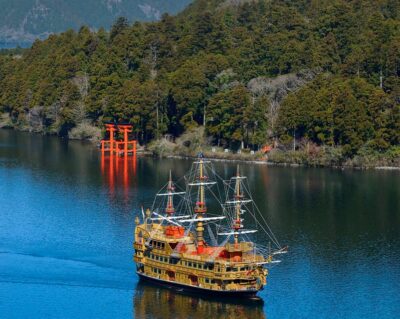
Mt Fuji and Hakone 1-Day Bus Tour Return by Bullet Train
Read our review →
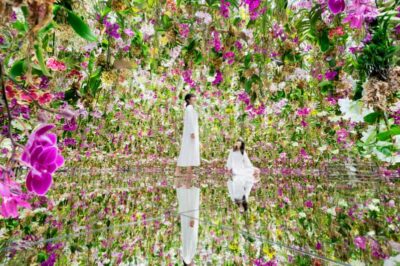
teamLab Planets TOKYO Digital Art Museum Entry Ticket
Read our review →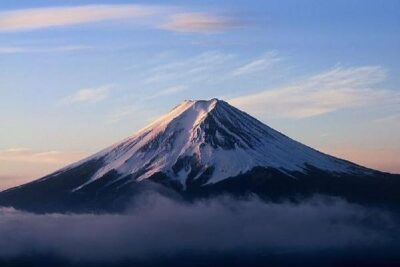
Mt Fuji & Hakone Cruise, Drum Show Bullet Train 1 Day from Tokyo
Read our review →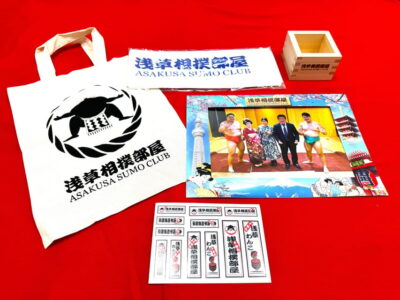
Sumo Show Experience with Chicken Hot Pot and a Photo
Read our review →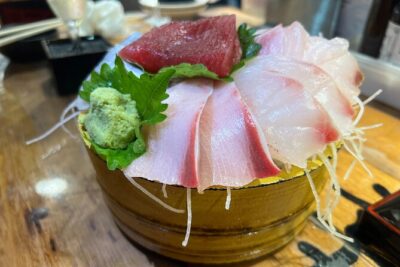
Shinjuku Food Tour (13 Dishes at 4 Local Eateries)
Read our review →