Reviewed · TOKYO TOURS
Kabukicho Macabre Tour – the Real Tokyo Vice
Kabukicho after dark is not your usual Tokyo stroll. This 2-hour macabre walking tour in Shinjuku focuses on the darker side of the Red Light District, with stories tied to real places and real events.
I really like how the guide, Vivian, ties together Kabukicho’s history with the lived reality of nightlife work, not just shock value. I also love the small-group format, limited to 4 participants, plus the way she uses illustrations to make complicated true-crime details easier to follow and question.
One drawback: the subject matter is intense. If you’re sensitive to stories involving murder, murder-suicide, accidents, or unresolved cases, this may feel too heavy for a fun night out.
Key highlights you should care about
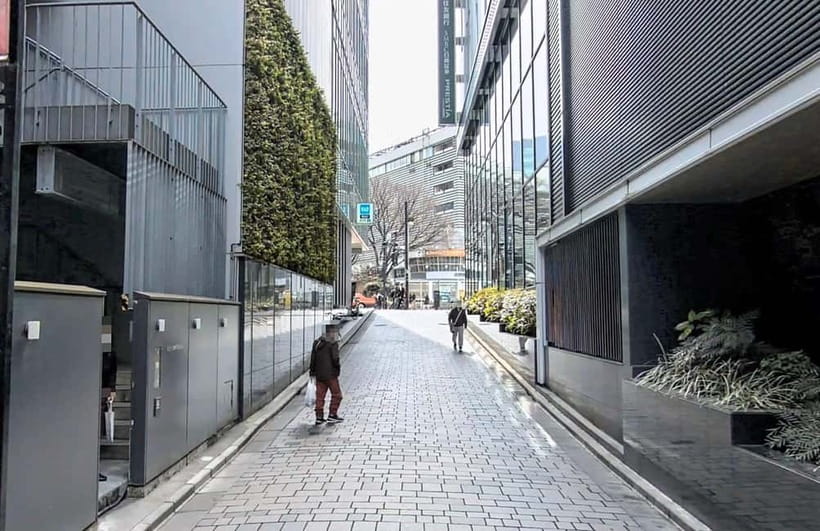
- Small group of up to 4 keeps the pace calm and questions actually get answered
- Pass actual locations tied to infamous incidents in Kabukicho and Shinjuku
- Yakuza and Tokyo Vice sightings help you match pop-culture locations to real streets
- Haunted-area lore gets treated as culture and atmosphere, not just jump scares
- End at a shrine for a more solemn, respectful close to the night
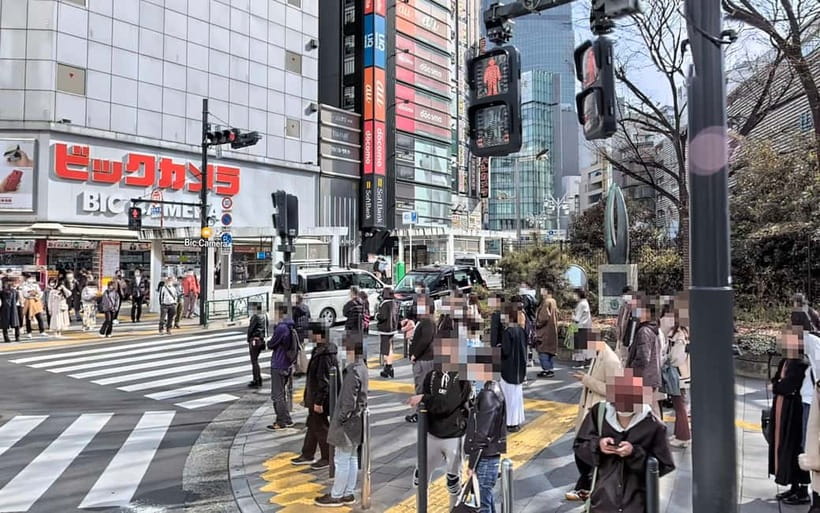
Shinjuku at night, Kabukicho in focus
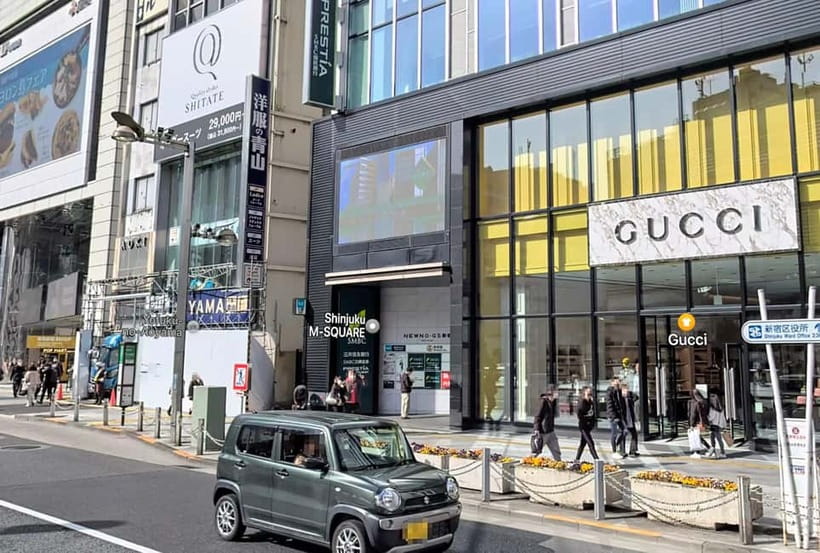
Kabukicho is Tokyo’s neon myth machine. One block it’s entertainment, the next block it can feel like you’re walking into a different version of the city, where rumors, crime stories, and nightlife economics overlap.
This tour works because it doesn’t treat the Red Light District like a theme park. You’re walking the area while hearing how it developed over time, why it attracts certain kinds of people, and how violence and tragedy leave marks in a place that keeps moving. The tone stays explanatory: you get context, cultural notes, and the “why this matters” behind the stories.
If you like Tokyo as a living city, you’ll also like that this experience treats the underworld as part of the urban ecosystem. People move through it at night for love, money, status, revenge, boredom, and sometimes desperation. You learn the human logic behind the legends.
And yes, you’ll cover the macabre stuff. The difference is that the guide’s framing is cultural and historical, so it feels less like sensational storytelling and more like street-level education.
Also on the shortlist for Tokyo:
- Mt Fuji and Hakone 1-Day Bus Tour Return by Bullet Train
★ 5.0 · 26,383 reviews - 1-Day Tokyo Bus Tour
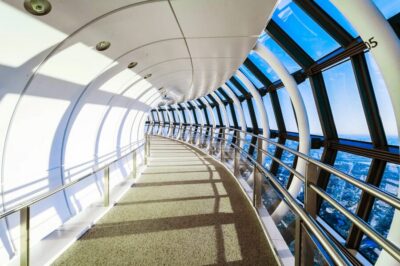
★ 5.0 · 14,250 reviews - Tokyo: TOKYO SKYTREE® Admission ticket
★ 4.5 · 11,192 reviews
Meeting on the Kabukicho Tower stairs, then getting your bearings fast
You meet in front of the Starbucks of Kabukicho Tower, specifically on the stairs. The exact pin is provided on the tour listing, which helps a lot because Kabukicho can feel like a maze even when you know where you are.
This is also the moment to set expectations. The tour is 2 hours, and it’s a walking “walk and talk” format, so the guide needs everyone to be ready when you start. One practical tip from the experience people talk about: use the restroom before you go. Kabukicho has plenty of places to stop, but it’s still easier if you’re not trying to solve a bathroom situation mid-tour.
Group size matters here. With a maximum of 4 participants, you’re not competing for microphone time. The guide can slow down when someone wants to ask what a specific term means, how nightlife works in Japan, or why certain stories stick around.
Also, the tour is English and wheelchair accessible. So even if you’re not a super fast walker, you can still take part.
The first stretch: history of Kabukicho and how the district works
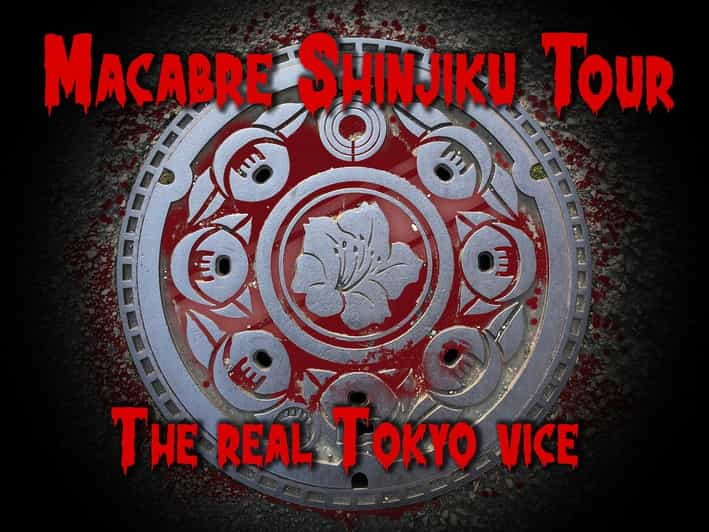
Right away, the tour starts building a mental map. You learn the history of Kabukicho and the broader red lights district context, with explanations of nightlife culture and the recurring patterns people associate with the area.
A key detail that makes this phase valuable is the blend of story and structure. Instead of only listing crimes, the guide explains what kind of places these were, what the social atmosphere was like, and how everyday nightlife can coexist with darker events. That’s useful for you because it changes how you interpret what you see.
Kabukicho is famous for neon, crowds, and entertainment, but the tour highlights the other side of that coin: the economic engine of night work, the risks that come with it, and the way rumors travel. In Japan, urban legends often function like unofficial records. This tour treats those legends as part of the district’s culture, even when the factual details are complex.
Expect your guide to connect:
- patterns of nightlife behavior and social friction
- how certain crimes become long-term “street stories”
- how pop-culture attention changes what people notice on the streets
The overall feeling in this section is like getting an orientation lecture while walking through the real city.
Real crime locations: walking past sites tied to tragedy
The centerpiece of the experience is that you pass actual locations related to infamous incidents. The tour specifically mentions coverage of mafia murders, murder-suicides, accidents, and cases that were never solved.
This part can be intense, but it’s also where the tour earns its reputation. When you hear a crime story anywhere else, it can feel like distant content. On foot, at night, outside a building, it lands differently. The guide uses location cues and historical context so it feels grounded rather than random.
You’ll also hear about terrorist attacks, mafia vendettas, and tragic sagas linked to jilted lovers. If that sounds heavy, it is. But the tone stays careful, with the goal of helping you understand the social world around these events, not just cataloging graphic details.
One more element: the tour includes areas known to be haunted. For me, that’s one of the most interesting cultural angles because Japanese ghost lore often runs parallel to real-world fear and real-world memory. The guide’s approach helps you read the atmosphere without turning it into pure gimmick.
You may also hear about specific micro-locations that true-crime fans recognize later. One person mentioned being chilled by the memory of a coin-locker tied to their experience, which tells you the tour can include small but memorable street details, not only big “tour stops.”
A change of pace from Tokyo:
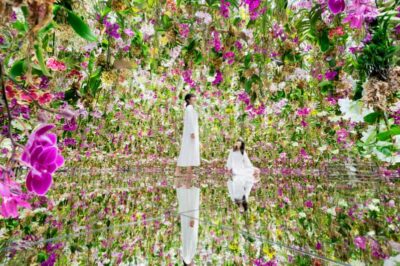
- Tokyo: teamLab Planets TOKYO Digital Art Museum Entry Ticket
★ 4.6 · 9,779 reviews - Mt Fuji & Hakone Cruise, Drum Show Bullet Train 1 Day from Tokyo
★ 4.0 · 7,413 reviews - Tokyo: Sumo Show Experience with Chicken Hot Pot and a Photo
★ 4.8 · 6,678 reviews - Tokyo: Shinjuku Food Tour (13 Dishes at 4 Local Eateries)
★ 5.0 · 6,603 reviews
The pop-culture bonus: spotting Yakuza and Tokyo Vice locations
If you’re a fan of Yakuza or HBO’s Tokyo Vice, this tour gives you a fun advantage. You’re not just hearing facts; you’re mapping fiction and filming locations onto actual streets.
This matters because it changes how you move through Kabukicho afterward. Instead of seeing it as generic neon, you start seeing it as a layered set of real streets that filmmakers and game makers already learned to use. You can connect the vibe you remember from screen and controller to the physical geometry of the district: the turns, the alley width, the street intensity, and how lighting makes certain corners feel different.
On a practical level, it also makes the tour easier to follow. When you can anchor a story to a place you already “know” from media, the guide’s timeline and context click faster.
And if you’re not a fan of those titles, you can still enjoy this section. The broader point stays the same: pop culture doesn’t come from nowhere. It latches onto the same visual and emotional traits people associate with Kabukicho at night.
The haunting areas: how the guide keeps it respectful
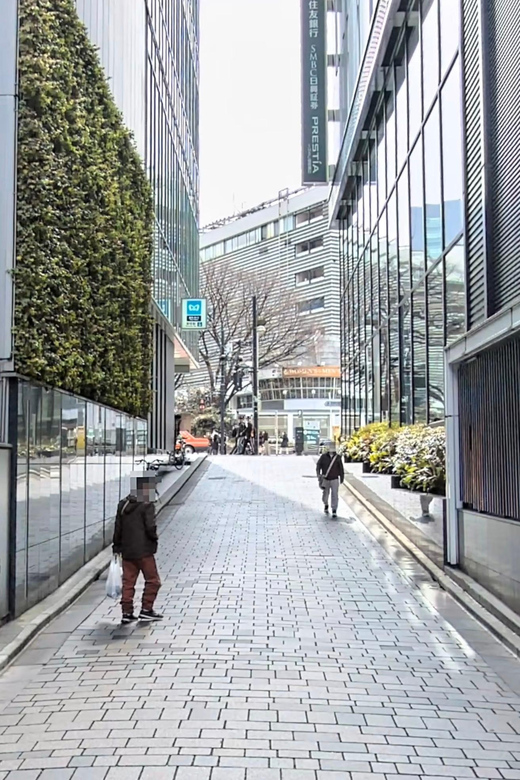
Kabukicho has a reputation that mixes entertainment, danger, and ghost stories. This tour includes areas known to be haunted, and the guide handles it in a way that feels more like cultural interpretation than horror cosplay.
Here’s what you’ll likely appreciate if you want this to feel like travel, not pure thrill-seeking. The guide treats haunting lore as part of how people remember and make meaning in a district that includes violence and secrecy. You’re not encouraged to act fearless. You’re encouraged to observe, understand, and keep perspective.
This can be a strong match if you like true crime but also like cultural nuance. You get both: the hard edges of real events, and the softer human tendency to explain fear with story.
Just be honest with yourself about comfort. If you’re looking for a light, happy night, this isn’t that. If you want a serious look at the underworld side of Tokyo, it’s a good fit.
The shrine finish: ending with a cultural reset
The tour doesn’t just end with more neon. It finishes with a solemn visit to a shrine.
This ending matters more than you might think. After hearing about murders, unresolved cases, and haunted lore, you need a landing point that puts the night back into a cultural frame. A shrine stop does that naturally. It shifts the mood from sensational story mode to reflection and respect.
In addition, some participants have described receiving a protecting ward as part of the ending experience. I can’t promise that will happen every time based on the provided details, but the shrine ending itself is clearly part of the tour design, and that’s already a meaningful close.
From a travel-writer angle, I like endings that give you something to do with the emotions you picked up during the walk. A shrine visit is one of the few options in Kabukicho that feels grounded rather than performative.
Price and value: what $56 buys in real Tokyo time
At $56 per person for 2 hours, you’re paying for a few things at once:
- a live English guide
- a route through Kabukicho focused on specific incidents and context
- a small group capped at 4 participants
- walking time plus a shrine visit at the end
The small group is the biggest value driver. In larger tours, you get rushed, and questions get cut off. Here, you can slow down and ask about terms, cultural dynamics of nightlife work, or how certain narratives took hold. That directly improves your experience if you like to understand what you’re seeing instead of just photographing it.
You’re also getting guided research effort. Multiple people specifically praised the guide for doing work of her own and backing up stories with illustrations. That makes the difference between a walk that feels like urban legend recitation and a walk that feels like a guided lesson.
So is it worth it? If you’re the type of traveler who likes Tokyo as a human place, where entertainment and danger sit next to each other, then yes. If your idea of a good night includes zero crime talk, then no.
Who should book this tour, and who should skip it
This is best for adults who like:
- true crime stories with location context
- nightlife culture explained in a Japan-specific way
- people who enjoy pop-culture map games, matching Yakuza and Tokyo Vice visuals to real streets
- small-group walking tours where you can ask follow-up questions
It also helps if you want the guide to be able to answer questions beyond the basic script. The tour information states that Vivian’s graduating thesis covered night life and night work in Japan, so the Q and A can be more grounded than typical entertainment-style guiding.
Skip it if:
- you’re traveling with children under 15 (not suitable per the tour info)
- you want a light, cheerful walk
- you’re uncomfortable with talk of murder, murder-suicide, unresolved cases, or accidents
Practical tips to enjoy it without ruining your night
Kabukicho at night can be loud and visually intense. To make this experience enjoyable, keep a few practical points in mind.
First, wear comfortable shoes. This is a walking tour, and you want to stay relaxed enough to listen. Second, start the tour well-rested. Two hours passes quickly when you’re absorbing crime context and street lore.
Third, go in with curiosity, not bravado. The haunted elements and crime stories work best when you let them be stories with meaning, not just scary content.
And if you recognize places from Yakuza or Tokyo Vice, great. Treat that as an entry point for listening. The real payoff is what the guide adds to the screen knowledge: street-level explanations and culture.
Should you book the Kabukicho Macabre Tour?
Book it if you want a small-group, English-language walk that connects Shinjuku’s Red Light District to real locations, cultural context, and a serious shrine ending. The price makes sense when you value the guide’s research, the visuals she brings, and the fact that you’re walking with someone who can explain nightlife culture, not only repeat crime facts.
Don’t book it if you want a kid-friendly night out or if crime and tragedy themes will ruin your mood. This is for people who actively seek Tokyo’s darker storytelling side, and who can handle the stories with respect. If that sounds like you, you’ll probably leave with Kabukicho looking different in the best possible way.
FAQ
How long is the Kabukicho Macabre Tour?
It lasts 2 hours.
Where is the meeting point?
Meet in front of the Starbucks of Kabukicho tower, on the stairs. A Google Maps pin link is provided.
What language is the tour offered in?
The tour is in English.
How big is the group?
It is a small group limited to 4 participants.
Is the tour suitable for children?
The tour is not suitable for children under 15.
Is the tour wheelchair accessible?
Yes, it is listed as wheelchair accessible.
What does the tour include?
It is a walk and talk with a live guide who explains context and culture behind the incidents and locations, plus a shrine visit at the end.
Does the tour visit crime-related locations?
Yes. The tour includes passing actual locations tied to incidents, and it also passes areas known to be haunted.
Can I cancel or pay later?
You get free cancellation up to 24 hours in advance for a full refund, and the tour offers reserve now & pay later.
Latest write-ups near Tokyo
- Tokyo Nights: Shibuya Photo Adventure★ 5.0 · 20 reviews
- Wagyu & Sake 8 Course Tasting Dinner in Shinjuku★ 4.9 · 20 reviews
- Making Japanese desserts Nerikiri & drinking matcha in Tokyo★ 5.0 · 20 reviews
- Japanese Whisky Hunting《HIGH-QUALITY-ONLY》Rare Tasting Class★ 5.0 · 20 reviews
- Mt. Fuji 5th Station, Owakudani Ropeway, Pirate Ship plus Outlet shopping!★ 4.5 · 20 reviews
- Kintsugi Experience with Arita Ware in Tokyo (English Guide)★ 4.8 · 20 reviews
- This is Asakusa! A Tour Includes the All Must-Sees!★ 5.0 · 20 reviews
- Tokyo: Karate Experience with Former All-Japan Champion★ 5.0 · 20 reviews
Tokyo Tours, compared.
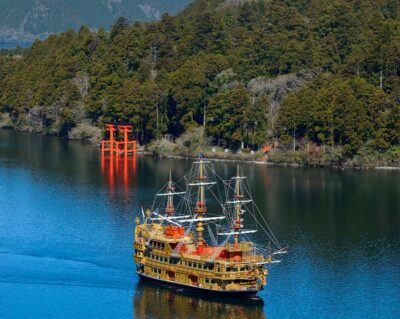
Mt Fuji and Hakone 1-Day Bus Tour Return by Bullet Train
Read our review →
teamLab Planets TOKYO Digital Art Museum Entry Ticket
Read our review →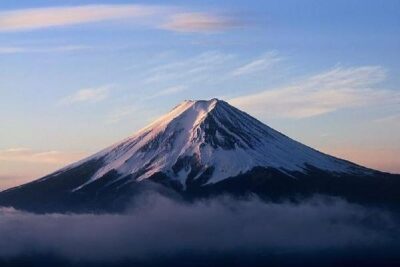
Mt Fuji & Hakone Cruise, Drum Show Bullet Train 1 Day from Tokyo
Read our review →
Sumo Show Experience with Chicken Hot Pot and a Photo
Read our review →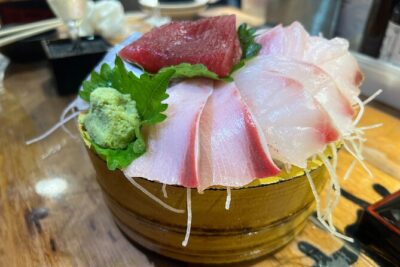
Shinjuku Food Tour (13 Dishes at 4 Local Eateries)
Read our review →