
Reviewed · KINTSUGI WORKSHOPS
Kintsugi Workshop in Naha, Okinawa
If you want a break from soaking up Okinawa’s beaches, this is a different kind of hands-on culture lesson. Kintsugi turns broken pottery into something calmer, shinier, and personal, and it happens right in a small studio in Naha.
I especially like two parts. First, the process feels mindful and therapeutic, not rushed, with patient help during each step. Second, you get a real result you can take home, because the workshop ends with a finished repaired piece.
One thing to know up front: this is a simplified kintsugi class. The item you make is for display only, so it cannot be used for eating or drinking.
Key takeaways before you go
- Small group (max 5) means you get hands-on attention instead of watching from the back row.
- English or Japanese instruction from the studio team keeps the steps clear.
- Gold or silver repairs give you that classic look while still being manageable in a short session.
- A simplified 2-hour process makes kintsugi accessible even if you’ve never done anything like this before.
- Take-home display art is the point, and it’s a strong souvenir that feels meaningful.
- Urushi Studio Kodemari keeps the vibe relaxed, with a studio feel that many people find calming.
A kintsugi workshop in Naha that feels like a slow reset
Naha is easy to enjoy fast. You can hop streets, chase food, and pack the day with sights. But this workshop offers the opposite rhythm. In two hours, you do one focused task, you watch your own careful work come together, and you leave with an object that looks like it has a story.
That matters because kintsugi is not just decoration. It’s a philosophy applied to broken ceramics. The gold or silver line is the visible scar, treated as something worth honoring. When you repair your own piece, you’re not hiding damage. You’re turning it into the feature.
This class is also built to be beginner-friendly. No prior experience is required. A skilled instructor guides you step by step, and the small group size makes it easier to ask questions without feeling rushed.
More Kintsugi Workshops in Naha:
- Kintsugi Experience: Art of Golden Joinery in Tokyo
★ 5.0 · 467 reviews - Authentic Pure Gold Kintsugi Workshop with Master Taku in Tokyo
★ 5.0 · 217 reviews - 1.5〜2 Hours Traditional Kintsugi Work Shop in Namba Osaka
★ 5.0 · 75 reviews
Step-by-step: what you’ll do during the 2-hour session
The workshop is designed as a shortened version of the traditional process, so you can finish inside a normal visit window. You come in, you choose your piece, you work through the steps with support, and then you leave with your restored artwork.
Here’s the flow I’d expect based on how the class is taught and what you actually end up making:
1) Pick your pottery (and choose the shape you want to fix)
You start by selecting the item you’ll repair. People have chosen dishes, and the studio also offers options like pendants if you’d rather make something you can wear instead of display a plate or bowl.
If you like the idea of a portable souvenir, a pendant-style outcome can be more practical than bringing home a larger dish. Either way, you’ll see your final look right at the end of the workshop.
2) Learn what kintsugi really does, before you touch the repair line
Your instructor explains how kintsugi uses gold or silver to join broken ceramic. You also learn the mindset behind the technique, which is why so many people describe the session as calming.
This part isn’t just a lecture. It sets your expectations, so when you start working, you understand what you’re trying to achieve. That makes the hands-on steps feel less like craft for craft’s sake and more like a real art form.
A change of pace from Naha:
- Official Street Go-Kart Tour – Okinawa Shop
★ 5.0 · 699 reviews - Naha: North Okinawa Sightseeing Tour & Churaumi Aquarium
★ 4.4 · 472 reviews - Okinawa: From Naha: Kerama Islands 1-day snorkeling tour
★ 4.4 · 423 reviews - From Naha: Tokashiki Island Day Trip by Boat
★ 4.3 · 385 reviews
3) Work through the simplified repair steps with close help
You’ll follow a set process with guidance throughout. One review mentioned a 6-step process, and multiple people noted clear instruction and patient support when they got stuck.
In a traditional kintsugi workflow, materials like urushi-based glue take time to cure. Here, the workshop is shortened. The goal is that you can create a meaningful repaired piece during your visit, not wait weeks for the full traditional timeline.
4) Add the repair finish so it looks intentional, not accidental
Once the pieces are joined and set up, you focus on the finishing look. That’s where the signature gold or silver line matters. People often say the final touches make their work look special, not DIY.
This is also where the studio’s attention to detail shows. When you’re given the right cues, your repair line looks clean and deliberate instead of messy.
5) Wrap up with care guidance, and take home your display piece
You leave with your restored item as a souvenir. The class makes it clear that your finished piece is not for eating or drinking, which is important if you’re thinking of using it as a functional dish.
Instead, it’s perfect for display indoors. Think of it as art you can live with, not dinnerware you can put in the cabinet and forget.
What the studio teaches you beyond the craft
A good workshop gives you more than a product. This one gives you context you can actually use later, even if you never do another repair.
The “scar becomes the feature” idea hits different when you do it
Kintsugi is easy to admire in photos. It’s harder to understand emotionally until you work with a broken object and make a repair seam that you can see.
That emotional shift is the reason people call the session therapeutic. You’re creating something that’s honest about breakage and still beautiful. Even if you’re just trying it once on a trip, the concept sticks.
You learn what’s different about simplified kintsugi
The workshop uses traditional techniques but in a shorter format. You still get the repair look, and you still learn the core method. But it’s simplified enough to finish in a single visit.
That also explains the food-safety limitation. The class points out that the item you make cannot be used for eating or drinking. It’s made for display art, which is exactly what you want from a souvenir workshop.
You get real instructor interaction
The English support is clearly part of the design. Several people praised the instructor’s patience and clear direction. Names that came up include Mayo and Aya, and other sessions mention instructors like Maio and Aya, as well as Rando and Jeerapat.
Even if you don’t catch every name, you can count on guided help at the moment you need it.
Choosing your souvenir: dish vs pendant, and why that matters
One of the best parts of this workshop is that the finished result can fit your travel style.
If you choose a dish or bowl, you get a classic “placed on a shelf” type of souvenir. You can keep it visible so it reminds you of the experience every time you walk by.
If you choose a pendant option, you get something you can wear. That can be easier if you’re packing light or if you’re worried about ceramics surviving transit.
Either way, you’ll end up with a piece that feels like art you made, not just an object you bought. And since this is a repair workshop, the final appearance has meaning, even if your break wasn’t the one you caused.
Price and value: is $55 for 2 hours worth it?
At $55 per person for a 2-hour workshop, you’re paying for three things: materials, instruction, and a finished take-home piece.
Many craft classes are either hands-on with limited product, or they hand you a finished item and focus on decorating. Here, you actually do the core repair work. That alone makes the price feel more grounded.
The materials are included, so you’re not hit with extra tool fees. Expert guidance is included too, which matters because working with repair lines takes precision. And because it’s a small group limited to 5 participants, you get attention that bigger classes usually can’t provide.
The only “cost” beyond the price is what you might spend on snacks or lunch separately. Food and drinks are not included, though some people have noted tea and a cookie offered in the studio.
If you want a souvenir that isn’t mass-produced, this is a strong use of a couple hours. It’s also a good value compared with buying a finished kintsugi item, since this gives you the story and the making.
When this workshop makes the most sense on your Okinawa trip
This is the kind of activity that works on multiple trip styles.
Best for
- A rainy half-day or a hot afternoon when you still want something cultural
- A solo traveler who wants a calm activity with direct help
- A couple looking for a meaningful, shared craft session
- People who like sustainability themes, since kintsugi is about repair, not replacement
Not ideal if
- You need a hands-off, photo-only experience. This workshop is hands-on, and the point is doing the steps.
- You want functional tableware. Your piece is display only, not for eating or drinking.
- You’re trying to fit in a long list of stops. It’s a focused 2-hour block, and that’s part of the charm.
Practical tips that will help your finished piece look better
A few practical things I’d do to get the best result:
- Go in with patience. Kintsugi is detailed work, and the class rewards careful attention.
- Ask questions early. When you understand the steps, you move faster without feeling rushed.
- Pay attention to the finish instructions. Most of the wow-factor comes from the final repair look.
- Plan for packing. You’re taking home ceramic, so treat it like a fragile souvenir, even if the studio prepares you as you go.
Also, if you’re a fan of design objects, the studio setting can be pleasant to browse. One review noted pendants and jewelry-style items available for sale, which can be a good add-on if you want matching art for your trip.
Should you book the Kintsugi Workshop in Naha?
Book it if you want a hands-on cultural craft with a real take-home result, and you enjoy work that feels calm and careful. The combination of small group size, guided instruction, and a finished display souvenir makes the $55 price feel like a fair trade.
Skip it if you need functional dishes for meals, because the workshop’s final piece is not meant for eating or drinking. Also skip if you hate ceramics and you only want sightseeing photos.
For most people who want something different than another temple stop or another market run, this is a smart, memorable way to spend a couple hours in Okinawa.
FAQ
How long is the kintsugi workshop in Naha?
The workshop runs for 2 hours.
How much does it cost?
It costs $55 per person.
Do I need any prior experience to join?
No prior experience is required. The instructor guides you step by step.
What languages are offered during the workshop?
Instruction is available in English and Japanese.
Is the pottery you make usable for eating or drinking?
No. The piece you create is a simplified kintsugi souvenir and cannot be used for eating or drinking. It is meant for display.
What’s included in the price?
All materials needed for the workshop and expert guidance from the instructor are included.
What about cancellation and rescheduling flexibility?
You can cancel up to 24 hours in advance for a full refund. You can also reserve now and pay later.
Latest write-ups near Naha
- From Naha: Snorkeling Tour to Kerama by Ferry★ 4.3 · 151 reviews
- Naha, Okinawa: Kerama Islands Full-Day Intro-Diving Trip★ 4.6 · 203 reviews
- Naha, Okinawa: Kerama Islands Half-Day Whale Watching Tour★ 4.4 · 241 reviews
- Official Street Go-Kart Tour – Okinawa Shop★ 5.0 · 699 reviews
- Okinawa HIP-HOP BUS B – 1 Course Tour (Okinawa Churaumi Aquarium)★ 5.0 · 66 reviews
- Naha, Okinawa: Keramas Island Snorkeling Day Trip with Lunch★ 4.7 · 370 reviews
- Okinawa: From Naha: Kerama Islands 1-day snorkeling tour★ 4.4 · 423 reviews
- From Naha: Tokashiki Island Day Trip by Boat★ 4.3 · 385 reviews
Kintsugi Workshops, compared.
Kintsugi Experience: Art of Golden Joinery in Tokyo
Read our review →
Authentic Pure Gold Kintsugi Workshop with Master Taku in Tokyo
Read our review →
1.5〜2 Hours Traditional Kintsugi Work Shop in Namba Osaka
Read our review →
Kintsugi Workshop Class in Shibuya, Tokyo with mon cadeau
Read our review →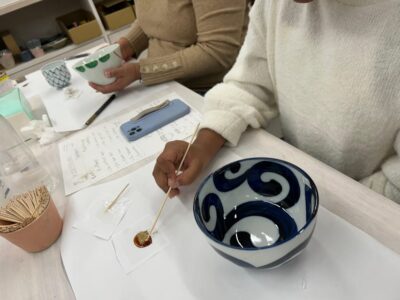
Kintsugi Workshop to Learn the Art of Golden Joinery
Read our review →Browse the lists this tour appears in