
Reviewed · KINTSUGI WORKSHOPS
Authentic Pure Gold Kintsugi Workshop with Master Taku in Tokyo
Tokyo has plenty of great shopping, temples, and photo stops. This experience is different because it slows you down and puts your hands to work on kintsugi, the Japanese craft of repairing broken objects with gold.
I like two things right away: you get a small-group lesson that feels personal, and you leave with a plate you repaired yourself, not some mass-made souvenir. One thing to consider is that the workshop takes place at a studio address in Minami-Aoyama, and the meeting spot can be a little tricky to find if you do not give yourself buffer time.
Key Things That Make This Kintsugi Workshop Worth Your Time
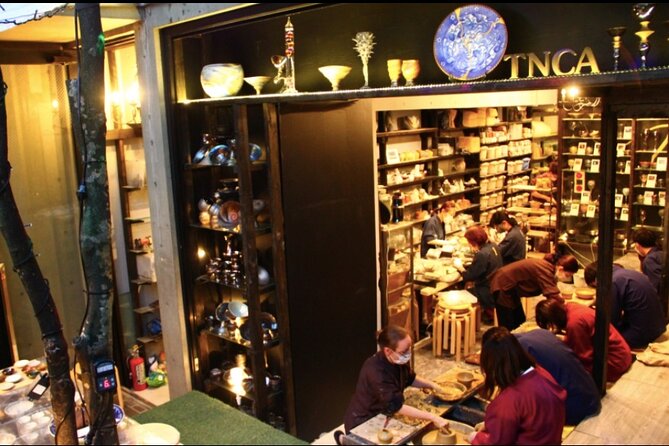
- Master Taku’s studio setting in Omotesando/Minami-Aoyama, right in the fashion-beat part of Tokyo
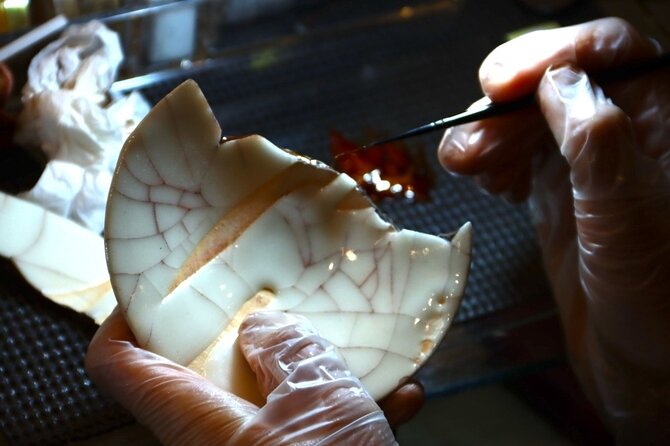
- Real urushi lacquer and pure gold powder used for authentic technique
- Three repair styles to choose from (natural lacquer and gold, black-and-gold, or decorative yobitugi)
- Maximum 5 people, so you get patient help and clear pacing
- Take-home on the day: your repaired plate becomes your unique souvenir
A Tokyo Reset: Making Gold Repairs Instead of More Souvenirs
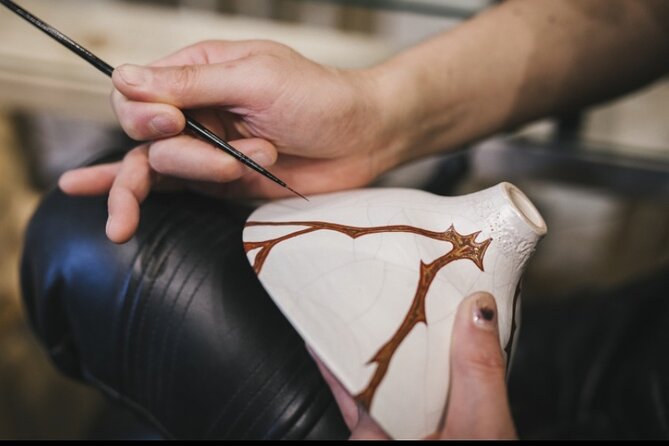
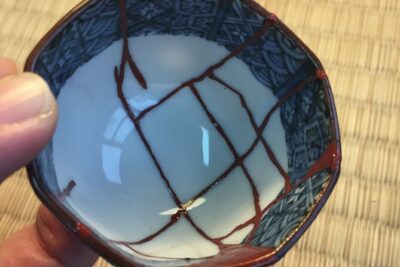
Kintsugi is built on an idea that feels almost radical after a day of rushing around Tokyo. Instead of hiding damage, you highlight it. Gold lines turn cracks into part of the object’s story, and that shift in thinking is the real payoff, even before you start working with materials.
You also get a break from sightseeing mode. In a couple hours, you do something mindful with your hands: slow, careful work, step-by-step guidance, and an end result you can actually use as a memory you can hold.
More Kintsugi Workshops in Tokyo
- Kintsugi Experience: Art of Golden Joinery in Tokyo
★ 5.0 · 467 reviews - Kintsugi Workshop Class in Shibuya, Tokyo with mon cadeau
★ 5.0 · 74 reviews - Tokyo: Kintsugi Workshop to Learn the Art of Golden Joinery
★ 4.8 · 27 reviews
Meet Master Taku at the Minami-Aoyama Studio
You meet at TNCA Minami-Aoyama Studio, address listed as 3-chōme-8-2 Minamiaoyama, Minato City, Tokyo 107-0062. The class ends back at the same spot.
This location matters for two reasons. First, it keeps the workshop focused, with no hotel pickup or drop-off, so you control your arrival. Second, Minami-Aoyama is near public transportation, which helps if you are trying to string together a day of trains, buses, and short walks.
A practical note: the studio can be a bit hard to find, so I’d plan to arrive early and double-check the exact address in your maps app. If you are even a little late, it is not the end of the world, but starting relaxed makes the whole session better.
Choosing Your Kintsugi Style: Natural Gold, Black and Gold, or Yobitugi
Before you begin, you choose one of three experience options. Each follows the same core concept, but the look and focus change.
Option A: Shuurushi kannyuzome kintsugi (110 minutes)
This is the classic style: real natural lacquer and pure gold. If you want the most traditional gold-line repair, this is your best match.
A change of pace from Tokyo:
- Mt Fuji and Hakone 1-Day Bus Tour Return by Bullet Train
★ 5.0 · 26,383 reviews - 1-Day Tokyo Bus Tour
★ 5.0 · 14,250 reviews - Tokyo: TOKYO SKYTREE® Admission ticket
★ 4.5 · 11,192 reviews - Tokyo: teamLab Planets TOKYO Digital Art Museum Entry Ticket
★ 4.6 · 9,779 reviews
Option B: Black & Gold Shikkokurai (90 minutes)
Same technique concept, different aesthetic. You repair a black plate with a black-and-gold kintsugi look that feels more graphic and modern.
Option C: Yobitugi (90 minutes)
This one leans more decorative. Yobitugi focuses on attaching different decorations and materials to missing parts. If you like craft with a little extra artistic flair, this is a fun choice.
The nice part is that you still leave with something wearable in everyday life, a plate you take home. So you are not just making a sample. You make a real object.
What Happens During the 2-Hour Workshop (Step by Step)
The lesson runs about 2 hours total, but your exact hands-on time depends on the option you pick (90 or 110 minutes). The schedule is built for a small group, with enough structure that you can finish your project inside the allotted time.
Here is the flow you can expect:
1) Welcome and materials setup
The workshop uses pottery hand-crafted by Master Taku, along with carefully selected materials. Your plate is the one you will repair during the lesson and then take home after.
You also start with a vessel that has been prepared with rustic lacquer for a sabi-feeling. The point is not just visual. It supports the lesson’s mindset, the whole Wabi-Sabi approach of appreciating imperfection and patina.
2) Instruction on authentic kintsugi technique
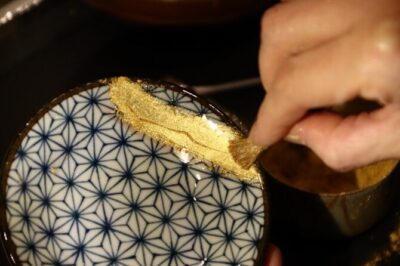
Master Taku teaches the process of authentic kintsugi using real urushi lacquer and pure gold powder. You learn what to do, then you do it, with guidance along the way.
In past sessions, instruction has been paced clearly, with instructors and assistants helping throughout. There is even an account of someone arriving late and Master Taku being gracious, calm, and attentive. That same kind of patience shows up in the way the class is run, with helpful, step-by-step support.
3) Your repair work, with gold as the finish
Your main work is the hands-on part: applying lacquer and creating the gold repair effect on the broken line(s). If you selected yobitugi, you also work with missing areas using added decorations and materials.
The goal is a repair that looks intentional. Not rushed. Not messy. Just realistically handmade, like it belongs to a living craft tradition.
4) Final check and you take it home the same day
You can take the repaired piece home on the day. That is a big deal for value and comfort. You do not need to return later, and you can carry your souvenir right away instead of worrying about shipping or pickup.
Why the Wabi-Sabi Philosophy Matters Here, Not Just the Gold
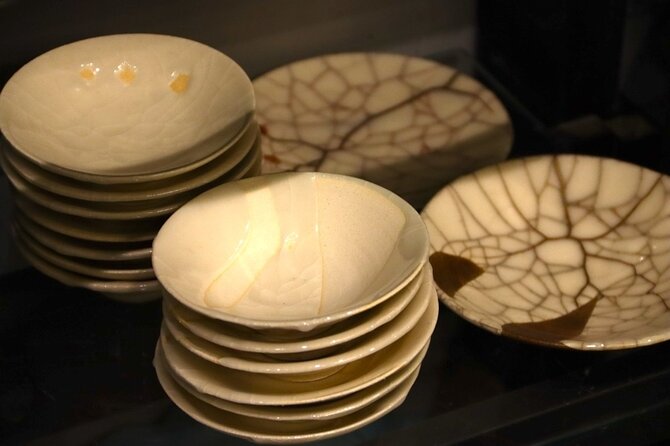
Kintsugi is famous worldwide, but in many places you only get the aesthetic part: a gold seam, a nice photo, and a finished product. This workshop adds more meaning, which is why people find it memorable.
You are taught the essence of Wabi-Sabi, including the idea of wabi as imperfect beauty. The workshop frames the repair as restoring life to something broken, with an eco-friendly angle that feels practical, not preachy.
And the way the class connects materials to philosophy is what makes it more than a craft demo. Even before you add gold, you are working with lacquer preparation and understanding the role of sabi-feeling.
Also, Master Taku’s motto gives you a theme for the whole session: even more beautiful and more robust than before it broke. That simple line matches what kintsugi does visually. The crack becomes structure, not damage to hide.
The Master’s Touch: Taku Nakano and Studio Omotesando Energy
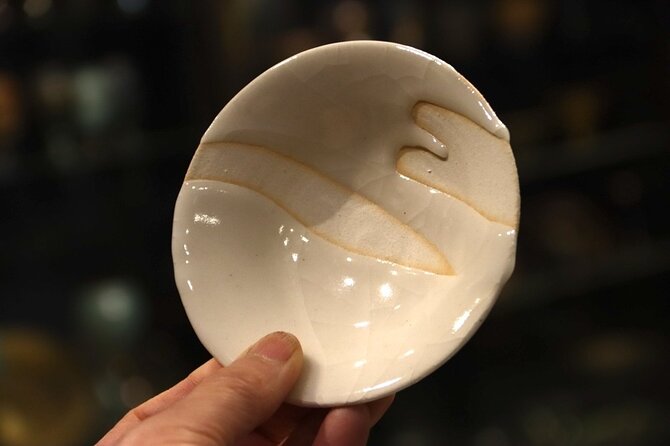
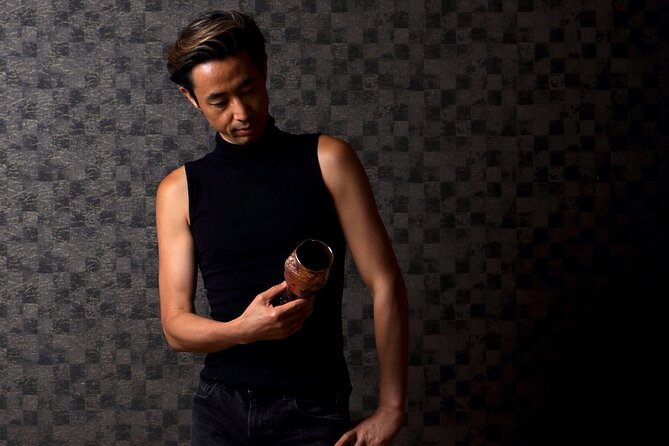
Master Taku Nakano is a ceramist running a pottery studio in Omotesando. That neighborhood is known as a fashion hotspot, so it is a fun contrast: modern style outside, traditional repair craft inside.
The workshop is designed around his approach, meaning the lesson is not generic. You are working with his pottery, and you are learning authentic technique from the maker’s own teaching style.
In terms of teaching quality, there are strong signals from past classes that instruction is clear and patient. One write-up even mentioned Master Taku speaking good English. If you are traveling solo or with family and you worry about your Japanese language skills, that matters. You will not be left guessing.
What You Take Home (And Why It’s a Better Souvenir)
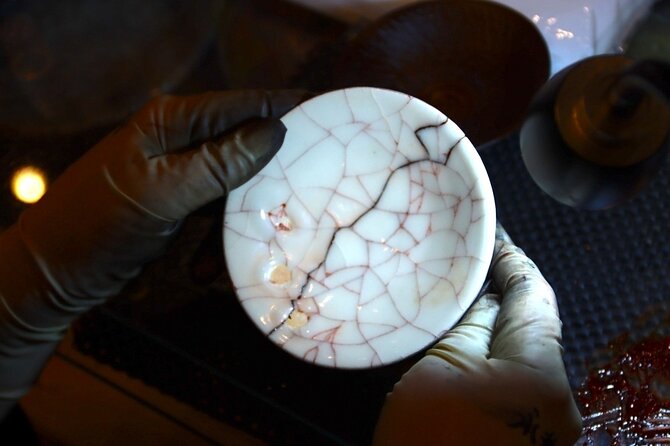
The class includes a plate you will use for the lesson, and you take it home afterward. That makes the souvenir personal in a way shopping cannot do.
You also get a story with it. This plate is not just pretty. It shows a repair you created with authentic materials: urushi lacquer and pure gold powder, applied as part of a technique with deep cultural roots.
And because you selected a style, the final look is tied to your taste:
- Option A gives you classic gold seams.
- Option B gives you a cooler, high-contrast look on black.
- Option C lets you shape the missing parts with extra decorative character.
That variety is smart. It helps the class feel like your choice, not a take-it-or-leave-it package.
Price and Value: What $142.60 Really Covers
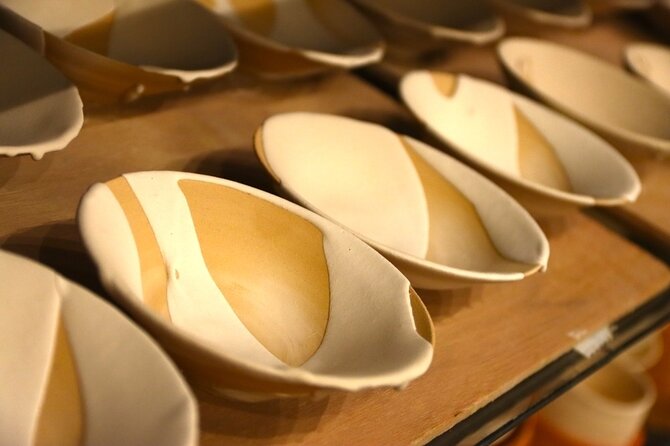
At $142.60 per person, this is not a cheap activity. But the price starts to make sense when you look at what is included.
Your fee covers:
- all taxes and fees
- all necessary equipment
- the lesson fee
- the plate you use for the class and take home
Most importantly, the workshop uses real urushi lacquer and pure gold powder, plus Master Taku’s handmade pottery. Those materials are not the kind of thing most souvenir shops replicate at this level.
So for value, this is less like buying an object and more like paying for a small-group, master-taught, hands-on craft session with premium inputs and a take-home result. If you already buy a magnet every trip, this is a better use of time and money.
Tips to Make the Class Smooth in Tokyo
A workshop like this can be perfect or frustrating, depending on your planning. Here are the small moves that help.
Give yourself arrival buffer time
The meeting address is in Minami-Aoyama, and it can be hard to find if you are rushing. Arrive early enough to settle in, use the restroom, and avoid starting stressed.
Wear clothes you can move in
You will be doing hands-on repair work with lacquer and gold materials. The class provides equipment, but your clothing still matters. Go for comfort over fashion.
Expect no food or drink
The workshop does not include food or drinks. Plan a snack or drink around your workshop time, especially if you are doing it mid-day when your energy might dip.
Use the mobile ticket
You get a mobile ticket, so have your phone ready for check-in. That is easiest if you save the ticket before you head out.
Choose the style that matches your taste
If you want traditional, go with Option A. If you want moodier contrast, go with Option B. If you want more creative reconstruction, choose yobitugi.
Who This Workshop Fits Best
This is ideal for people who want something meaningful and hands-on during a Tokyo visit. You do not need to be an art person, but you should enjoy slow craft work and attention to detail.
It also fits:
- couples looking for a shared activity beyond restaurants and shopping
- families, including people traveling with kids, since the pace is designed to be understandable
- anyone who likes Wabi-Sabi thinking and wants to connect philosophy to a real object
If you are the type who gets bored with classes that feel passive, this is the opposite. You do the repair yourself.
If you hate uncertainty or want a full sightseeing day with no waiting, keep in mind the workshop schedule is fixed and focused. It is not a free-form drop-in experience.
Should You Book This Kintsugi Workshop?
Book it if you want a Tokyo souvenir with real intent behind it. You are not just taking home a plate, you are taking home proof that a craft tradition can turn damage into beauty.
I’d skip it only if:
- you are short on time and cannot get to the studio without stress
- you strongly prefer activities with no hands-on work
- you want a strictly budget option
Otherwise, this is a high-value way to experience Tokyo beyond the usual checklist. The combination of small group attention, authentic materials, and a take-home plate you repaired yourself makes it the kind of class you remember long after the gold seam has dried into place.
FAQ
How long is the kintsugi workshop?
It runs for about 2 hours in total. Depending on the option you select, the hands-on time is listed as 90 minutes or 110 minutes.
Where does the workshop start?
The workshop starts at TNCA Minami-Aoyama Studio, 3-chōme-8-2 Minamiaoyama, Minato City, Tokyo 107-0062, Japan.
Is food included?
No. Food and drinks are not included.
What is the price per person?
The price is $142.60 per person.
What group size should I expect?
The workshop has a maximum of 5 travelers.
What are the different options?
You can choose:
- Shuurushi kannyuzome kintsugi (natural lacquer and pure gold)
- Black & Gold Shikkokurai (black plate with kintsugi)
- Yobitugi (decorations and materials attached to missing parts)
Do I take my repaired plate home?
Yes. You get a plate to use during the lesson and you can take it home the same day.
Is transportation covered?
No. Hotel pickup and drop-off are not included.
When will I get confirmation after booking?
Confirmation is received within 48 hours of booking, subject to availability.
What is the cancellation and refund policy?
This experience is non-refundable and cannot be changed for any reason. If canceled due to minimum traveler requirements not being met, you will be offered a different date or a full refund.
Latest write-ups near Tokyo
- Harajuku Private Tour: Kawaii Fashion & Animal Cafe Included★ 5.0 · 69 reviews
- Mt Fuji Customizable Private Tour English Speaking Driver Pick-up★ 5.0 · 69 reviews
- Tokyo Night Cooking Class: 5 Home-Cooked Japanese Dishes★ 5.0 · 70 reviews
- Tokyo: Sumida Aquarium Entry Ticket★ 4.6 · 70 reviews
- Private Customizable Walking Tour of Tokyo★ 5.0 · 70 reviews
- Official Japan Go-Kart Through Tokyo Bay / Ginza (IDP Required)★ 4.5 · 71 reviews
- Wagyu Beef and Sake Pairing Foodie Tour in Tokyo★ 5.0 · 71 reviews
- Experience Big soba knife Soba Making Class in Tokyo Kappabashi★ 5.0 · 71 reviews
Kintsugi Workshops, compared.
Kintsugi Experience: Art of Golden Joinery in Tokyo
Read our review →
1.5〜2 Hours Traditional Kintsugi Work Shop in Namba Osaka
Read our review →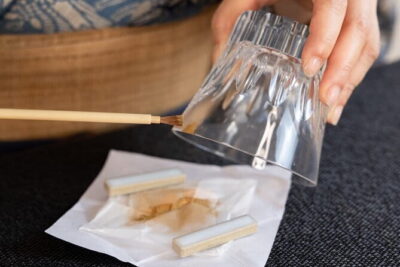
Kintsugi Workshop Class in Shibuya, Tokyo with mon cadeau
Read our review →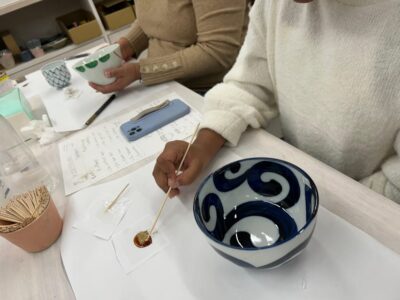
Kintsugi Workshop to Learn the Art of Golden Joinery
Read our review →Browse the lists this tour appears in