
Reviewed · GEISHA & GION TOURS
Kyoto Gion Geisha District Walking Tour – The Stories of Geisha
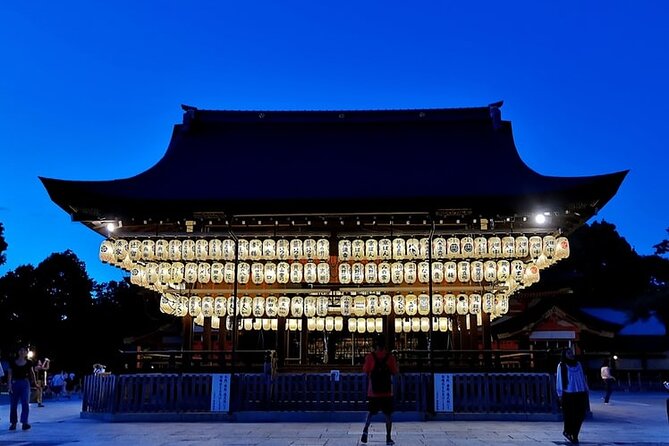
Kyoto’s Gion is one of those places that looks different depending on the hour, and that is what makes this after-dark geisha walking tour so compelling. You get to move through the old streets when day trippers thin out, so the neighborhood feels more like a living place than a photo backdrop.
I especially like that this is a small group tour (max 15), which keeps the pace human and makes it easier to ask questions. I also love the way the guide weaves together entertainment history, kabuki roots, and the everyday rhythm of the geiko and maiko world.
One consideration: plan for real walking time and cooler evenings. Water is not included, so bring a plan for staying comfortable if you are doing this in chilly weather.
Key things to know before you go
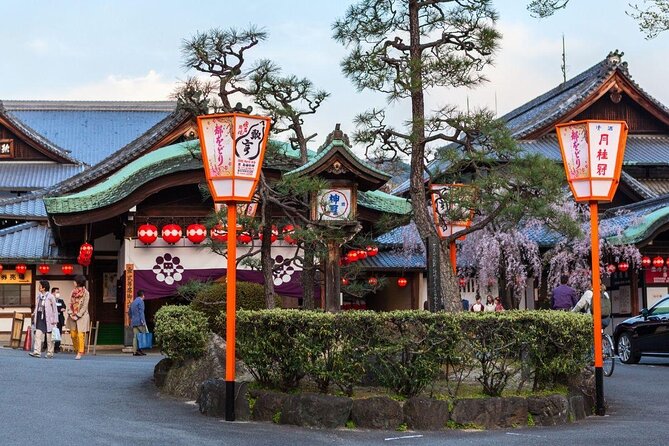
- After-dark Gion atmosphere: see the lantern-lit streets after the biggest crowds move on
- Small-group limit (15): better questions, better conversations, less wandering with strangers
- Storytelling that connects to Kabuki: you start with Okuni, often credited with kabuki’s origins
- Landmarks with cultural context: you do more than point and shoot, you learn what buildings and streets mean
- Short, focused stops: lots of variety in about 2 hours without turning it into a marathon
- Finish near Yasaka Shrine: a natural landing spot if you want to keep exploring after the tour
After-Dark Gion: Why the Timing Matters
Gion can be overwhelming in the daytime. The streets are popular, and it is hard to tell what is everyday life and what is just visitor flow. This tour shifts the experience to the evening, when you get softer light, quieter corners, and a gentler pace for noticing details.
That timing also changes how the stories land. When the surroundings feel calmer, the history of the entertainment districts and the etiquette around them make more sense. You spend less time dodging crowds and more time looking at the shapes of the neighborhood, down to the way streets and entrances are laid out.
More Walking Tours in Kyoto
- Kyoto Geisha Walking Tour: Gion District & Hidden Gems
★ 4.7 · 3,273 reviews - Kyoto: Gion Magical Night Walking Tour with Geisha Trivia
★ 4.9 · 2,393 reviews - Kyoto: Gion Geisha District Walking Tour – Stories of Geisha
★ 4.7 · 2,187 reviews
Price and Value: $25 for a Guided Cultural Walk
At $25 per person for about 2 hours, the value here is not about paid entry fees. The stops you visit have free admission listed, and the cost mostly covers a guide’s time and the way the walk is structured.
In my view, what you are really buying is interpretation. A good guide can take a street you have seen in a travel photo and explain why certain places matter to geiko and maiko life, including small details you would otherwise skip. On this kind of tour, that is the difference between collecting images and actually understanding what you are seeing.
Also, the group size helps your money go further. With a max of 15 people, you are less likely to feel like a seat in a group funnel. It is easier to ask follow-up questions about names, traditions, and how entertainment culture changed over time.
Planning Your Evening: Where You Start and How the Walk Flows
You start at Ben’s Cookies Kyoto Shijo at the Kyoto Shijo area, and you finish at Yasaka Shrine in the Gionmachi Kitagawa area. That end point is handy because it gives you a clear destination after the tour, rather than leaving you in the middle of nowhere with only street signs for company.
The tour runs for about 2 hours. The schedule is built around short stops, including multiple 10-minute segments, so you get a steady flow of sights without one long pause that makes cold weather feel worse.
You will have a mobile ticket, and the tour is near public transportation. Service animals are allowed, and most travelers can participate. The only big planning need is weather: the experience requires good weather, and the pacing is on foot.
Stop 1: Izumo-no-Okuni Statue and the Kabuki Connection
The tour begins with the Izumo-no-Okuni Statue. Okuni is a legendary figure associated with the origins of kabuki theater, and that matters because it links geisha-area entertainment to a larger performance history.
This is a smart first stop because it frames your evening. Before you even reach the street-level postcard scenes, you get a sense that the entertainment world in Japan did not appear from nowhere. You are also reminded that arts traditions have roots, and those roots show up in how people talk about performance culture.
The practical side: this stop is quick (about 10 minutes) and helps you get oriented. If you are arriving in Kyoto already tired, it is a good way to start with something brief before the real walking begins.
More Geisha Experiences in Kyoto:
- Best of Kyoto: Gion, Geisha, Pagodas & Cobblestones
★ 4.9 · 2,058 reviews - Night Walk in Gion: Kyoto’s Geisha District
★ 4.5 · 2,003 reviews - Kyoto Night Foodie Tour in Gion (9+ dishes + 6 Sake tastings)
★ 5.0 · 1,762 reviews - Kyoto Gion: 2-Hour Geisha Culture & History Walking Tour
★ 5.0 · 1,186 reviews
Stop 2: Minamiza Theatre Area and Why Performance Theatres Matter
Next you pass through the Minamiza area, the historic theater in Kyoto known for kabuki performances. Even if you are not catching a show that night, it is a useful piece of context for what Japanese performance culture looks like in the real world.
The value here is the bridge between theatre and the broader entertainment district. The guide can connect costume, storytelling style, and public performance history to the private, appointment-based culture you will be learning about later.
Potential drawback: if your interest is purely geisha street life, theatre-focused history might feel like a detour at first. I like it because it gives the evening a longer timeline, but if you are only after one narrow angle, you may want to mentally file this as context, not the main event.
Stop 3: Tatsumi Bridge and Gion Shinbashi Streets
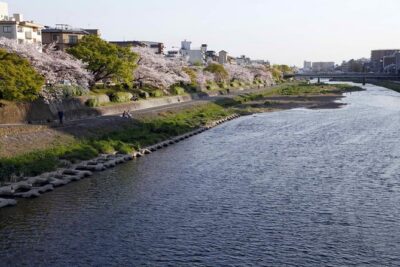
Then the tour turns toward Tatsumi Bridge, located in the Gion Shinbashi area. Shinbashi is known for the classic, picturesque street scenes, including traditional tea houses and geisha-related atmosphere, and the bridge area is a good place to start spotting the neighborhood’s geography.
This is where the tour tends to become more observational. You learn how a street corner, a narrow passage, or a crossing can signal how people move through the district. It is not just pretty scenery, it is the physical layout of the entertainment neighborhood.
Expect the guide to point out details you would miss on your own. In similar Kyoto storytelling walks, I find the best moments are when someone explains why a nondescript-looking building or entrance is meaningful. This tour’s format is built for that kind of explanation.
Stop 4: Hanamikoji Street at Night
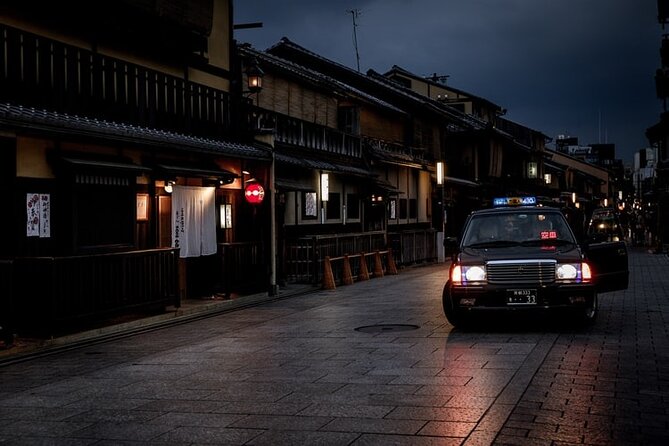
After that, you walk into the heart of the “flower town” vibe along Hanamikoji Street. This is one of the most recognized streets in Gion, famous for traditional machiya houses, plus upscale restaurants and teahouses lining the way.
At night, Hanamikoji feels more like a working district. Daytime crowds can flatten the experience into snapshots. Evening light and the calmer flow of people help you notice street rhythms, the spacing of buildings, and the kind of quiet you do not get at noon.
This stop is listed as about 10 minutes, so it is not a long photo session. If you want multiple photos, aim to move quickly with your camera and then listen. The guide’s explanations are usually the reason this street feels different.
Stop 5: Gion Corner Cultural Center and a Concentrated Arts Hit
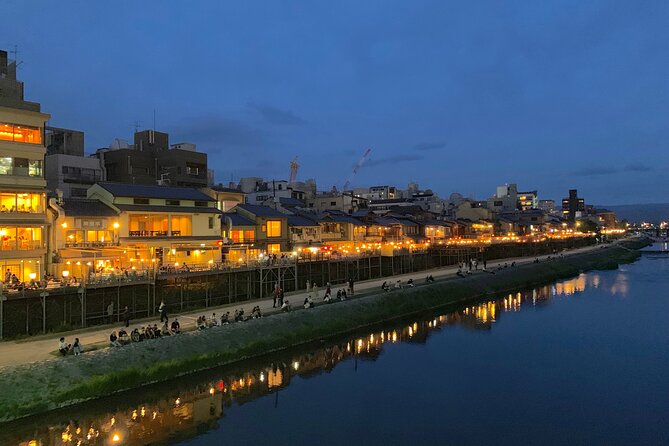
Next comes Gion Corner, described as a cultural center and performance venue. The key idea is that it offers a condensed experience of traditional Japanese arts and culture, which fits perfectly with what this tour tries to do in the time you have.
This is not the place to expect a full evening show in the middle of a walking circuit. Instead, it is a cultural anchor. You can use what you learn here to connect the dots between the entertainment traditions you are hearing about and the performance culture you see around Kyoto.
A small caution: since the tour is timed and the stop is short, you will not have long to linger if you want souvenirs, extra photos, or a coffee break. If you are the type who needs bathroom time or a mid-walk snack, plan that before the tour starts, and bring your own water.
Stop 6: Yasaka Shrine at the End of the Walk
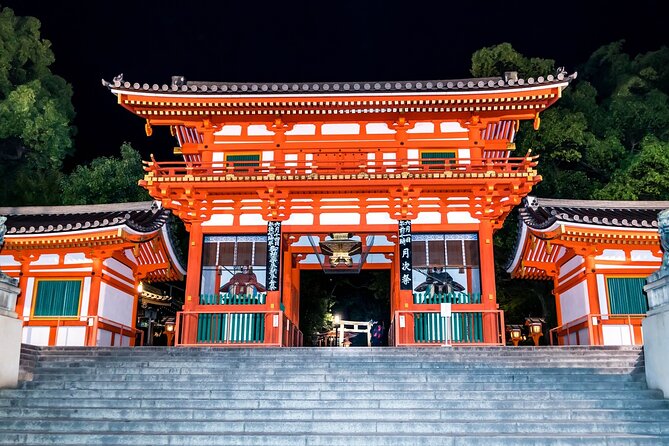
Finally, you end at Yasaka Shrine, also known as Gion Shrine. It is one of Kyoto’s most prominent Shinto shrines, and it is noted for its festivals, which adds a different flavor to the night compared with the geisha district focus.
Ending here is practical. You finish at a place with clear activity, good orientation, and a natural place to branch off into more sightseeing if you have energy. It also creates a neat emotional contrast: performance district stories fade, and shrine atmosphere takes over.
The end-to-beginning contrast is one reason I think this tour works for first-timers. You get a tourism-friendly highlight district, but you also get pulled into the wider spiritual and cultural context of Kyoto.
Guides, Stories, and Why This Tour Feels Better Than a Generic Walk
The biggest reason people rate this tour so highly is the guide experience. You will meet a guide who is friendly, answers questions, and ties details together in a way that feels grounded. Guides such as Shin, Deborah, Melanie, Manuel, Joy, Nami, Ben, Adrian, Kenji, Nikki, and Tommy show up in praised accounts for doing exactly that.
You also get a sense that the guides do more than recite facts. They explain how terms like geiko and maiko fit into Kyoto traditions, and they connect past and present practices. In several write-ups, guides are credited with showing visitors places they would not have noticed and pointing out “hidden” meaning in ordinary-looking buildings.
Another standout theme: pace and personality. People mention guides who stay down-to-earth, make the tour fun, and keep the conversation moving. In a small-group format, that matters a lot. You are not stuck listening to a script while the group drifts like a slow parade.
What to Bring, What to Expect, and What Could Annoy You
This is an evening walking tour. That means you should dress for temperature swings and long stretches on foot. One practical tip that comes up a lot for Kyoto in winter: bring a serious coat. If your plan is light layers, you may end up wishing you had planned better.
Water is not included, so either carry a bottle or plan to buy one before you start. If you are sensitive to cold, pace yourself and do not try to turn every stop into a sprint for photos.
Logistically, the route is short enough to fit into a busy itinerary, but it still adds up. If you have limited walking tolerance, talk to the provider before booking and be honest about your comfort level. The tour notes that most travelers can participate, but your personal legs know more than any listing description.
Who This Tour Is Best For
This is ideal if you want a first meaningful look at the geisha district without spending hours in daylight crowds. If you are a curious traveler who likes stories and context, you will enjoy how the tour connects performance history, street layout, and what you can safely observe as a visitor.
It also suits couples and solo travelers who want a guided evening and a clear path. Families can fit in well too, as long as everyone can handle a walk that is focused on listening as much as sightseeing.
If you only want geisha sightings at any cost, temper expectations. This tour is designed around the district atmosphere and history, not guarantees of private appointments or staged encounters. The value is in understanding the world around those appointments.
Should You Book This Kyoto Gion Geisha District Walking Tour?
If you are visiting Kyoto for the first time, this is an easy yes. The $25 price makes it a low-risk way to get real context fast, and the small group size keeps it engaging.
Book it if you like night walks, you want to understand the cultural roots of the entertainment district, and you would rather be guided than wander randomly. Skip it only if you dislike walking after dark, you hate cold evenings, or you want a long, freeform explore with no schedule at all.
In short, it is a smart, story-driven way to see Gion when it matters most: after the crowds thin out and the district starts behaving like itself.
FAQ
How long is the Kyoto Gion Geisha District Walking Tour?
The tour is approximately 2 hours.
What is the group size limit?
This experience has a maximum of 15 travelers.
Where does the tour start and end?
The tour starts at Ben’s Cookies Kyoto Shijo, and it ends at Yasaka Shrine.
What is included in the price?
All fees and taxes are included.
Is bottled water included?
No, bottled water is not included.
Do I need a printed ticket?
No, you receive a mobile ticket.
Is the tour free to enter at the stops?
The listed admissions for stops are free, and the tour includes all fees and taxes.
Is the tour wheelchair-friendly?
The information provided says most travelers can participate, but no specific wheelchair details are given.
What weather conditions are required?
This experience requires good weather. If it is canceled due to poor weather, you will be offered a different date or a full refund.
What is the cancellation policy?
Free cancellation is available up to 24 hours in advance for a full refund. If you cancel within 24 hours of the start time, the amount paid is not refunded.
Latest write-ups near Kyoto
- Kyoto: Nishiki Market Tour with a Local Foodie & Tastings★ 4.5 · 67 reviews
- Kyoto Kimono Rental mimosa |Kimono/Yukata Rental Couple Plan★ 4.8 · 67 reviews
- Kyoto: Traditional Kimono Fabric Handicrafts Workshop★ 5.0 · 67 reviews
- Kyoto Tea Ceremony and Samurai Photo Session★ 5.0 · 70 reviews
- Kyoto: Replica food making experience★ 4.8 · 70 reviews
- Kyoto: Kinkakuji, Golden Pavilion Guided Tour★ 4.7 · 71 reviews
- Private departure transfer from Kyoto city to Kansai International airport★ 5.0 · 72 reviews
- Uji: Green Tea Tour with Byodoin and Koshoji Temple Visits★ 4.8 · 72 reviews
Geisha & Gion Tours, compared.
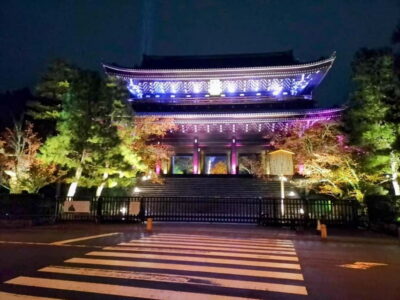
Kyoto Geisha Walking Tour: Gion District & Hidden Gems
Read our review →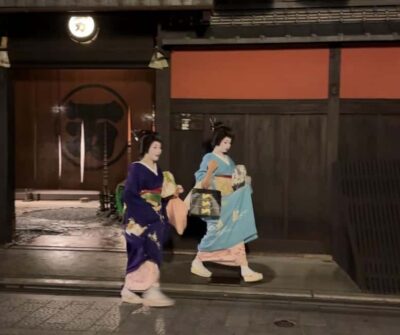
Gion Magical Night Walking Tour with Geisha Trivia
Read our review →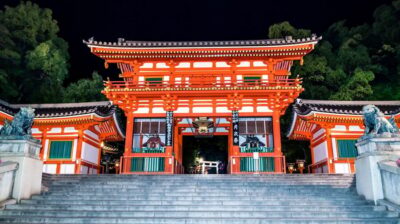
Gion Geisha District Walking Tour – Stories of Geisha
Read our review →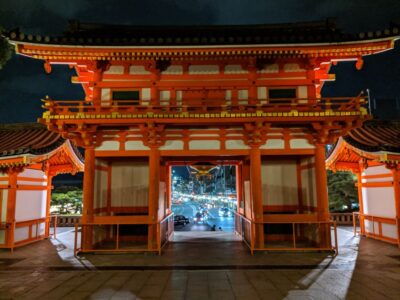
Best of Kyoto: Gion, Geisha, Pagodas & Cobblestones
Read our review →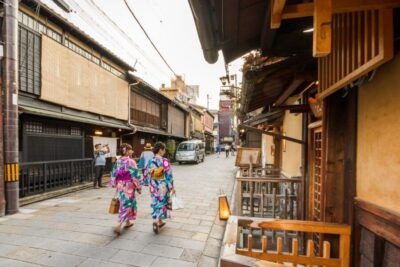
Kyoto Night Foodie Tour in Gion (9+ dishes + 6 Sake tastings)
Read our review →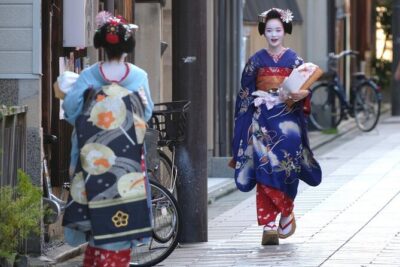
Kyoto Gion: 2-Hour Geisha Culture & History Walking Tour
Read our review →
Chopsticks Making Workshop in Gion with Engraving Option
Read our review →Browse the lists this tour appears in