
Reviewed · GEISHA & GION TOURS
Best of Kyoto: Gion, Geisha, Pagodas & Cobblestones
Kyoto gets a different personality after dark, and this walk is built for that. You start in the lantern-lit lanes of Gion and Higashiyama, where the streets feel quieter and the buildings glow like they are part of a set. I like that you get real cultural context for what you are seeing, not just photo stops. I also like the respectful focus on the world of geisha and maiko, plus the chance to spot women in full costume toward the end. One drawback to plan for: nights can mean cold weather and some darker stretches, so wear proper shoes and layers.
This is a smart first-day Kyoto choice because it gives you a working map of the area, explains the rules of how people behave at shrines and temples, and then points you toward where to eat or drink after. With English or French guides, private or small groups, and a 2-hour pace, it is easy to fit into a travel schedule without feeling rushed.
Key highlights you will notice right away
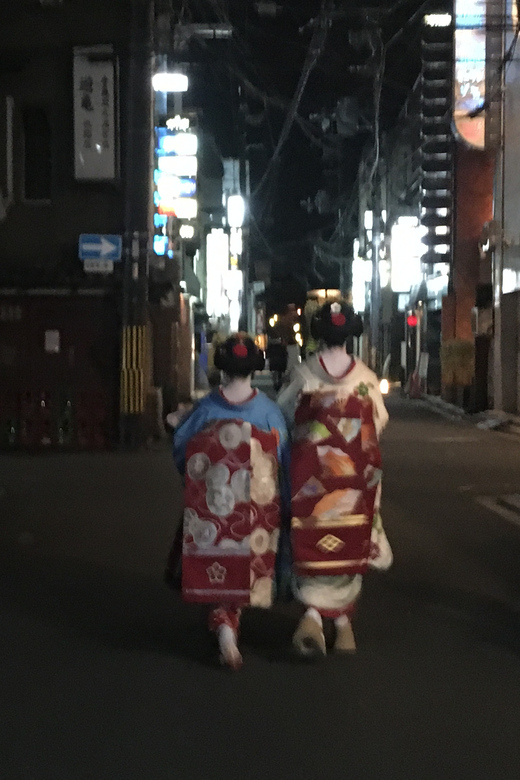
- Quiet Gion at night with lanterns and wooden streets, when the crowds thin out
- Geisha and maiko context explained in a way that keeps the tone respectful
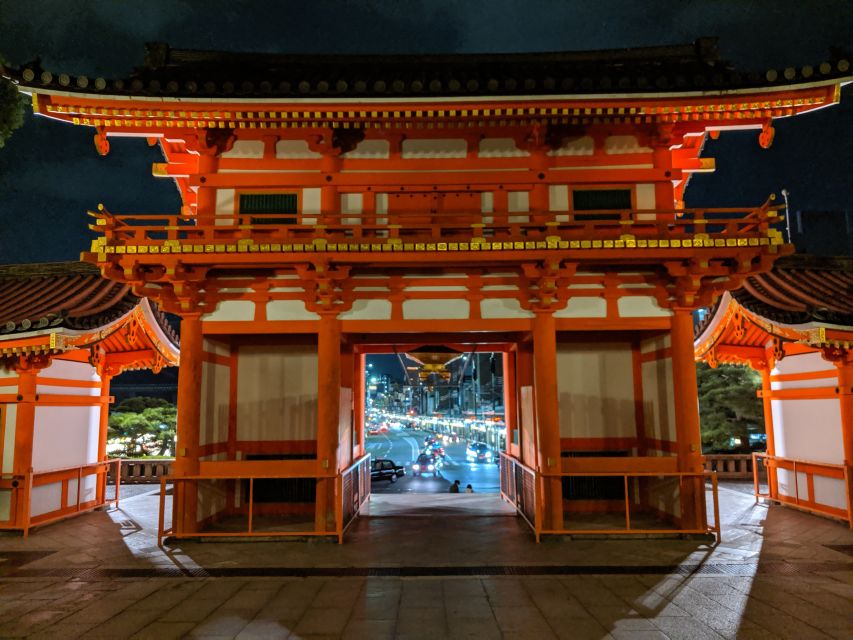
- Shrines and temple stops including Yasaka Shrine, a Shinto visit, and a photo moment at Hōkan-ji
- Ninenzaka cobblestones and the story behind the slope streets
- Photo-friendly timing at illuminated sights, plus photo stops built into the route
A first-night Kyoto intro, built around lantern time
If this is your first visit to Kyoto, you need one thing: orientation. Daytime sightseeing is great, but it can blur together. This night walk sharpens your understanding because the area looks and feels different once the big daytime flow fades.
What stands out is the way the route ties together religion, street culture, and traditional entertainment district life. You do start with recognizable icons, like Yasaka Shrine, but then you move through the smaller lanes that make Gion feel lived in. The guide also sets expectations for what you will and will not see when it comes to geisha culture, with an emphasis on respect.
The best part for me is how the pacing leaves room to ask questions. Many guides on this tour, including people like Karim and Kevin, are praised for giving lots of useful detail without talking over your head. You come away knowing how to spot what matters, not just what is pretty.
More Geisha Experiences in Kyoto:
- Kyoto Geisha Walking Tour: Gion District & Hidden Gems
★ 4.7 · 3,273 reviews - Kyoto: Gion Magical Night Walking Tour with Geisha Trivia
★ 4.9 · 2,393 reviews - Kyoto: Gion Geisha District Walking Tour – Stories of Geisha
★ 4.7 · 2,187 reviews
The 2-hour route in plain terms: what you walk, and how it feels
You will be walking for about two hours total, and the itinerary is organized to keep the time moving while still letting you look around. The route flows like this: start at one of the listed meeting options, visit Yasaka Shrine, walk through Ninenzaka, stop for photos at Hōkan-ji, visit Yasui Kompira-Gu, then finish with a longer guided section through Gion.
The group size is private or small, which matters. Smaller groups usually mean fewer distractions and more space to hear what is being explained. It also helps if you want to stop for a closer look at a shrine area detail or ask the guide about something you just noticed.
Two practical notes from the experience style: first, it can get cold. Multiple recent guides have handled freezing conditions with the same calm pace, which tells me the route is designed to be manageable even when temperatures drop. Second, some stretches can be darker at night, so you will enjoy the walk more if you go with comfortable shoes and a steady stride.
Yasaka Shrine: the Shinto start that sets the tone

Your tour begins at either the Tsuruha Drug Yasaka Shrine Store, FamilyMart area or a Kyoto Gion meeting point, depending on which option you book. Once you meet up, the first guided segment is a visit at Yasaka Shrine.
This stop works well for first-time visitors because it gives you the right mindset for what follows. You are not just looking at buildings. You learn what people do at a shrine, how to behave, and why certain areas are treated with care. That makes later temple and street moments feel less random.
The guided time here is about 20 minutes, so it is not rushed. You get enough context to understand why the shrine matters to the wider Higashiyama area. It also helps you settle into the rhythm of the walk before moving into the steeper, more street-focused sections like Ninenzaka.
Ninenzaka cobblestones: the street that teaches you how Kyoto reads
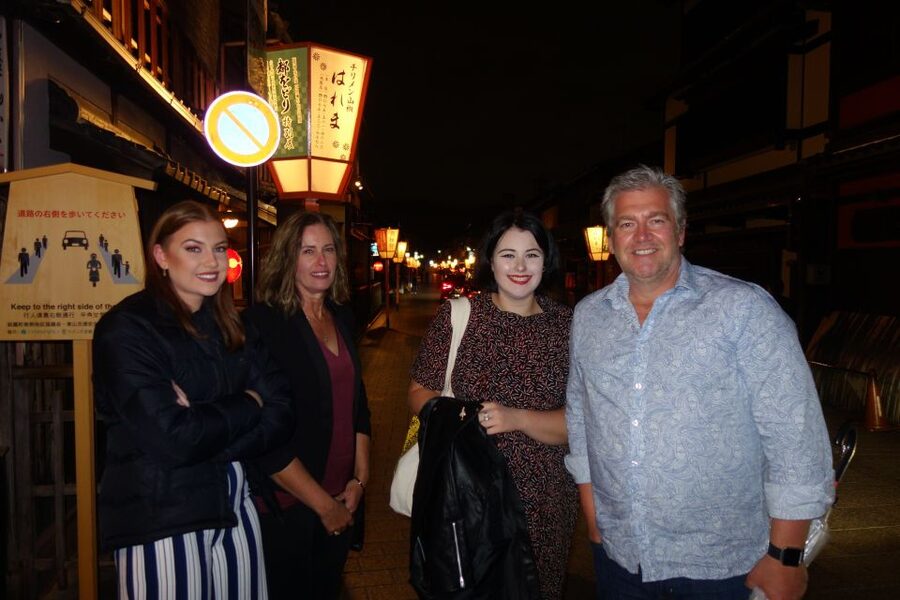
Next you head into Ninenzaka, walking through the narrow slope streets for about 20 minutes. This is one of those Kyoto places where the details are the story: old-street layout, foot traffic patterns, and the way buildings lean in close.
For you, this is valuable because it is where the tour starts to feel like more than landmarks. The guide’s job is to connect what you see to how the area functions, including how locals and visitors share space. This is also where the tour benefits from being at night. The same stones and street geometry look different when lanterns are on and the area feels calmer.
A quick reality check: if you expect a silent street with zero people, you might feel surprised at how alive central areas can still be. But the overall experience is described as quieter later at night, which is exactly what you want for photos and for hearing the guide explain what you are seeing.
A change of pace from Kyoto:
- PERFECT KYOTO 1-Day Bus Tour
★ 5.0 · 13,518 reviews - Kyoto: Fushimi Inari, Kinkakuji, Bamboo Grove 1 Day Bus Tour
★ 4.8 · 4,316 reviews - Kyoto: Tea Ceremony in a Traditional Tea House in Kiyomizu
★ 4.9 · 3,519 reviews - Kyoto: Tea Ceremony Ju-An at Jotokuji Temple
★ 4.9 · 3,207 reviews
Hōkan-ji photo stop: pagoda views with a calmer backdrop
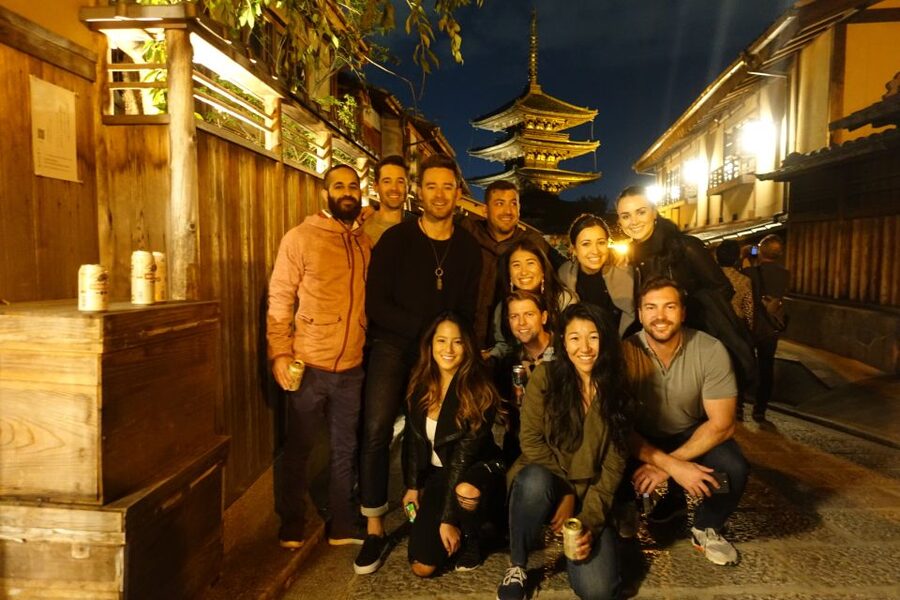
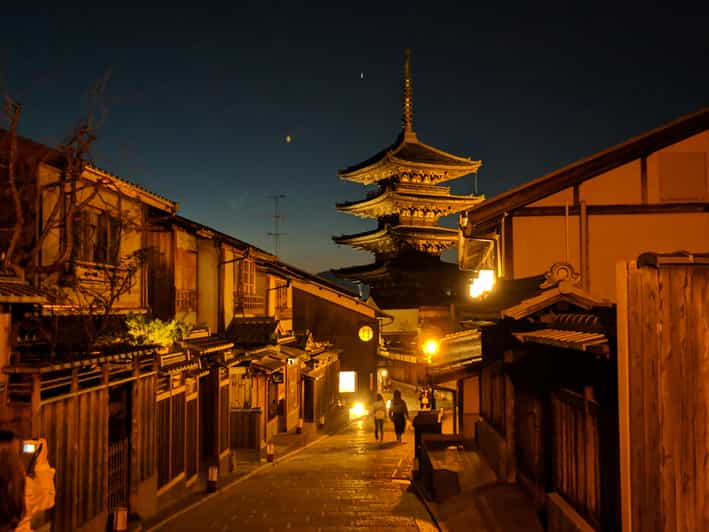
After Ninenzaka, you get a photo stop at Hōkan-ji Temple for about 20 minutes. This is the kind of moment that makes the timing matter. At night, temple lighting can transform key features, and you get a chance to capture that glow without being stuck in the busiest daytime chaos.
From the tour description, you are specifically in for a beautifully lit pagoda look, and the Hōkan-ji stop is the clearest anchor for that. Even if you do not care about the perfect photo, the point is to let you pause. Temple lighting changes how you see proportions and materials, especially in old Kyoto where wood, stone, and paper textures stand out under lights.
One small consideration: a photo stop means you will not get a long, slow walk through every corner. This section is timed for pictures and orientation. If you want extra time inside, you can ask your guide where to return later, but within the tour window the focus stays on key visuals and context.
Yasui Kompira-Gu shrine: short visit, specific local flavor
Then you visit Yasui Kompira-Gu Shrine for about 15 minutes. This stop is shorter by design, but it plays an important role: it shows how Kyoto’s spiritual side is not one-size-fits-all.
Shrines can feel similar until you learn what varies from place to place. Here, the guide helps you understand the local customs and the idea that people show up for different reasons. Even a brief visit is useful because it trains your eye to notice what is intentional, what is ceremonial, and what is part of ongoing local practice.
If you are the type who likes to know the rules before you enter a sacred space, this portion is worth it. Multiple guides in recent tours have been praised for pointing out how to avoid accidentally disrespecting anyone, which is exactly what you want when you are walking in close to shrine areas at night.
Gion at night: the geisha lesson, plus possible full-costume glimpses
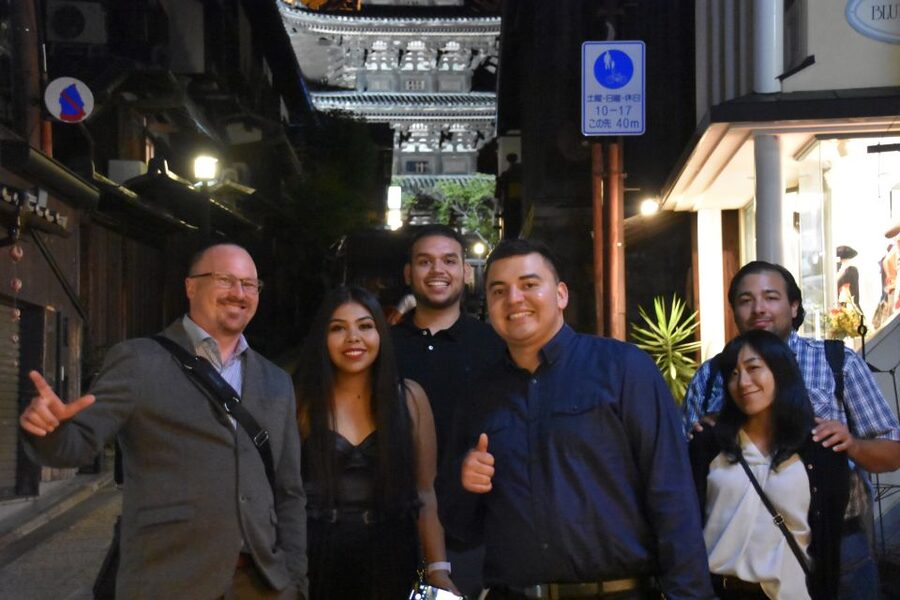
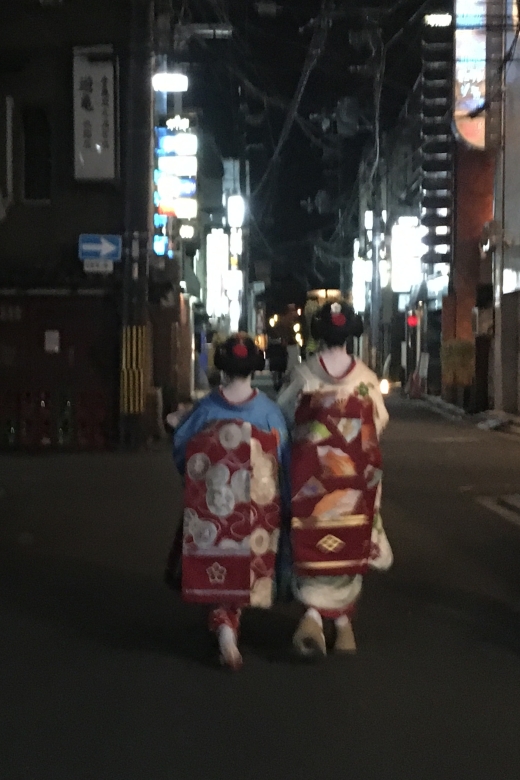
The big finish is Gion, with a guided segment of about 45 minutes. This is where the district’s atmosphere becomes the main attraction: lanterns, narrow lanes, and that sense of stepping into old Kyoto rather than just looking at it from the sidewalk.
Most importantly, you get a guided explanation of geisha customs and the apprenticeship world of maiko-san. This is not treated like a tabloid story. The tone in the experience is respectful and education-focused, with guides often emphasizing the seriousness behind training and the behavior expected toward people working in the district.
Now, the question you are probably asking: will you see geisha? The tour does not promise it, but it says you may catch a glimpse of women in full costume toward the end of the walk. People have reported seeing a handful of geisha, and some have described the moment as spellbinding and mysterious. Even when you do not see anyone in costume, the information you get about what you are observing still makes the district feel more meaningful.
Because you are finishing in Gion, you also get the best chance to translate the lesson into your next steps. The guide can point out what you should and should not do in terms of photographing and how to behave if you are close to someone in costume.
What the top guides do well (and why you should care)
This tour is only as good as the guide, and the strongest praise in the recent experience points to a few clear strengths.
First, guides like Karim and Kevin are repeatedly described as both informative and fun, with a relaxed style that keeps you engaged without overloading you with facts. Second, they are praised for how they handle sensitive topics, especially geisha culture, with respectful explanations rather than clickbait vibes. Third, the pacing stands out. People mention that the tour does not feel rushed, and that the guide answers questions comfortably.
Some guides also bring simple tools. For example, one guide named Ben is noted for using a tablet slide show to explain history and provide visuals. You should not assume that every guide will do this, but it does signal something important: when your guide is prepared with visuals, it becomes easier to understand what you are seeing on the street.
Safety shows up in the praise too. A few people mention guides keeping groups moving through busier parts of Gion safely, which matters because you are walking at night in a narrow district.
Getting drinks and a bite after: use the guide’s local instincts
Food and drinks are not included on the tour, but you do get tips and recommendations for where to grab something after. This is a smart add-on. Kyoto has plenty of options, but without local context you can end up near a place that looks good from the outside yet does not fit your tastes or timing.
Here is how you can use the guide’s advice best: ask one question before you leave. For example, ask what kind of vibe they would pick for a first-night drink, or what they recommend if you want something easy and not too far from where you started. Guides are often happy to suggest options that match your schedule and your appetite.
If you want to keep the night going, plan to use that recommendation immediately. Many good spots fill up, and you do not want to spend your post-tour energy hunting while you are still cold from the walk.
Price and value: $24 for context, not just scenery
At about $24 per person for a roughly 2-hour guided walk, the value is mainly in what you do not have to figure out alone.
You get:
- A guided route through multiple key spots (shrines, cobblestones, a temple photo moment, and Gion)
- Explanations of customs and culture, especially around geisha and maiko life
- Help staying oriented in an area where the streets can be confusing at night
If you were to do this on your own, you might be able to find the highlights and take photos. The difference here is the cultural framing. You also get practical night-walk context, like knowing how to behave near shrine areas and how to approach the district respectfully.
So yes, it is affordable for what you cover. But the bigger point is that it saves you from doing the research later. One night walk can make the rest of your Kyoto days easier because you start to recognize what matters and why.
Practical tips for a smoother night walk
This tour is easy to book, but you will enjoy it more if you prepare like it is a real night walk, not a daytime stroll.
- Bring layers. Cold weather comes up in the experience again and again, and it is not the tour’s fault. Just dress for it.
- Wear comfortable shoes. You are on slopes and cobblestones at night. Your feet will remember it.
- Stay close to the group in darker stretches. The walk includes some darker spots, and your comfort will improve if you keep a steady pace.
- If you are running late or having trouble finding your guide, plan to contact them. The guide’s phone number is shared with you, and you are instructed to call at least ten minutes before the tour begins if you cannot locate the meeting point. WhatsApp is recommended.
- Assume food is on you. Food and drinks are not included, so plan a snack or dinner around the tour time.
Should you book this Gion night walk?
Book it if you want a first-day Kyoto foundation, especially if you care about culture and respectful behavior, not just icons. It is also a great fit if you like walking tours that are small or private, and if you enjoy night atmosphere more than midday crowds.
Skip it if you are only looking for a quick photo loop and would rather move at your own speed with zero guidance. Also consider that night walks mean cold and some darker stretches, so if you dislike that kind of travel, you might prefer a daytime-focused plan.
If you do book, I would treat it like your Kyoto orientation session. After it, you will know how to roam with more confidence, ask better questions, and choose where to eat or drink next based on what your guide suggests in person.
FAQ
How long is the tour?
The tour lasts 2 hours.
What does the tour cost?
The price is $24 per person.
Where is the meeting point?
The meeting point may vary depending on the option booked. Listed starting options include Tsuruha Drug Yasaka Shrine Store, FamilyMart, and a Kyoto Gion meeting point.
What is included in the price?
You get a guided walk of the Gion and Higashiyama districts with a live tour guide.
Are food and drinks included?
No. Food and drinks are not included, but the guide provides tips and recommendations for places to grab a drink or bite after.
What languages are the tours offered in?
The live guide is available in English and French.
Will I see geisha or maiko on the tour?
The tour says you may catch a glimpse of women in full costume toward the end of the tour, as part of the geisha world discussion.
Which stops are part of the walk?
The tour includes Yasaka Shrine, Ninenzaka, a photo stop at Hōkan-ji Temple, a visit to Yasui Kompira-Gu Shrine, and a guided walk through Gion.
Can I book a private or small-group version?
Yes. Private or small groups are available.
What if I cancel or cannot find the guide?
There is free cancellation up to 24 hours in advance for a full refund. If you arrive late or are unable to find your guide, you will not be refunded. You are advised to call the guide at least ten minutes before the tour starts if you have trouble locating the meeting point, with WhatsApp recommended.
Latest write-ups near Kyoto
- Kyoto: Nishiki Market Tour with a Local Foodie & Tastings★ 4.5 · 67 reviews
- Kyoto Kimono Rental mimosa |Kimono/Yukata Rental Couple Plan★ 4.8 · 67 reviews
- Kyoto: Traditional Kimono Fabric Handicrafts Workshop★ 5.0 · 67 reviews
- Kyoto Tea Ceremony and Samurai Photo Session★ 5.0 · 70 reviews
- Kyoto: Replica food making experience★ 4.8 · 70 reviews
- Kyoto: Kinkakuji, Golden Pavilion Guided Tour★ 4.7 · 71 reviews
- Private departure transfer from Kyoto city to Kansai International airport★ 5.0 · 72 reviews
- Uji: Green Tea Tour with Byodoin and Koshoji Temple Visits★ 4.8 · 72 reviews
Geisha & Gion Tours, compared.
Kyoto Geisha Walking Tour: Gion District & Hidden Gems
Read our review →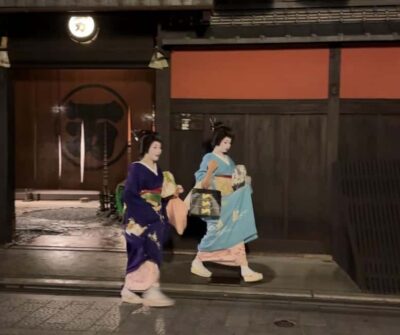
Gion Magical Night Walking Tour with Geisha Trivia
Read our review →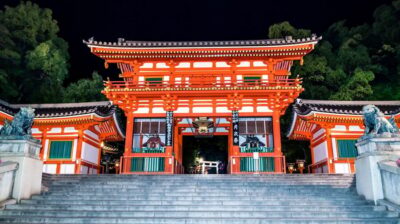
Gion Geisha District Walking Tour – Stories of Geisha
Read our review →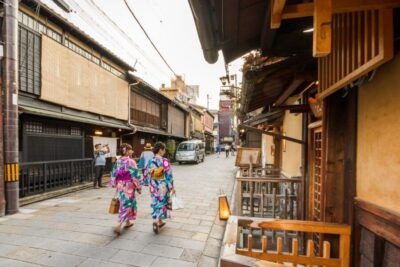

Kyoto Night Foodie Tour in Gion (9+ dishes + 6 Sake tastings)
Read our review →
Kyoto Gion Geisha District Walking Tour – The Stories of Geisha
Read our review →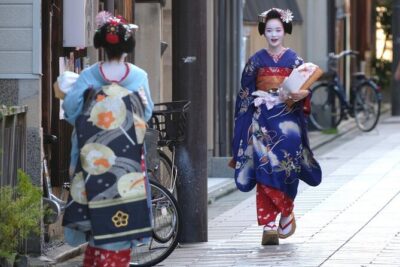
Kyoto Gion: 2-Hour Geisha Culture & History Walking Tour
Read our review →
Chopsticks Making Workshop in Gion with Engraving Option
Read our review →Browse the lists this tour appears in