
Reviewed · SUMO EXPERIENCES
Morning Sumo Practice Viewing in Tokyo
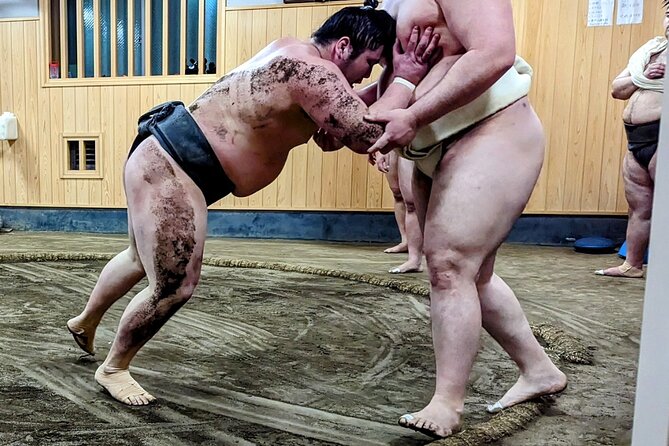
If you think sumo is only about big tournaments and TV drama, this is the way to see the sport as daily work. You’ll get access to a sumo stable that most people can’t manage on their own, watch practice up close, and learn what you’re seeing before the action starts. I like the hands-on viewpoint and the chance to spot how ritual and training work together, but the main drawback is you’ll be on a flat floor (no chairs), and conditions can be simple on-site.
My favorite part is how the tour blends culture and context with real movement, not just a quick peek. At the start, you’ll get a short briefing at Tokyo Skytree on how to watch sumo and the simple rules you need, then you’ll spend about two hours in the stable watching warmups and practice bouts. And yes, you get a lunch of chanko nabe afterward, which is exactly what your body wants after a very early morning.
Key Highlights Worth Waking Up For
- Stable access you can’t easily arrange alone, with time spent inside the training space
- Two-hour close viewing of wrestlers warming up and practicing bouts at floor level
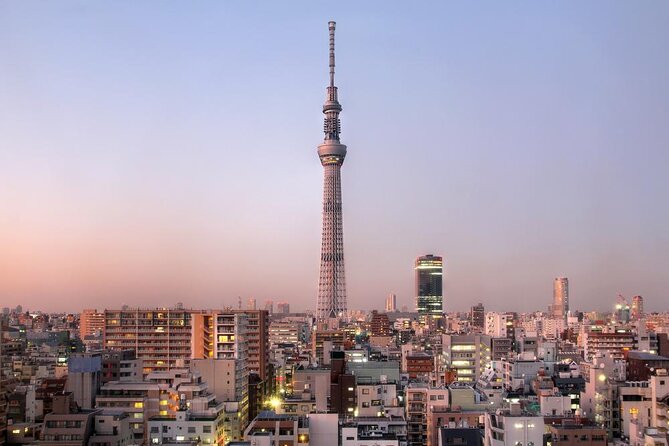
- Skytree briefing that helps you understand the basics before you sit down
- Donations included with your ticket, so your money directly supports the stable
- Possible photo session with wrestlers, depending on what’s happening that morning
- Small group size (max 10) for more personal attention from the guide
Why Morning Sumo Practice Feels Different Than a Match
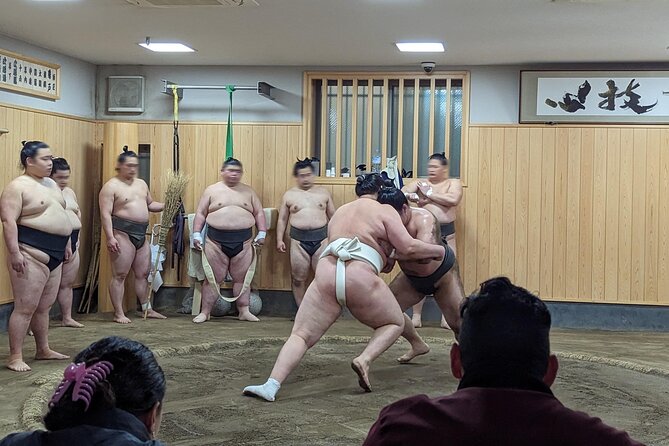
A sumo stable is not a theater. It’s where wrestlers train, follow routine, and keep traditions alive day after day. Seeing practice in the morning gives you a calmer, more human look at the sport. You watch the building blocks first, not the final event spotlight.
The format also makes it easier for you to enjoy it. Since you’re guided on what to look for and basic rules, you’re not just guessing. You’ll understand why certain movements matter, how the warmups connect to technique, and what role ritual plays. One guide named JOJI, for example, was praised for making sure everyone was ready with a short lecture before entering the stable.
Just remember, this is not a casual walk-through. You’ll sit on the floor for a long stretch, and practice is active and focused, not a slow demo.
More Sumo Experiences in Tokyo:
- Tokyo: Sumo Show Experience with Chicken Hot Pot and a Photo
★ 4.8 · 6,678 reviews - Tokyo: Sumo Show and Dining Experience
★ 4.8 · 2,742 reviews - the SUMO show
★ 5.0 · 1,960 reviews
Getting to the Tour Start: Tokyo Skytree at 7:30 am
This tour starts early, at 7:30 am, with the meeting point at Tokyo Skytree Station. Starting before crowds hit the area is part of why the experience works. You’re there when the stable routine is already rolling, not when everything is behind schedule.
The good news is you’re not wrestling with complicated logistics. The meeting spot is near public transportation, and the tour is designed around a simple morning flow. Also, your ticket is a mobile ticket, so you’ll scan and go.
One practical tip: dress for the morning temperature. Tokyo mornings can feel cool even in months when the afternoons are warm. You’ll appreciate having layers ready, especially since you’ll be sitting on the floor later.
Skytree Stop: Rules Before You Watch (So You Actually Follow the Action)
Tokyo Skytree is the first stop, and it’s more than a photo stop. About 30 minutes in, your guide briefs you on how to watch sumo, including simple rules so you can recognize what’s going on. That briefing matters, because in the stable you don’t have the usual tournament commentary or big screens. Your eyes need a little help.
Skytree’s scale is its own wow factor. You’ll see the tower up close, and it’s hard not to feel impressed by the sheer size. It also gives you a geographic anchor. You’re starting your morning with something modern and big, then shifting to a world that is built on older rhythms.
The stop is listed with admission ticket free, which is a nice value add. It means the day’s flow doesn’t require extra add-ons on your end. If you like understanding context before you watch a live thing, you’ll appreciate this setup.
Inside the Stable: Sitting on Floor Level at Naruto-beya
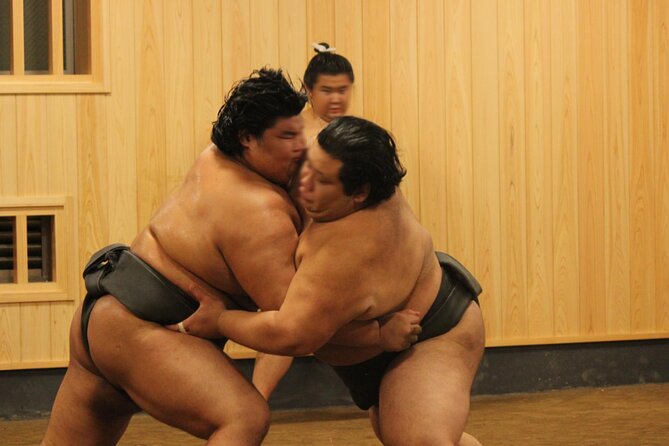
The heart of the experience is the visit to the sumo stable to watch morning practice. The tour ends at Naruto-beya Sumo Stable, and you’ll spend around two hours seated inside the stable watching wrestlers train.
Here’s the key detail you need to plan around: all participants sit on a cushion on a flat floor. There are no chairs. That’s the tradeoff for being so close you can see body mechanics clearly. If you have knee or hip issues, this is the part to take seriously. Bring a practical mindset, and consider asking your guide what to do for comfort on the day.
You’ll also see the sport’s traditional side, including the Shinto roots that connect sumo to ritual and spirituality. The point isn’t to turn you into a scholar. It’s to help you see that the movements and routines are part training, part ceremony.
Photo expectations are realistic but not guaranteed. The tour notes that there is most probably a photo opportunity session with wrestlers. Some mornings it may happen, some mornings it may not, depending on how practice and scheduling go. Either way, you’ll get plenty of close-up viewing during practice itself.
One more practical note from experience style reporting: one review specifically warned that there may be no toilets. The listing doesn’t guarantee facilities, so treat this as a heads-up. If you’re sensitive to these details, plan to use facilities before you arrive.
A change of pace from Tokyo:
- Mt Fuji and Hakone 1-Day Bus Tour Return by Bullet Train
★ 5.0 · 26,383 reviews - 1-Day Tokyo Bus Tour
★ 5.0 · 14,250 reviews - Tokyo: TOKYO SKYTREE® Admission ticket
★ 4.5 · 11,192 reviews - Tokyo: teamLab Planets TOKYO Digital Art Museum Entry Ticket
★ 4.6 · 9,779 reviews
What the Donation Means for the Stable
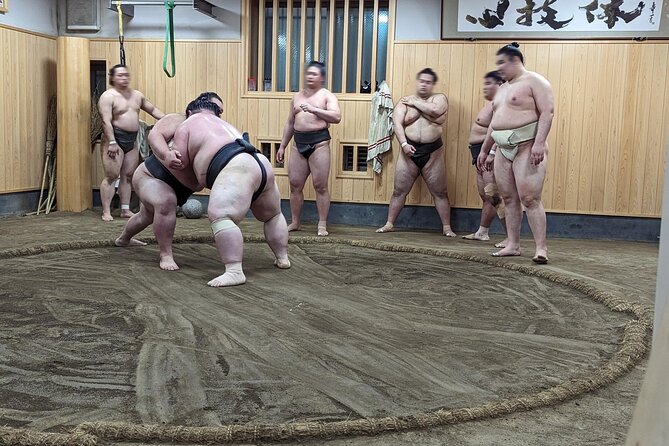
Your ticket includes donations to the stable. That’s not just a feel-good line. It matters because stable life costs money: training upkeep, space needs, and daily operations. Without outside support, you can’t expect public access to be easy or consistent.
This is also why the stable visit feels respectful. You’re not treating it like a tourist show. You’re part of the morning routine, guided on how to watch and what to expect. Guides are there to keep things smooth and appropriate.
In other words, you’re paying for more than seats. You’re paying for access, context, and the chance to witness training in a setting that typically stays closed.
Lunch After Practice: Chanko Nabe Fuels the Morning
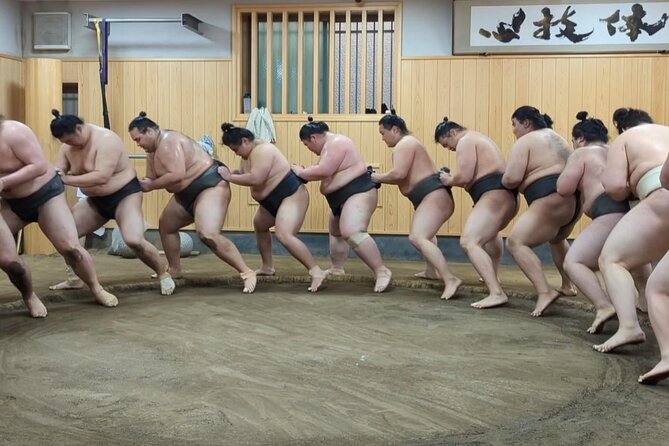
After practice, you’ll refuel with a lunch of chanko nabe, the traditional meal associated with sumo wrestlers. This is one of those “simple but smart” inclusions. You’re up early, you’re sitting a long time, and you’ve watched intense work. A hearty bowl makes sense.
Chanko nabe is a comfort-food style meal. It’s also a cultural detail that helps the morning feel complete rather than stop abruptly once practice ends. If you’re the type who likes your Tokyo days to connect, this addition lands well.
I also like that the pacing stays reasonable. The tour runs about three hours total, so lunch fits neatly without dragging your whole day into a late morning.
Guide Energy and Personalized Attention, From Dawn to Jeff to Aki
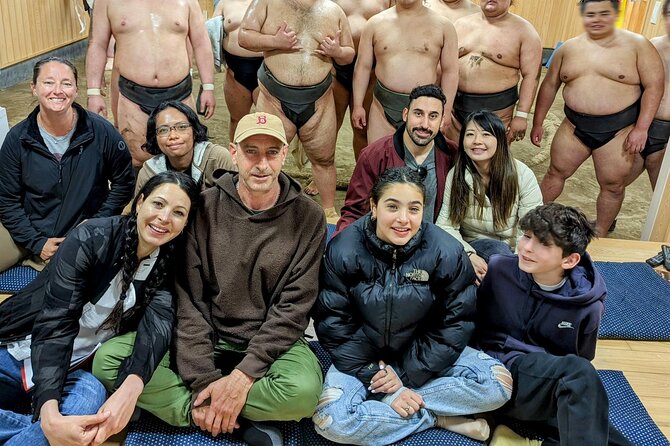
This is a small-group experience with a maximum of 10 travelers, and that size shows. You’re not lost in a crowd of strangers. You can hear instructions, and the guide can help you get comfortable with the rules and viewing expectations.
Several guides have led this experience, and names came up clearly in feedback: Dawn, Jeff, and Aki. People praised how they handled the pre-stable briefing and how they kept everyone comfortable. One review highlighted written handouts and profiles of wrestlers in training, which is a big help if you want to understand what you’re seeing without constantly asking questions.
In plain terms, a good guide turns the stable from a cool sight into an experience you can actually follow. The best part isn’t only facts. It’s timing. When you know where to look and what to expect, the training seems more structured and meaningful.
Practical Tips: What to Wear, How to Sit, and When Weather Matters
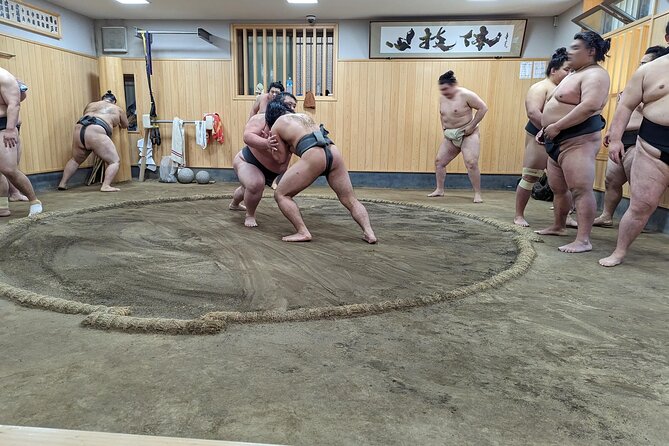
Plan your morning like you’re going to an event where comfort matters, even if it is not fancy. Here’s what you should think about:
- Wear layers. You may be out early, then sitting indoors or semi-indoor for a while.
- Bring a warm layer for your lower body, if you tend to get cold sitting on the floor.
- Expect a long floor sit. No chairs means your legs will notice after a while.
- Toilets might be limited or unavailable. At least one review mentioned no toilets, so handle this like a possibility, not a surprise.
- Bring a polite, quiet mindset. This is a training space, not a backstage tour bus.
Also, the experience requires good weather. If it’s canceled due to poor weather, you’re offered a different date or a full refund. That’s worth knowing because early-morning tours are harder to reschedule on the fly.
Price and Value: Is $99.08 Worth It?
At $99.08 per person, this tour isn’t the cheapest morning activity in Tokyo. But it also isn’t priced like a generic city walk.
You’re paying for several things that are hard to DIY:
- Stable access (the main value driver)
- Donations included, which adds real support for the wrestlers’ home base
- Time inside the training space for about two hours
- A guide briefing that teaches you how to watch and understand what you’re seeing
- Small group size, which usually means less waiting and more attention
- Lunch of chanko nabe after practice
- A first stop at Tokyo Skytree with a briefing and admission listed as free
If you compare it to buying a random ticket and trying to find stable access yourself, this is where the money goes: access and context. If you care about sports culture and you like to understand the rules before watching live action, it becomes a strong value. If you’re only chasing a casual photo without any patience for rules or floor sitting, it may feel pricey.
Who Should Book This Morning Sumo Training Visit?
I think this tour fits best if you:
- Like sports culture and want to see how training actually works
- Care about Japanese tradition beyond temples and signage
- Want a morning activity that feels different from the usual Tokyo routine
- Don’t mind early starts and floor-level seating
- Travel with kids who can handle the sit time, since the views can be excellent when you’re close
It’s also a good choice if you want a guided experience rather than guessing what sumo practice means. People specifically praised how guides explained rules and made sure the group was prepared. That kind of structure helps a lot.
If you hate sitting on the floor or have limited mobility, be cautious. The no-chair setup is central to the closeness, but it’s not a small detail.
Should You Book Morning Sumo Practice Viewing in Tokyo?
If you can handle a 7:30 am start and you’re comfortable with floor seating, I’d book it. The stable access, the close-up practice viewing, and the chance to learn the basics before you watch are the big wins. Add in chanko nabe lunch and the small-group feel, and this becomes one of the more memorable Tokyo mornings you can plan.
I’d skip it only if your priorities are convenience above all, or if the floor-sit requirement would be a deal breaker. Otherwise, this is a rare Tokyo experience that feels like you’re seeing sumo as a daily discipline, not a one-off show.
FAQ
What time does the tour start?
The tour starts at 7:30 am.
How long is the experience?
It runs for about 3 hours in total.
Where do I meet, and where does the tour end?
You meet at Tokyo Skytree Station and the tour ends at Naruto-beya Sumo Stable.
Is there a lunch included?
Yes, you’ll have lunch of chanko nabe after the practice session.
Do I need to sit on the floor?
Yes. You must sit on a cushion on a flat floor, and there are no chairs available.
What if the tour is canceled due to bad weather or I cancel?
The experience requires good weather. If it is canceled due to poor weather, you’ll be offered a different date or a full refund. You can cancel up to 24 hours in advance for a full refund.
Latest write-ups near Tokyo
- Tokyo Nights: Shibuya Photo Adventure★ 5.0 · 20 reviews
- Wagyu & Sake 8 Course Tasting Dinner in Shinjuku★ 4.9 · 20 reviews
- Making Japanese desserts Nerikiri & drinking matcha in Tokyo★ 5.0 · 20 reviews
- Japanese Whisky Hunting《HIGH-QUALITY-ONLY》Rare Tasting Class★ 5.0 · 20 reviews
- Mt. Fuji 5th Station, Owakudani Ropeway, Pirate Ship plus Outlet shopping!★ 4.5 · 20 reviews
- Kintsugi Experience with Arita Ware in Tokyo (English Guide)★ 4.8 · 20 reviews
- This is Asakusa! A Tour Includes the All Must-Sees!★ 5.0 · 20 reviews
- Tokyo: Karate Experience with Former All-Japan Champion★ 5.0 · 20 reviews
Sumo Experiences, compared.
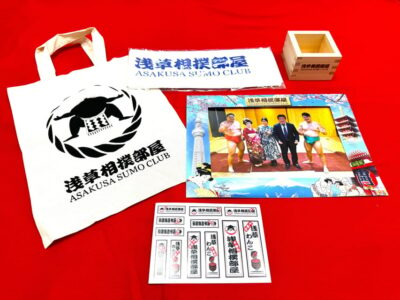
Sumo Show Experience with Chicken Hot Pot and a Photo
Read our review →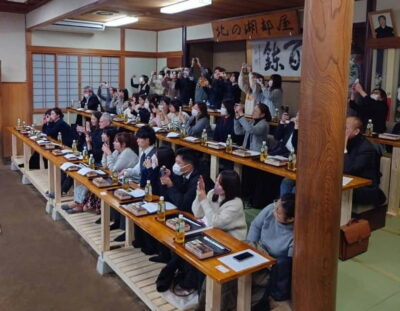
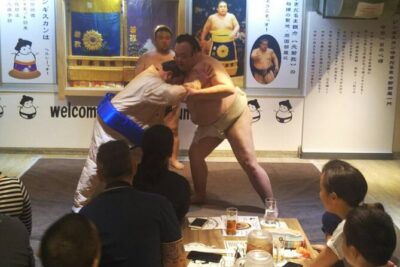
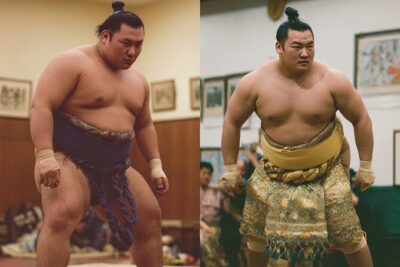
Tokyo Shinjuku Sumo Show & Experience with Photo
Read our review →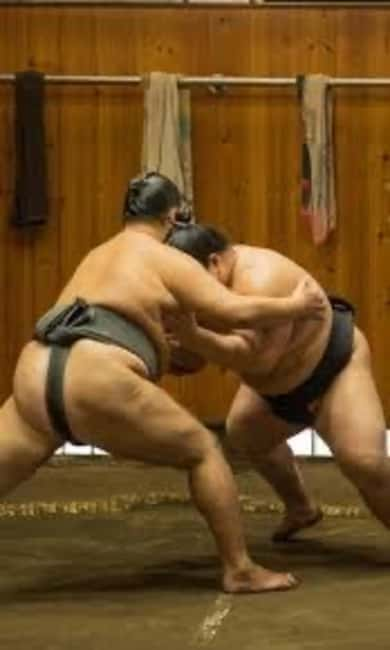
Sumo Show & Experience w/ Optional Kimono & Hot Pot
Read our review →
Authentic Sumo Experience in Tokyo: Enter the Sanctuary
Read our review →Browse the lists this tour appears in