
Reviewed · TEMPLE & SHRINE TOURS
Mt. Fuji Heritage Tour: Traditional Villages, Lakes & Shrine
Mt. Fuji Heritage Tour is interesting because it strings together the big visual hits in one day: old village photo spots, Lake Kawaguchi seasonal color, and the shrine views that most people only see in postcards. You’ll get a clear route around the Fuji area, with the timing built around where you can realistically catch the mountain.
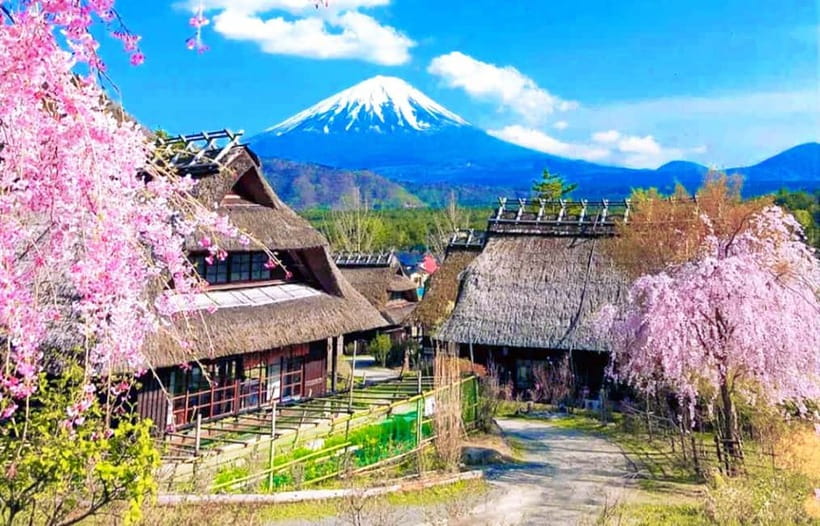
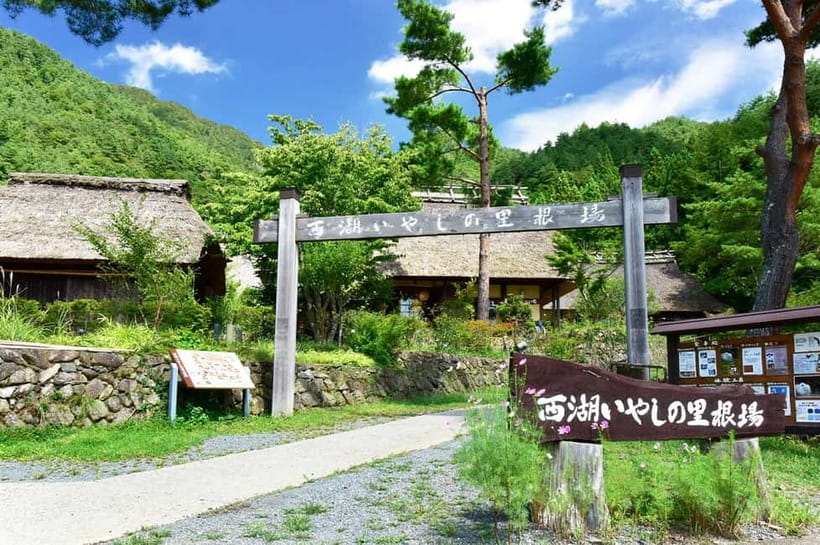
I love how the day is built around Fuji photo stops that actually give you options, not just one quick glance. I also like the mix of traditional village atmosphere at Saiko Iyashi no Sato Nenba, where the thatched houses and snack-time vibe make the morning feel more local.
The main drawback is simple: Mt. Fuji weather rules the day. Cloud cover can soften or erase the view, and lunch is not included, so you’ll want a plan before you go.
Key things to know before you join
- Multiple iconic Fuji viewpoints in one day, so you’re not depending on a single perfect moment
- Saiko Iyashi no Sato Nenba for thatched-roof village photos plus quick snack options
- Seasonal planning at Lake Kawaguchi, with lavender-style color in summer and peak autumn framing in late Oct through mid-Nov
- Arakurayama Sengen Park and Chureito Pagoda for the world-famous Fuji-with-pagoda perspective
- Oshino Hakkai ponds for calm reflections and locally sold treats like wasabi ice cream
- Strong guide energy, with repeat praise for organization and clear on-the-ground instructions
A Fuji Day Trip That Hits the Must-See Stops Without Feeling Chaotic
This tour makes sense if you want an efficient day around Honshu’s Mt. Fuji area, starting from Tokyo and ending back in the city. The schedule is built around classic spots, but the pacing is what helps it feel manageable, not rushed.
I also like that the tour is run as a shared group with a live guide who explains things in English, Japanese, and Traditional Chinese. In practice, that matters because you’re moving through different locations fast, and you need simple, clear timing instructions to enjoy each stop.
One more reason this works: the tour covers both the “big view” side of Fuji tourism and the calmer cultural stops. You get a shrine and pagoda photo mission, then you slow down with Oshino Hakkai’s ponds where the vibe shifts from crowd-energy to quiet water reflections.
Getting From Tokyo to Lake Kawaguchi: Where the Day Starts to Pay Off
The day begins with pickup from two designated meeting options in Tokyo. One listed start point is Tokyo MODE學園, 1-chōme-5-1 Marunouchi, and drop-off returns to the same Tokyo area meeting point.
Expect a long travel chunk in the mix, since the bus/coach drive is about 2.5 hours each way. That sounds like a lot, but it also means you’re not spending precious daylight figuring out trains, buses, and transfers on your own.
A few practical tips help from the first minute:
- Arrive 15 minutes early so you don’t lose your place.
- Bring water and comfortable shoes, because you’re doing multiple short walks and climbing steps at the shrine area.
- Plan for possible traffic delays on weekends and holidays. The return time may shift, and your day can run with shortened or adjusted attraction time.
Even when the weather is mixed, the bus ride and guide commentary can keep the day from feeling like waiting around. Several guide-led experiences noted that the group stayed organized and moved on time, which is exactly what you want on a Fuji day.
More Historical Tours in Tokyo
- Tokyo: Imperial Palace and Shogun Historical Walking Tour
★ 5.0 · 2,251 reviews - Tokyo: Imperial Palace Japanese History Walking Tour
★ 4.9 · 987 reviews - Tokyo: Shinjuku Historical Walking Tour & Secret Backstreets
★ 5.0 · 530 reviews
Saiko Iyashi no Sato Nenba: Thatched Houses, Fuji Photos, and a Fun Little Twist
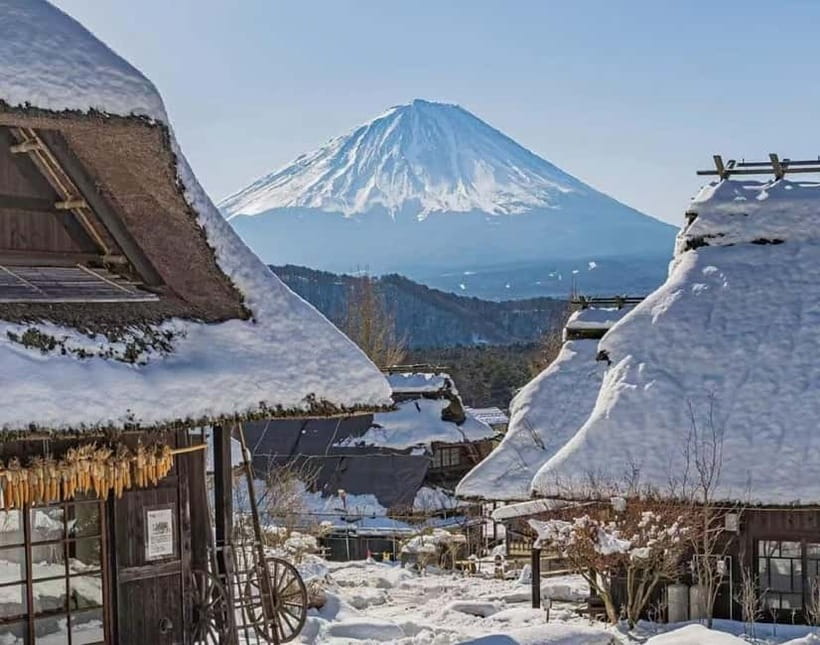
Your first major stop is Saiko Iyashi-no-Sato Nenba, a traditional village built around thatched-roof houses. This is the part of the day where the mountain view often feels most “storybook,” because the village layout gives you a classic Fuji backdrop angle.
The tour includes guided sightseeing and a photo stop here for about 1 hour, plus the admission is covered. There are also Japanese street snacks available right near the entrance, which is handy if you’re hungry before the Lake Kawaguchi portion starts.
One small extra that can make your photos more playful: you can rent a ninja costume for an additional cost. It’s not for everyone, but if you want a silly, memorable picture that still fits the traditional setting, it can be worth it.
What to watch for: village hours and timing can affect how long you spend roaming for the best thatched-house angles. If Mt. Fuji is clear, you’ll want to use your time efficiently, since the light and visibility can change throughout the day.
Oishi Park and the Maple Corridor: Your Best Bet for Seasonal Color and Fuji Framing
Next you head toward Lake Kawaguchi, and the tour focuses on two seasonal-style stops: Oishi Park and the Maple Corridor. This is where the day becomes visually dramatic, because you’re not only trying to see Mt. Fuji, you’re trying to catch it framed by seasonal plant life.
Oishi Park is timed for different seasons:
- In summer, the fields can feature lavender-like color.
- In autumn, the red broom grass can paint the area in warm tones.
The stop at Oishi Park is about 40 minutes, with a photo stop plus sightseeing time.
Then comes the Maple Corridor, also around Lake Kawaguchi. This is the standout autumn plan:
- Peak autumn foliage is from Oct 26 to Nov 20.
- During that peak window, the tour prioritizes the Maple Corridor and note is given that it doesn’t go to Oishi Park in that period.
If your travel dates fall inside Oct 26 to Nov 20, plan your expectations around the Maple Corridor framing. The goal is the classic Fuji angle with fiery fall foliage in front, which is what most people hope for when they picture late-season Fuji.
If the weather is cloudy, seasonal color still makes the stop worthwhile. Even without a sharp Fuji peak, you get the visual payoff of seasonal plant shapes and color.
Arakurayama Sengen Park and Chureito Pagoda: The Famous Fuji-Through-Pagoda Shot
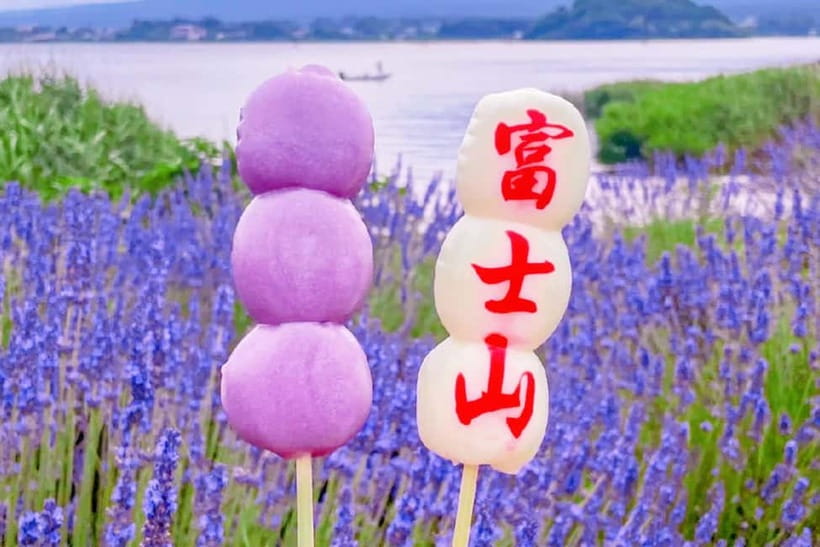
Arakurayama Sengen Park is a core photo target because it’s famous for the view where the five-story pagoda lines up with Mt. Fuji in the background. The tour gives you time at the park area and then splits time across the shrine and the pagoda viewpoints.
You’ll spend about 40 minutes at Arakurayama Sengen Park, then additional time for Arakura Sengen Shrine (about 15 minutes) and the Chureito Pagoda photo spot (about 15 minutes). There’s also a “climb up the steps” element tied to reaching your best angles.
What makes this stop feel different from the lake viewpoints is the sense of place. You’re moving through a religious site on a hillside, and that changes the energy from “photo field” to “photo quest.”
A very practical tip from real experiences: if you want a goshuin (shrine seal or book), give them your book before you climb the stairs. One person shared that the wait can be around 20 minutes, and if you’re trying to keep your schedule moving, that timing matters.
Also, bring patience here. This is one of the most popular Fuji-photo spots, so the group can feel more concentrated when everyone is trying to line up for the same view.
More Temple & Shrine Tours in Tokyo
- Tokyo: Meiji Shrine, Asakusa, Skytree Bus Tour and Cruise
★ 4.7 · 1,986 reviews - Tokyo: Asakusa Walking Tour with Sensoji Temple Visit
★ 4.8 · 1,583 reviews - Nikko: Kegon Falls, Lake Chuzenji & Toshogu Temple
★ 4.6 · 1,577 reviews - Tokyo: Nikko Toshogu Shrine and Kegon Waterfall Tour
★ 4.5 · 1,266 reviews
The Restaurant Break: A Timing Buffer When Lunch Is on You
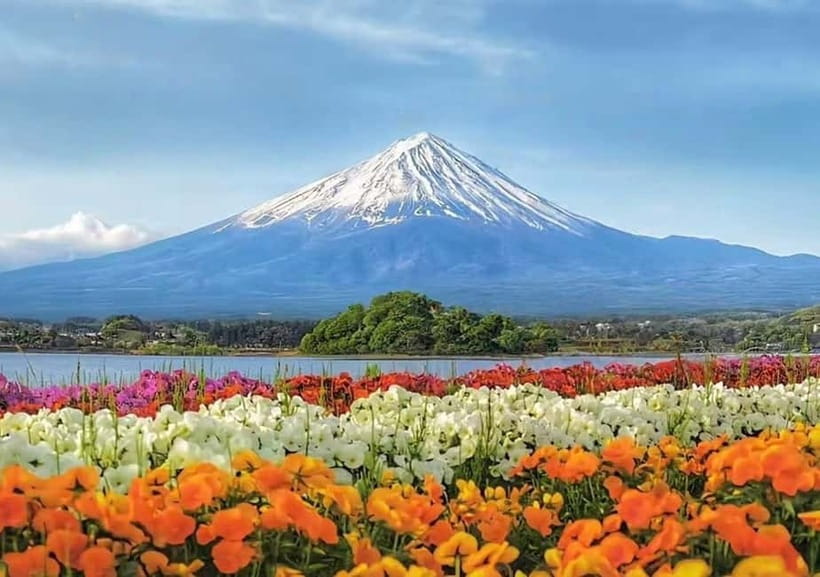
Lunch is not included, so the day provides a 40-minute break time at a local restaurant option. This matters because it’s your chance to refuel without guessing where to go while you’re on a tight schedule.
This is also a good moment to set yourself up for the final stop. Oshino Hakkai is a longer visit, about 70 minutes, and you’ll want energy for slower walking around the ponds and time to enjoy reflections.
A couple people noted that they ordered lunch in advance or had arrangements set up by the guide. That can reduce stress, but you should still treat lunch as your responsibility to choose and pay for.
If you’re sensitive to crowds, using this break wisely helps. You’re not stuck waiting forever, and you’re not rushing through your meal while the bus countdown is going off.
Oshino Hakkai: Quiet Ponds, Fuji Snowmelt, and Local Treats
Oshino Hakkai is the calm finale. You’re visiting eight crystal-clear spring ponds fed by Mt. Fuji’s melted snow, and the point here is the serenity. This is the stop where the day slows down and you can actually look, not just shoot photos.
You get about 70 minutes here, which is generous compared with many “checklist-style” day tours. That extra time matters because you’re likely to want a few minutes at different pond angles, plus time to wander.
This is also where local snacks show up in a more “Fuji local flavor” way. The tour information notes you can try things like fresh rice crackers and wasabi ice cream nearby. Even if you’re not a snack person, this is an easy low-effort way to end the day on something memorable.
If the mountain view isn’t sharp at other stops, Oshino Hakkai can still deliver. The ponds themselves are the star, with reflections that tend to look good even when the sky is moody.
The Guide Matters: Clear Instructions, Smooth Timing, and Friendly Energy
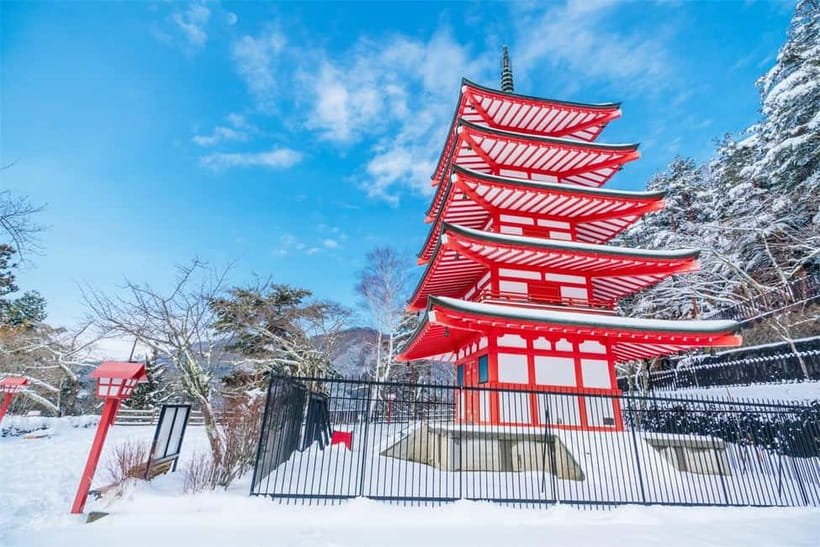
If you want the biggest value from a shared group tour, you need a guide who keeps everyone moving and helps you avoid small confusion. This tour has a strong track record for exactly that.
Across experiences, guides like Kazi, Sia, Wanting, Alex, and Rachel came up repeatedly. People praised guides for being friendly, informative, patient, and organized, and for giving clear instructions on where to go and when to return to the bus.
A detail I really like is how guides help with the “photo logistics” part. Several experiences mentioned that the guide pointed out good photo spots and helped people find the right timing and location, which can be the difference between getting a postcard shot and missing your moment.
The bus driver quality also shows up in the reviews, with praise for smooth driving and keeping the schedule on track. One person even shared that the driver stepped in to help when a member had trouble locating the bus station after the split at the end of the day.
There’s also a small human touch beyond sightseeing. Some guides include teaching basic Japanese words, and at least one experience mentioned a small fortune charm gifted at the end. Those aren’t reasons to book by themselves, but they do make the day feel cared for.
Price and Value: Why $50 Can Make Sense for a One-Day Fuji Hit
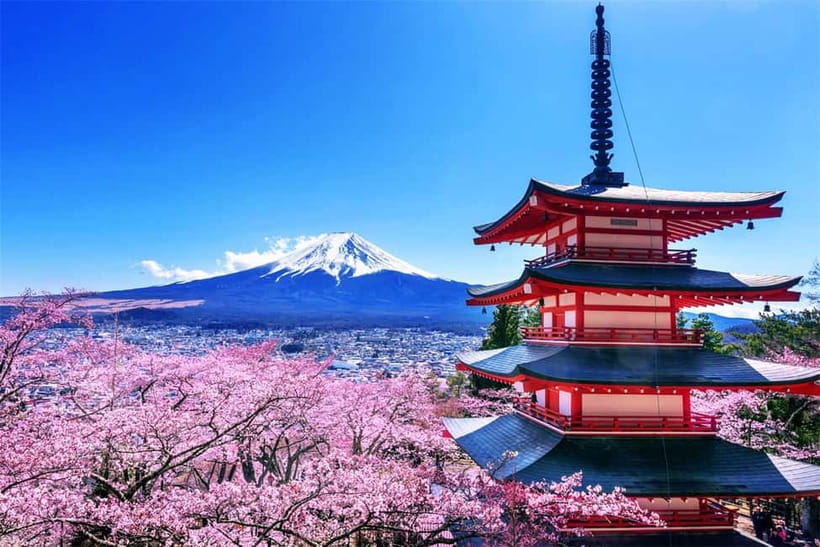
At $50 per person for a 10-hour day, the value comes from what you’re not paying for separately. You get admission to Saiko Iyashi no Sato Nenba, a live guide, a driver, parking fee coverage, and Tokyo pickup and drop-off from two meeting options.
The other value point is time. If you tried to stitch these locations together independently, you’d spend a lot of time on transit planning, especially around Lake Kawaguchi and the hillside shrine area. This tour replaces that mental work with a set route.
Now, be honest about the trade-offs:
- Lunch is on you.
- Your schedule is set, and you won’t have “slow travel” time at every site.
- Mt. Fuji visibility can be out of your control.
Still, if you’re a first-timer who wants the core icons plus one calmer stop (Oshino Hakkai), this price often feels fair. You’re paying for guided movement and for getting to the right places without a lot of headache.
Timing, Weather, and Money Tips That Actually Help on the Ground
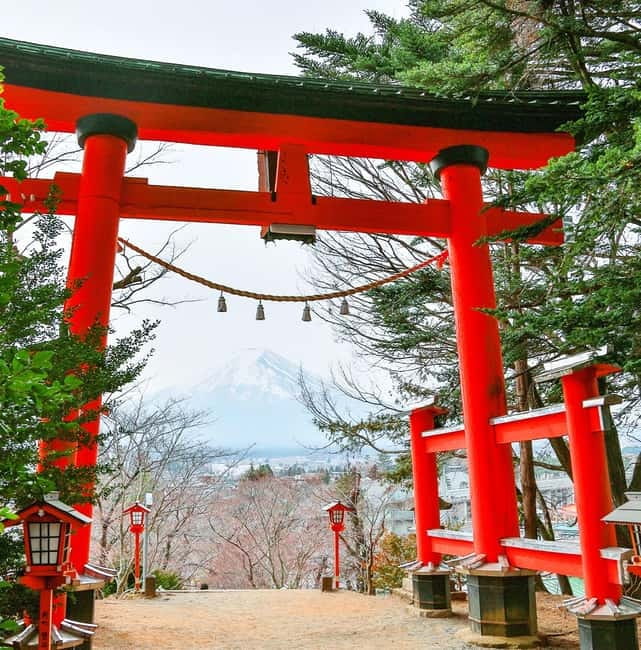
Fuji is weather-dependent, so your best move is to check forecasts before you go. The tour info directly notes weather may prevent a clear view of Mt. Fuji, so plan for partial views, not guaranteed peak clarity.
Money is another practical area:
- Bring cash, because credit cards may not be accepted at certain locations.
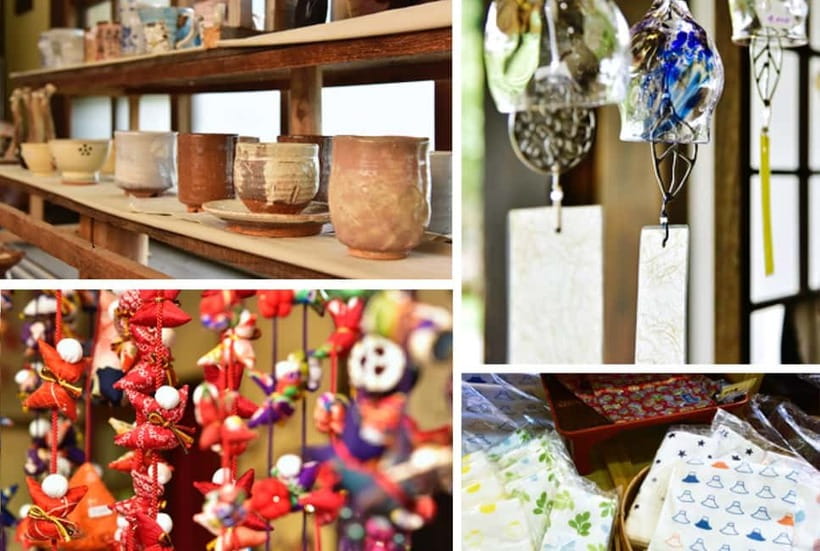
- Souvenir shops exist at each attraction, but they operate independently. That’s normal in Japan, and it means your spending is your choice, not something the guide controls.
Comfort also matters:
- Wear shoes that handle walking on uneven ground and steps.
- Carry water.
- Arrive early to avoid stress when you’re joining a group.
Finally, remember it’s shared group touring. That can feel perfect when the guide is organized, and it can feel limiting if you want long “me time” at every stop. The good news is that the schedule includes enough stop time to enjoy each place, especially with the longer Oshino Hakkai segment.
Who This Tour Is Best For, and Who Might Skip
This is a strong fit if you:
- Want a first-timer-friendly Fuji day with the main postcard locations
- Like guided structure, clear instructions, and photo help
- Are okay with lunch not being included, because you’re choosing your own meal plan
It can also work well for families. One family experience included kids and emphasized that the guide was patient and the day still ran smoothly.
You might consider skipping if you:
- Need wheelchair-friendly access, since the tour is listed as not suitable for wheelchair users
- Want a slow pace with deep time at fewer locations, because this is designed to cover many sites in a single day
- Can’t handle schedule pressure, since weekend and holiday traffic can affect timing and return arrival
Should You Book the Mt. Fuji Heritage Tour?
Book this tour if you want an efficient, organized way to hit Fuji photo spots plus a calm, water-based finale at Oshino Hakkai. The best reason to choose it is practical: you get a full-day route with a guide focused on keeping the group together and finding the best viewing windows.
Skip it only if you’re traveling with accessibility needs that won’t work for the listed constraints, or if you’d rather spend multiple days in the Fuji region rather than compressing everything into a 10-hour loop.
If you do book, go in with one mindset: Mt. Fuji can hide, but the village, seasonal fields, shrines, and ponds still give you a real day worth having.
FAQ
Is lunch included on this tour?
No. Lunch is not included. You can bring your own food, buy lunch at the attractions, or choose to eat at a restaurant suggested during the tour’s break time.
How long is the Mt. Fuji Heritage Tour?
The duration is listed as 10 hours.
What does the tour price include?
It includes admission to Saiko Iyashi no Sato Nenba, a tour guide, the driver, pickup and drop-off at two designated meeting points, and a parking fee. Personal expenses are not included.
What languages are available for the live tour guide?
The tour offers live guiding in English, Japanese, and Traditional Chinese.
What should I bring?
You should bring comfortable shoes, water, and cash.
Is the tour suitable for wheelchair users?
No. The tour is listed as not suitable for wheelchair users.
More ways to see Mt Fuji
- Mt Fuji and Hakone 1-Day Bus Tour Return by Bullet Train
★ 5.0 · 26,383 reviews - Mt Fuji & Hakone Cruise, Drum Show Bullet Train 1 Day from Tokyo
★ 4.0 · 7,413 reviews - Tokyo Mt Fuji 5th St & Hakone Cruise Bus Tour w/Bullet Train
★ 4.4 · 5,024 reviews - From Tokyo: Mount Fuji Full-Day Sightseeing Trip
★ 4.5 · 4,970 reviews
Latest write-ups near Tokyo
- Tokyo Customized Private Tour: See Top Attractions in 1 Day★ 4.8 · 67 reviews
- From Tokyo: Top 5 Scenic Spots of Mount Fuji Full-Day Tour★ 4.5 · 67 reviews
- Tokyo: Shinjuku Izakaya and Golden Gai Bar Hopping Tour (2h)★ 4.9 · 67 reviews
- Traditional Japanese Music ZAKURO SHOW in Tokyo★ 5.0 · 67 reviews
- Tsukiji: Unlimited Sake Tasting Experience★ 4.9 · 67 reviews
- Tokyo: Not a show- a professional sumo practice with experts★ 4.9 · 67 reviews
- Samurai Ninja Museum Asakusa: Kid-Friendly Ninja Training★ 4.7 · 67 reviews
- Private Harajuku Omotesando Architecture Walking Tour★ 5.0 · 67 reviews
Temple & Shrine Tours, compared.
Fushimi Inari, Kinkakuji, Bamboo Grove 1 Day Bus Tour
Read our review →
Meiji Shrine, Asakusa, Skytree Bus Tour and Cruise
Read our review →
Osaka/Kyoto:Kinkakuji,Arashiyama,FushimiInariShrine,NaraPark
Read our review →
Asakusa Walking Tour with Sensoji Temple Visit
Read our review →
Nikko: Kegon Falls, Lake Chuzenji & Toshogu Temple
Read our review →
Kamakura & Enoshima Day Trip including Temple Tickets
Read our review →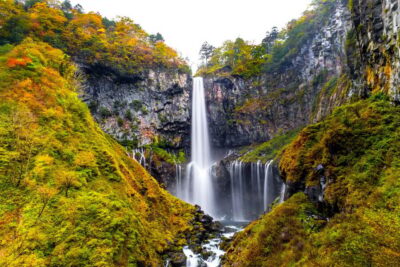
Nikko Toshogu Shrine and Kegon Waterfall Tour
Read our review →Browse the lists this tour appears in