
Reviewed · TEA CEREMONIES
Nara:Authentic Tea Ceremony(Max 5 ppl) -Master Matcha Making
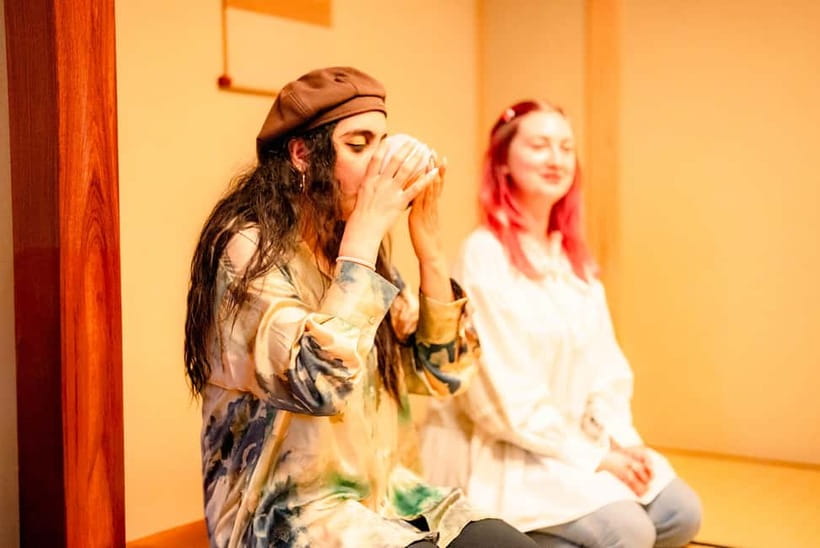
If you want a Japan moment that feels quiet, small, and real, this Nara tea ceremony hits the sweet spot. It takes place in a traditional 120-year-old farmhouse setting, and you’re not just watching. You’re learning the basics and then whisking matcha while a tea master coaches your hands and pace.
What I like most is the combo of calm atmosphere plus hands-on teaching. You also get to taste and compare Nara single-origin matcha, so you can figure out what style you actually enjoy, not what someone else prefers. One thing to consider: it’s only one hour, so if you want a long, slow ritual with multiple courses, you may feel a little rushed at the end.
Key Highlights at a Glance
- 120-year-old farmhouse setting that makes the whole ceremony feel grounded and peaceful
- One-on-one coaching (even in a tiny group) so your whisking improves during the session
- Matcha tasting and comparison focused on single-origin matcha from Nara, so you learn your own preference
- Tea ceremony etiquette and tools explained in a clear, practical way before you start whisking
- Seasonal wagashi paired with your matcha for a true flavor contrast, not just a snack
- Local restaurant and matcha buying tips shared right after, including sake-spot suggestions in some sessions
A 120-Year-Old Nara Farmhouse, and Why the Setting Matters
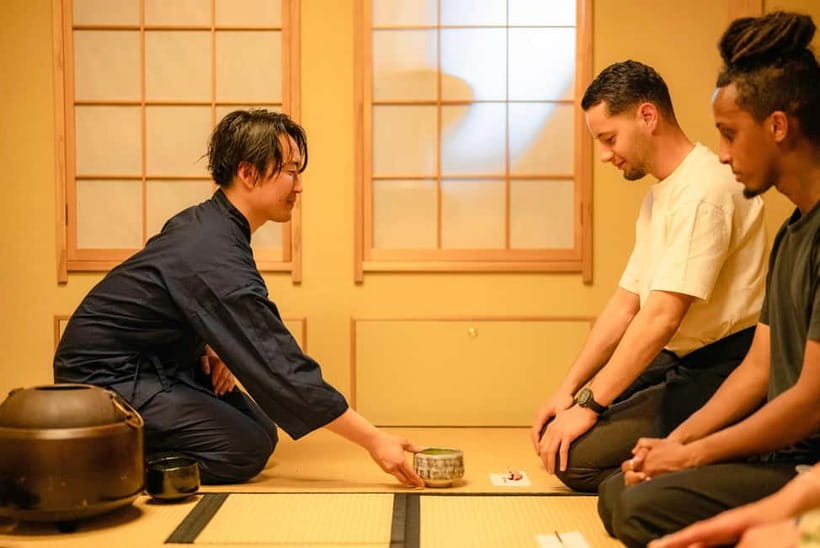
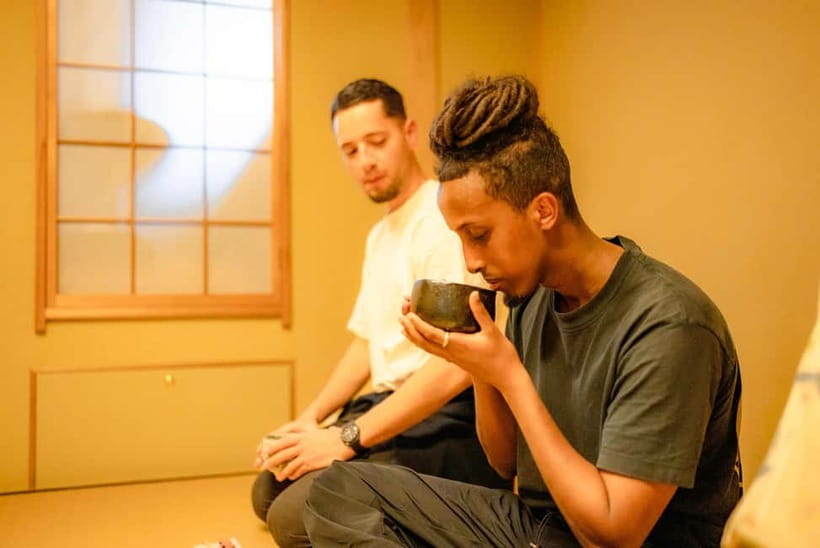
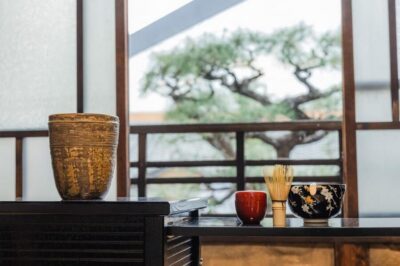
This experience is built around a real, old Japanese house in Nara, not a staged studio. The walls, the tea tools laid out for the ceremony, and the slow pace of the room all do work for you. Even before the matcha starts, you’ll feel the switch from sightseeing mode to tea mode.
Why does that matter? Because tea ceremony is as much about attention as it is about taste. When the space is quiet and traditional, it’s easier to notice the small things: the aroma before the sip, the sound of the whisk, and how wagashi changes your next taste.
Also, the group size stays small, so you’re not competing with a crowd. You get room to ask questions and get corrected without feeling awkward.
More Tea Ceremonies in Nara:
- World Heritage Kyoto & Nara Uji Authentic Matcha Experience
★ 5.0 · 1,573 reviews - Kyoto: Tea Ceremony in a Traditional Tea House in Kiyomizu
★ 4.9 · 3,519 reviews - Kyoto: Tea Ceremony Ju-An at Jotokuji Temple
★ 4.9 · 3,207 reviews
Entering Tea Ceremony Basics, Etiquette, and Utensils
You start with guidance from the tea master, who walks you through the foundation: what the ceremony is for, how to handle the utensils, and what different steps mean. Expect an explanation of tea ceremony etiquette and the traditional tools you’ll use.
This is the part that most casual tea tastings skip. You might drink matcha all day in Japan and still not know why the movement matters, or why guests are guided to sit a certain way and respond at certain moments. Here, you’ll get the why in plain language, then you apply it immediately.
If you’re the type who likes structure, this section helps you feel confident fast. If you’re not, it still works because the master keeps things practical, then hands you the tools so the learning becomes physical.
Whisking Matcha Like You Mean It, Step by Step
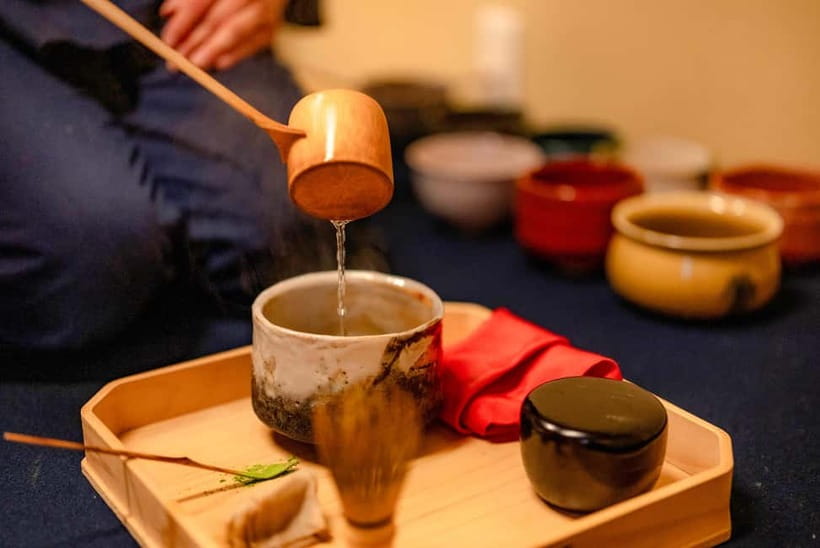
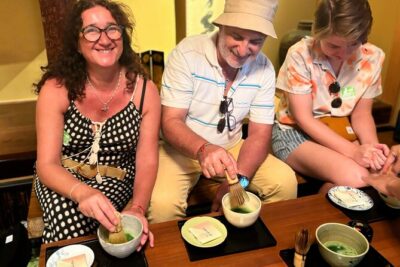
Now for the fun part: you prepare your own matcha. The tea master guides you through the process, and this is where the experience feels different from a typical “watch and taste” activity.
Here’s what you’re really practicing:
- Getting the whisking technique right so the matcha turns smooth and well blended
- Learning the rhythm and pressure so you don’t overdo it
- Understanding what changes in the cup when your method improves
You’ll also get personalized feedback. Several sessions note that the host didn’t just explain the steps, but pointed out how to improve whisking technique. That matters because matcha is sensitive. Small differences in how you whisk can change texture and how the tea feels in your mouth.
And you’re not stuck with one “official” cup. You’ll taste and compare single-origin matcha from Nara, so you can discover what you actually like. That turns the class into something you can use later, when you’re browsing matcha shops.
The Matcha Tasting That Teaches Your Own Palate
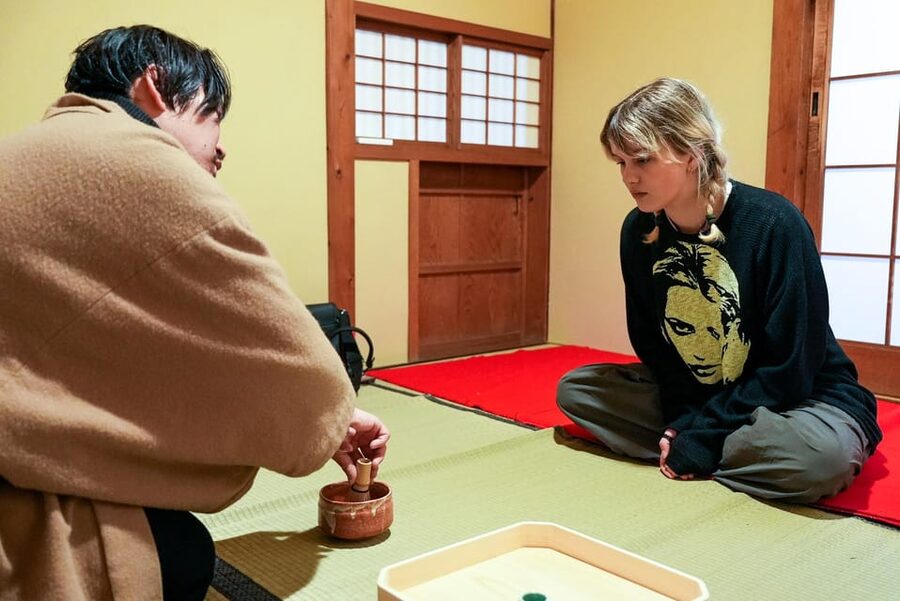
This isn’t just sipping tea. You’re set up to compare. The highlights focus on tasting single-origin matcha from Nara to find your favorite, and that’s a smart way to learn.
When you taste in a structured setting, you start noticing details without needing a fancy vocabulary:
- How sweet or bitter the matcha feels
- How thick or light it tastes in your mouth
- Whether the finish feels clean or lingering
Then the master can steer you based on what you’re choosing. It makes the experience feel less like a lecture and more like a guided search for your preference.
If you love food and drinks where you try to “find your favorite,” this is a big win. You’ll leave with a clearer sense of what to buy, not just that matcha is tasty.
A change of pace from Nara:
- Nara Half Day Trip Walking Tour (Private Option Available)
★ 5.0 · 937 reviews - Nara Early Morning Tour (Kyoto or Osaka Departure Available)
★ 5.0 · 676 reviews - Osaka: Nara and Uji Day Trip with Deer Park and Hot Spring
★ 4.4 · 302 reviews - Kyoto/Osaka: Kinkakuji, Bamboo Forest, and Nara Deer Park
★ 4.4 · 265 reviews
Seasonal Wagashi Pairing, Because Tea Is Better With Balance
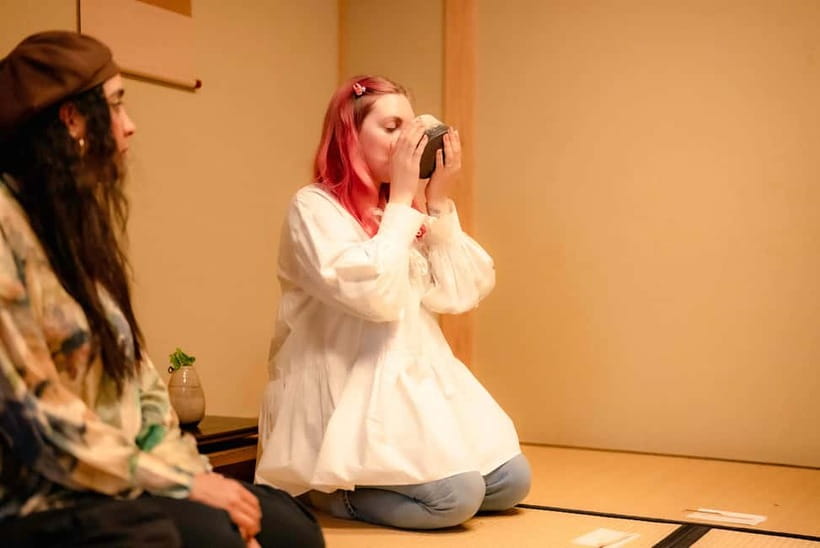
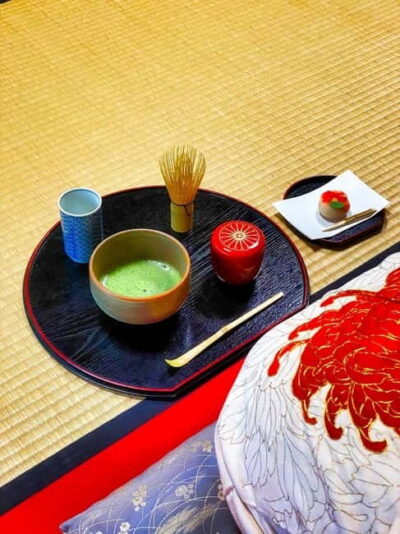
After the whisking and tasting, you enjoy seasonal wagashi. These traditional Japanese sweets are served to complement your tea, not to distract from it.
This part matters for two reasons:
1) Wagashi often changes the perceived flavor of matcha, especially bitterness and aroma.
2) It slows you down. You’re forced to eat and sip in a thoughtful rhythm.
You’ll likely notice that the sweetness and texture of the wagashi can make your next matcha sip taste smoother, rounder, or more nuanced. It’s a reminder that in Japanese tea culture, balance is the whole game.
Small Group Size That Makes It Feel Personal
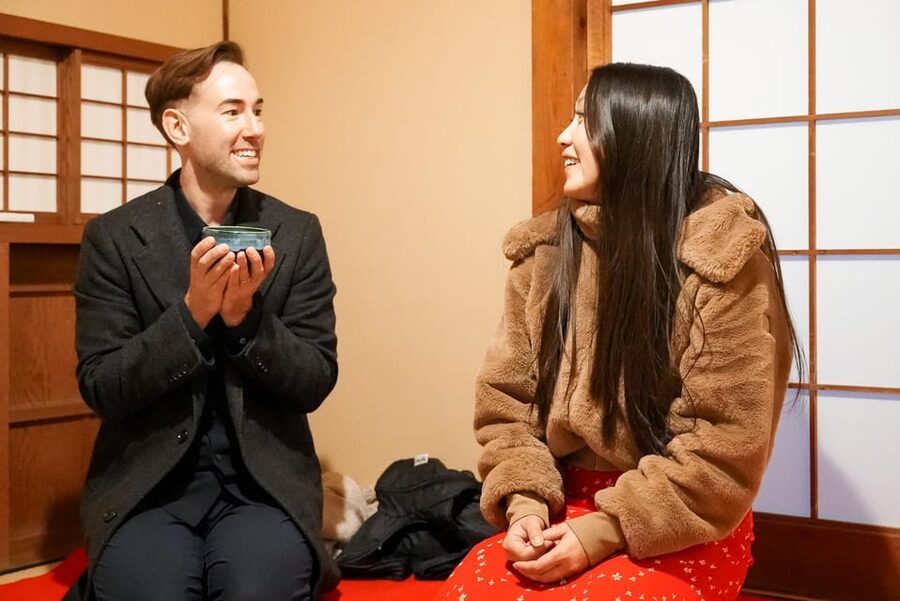
The group stays tiny, and the structure is built around instruction that feels close to one-on-one. You’ll get hands-on practice with guidance, so you’re not stuck waiting your turn.
This is a practical difference. In a bigger class, you often learn “about” matcha while someone else whiskes. Here, you’re active. And when you’re active, the master can correct your technique while you’re still in the middle of the process.
You’ll also have time to ask questions. That’s one of the strongest themes from past sessions: people leave not only with better matcha, but with clearer context about Japanese tea ceremony and culture.
What Happens After the Ceremony, Local Tips Included
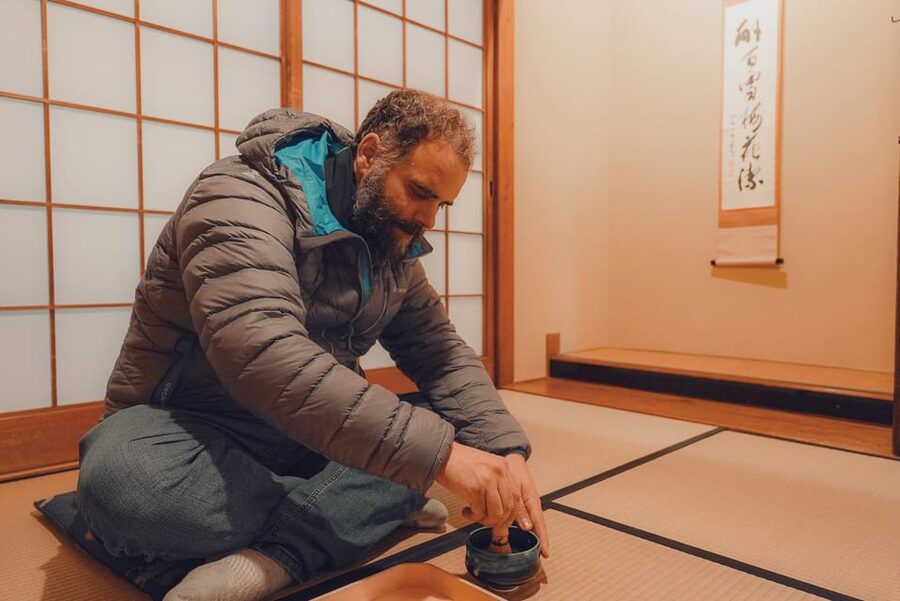
A tea master who actually lives the area can be useful in ways no brochure can match. In these sessions, many hosts go beyond the ceremony and share practical suggestions right afterward.
You can expect recommendations for:
- Restaurants (including ramen spots mentioned in past experiences)
- Sake store ideas
- Where to buy matcha and what to look for
Even if you already know your Japan must-dos, these suggestions are the kind that turn a trip from planned to personal. It’s especially helpful for Nara, since the best food and drink can be tucked away from the main tourist routes.
Pro tip: ask one smart question before you leave, something like what type of matcha you should seek for a taste similar to what you enjoyed in the cup.
Duration and Flow: Getting It Done Without Feeling Rushed
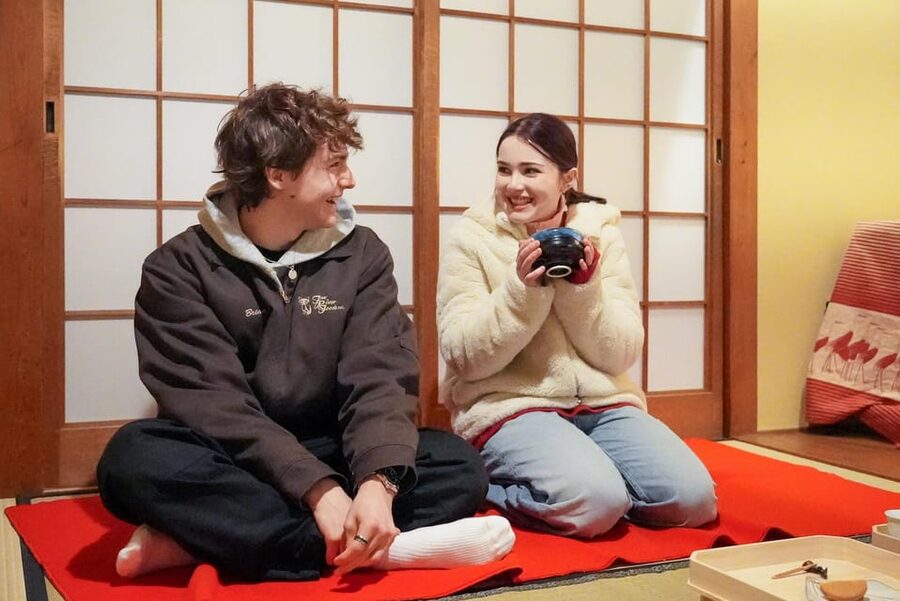
The whole experience is about one hour, which is a big deal for planning. You get enough time to learn etiquette, whisk, taste, and enjoy wagashi, but you’re not committing to a half-day.
In practical terms, this time window works well when:
- You have a tight schedule in Nara
- You want a cultural activity that doesn’t wreck your energy
- You want something memorable without long travel between stops
If your plan includes a lot of walking and early mornings, a one-hour stop is easier to fit. Tea ceremony is calming, so it can also act like a reset in the middle of a sightseeing day.
Price and Value: Is $46 for One Hour Worth It?
At $46 per person for a one-hour experience, you’re paying for more than “a cup of tea.” You’re getting:
- Time with a tea master who explains etiquette and tools
- Hands-on matcha practice with personalized feedback
- Matcha tasting and comparison of Nara single-origin teas
- Seasonal wagashi
The value angle here is the coaching. Matcha technique is hard to learn from a YouTube video because you don’t feel the texture and pacing in your hands. This class corrects you while you’re doing it, which is exactly how you make real improvement.
Also, the setting is part of what you’re paying for. A real traditional house changes the vibe. That’s not something you get at a modern matcha café.
Is it expensive? Compared to buying matcha and sitting down somewhere, yes. Compared to a guided cultural experience that teaches technique, includes tasting, and gives you food pairing, it’s fairly priced for what’s included.
Who This Tea Ceremony Suits Best
This experience is ideal if you:
- Want an authentic cultural activity in Nara that isn’t just walking and snapping photos
- Like hands-on learning, especially food and drink skills
- Enjoy calm moments where you can ask questions and slow down
- Want to understand matcha beyond the basics, with tasting and technique coaching
You might skip it if you:
- Prefer long, multi-hour structured tours
- Want a purely entertainment-focused activity with minimal instruction
- Are expecting something more like a performance. This is guided, not staged theater.
Practical Tips So You Get the Most From Your One Hour
A few small choices can make the experience smoother.
First, go in with curiosity, not a checklist. Tea ceremony moves at a calmer pace than typical tours, and you’ll enjoy it more if you let it unfold.
Second, pay attention to the whisking feedback. The point is not to “do it perfectly.” The point is to learn what your hands need to change so the matcha feels right in the cup.
Third, ask about purchasing after you taste. Since some tea masters share matcha buying suggestions and local restaurant ideas, it’s smart to use that moment while the flavor is fresh in your mind.
Finally, bring your questions. If you wonder about etiquette, tools, or why certain steps happen, this is the place to ask. The class is designed for Q and A, and it’s usually where you learn the details that make matcha feel like culture, not just a drink.
Should You Book This Nara Matcha Ceremony?
If you want a genuine, intimate tea experience with hands-on matcha making and a quiet traditional setting, I’d book it. The biggest reason: you don’t leave just with a memory, you leave with technique, taste knowledge, and practical local tips that can improve the rest of your trip.
If you hate short time windows, or you want something less instruction-based, then this might feel too tight. But for most people visiting Nara, one hour is the right size. It’s calm, guided, and surprisingly fun once you’re holding the whisk.
FAQ
Where does this tea ceremony take place?
It takes place in Honshu, Japan, in Nara.
How much does the experience cost, and how long is it?
The price is $46 per person, and the duration is about 1 hour.
How many people are in the group?
It’s a small group experience, limited to a maximum of 6 participants. The experience is also described as a maximum of 5 people.
What languages are available?
The instructor speaks English and Japanese.
Is there hands-on matcha making, or is it mostly observation?
You get hands-on practice. You’ll prepare and serve matcha with guidance from the tea master and receive personalized feedback.
Do you taste different matcha?
Yes. You’ll taste and compare single-origin matcha from Nara to help you find your favorite.
Are wagashi included?
Yes. Seasonal wagashi (traditional Japanese sweets) is included.
What is the cancellation policy?
You can cancel up to 24 hours in advance for a full refund.
Latest write-ups near Nara
- Nara Highlight Walking Tour with Furoshiki Experience with Lunch★ 5.0 · 73 reviews
- Nara – Highlights Bike Tour★ 4.5 · 89 reviews
- All must-sees in 3 hours – Nara Park Classic Tour! From JR Nara!★ 5.0 · 108 reviews
- Nara Early Bird Tour (Kyoto Departure Option Available)★ 4.9 · 142 reviews
- Nara 6hr Private Tour with Government-Licensed Guide★ 5.0 · 219 reviews
- Nara Early Morning Tour (Kyoto or Osaka Departure Available)★ 5.0 · 676 reviews
- Nara Half Day Trip Walking Tour (Private Option Available)★ 5.0 · 937 reviews
- World Heritage Kyoto & Nara Uji Authentic Matcha Experience★ 5.0 · 1,573 reviews
Tea Ceremonies, compared.
Tea Ceremony in a Traditional Tea House in Kiyomizu
Read our review →
World Heritage Kyoto & Nara Uji Authentic Matcha Experience
Read our review →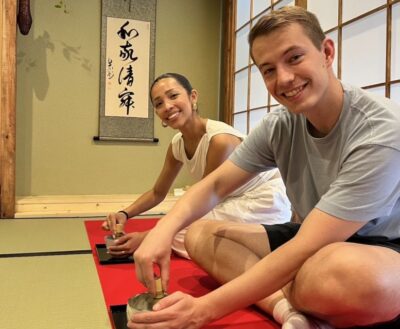
Browse the lists this tour appears in