
Reviewed · PRIVATE CAR WITH DRIVER
Private Car Tour to see Highlights of Kamakura, Enoshima, Yokohama from Tokyo
A private car day that strings together Kamakura’s temple streets, Enoshima’s seaside mood, and Yokohama’s modern harbor is what makes this tour stand out. I also like that you are not stuck on train times, so you can actually spend your energy walking where it matters.
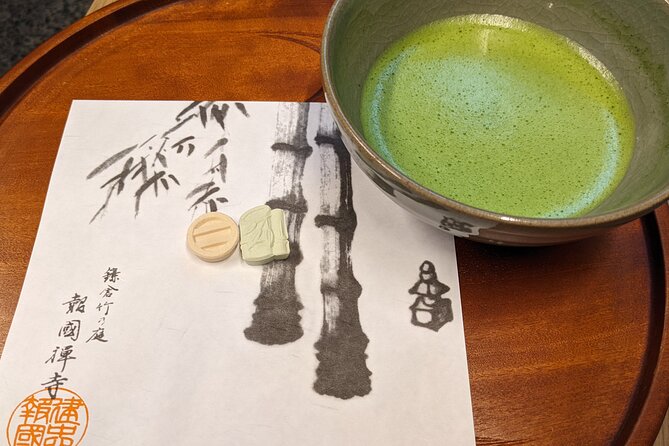
I love the way the day starts strong with Kotoku-in’s Great Buddha and then slows down for matcha and sweets in Kamakura’s quieter temple corners. One clear favorite is Hokoku-ji’s bamboo garden tea break, with matcha and a Japanese sweet included in the typical stop fee.
The main drawback to keep in mind is that this is a 10-hour packed loop, and many big sights have separate entrance fees that are not included. So you should budget for admissions, and you will want your guide to help you choose the right 4 to 6 stops for your priorities.
Key things I’d plan around
- Private van comfort plus bottled water, parking, and highway tolls handled for you
- Local Japanese guides with flexible pacing, including guide names like Ken, Yoshi, Masae, Yoshimi, and Sumiko showing up in past tours
- Kamakura bamboo + matcha time at Hokoku-ji, with a tea and sweet option tied to that visit
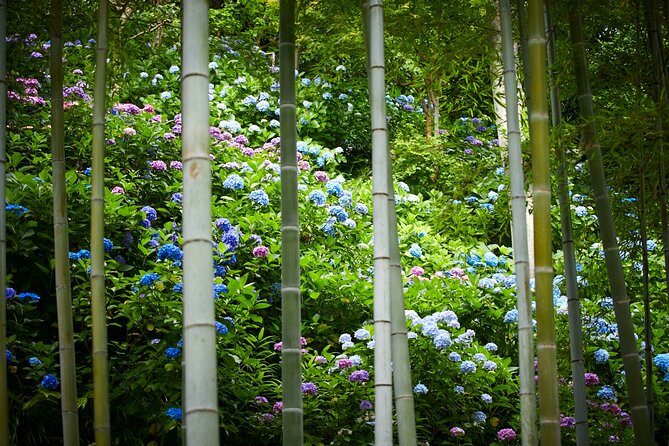
- Seasonal flower highlights at Hasedera and Meigetsuin, with hydrangeas and other seasonal blooms driving the best photo moments
- Sea-and-city contrast with Enoshima Island’s attractions and Yokohama Minato Mirai’s skyline views
- Fun food stops on request or as selected options, like the Cup Noodles Museum and Shinyokohama ramen museum
A 10-hour Private Car Day That Links Samurai-Era Kamakura With Sea Views and Yokohama
Kamakura, Enoshima, and Yokohama are only about 1 to 1.5 hours apart from Tokyo, but they feel like different planets. Kamakura gives you temple gates, old stone paths, and that samurai-era atmosphere. Enoshima adds sea air and viewpoints, and Yokohama brings in a modern harbor city vibe.
What I like here is the rhythm. You start with major Kamakura landmarks, then you get breaks that feel human, like tea in a bamboo grove and shopping time on Komachidori. The private car keeps the day smooth when crowds, transfers, and walking routes would otherwise drain your energy.
You also get real flexibility. The experience is fully customizable, and the itinerary list is a menu, not a fixed script, with guidance to pick around 4 to 6 sites. That is a big deal, because the “best” day is usually not trying to do everything. It is doing the right things at the right pace.
Also on the shortlist for Tokyo:
- Mt Fuji and Hakone 1-Day Bus Tour Return by Bullet Train
★ 5.0 · 26,383 reviews - 1-Day Tokyo Bus Tour
★ 5.0 · 14,250 reviews - Tokyo: TOKYO SKYTREE® Admission ticket
★ 4.5 · 11,192 reviews
Price and Value: What You Pay for a Private Van, and What You Still Need to Budget
The price is $1,183.65 per group (up to 8 people). If you split it across the full group size, that can work out to roughly $148 per person, before you even think about meals and admissions. The math matters here because you are not just paying for driving. You are paying for time, convenience, and someone local who can keep the day flowing.
Included basics that actually save you money and stress:
- air-conditioned private vehicle
- pickup offered
- bottled water
- highway tolls, parking, fuel, and fuel surcharge
- professional guide and skilled driver services
Not included costs to plan for:
- lunch
- gratuities (listed as 5 to 20 percent)
- entrance fees for multiple major stops, including Kotoku-in, Hokoku-ji, Hasedera, Kencho-ji, Meigetsuin, Tokeiji, Sankeien Gardens, Cup Noodles Museum, and more
The smart approach is to tell your guide what you want most, then let them match your selected stops to your budget. Entrance fees can add up, especially if you choose multiple ticketed sights like the Great Buddha, several temples with fees, and Yokohama Landmark Tower Sky Garden.
How the Tour Really Works: Choose 4 to 6 Stops, Stay Flexible, and Communicate Your Pace
The tour is built for customization, and that means you should treat it like a personal plan, not a checklist. After booking, you can ask your guide for advice and suggestions, and you can advise dietary needs in advance, with a vegetarian option available.
A practical tip: decide your “must-do” list before you go. For some people, it is the Great Buddha and bamboo tea at Hokoku-ji. For others, it is Enoshima’s island views and Yokohama’s skyline from the Sky Garden. When you choose 4 to 6 stops, your time becomes higher quality, not rushed.
Also, pay attention to the weather reality. The schedule can shift due to weather or traffic. Even if a spot is not fully visible, the experience is not canceled and is not refunded for those visibility changes. So if you care about specific views, you should still enjoy the plan as the day will adapt around what is realistically possible.
Kotoku-in’s Great Buddha and the Bamboo Temple Start You Off Strong
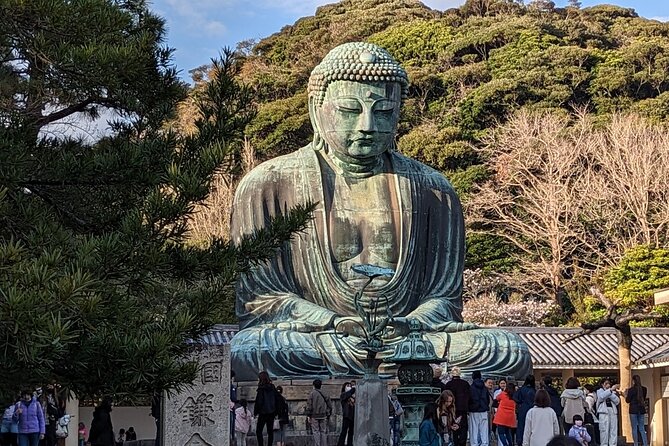
Your Kamakura day kicks off with Kotoku-in, famous for the Great Buddha, a massive bronze Amida Buddha statue in an open-air setting. The statue is 13.5 meters tall, and it is the only national treasure in Kamakura.
Two money details matter here. The stop lists an admission fee of 200 yen per person, and you can also enter inside the body for 20 yen. If you want the “stand inside something ancient” experience, this is the moment to do it, since it is a quick extra add-on.
Then you head to Hokoku-ji, often loved for its bamboo grove. It is described as the most beautiful bamboo grove in Kamakura, and it comes with a tea-house break option: matcha green tea and a Japanese sweet, typically 600 yen per person including the matcha and sweet. This is the kind of pause that makes the whole day feel calmer, even when the city is busy outside the temple grounds.
If you care about atmosphere, this pairing works. Great Buddha gives you scale and simplicity, and the bamboo grove gives you shade, quiet, and a slower pace.
A change of pace from Tokyo:
- Tokyo: teamLab Planets TOKYO Digital Art Museum Entry Ticket
★ 4.6 · 9,779 reviews - Mt Fuji & Hakone Cruise, Drum Show Bullet Train 1 Day from Tokyo
★ 4.0 · 7,413 reviews - Tokyo: Sumo Show Experience with Chicken Hot Pot and a Photo
★ 4.8 · 6,678 reviews - Tokyo: Shinjuku Food Tour (13 Dishes at 4 Local Eateries)
★ 5.0 · 6,603 reviews
Hasedera’s Flower Seasons, Tsurugaoka Hachimangu’s Shrine Energy, and Komachidori Shopping
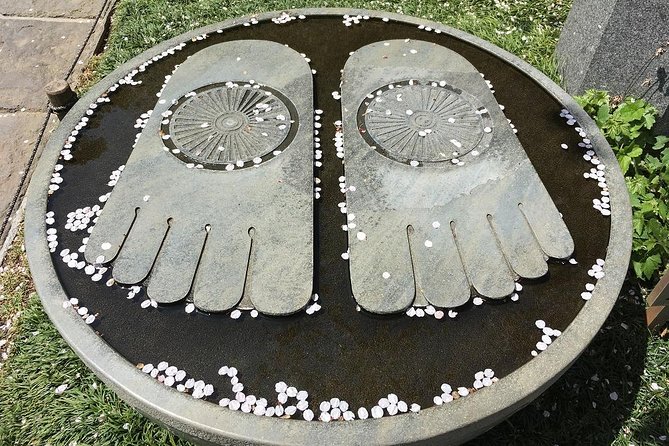
Hasedera Temple is known as a flower temple, and the seasons are the real story. In spring you can catch cherry blossoms, late May through late June often brings hydrangeas, and autumn shows maple leaves. It also has a major landmark, a 9.18-meter-tall gilded wooden eleven-headed statue of Kannon, the goddess of mercy, which is one reason people remember this stop.
Tsurugaoka Hachimangu Shrine shifts the mood to Shinto ceremony and classic shrine architecture. It is dedicated to the god of war and the god of the samurai in general, and it is known for being especially beautiful during cherry blossom or azalea season. It is also a popular wedding spot, so you may see that joyful energy during the right time of year.
Right next door, Kamakura Komachidori gives you the best kind of souvenir browsing. You will find restaurants, cafes, and shops along the shopping street near Tsurugaoka Hachimangu. Popular picks include Kamakura-bori lacquerware, Toshimaya Hato sable (pigeon-shaped cookies), and Kamakura mameya bean snacks. This is also where the guide’s instincts help, because they can point you toward what is actually worth buying rather than just what is loud and obvious.
If you are traveling with kids, this is a good stretch of the day because it is easy to snack, browse, and take photos without needing long museum-style attention.
Zen Temples Kencho-ji and Engaku-ji, Plus Hydrangea Temple Meigetsuin
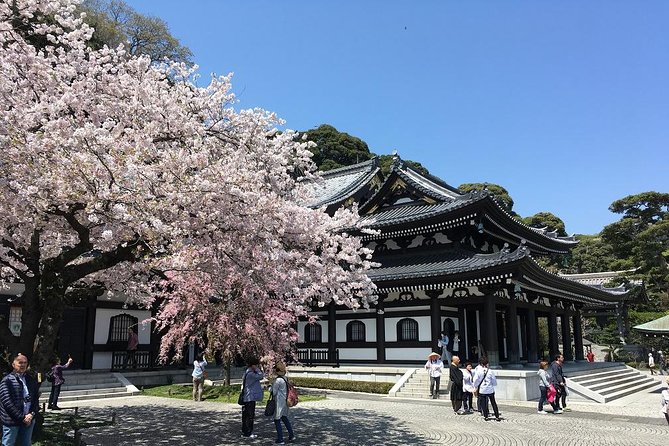
Kamakura has a serious Zen presence, and two of the key temples here are Kencho-ji and Engaku-ji.
Kencho-ji is described as the oldest and highest ranking Zen temple in Kamakura. It also offers meditation practice on certain dates, and it lists Zen t-shirts as a souvenir item, which is a small but fun touch if you like taking home something practical.
Engaku-ji is the second important Zen temple in Kamakura, with a large temple gate and a bell that people come to see. There is also a café within the temple compound where you can enjoy lunch and sweets, but it is described as available on certain dates. If you want that option, ask your guide during planning, since timing matters.
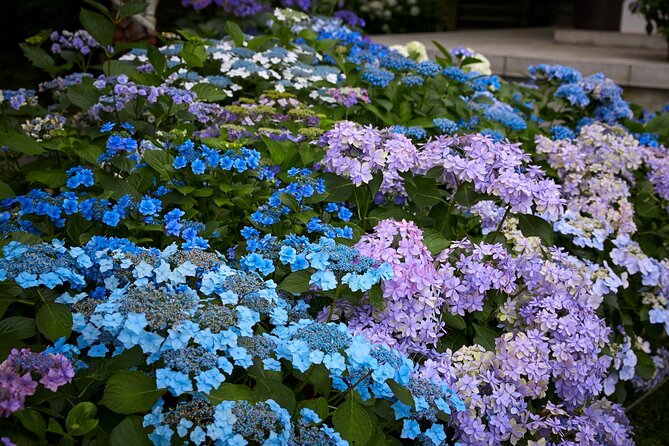
Then you hit Meigetsuin, sometimes called the Hydrangea Temple. Blue hydrangeas in late May through late June are the headliner. The most photo-friendly feature is the circular window in the main hall, which frames the garden behind it. One caution: the stop notes that many people queue for that exact photo, so go with patience and accept that the wait is part of the experience.
For a day that also includes shopping and seaside stops, this temple block adds stillness. It helps your photos look varied, not repetitive.
Money-Washing Zeniarai Benten and Tokeiji’s Quiet, Moving Story
Zeniarai Benten Shrine is a fun tonal shift from the Zen gardens. It is connected to a belief that washing coins in its holy water increases income. The stop is free, so it is one of those “do it if you have time” moments that can still feel meaningful and memorable.
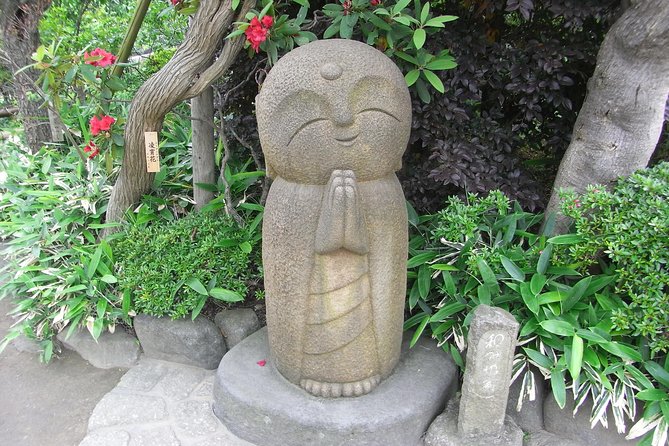
Tokeiji is the quiet pause in this long loop. It served as a shelter for women who suffered abuse by their husbands and sought a divorce at a time when only men were allowed to ask for a divorce. Flowers show up all year, with plums in early spring, iris and climbing hydrangea in June, and gardens stretching up toward the wooded hills.
Tokeiji’s story is heavy, but that heaviness is what makes it stand out as a real-world historical detail rather than just postcard scenery. If you want a day that teaches you something human alongside the big landmarks, this is the stop.
Enoshima’s Island Attractions and the Anime-Famous Sea Crossing Photo Stop
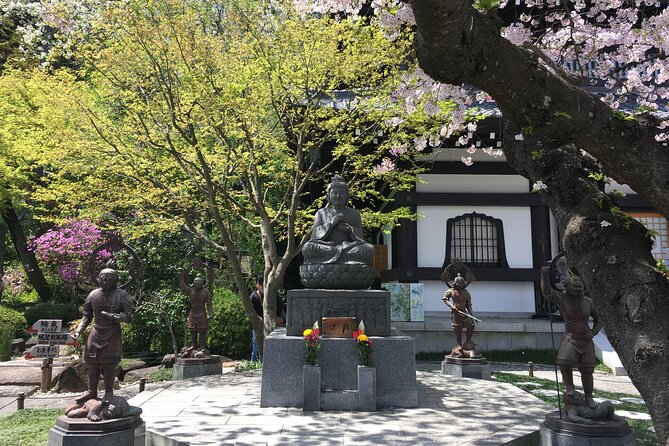
After Kamakura temple energy, you shift toward Enoshima Island. Enoshima has plenty to do in a compact area: there is a shrine, an aquarium, botanical garden space, an observation tower, and caves. If the weather cooperates, Mount Fuji can be viewed from multiple places, which is one of those “plan for it, hope for it” travel bonuses.
There is also a short photo stop at a photogenic railroad crossing with the beautiful blue sea in the background. It is noted as being used in the opening sequence of the Japanese anime Slam Dunk. If you care about pop culture references, this is a quick hit that adds personality to a day full of temples.
A practical note: the day includes lots of walking and stairs across these sites. Enoshima can add uneven ground around viewpoints and caves, so comfortable shoes matter more than style.
Yokohama Minato Mirai 21, Sankeien Gardens, and Sky Garden City Views
Yokohama is where the trip shows its contrast. Minato Mirai 21 is a seaside urban area in central Yokohama. You get the Landmark Tower, noted as the second tallest building in Japan, plus the amusement park and the Red Brick Warehouses shopping center.
Then you have Sankeien Gardens, a traditional Japanese-style garden designed by a wealthy businessman. The big detail is that it includes 17 precious buildings transferred from Kyoto and other places, arranged to match the garden’s design. Entrance is listed at 700 yen per person, and the typical time window is longer than many other stops, which is good. Gardens reward slow walking.
If you want the vertical city view, you can choose Yokohama Landmark Tower Sky Garden. It is 273 meters high, and it offers panoramic views over the Yokohama Bay area and Tokyo bay. The stop lists 1,000 yen per person, and it also notes that Mt. Fuji can be visible on a clear day.
This portion of the day is for people who like balancing old and new. You are not leaving Japan’s roots behind, but you are also letting Yokohama show you how international port cities grew.
Yamashita Park, Osanbashi Terminal, English Garden Views, and Chinatown Options
After the skyline, you slow down at Yamashita Park, popular with locals who come to relax with a coffee in hand. Street performers show up on weekends, and it also supports a photo stop on request.
Osanbashi Yokohama International Passenger Terminal is short but scenic. It gives very beautiful views of the Minato Mirai area, which makes it a smart add-on if you want one more waterfront angle without losing time.
Next is Minato-no-mieru Oka Park, described as an English garden next to western residential districts that developed when Yokohama opened as an important international port. It is another quick viewing stop, but the international mix is exactly what makes Yokohama feel different from Kamakura.
Then there is Chinatown. It is described as the biggest Chinatown in Japan, and the plan notes that you can add a stop or lunch there if you want Chinese food. If you have dietary requirements, this is also a good place to talk with your guide in advance, since the tour already signals vegetarian options are possible.
Cup Noodles Museum and Shinyokohama Ramen Museum for a Fun Food-Story Finish
Food here is not an afterthought. If you select the Cup Noodles Museum, you can learn about Nisshin, the first company that invented Cup noodles. You can try different tastes from around the world and even make your own original noodle. Entrance is listed at 500 yen per person, and the time window is typically 45 to 90 minutes.
If ramen is your thing, Shinyokohama Ramen Museum is a standout. It is listed as a must-go for ramen lovers, with 8 different types of ramen in one place. The entrance is 310 yen per person, and the typical time is about 1 hour.
This is also where the tour’s “group energy” matters. If you are traveling with teens or food-first adults, you will feel the payoff. If you prefer quiet temples and gardens, you can skip these ticketed food stops and keep more time for scenery and shopping.
Timing, Transport, and What to Pack So the Day Feels Easy
This is a long day, even with private transport. Expect walking at temples, steps on routes, and lines at popular photo spots like Meigetsuin’s circular window queue. Your guide can help you pace it, but you will still benefit from smart packing.
Bring:
- comfortable walking shoes
- a hat or umbrella for sun and rain
- small cash for entrance fees, snacks, and coin-washing moments
- any dietary notes for your guide, so lunch decisions are easy
Also, remember that lunch is not included. That is not a problem, but you should plan for it. The tour guidance says the guide can suggest local restaurants, and vegetarian options are available if you ask at booking.
One more small reality check: some sights can be affected by traffic or weather, and the schedule can shift. The tour is not canceled or refunded just because some spots are not fully visible, so your mindset should be flexible.
Should You Book This Kamakura, Enoshima, and Yokohama Private Car Tour?
Book it if you want a one-day hit list that does not feel like a stressful subway sprint. The private van, bottled water, and handled parking and tolls make it easier for families, couples, and travelers who do not want to fight transfers. The flexibility to choose around 4 to 6 sites is the smart way to use your time.
Skip it, or adjust your expectations, if you dislike long days or you hate paying separate entrance fees. Also, if you are very particular about pacing, you should communicate clearly at booking which stops matter most and how much time you want for shopping versus viewpoints.
If you do book, I’d do two things: pick your top 4 to 6 stops early, and send your guide a short message about your pace and food needs. This is the kind of day that can turn from good to great when you steer it.
FAQ
How much does the Kamakura, Enoshima, and Yokohama private car tour cost?
It costs $1,183.65 per group, up to 8 people.
How long is the tour?
The duration is about 10 hours.
Is pickup included?
Yes, pickup is offered.
What’s included in the price?
The tour includes a private, air-conditioned vehicle, highway tolls, parking, fuel, bottled water, and professional guide and driver services. You also get a mobile ticket.
Are lunch and entrance fees included?
Lunch is not included. Entrance fees are not included for multiple sites, including Kotoku-in, Hokoku-ji, Hasedera, Kencho-ji, Meigetsuin, Tokeiji, Sankeien Gardens, Yokohama Landmark Tower Sky Garden, Cup Noodles Museum, and Shinyokohama Ramen Museum.
Can I request vegetarian options?
Yes. Vegetarian options are available if you advise the provider of dietary requirements at booking.
What if weather affects visibility?
The tour will not be canceled or refunded even if some spots are not fully visible due to weather conditions. The schedule can still change due to weather or traffic.
Latest write-ups near Tokyo
- Tokyo Customized Private Tour: See Top Attractions in 1 Day★ 4.8 · 67 reviews
- From Tokyo: Top 5 Scenic Spots of Mount Fuji Full-Day Tour★ 4.5 · 67 reviews
- Traditional Japanese Music ZAKURO SHOW in Tokyo★ 5.0 · 67 reviews
- Tokyo: Shinjuku Izakaya and Golden Gai Bar Hopping Tour (2h)★ 4.9 · 67 reviews
- Tsukiji: Unlimited Sake Tasting Experience★ 4.9 · 67 reviews
- Private Harajuku Omotesando Architecture Walking Tour★ 5.0 · 67 reviews
- Samurai Ninja Museum Asakusa: Kid-Friendly Ninja Training★ 4.7 · 67 reviews
- Tokyo: Not a show- a professional sumo practice with experts★ 4.9 · 67 reviews
Private Car with Driver, compared.
Tokyo Private Sightseeing Tour by Car- English speaking chauffeur
Read our review →
Tokyo Private Tour by Vehicle with English-Speaking Chauffeur
Read our review →Mt FUJI Day Tour with Private Car and English Speaking Guide
Read our review →
Private Car Tour to Mt. Fuji Lake Kawaguchiko or Hakone
Read our review →
Kyoto Private Car Tour – Full Day with Local Guide & Nara Option
Read our review →
Mt Fuji Exclusive Tour with Private Car English Guide
Read our review →
Tokyo Private Customizable Tour with English Speaking Chauffeur
Read our review →Browse the lists this tour appears in