
Reviewed · WALKING TOURS
Private Harajuku Omotesando Architecture Walking Tour
Harajuku and Omotesando are famous for fashion, but this tour is really about how the area looks and why it was built that way. You start near Meiji Jingu, then the walk pivots to modern architecture, including Olympic-era landmarks like Yoyogi gymnasium by Kenzo Tange, while you also get designer storefronts along Tokyo’s answer to Rodeo Drive.
What I like most is the mix of big names and lesser-noticed buildings. The other thing I love is the way guides use visuals, with documented photos of architects and specific viewpoints, so you are not just staring at facades and guessing. One thing to consider is that this is a lot of walking, so comfy shoes and a steady pace help.
Key things you will notice on this tour
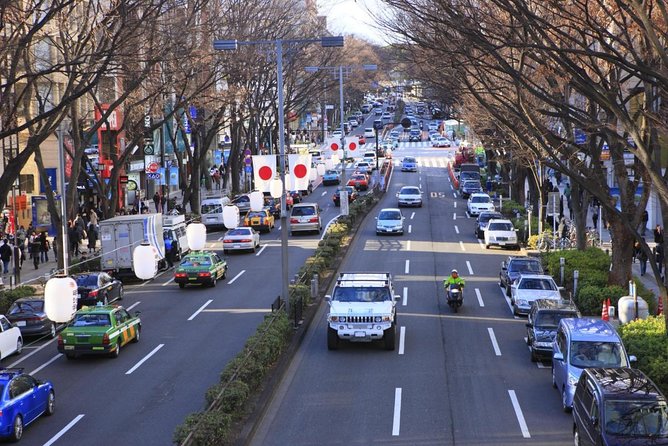
- Olympic-era architecture thread, tied to famous modern designers like Kenzo Tange
- Designer-area walking, passing places such as Dior, Louis Vuitton, Tod’s, Prada, and Sunny hills
- Short detours into calmer backstreets, where the neighborhood feels more lived-in
- A planned pause with drinks at an under-the-radar cafe
- Private, customizable pacing, including extra indoor time when conditions call for it
- Guides bring visual support, with photos and (in some cases) floor-plan style details
Entering Harajuku Omotesando through the architects
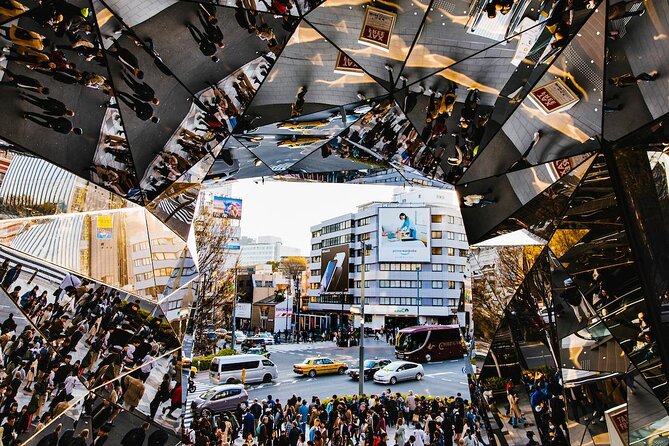
Harajuku and Omotesando can feel like two things at once. Yes, you have the shopping energy and glossy storefronts. But if you pay attention to the shapes, materials, and layout, it is also a living show of modern design decisions.
This tour helps you do that. Instead of treating buildings as background, you get a clear way to look at them: form, function, and how an architect’s choices show up in real space. You also get the fashion-hub angle without turning it into a shopping spree.
The result is a walk that feels both practical and fun. You are moving through places you already recognize, then realizing there is more design thinking behind the scenes.
More Walking Tours in Tokyo
- Tokyo Tsukiji Fish Market Food and Culture Walking Tour
★ 5.0 · 3,184 reviews - Tokyo: Imperial Palace and Shogun Historical Walking Tour
★ 5.0 · 2,251 reviews - Tokyo: Shinjuku Local Bar and Izakaya Guided Walking Tour
★ 4.9 · 1,794 reviews
Starting at Meiji Jingu and getting your bearings fast
The tour starts at Meiji Jingu, near Harajuku Eki. The first minutes matter. You begin with a calm, iconic setting, and then you transition toward the modern landmarks nearby.
From there, you get your first architectural anchor: a distant look at Yoyogi gymnasium by Kenzo Tange. Even without being inside immediately, that distant framing does something smart. It gives you a mental landmark before you get closer.
A quick practical point: since you start at a major transit-linked area, you can usually line up your day without needing hotel pickup. You meet, you walk, and you end the tour on the Omotesando and Aoyama-dori side, near a Mizuho bank intersection.
Yoyogi gymnasium and the Olympic-era modern design storyline
Yoyogi gymnasium is one of those buildings that people photograph, then forget to analyze. This tour does not let that happen.
The guide sets up the “why” behind the design choices and keeps connecting what you see along the way to that Olympic-era modernism thread. It is the kind of explanation that turns a wow moment into something you can actually remember.
If your brain loves structure, you will appreciate the way guides tie details to the architect and the project. In past tours, guides have also used photos to show floor plan ideas and the best spots to view certain features. That can be a big help when streets are crowded and you only get a short window to look carefully.
Prada glass, vertical gardens, and other design moments you can feel
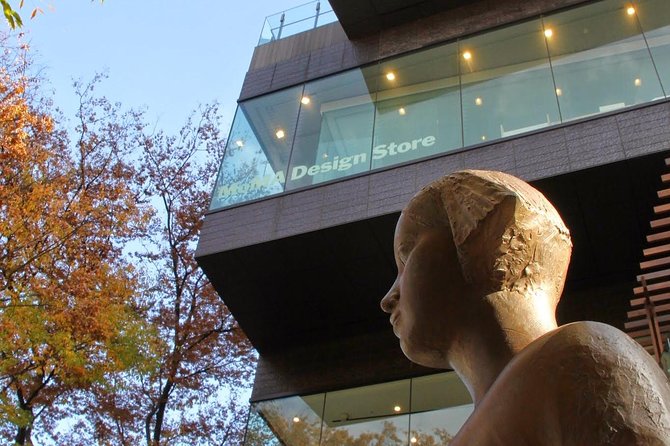
Omotesando is packed with high-end brands, but the interesting part here is that the storefronts are often housed in architecture with personality. As you walk, you pass fashion stops including The Iceberg, Dior, Louis Vuitton, Tod’s, Sunny hills, and Prada.
Here is where the tour can get extra good for design nerds. Some versions include close attention to specific storefront architecture, including outdoor and even indoor views. You might see examples like:
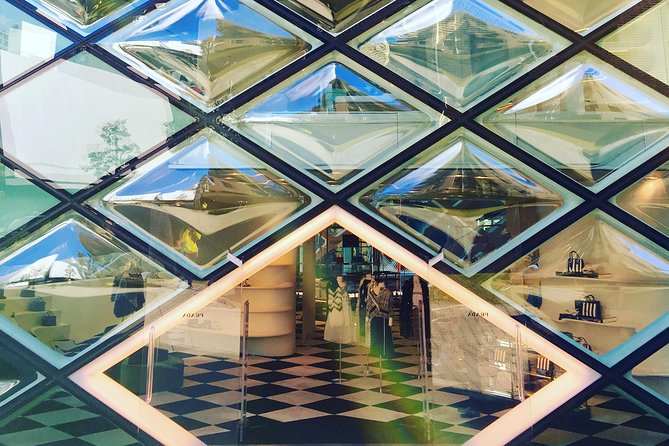
- Prada’s convex and concave glass, with the way reflections distort the streetscape
- Tokyo Plaza Harakado, associated with Akinisa Hirata, including a planted rooftop vertical garden
- Collezione by Tadao Ando, described in the tour experience as partially underground, which changes how light and space feel
You do not need to already know architecture terms to enjoy this. The guides translate what you are seeing into plain language: material behavior, how volumes relate, and what the architect is trying to do with light and movement.
One small drawback: if you are very sensitive to language barriers, pick a guide who matches your comfort level. A few participants have reported that understanding the guide could be harder at times. Still, the overall format is designed to make the points clear with photos and targeted stops.
More Anime & Pop Culture Tours in Tokyo:
- Official Street Go-Kart Tour – Akihabara
★ 5.0 · 1,578 reviews - Tokyo Go Kart: Asakusa, Skytree, and Akihabara **IDP MUST**
★ 5.0 · 988 reviews - Tokyo Studio Ghibli Museum and Ghibli Film Appreciation Tour
★ 4.5 · 421 reviews - Akihabara Anime & Game Adventure Walking Tour (Group or Private)
★ 5.0 · 404 reviews
Fashion street, but with an architect’s pause button
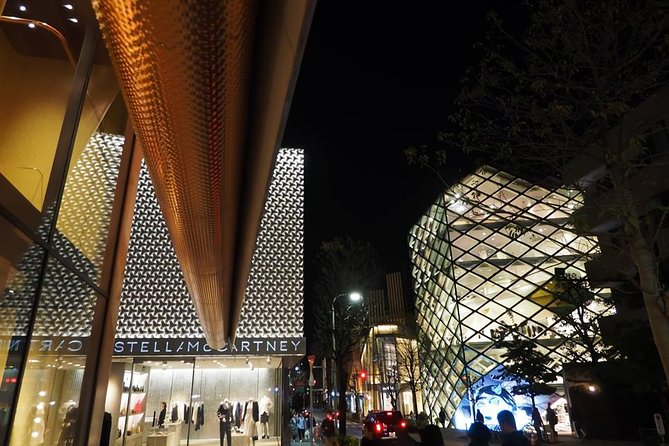
This is not just walking past storefronts. The point is to slow down long enough to notice how the buildings meet the street.
Along Omotesando, you get a rhythm: look, stop, identify a design element, then move again. That rhythm is ideal for travelers who like structure but do not want a lecture that kills the fun. You will also get conversation built in, so explanations do not feel like you are being herded.
Also, because it is private, you can steer the balance. If you care more about design than boutiques, you can spend more time on architecture viewpoints. If you want a fashion-and-architecture connection, you can push the tour that way. Multiple guides have adjusted for heat by adding indoor parts when it got uncomfortable outdoors.
Backstreets, quieter angles, and the cafe reset
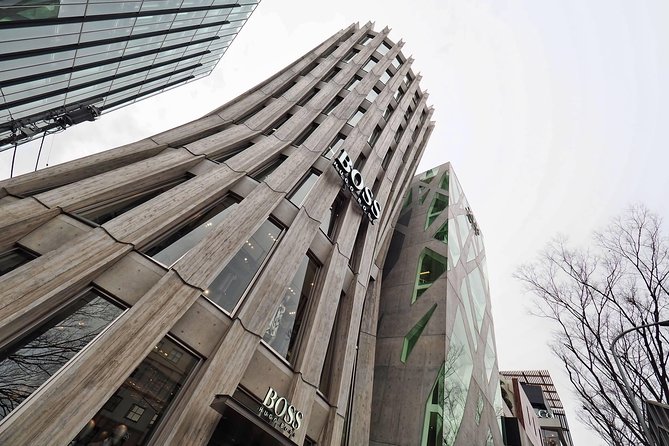
One of the best parts of this kind of city tour is the break in pattern. After the brand-heavy stretches, the route includes a detour into backstreet neighborhoods.
The value of that detour is simple. It helps you remember that Harajuku is not only a shopping runway. You see how people actually live around the iconic architecture corridors. Those small lanes also tend to offer better sightlines for architectural details, because you are not always fighting a wall of camera flashes and crowds.
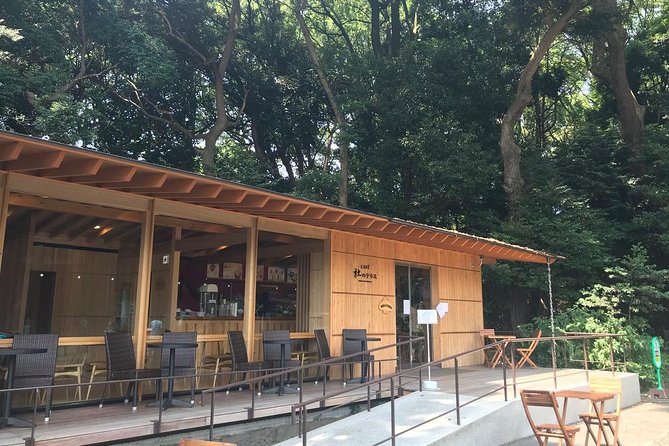
Then you get a cozy pause with drinks. In practice, that reset is more than a snack break. It gives your brain time to process what you just saw. You also get a chance to ask questions, especially about what to focus on during the rest of your Tokyo time.
If you are doing this early in your trip, this cafe break helps you set a mental “design map” you can revisit later while wandering on your own.
How private guides tailor the route for your interests
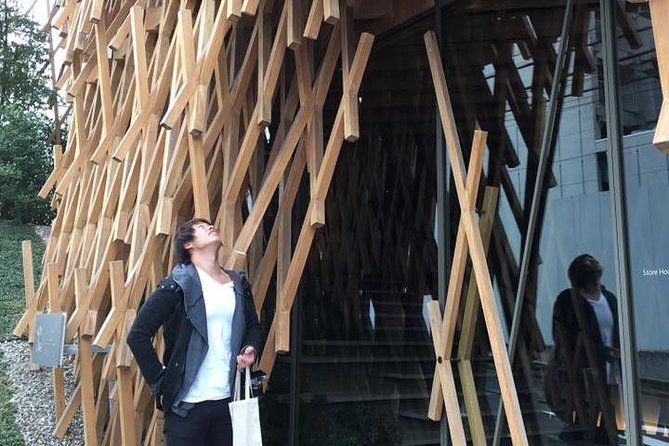
A walking tour sounds straightforward until you meet a guide who brings structure. This experience is led by a local licensed guide, and the strongest version is when the guide has a clear photo-driven narrative.
Guides you may encounter include Yoshi, Yoko, Taka, Aki, Mari, Junko, Yuki, and Eriko. Across these guides, the common theme is preparation. Many of them bring documented photos of buildings and architects, plus details like where to stand for the best viewing angles.
That matters because Tokyo streets can be tricky. A building might be best understood from a specific corner. With guidance, you are not wasting time wandering into the wrong angle.
Another smart feature: customization. The tour can be adjusted to your preferences, typically keeping the mix of top landmarks and less-visited buildings. If you tell your guide you prefer modern architecture over classic sites, or you want more outdoor photo time versus indoor time, you are likely to get a route that fits.
Timing, walking level, and what to expect on the ground
Plan for roughly 3 hours 30 minutes of active walking. The tour calls for moderate physical fitness. That usually means: bring shoes you can wear for long stretches, and expect a steady pace with regular stops.
Because there is no hotel pickup or drop-off, you should think of this as a clean, point-to-point urban walk. You meet near Meiji Jingu and finish at the Omotesando and Aoyama-dori intersection, in front of Mizuho bank.
I recommend building some buffer time afterward. Even if you feel done with the tour, Omotesando is the kind of area where you naturally keep looking back at facades and noticing details you missed earlier. Give yourself time to do that, instead of trying to jump immediately into another scheduled commitment.
Price and value: what $132.14 buys you here
At $132.14 per person, you are paying for a private, guide-led architecture experience rather than a general sightseeing walk.
So what makes it feel like good value?
- You get a local licensed guide who is focused on architecture and design decisions, not just facts about landmarks.
- You get a customizable route, which is where private tours often justify themselves. You are not locked into a cookie-cutter loop.
- You get a drinks pause included, which can save you time and also gives the tour a natural breathing point.
If you are the kind of traveler who likes to see buildings up close and understand why they look the way they do, this price can feel fair. If you only want quick photo stops with minimal explanation, you might not be maximizing the value.
Also, the tour is listed as having group discounts, so if you are traveling with a partner or friends who also care about architecture, it can become an even better deal per person.
Who should book this tour, and who might skip it
This tour fits best if you fall into one of these categories:
- You love architecture and modern design, including Olympic-era landmarks and designer buildings
- You want Harajuku and Omotesando but with meaning, not just brand names
- You like guided context that helps you interpret what you see while you wander on your own later
- You appreciate when the route includes both iconic spots and quieter backstreet angles
You might consider a different option if:
- You want minimal walking and fewer stops
- You are not interested in design explanations and would rather prioritize shopping or nightlife planning
- You prefer a fully silent experience, because the tour includes conversation and guided discussion points
Should you book the Private Harajuku Omotesando Architecture Walking Tour?
If you care about how Tokyo looks at street level, I think this is a strong booking. The biggest reason is the structure. You start with an iconic setting, you connect to Olympic-era modern architecture, then you move through designer corridors while learning how architects shaped what you see.
I would book it if you like tours that include a mix of headline buildings and smaller, less obvious architectural moments, plus a guide who brings photos and can adjust the route to your interests and comfort.
If you only want to check boxes, you may find it too thoughtful. But if you want to walk away with a mental map of design, this tour is the kind that makes your later Tokyo wandering feel sharper.
FAQ
Where does the tour start and end?
It starts at Meiji Jingu (Harajuku Eki), 1 Yoyogikamizonocho, Shibuya, Tokyo 151-0052. It ends at the Omotesando and Aoyama-dori intersection, in front of Mizuho bank, at 5-chōme-1-27 Minamiaoyama, Minato City, Tokyo 107-0062.
How long is the Private Harajuku Omotesando Architecture Walking Tour?
The duration is about 3 hours 30 minutes.
Is this a private tour or a group tour?
This is a private tour/activity. Only your group participates.
What is included in the price?
A local licensed tour guide is included, along with a cozy pause with drinks along the way.
What should I bring and how much walking is involved?
The tour is listed as requiring moderate physical fitness. Wear comfortable shoes, because it is a walking experience with multiple stops.
Is there a free cancellation option?
Yes. Free cancellation is available if you cancel up to 24 hours in advance for a full refund. If you cancel less than 24 hours before the start time, the amount you paid will not be refunded.
Latest write-ups near Tokyo
- Tokyo Customized Private Tour: See Top Attractions in 1 Day★ 4.8 · 67 reviews
- From Tokyo: Top 5 Scenic Spots of Mount Fuji Full-Day Tour★ 4.5 · 67 reviews
- Traditional Japanese Music ZAKURO SHOW in Tokyo★ 5.0 · 67 reviews
- Tokyo: Shinjuku Izakaya and Golden Gai Bar Hopping Tour (2h)★ 4.9 · 67 reviews
- Tsukiji: Unlimited Sake Tasting Experience★ 4.9 · 67 reviews
- Samurai Ninja Museum Asakusa: Kid-Friendly Ninja Training★ 4.7 · 67 reviews
- Tokyo: Not a show- a professional sumo practice with experts★ 4.9 · 67 reviews
- One Day Private Tour to Nikko With English Speaking Driver★ 5.0 · 68 reviews
Walking Tours, compared.
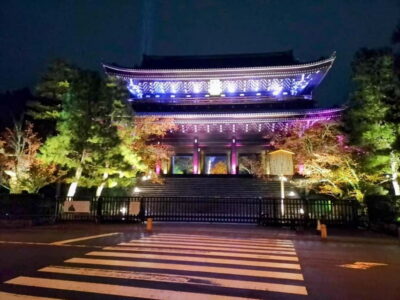
Kyoto Geisha Walking Tour: Gion District & Hidden Gems
Read our review →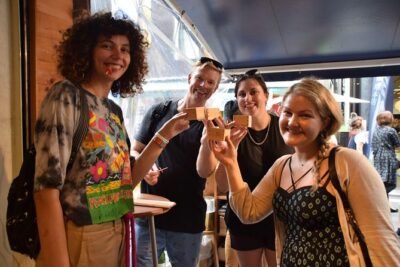
Tokyo Tsukiji Fish Market Food and Culture Walking Tour
Read our review →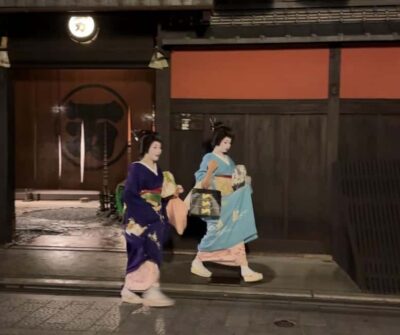
Gion Magical Night Walking Tour with Geisha Trivia
Read our review →
Imperial Palace and Shogun Historical Walking Tour
Read our review →
Gion Geisha District Walking Tour – Stories of Geisha
Read our review →
Shinjuku Local Bar and Izakaya Guided Walking Tour
Read our review →
Browse the lists this tour appears in