
Reviewed · PRIVATE DRIVERS
Private Memorable Tokyo Tour with English Speaking Driver
Tokyo is big, fast, and sometimes in your face. A private day like this is interesting because it tries to pack the city’s top sights into one tight loop, while keeping you out of the worst group-rush feeling. You start in Shinjuku, ride in your own vehicle, and hit major stops across multiple neighborhoods without constantly re-planning transit.
Two things I really like about this setup are the clear “checklist” itinerary and the chance to adjust on the fly. The stops cover the stuff most people want, from Senso-ji Temple to Shibuya Crossing, and the itinerary can be changed if traffic or lines get ugly. One thing to consider: this is not automatically a guided tour, it is a private chauffeur service, and the depth of on-site storytelling depends on the driver (or whether you add a separate guide).
Key reasons this private Tokyo day works
- Private car, up to 5 people, with a set 10-hour window including commuting
- A tight highlights route that reaches Tsukiji, Asakusa, Skytree, Imperial Palace area, Akihabara, Meiji Jingu, Shibuya, Harajuku, and Tokyo Tower
- Free entry at most stops, while major paid attractions (like Skytree and teamLab Planets) are clearly marked as not included
- Flexibility built in, with the option to skip stops due to traffic or overcrowding
- English communication, with multiple drivers praised for clear explanations and good pacing
Price and value for $600 per group (up to 5)
At $600 per group up to 5, the math is simple: you are paying for convenience, time saved, and the ability to see a lot in one day. If your alternative is public transit plus walking plus figuring things out under a deadline, the private vehicle becomes easier to justify fast.
This is also not a “one-size-fits-all” sightseeing bus. The tour is private, meaning you can split the difference between must-see photos and slower shopping stops. Feedback highlights that some drivers, such as Wahab, David, Abdul Waheed, Mazar, Ryan, and Irfan, were especially strong on communication and pacing, which is where the value really shows.
The one pricing risk is what you might be expecting from the word tour. Some people felt misled because they expected more guidance on-site and got a chauffeur who mainly drove and dropped them off. If you want deeper explanations at every stop, ask to arrange a guide in advance.
Also on the shortlist for Tokyo:
- Mt Fuji and Hakone 1-Day Bus Tour Return by Bullet Train
★ 5.0 · 26,383 reviews - 1-Day Tokyo Bus Tour
★ 5.0 · 14,250 reviews - Tokyo: TOKYO SKYTREE® Admission ticket
★ 4.5 · 11,192 reviews
Pickup in Shinjuku and the reality of a 10-hour day
The day starts at 9:00 am and runs about 10 hours including commuting time, returning you to the meeting point. “Including commuting” matters in Tokyo. Distances can look short on a map, but traffic and station navigation eat minutes.
Starting in Shinjuku is practical because it is a major hub. It also sets up a logical route through central Tokyo, then outward toward the areas people usually bundle together, like Harajuku and Shibuya.
You will be using a mobile ticket, and the itinerary notes that changes can happen due to traffic congestion or to avoid long waiting time in overcrowded spots. Translation: the tour is designed to stay flexible, not to bully you through every line no matter what.
Tsukiji Fish Market: 45 minutes to get your bearings
Stop 1: Tsukiji Fish Market (45 minutes, free entry) is a classic way to begin because it immediately anchors you in Tokyo’s food culture. Even though Tsukiji is now widely known for tourism, it still feels special because it is connected to the city’s fish history and atmosphere.
With only 45 minutes, you should treat this as a “walk, snack, and absorb” block. If you love seafood, this is your moment for quick bites and people-watching. If you do not care about fish, you might still enjoy it as a sensory contrast to temples and shopping streets later.
Practical tip: arrive with shoes that handle lots of walking, and be ready for a crowded, lively environment. This stop is not about calm contemplation. It is about Tokyo energy in a concentrated space.
Asakusa Senso-ji and the temple-side of Tokyo
Stop 2: Senso-ji Temple (1 hour, free entry) is Tokyo’s oldest religious building and one of the city’s most colorful landmarks. Expect huge visitor numbers, lots of sights in a small radius, and classic photo angles around the main approach.
This is where a private driver helps in a very real way. You still have crowds, but you avoid the stress of herding yourself through a maze of transit connections while everyone else is doing the same thing. You can also regroup more easily if someone wants sweets, souvenirs, or just another look at the details.
If you are choosing between doing Senso-ji properly and rushing, I would prioritize proper walking here. It is the kind of stop where the “in-between moments” matter: lanterns, incense area vibes, and the small shops clustered around the temple zone.
A change of pace from Tokyo:
- Tokyo: teamLab Planets TOKYO Digital Art Museum Entry Ticket
★ 4.6 · 9,779 reviews - Mt Fuji & Hakone Cruise, Drum Show Bullet Train 1 Day from Tokyo
★ 4.0 · 7,413 reviews - Tokyo: Sumo Show Experience with Chicken Hot Pot and a Photo
★ 4.8 · 6,678 reviews - Tokyo: Shinjuku Food Tour (13 Dishes at 4 Local Eateries)
★ 5.0 · 6,603 reviews
Imperial Palace East Garden: beautiful, but plan your time
Stop 4: Imperial Palace (45 minutes, East Garden without booking, free entry) gives you a calmer contrast after temple crowds. The area is tied to Japan’s imperial history and what used to be Edo Castle under the Tokugawa shogunate.
Here is the key detail: the East Garden can be explored without booking, but entry into the palace requires prior reservation if you want to go inside. The tour keeps things simpler by focusing on what you can do without extra setup.
One caution: this portion can feel like a long walk if your expectations are more like “see a highlight then move on.” A comment from past experiences suggested skipping the gardens if you feel it is too much walking for what you want to look at. If you are not into long, slow wandering, you might prefer to use that time for another short stop like Tokyo Tower, which is scheduled later.
Skytree viewpoints plus Tokyo Tower for the skyline fix
Stop 3: Tokyo Skytree (1 hour, admission not included) is all about height and views. The observation decks are on the 45th floor at 202 meters above the ground. The tour also notes that from the Tocho you can see places like Meiji Jingu and Tokyo Tower, which hints at the bigger point: skyline views can help you understand Tokyo’s layout.
Skytree is one of those attractions where the time you spend matters. If you go with a plan to take a few key photos and then enjoy the view, 1 hour is workable. If you stall, read everything, and keep waiting for perfect weather, it can eat the rest of your day. Paid admission is not included, so build your budget and expectations around that.
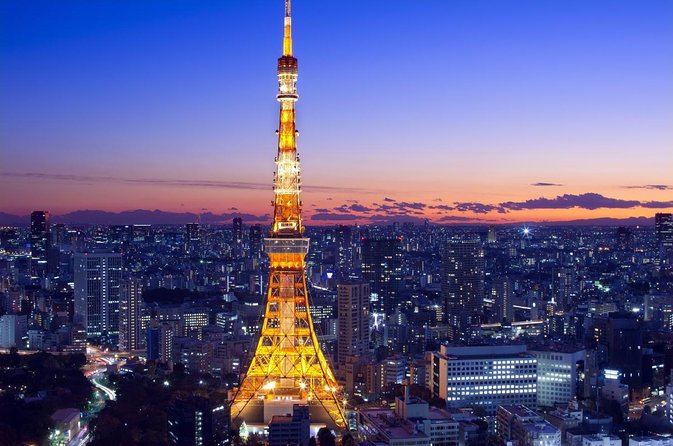
Later, Stop 10: Tokyo Tower (10 minutes, free entry) is a fast hit. It is the communications and observation tower, designed based on the Eiffel Tower, completed in 1958. Ten minutes is short, so think of Tokyo Tower here as a photo stop and quick look, not a full museum-style visit.
Akihabara: electronics, manga, and fast browsing
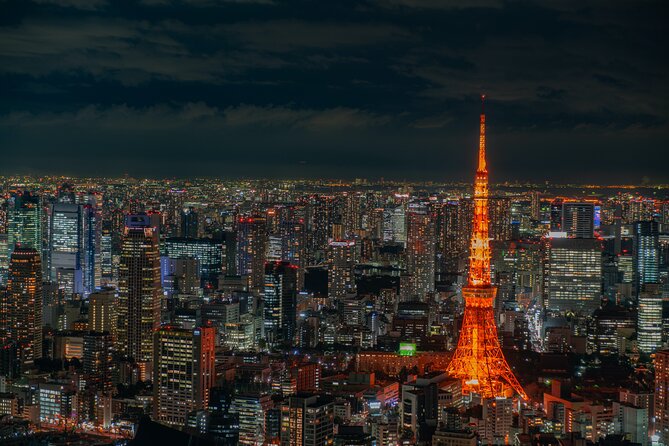
Stop 5: Akihabara (30 minutes, free entry) is a compact window into a neighborhood famous for electronics plus anime and manga culture. It ranges from tiny stalls to big stores, and Yodobashi Multimedia Akiba is specifically mentioned, so you can expect at least one big retail stop feel.
In 30 minutes, you cannot do Akihabara “deep,” but you can do it fun. This is ideal if you want to browse gadgets, pick up small souvenirs, or people-watch gamers and shoppers. If you are a serious collector, you will likely want more time on your own later.
A private vehicle also helps here because you can move quickly and avoid spending your precious minutes locked in transit decisions.
Meiji Jingu: a forested reset inside the city
Stop 7: Meiji Jingu Shrine (30 minutes, free entry) is one of Tokyo’s best mood shifts. You get a Shinto shrine surrounded by a lush green forest feel, located right in Shibuya. It is dedicated to the deified spirits of Emperor Meiji and Empress Shōken, which makes it more than just a pretty walk.
Even in a short visit, this stop works because it gives you a break from neon, crowds, and shopping intensity. The shrine area can feel slow and grounded even while the city hum continues around it.
If you want the best experience, do not rush through the main pathways. Treat it as a pause button. When your day already includes Tsukiji and Shibuya, this kind of quiet contrast is the difference between seeing Tokyo and feeling it.
Shibuya Crossing and Takeshita Street: youth culture and city noise
Stop 8: Shibuya Crossing (20 minutes, free entry) is described as the world’s busiest pedestrian crossing, with as many as 3,000 people crossing at a time. In practice, it is a photo and orientation stop. You will see the scale of Shibuya Station and the way people flow like a living system.
The private-tour advantage here is not that the crossing is empty. It is that you can arrive, grab your angles, and then move on without losing time to transit mistakes.
Then Stop 9: Takeshita Street (1 hour, free entry) in Harajuku gives you the playful side. It is famous for youth-driven shops and sweets, especially fluffy sugary crepes. This is where you can slow down and let the street lead you into what looks fun.
One practical expectation: this stop is where time can disappear. It is easy to get distracted by accessories, snacks, and tiny shops. If your group has both sightseers and shoppers, this is often the best place to compromise because everyone can find something.
Odaiba Statue of Liberty replica and teamLab Planets, only if time allows
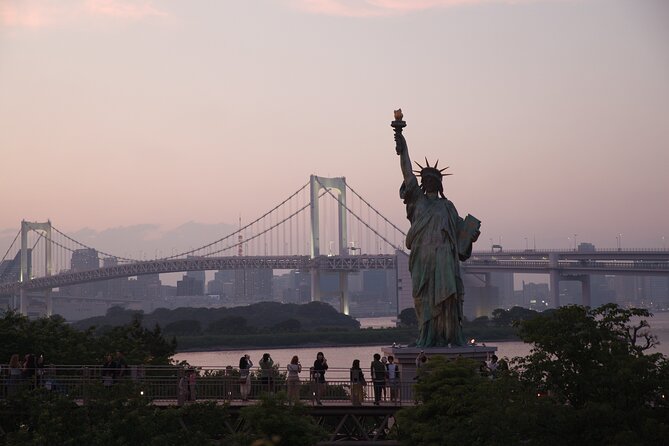
Stop 6: Statue of Liberty replica (Odaiba waterfront, 30 minutes, free entry) is a popular photo-op with Rainbow Bridge in the background. It is an 11m-tall Lady Liberty replica and has been on the waterfront since 1998.
This stop is noted as possible if you have time, which matters because Odaiba can take longer to reach depending on traffic. If you care most about photos and a different Tokyo vibe, this is the one to keep on your radar as a “maybe.”
Then there is teamLab Planets TOKYO (30 minutes, admission not included). The tour describes walking through water and a garden where you become one with the flowers. It is also marked as possible if you have time.
This is the wildcard stop. teamLab often benefits from arriving mentally ready for the rules of the experience, and paid admission means you should check your budget and confirm what you want to do. If you are hoping for a full, immersive art session, you may want more than 30 minutes. But if you treat it as a highlight add-on, it can fit well.
What “not a guided tour” really means in your day
This is the most important nuance in the whole experience. It is a private tour/activity, but specifically described as not a guided tour by default. In other words, you are hiring an English-speaking driver and vehicle to get you efficiently from stop to stop.
Some drivers clearly take on the role of explaining history and context. Named examples from feedback include Wahab, David, Abdul Waheed, Mazar, and Ryan, with praise for polite behavior, patience, and clear English explanations. That is great, and it can turn a chauffeur day into a real storytelling day.
Other experiences show the downside. If your driver does not provide much information and mainly drops you at each stop, it can feel expensive for what you got. My advice: if you want more than logistics, you should request a guide arrangement at an additional cost. That small step can protect you from ending up with a day that feels like a very pricey taxi.
Crowds, lines, and flexibility when Tokyo gets intense
Tokyo’s most famous sights can be packed. The tour sets expectations that the itinerary may change due to traffic congestion or to avoid long waiting time in overcrowded situations.
That flexibility is one of the biggest advantages of doing this as a private day. You are not trapped waiting for a schedule. If Senso-ji or Shibuya turns into a “too many people, too little fun” moment, the tour can adjust.
Just keep in mind: skipping stops changes your ideal day order. If you strongly care about one paid attraction like Skytree or a ticketed experience like teamLab Planets, treat it as a priority and try not to depend on last-minute “if we have time” logic.
Who this private Tokyo day is best for
I think this tour fits best if you:
- Have limited time in Tokyo and want a lot of iconic stops in one day
- Prefer a private vehicle over transit puzzles
- Want the freedom to shift priorities, especially between shopping streets and sightseeing
- Value English communication and smoother logistics more than deep lectures at every stop
It may be less ideal if you:
- Want a fully structured guide narration throughout every attraction without adding anything extra
- Plan to linger for long periods at every paid site, since some stops are designed as quick hits
Also, the tour notes “most travelers can participate,” which helps, but your comfort with walking matters. A day like this includes multiple neighborhoods, and some stops can involve longer walks than others, especially the Imperial Palace gardens.
Should you book this private Tokyo highlights tour?
I would book it if you want a streamlined, realistic way to see Tokyo’s greatest hits without burning hours on transit and without giving up your whole day to crowds and logistics. The mix of temples, skyline viewpoints, neighborhood flavor, and shopping streets makes it a strong “first Tokyo day” or “only one day here” plan.
But I would also book it with one smart move: clarify what role your driver will play. If you want real guided commentary, ask about arranging a guide rather than hoping for storytelling on your own. Past experiences show that when you get the right communicator, the day can feel genuinely worth it, not just efficient.
If you match that mindset, this tour is a practical way to turn limited time into a full day of Tokyo impressions, from Tsukiji’s energy to Meiji Jingu’s pause to Shibuya’s chaos.
Latest write-ups near Tokyo
- Tokyo Nights: Shibuya Photo Adventure★ 5.0 · 20 reviews
- Wagyu & Sake 8 Course Tasting Dinner in Shinjuku★ 4.9 · 20 reviews
- Making Japanese desserts Nerikiri & drinking matcha in Tokyo★ 5.0 · 20 reviews
- Mt. Fuji 5th Station, Owakudani Ropeway, Pirate Ship plus Outlet shopping!★ 4.5 · 20 reviews
- Japanese Whisky Hunting《HIGH-QUALITY-ONLY》Rare Tasting Class★ 5.0 · 20 reviews
- Kintsugi Experience with Arita Ware in Tokyo (English Guide)★ 4.8 · 20 reviews
- This is Asakusa! A Tour Includes the All Must-Sees!★ 5.0 · 20 reviews
- Ebisu Local Food Tour: Shibuya’s Most Popular Neighborhood★ 5.0 · 20 reviews
Private Drivers, compared.
Mt Fuji Private Tour with English Speaking Driver
Read our review →
Mt. Fuji & Hakone Private Day Tour with English-Speaking Driver
Read our review →
Haneda Airport (HND) Private Transfer to Central Tokyo
Read our review →
Mt. Fuji, Hakone Full-Day Private Tour with English Driver Guide
Read our review →
Mt. Fuji Day Trip from Tokyo with English Speaking Driver Guide
Read our review →
Mt. Fuji & Hakone Private Custom Tour English Driver
Read our review →
Narita Airport (NRT) Private Transfer to Central Tokyo
Read our review →
Private Haneda Airport (HND) to Central Tokyo City Transfer
Read our review →Browse the lists this tour appears in