
Reviewed · TEA CEREMONIES
Kyoto: 45-Minute Tea Ceremony Lesson Experience
If you want Kyoto culture that feels like a real class, this 45-minute tea ceremony lesson is a smart pick. You sit on tatami, watch a licensed Urasenke tea master prepare matcha, then you make tea yourself using the proper steps. I especially like that it teaches the etiquette and the “why” behind each motion, not just the how.
Two big wins for me are the chance to try two flavors of Japanese green tea and the quiet, hands-on pace of a full thin tea style ceremony. One thing to consider is that it is serious and rule-based, so it can feel a little time-compressed if you want lingering explanations, and you’ll be on the floor unless you request chairs.
Key Points That Make This Kyoto Tea Ceremony Lesson Worth It
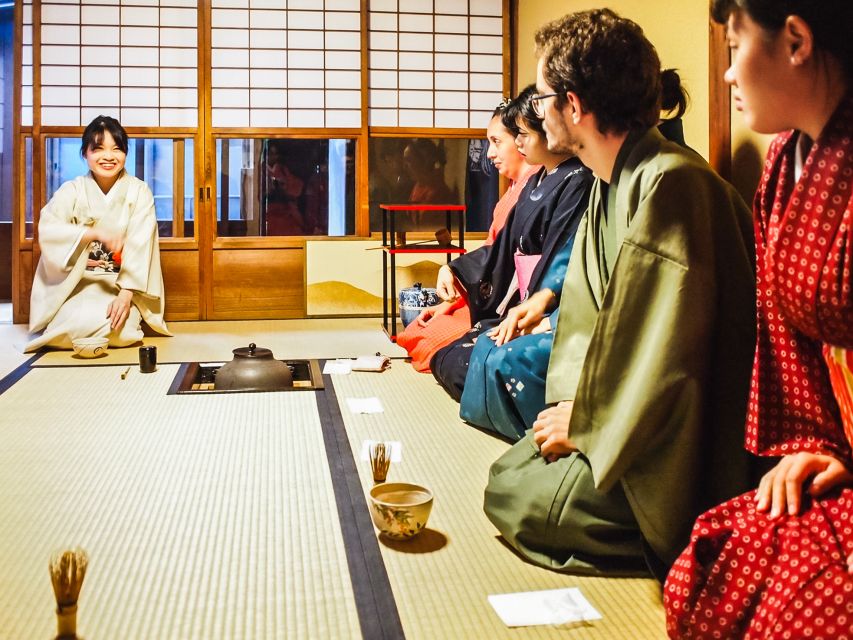
- Urasenke tea master instruction with a clear focus on correct technique and spirit of the ceremony
- You make matcha yourself, after watching the full ceremonial prep
- Two matcha flavors plus traditional sweets, so you taste the lesson, not just hear it
- Options for private, small public groups, or candlelight after sunset
- No video recording, which keeps the experience respectful and distraction-free
- Kimono add-on includes a photo moment and time to view Nishijin textiles afterward
A Kyoto Tea Ceremony Lesson That Feels Like a Real Class, Not a Show
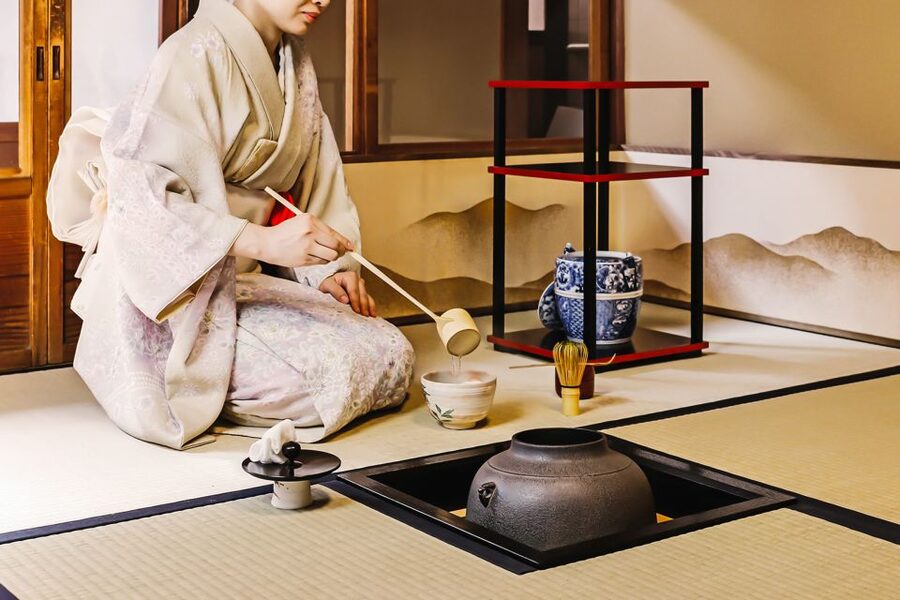
This experience works because it’s built for learning. Tea Ceremony Koto has a clear philosophy, since 2015, of teaching the ceremony the way Japanese beginners learn it, not a watered-down performance. That matters because you don’t just end up with a cup of matcha, you actually understand what the ceremony is trying to do.
I like that the lesson is short enough to fit into a day in Kyoto, yet complete enough to feel like you followed a genuine sequence. The ceremony includes the thin tea style, and the rules are explained so you’re not guessing what you’re supposed to do.
The best part for you is that you’ll leave with something practical. You’ll know how matcha is prepared, how to handle the utensils, and why certain choices change the taste. It’s the difference between watching someone pour tea and learning how to do it yourself.
More Tea Ceremonies in Kyoto
- Kyoto: Tea Ceremony in a Traditional Tea House in Kiyomizu
★ 4.9 · 3,519 reviews - Kyoto: Tea Ceremony Ju-An at Jotokuji Temple
★ 4.9 · 3,207 reviews - Kyoto: Table-Style Tea Ceremony at a Kyo-Machiya
★ 4.9 · 1,211 reviews
Meeting Your Tea Master and Learning the Urasenke Approach
You’re met by an English-speaking host who is a licensed tea master from Urasenke, the biggest tea school in Japan. That’s not a small detail. Urasenke is known for being structured, and in a tea ceremony, structure is everything.
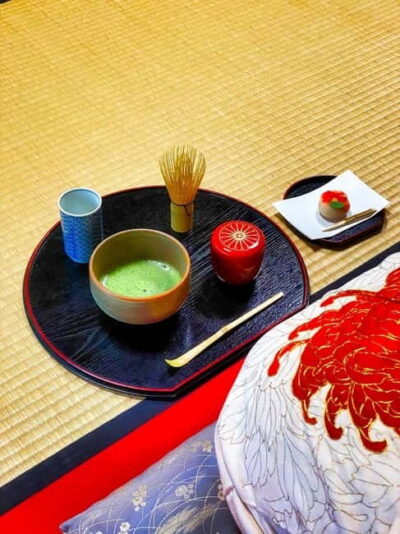
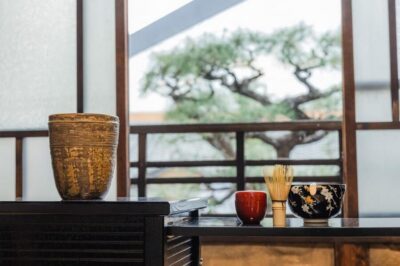
The host first demonstrates the ceremonial preparation of matcha. Then you get your turn, while the tea master talks through the history and spiritual role of the tea ceremony. You also learn how different tea-making methods affect flavor, so the lesson connects technique to taste.
If you’re worried that all this sounds too formal, don’t be. The hosts are used to working with visitors. One verified booking specifically called out Joseph for friendliness and help, and that matches the general vibe from the experience itself: respectful, attentive, and focused on helping you get it right.
The 45 Minutes on Tatami, What Happens Step by Step
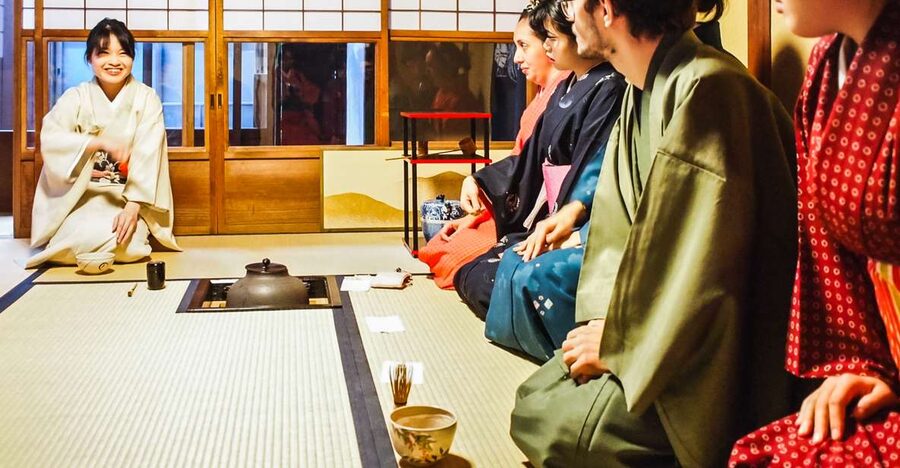
Plan for a structured flow that stays close to the ceremony’s rhythm. You’ll take your place on tatami, the traditional floor mat, and begin with a watch-and-learn segment. The tea master performs the matcha preparation first, using the correct ceremonial motions and pacing.
Then you shift from observer to participant. You’ll make tea yourself following the rules of the tea ceremony. It’s not just one quick try either. The lesson is designed so you can feel the difference between steps, then taste what those steps produce.
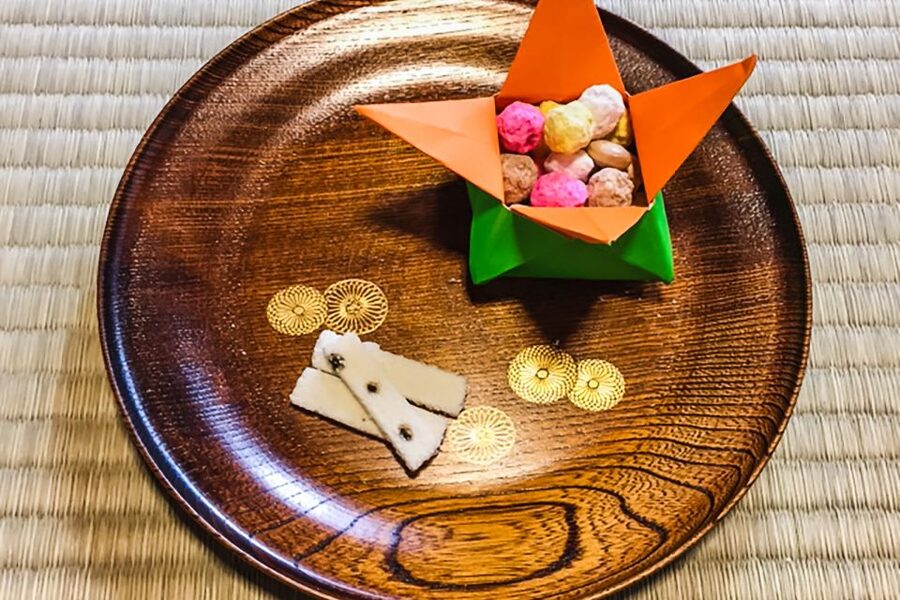
After the tea, you’ll savor traditional Japanese sweets. This matters more than it sounds. Those sweets are part of the balance of the ceremony, helping you experience the matcha and its bitterness in a way that feels intentional, not harsh.
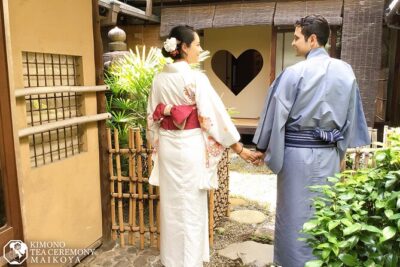
Finally, once the ceremony ends, you get a photo moment and a look at examples of kimonos and woven textiles from Nishijin, Kyoto’s famous district for high-quality weaving. You can add a kimono rental if you want, and that includes a built-in photo setup to remember the experience.
One practical note: this is a 45-minute experience. You get plenty for the cost and time, but if you want a slow, chapter-by-chapter lecture, the schedule may feel tight. The upside is you’ll keep moving while everything is still fresh and clear.
Matcha, Sweets, and How the Rules Actually Affect Flavor
Here’s what makes a tea ceremony lesson useful: the ceremony treats preparation like part of the flavor system. When you whisk matcha with the right method, you change the texture. When you handle the tools correctly, you change timing and consistency. And when you serve and drink with proper etiquette, you change how you experience the tea.
That’s exactly what the tea master explains during your session. You hear about the history and the spiritual role of the tea ceremony, but you also get the practical side. For example, you learn how different tea-making methods affect flavor, which helps you understand why matcha quality and technique matter.
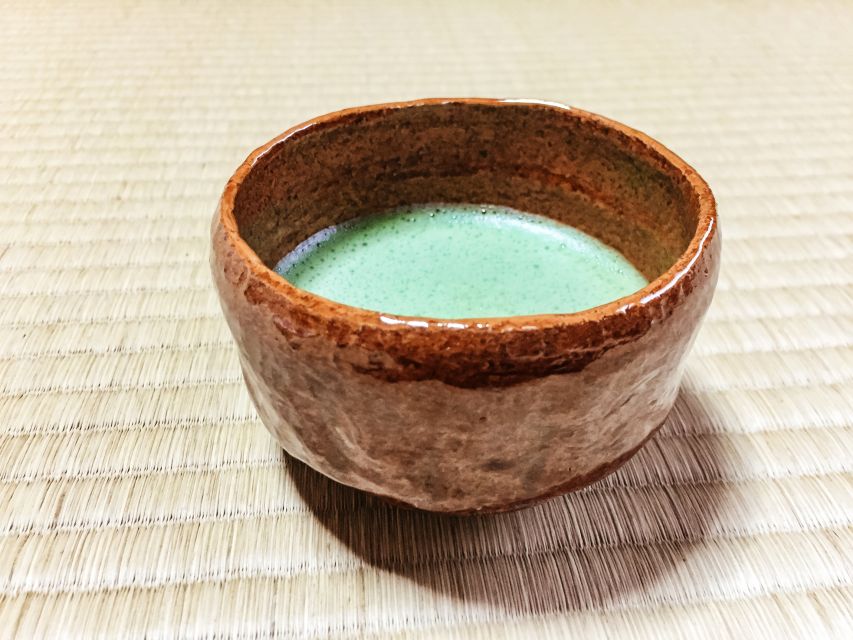
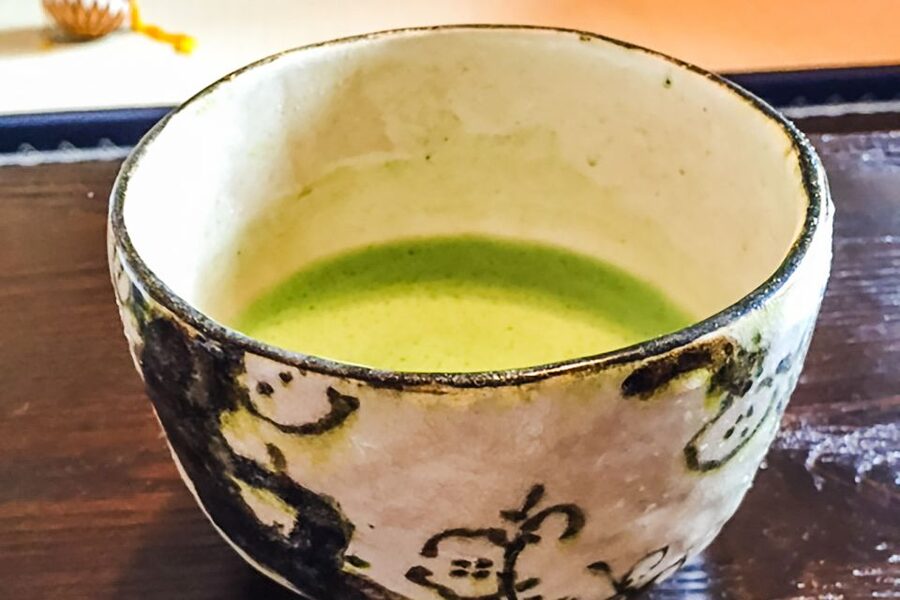
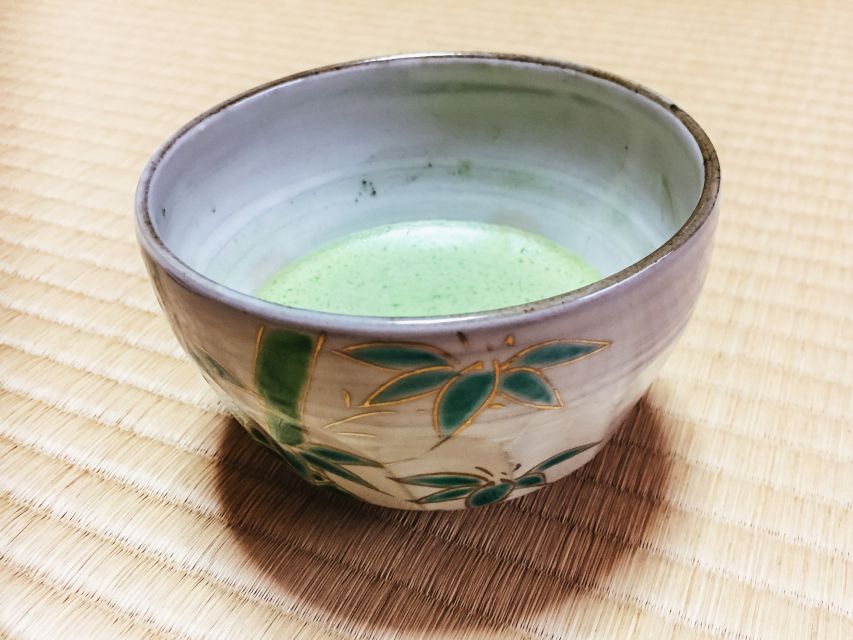
In your cup, you’ll also taste two flavors of Japanese green tea. That gives you a better sense of what to look for. Some people come in expecting matcha to be painfully bitter, but sweets plus technique help soften the experience. If you’re sensitive to bitterness, you’ll still want to treat matcha as something you learn to appreciate, not something you power through.
The sweets are traditional Japanese and included with the lesson. They’re not random snacks. In tea culture, sweets are often chosen to complement the tea, and here they complete the tasting moment so you can compare tea and sweetness in context.
A change of pace from Kyoto:
- PERFECT KYOTO 1-Day Bus Tour
★ 5.0 · 13,518 reviews - Kyoto: Fushimi Inari, Kinkakuji, Bamboo Grove 1 Day Bus Tour
★ 4.8 · 4,316 reviews - Kyoto Geisha Walking Tour: Gion District & Hidden Gems
★ 4.7 · 3,273 reviews - Kyoto: Gion Magical Night Walking Tour with Geisha Trivia
★ 4.9 · 2,393 reviews
Kimono Add-On, Nishijin Textiles, and Your Photo Moment Afterward
Wearing a kimono is one of the easiest ways to make a Kyoto experience feel extra memorable. This lesson offers a kimono add-on you can select during booking. There is no dress code for the base experience, so you can go in casual clothes and still enjoy everything.
If you do add the kimono, you need to arrive 20 minutes early. That’s because it’s difficult to add it at the last second. The good news is that the kimono option is not just about photos. The ceremony itself still follows the rules, so the outfit supports the experience instead of replacing it.
After the ceremony, you’ll also have time to see examples of kimonos and beautiful woven textiles made in Nishijin. Even if you don’t rent a kimono, this visual part adds value. Kyoto’s craft identity is woven into daily life, and textiles are one of the easiest ways to “see” that craft culture.
One more practical detail: video recording is not allowed during the ceremony. Photos are fine, and photo time happens after the tea. So if your plan is to film, you’ll be disappointed. If you want something calmer with fewer distractions, this rule helps.
Private, Public, or Candlelight: Pick the Mood You Want
You can choose the atmosphere that matches your day in Kyoto.
Private ceremony option
This is best if you want quiet attention and a little less social pressure. It’s ideal for couples, families, or anyone who just wants a slower, more personal exchange with the tea master.
Public ceremony option
This is for when you want a small-group experience and a shared learning vibe. It can feel more like joining Japanese beginners, since you practice etiquette together and watch each other’s pace.
Candlelight ceremony option
If you’re booking for evening, this can be a standout. Candlelight recreates a peaceful old Kyoto mood after sunset, and the ambiance shifts the entire feeling of the room. It’s also a great fit for couples or anyone who wants the ritual to feel more atmospheric and less daytime.
If you’re the type who gets restless waiting in small rooms, the short 45-minute format can actually work in your favor. You’ll be focused, not bored.
Getting There Near Kinkakuji: Simple On Foot, Smart With Transit
This is not a “meet outside the hotel” style activity. Hotel pickup is not included. So you’ll want to rely on buses or walking.
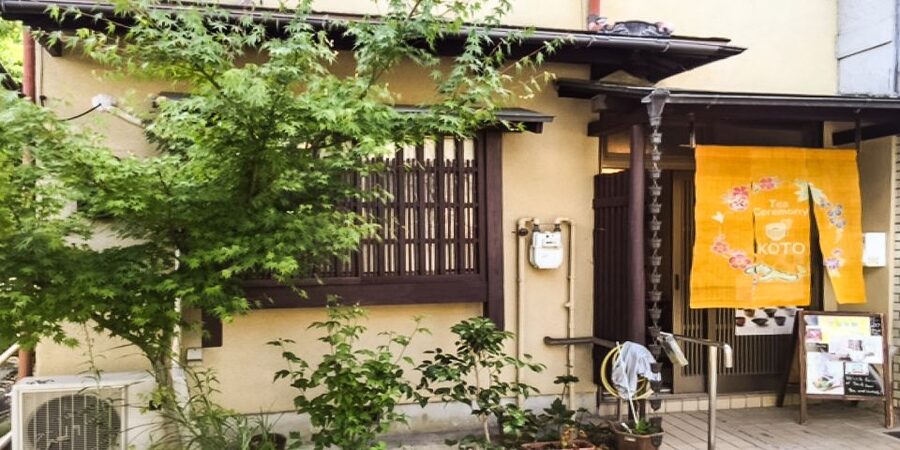
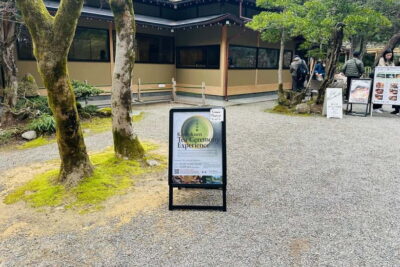
The meeting point is specific: enter from the sliding door with the orange curtain at the building. The location is extremely close to famous landmarks, including Kinkakuji-temple. You’re also looking for a 1-minute walk from the Kinkakuji-Michi city bus stop, and it’s about 10 to 15 minutes by Kyoto city bus 204 or 205 from Kitaoji subway station or JR Enmachi.
If you’re biking, look next to the parking area for bicycles when you visit Kinkakuji-temple.
One logistics tip that matters in Kyoto: calling a taxi after the experience is difficult because taxi companies won’t get on the phone immediately. There is a big taxi stand just in front of the location, and it usually opens around 5:30 PM. So if your session runs later in the day, plan your exit with that reality in mind.
Price and Value: Why $22 Can Feel Like a Deal
At $22 per person for 45 minutes, the value comes from what is included, not from what’s excluded. You get two flavors of Japanese green tea and traditional Japanese sweets. You also get instruction from a licensed tea master with an English or Japanese language option.
What you don’t get in the base price matters too. Hair setting and kimono rental are not included, and hotel pickup is not included. But those are common add-ons and logistics costs in Kyoto.
The key value angle is that this is not a simplified beginner “tour snack.” It’s taught using the full version of the thin tea style, with rules explained so you’re participating correctly. For $22, that’s a strong cultural payoff.
If you add kimono, the total cost rises, but you also gain a more memorable visual experience and a built-in photo opportunity. Just remember the 20-minute early arrival for kimono.
Who Should Book This Kyoto Tea Ceremony Lesson
This experience fits you if you want Kyoto culture you can actually do with your hands. You’ll enjoy it most if you care about manners, technique, and quiet focus, even for a short time.
It’s also a great match if you want a structured cultural activity near Kinkakuji. It doesn’t take over your day, and it ties into Kyoto’s craft identity through the Nishijin textile viewing.
I’d be cautious if you struggle with floor seating. You can inform the supplier ahead of time if you might have difficulty sitting on the floor, and chairs can be provided. If you don’t want to worry about that, book the chair option request early.
And if you want nonstop sightseeing energy or lots of video content, skip it. The ceremony is meant to be lived respectfully, with video recording not allowed.
Should You Book This Kyoto Tea Ceremony Experience?
Yes, you should book it if your goal is learning the real etiquette and method behind matcha, in a short 45-minute format. The combination of an Urasenke licensed tea master, hands-on preparation, and included tea tasting plus sweets is a solid value, especially for first-time visitors who don’t want a simplified show.
I would book with extra confidence if you want candlelight or you’re considering the kimono add-on. Those choices turn the ritual into something you’ll remember visually, not just in your head.
Skip it only if you need a very laid-back, casual, camera-first experience. This is a ceremony with rules. If you show up ready to listen, follow along, and sit still, you’ll have a calmer, more authentic Kyoto moment than you expected.
FAQ
How long is the Kyoto tea ceremony lesson?
The experience lasts 45 minutes.
Where do I meet for the tea ceremony?
Enter from the sliding door with the orange curtain at the building. It is about a 1-minute walk from the Kinkakuji-Michi city bus stop and next to the gate of Kinkakuji-temple.
Is hotel pick-up included?
No, hotel pick-up is not included.
What is included in the price?
You get two flavors of Japanese green tea and traditional Japanese sweets.
Do I get to make tea myself?
Yes. You watch the matcha preparation first, then you have the chance to make tea yourself following the rules of the ceremony.
Can I take photos or record video?
Photos are allowed, but video recording is not allowed.
Is there a dress code?
There is no dress code for this activity. Kimono is available as an add-on if you choose it.
If I book a kimono add-on, when should I arrive?
If you reserve the kimono add-on, you need to arrive 20 minutes early.
What session options are available?
You can choose a private ceremony option, a public ceremony option, or a candlelight ceremony option.
Can I cancel, and is there a reserve now pay later option?
Yes. You can cancel up to 24 hours in advance for a full refund, and there is also a reserve now and pay later option.
Latest write-ups near Kyoto
- Kyoto Tea Ceremony and Samurai Photo Session★ 5.0 · 70 reviews
- Kyoto: Replica food making experience★ 4.8 · 70 reviews
- Kyoto: Kinkakuji, Golden Pavilion Guided Tour★ 4.7 · 71 reviews
- Private departure transfer from Kyoto city to Kansai International airport★ 5.0 · 72 reviews
- Uji: Green Tea Tour with Byodoin and Koshoji Temple Visits★ 4.8 · 72 reviews
- Kyoto: Geisha Dinner & Gion Cultural Walk★ 5.0 · 73 reviews
- Kimono and Yukata Experience in Kyoto★ 4.5 · 73 reviews
- Kyoto: Toei Kyoto Studio Park Admission Ticket★ 4.1 · 73 reviews
Tea Ceremonies, compared.
Tea Ceremony in a Traditional Tea House in Kiyomizu
Read our review →
World Heritage Kyoto & Nara Uji Authentic Matcha Experience
Read our review →

Arashiyama Bamboo Forest, Monkeys, Matcha & Temple Tour
Read our review →Browse the lists this tour appears in