
Reviewed · SUMO EXPERIENCES
Sumo Practice Viewing Guided Tour and Photo with Sumo Wrestlers
Watching sumo practice up close at a real stable feels different from watching a match on TV. You get behind the scenes at Tatsunami-beya, a place treated as sacred, where wrestlers live and train every day. I like that this tour slows you down, adds context with an English guide, and turns a sport into something you can actually respect while you watch.
Two things I really like: you sit on cushioned tatami seating during practice, close enough to see the intensity of the work, and you have both a licensed English guide interpreter and an audio guide to keep you oriented. One possible drawback to know up front is that practice viewing is intentionally quiet, so if you expect lots of back-and-forth chatter or nonstop action, this won’t feel like a high-energy show.
Key moments I think you should plan for
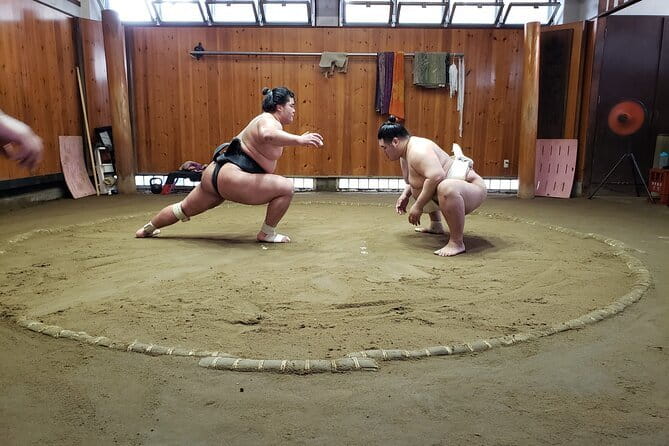
- Tatsunami-beya is a working stable, not a museum, so etiquette matters from the first minute
- Talking is prohibited during practice, but the tour provides an audio guide so you still follow what you’re seeing
- Tatami seating plus optional chairs helps you settle in for a longer, seated viewing period
- No flash, no touching, no stepping on the ring keeps the session safe and respectful
- Commemorative photo time happens after practice, with a Q&A corner included
- Yokozuna attendance isn’t guaranteed, even if the stable is home to an active one
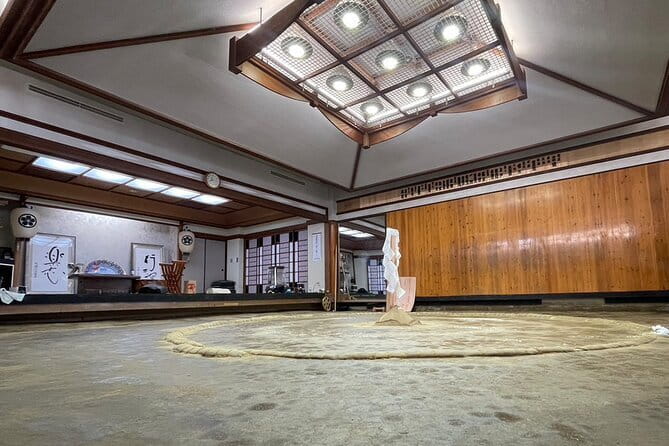
Tatsunami-beya: A sacred training hall you actually get to see
This is one of those Tokyo experiences that feels genuinely hands-on, without being staged. You’re visiting a sumo stable where wrestlers practice daily, and you’ll follow the rules that protect that routine. That means shoe removal, silence, and careful movement, because this is where training, discipline, and tradition happen all the time.
What makes Tatsunami-beya especially interesting is that it houses an active top-ranked wrestler. The Yokozuna connected to the stable does not appear at every session, so you should book with the right expectations: you’re coming to watch the practice culture and the training rhythm, not to count on a specific celebrity sighting.
The other quiet advantage is scale. The group is capped at 45 travelers, so you’re not lost in a massive crowd trying to hear instructions over people shifting in seats. You still have to be still, but you won’t feel boxed in.
More Sumo Experiences in Tokyo:
- Tokyo: Sumo Show Experience with Chicken Hot Pot and a Photo
★ 4.8 · 6,678 reviews - Tokyo: Sumo Show and Dining Experience
★ 4.8 · 2,742 reviews - the SUMO show
★ 5.0 · 1,960 reviews
How the morning practice viewing really works (quiet, etiquette, and tatami seating)
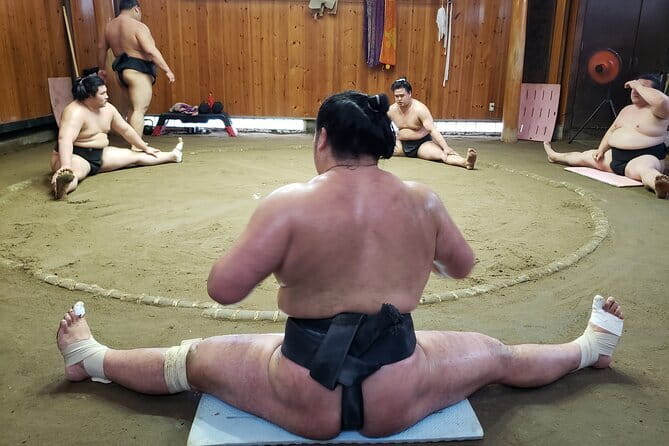
This tour’s core moment is the practice viewing. It’s not a fast tour bus ride where something happens every minute. Instead, you settle in and watch wrestlers go through drills and warm-up style work designed for the Grand Sumo Tournament schedule.
Here’s what you should expect in your body and in your mind:
- You’ll watch while seated on a wooden floor with cushion seating on tatami mats.
- You will need to keep still and follow strict etiquette so you don’t distract the wrestlers.
- Talking and whispering are prohibited, and you’re asked to keep your phone silent or off.
That last part sounds minor until you realize it changes the feel of the experience. You’re in a sacred work space, so the whole atmosphere becomes focused and disciplined. The provided audio guide is the safety net that keeps you from feeling lost.
If you worry about sitting for a while, pay attention to the accommodations. Chairs can be provided if you have difficulty sitting, but you have to request this in advance (in the remarks). It’s also smart to plan for a cool, comfortable start since you’ll be standing around briefly before you sit down.
Also, small sensory rules matter here. The tour notes say excess perfume and fabric softener scents are not allowed, and sunglasses and hats should come off indoors. It’s a reminder that you’re not just watching sumo, you’re sharing the space with athletes who need focus.
Stop-by-stop breakdown: the lecture, the practice, and your photo moment
This tour runs about 1 hour 20 minutes to 2 hours starting at 8:30 am. Time estimates can shift depending on how many wrestlers are practicing that day, and the practice viewing may be shorter or longer. If it ends earlier, there’s no refund, so treat the start time as the anchor and be flexible with the ending.
Stop 1: Tatsunami-beya viewing lecture (about 10 minutes)
You begin with a short orientation. The guide interpreter provides basic information so you understand what you’re about to see and how to watch properly. This matters more than it sounds. If you know what each moment is for, the practice stops feeling like random warm-up and starts feeling like a planned training system.
You’ll also get reinforced etiquette guidance, which is key because the rules are strict. You’re not allowed to stand up or move around during practice. You’re not allowed to step on the ring or touch wrestlers without permission. And you’re expected to remove your shoes and keep them neatly in place.
A change of pace from Tokyo:
- Mt Fuji and Hakone 1-Day Bus Tour Return by Bullet Train
★ 5.0 · 26,383 reviews - 1-Day Tokyo Bus Tour
★ 5.0 · 14,250 reviews - Tokyo: TOKYO SKYTREE® Admission ticket
★ 4.5 · 11,192 reviews - Tokyo: teamLab Planets TOKYO Digital Art Museum Entry Ticket
★ 4.6 · 9,779 reviews
Stop 2: Practice viewing with audio guide (about 45 minutes)
This is the main event. You’ll watch from your seat during morning practice while the audio guide helps explain what’s happening. Since talking is forbidden, this part is where the audio support becomes central to your enjoyment.
The important practical detail is that practice sessions are not built for audience interaction. You might notice that only a small number of wrestlers are active at once, and the pace can feel like training rather than performance. If you came to Tokyo wanting constant explanations and commentary, you may find the silence takes getting used to. But if you can accept the rhythm of a sports training session, this is also where the authenticity hits hardest.
One thing that affects comfort is communication. Even with a licensed English interpreter and an audio guide, audio quality can vary by group and device. If you’re the type who struggles with hearing spoken explanations in noisy or tight spaces, be ready to ask for quick adjustments during the session.
Stop 3: Commemorative photo with wrestlers and a Q&A corner (about 15 minutes)
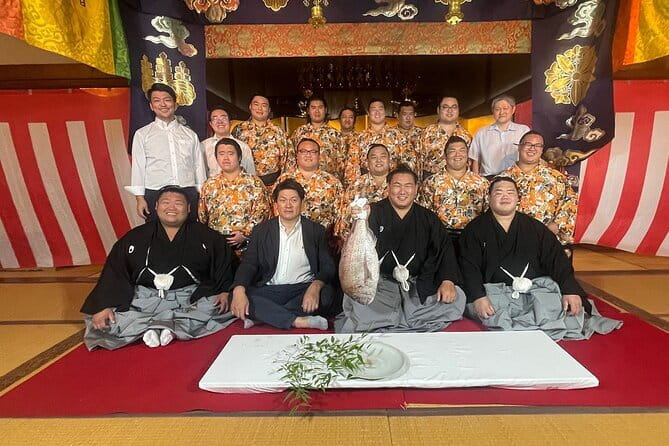
After practice, the tour shifts from watching to meeting. You’ll get a commemorative photo with the sumo wrestlers and you’ll have time around a Q&A corner. This is a good chance to ask respectful questions that you didn’t want to interrupt during the quiet viewing.
You’ll also get a look at personal belongings as part of the photo moment. That’s a small but meaningful detail because it helps you connect the training space to real daily life. The tour also includes JTB Sunrise Tours original merchandise, and the experience is set up so you can shop for exclusive mementoes after the practice period.
The audio guide, the interpreter, and how to make it work for you
This experience uses two layers of language support: a licensed English guide interpreter and an audio guide service during practice. The interpreter handles the orientation and likely also guides you through rules and context. The audio guide is your companion during the quiet segment when talking is forbidden.
In practice, you should do three things to protect your enjoyment:
- Arrive early enough to get oriented. Early means fewer rushed questions and less confusion about where to sit.
- Listen once, then watch with intention. The audio guide is most useful if you understand the goal of the drills before you go into deep observation mode.
- If you can’t hear clearly, let the staff know quickly. Don’t tough it out, because the practice time is when you need the explanations most.
Because one independent negative note centered on trouble understanding English and audio devices, I’d treat sound clarity as a genuine factor in your decision. If you rely heavily on spoken narration to enjoy a tour, prioritize this tour only if you’re comfortable with audio-based learning and quiet observation.
Getting there from Asakusa Station, and what to bring (and not bring)
The meeting point is Tatsunami-beya Sumo Stable at 1-chōme-16-5 Hashiba, Taito City, Tokyo 111-0023, Japan. Start time is 8:30 am, so aim to be at the meeting point a bit early, especially if you’re walking from a transit station.
The stable entrance is about a 30-minute walk from Asakusa Station (Toei Line, Tokyo Metro Line, and Tobu Railway). There are also bus options, including Toei Bus East 42-Ko and Taito Ward Kita-Megurin loop bus. If you’re traveling with heavier bags, this matters because the tour says you cannot bring strollers or large baggage like suitcases into the training hall area.
What to bring:
- Your mobile ticket (the tour uses a mobile ticket)
- Something warm enough for early morning outside, then light layers once you’re seated indoors
What to avoid:
- Eating and drinking during the visit is not allowed
- Flash photography is not allowed
- Strong scents like heavy perfume or fabric softener smells are discouraged or prohibited
- Hats and sunglasses should come off inside
Also plan for shoes. You’ll take your shoes off, and you should expect limited restroom availability. The tour advises using the restroom prior to entry, which is good advice. You’ll be settling in for a seated session, so make the body-comfort decision early.
Price and value: is $118.60 worth it for 1.5 to 2 hours?
At $118.60 per person, this isn’t a bargain-basement Tokyo activity. But it also isn’t trying to be. You’re paying for rare access to a working stable, plus two forms of structured interpretation (interpreter and audio guide), and a commemorative photo time.
Here’s why it can feel like good value anyway:
- You’re not just watching sumo, you’re observing training in a real stable with strict etiquette and guidance that protects the experience
- The practice viewing is the center of the day and is handled in a way that keeps you seated and informed rather than shuffled around
- You also get included original merchandise and a photo after practice, which adds tangible take-home value
Where the price may feel steep is if you’re only interested in high drama or constant spectacle. This tour intentionally limits interaction and keeps you quiet. If you came expecting something closer to a performance, you may feel the money went toward a long, still viewing session.
My practical take: it’s worth it if you’re the type who enjoys rules, ceremony, and sports technique. If you prefer fast-moving, lively tours, you might do better with other sumo-related experiences first, then come back to this one if you want the behind-the-scenes perspective.
Who should book this Tatsunami-beya practice tour?
I think this tour suits a very specific kind of traveler. It’s for people who like authenticity over entertainment and who enjoy learning cultural etiquette while watching real training.
You’ll likely enjoy it if you:
- Want behind-the-scenes access to a traditional sumo stable
- Like quiet observation with explanations provided by audio
- Appreciate Japanese sports culture and respect rituals
- Are okay with a seated experience on tatami flooring for a meaningful chunk of time
It may be less ideal if you:
- Need constant conversation to stay engaged
- Hate audio-based guidance or struggle with understanding spoken English in general
- Expect a yokozuna appearance every time, because the Yokozuna does not appear at every practice session
Child policy also matters. The tour says children 0 to 3 years old may not join, and parental permission in writing is needed for participants under 18, with specific accompaniment rules for those under 15 or not yet in middle school. If you’re traveling as a family, you’ll want to check whether your kids can comfortably handle silence, shoe removal, and a seated hall.
Should you book this sumo practice tour?

Book it if you want a real morning in a sumo stable, with a guided framework that helps you watch with respect. The biggest win is the sense of privilege that comes from seeing athletes train in a sacred space, then getting a photo and Q&A afterward. The format works best when you’re okay with quiet, patient attention.
Skip it, or at least consider alternatives, if you’re looking for a chatty show. The tour’s rules are strict: no talking during practice, no moving around, no touching, no flash, and a mostly seated, observe-and-listen experience. If you rely on loud, clear narration to enjoy tours, you may want to ensure you can hear the audio guide well on your device setup at the start.
If you do book, my advice is simple: treat it like training day etiquette, not like sightseeing. You’ll get more from it, and you’ll feel the culture in the small details.
FAQ
What should I expect during the practice viewing?
You’ll watch from a seat while the wrestlers train. Talking is strictly prohibited during the practice, and the tour provides an audio guide to explain what you’re seeing.
Is talking allowed during the sumo practice?
No. Whispering and talking are prohibited while watching the practice, and you should keep your phone on silent or turned off.
How long is the tour?
It runs about 1 hour 20 minutes to 2 hours, with a 10 minute lecture, about 45 minutes of practice viewing, and about 15 minutes for your commemorative photo and Q&A.
Will the active Yokozuna definitely appear?
No. The Yokozuna does not appear at every practice session, so plan for the practice experience first.
Is the photo with sumo wrestlers included?
Yes. After practice, you’ll take a commemorative photo with the sumo wrestlers as part of the tour.
What language help is provided for English speakers?
A National Government Licensed English Guide Interpreter is included, and there is also an audio guide service during practice.
Do I need to remove my shoes?
Yes. During the visit, you take off your shoes and keep them neatly in place.
Are there options if I have trouble sitting on the tatami floor?
Yes. Cushions are provided, and chairs are available if you have difficulty sitting. You should request a chair in advance in the remarks.
Can I bring a suitcase or stroller?
No. The tour says strollers and large baggage such as suitcases cannot be brought.
How do I get there from Asakusa Station?
The entrance is about a 30 minute walk from Asakusa Station. You can also reach it by bus, including the Toei Bus East 42-Ko route and the Taito Ward Kita-Megurin loop bus.
Is free cancellation available?
Yes. You can cancel up to 24 hours in advance for a full refund, and changes made less than 24 hours before the experience start time are not accepted.
Latest write-ups near Tokyo
- Tokyo Nights: Shibuya Photo Adventure★ 5.0 · 20 reviews
- Wagyu & Sake 8 Course Tasting Dinner in Shinjuku★ 4.9 · 20 reviews
- Making Japanese desserts Nerikiri & drinking matcha in Tokyo★ 5.0 · 20 reviews
- Mt. Fuji 5th Station, Owakudani Ropeway, Pirate Ship plus Outlet shopping!★ 4.5 · 20 reviews
- Japanese Whisky Hunting《HIGH-QUALITY-ONLY》Rare Tasting Class★ 5.0 · 20 reviews
- Kintsugi Experience with Arita Ware in Tokyo (English Guide)★ 4.8 · 20 reviews
- This is Asakusa! A Tour Includes the All Must-Sees!★ 5.0 · 20 reviews
- Tokyo: Karate Experience with Former All-Japan Champion★ 5.0 · 20 reviews
Sumo Experiences, compared.

Sumo Show Experience with Chicken Hot Pot and a Photo
Read our review →
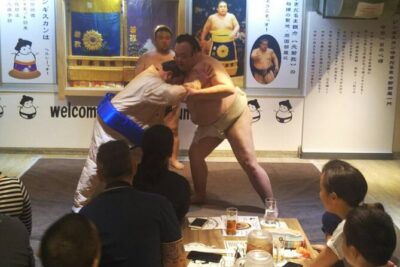
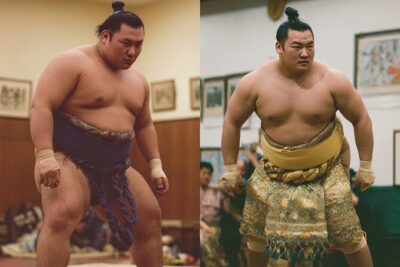
Tokyo Shinjuku Sumo Show & Experience with Photo
Read our review →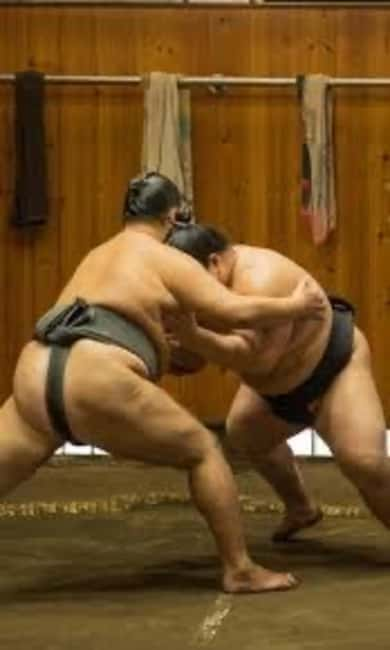
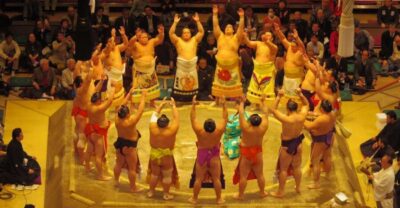
Sumo Show & Experience w/ Optional Kimono & Hot Pot
Read our review →
Authentic Sumo Experience in Tokyo: Enter the Sanctuary
Read our review →Browse the lists this tour appears in