
Reviewed · TEMPLE & SHRINE TOURS
The Way of Tea: Kyoto Crafts, Hidden Temples & Wabi-Sabi Walk
Kyoto does a great job combining big sights with calm moments, and this tour is built around that exact idea. You get temples plus a hands-on tea ceremony, tied together with the mood of wabi-sabi. It’s a simple plan, but the payoff is a day that feels thoughtful, not rushed.
I like that you do not have to navigate on your own. The guide leads the way, and the group stays small, so you can ask questions without shouting over everyone’s selfie stick. I also like that key costs are handled up front, with temple admission included and a real tea house experience at the end. One drawback to consider: if your group ends up with a guide whose English is hard for you to hear, that can make the context less satisfying, even if the itinerary is solid.
Key highlights that make this tour worth your time
- Small group size (max 7), so you actually get answers instead of just hearing bits
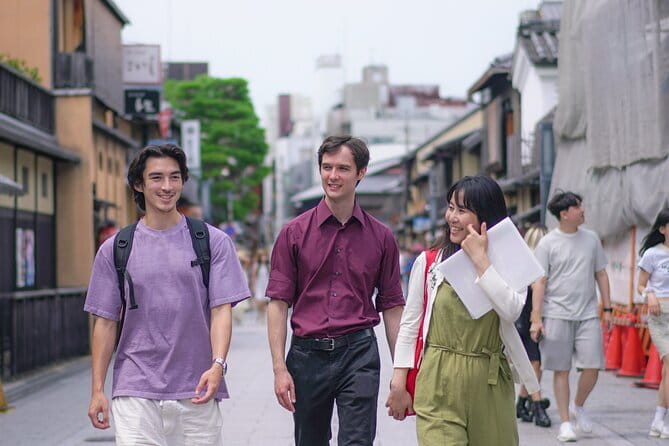
- Guide-led route from Gion Shijo, with an easy meeting point and no map stress
- Gion matcha shop time, focused on the history of Japanese tea and how it is made
- Kennin-ji Temple admission included, plus time to look around with guidance
- Craft stops and a hidden temple plus garden, then a raku teacup lesson in a tea bowl shop
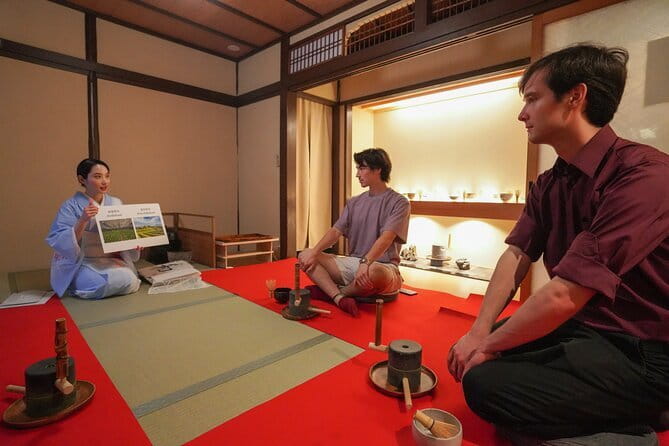
- Chayu tea ceremony with a tea master, including matcha and photos taken during the tour
Why this Kyoto tea and temple walk feels different from a checklist tour
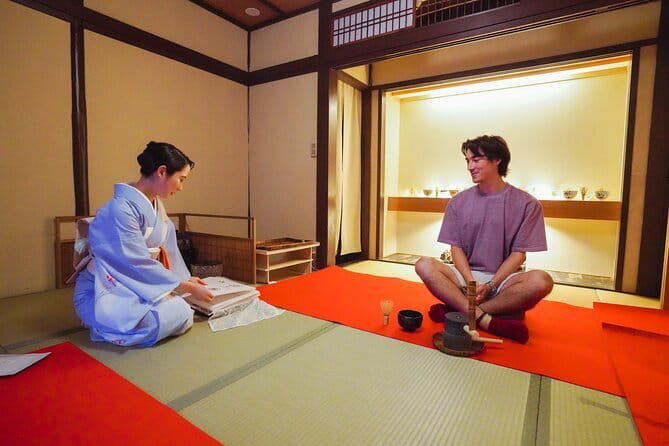
This is not just a string of photo stops. The tour is structured like a guided story about everyday Japanese arts: tea, ceramics, and the way people think about objects and imperfections. You start in Gion, where tea culture is part of the neighborhood vibe, then you move into temple spaces where the atmosphere changes your pace. By the time you reach the tea ceremony, you are not just learning what to do, you’re also practicing a kind of attention.
The value is also straightforward. At $94.45 per person for about 3 hours 30 minutes, you are paying for more than a walk. You are getting an English-speaking guide, temple entrance included, and the tea-making experience with instruction. You also get matcha as part of it, plus photos taken during the tour. That mix matters, because in Kyoto, the best experiences often get expensive once you start adding up admission and lessons.
More Temple & Shrine Tours in Kyoto
- Kyoto: Fushimi Inari, Kinkakuji, Bamboo Grove 1 Day Bus Tour
★ 4.8 · 4,316 reviews - Kyoto: Tea Ceremony Ju-An at Jotokuji Temple
★ 4.9 · 3,207 reviews - Osaka/Kyoto:Kinkakuji,Arashiyama,FushimiInariShrine,NaraPark
★ 4.1 · 1,596 reviews
Meeting at Gion Shijo, then letting someone else handle the directions
Your tour begins right in the Gion area, outside Exit 5 of Gion Shijo Station on the Keihan Line. You’ll meet in front of the Statue of Izumo-no-Okuni. The guide will be holding an orange signboard that reads Magical Trip Tour, so you should be able to spot them quickly.
This is one of those small comforts that makes a big difference. Kyoto streets can be confusing if you are trying to read maps while other people stream by. Here, the guide takes over navigation, and that keeps your energy for actually looking at things.
One note I always respect: the tour starts on time, and if you arrive late and miss the group, you cannot join and you will not get a refund or reschedule. So if you are coming from another part of Kyoto, I’d build in extra buffer time and arrive a bit early.
Gion tea intro, matcha shop stop, and the basics of how tea is made
The first active stop is in Gion, where you learn about the history of Japanese tea and how it is made. The timing works well because you are warming up before temple walking begins. You also stroll through the historic district, so it feels like you are getting oriented to the neighborhood at the same time you are learning.
You also visit a famous matcha shop, with a ticket that’s free. This is the kind of stop that helps you connect the ceremony later to what you see in everyday places. Even if you already think you know matcha, I like this early checkpoint because the guide’s explanations give you something to listen for later when the ceremony instruction starts.
The downside of a stop like this is that Gion is busy, and the pace is shared with the neighborhood. If you are sensitive to crowds, plan to keep your expectations flexible. You are there for guided learning, not for a private tour of a quiet street.
Kennin-ji Temple, a historic site with guided context
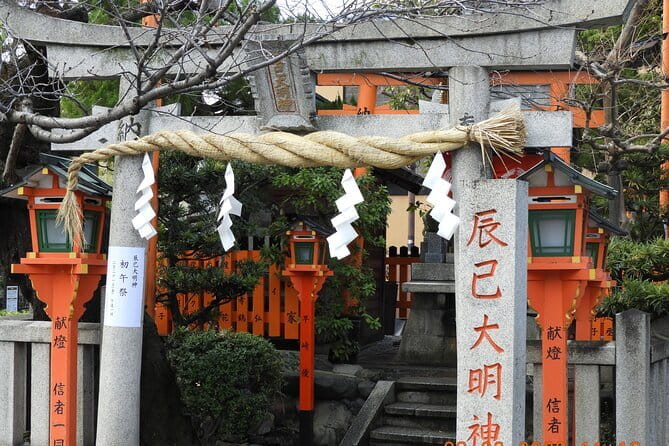
After Gion, you head to Kennin-ji Temple. This is a classic Kyoto name, and the benefit of having a guide here is not just that you see the buildings. It is that someone can help you understand what you are looking at, and you get time that is long enough to actually pause.
You spend about 30 minutes here, with admission ticket included and the tour staying focused. That timeframe is good. It avoids the trap of feeling like you are constantly moving just to stay on schedule. You can look around, notice small details, and then regroup with the group.
Temple time is also where the tone of the tour shifts from the street energy of Gion into something calmer. If you go into Kyoto expecting silence, you might be disappointed. But if you go in expecting a guided moment of stillness inside a living city, this stop delivers.
More Walking Tours in Kyoto
- Kyoto Geisha Walking Tour: Gion District & Hidden Gems
★ 4.7 · 3,273 reviews - Kyoto: Gion Magical Night Walking Tour with Geisha Trivia
★ 4.9 · 2,393 reviews - Kyoto: Gion Geisha District Walking Tour – Stories of Geisha
★ 4.7 · 2,187 reviews - Night Walk in Gion: Kyoto’s Geisha District
★ 4.5 · 2,003 reviews
Craft shops in Kyoto Prefecture, where shopping becomes a cultural lesson
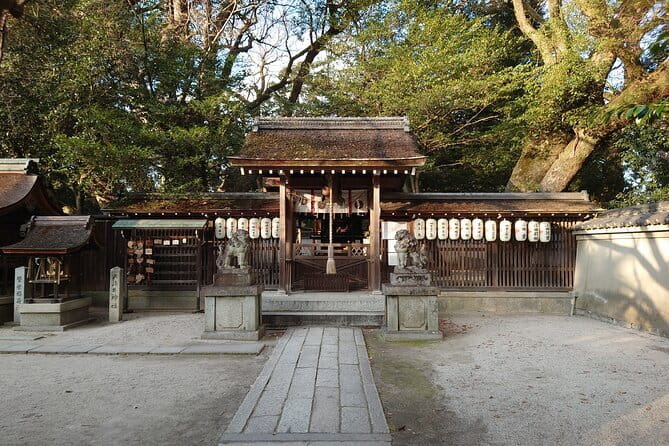
Next you visit craft shops. This stop is designed less like retail browsing and more like a chance to connect materials to culture. About 30 minutes here is enough to look, compare styles, and hear the guide’s framing without turning it into a full shopping spree.
The practical advantage is that it breaks up the walking. Your legs get a rest, and your brain shifts gears. Kyoto is full of craft work, but it can be hard to know what you are seeing unless someone helps you interpret it. Even if you do not buy anything, you still leave with a better sense of why ceramics and objects show up in tea culture again and again.
One consideration: craft shop stops can be polarizing. If you dislike any store time, keep in mind that this one is timed and guided, not a free-form detour.
Hidden temple and garden plus a raku teacup lesson at a tea bowl shop
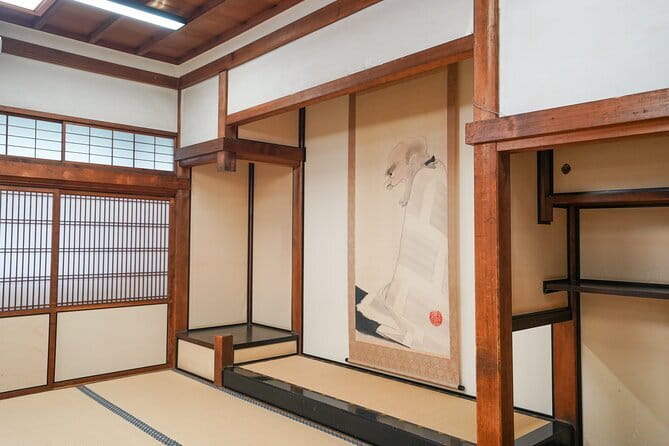
This is where the tour earns its Wabi-Sabi walk theme in a tangible way. You visit a hidden temple and garden, again for about 30 minutes, where you can slow down and appreciate the space. Then you move into a tea bowl shop where the raku teacup takes center stage.
The guide shares how each cup has its own character, history, and meaning, and that idea matters for what comes next. A raku teacup is not just a utensil. In tea culture, it becomes part of the ceremony’s atmosphere, and that is the thread you’re being walked through during the city part of the tour.
If you like thoughtful details, this section is a highlight. If you are rushing for the biggest sights, it can feel more quiet and reflective than you expected. Personally, I find these slower pauses are what make a tea tour feel like more than eating a snack and taking a photo.
Chayu tea ceremony in a traditional house, with tea master instruction
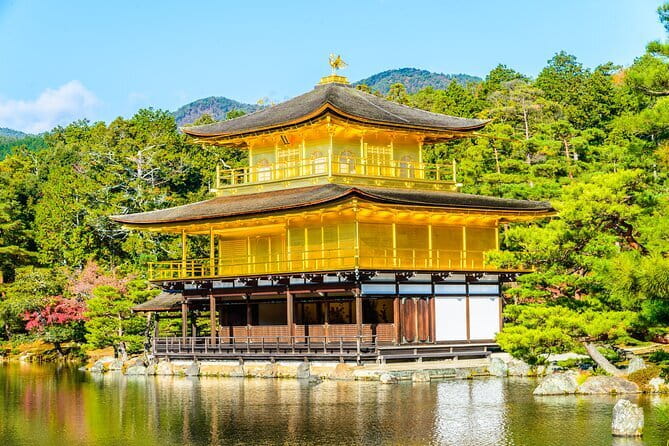
The tour ends with a tea-making experience in a real tea house at Chayu. This is the core experience, and it lasts about 1 hour, with the instruction led by a tea master.
You’ll be served matcha, and you also get to participate in the tea-making steps. The guide connects it to what you learned during the walk, including the idea of wabi-sabi. That connection is smart: you are not just doing a performance. You are practicing the mindset they introduced earlier, in a setting where that mindset actually shows up.
A practical heads-up: the tea ceremony can only accommodate those who are 6 years old and older. Children younger than 6 can join, but one adult needs to accompany them outside the facility during the experience. So if you are traveling with young kids, this is one place where your plans need to match the policy.
This also ends your tour at the tea experience place in Kiyomizu area, at 4-chōme-172-7 Kiyomizu, Higashiyama Ward. That location is convenient if you are continuing your day in eastern Kyoto, because it places you near the kind of streets people associate with Kiyomizu-style sightseeing.
What you actually get for $94.45, and why it can be good value
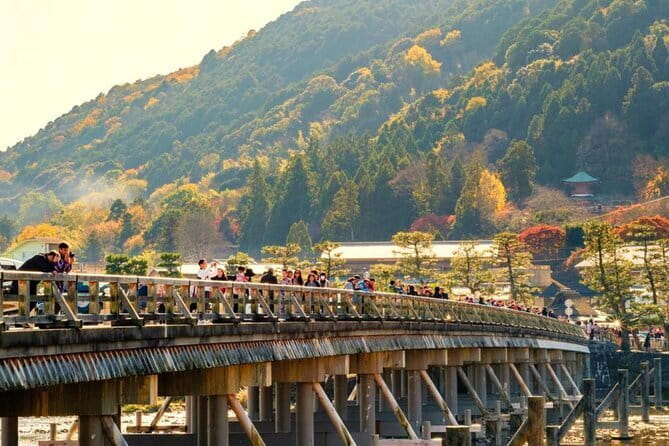
Let’s talk value, because the price is not tiny, but it is not inflated either.
For $94.45 per person, you get:
- About 3 hours 30 minutes of guided time
- An English-speaking guide and guided explanations throughout
- Temple admission included for 2 temples
- A matcha drink and a tea-making experience
- Photos taken during the tour
- A small-group feel, with a maximum of 7 travelers
What’s not included is extra food and drinks. That is normal for a short cultural experience, and it also lets you choose what you want for lunch or snacks on your own schedule.
Where value really shows up is the combination. If you tried to DIY this, you would have to handle temple admissions, figure out the tea ceremony spot, and then pay for instruction. Here, those pieces are packaged into a single guided morning or afternoon, with no navigation stress.
The biggest question is whether you want the instruction and pacing. If you enjoy learning and doing, this price can feel fair. If you are the type who prefers to wander alone and only buy tickets for the places you pick, you may decide to do temples and tea separately.
Pacing, comfort, and the one thing to watch for with guides
The tour runs on a tight but reasonable schedule. Most stops are around 30 minutes, and the tea ceremony is about 1 hour. That pacing is a good match for people who want structure without feeling like they are rushing from one entrance gate to another.
For comfort, plan for Kyoto’s extremes. The local climate can swing from summer highs around 40°C (110°F) to winter lows around -5°C (20°F). Bring a water plan, wear shoes that can handle temple steps and sidewalks, and dress in layers if you are going outside the mild seasons.
Now, the communication point. The tour is led by an English-speaking guide, but one review mentioned that a guide spoke softly and was hard to understand. That matters because the explanations are part of what you’re paying for. My practical advice is simple: ask questions early, sit where you can hear well, and if you struggle, politely let the guide know right away. You will lose less than you think, because the group stays small.
Small groups help here. With up to 7 people, you are not trapped behind a wall of louder voices. It is one of the reasons this format works better than big coach tours.
Should you book this Kyoto tea and temple walk?
Book it if you want a Kyoto experience that connects tea, temples, and ceramics into one coherent story. The included temple admissions, the guided explanations, the matcha focus, and a hands-on tea ceremony make it a solid cultural package for the time you spend.
Skip it if you prefer total freedom and self-guided wandering. This tour has a set route, set stops, and you need to be on time. Also, if you rely on hearing clear English explanations for enjoyment, bring a bit of extra patience, and do not be shy about asking questions so you get full value from the guide.
If you want a thoughtful Kyoto afternoon where you learn something, slow down, and end by making matcha-style tea under instruction, this is a strong choice. It is not just sightseeing. It is a guided way to understand why tea and objects matter in Kyoto.
FAQ
Where does the tour meet?
The meeting point is in front of the Statue of Izumo-no-Okuni, right outside Exit 5 of Gion Shijo Station (Keihan Line). The guide will be holding an orange signboard reading Magical Trip Tour.
How long is the tour?
The tour duration is about 3 hours 30 minutes.
What is included in the price?
Your ticket includes a tea ceremony experience with matcha, entrance fees for 2 temples, 3 hours with an English-speaking local guide, and photos taken during the tour.
Is the tea ceremony suitable for children?
The tea ceremony can only accommodate people who are 6 years old and older. Children younger than 6 can come, but one adult must accompany them outside the facility during the experience.
What happens if the weather is bad?
The tour might be cancelled in case of unsuitable weather for safety reasons.
What if I arrive late?
You must start the tour on time. If you are late and miss the group, you will not be able to join the tour, and you will not be able to get a refund or reschedule.
Latest write-ups near Kyoto
- Kyoto Private Tour Full Day with Local Guide&Nara Option(PerGroup★ 5.0 · 20 reviews
- Sacred Pathways: Discover the Philosopher’s Path of Kyoto★ 4.9 · 20 reviews
- Hammer Pattering Experience of Ring★ 5.0 · 20 reviews
- Kyoto UNESCO World Heritage Site Private Tour with a Premium Van★ 5.0 · 20 reviews
- KYOTO: Private Tea Ceremony in Hidden Townhouse (Kid-Friendly)★ 5.0 · 20 reviews
- Sushi or Traditional Japanese Cuisine in a Kyoto Home with Emika★ 5.0 · 20 reviews
- The Kyoto VIP Experience!★ 5.0 · 20 reviews
- Kyoto Customized Private Tour: See Top Attractions in 1 Day★ 4.7 · 20 reviews
Temple & Shrine Tours, compared.
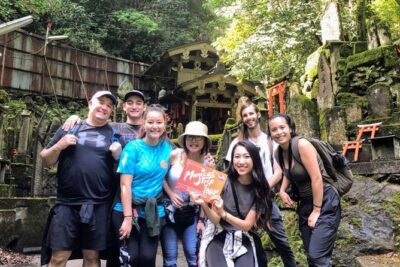
Fushimi Inari, Kinkakuji, Bamboo Grove 1 Day Bus Tour
Read our review →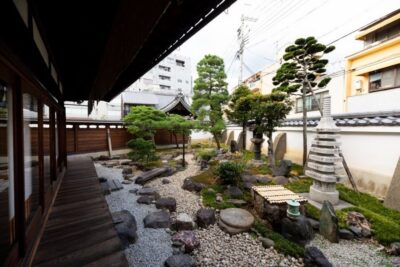

Meiji Shrine, Asakusa, Skytree Bus Tour and Cruise
Read our review →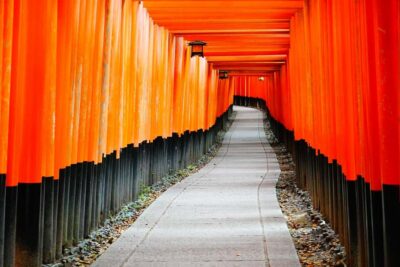
Osaka/Kyoto:Kinkakuji,Arashiyama,FushimiInariShrine,NaraPark
Read our review →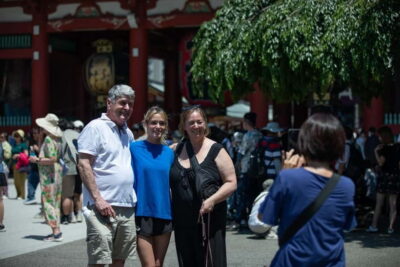
Asakusa Walking Tour with Sensoji Temple Visit
Read our review →
Nikko: Kegon Falls, Lake Chuzenji & Toshogu Temple
Read our review →
Kamakura & Enoshima Day Trip including Temple Tickets
Read our review →
Nikko Toshogu Shrine and Kegon Waterfall Tour
Read our review →Browse the lists this tour appears in