
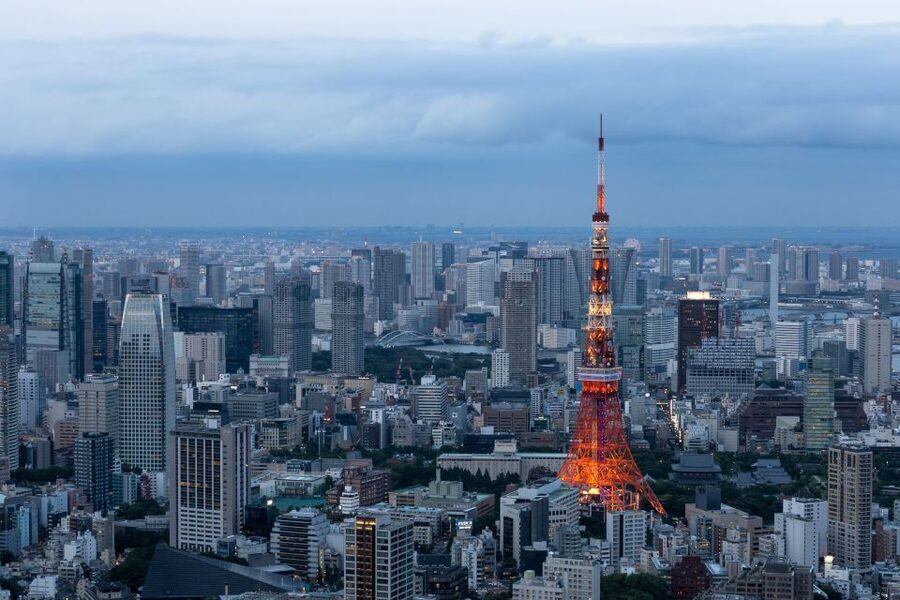
Reviewed · DAY TRIPS IN TOKYO
Tokyo: 1-Day Private Customizable Tour by Car
Tokyo on your own can be amazing, but it can also eat your energy fast, what with transfers, lines, and timing. This experience is interesting because you get a private car and the day can bend to your interests, not the other way around. I also like that it targets the big Tokyo icons people actually travel for, from Sensō-ji to Meiji Shrine, without forcing you into a rigid group pace. One drawback to plan for: you are paying for the convenience, and tickets and food are not included.
If you end up with a strong English-speaking chauffeur-guide, the day can feel unusually smooth. Names that have shown up in past experiences include Bek, Hiro, Saki, Zoma-San, and Hasan, often praised for clear English, safe driving, and being flexible with what you can handle (especially when weather or energy levels change). The only real caution is that some spots, like Imperial areas, may not allow full access depending on the day, so you’ll want to keep expectations flexible.
Key points that make this Tokyo private car tour worth a look
- Door-to-door pickup and drop-off within Tokyo’s 23 wards means fewer logistics headaches.
- A custom day option so you can swap stops if you’ve already seen something or want different priorities.
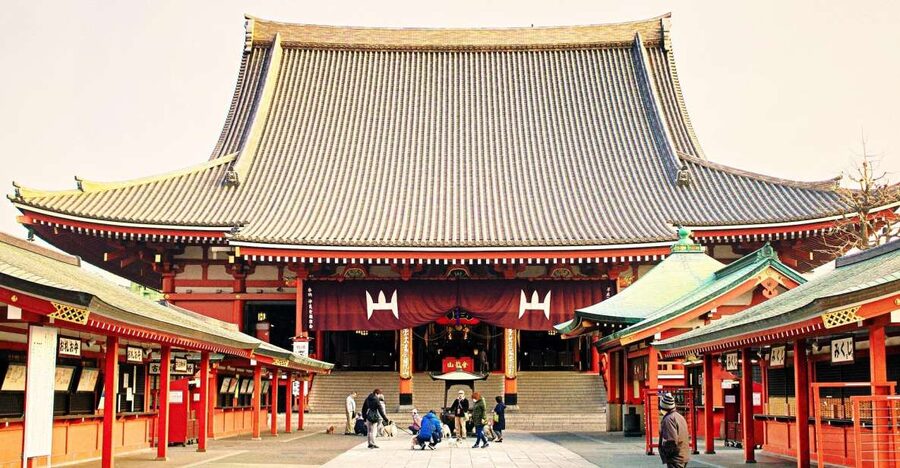
- Classic temple and shrine sequencing (Asakusa first, Meiji mid-day) helps you beat the worst crowds and heat.
- Major Tokyo views included with Tokyo Skytree plus Odaiba’s Tokyo Bay perspective.
- Private time with an English-speaking driver who can offer travel advice, and sometimes acts like an informal guide.
- Wheelchair accessible is specifically mentioned, which matters in a city where stair-filled routes are common.
Why a private car makes sense for Tokyo’s “greatest hits” day
Tokyo is a place where the subway is fantastic, but it’s also a place where you can burn half your day managing connections, luggage, and crowd flow. A private car changes the math. You trade a chunk of money for time, comfort, and a route that actually fits your schedule.
I like that this tour is built around a full 10-hour window, so you can see a lot without constantly re-planning. It also gives you control over how fast you walk, how long you pause for photos, and when you want a break. If your group includes different ages or mobility needs, the “slow is allowed” factor becomes a big deal.
The value pitch here is not just luxury. It’s about avoiding the stress of trying to hit Tsukiji, Asakusa, Harajuku, Shibuya, and Odaiba all in one go with public transit and tight timing.
More Day Trips in Tokyo
- Mt Fuji and Hakone 1-Day Bus Tour Return by Bullet Train
★ 5.0 · 26,383 reviews - 1-Day Tokyo Bus Tour
★ 5.0 · 14,250 reviews - Mt Fuji & Hakone Cruise, Drum Show Bullet Train 1 Day from Tokyo
★ 4.0 · 7,413 reviews
Pickup, timing, and how the day actually flows
With the default plan, you’re picked up around 9:00 AM from your hotel or another location in Tokyo’s 23 wards. The standard rhythm is a morning run of market and temples, then temples to shrines, followed by youth-pop culture areas, and finishing with big-city viewpoints and Tokyo Bay.
You’ll typically be dropped back around 7:00 PM within the same 23-ward area. That gives you a clean, manageable day with a clear endpoint, which is helpful if you’re juggling a cruise, a late dinner reservation, or airport plans.
Also note this: overtime costs exist. If you go long, it’s 2,500 JPY for each additional 30 minutes, paid in cash to the driver. Build in a little buffer so you don’t end up rushing your last stop.
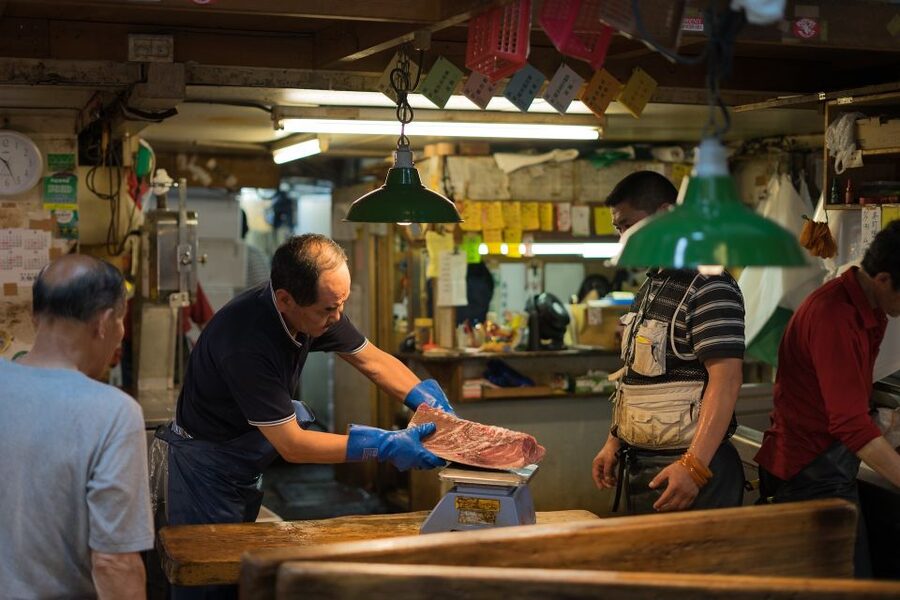
Tsukiji Outer Market: breakfast, snacks, and the real Tokyo “walk-and-wonder”

This is where your day turns into a sensory Tokyo starter pack. The stop is about 1 hour, focused on Tsukiji Outer Market rather than the inner auction area, so you can shop and eat without needing early-morning auction access.
What to do with your hour: walk first, then decide what to buy. The best strategy is not to pre-plan one perfect item. Instead, sample the vibe. You’ll find stalls and small shops packed close together, and it’s the kind of place where you’ll remember the smells and the chaos more than the exact item you ate.
One practical tip: because food and drinks are not included, you’ll want to budget for snacks here. If you’re the type who gets motion sick or sensitive to tight crowds, Tsukiji can feel intense, so it’s worth deciding quickly whether you want to linger or keep moving.
Sensō-ji and Nakamise Street: old Tokyo energy, close-up
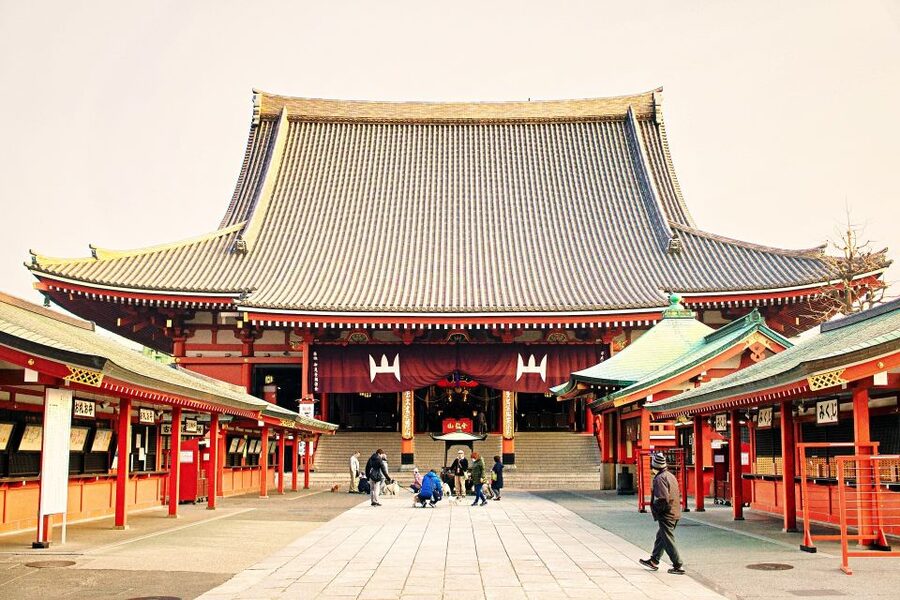
From the market, you head to Sensō-ji Temple in Asakusa for about 30 minutes, with sightseeing and walking time. This is the famous gateway moment, the one that makes Tokyo feel like it has layers.
Then you add Nakamise Shopping Street for about 55 minutes. This is where the temple becomes a street scene. You’ll see traditional-style snacks and souvenirs lining a corridor that funnels you toward the temple grounds.
The trade-off with this pair of stops is time. If your group splits, or if you want lots of souvenir shopping, Nakamise can expand. If you want photos and a calm walk, it’s easy to keep it to the planned window.
If the weather is rough, keep an umbrella handy. Rain or shine operation is common for the tour, but temple-street walking still depends on how you handle wet pavement and slippery steps.
A change of pace from Tokyo:
- Tokyo: TOKYO SKYTREE® Admission ticket
★ 4.5 · 11,192 reviews - Tokyo: teamLab Planets TOKYO Digital Art Museum Entry Ticket
★ 4.6 · 9,779 reviews - Tokyo: Sumo Show Experience with Chicken Hot Pot and a Photo
★ 4.8 · 6,678 reviews - Tokyo: Shinjuku Food Tour (13 Dishes at 4 Local Eateries)
★ 5.0 · 6,603 reviews
Tokyo Skytree: the vertical payoff when you want big views
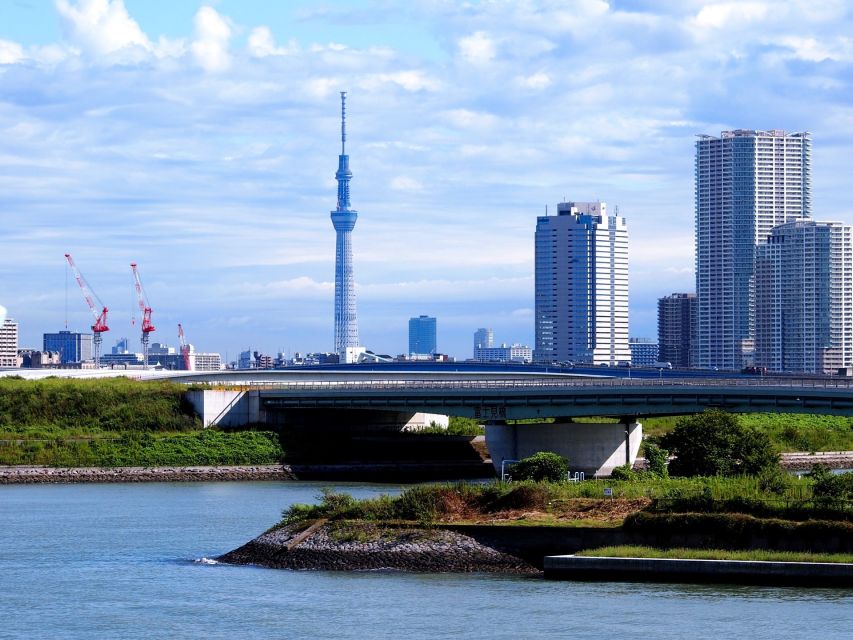
After the historic and shopping stretches, you shift to a modern “wow” stop: Tokyo Skytree, around 1 hour with aerial views. This is one of the best ways to get oriented in Tokyo because you finally see the city as a whole, not just a series of neighborhoods you navigate street by street.
This is also a good time to reset your day. If your group is a bit tired from walking, Skytree time gives you that change of pace, plus you’re indoors for key parts of the experience.
Just be aware of the practical reality: attraction tickets are not included in the booking. You’ll buy on the spot, so plan for that both in time and in how you pay.
Imperial Palace East Gardens: great photos, but don’t count on full access
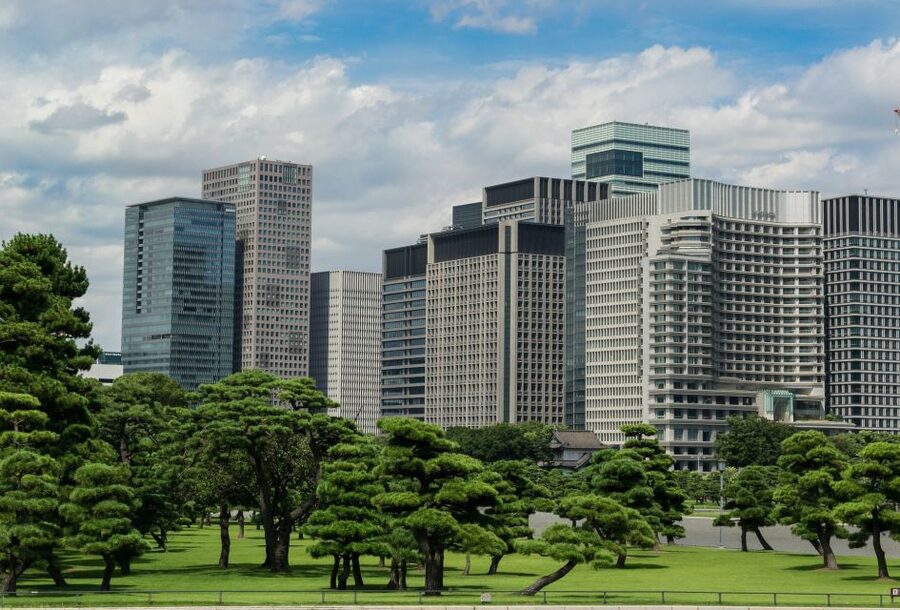
The default plan includes Imperial Palace East Gardens for about 30 minutes, with photo stop time plus walking and sightseeing. Here’s the important mindset: this is often more about the exterior and garden views than entering every room or getting full palace access.
One past experience note was that full access may not be possible on certain days, turning a hoped-for visit into a photo stop. You should treat it like a “nice setting if it works out” stop, not the backbone of your schedule.
If you love gardens and calm photo breaks, this is a pleasant contrast after crowds in Asakusa and shopping streets. If your group expects a full inside visit, keep expectations flexible so you don’t end up disappointed mid-day.
Meiji Shrine: the calm reset in the middle of the city
Next up is Meiji Shrine, around 30 minutes, with photo stops, visiting, and walking. This is one of the best parts of Tokyo for people who want a breath of quiet between high-energy areas.
Meiji Shrine’s layout encourages you to slow down. You go from loud and busy city motion into a more restrained pace where you can stand, look around, and let your senses settle.
If you want photos, this is a strong moment to ask your driver to help with timing. Some guides have been noted for being helpful with taking pictures here, and it’s worth asking if you want a few group shots without scrambling for someone else’s camera.
Harajuku Takeshita Street: street culture, shopping, and snack-hunting
Then comes Harajuku, about 30 minutes for visiting, shopping, and walking. Takeshita Street is where Tokyo looks like Tokyo in photos: bold style, quick shopping stops, and small snack temptations everywhere.
This portion of the day is ideal if your group wants a “youth culture” contrast to temples and shrines. It’s also a nice way to get a feel for how different parts of Tokyo feel without needing to read a single guidebook.
The drawback: it can be crowded and fast-moving. If you’re traveling with someone who hates busy sidewalks, consider moving slower, or focusing on one short lane of browsing rather than trying to do everything.
Shibuya Scramble Square: the famous crosswalk in a plan-friendly package
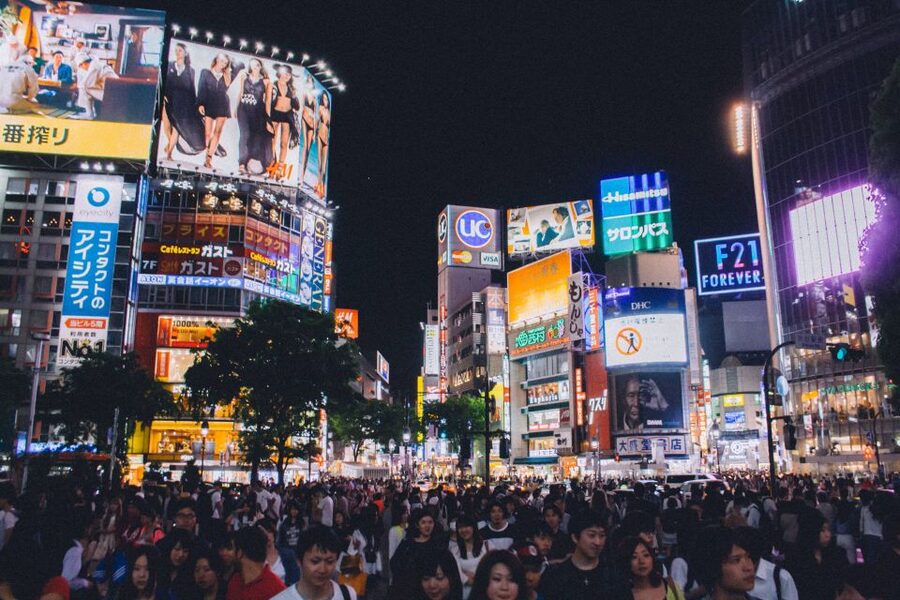
You then reach Shibuya, focusing on Shibuya Scramble Square for about 1 hour with sightseeing and walking. Shibuya is where Tokyo’s “big city momentum” becomes obvious instantly, and the famous scramble crossing is part of that.
This stop pairs well with the day’s pacing. After walking and exploring, you get an observation-friendly environment where you can look around, step into photo moments, and watch people cross streets like it’s a living choreography.
Again, remember the ticket note. If you decide to use any paid observation deck time inside Scramble Square, you’ll need to purchase tickets on the spot. The tour covers the driving and your time, not the admissions.
Odaiba and Tokyo Bay views: ending with the futuristic angle
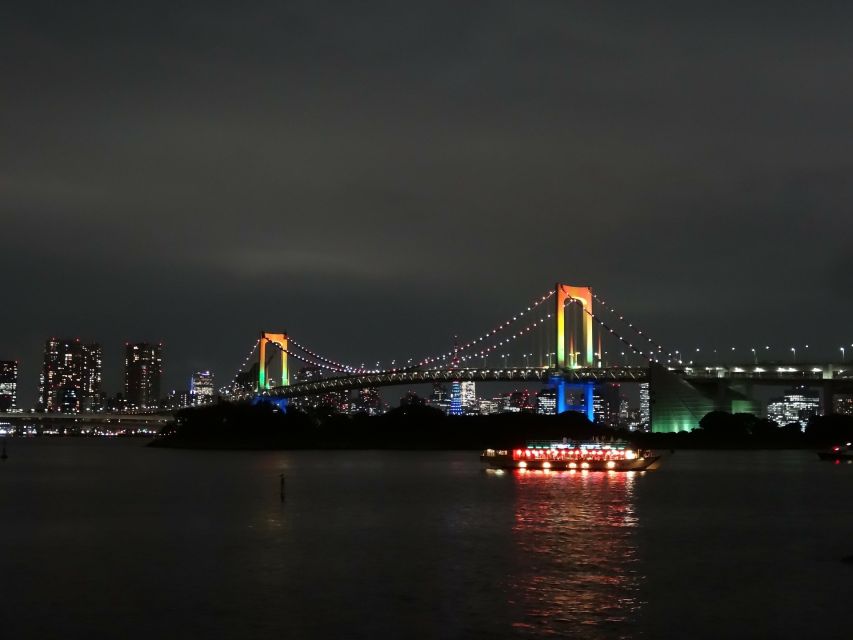
To close the day, the default route includes Odaiba for about 1 hour with sightseeing, walking, and scenic drive. Odaiba is Tokyo’s modern contrast zone, with wide-open views and that “futuristic Tokyo” feeling you don’t get in the older neighborhoods.
It’s a smart ending stop. You’ve likely seen temples, shrines, shopping streets, and the big energy of Shibuya. Odaiba gives you space to breathe and to take skyline-style photos with Tokyo Bay in the mix.
If your energy is low, you can keep it simple: walk a bit, grab a view, and let the scenic drive do the rest. If your group is still buzzing, this is where you can ask your driver to adjust the route slightly within your time window.
How customization actually helps you, not just sounds nice
The big selling point is a “completely customizable day tour” with a chauffeur on hand. If you’re not sure what to see, the default route is designed to cover major landmarks in a workable order.
If you do want customization, think in terms of trade-offs. For example, if you love shopping more than sightseeing, you might add more time in Harajuku or Nakamise style streets and shorten a view stop. If your group hates crowds, you might swap the order of certain stops or shift how long you linger in the market and shopping corridors.
The tour also supports different approaches to guidance. You can do a version where you explore on your own, or you can choose an option that includes a driver-guide. In practice, guides like Bek, Hiro, and Saki have been described as attentive, flexible, and helpful with travel advice and safe driving, which makes customization easier because you’re not doing guesswork about timing.
One more practical note that matters in Tokyo: traffic can reshape the day. Because you have a private driver, you can adapt on the fly instead of losing a fixed plan.
Price, value, and what you still need to pay on your own
The price is $377 per group up to 5 people, for 10 hours. That sounds steep until you compare it to the real cost of moving a family or small group around Tokyo using taxis and paid observation deck entrances. Private car time often becomes worth it when you factor in stress reduction, fewer transit transfers, and a route that keeps your day in one piece.
What you should plan to pay separately:
- Attraction tickets are not included, so any paid entrances or observation decks are on you.
- Food and beverages are not included, including at Tsukiji and anywhere else you stop.
- If you go over time, you pay overtime in cash.
On the plus side, the tour includes fuel, highway tolls, and Wi-Fi onboard (subject to availability). That matters because navigation and communication can make your day easier when you’re bouncing between neighborhoods.
Also check the in-car food rules. Food and drinks are allowed in the car, but no alcohol is allowed in the car, and if the vehicle gets unusually dirty, there can be a cleaning fee (7,000 JPY). It’s a small rule, but Tokyo days are snack-heavy, so it’s worth knowing.
Weather, comfort, and the small things that make the day easier
This tour runs in rain or shine, and it’s only canceled in unsafe weather as determined by the team. In real life, that means you should still plan for umbrellas, waterproof shoes, and a willingness to walk even when the streets are slick.
Comfort is a major part of the value. Air conditioning is repeatedly mentioned as a lifesaver when the day includes outdoor stops like Meiji Shrine and Harajuku. A clean, comfortable van or car also matters because you’ll spend a meaningful chunk of the day in transit between areas.
If you’re sensitive to stairs or uneven sidewalks, the tour is specifically described as wheelchair accessible. Still, you’ll want to check each attraction and street area for practical ground conditions once you arrive, since Tokyo terrain can vary.
Who should book this Tokyo private car tour
This tour fits best if you want a “big Tokyo highlights” day without spending your vacation managing transit. I’d especially recommend it if:
- you’re traveling with a small group up to 5 and want one shared plan
- you have limited time and want a high hit rate across classic and modern Tokyo
- you prefer comfort, safety, and a driver who can offer travel advice
- you want help adjusting the day based on heat, rain, or different walking abilities
It may not be your best fit if you love riding trains and don’t mind transfers, or if you want to spend your day in just one neighborhood. In those cases, you might prefer a slower, cheaper approach with public transit.
Should you book this Tokyo private car tour?
If your goal is to see major Tokyo landmarks in one smooth 10-hour day, I think this is a strong choice. The private car makes the route doable, and the day structure covers temples, shrines, major neighborhoods, and viewpoints without making you plan every hop.
Book it if you value convenience, want flexibility, and can handle paying separately for tickets and food. Skip it if you want the lowest cost possible or you prefer slow neighborhood exploring with public transit.
If you’re on the fence, use this rule: if you’re thinking, I don’t want to mess up timing or hunt for directions, the private car is the right tool for the job.
Latest write-ups near Tokyo
- Tokyo Customized Private Tour: See Top Attractions in 1 Day★ 4.8 · 67 reviews
- From Tokyo: Top 5 Scenic Spots of Mount Fuji Full-Day Tour★ 4.5 · 67 reviews
- Traditional Japanese Music ZAKURO SHOW in Tokyo★ 5.0 · 67 reviews
- Tokyo: Shinjuku Izakaya and Golden Gai Bar Hopping Tour (2h)★ 4.9 · 67 reviews
- Tsukiji: Unlimited Sake Tasting Experience★ 4.9 · 67 reviews
- Samurai Ninja Museum Asakusa: Kid-Friendly Ninja Training★ 4.7 · 67 reviews
- Private Harajuku Omotesando Architecture Walking Tour★ 5.0 · 67 reviews
- Tokyo: Not a show- a professional sumo practice with experts★ 4.9 · 67 reviews
Day Trips in Tokyo, compared.
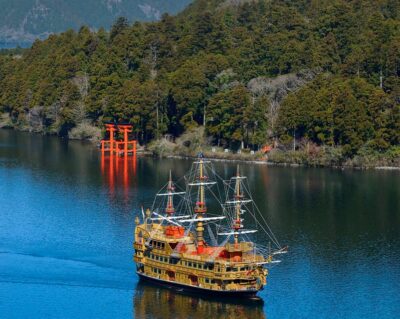
Mt Fuji and Hakone 1-Day Bus Tour Return by Bullet Train
Read our review →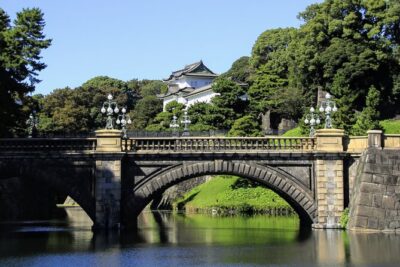
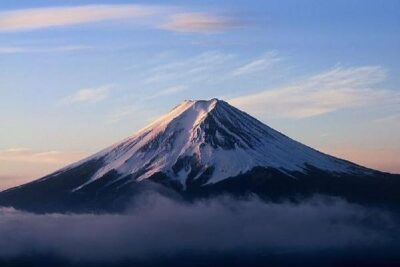
Mt Fuji & Hakone Cruise, Drum Show Bullet Train 1 Day from Tokyo
Read our review →
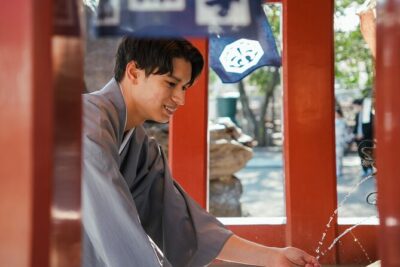
Tokyo Customized Private Tour (Must See Places in 1 Day)
Read our review →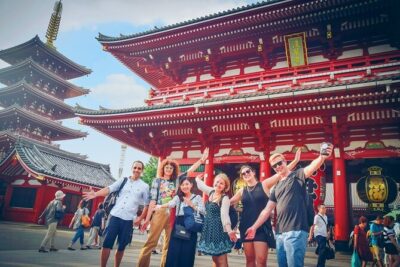
Tokyo Customized Private Tour: See Top Attractions in 1 Day
Read our review →
Mt Fuji & Hakone Cruise, Drum Show Bus 1 Day from Tokyo
Read our review →Browse the lists this tour appears in