Reviewed · TOKYO TOURS
Tokyo Asakusa Rickshaw Tour
Tokyo Asakusa is a feast for the senses, and doing it by rickshaw adds a slow, human pace you just cannot get on foot or by bus. Tell your guide what you care about, and they shape the ride so the neighborhood actually matches your mood, whether that is shrines, snacks, or old Tokyo streets. On a recent run of guides, people have highlighted standouts like Issy, Micchy, Kei, and Koko for making the ride feel personal.
Two things I really like here are the chance to mix classic religious Tokyo with modern landmarks. You can go from Shinto and Buddhist sites to big-name city icons like Asahi’s headquarters, then finish with breezy river views across to Tokyo Skytree. The second win is how the streets themselves set the tone, with Edo-era facades and quirky stops like a raccoon-themed street.
One thing to consider: the rickshaw is narrow, and the Sensoji Temple area has restrictions, so you will not roll right into the temple buildings and the Nakamise shopping street. If you hate tight seating or expect a full push-in to Sensoji, plan for some walking.
Key highlights worth penciling in
- Custom route that follows your interests, not a fixed script
- Asakusa shrines and temples explained in plain language, including Shinto and Buddhism differences
- Photo moments like Tokyo Skytree views from across the Sumida River
- Quirky stops like raccoon figurines and a Luck-themed cow shrine garden
- Old entertainment atmosphere, with places tied to pre-war Tokyo and later comedy culture
Fit and comfort on a 74-centimeter-wide rickshaw
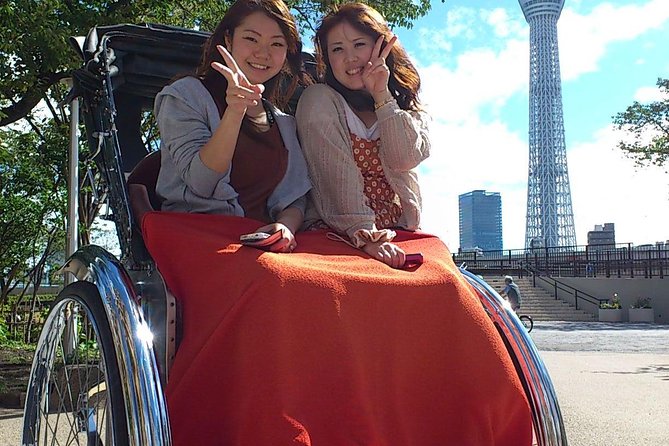
This tour is all about the rickshaw ride, but you should treat comfort as part of the planning. The rickshaws can fit two adults, yet each one is only 29.1 inches (74 cm) wide. Translation: it can feel snug, especially if you are not small or you just do not like close seating.
If you are traveling with a partner who shares a seat well, you may be fine. But if you are bigger, or you simply want more breathing room, it is smart to book individual rickshaws for each person when possible. The operator notes this exact comfort issue, and people in the past have still managed to fit, but the ride is not wide-open like a tuk-tuk.
The good news is that many guides work hard to make the ride comfortable. In cold weather, you might find added warmth like rugs or seatwarmers, depending on conditions and the setup that day. Even if it is not freezing, Asakusa weather can shift fast, and the rickshaw ride keeps you close to your guide while the streets blur by at walking speed.
Also on the shortlist for Tokyo:
- Mt Fuji and Hakone 1-Day Bus Tour Return by Bullet Train
★ 5.0 · 26,383 reviews - 1-Day Tokyo Bus Tour
★ 5.0 · 14,250 reviews - Tokyo: TOKYO SKYTREE® Admission ticket
★ 4.5 · 11,192 reviews
Meeting outside Asakusa Station, then letting your guide steer
You meet at the Asakusa area, outside Tokyo’s Asakusa Station, at 1-chōme-1-4 Asakusa, Taito City. From there, you meet your guide and hop in. The tour is private, meaning only your group rides, not a big mixed crowd.
What makes this worth it is that you steer the route. You tell the guide what you want most, and they pick among historic streets, shrines, and photo stops to match your time and interests. You will also get practical pacing. For example, some stops are about 15 minutes, so shorter tour lengths will likely mean fewer landmarks.
Speaking of time, the ride ranges from 30 minutes up to about 3 hours. Most people choose based on how tightly their day is packed. If you want a quick overview, you can do that. If you want more back-and-forth questions and more stops, plan for longer. Either way, the guide ends your tour at a nearby spot of your choosing, and you discuss that right up front.
Edo-era streets, maple and cherry trees, and the Asakusa mood
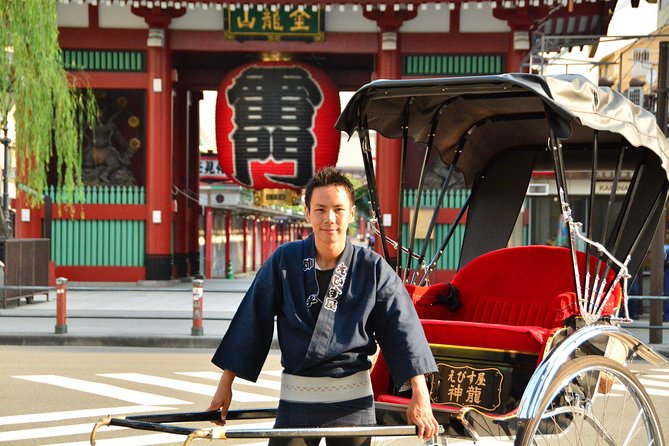
Asakusa has a very particular feel. You get a patchwork of retro facades, religious landmarks, and daily life tucked into a neighborhood that still feels lived-in. On the rickshaw, you notice details you would miss walking fast: small storefronts, weathered house fronts, and the way the streets funnel pedestrians toward shrines.
Season plays a real role here. The route may include streets lined with maple and cherry trees and garden-like spaces, which can add a “soft” layer to the historic architecture. In spring, cherry blossoms along the Sumida River area can be a highlight. In fall, the maples can make the whole experience feel like a time capsule.
You will also pass a few intentionally quirky stops. One famous one is a street decorated with raccoon figurines, set up as a repeated theme you notice every few meters. It is silly in a good way, and it breaks up the more solemn shrine moments. If you like photos that look fun, not staged, this kind of stop helps.
Ushijima Shrine, plus the Shinto versus Buddhism you can actually spot
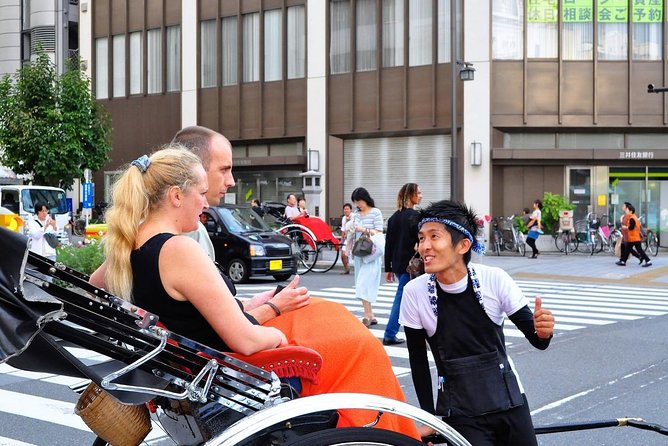
Several of the most memorable moments come at shrine and temple stops, and the guide’s job is to make it make sense. At Ushijima Shrine, you get a Shinto setting and a specific detail that catches the eye: a gate with three entrances instead of the standard one entrance. Even if you do not know Shinto terminology, you will leave knowing there is a reason behind the design, not just decoration.
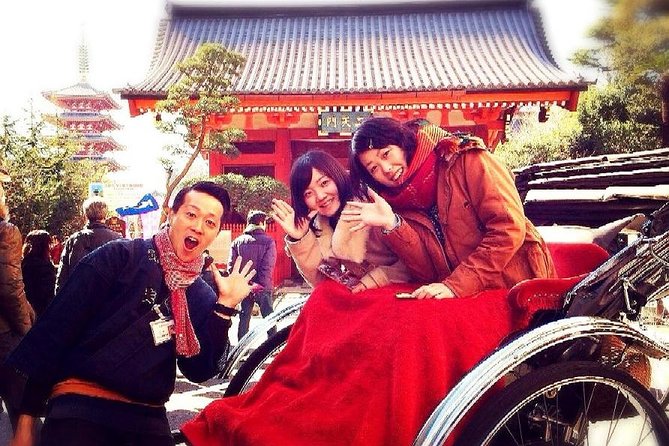
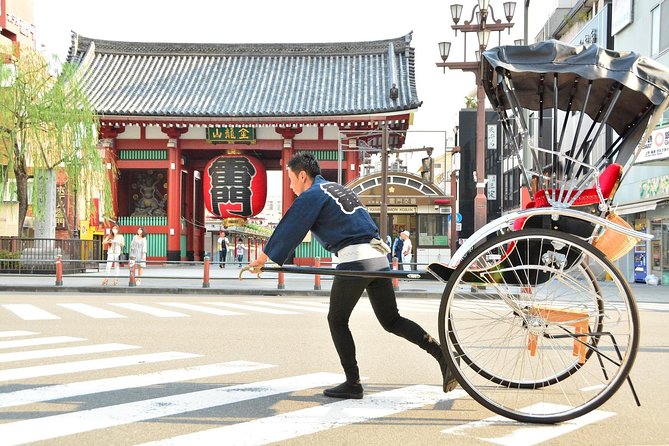
From there, the tour often takes you toward the Sensoji Temple and Asakusa Shrine area, and this is where you should reset your expectations. There is a colorful, bright gate connected to Sensoji, and it is a great visual marker for the whole Asakusa experience. But rickshaw riding is not allowed in the Sensoji Temple/Asakusa Temple area, including the temple buildings, temple grounds, and the Nakamise shopping street. So you might get close, take in the sights, then walk for portions.
A key included learning moment is how Shinto and Buddhism peacefully coexist in practice. You can see this through the layout and the way different religious spaces sit side-by-side. It is one of those things that sounds abstract until you point at it in real place, and then it clicks.
At Honryuin Matsuchiyama Shoden, another Buddhist temple stop, you get a quirky, visual explanation tied to radishes. You will learn why there are so many radishes associated with the temple and why they appear on lanterns. It is the kind of detail that makes photos more interesting, because now you know what you are looking for.
A change of pace from Tokyo:
- Tokyo: teamLab Planets TOKYO Digital Art Museum Entry Ticket
★ 4.6 · 9,779 reviews - Mt Fuji & Hakone Cruise, Drum Show Bullet Train 1 Day from Tokyo
★ 4.0 · 7,413 reviews - Tokyo: Sumo Show Experience with Chicken Hot Pot and a Photo
★ 4.8 · 6,678 reviews - Tokyo: Shinjuku Food Tour (13 Dishes at 4 Local Eateries)
★ 5.0 · 6,603 reviews
Imado Shrine cats, plus the neighborhood’s “storybook” side
Imado Shrine is where you start to feel the neighborhood’s playful side. This is a Shinto shrine famous for cat figurines, especially the manekineko, the beckoning cat. You will likely see cats in multiple poses and contexts, so it stops being one cute statue and turns into a theme.
This is a great balance to the more formal temple buildings. It gives you contrast. Also, the cat symbolism is easy to remember, and you can spot it quickly even when you are focused on taking pictures.
One practical note: several shrine and temple stops run around 15 minutes. That is enough time to see the main points and take photos without dragging. For a shorter tour length, these religious stops may take up a bigger portion of your total time, so pick your must-sees early when you tell your guide what you care about.
Lucky Fortune Cow Shrine garden, and Asahi’s golden flame
Not all stops are religious, and that variety is part of the value. One of the highlights is a Japanese garden where you can see the Lucky Fortune Cow Shrine. Gardens in Tokyo are rarely just “pretty.” They act like small pauses in a busy day, and the rickshaw pace makes you notice the space more than you would on a phone-and-pace itinerary.
Then there is the Asahi Beer Headquarters. The building’s icon is the golden flame on top, and it is one of those modern landmarks that makes you realize how close old Tokyo and big business sit side-by-side. From a planning perspective, this is helpful because Asakusa is not only about history. It is also about what Tokyo looks like today.
If you like photography, this is a strong pairing. Religious gates and lanterns provide texture. Modern architecture provides structure. Mixing the two makes your day feel layered rather than repetitive.
Sumida River views, Skytree photos, and when to plan for blossoms
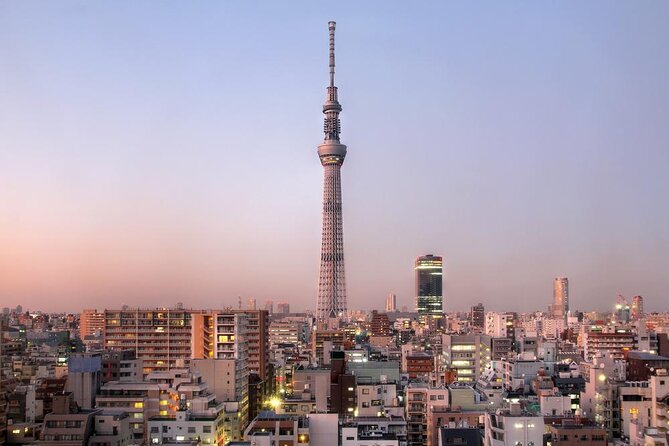
The Sumida River area is where your senses get breathing room. A stop offers a view on the Tokyo Skytree from across the river, which is a classic photo spot. Even if you have already seen the Skytree from far away, the river perspective feels different. The skyline looks lighter, and you get a sense of distance that makes the city feel huge in a good way.
Another chance to relax is the Sumida Park, a long park lining the river. It is ideal for taking a break, stretching your legs, and watching the area go by. In spring, it can be a cherry blossom spot, and it is also a simple place to reset after shrine hopping.
Because the tour can run from 30 minutes to 3 hours, the river time matters. If your goal is photos and views, choose a longer duration. If your goal is more shrines and streets, you can still get great moments, but do not expect a slow, lingering picnic.
Raccoon street, Rokku Street entertainment, and old amusement energy
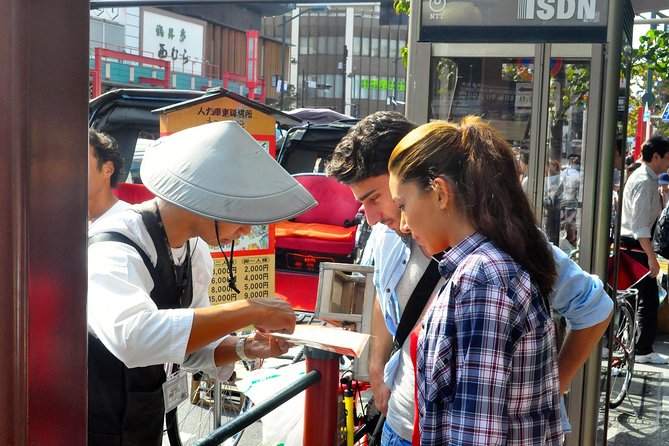
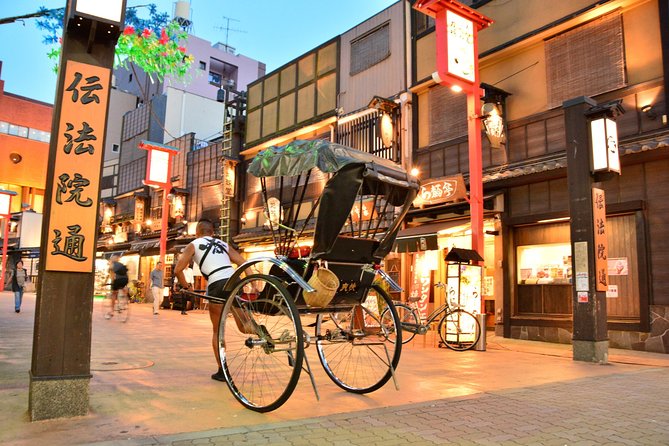
Asakusa is full of “in-between” streets that carry personality. You may ride through an Edo period historic street lined with stores and housing facades that look built for another century. This part works best when you slow down mentally and look at the details, not just the landmarks.
Then there are the quirky and entertainment-themed areas. The tour may include a raccoon figurine street, with the repeated theme placed throughout. It is playful, but it also helps you remember your route. When you can tell a story about where you were and why it looked like that, the whole neighborhood sticks in your mind.
Rokku Street adds another layer. It used to be Tokyo’s most popular entertainment district before the war, with cinemas and theatres along the way. Even though today’s feel is more retro than revolutionary, the story matters. It helps explain why Asakusa keeps drawing people for performances, comedy, and show culture.
The tour can also include one of Japan’s oldest amusement parks still in operation. That is a nice contrast to the temples. It reminds you Asakusa is not museum-only. It is a lived entertainment district.
Price and value at $42.90, plus what you are really paying for
At $42.90 per person, this rickshaw tour is priced as an activity value, not a luxury splurge. You are paying for three things: a rickshaw ride, a driver who knows the streets, and time that would be harder to structure yourself when you want both history and photo stops.
You might wonder why a short ride costs this much. The answer is the human work. Rickshaw pulling is physical, and the operator provides an experienced local driver and guide. People who have done it before often call out the energy and attention they receive, plus the way guides handle timing so you do not feel rushed.
Another value point is personalization. Customization means you are not locked into a rigid check-the-box path. If you care more about cats and shrines than beer headquarters, you can steer. If you care more about views and river photos, you can steer that way too.
Food is not included, and admissions can also be separate at certain sites. Still, this is usually a very efficient use of a morning or afternoon, because you cover a lot of ground in a short span without the fatigue of constant walking.
Timing, weather, and the real-world expectations of a half day
This tour needs good weather. If conditions are poor enough that they cancel, you are offered a different date or a full refund. Because it is open-air, you should pack for the day you book. Layers help, and a compact umbrella can save your plans if skies are unpredictable.
Also, think about what you can realistically see in your chosen duration. Some tours cover multiple shrines and streets, but shorter time slots will not make it possible to stop at everything. If there are two or three landmarks you really want, tell your guide at the start. That way, the route choices are made for you, not around generic plans.
Remember the Sensoji Temple/Asakusa Temple area rickshaw restriction. That likely means you will not get a full ride through the most crowded temple shopping stretch. Instead, expect close access plus walking for portions. If you are okay with that, the experience will feel smooth. If you hate walking at all, ask your guide what the plan looks like for your exact timing.
Who this Asakusa rickshaw tour suits best
You should love this if you want a guided “overview” of Asakusa without losing the details. It works well for couples, first-time visitors, and families who want something more fun than a standard walking tour.
It also suits anyone who enjoys photos, because you get built-in photo moments like the Skytree view across the river and the colorful temple gate areas. Add the raccoon street theme, and you get photos with variety, not just shrine selfies.
If you have mobility limits or you strongly dislike tight seating, you may need to plan carefully. Individual rickshaw booking can help comfort, but you still should expect snug conditions. And because rickshaws cannot enter the temple grounds and Nakamise shopping street area, walking time is part of the experience.
Should you book the Tokyo Asakusa Rickshaw Tour?
Yes, if you want a fun, efficient way to see Asakusa with a guide steering the day. This is not only about the ride. It is about having someone connect the dots between religion, street life, and the modern city sitting right next to it. The best outcomes happen when you tell your guide your priorities early, and when you choose a duration that gives you enough time for the places you care about.
Do not book it if you expect a rickshaw to roll freely through the Sensoji temple grounds and Nakamise street, or if you need extra-wide seating. In those cases, the restrictions will feel like a mismatch.
If you are on the fence, here is a simple rule: if you want a short, guided highlight reel, choose the shorter duration. If you want more stops, more questions, and more photo time across the river, choose closer to the longer end.
FAQ
Where do I meet for the Tokyo Asakusa Rickshaw Tour?
You meet at 1-chōme-1-4 Asakusa, Taito City, Tokyo (outside Asakusa Station area). You will then meet your guide and start the rickshaw ride.
Where does the tour end?
The tour ends at a nearby location of your choosing. Your finish point is decided on the day of the tour with your guide, and alternative drop-offs may involve an additional fee.
How long is the tour?
It runs from about 30 minutes up to about 3 hours, depending on the option selected and how many stops you can fit.
What is included in the price?
Included are a local rickshaw driver and the rickshaw ride itself.
Are temple or shrine admission tickets included?
Admission tickets are not included for stops where tickets may be required, such as Ushijima Shrine and the Buddhist temple stop options.
Can the route be customized?
Yes. The tour is customizable based on your interests, and you tell your guide what you want to see most.
Can the rickshaw go into the Sensoji Temple and Nakamise area?
No. No rickshaw ride is allowed in the Sensoji Temple/Asakusa Temple area, including the temple buildings, temple grounds, and Nakamise shopping street.
What is the child and rickshaw seating rule?
Each rickshaw can take up to 2 adults. Up to 2 children aged 5 years or under can ride with the 2 adults, but they must sit on an adult’s lap. If a child aged 5 will use one of the seats, that child must be booked as an adult.
Latest write-ups near Tokyo
- Tokyo Customized Private Tour: See Top Attractions in 1 Day★ 4.8 · 67 reviews
- From Tokyo: Top 5 Scenic Spots of Mount Fuji Full-Day Tour★ 4.5 · 67 reviews
- Tokyo: Shinjuku Izakaya and Golden Gai Bar Hopping Tour (2h)★ 4.9 · 67 reviews
- Traditional Japanese Music ZAKURO SHOW in Tokyo★ 5.0 · 67 reviews
- Tsukiji: Unlimited Sake Tasting Experience★ 4.9 · 67 reviews
- Tokyo: Not a show- a professional sumo practice with experts★ 4.9 · 67 reviews
- Samurai Ninja Museum Asakusa: Kid-Friendly Ninja Training★ 4.7 · 67 reviews
- Private Harajuku Omotesando Architecture Walking Tour★ 5.0 · 67 reviews
Tokyo Tours, compared.
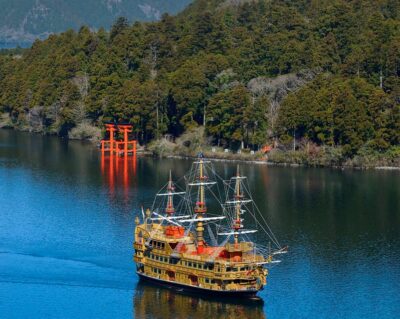
Mt Fuji and Hakone 1-Day Bus Tour Return by Bullet Train
Read our review →
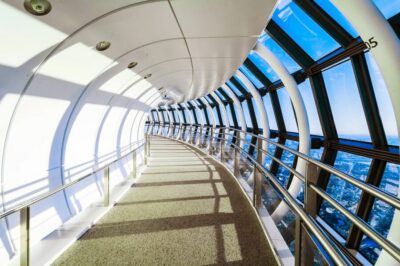
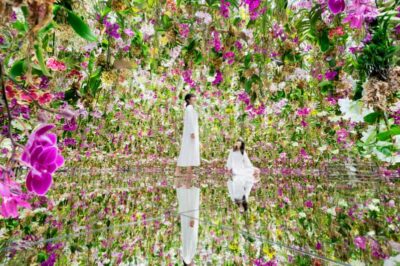
teamLab Planets TOKYO Digital Art Museum Entry Ticket
Read our review →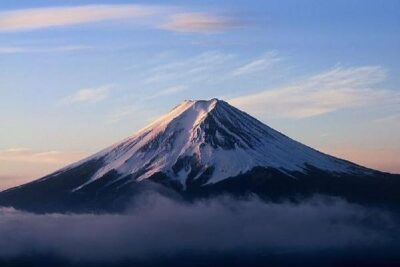
Mt Fuji & Hakone Cruise, Drum Show Bullet Train 1 Day from Tokyo
Read our review →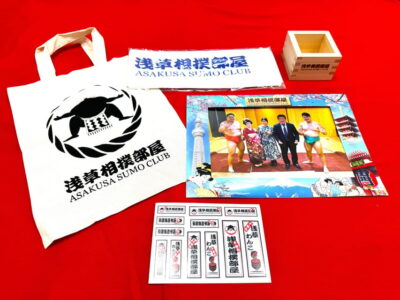
Sumo Show Experience with Chicken Hot Pot and a Photo
Read our review →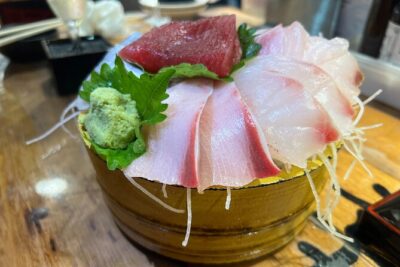
Shinjuku Food Tour (13 Dishes at 4 Local Eateries)
Read our review →