Reviewed · TOKYO TOURS
Tokyo: Asakusa Sightseeing Tour by Rickshaw
If you want Tokyo without the rush of cars and tour buses, this Asakusa rickshaw ride is a fun way to see how the neighborhood actually moves. You glide through temple lanes and side streets at a human pace, with a local guide translating what you are seeing as you go.
I especially like the mix of sacred stops and everyday Tokyo. You pass places like Bentendo Hall and the Asakusa Shrine area, then turn into the shopping and street-life zones that make Asakusa feel real, not staged. I also love that the pace can be chosen by time, from a quick 30 minute spin to a longer route that adds extra sights.
One consideration: this is a narrow vehicle. The rickshaw is only 29.1 inches (74 cm) wide, and there is a max of 2 adults per rickshaw. If you are tall, traveling with another adult, or want extra comfort, it can be worth booking separate rickshaws.
Key things to know before you book
- A private, guide-led rickshaw ride focused on Asakusa and the Sumida River area
- Temple and shrine sights along the route, including the Bentendo Hall area
- Street-level Tokyo detours, including Tanuki-doori and Denpoin Street
- Quirky Asakusa classics like Hanayashiki, and photo-friendly stops along the way
- Time-based options from 30 minutes up to the full 3-hour experience
- Practical comfort details, including wheelchair and stroller friendliness and strict rickshaw space limits
A human-paced Asakusa tour, right where Tokyo feels old
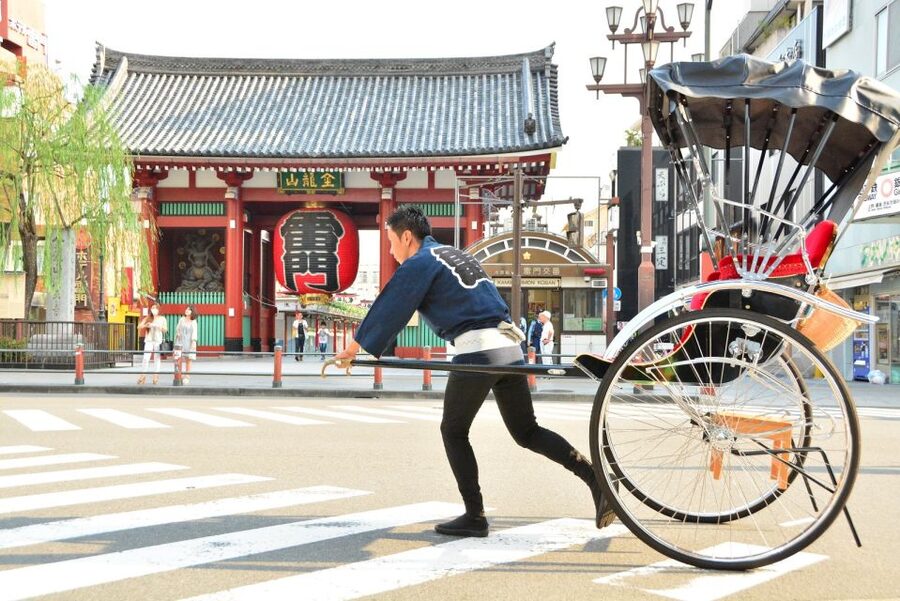
Asakusa works on your senses. You get smells, sounds, and the slow rhythm of pedestrians who are not rushing to the next checkmark. A rickshaw is a smart match for that. It keeps you close to the street, so temples and shrines do not become distant landmarks. They become a backdrop you are actually moving through.
The tour is built around the Asakusa district, with stops that range from major religious sites to smaller pockets of daily life. That variety is what I like most. You come for the icons, then the route nudges you into the quieter lanes that show what is still operating the way it has for a long time.
There is also a strong storytelling vibe. Many guides are clearly used to busy navigation and turning a ride into a walking-history lesson without making it feel like a lecture. Names you might encounter include Tashi, Taisei, Taku, Shima, Matcha, Masa, Kazu, Koto, Yuki, and Hitomi, and the common thread is the blend of friendly humor plus real explanations.
Also on the shortlist for Tokyo:
- Mt Fuji and Hakone 1-Day Bus Tour Return by Bullet Train
★ 5.0 · 26,383 reviews - 1-Day Tokyo Bus Tour
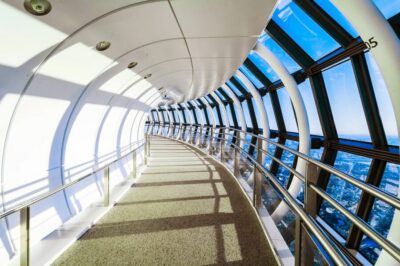
★ 5.0 · 14,250 reviews - Tokyo: TOKYO SKYTREE® Admission ticket
★ 4.5 · 11,192 reviews
Getting to the right rickshaw stand near Asakusa Station
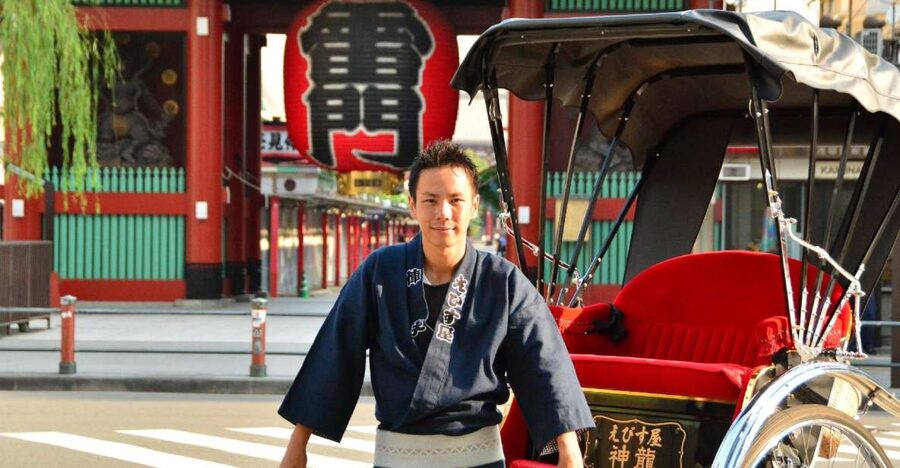
This is one of those tours where the meeting point matters. Go to the rickshaw stand just outside exit #1 of Asakusa Station on the Tokyo Metro GINZA line. Important detail: there are two stations with the same name but different subway lines, so double-check your route.
Once you get out at exit #1, you still need to walk a few meters along the street to reach the stand. Plan a little buffer time so you are not arriving sweaty and flustered, especially if your rickshaw ride is one of the longer options.
If you are doing a time-sensitive stop in Tokyo, I like treating the rickshaw tour as your anchor activity for the area. It gives you a mental map fast, so after the ride you can explore with confidence.
Early sights around Asakusa Shrine and the temple lanes
Your ride starts in the Asakusa district, and very quickly you are in the zone where the major sights cluster. The tour is designed so you see the famous areas without turning it into a long slog on foot.
A key early highlight is the Asakusa Shrine area next to the city’s oldest temple. That pairing is part of what makes Asakusa special. The sacred atmosphere feels layered, not isolated, and the guide helps connect the dots so you know why certain things matter.
You also pass iconic sights such as Bentendo Hall. This is the kind of stop where the guide explanation can change how you look at details. Instead of only snapping a picture, you are likely to understand what you are noticing, whether it is ritual behavior, layout choices, or how the space is used during visits.
If you like photo timing, this is a decent window to take your first round of pictures. You are still fresh, the light can be kinder early in the route, and you have not yet been jostled by the full push of the street.
How the guide turns shrine rituals into real understanding
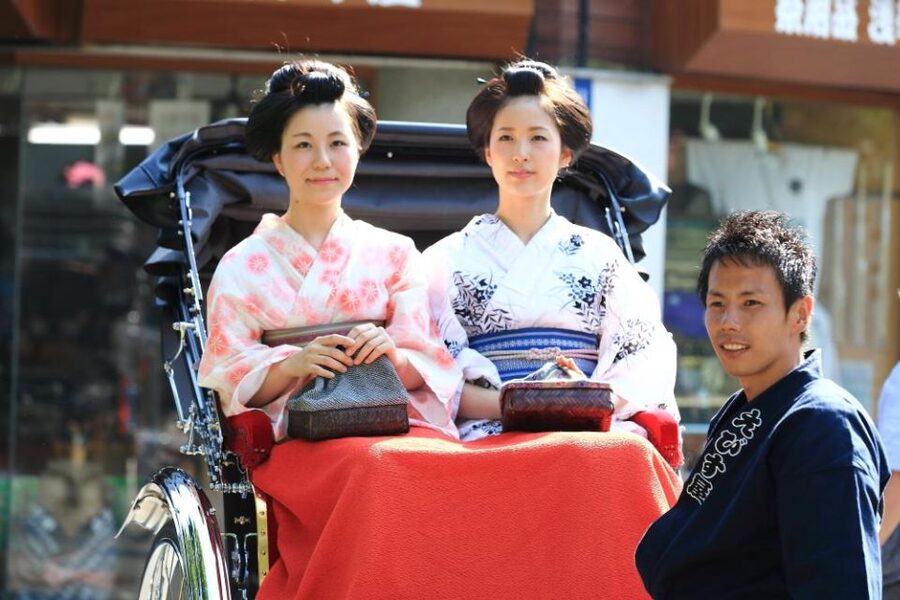
One of the most praised parts is the guide’s ability to explain what you are seeing in a clear, practical way. On tour days, guides have talked through temple and shrine routines, including why certain actions happen during visits. For example, one guide explained the logic behind cleansing rituals like washing hands and mouth and how incense burning fits into the experience.
That kind of guidance is useful even if you are not religious. It gives you context, so the stops feel intentional instead of random. You are not just passing through. You are reading the place while moving through it.
You may also notice how the guide balances facts with light entertainment. Several guides are described as funny and engaging, sometimes even incorporating pop-culture references to keep younger guests interested. If you are traveling with teens, that flexibility can matter more than you think.
A change of pace from Tokyo:
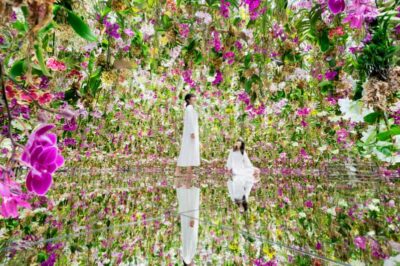
- Tokyo: teamLab Planets TOKYO Digital Art Museum Entry Ticket
★ 4.6 · 9,779 reviews - Mt Fuji & Hakone Cruise, Drum Show Bullet Train 1 Day from Tokyo
★ 4.0 · 7,413 reviews - Tokyo: Sumo Show Experience with Chicken Hot Pot and a Photo
★ 4.8 · 6,678 reviews - Tokyo: Shinjuku Food Tour (13 Dishes at 4 Local Eateries)
★ 5.0 · 6,603 reviews
Hanakawado and the shoe-shopping vibe, plus a shopping-friendly pace
The route also includes the shoe shopping district of Hanakawado. This is a smart inclusion because it prevents the tour from becoming only temples and trees. You get a slice of commerce and everyday errands, which is exactly what makes Asakusa feel lived-in.
Here is the practical angle: you are in a neighborhood where people are actually shopping, not only taking pictures. That means you can spot local habits, storefront rhythms, and street patterns you might miss on a fast walking circuit.
Also, rickshaws offer a different kind of visibility. You can look at shopfronts and street textures while still staying seated. It is slower than traffic, steadier than walking, and often less tiring than trying to “power through” with a camera in one hand and your phone in the other.
If you want to buy souvenirs later, the Hanakawado portion can help you figure out what is worth lingering over after the tour ends.
Sumida Park and the Sumida River, especially beautiful in spring
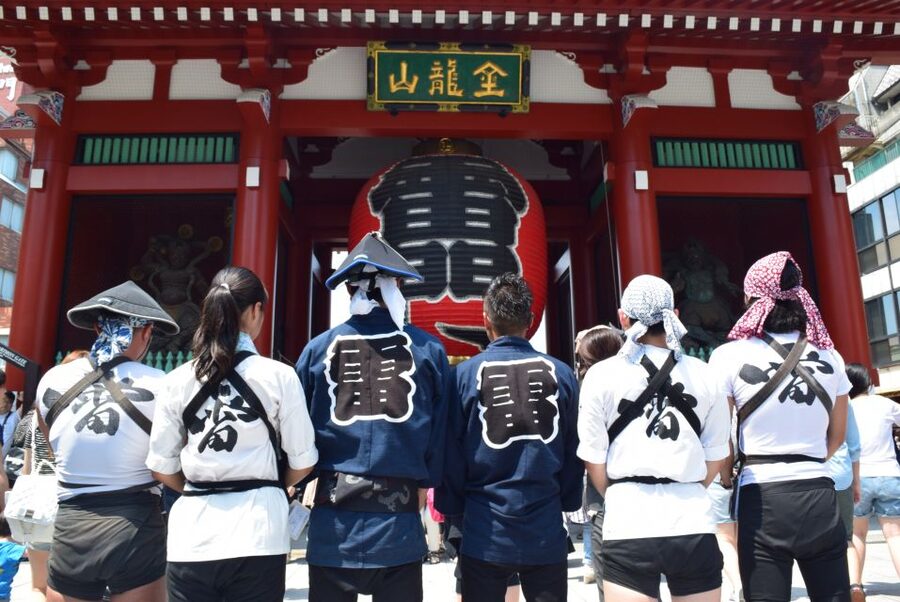
The ride heads toward Sumida Park, which is most spectacular in spring when thousands of cherry trees are in bloom. If you are visiting during that season, this is one of the stops that can feel genuinely jaw-dropping, even if you think you have seen plenty of cherry blossoms already.
The Sumida River area gives you breathing room in the tour. After heavier temple time, the park and river views shift the mood. You get more open sightlines and a chance to slow down, not just photograph but also watch how the area functions.
Even outside cherry season, parks and river edges offer a different texture. The air feels different, and the light tends to spread out more evenly. If you are someone who cares about atmosphere, this is where the tour often becomes more than a checklist.
Rokku Ward, Tanuki-doori, and Denpoin Street in a time-warp mood
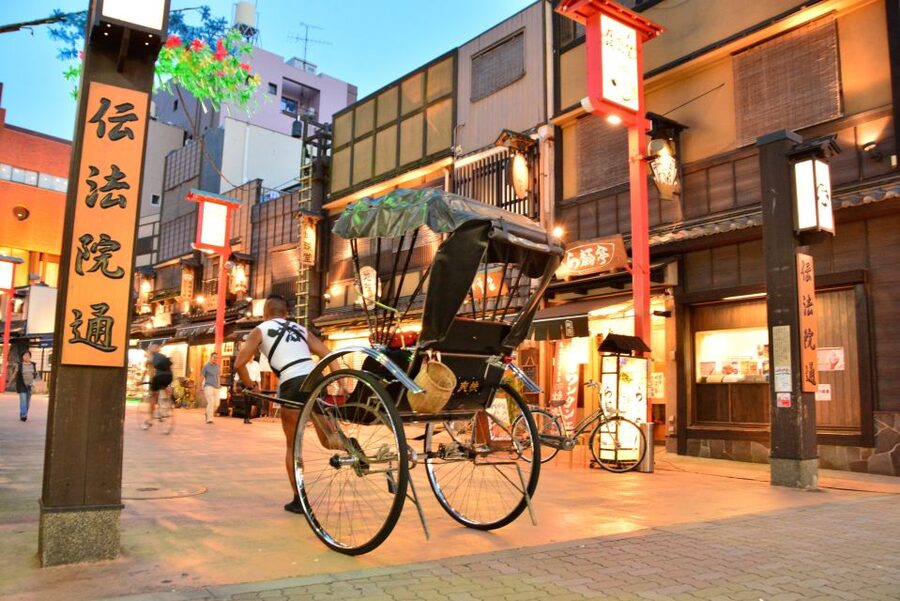
Asakusa has pockets that feel like they are holding onto older Tokyo. The tour uses that idea well by weaving in a few streets that are described as having changed little.
One stop that gets specific mention is Denpoin Street, where little has changed since World War II as you head back toward the starting area. That does not mean it is frozen in time, but it does mean the vibe can be quite different from newer areas with shiny facades.
You also pass Tanuki-doori, often associated with quirky street character. Think playful details, local signage, and the kind of atmosphere that makes Asakusa fun for photography without needing a professional setup.
Another notable area is the Rokku Ward, including references to adult theaters. That part of Tokyo is not the typical tourist brochure storyline, but it is part of what makes Asakusa feel like a real neighborhood. If you prefer strictly family-friendly stops, you might want to tell the guide what you want to avoid, since the tour can be customized based on your interests.
Hanayashiki, the oldest amusement park touch
The tour includes Hanayashiki, described as the oldest amusement park in Japan. This is a great “Asakusa mix” moment because it shifts you from solemn to playful.
Even if you do not plan to ride anything, the park presence adds a layer of local fun. It also helps break up the density of temple and shrine visuals. After a few religious stops, something lively helps reset your eyes.
If you are traveling with kids or teens, this is often the kind of stop that turns the ride from educational to memorable. And because it is a photo-friendly site, it tends to work well for capturing the full Asakusa story, not only the sacred version.
30 to 190 minutes, how to pick the right time for your schedule
The duration range is wide: 30 to 190 minutes, plus availability-dependent starting times. The right choice depends on how many areas you want to see and how much you care about walking versus seated sightseeing.
- A 30 minute option is best if you want quick orientation and a handful of key stops without committing to a long block.
- A 70 minute ride can be a sweet spot if you want deeper Asakusa context but still have energy for the rest of the day.
- The 3-hour option is where you get the most from the route, and it includes the chance to choose a memorial gift like a Hello Kitty doll or an original T-shirt.
If you are short on time and also want to explore independently afterward, longer usually makes sense because the guide explanations help you navigate confidently in the hours that follow.
If your day is already tight, go shorter. The rickshaw is the kind of experience that still feels special even when you only do a portion of the route.
Comfort, space, and real-world logistics inside the rickshaw
This tour is private group, and that matters for comfort and pacing. You can also customize the route according to your interests, which helps if you are more into street life, shopping, or temples.
That said, pay attention to the physical constraints:
- The rickshaw is 29.1 inches (74 cm) wide.
- A maximum of 2 adults is permitted per rickshaw.
- If you bring kids, children 5 and under can ride for free if they sit on an adult’s lap, one child per adult.
- If a child age 5 needs their own seat, it must be booked as an adult.
Because of the width limit, I often recommend booking individual rickshaws when comfort is your top goal, especially for couples or small groups who want more personal space.
Weather can also affect comfort. Some winter rides include practical warmth measures like blankets and heated seat pads, at least in some conditions and seasons. You should still dress in layers, because Tokyo weather can turn fast.
One more practical rule: selfie sticks are not allowed. If you use one for your camera plan, swap to a safer handheld setup.
Who this Asakusa rickshaw tour fits best
This tour fits best if you want:
- a first-time orientation to Asakusa,
- a mix of temple culture and street-level local life,
- photo stops without needing to coordinate your legs for every turn.
It is also a strong option if you enjoy guided storytelling. Many guides are described as friendly, skilled at navigating busy areas, and good at taking photos for your group.
If you are the kind of traveler who likes to ask questions and get context, you will probably find the experience satisfying. And if you are traveling with mixed ages, the route includes variety, including quirky street stops and the Hanayashiki amusement park element.
It is not recommended for pregnant women, and the guidance notes it is especially not recommended for those in the first 16 weeks of pregnancy. If that applies to you, it is worth choosing a different activity that avoids physical constraints.
Price and value: what $35 gets you, and when it feels worth it
The price starts at $35 per person, and that sounds reasonable when you remember what is included: the rickshaw ride plus a local guide. You are paying for more than transport. You are buying time efficiency, neighborhood context, and a private format that can reduce the stress of navigation.
Where it becomes great value is when you treat it like an investment in orientation. A well-run rickshaw tour can help you understand where things are, what to prioritize next, and what kind of street atmosphere you are getting into.
A small tradeoff: snacks and drinks are not included, so plan to bring water or plan a quick stop before or after. Also, the gift option for the 3-hour tour adds value if you want a souvenir tied directly to the experience.
If you are traveling with someone and you want extra comfort, separate rickshaws might increase cost. Still, that can be worth it if the rickshaw width would otherwise feel tight for your group.
Should you book this Asakusa rickshaw tour?
Yes, I think you should book it if you want Asakusa to feel personal and easy. Choose it when you want a guided route that mixes big-name temple scenery with side streets like Denpoin Street and Tanuki-doori, plus a practical shopping stop near Hanakawado.
Book the shorter option if your schedule is tight and you mainly want a highlight circuit. Book longer if you want the full arc, including Sumida Park views and the Hanayashiki amusement park moment, plus the memorial gift option on the 3-hour schedule.
Skip or reconsider if space and comfort limits matter a lot for your group, or if pregnancy guidance applies. Also, if you are someone who hates rules like no selfie sticks, you may want to plan your photos another way.
Overall, this is the kind of Tokyo experience that gives you something more useful than a generic photo stop. You leave with a map in your head, context in your notes, and a stronger feel for how Asakusa works day to day.
FAQ
Where is the meeting point for the rickshaw tour in Asakusa?
You meet at the rickshaw stand just outside exit #1 of Asakusa Station on the Tokyo Metro GINZA line. You will still need to walk a few meters from the exit to reach the stand.
How long does the Asakusa rickshaw sightseeing tour take?
The duration ranges from 30 to 190 minutes, depending on the option you choose and availability.
How much does the tour cost?
The price is listed as $35 per person.
What is included in the price?
The tour includes the rickshaw ride and a local guide.
Are snacks and drinks included?
No. Snacks and drinks are not included.
What languages are the live guides?
The tour offers live guidance in English and Japanese.
Is the tour private, or is it a group tour?
It is a private group tour.
Is the rickshaw wheelchair accessible?
Yes. The activity is listed as wheelchair accessible and also stroller friendly.
How many adults can ride in one rickshaw?
A maximum of 2 adults per rickshaw is permitted.
What are the child rules for the rickshaw?
Children 5 years and under can ride for free if they sit on an adult’s lap, with one child per adult. If a child 5 years old needs their own seat, they must book as an adult.
Are selfie sticks allowed?
No. Selfie sticks are not allowed.
Latest write-ups near Tokyo
- Tokyo Customized Private Tour: See Top Attractions in 1 Day★ 4.8 · 67 reviews
- From Tokyo: Top 5 Scenic Spots of Mount Fuji Full-Day Tour★ 4.5 · 67 reviews
- Tokyo: Shinjuku Izakaya and Golden Gai Bar Hopping Tour (2h)★ 4.9 · 67 reviews
- Traditional Japanese Music ZAKURO SHOW in Tokyo★ 5.0 · 67 reviews
- Tsukiji: Unlimited Sake Tasting Experience★ 4.9 · 67 reviews
- Tokyo: Not a show- a professional sumo practice with experts★ 4.9 · 67 reviews
- Samurai Ninja Museum Asakusa: Kid-Friendly Ninja Training★ 4.7 · 67 reviews
- Private Harajuku Omotesando Architecture Walking Tour★ 5.0 · 67 reviews
Tokyo Tours, compared.
Mt Fuji and Hakone 1-Day Bus Tour Return by Bullet Train
Read our review →
teamLab Planets TOKYO Digital Art Museum Entry Ticket
Read our review →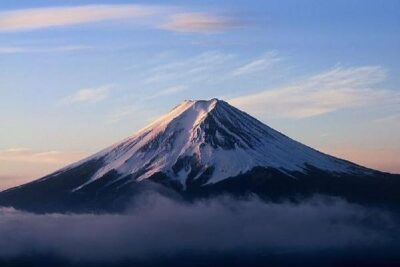
Mt Fuji & Hakone Cruise, Drum Show Bullet Train 1 Day from Tokyo
Read our review →
Sumo Show Experience with Chicken Hot Pot and a Photo
Read our review →
Shinjuku Food Tour (13 Dishes at 4 Local Eateries)
Read our review →