
Reviewed · SUMO EXPERIENCES
Tokyo: Challenge Sumo Wrestlers and Enjoy Meal
If you think sumo is just about what happens in the ring on tournament days, this experience is a great correction. You get former wrestlers explaining the sport in plain English, then you step into the dohyo yourself, and you finish with a proper tonkatsu (or sukiyaki) meal.
Two things I really like: the hands-on costume and ring time, and the way the whole show is structured so you understand what you are watching, not just staring at men in tradition. One consideration is that you will be in a group setting, so if you are the type who needs quiet for good listening, you may want to book earlier to get seating closer to the front for the commentary and Q&A.
What the Experience Feels Like
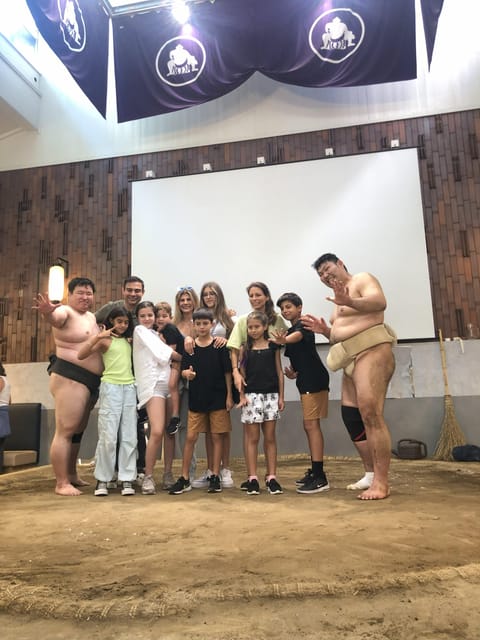
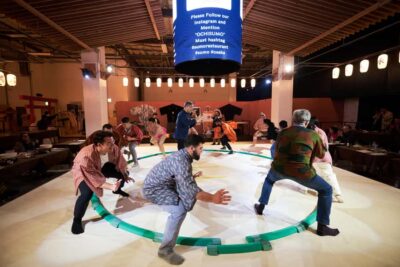
This is not a quiet, museum-style cultural lecture. It is closer to a friendly sports clinic with theater. You watch a short demonstration, learn common sumo terms, get time for photos, then the interactive part turns up your curiosity and your laugh meter.
You also do not need to plan a separate food stop. Your meal is part of the event, and it is either lunch (tonkatsu) or dinner (sukiyaki) based on what you choose at booking.
Key Points at a Glance
- Meet former sumo wrestlers and get explanations in English and Japanese
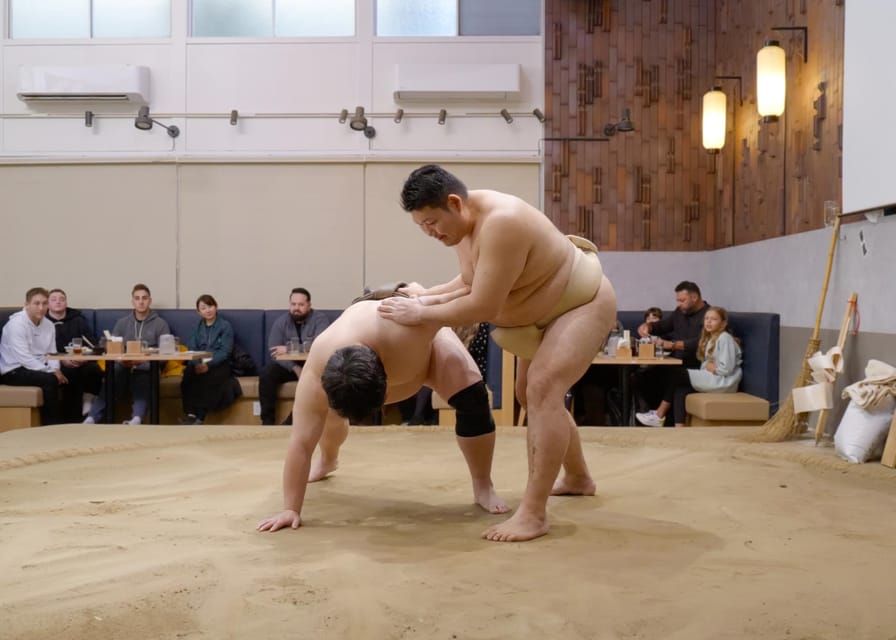
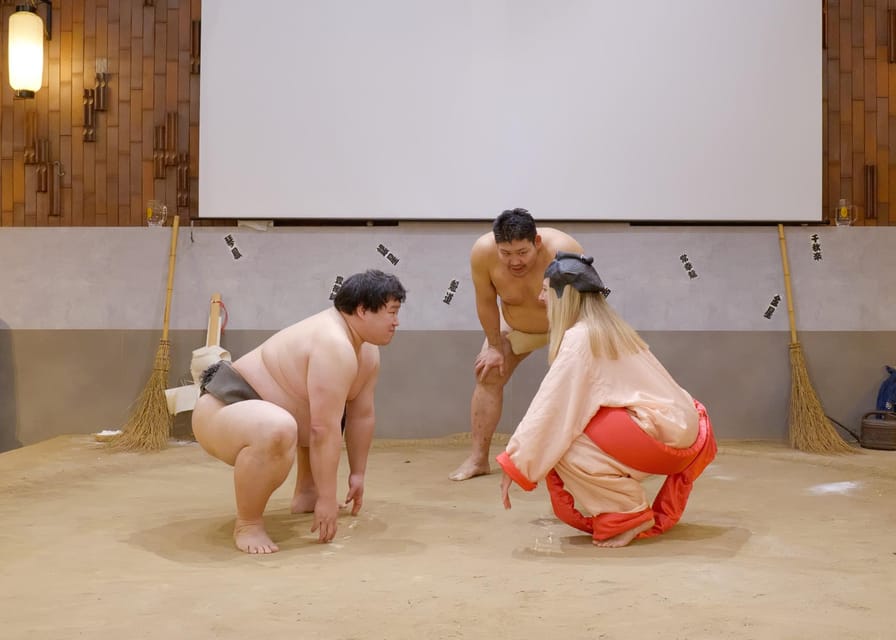
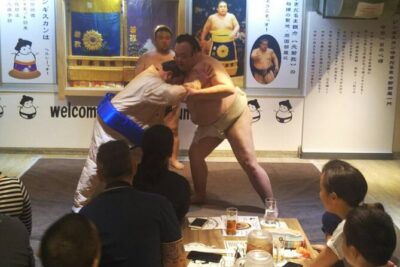
- Hands-on sumo costume time, plus a chance to try techniques in the ring
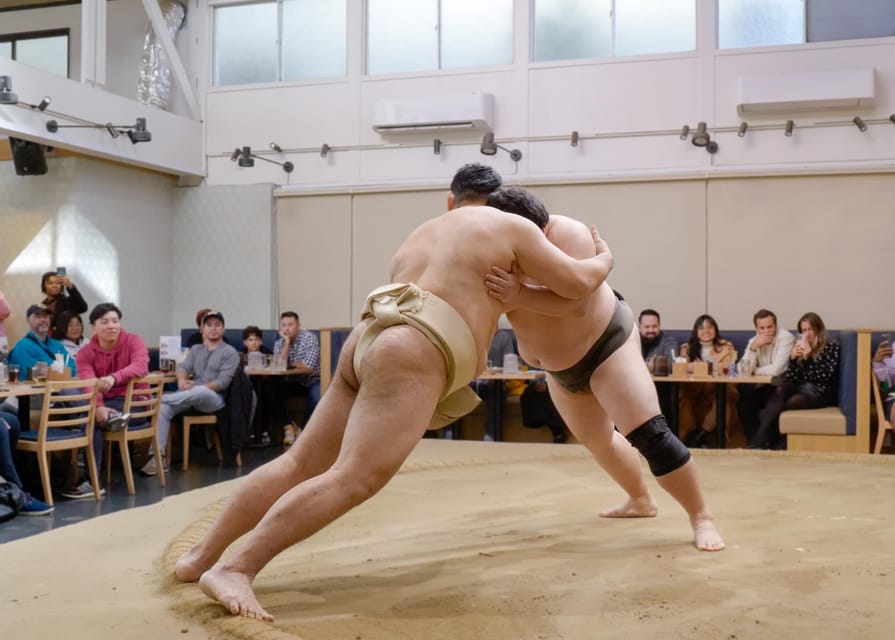
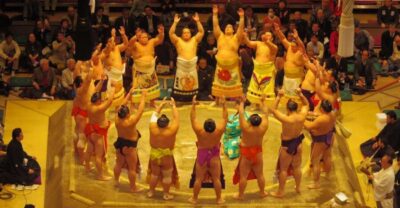
- Watch a live demonstration in the dohyo, with commonly used terminology explained
- Eat as part of the show, tonkatsu lunch or sukiyaki dinner depending on your option
- Photo time with the wrestlers, plus a Q&A session
- Best seats are assigned by booking order, so earlier reservations help for hearing the commentary
More Sumo Experiences in Tokyo:
- Tokyo: Sumo Show Experience with Chicken Hot Pot and a Photo
★ 4.8 · 6,678 reviews - Tokyo: Sumo Show and Dining Experience
★ 4.8 · 2,742 reviews - the SUMO show
★ 5.0 · 1,960 reviews
Why This Sumo Show Mixes Wrestling, Costumes, and Tonkatsu
Tokyo has plenty of shows, but this one connects the sport to everyday Japanese culture in a way that actually sticks. Sumo is ancient, yes, but the real interest is human. Former wrestlers talk about training, technique, and the rules of the world you are about to see.
What makes this experience especially practical is that it packages three things most people want in Japan: a live cultural performance, active participation, and a satisfying meal. You leave with photos, a better sense of what is going on in a sumo bout, and food that feels like you ate in Japan, not just grabbed lunch near a station.
If you are traveling around Shinjuku and want something that feels more personal than a big-ticket attraction, this fits nicely. It is also a solid alternative if you are hoping to see sumo-related activities but the usual options are limited by age or access.
Meeting at Kikukawa Station, Getting Set Up Fast
Your meeting point is simple and transit-friendly. Take the Shinjuku Line and get off at Kikukawa Station. Walk about 5 to 8 minutes from the A1 exit.
Two practical notes matter here:
- There is no hotel pickup or drop-off and no transportation included. You should plan to get yourself to the meeting point on time.
- The activity ends back at the meeting point, so you are not stuck figuring out a new route at the end of the meal and excitement.
The total time is listed as 1.5 hours, and in real life it can feel a bit closer to two hours depending on the flow of demonstration, hands-on time, and Q&A. Either way, it is short enough to fit into a travel day without wrecking your dinner plans.
You will also want to keep an eye out for seating. The best seats are arranged by order of booking, and your group may be seated at different tables depending on participant numbers. That means your reservation timing can affect your listening experience.
Former Wrestlers on the Dohyo, English Commentary Included
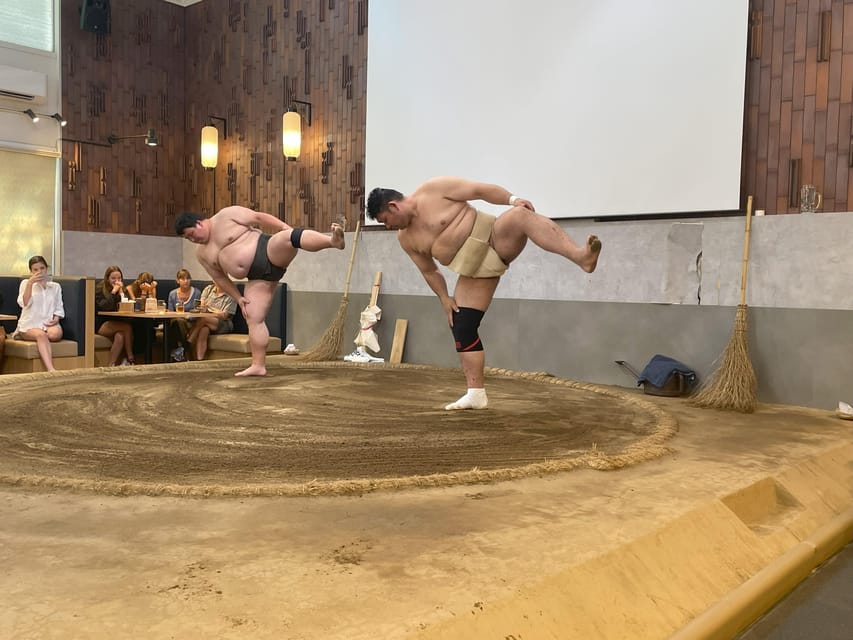
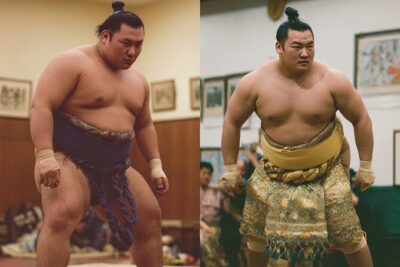
The core of the event is a demonstration by retired sumo wrestlers. You watch them in the ring, and you get English explanations so the moves make sense. This matters more than it sounds. Sumo is full of small details, from stance to timing, and once you learn a few key terms, the action suddenly feels readable.
A couple of things I like about the way these sessions are typically run:
- The host or greeter provides English commentary, and it is clear they expect international visitors. You are not left to guess what is happening.
- There is time for questions and answers, which is where most people learn the little stuff they would never pick up from watching alone.
The audience experience can vary. One important consideration: some groups talk loudly during the show, and that makes it harder to hear the explanation and Q&A. If good audio matters to you, booking earlier to secure better seating is worth it.
A change of pace from Tokyo:
- Mt Fuji and Hakone 1-Day Bus Tour Return by Bullet Train
★ 5.0 · 26,383 reviews - 1-Day Tokyo Bus Tour
★ 5.0 · 14,250 reviews - Tokyo: TOKYO SKYTREE® Admission ticket
★ 4.5 · 11,192 reviews - Tokyo: teamLab Planets TOKYO Digital Art Museum Entry Ticket
★ 4.6 · 9,779 reviews
The Hands-On Part, Trying Sumo Moves in a Costume
This is where the experience turns from something you watch into something you do. After the demonstration, you put on a sumo costume and step into the ring area for a hands-on try.
You are not just wearing the outfit for a quick gimmick. The event is structured so you actually test out your strength and technique against what you have just seen. It is playful, friendly competition, but it is also athletic enough to feel real.
A great bonus is that this section is fun for different age groups. One family shared that they booked this because they could not access a stable training area with younger kids, and their children still had a great time here. So if you are traveling with kids and want sumo without the strict “training area only” limitations, this format can be a smart choice.
Practical tip: wear comfortable clothing and shoes you can move in. Even if you are not doing anything extreme, sumo costume play can involve stepping, squaring up, and getting low.
Your Meal Choice, Tonkatsu Lunch or Sukiyaki Dinner
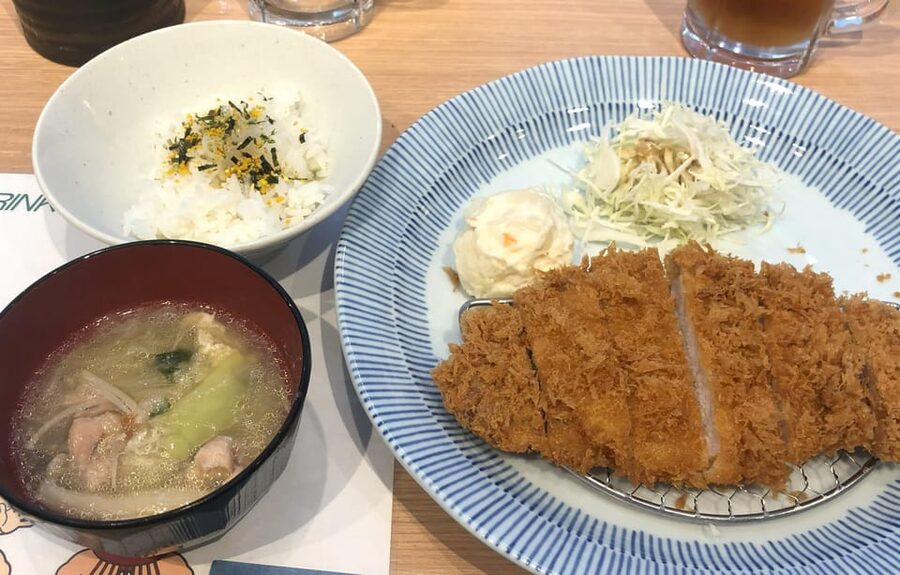
Food is not an afterthought here. Your meal is part of the program, included with the ticket.
Depending on what you choose when booking:
- Lunch option: typically tonkatsu, a deep fried pork cutlet served as a satisfying Japanese meal.
- Dinner option: sukiyaki, a hot pot dish with beef and vegetables in a sweetened soy broth.
The exact menu can vary, and I would not ignore that. In one account, the lunch described included a Genghis Khan style lunchbox and also mentioned a chanko-ba component. The point is simple: expect a meal that feels local, and do not assume every booking is identical.
If you have dietary requirements, you should advise them in advance. The organizer asks you to share specific needs. That helps, because there is no promise that every dish can be modified on the spot.
Also, the experience notes that it is acceptable to bring your own food and drink. If you have a sensitive stomach, allergies, or strict dietary limits, bringing a backup snack can make the day easier.
What is not included is extra food and drinks beyond your included meal. So budget a little for water or additional items if you need them.
Where to Sit and How to Get the Best Photos
This experience includes a photo moment alongside the wrestlers. People take that photo because it is cool, and also because it is one of the clearest souvenirs you can get in a short event.
One practical listening tip: if you care about hearing the commentary, do not focus only on visual angles. Seating near the front can help you catch the host’s explanations and Q&A even if the perfect view is not your priority.
There is no guarantee you will sit with everyone in your group at the same table. Depending on group size, you might be split across tables. The upside is that you still get the demonstration and the structured experience, but you might want to arrive with a calm attitude and treat it like a shared sports clinic rather than a private show.
If you are mainly after the photo, you may feel the experience is more efficient if you listen and learn first, then take the picture at the end. The explanation is what makes the photo mean more later when you remember what you just learned.
Price and Value, Is It Worth $117?
At $117 per person, this is not the cheapest thing you can do in Tokyo. But it is also not priced like a generic tourist meal. You are paying for a specific combination:
- a live demonstration by former sumo wrestlers
- English explanation
- hands-on costume and ring participation
- a meal included (tonkatsu or sukiyaki)
- photo time and a Q&A session
That value equation matters if you compare it to paying separately for a food experience plus a show plus transportation time plus interpretation help. Here, you get all of it stacked into one short window.
The best way to maximize value is to book with intention:
- If you want to understand sumo, this format earns its cost because it explains terminology and context.
- If you just want a photo with minimal participation, you might feel the event is more fun when you actually engage with the hands-on portion.
My practical advice: treat it like a cultural sports lesson with a meal, not like a quick photo stop. That mindset makes the price feel much fairer.
Who This Fits Best, Couples, Families, and Sumo Curious
This experience is a strong fit if you fall into one of these buckets:
- You are sumo curious but not fluent in the rules. The explanations help you watch with understanding.
- You want interaction, not just sitting. Costume time plus ring participation is the point, and it is fun.
- You are traveling with kids. One family specifically used this because it was easier than a stable option with age restrictions, and their children enjoyed the interactive parts.
- You like structured cultural activities. You know when the demonstration ends, when the hands-on starts, and when the meal arrives.
It may be less ideal if:
- you need a very quiet environment to enjoy spoken commentary
- you dislike group events where other people might talk during the show
If you are sensitive to noise, choose your seat early by booking promptly.
Small Rules That Keep the Day Smooth
A few “know before you go” items can save you hassle:
- The activity is not refundable. Plan carefully when you book.
- You have to follow staff instructions. If your behavior is troublesome, you may be asked to leave, and no refund is provided in that situation.
- Confirmation is sent within 24 hours of booking, based on availability.
This is standard for live events, but it is worth mentioning because sumo culture is built on respect and ceremony, and staff are managing both safety and the flow for everyone.
Should You Book This Sumo and Meal Experience?
Yes, if you want a short, structured introduction to sumo that includes real participation and a meal you can eat without planning extra stops. It is especially worth it when you care about understanding what you are seeing, not just taking photos.
Skip it or reconsider if you are mainly after a passive show and you hate group settings, because you are sharing the room with other visitors and that can affect how well you hear the commentary.
If your trip timing does not line up with a sumo tournament, this is one of the most practical ways to get a taste of the sport in Tokyo, with former wrestlers, a costume try, and tonkatsu or sukiyaki to finish the story.
FAQ
What is the duration of the Tokyo sumo and meal experience?
It runs for about 1.5 hours. Starting times depend on availability.
Where do I meet for the tour?
Meet at Kikukawa Station. Take the Shinjuku Line and get off at Kikukawa Station, then walk about 5 to 8 minutes from the A1 exit.
Is lunch or dinner included?
Yes. Your ticket includes lunch or dinner depending on the option you selected when booking.
What food is included?
The lunch option is typically tonkatsu, and the dinner option is sukiyaki. Additional food and drinks are not included.
Do I get help in English?
Yes. The host or greeter provides explanations in English and Japanese.
What if I have dietary requirements?
You should advise the provider of any specific dietary requirements. The activity also allows you to bring your own food and drink.
Can I get my money back if I cancel?
No. This experience is listed as non-refundable.
Latest write-ups near Tokyo
- Tokyo Nights: Shibuya Photo Adventure★ 5.0 · 20 reviews
- Wagyu & Sake 8 Course Tasting Dinner in Shinjuku★ 4.9 · 20 reviews
- Making Japanese desserts Nerikiri & drinking matcha in Tokyo★ 5.0 · 20 reviews
- Japanese Whisky Hunting《HIGH-QUALITY-ONLY》Rare Tasting Class★ 5.0 · 20 reviews
- Mt. Fuji 5th Station, Owakudani Ropeway, Pirate Ship plus Outlet shopping!★ 4.5 · 20 reviews
- Kintsugi Experience with Arita Ware in Tokyo (English Guide)★ 4.8 · 20 reviews
- This is Asakusa! A Tour Includes the All Must-Sees!★ 5.0 · 20 reviews
- Ebisu Local Food Tour: Shibuya’s Most Popular Neighborhood★ 5.0 · 20 reviews
Sumo Experiences, compared.
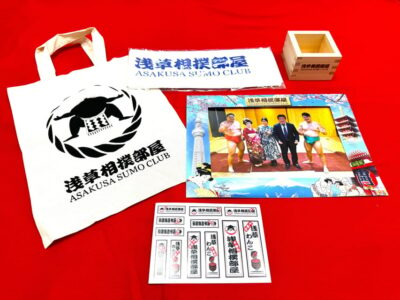
Sumo Show Experience with Chicken Hot Pot and a Photo
Read our review →
Tokyo Shinjuku Sumo Show & Experience with Photo
Read our review →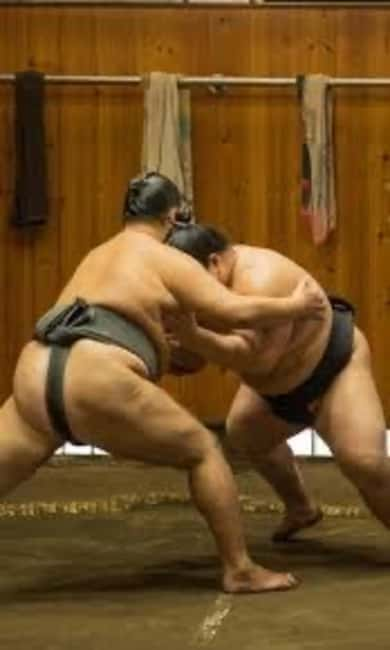
Sumo Show & Experience w/ Optional Kimono & Hot Pot
Read our review →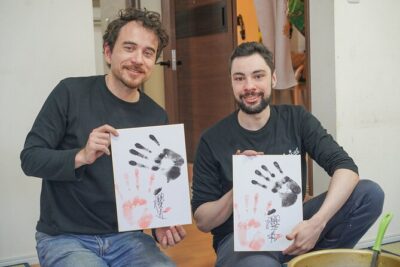
Authentic Sumo Experience in Tokyo: Enter the Sanctuary
Read our review →Browse the lists this tour appears in