
Reviewed · TEMPLE & SHRINE TOURS
Tokyo Early Morning Tour Asakusa Meiji Shrine (Private Opt)
Tokyo’s big-name sights can feel like a stampede in the afternoon, so this early-morning approach is a smart way to see more without losing your patience. I like the start-before-the-rush timing, and you’ll feel the difference the moment Sensoji and the surrounding streets calm down a bit.
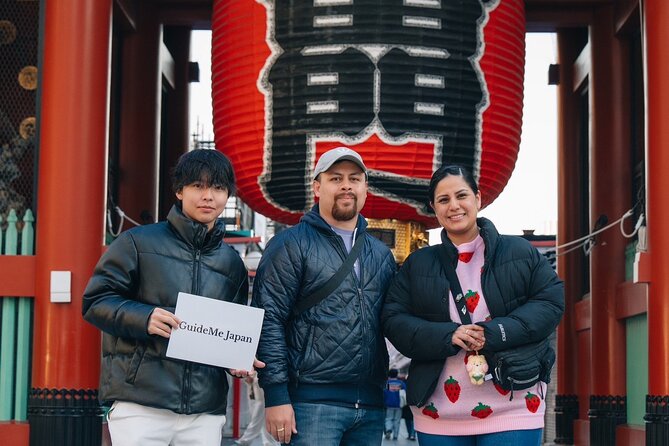
The other thing I really value is the English-speaking guide with commentary, and the guides are often the reason people rate this so highly. I’m seeing names like Hana Tanaka and Kouta come up in a big way, with guides who answer questions and tailor the pace, even for families. One consideration: the tour does not include food or the local transit cost (about 600 yen), so you’ll want a small plan for getting hungry and moving between stops.
Key highlights worth waking up for
- Early-bird route that helps you dodge the afternoon crush at major landmarks
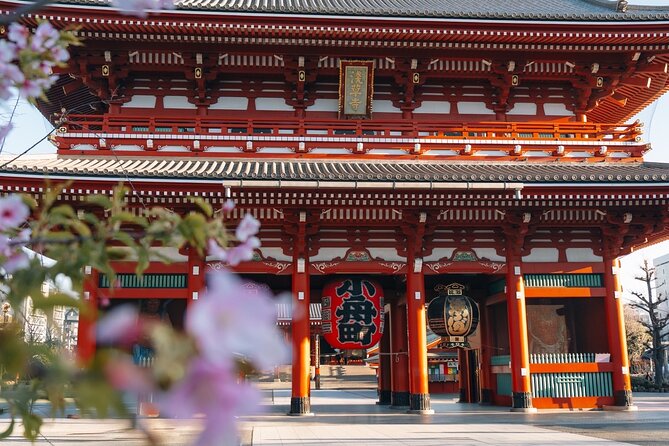
- Asakusa and Sensoji first, when the temple area feels more manageable
- Tsukiji outer market focus, with practical guidance for what to try and how to move
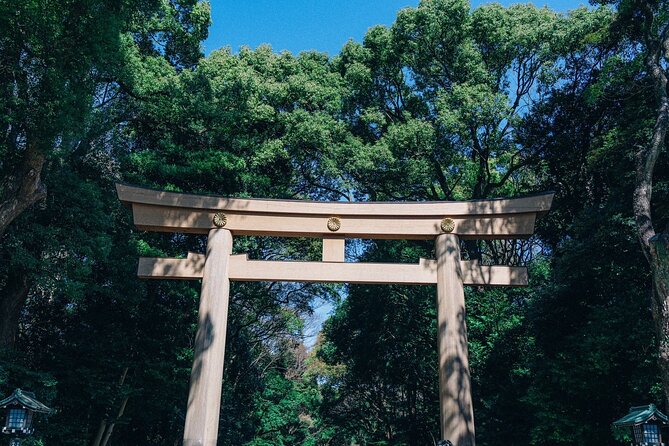
- Meiji Jingu Shrine in a quieter setting, surrounded by a forested area
- Shibuya Crossing at the end, so you get the Hachiko photo moment without added stress
- Small group cap (up to 8), which keeps questions from getting lost
Why this early morning loop makes Tokyo feel easier
Tokyo is one of those cities where a good plan matters. If you show up to the major sights after lunch, you often spend the day doing damage control, not sightseeing. This tour is built around the idea that you’ll see Asakusa, Tsukiji, Meiji Jingu, and Shibuya in a logical order while the city is still waking up.
You’re also getting a built-in “translation layer” for what you’re looking at. Temples, shrines, and market culture are easier to enjoy when you know the why behind the what, and the tour includes an English-speaking guide to provide context along the way.
The route is short enough to feel efficient, but long enough to give you a strong first-day overview. That’s the real value: you’re not just collecting photos, you’re getting the story that helps the rest of your Tokyo trip make sense.
More Temple & Shrine Tours in Tokyo
- Tokyo: Meiji Shrine, Asakusa, Skytree Bus Tour and Cruise
★ 4.7 · 1,986 reviews - Tokyo: Asakusa Walking Tour with Sensoji Temple Visit
★ 4.8 · 1,583 reviews - Nikko: Kegon Falls, Lake Chuzenji & Toshogu Temple
★ 4.6 · 1,577 reviews
Asakusa and Sensoji: the first stop that sets the tone
Your morning begins in Asakusa, home to Sensoji, Tokyo’s oldest and most famous Buddhist temple. You’ll also spend time around Nakamise Shopping Street, which is the classic walkway packed with souvenirs and snacks aimed at temple visitors.
What I like about starting here early is that the vibe feels different than it does later. In the morning, you can focus on the temple itself, then wander the street without feeling like you’re part of a moving crowd. It’s still busy in a good way, just not chaotic.
Practical expectations:
- Entry at this stop is free, so you’re not burning budget on timed tickets.
- You’ll get about an hour at Asakusa, which is enough to see the main temple area and do some wandering without turning it into an all-day project.
A small drawback to consider: Asakusa is visually dense. If you’re the type who likes to linger in one place, you may want to plan extra time here after the tour.
Tsukiji Fish Market: outer market energy plus helpful guidance
Next comes Tsukiji Fish Market, one of the world’s most famous food names. The inner wholesale market moved to Toyosu, but the outer market area still works as a lively food destination, especially for snacks, small bites, and quick culinary curiosity.
You get about an hour here, and that time is best used with a plan. Without guidance, it’s easy to wander and miss the best matches for your tastes. With a guide, you can move smarter, ask what to try, and understand the difference between what’s for serious market insiders and what’s made for visitors.
This stop is also free to enter, and it’s a classic place to build your Tokyo food confidence. If you like street food and casual tastings, this is where you’ll feel Tokyo’s everyday culture in your hands, not just in museums.
One honest note: one hour can be short if you want to eat a lot. The tour does not include food, so you’ll want to bring a little appetite and be ready to spend on what you choose.
Meiji Jingu Shrine: a forest pause in the middle of the city
After the market scene, you head to Meiji Jingu Shrine, dedicated to Emperor Meiji and Empress Shoken. This is the calm counterweight in the itinerary. The shrine is surrounded by a lush, forested area, and the change of atmosphere is part of what makes this stop so satisfying.
You’ll have about 1 hour 30 minutes, which is plenty of time to slow your pace. Here’s the thing, Meiji Jingu isn’t about rushing through. It’s about noticing the details: the setting, the quiet rhythm, and the way people move through a sacred space with respect.
This stop is also free, so you’re paying for the experience of being there, not entry fees. The guide’s commentary helps too, especially if you want cultural context for what you’re seeing rather than just a photo stop.
A possible consideration: if you’re traveling in peak-season heat, the covered walkways and shaded areas can help, but you’re still outdoors. Wear comfortable shoes, and treat this stop as your reset button.
A change of pace from Tokyo:
- Mt Fuji and Hakone 1-Day Bus Tour Return by Bullet Train
★ 5.0 · 26,383 reviews - 1-Day Tokyo Bus Tour
★ 5.0 · 14,250 reviews - Tokyo: TOKYO SKYTREE® Admission ticket
★ 4.5 · 11,192 reviews - Tokyo: teamLab Planets TOKYO Digital Art Museum Entry Ticket
★ 4.6 · 9,779 reviews
Shibuya Crossing at day’s start: iconic, but less stressful here
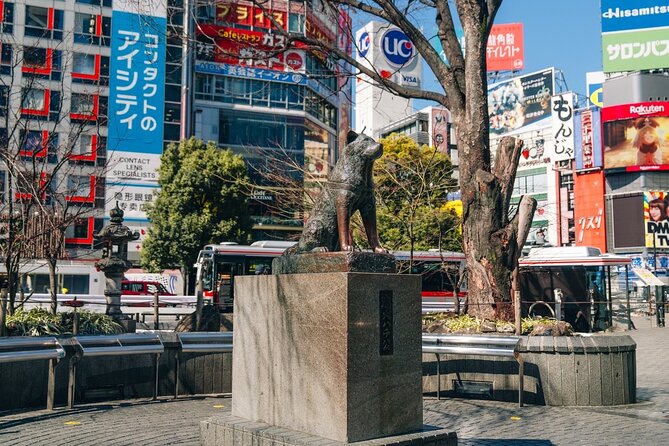
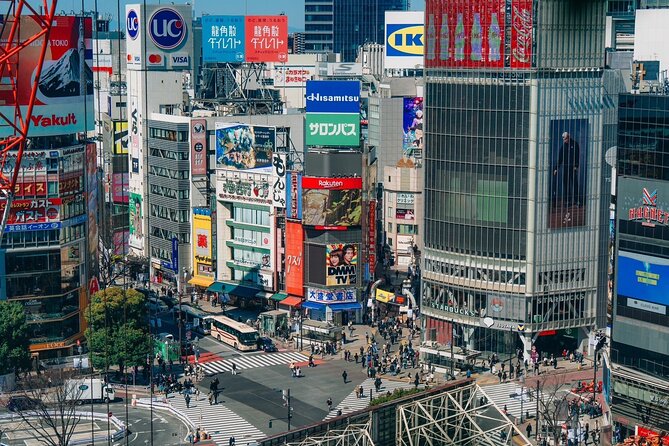
The tour finishes near Shibuya Crossing, one of Tokyo’s most iconic scenes. You’ll be outside Shibuya Station area, where hundreds of pedestrians funnel in and out from all directions.
You get about 30 minutes at Shibuya Crossing, which is enough time to understand what you’re seeing and take a few solid photos without turning it into a long detour. Then you also end at the Hachiko Statue, right outside Shibuya Station, which is a great final anchor point for walking your next plans from there.
Why this timing works: Shibuya is one of those places that feels more manageable when you’re not arriving in the thick of peak evening activity. Even if you still see crowds, you’re walking through them with the itinerary already solved, not searching around.
A small practical point: this is a high-energy zone. If you tend to get overwhelmed in dense areas, consider giving yourself a moment before the scramble, then enjoy it like performance art.
Guides make the difference: Hana Tanaka, Kouta, and what they do well
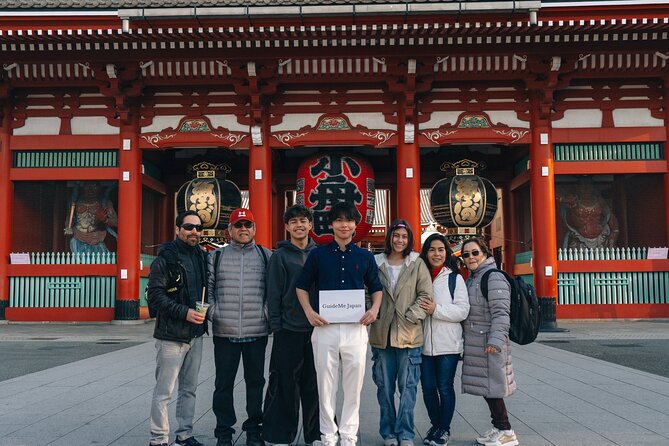
This tour earns its high marks for one big reason: the guides aren’t just reading facts. They’re guiding. The names Hana Tanaka and Kouta show up in standout feedback, along with praise for guides who stay accommodating and answer questions clearly.
Here’s what that usually means in real life:
- You get commentary throughout, so each stop isn’t just a quick drop-off.
- Questions don’t feel like interruptions, they feel like part of the experience.
- The guide can adjust pacing, which matters if you have kids or teens in your group.
One review-style pattern that’s especially useful for you: the guides are described as relating well with families, including teenagers. That’s not a detail to ignore. Tokyo can be intense for younger travelers, and a guide who can connect the dots makes the whole morning feel smoother.
If you care about culture, food, or practical how-to tips, this tour is the kind where a good guide saves you from guessing.
Price and value: what $59.46 buys you and what to budget
At $59.46 per person, this tour sits in the “worth it for structure” category. You’re not paying for admission fees at the main stops, since the temple and shrine entries are free. You’re paying for the guide time, the planned route, and the benefit of getting from one landmark to the next without working it all out from scratch.
What’s not included:
- Food and drinks
- Transportation fee, listed as around 600 yen
This is normal for tours like this in Tokyo, but it matters for planning. If you budget about 600 yen for local transit and then add a few meal or snack purchases at Tsukiji, the day becomes predictable.
Does it still make sense if you’re traveling on a strict budget? It depends on your style. If you enjoy organizing your own itinerary and you already know how to navigate with confidence, a cheaper self-led route might work. If you want a guided “best-of overview” that keeps your morning productive, this price can feel fair fast.
Timing, duration, and how much walking you should expect
The tour is listed at about 5 hours, and some groups report it running a bit closer to 6 hours depending on pace and questions. Either way, you’re signing up for a half-day effort.
You should assume:
- moderate walking between neighborhoods
- time spent standing and walking inside busy areas like Asakusa and Shibuya
The good news is that the rhythm is broken up by stops that make sense. You’re not just traveling nonstop. You have active sights, plus quiet time at Meiji Jingu.
If you’re the type who likes to sit every chance you get, you might need to build in extra breaks on your own later. But if you’re comfortable with a steady morning, this is manageable.
Where you start and end, plus how to think about transit
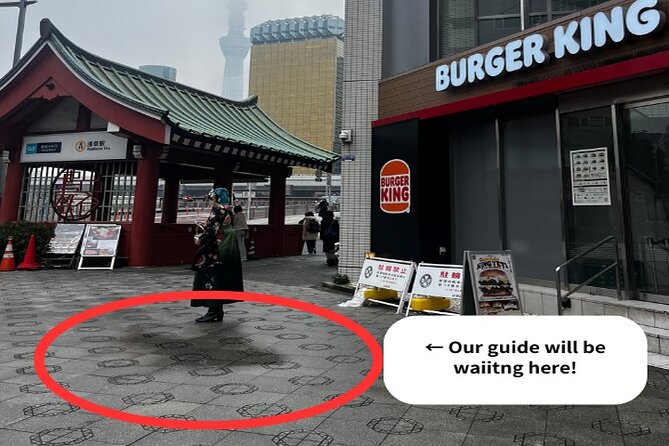
You meet near Burger King Asakusa Azumabashi (in the Kaminarimon area). The exact listed address includes the Royal Palace building and nearby location details. You end at the Hachiko Statue by Shibuya Station, which is a helpful finish because it’s easy to orient yourself after the tour.
One practical way to think about this: arrive a little early at the start so you’re not stressed lining up. Then treat the ending as your handoff point. After Hachiko, you’ll be in a place where you can pivot to shopping, dinner, or transit connections easily.
Also, the tour includes a mobile ticket, which can save you time at check-in compared to juggling printouts.
Should you book this early morning Asakusa-Meiji-Shibuya tour?
If you want the Tokyo highlights in one organized morning, this is a strong match. It works especially well for:
- first-time visitors who want a structured introduction
- families who benefit from a guide who can keep teens engaged
- travelers who care about context, not just landmarks
- anyone trying to avoid the afternoon crowds at Asakusa, Tsukiji, and Shibuya
I’d think twice if:
- you hate multi-stop itineraries and prefer slow, single-neighborhood days
- you don’t want to budget for food and local transit on top of the tour price
- you have very limited mobility, since the route involves a moderate fitness level
Overall, this is one of those “plan your best morning first” tours. You get a clean sequence of Tokyo icons, you get cultural and food guidance, and you finish in Shibuya ready to keep exploring.
FAQ
How long is the Tokyo early morning tour?
It runs for about 5 hours approximately.
What does the price include?
The tour includes an English-speaking guide and uses a mobile ticket.
Is food included?
No. Food and drinks are not included.
Is transportation included?
No. A transportation fee is listed as around 600 yen.
Where do I meet the tour, and where does it end?
You start near Burger King Asakusa Azumabashi in the Kaminarimon area. You end at the Hachiko Statue by Shibuya Station.
Which stops are included in the itinerary?
The tour covers Asakusa (Sensoji), Tsukiji Fish Market, Meiji Jingu Shrine, and Shibuya Crossing.
Are tickets required for the main sights?
Admission for the listed sights is free, including Sensoji, Tsukiji Fish Market, Meiji Jingu Shrine, and Shibuya Crossing.
Can I cancel for a full refund?
Yes. Free cancellation is available if you cancel at least 24 hours before the experience starts.
Latest write-ups near Tokyo
- Tokyo Customized Private Tour: See Top Attractions in 1 Day★ 4.8 · 67 reviews
- From Tokyo: Top 5 Scenic Spots of Mount Fuji Full-Day Tour★ 4.5 · 67 reviews
- Traditional Japanese Music ZAKURO SHOW in Tokyo★ 5.0 · 67 reviews
- Tokyo: Shinjuku Izakaya and Golden Gai Bar Hopping Tour (2h)★ 4.9 · 67 reviews
- Tsukiji: Unlimited Sake Tasting Experience★ 4.9 · 67 reviews
- Private Harajuku Omotesando Architecture Walking Tour★ 5.0 · 67 reviews
- Tokyo: Not a show- a professional sumo practice with experts★ 4.9 · 67 reviews
- Samurai Ninja Museum Asakusa: Kid-Friendly Ninja Training★ 4.7 · 67 reviews
Temple & Shrine Tours, compared.
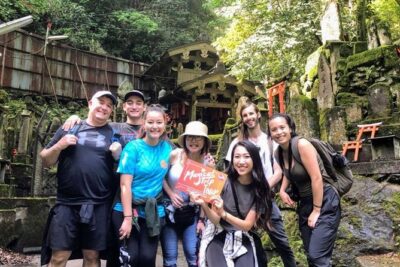
Fushimi Inari, Kinkakuji, Bamboo Grove 1 Day Bus Tour
Read our review →
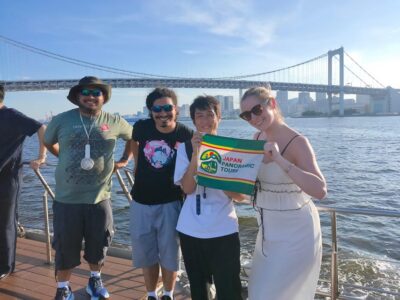
Meiji Shrine, Asakusa, Skytree Bus Tour and Cruise
Read our review →
Osaka/Kyoto:Kinkakuji,Arashiyama,FushimiInariShrine,NaraPark
Read our review →
Asakusa Walking Tour with Sensoji Temple Visit
Read our review →
Nikko: Kegon Falls, Lake Chuzenji & Toshogu Temple
Read our review →
Kamakura & Enoshima Day Trip including Temple Tickets
Read our review →
Nikko Toshogu Shrine and Kegon Waterfall Tour
Read our review →Browse the lists this tour appears in